Language is endlessly fascinating, especially when it comes to the intimate vocabulary that varies so dramatically across the Atlantic. British and American English diverge significantly when discussing matters of romance and physicality, often leading to confusion, embarrassment, or unintentional comedy. This guide explores the linguistic landscape of British slang in this arena, helping you navigate conversations without cultural mishaps.
Why British Slang Is Different
British slang for intimate matters reflects centuries of linguistic evolution, class dynamics, and a particular cultural approach to discussing taboo subjects. Where American English often borrows clinical terms or creates new phrases, British English has developed a rich tradition of euphemism, wordplay, and regional variation. Understanding these terms isn’t just about vocabulary—it’s about grasping British attitudes toward intimacy, humor, and social propriety.
The British tendency toward understatement and innuendo means that many slang terms are deliberately indirect or playful. This linguistic creativity has produced some terms that sound completely innocent to American ears but carry very specific meanings in Britain.
Essential Vocabulary Differences
Bonk/Bonking – Perhaps the most quintessentially British term, “bonking” means having sex. It sounds almost comical to American ears, but it’s widely used in the UK, from tabloid headlines to casual conversation. “They were bonking” is a common way to describe two people having an affair or hookup.
Shag/Shagging – Made famous internationally by the Austin Powers films, “shagging” is the British equivalent of the American “screwing” or “banging.” It’s casual, direct, and extremely common. “Do you want to shag?” is blunt but not necessarily crude in British contexts.
Snog/Snogging – This refers to kissing, specifically passionate kissing or making out. “We had a snog” or “they were snogging” is standard British usage. Americans might say “making out” or “hooking up” (though the latter implies more in American English).
Pull – In British nightclub and dating contexts, “pulling” someone means successfully attracting them for romance or intimacy. “Did you pull last night?” is a common question after a night out. Americans might say “hook up with” or “score with.”
Randy – While this is simply a name in America (short for Randall or Randolph), in Britain, “randy” means sexually aroused or horny. “Feeling randy” is a common British expression that would sound bizarre to Americans unfamiliar with this usage.
Knob – This has a specific anatomical meaning in British slang (referring to the penis), but it’s also used as an insult meaning “idiot.” The dual usage can create confusion. Americans typically use different terms entirely.
Willy – The British childish/casual term for penis, equivalent to the American “wee-wee” or “pee-pee,” though used more commonly by adults in Britain than similar American terms.
Fanny – Here’s where things get really confusing. In America, “fanny” innocently refers to the buttocks. In Britain, it refers to female genitalia. This creates potentially mortifying situations when Americans talk about “fanny packs” (British: “bum bags”) or sitting on their fanny.
Bollocks – Literally meaning testicles, this word has multiple uses in British English. It can mean “nonsense” (“That’s bollocks!”), express frustration, or in the phrase “the dog’s bollocks,” surprisingly mean “excellent.”
Bum – In Britain, this always means buttocks. The American usage meaning “homeless person” doesn’t exist in British English. “Nice bum” is a compliment about someone’s posterior.
Shag/Shagger – Beyond the verb, “shagger” can describe someone promiscuous, though context matters. It’s not necessarily insulting—British attitudes toward sexuality tend to be more open than American Puritan-influenced perspectives.
Wank/Wanking/Wanker – “Wanking” is the British term for male masturbation, equivalent to the American “jerking off.” However, “wanker” has become one of Britain’s most versatile insults, meaning an idiot, jerk, or contemptible person. “He’s a complete wanker” is a strong insult. Interestingly, “wank” can also mean something worthless or pretentious: “That film was wank” or “What a load of wank.” The term is considered quite vulgar but is used liberally in British English.
Tosser – Another term for masturbation (“tossing off”), but like “wanker,” primarily used as an insult meaning idiot or jerk. “He’s such a tosser” is common British parlance. It’s slightly less harsh than “wanker” but still definitely not polite.
Bollocking – While “bollocks” means testicles, “a bollocking” means a severe telling-off or reprimand. “The boss gave me a right bollocking” has nothing to do with anatomy and everything to do with getting yelled at. Similarly, “to bollock someone” means to reprimand them harshly.
Knackered – While “knackers” is slang for testicles, “knackered” means exhausted or broken. “I’m absolutely knackered” means “I’m exhausted.” The connection to the anatomical term has largely faded in common usage.
Dodgy – While not explicitly sexual, this term often appears in contexts involving questionable romantic or sexual behavior. “He seems a bit dodgy” can imply someone is untrustworthy in relationships. A “dodgy shag” might mean an ill-advised hookup.
Fit – In British slang, “fit” means sexually attractive, not physically healthy (though the meanings can overlap). “She’s well fit” or “He’s absolutely fit” are common compliments. Americans might say “hot” instead.
Peng – A newer British slang term, particularly in London and among younger people, meaning very attractive or excellent. “She’s peng” or “That’s peng” indicate high approval. It’s somewhat equivalent to “hot” or “fire” in American slang.
Lush – Originally meaning luxurious or appealing, in British slang “lush” often means attractive or desirable. “He’s proper lush” indicates someone is very attractive. It’s softer and less crude than many alternatives.
Tart – A derogatory term for a promiscuous woman, though it’s also used more playfully among friends. “She’s a bit of a tart” can be harsh or affectionate depending on context and relationship. American equivalents might include “slut” though “tart” is somewhat old-fashioned.
Slag – A harsh British term for a promiscuous person, usually a woman, though it can apply to men. It’s quite insulting. “She’s a slag” is a serious insult, not banter. However, “slagging off” means criticizing or insulting someone and has nothing to do with promiscuity.
Slapper – Similar to “slag,” meaning a promiscuous woman. It’s crude and derogatory. “She looks like a slapper” judges both behavior and appearance. These gendered terms reflect problematic attitudes but remain common in British English.
Scrubber – An older, somewhat dated British term for a promiscuous woman. Less commonly used today than “slag” or “slapper,” but you’ll still hear it, particularly from older generations.
Minger – A crude British term for someone unattractive. “She’s a minger” is mean-spirited and rude. The related verb “to ming” means to smell bad, adding another layer of insult. Not a term anyone wants applied to them.
Munter – Similar to “minger,” meaning someone very unattractive. Both terms are unkind and shallow, but they’re common in British slang, particularly among younger people or in crude contexts.
Bell-end – Literally the glans of the penis, but used as an insult meaning idiot or jerk. “You bell-end” is a common British insult, roughly equivalent to “you dick” in American English. It’s vulgar but extremely common.
Prick – Used in both British and American English to mean penis, but British speakers use it more frequently as an insult. “He’s a prick” or “Don’t be such a prick” are standard British expressions. It’s harsh but not the strongest insult available.
Cock – The British use this term for penis more casually than Americans might. It appears frequently in compounds like “cock-up” (a mistake or bungle) which has nothing to do with anatomy. “I made a right cock-up of that” means you badly messed something up.
Nob – An alternative spelling/pronunciation of “knob,” used the same way. Can mean both penis and idiot. “He’s a complete nob” is a common insult.
Tool – While Americans use this as an insult meaning someone who’s foolish or used by others, British speakers sometimes use it to refer to the penis as well. Context determines meaning, which can lead to confusion.
Spunk – In Britain, this primarily means semen, making it much cruder than the American usage meaning courage or spirit. “He’s got spunk” means something very different to British ears than American ones. This is a major source of cross-Atlantic confusion.
Come/Cum – Used in both countries, but British speakers are more likely to use “come” while Americans often use the “cum” spelling. Both mean ejaculation or to orgasm. The British tend to favor the traditional spelling.
Roger – An old-fashioned British term meaning to have sex with. “Roger her” is crude but you’ll encounter it in older British literature and speech. The Jolly Roger (pirate flag) has unfortunate connotations when British speakers think about this term.
Legless – While this literally means without legs, in British slang it means extremely drunk. Since drunkenness often precedes poor sexual decisions, it appears in contexts about nightlife and hookups. “I was absolutely legless” means “I was extremely drunk.”
Pissed – Another source of confusion. In Britain, “pissed” means drunk, not angry (which is the American usage). “I was pissed last night” means “I was drunk,” not “I was angry.” “Pissed off” means angry in both countries, but plain “pissed” differs dramatically.
Bevvy/On the Bevvy – British slang for alcoholic drinks or drinking. “Out on the bevvy” means going out drinking, often in contexts related to pulling or hooking up. The drinking culture and dating/hookup culture are closely intertwined in British nightlife.
Gagging for it – A crude British expression meaning desperately wanting sex. “She’s gagging for it” is vulgar and often sexist, implying someone is obviously sexually desperate. It’s not a polite phrase but is commonly used.
Up for it – A more neutral British phrase meaning willing or interested in something, often sex. “Are you up for it?” can be a direct proposition, depending on context. It’s less crude than “gagging for it” but still clear in meaning.
Getting your end away – A British euphemism for having sex, particularly casual sex. “Did you get your end away?” is a crude but common question among friends. It objectifies sex but is standard in certain British social circles.
Having it off – Another British euphemism for having sex. “They were having it off” indicates two people were engaged in sexual activity. It’s less crude than some alternatives but still informal.
Romp – British tabloids love this word. A “romp” means a casual sexual encounter, usually described in scandal stories. “Secret romp” or “hotel romp” are tabloid staples. It makes everything sound slightly silly and undignified.
Bedding – To “bed” someone means to have sex with them. British tabloids use this frequently: “He bedded three women” sounds almost quaint but is clearly about sex. It’s slightly old-fashioned but still current.
Copping off – British slang meaning to kiss or hook up with someone. “Did you cop off with anyone?” asks if you kissed or hooked up during a night out. It’s particularly common in Northern England.
Winching – Scottish slang for kissing or making out. “They were winching” means they were passionately kissing. This term is specific to Scotland and might confuse even other British people.
Regional and Class Variations
British slang varies significantly by region and social class. London working-class slang differs from Yorkshire dialect, which differs from Scottish usage. Some terms considered crude in middle-class southern England might be standard vocabulary in northern industrial cities.
Scottish Differences: Scotland has its own rich vocabulary. “Winching” for kissing, “bawbag” as an insult (literally meaning scrotum), and “fandan” (meaning idiot, with anatomical origins) are distinctly Scottish. “Pumping” can mean having sex in Scottish slang.
Northern English Terms: The North of England has distinctive slang. “Mashing” can mean kissing in some Northern areas. “Getting your leg over” is a Northern euphemism for having sex. Northern dialects often have their own terms that baffle even Londoners.
Welsh Contributions: Welsh English has given British slang terms like “cwtch” (a cuddle or hug), though this is more affectionate than sexual. Welsh speakers often use both Welsh and English slang interchangeably.
Cockney and London: Cockney rhyming slang adds another layer of complexity. While traditional rhyming slang for intimate terms exists, it’s less commonly used today than terms like “berk” (from “Berkeley Hunt,” rhyming slang for a vulgar term) or “cobblers” (from “cobbler’s awls,” rhyming with “balls”). Modern London slang, influenced by Caribbean, South Asian, and African cultures, has created new hybrid terms.
Class Distinctions: Middle and upper-class British speakers might use more euphemistic or Latin-derived terms, while working-class slang tends toward more direct Anglo-Saxon vocabulary. However, these class distinctions are breaking down, especially among younger generations who mix registers freely.
British Dating and Relationship Slang
Beyond explicitly sexual terms, British English has distinctive vocabulary for dating and relationships that often confuses Americans:
Fancy – To fancy someone means to be attracted to them or have a crush on them. “I fancy her” means “I’m attracted to her” or “I like her romantically.” Americans might say “I have a crush on her” or “I like her.” “Do you fancy him?” is a common question meaning “Are you attracted to him?”
Chat up – To flirt with someone or try to seduce them through conversation. “He was chatting her up all night” means he was flirting with her. The noun “chat-up line” means a pickup line or opening gambit in flirtation.
Pulling – As mentioned earlier, but worth expanding: “pulling” is the art of successfully attracting someone for romance or sex. You can be “on the pull” (actively seeking), “pull someone” (successfully attract them), or be a “good puller” (someone who’s successful at it).
Copping off – Successfully kissing or hooking up with someone. “She copped off with that bloke from the pub” indicates a successful romantic encounter.
Getting off with – Similar to copping off, meaning to kiss or make out with someone. “They got off with each other” means they kissed/hooked up.
Seeing someone – In British English, this implies a more established relationship, often including sex, more than casual American dating. “I’m seeing someone” usually means you’re in an exclusive or semi-serious relationship.
Going out with – Similar to American usage, but British teens and young adults use this more than Americans who might say “dating.” “Are you going out with him?” is standard British phrasing.
Mates – Close friends, but “pulling a mate” or “shagging a mate” creates complications. “Mateship” is important in British culture, so crossing from friendship to romance is significant.
Fit as fuck – Extremely vulgar but common British expression meaning very attractive. Often abbreviated as “FAF” in text messages. Much cruder than just saying someone is “fit.”
Well fit – The “well” intensifier makes “fit” stronger. “She’s well fit” means “She’s very attractive.” British speakers use “well” as an intensifier more than Americans.
Buff – Particularly London/urban slang meaning attractive or good-looking. “He’s buff” means he’s attractive. Related to the American meaning of muscular, but broader in British usage.
Chirpsing – British urban slang meaning flirting or chatting someone up. “He’s chirpsing her” means he’s flirting with her. It’s more playful than predatory.
Grafting – British slang from shows like “Love Island,” meaning putting in effort to pursue someone romantically. “He’s grafting hard” means he’s making a serious effort to win someone’s affection.
Mugged off – Made popular by reality TV, meaning to be disrespected or humiliated in a romantic context. “She mugged you off” means she disrespected or made a fool of you, often by cheating or lying.
Cracking on – Pursuing someone romantically or making progress with someone. “I’m cracking on with her” means you’re actively pursuing a romantic connection.
Taking the piss – While not specifically sexual, this phrase appears in romantic contexts. It means mocking someone or not taking them seriously. “He’s taking the piss” means he’s mocking or not being serious, which matters in romantic situations.
Proper – Used as an intensifier, as in “proper fit” (very attractive) or “proper shag” (really good sex). “That was proper” means “That was really good/real/genuine.”
Terms That Don’t Translate
Some British concepts simply don’t have American equivalents:
Cheeky Snog – A spontaneous, somewhat inappropriate but playful kiss. The word “cheeky” itself (meaning impudent or bold in a charming way) doesn’t translate well to American English. A “cheeky snog” might happen at a party or after a few drinks, and carries connotations of mischief.
Rumpy Pumpy – A playfully euphemistic term for sex, used humorously. It sounds Victorian but is still used today, often ironically. “A bit of rumpy pumpy” makes sex sound silly and undignified, which is sometimes the point.
How’s Your Father – An old-fashioned euphemism for sex, as in “a bit of how’s your father.” It’s deliberately indirect and often used comedically. The phrase makes no literal sense, which is part of its charm as euphemism.
On the Pull – The active pursuit of romantic or sexual partners during a night out. “She’s on the pull tonight” indicates someone actively seeking to attract someone. It’s a distinctly British concept tied to pub and club culture.
Having a Cheeky Fumble – A British way of describing relatively innocent sexual exploration, like heavy petting. “Fumble” suggests awkwardness, while “cheeky” adds the playful element. It’s less serious than “sex” but more than just kissing.
Giving Someone the Eye – Looking at someone with clear sexual interest. “She’s giving him the eye” means she’s making obvious eye contact suggesting interest. Americans might say “checking someone out” but “giving the eye” is more deliberate.
Getting One’s Leg Over – A crude euphemism for sex, suggesting the physical position involved. “Did you get your leg over?” is a vulgar but common question about whether someone had sex.
Shifting – Irish English (used in Northern Ireland and the Republic) for kissing or making out. “They were shifting” means they were kissing. This term confuses even British people unfamiliar with Irish slang.
Lumber – Scottish and Northern English slang meaning to get stuck with someone (often undesirable) romantically for the evening. “I got lumbered with him” suggests ending up with someone you didn’t really want.
Love Bite – The British term for what Americans call a “hickey”—a bruise-like mark from kissing/sucking someone’s neck. “He gave her a love bite” is standard British phrasing.
Playing Away – British euphemism for having an affair, derived from sports terminology (playing away from home). “He’s playing away” means he’s cheating on his partner. It’s understated and indirect.
Having a Bit on the Side – British expression for having an affair or a secondary sexual partner. “He’s got a bit on the side” means he has someone he’s seeing in addition to his main partner.
Good Sort – Older British slang for an attractive person, usually a woman. “She’s a good sort” sounds dated now but you’ll hear it from older generations. It’s objectifying but less crude than some alternatives.
Crumpet – Dated British slang for attractive women, objectifying them as desirable items. “Nice bit of crumpet” is crude and sexist, though it appears in older British media. The term has fallen out of favor but persists.
Totty – Similar to crumpet, meaning attractive women viewed as sexual objects. “Looking for some totty” is crude and objectifying. Like crumpet, it’s considered dated and sexist but still exists in British vocabulary.
British Euphemisms and Innuendo
British culture has a long tradition of talking around intimate subjects rather than directly addressing them. This has created layers of euphemism that can seem baffling to direct-speaking Americans:
“Seeing someone” – In Britain, this more strongly implies a sexual relationship than in America, where it might just mean dating. If a British person says they’re “seeing someone,” assume it’s romantic and likely sexual.
“Sleeping together” – Used on both sides of the Atlantic, but British speakers often find American directness surprising when Americans use more clinical or explicit terms. The British prefer the euphemism even when everyone knows what it means.
“Getting off with someone” – British term for kissing/making out with someone, which confuses Americans who use “getting off” very differently (American “getting off” means orgasm; British means kissing).
“At it” – As in “they were at it,” meaning having sex. Brilliantly vague yet perfectly clear in context. “At it like rabbits” intensifies the meaning, suggesting frequent or energetic sex.
“Knowing someone biblically” – While used in both countries, British speakers employ this euphemism more frequently. It refers to the Biblical use of “know” meaning sexual intercourse, making it sound scholarly while discussing sex.
“Carrying on” – Having an affair or engaging in questionable sexual behavior. “They’re carrying on” suggests secret or illicit sexual activity. It sounds old-fashioned but remains current.
“Interfering with” – A disturbing British euphemism often used in news reports about sexual assault or abuse. “He interfered with her” is an uncomfortable understatement for sexual assault, showing British reluctance to be explicit even about serious crimes.
“Messing about” – Casual sexual activity that isn’t quite full intercourse, or fooling around. “We were just messing about” suggests sexual activity without necessarily admitting to sex itself.
“Having relations” – Very old-fashioned British euphemism for sex. “They had relations” sounds Victorian but you’ll still hear it from older generations or in ironic use.
“Doing the deed” – Another euphemism for sex, treating it as an accomplishment or task. “We did the deed” sounds almost businesslike, which is part of its humor.
“Making whoopee” – Very dated British/American euphemism for sex, but it persists in British usage more than American. It makes sex sound festive and silly.
“Hanky panky” – British euphemism for sexual activity, usually secretive or illicit. “There was some hanky panky going on” suggests naughty behavior. Americans use this too, but British speakers use it more frequently.
“Naughty” – British speakers use “naughty” to describe sexual behavior far more than Americans. “Being naughty,” “naughty bits” (genitals), or “getting up to something naughty” all refer to sexual activity with playful understatement.
“Having a bit of fun” – British euphemism for casual sex or sexual activity. “We had a bit of fun” sounds innocent but clearly suggests sex in context.
“Getting up to no good” – Similar to “being naughty,” suggesting sexual activity. “What were you getting up to last night?” with a knowing tone clearly asks about sexual activity.
“Around the back” – British euphemism for anal sex, playing on the directional meaning. It’s indirect enough to avoid crude language while being perfectly clear.
“Going down” – While used in both countries for oral sex, British speakers often use additional euphemisms like “going south” or references to “downtown” that Americans might miss.
“Bits” – British speakers often refer to genitals as “bits” or “private bits” or “rude bits.” It’s less clinical than anatomical terms but less crude than slang. “Lady bits” or “gentleman’s bits” appear frequently in British conversation.
Modern British Slang and Social Media Influence
Contemporary British slang continues to evolve, influenced by reality TV, social media, and multicultural urban environments:
Peak – Modern British slang meaning embarrassing or unfortunate, often in romantic contexts. “That’s peak” might describe an embarrassing rejection or awkward romantic situation. It comes from Jamaican patois via British urban culture.
Gassed – Being excited or overly confident, often about romantic prospects. “He’s gassed about her” means he’s very excited or confident. It can also mean someone is being over-enthusiastic or delusional about their chances.
Wasteman/Wastewoman – British urban slang for someone who’s useless or disappointing, often used about romantic partners. “He’s a wasteman” suggests someone who’s not worth your time romantically.
Peng Ting – British slang combining “peng” (attractive) with “ting” (thing/person), meaning an attractive person. “She’s a peng ting” means she’s very attractive. It’s particularly common among younger British urbanites.
Ting – On its own, “ting” means a person you’re seeing or interested in. “I’ve got a ting” means you’re seeing someone casually. It’s derived from Jamaican patois and is common in British urban slang.
Linking – Modern British slang meaning meeting up with someone, often with romantic or sexual intentions. “We’re linking later” might mean a date or hookup. It’s vaguer and more casual than traditional dating language.
Bare – British slang meaning “a lot of” or “many,” used as an intensifier. “There’s bare fit people here” means there are many attractive people. It comes from Jamaican patois and is standard in British urban speech.
Allow it – British slang meaning “forget it” or “leave it alone,” often used when someone suggests pursuing someone romantically. “Allow it, she’s not interested” means “Give up, she’s not interested.”
Dead – Used to describe something boring or uninteresting, including people. “He’s dead” means he’s boring or not worth attention romantically. “That chat was dead” means the conversation was dull.
Moving to someone – British slang meaning pursuing someone romantically or making advances. “He’s moving to her” means he’s actively pursuing her. It’s more current than older terms like “chatting up.”
Curve/Curving – Rejecting someone’s romantic advances, adopted from American slang but heavily used in Britain. “She curved him” means she rejected his advances. It’s less harsh-sounding than “rejected.”
Melt – British insult meaning someone who’s soft, weak, or pathetic, often in romantic contexts. “Don’t be a melt” means don’t be overly emotional or weak, especially about romantic rejection.
Simp/Simping – Adopted from American social media but widely used in Britain, meaning someone who’s overly attentive or submissive to someone they’re attracted to. “He’s simping for her” means he’s being excessively attentive or desperate.
Ship/Shipping – Internet slang widely used in Britain, meaning wanting two people to be in a relationship. “I ship them” means “I think they should be together.” It comes from “relationship” and is big in British online culture.
Snack – British youth adopting American slang, meaning someone attractive. “He’s a whole snack” means he’s very attractive. It’s less established than British alternatives like “fit” or “peng.”
Ghosting – While originally American, British young people use this extensively to describe when someone suddenly cuts off all communication after dating or hooking up. “He ghosted me” is now standard British relationship vocabulary.
Breadcrumbing – Also from American dating culture but adopted by British speakers, meaning giving someone just enough attention to keep them interested without committing. “She’s breadcrumbing him” means she’s stringing him along.
Benching – Keeping someone as a backup option while pursuing others. “He’s benching her” means he’s keeping her interested while seeing what else is available. Another American import now common in British dating discussions.
Cuffing Season – The autumn/winter period when people seek relationships to avoid being alone during cold months and holidays. While originating in America, British young people use this term extensively, adjusting it to British weather and culture.
Netflix and Chill – While an American phrase, British young people immediately adopted this euphemism for inviting someone over for sex under the pretense of watching Netflix. Everyone knows what “Netflix and chill” means, making it a perfect British-style euphemism.
Sliding into DMs – British youth widely use this phrase meaning sending someone a private message on social media with romantic or sexual intentions. “He slid into my DMs” is common British social media parlance.
Savage – Used to describe someone being harsh or ruthless in rejection or romantic competition. “That rejection was savage” means it was particularly harsh or cutting. British youth adopted this from American slang.
Salty – British young people use this American import to describe someone who’s bitter or upset, often about romantic rejection. “He’s salty about being curved” means he’s upset about being rejected.
British Tabloid Language and Sexual Scandals
British tabloid newspapers have created their own vocabulary for discussing sex, affairs, and scandals. These terms have entered common British usage:
Romp – The tabloid favorite for any sexual encounter. “Secret romp,” “hotel romp,” “love romp” all make sex sound simultaneously scandalous and slightly ridiculous. Tabloids use this word constantly to discuss celebrity affairs.
Bonk/Bonking – Originally slang, but tabloids adopted it enthusiastically because it sounds less explicit than alternatives while being perfectly clear. “Cabinet Minister Bonks Secretary” is classic tabloid headline style.
Love Rat – Tabloid term for someone who cheats on their partner. “Love rat husband” appears in countless headlines. It’s judgmental but less harsh than some alternatives, suiting tabloid tone.
Love Nest – The place where an affair happens, usually described as a “secret love nest” or “luxury love nest.” Tabloids love this dramatic phrase for describing where people have illicit sex.
Sexting – While originally American, British tabloids adopted this immediately for stories about people exchanging sexual messages. “Sexting scandal” is tabloid gold.
Sex Shame – Tabloid phrase for embarrassment or scandal related to sexual behavior. “Star’s sex shame” introduces stories about celebrities caught in compromising situations.
Bedroom Antics – Tabloid euphemism for sexual activity, used when describing private activities made public. “Bedroom antics revealed” is classic tabloid language, less crude than alternatives.
Love Triangle – When three people are romantically or sexually involved in a complicated way. Tabloids use this constantly: “Celebrity love triangle exposed.” It makes complex relationships sound dramatic.
Toyboy – British tabloid term for a younger male romantic partner, usually of an older woman. “Fifty-year-old Actress and Her Toyboy” is standard tabloid headline structure. It’s somewhat patronizing but widely used.
Sugar Daddy – While used internationally, British tabloids use this extensively to describe older wealthy men dating younger women. “Millionaire Sugar Daddy” is tabloid catnip.
Kiss and Tell – Distinctly British phrase describing when someone sells stories about their intimate relationship with someone famous. “Kiss and tell bombshell” appears in countless tabloid headlines.
Steamy – Tabloid adjective for anything sexual. “Steamy romp,” “steamy affair,” “steamy photos” all describe sexual content while sounding less explicit. It’s perfect tabloid vocabulary—suggestive without being crude.
Sordid – British tabloid favorite meaning immoral or distasteful, especially regarding sex. “Sordid details revealed” or “sordid affair” suggest scandal and disapproval. It’s judgmental in a distinctly British way.
Fruity – British euphemism meaning sexually explicit or risqué. “Fruity photos” or “fruity messages” describe sexual content. It sounds almost quaint, which suits British tabloid style.
Raunchy – Tabloid term for overtly sexual content. “Raunchy pictures” or “raunchy video” describe explicit material. It’s condemnatory yet titillating, perfect for tabloid purposes.
Fling – A brief affair or sexual relationship. “Holiday fling” or “secret fling” appear constantly in tabloids. It suggests temporary and possibly irresponsible behavior.
Canoodling – British tabloid word meaning kissing, cuddling, or being affectionate in public. “Spotted canoodling” appears in celebrity coverage. It sounds silly but is standard tabloid vocabulary.
Clinch – Usually “caught in a clinch,” meaning embracing or kissing. “Romantic clinch” or “passionate clinch” are tabloid staples. It’s old-fashioned but persistent in British media.
Getting Jiggy – British tabloids adopted this American phrase enthusiastically for having sex. “Getting jiggy with it” sounds playful rather than crude, perfect for headlines.
Bedroom Olympics – Tabloid phrase for energetic or frequent sex. “Bedroom Olympics revealed” appears in kiss-and-tell stories. It’s humorous and slightly crude without being explicit.
Mile-High Club – International term but British tabloids use it extensively when discussing sex on airplanes. “Joins Mile-High Club” is reliable headline material suggesting both scandal and adventure.
Navigating Cultural Differences
Understanding these linguistic differences matters for several reasons:
Media Consumption: British television, films, and literature use these terms naturally. Without this knowledge, you’ll miss jokes, plot points, and character motivations.
Travel and Dating: If you’re an American dating a British person or traveling in the UK, misunderstanding these terms can lead to embarrassing situations or missed signals.
Professional Context: British tabloid journalism uses many of these terms. Understanding them helps you grasp British media and cultural discussions.
Avoiding Offense: Using American terms that sound innocuous but are vulgar in Britain (or vice versa) can create awkward situations.
The Comedy of Cross-Atlantic Confusion
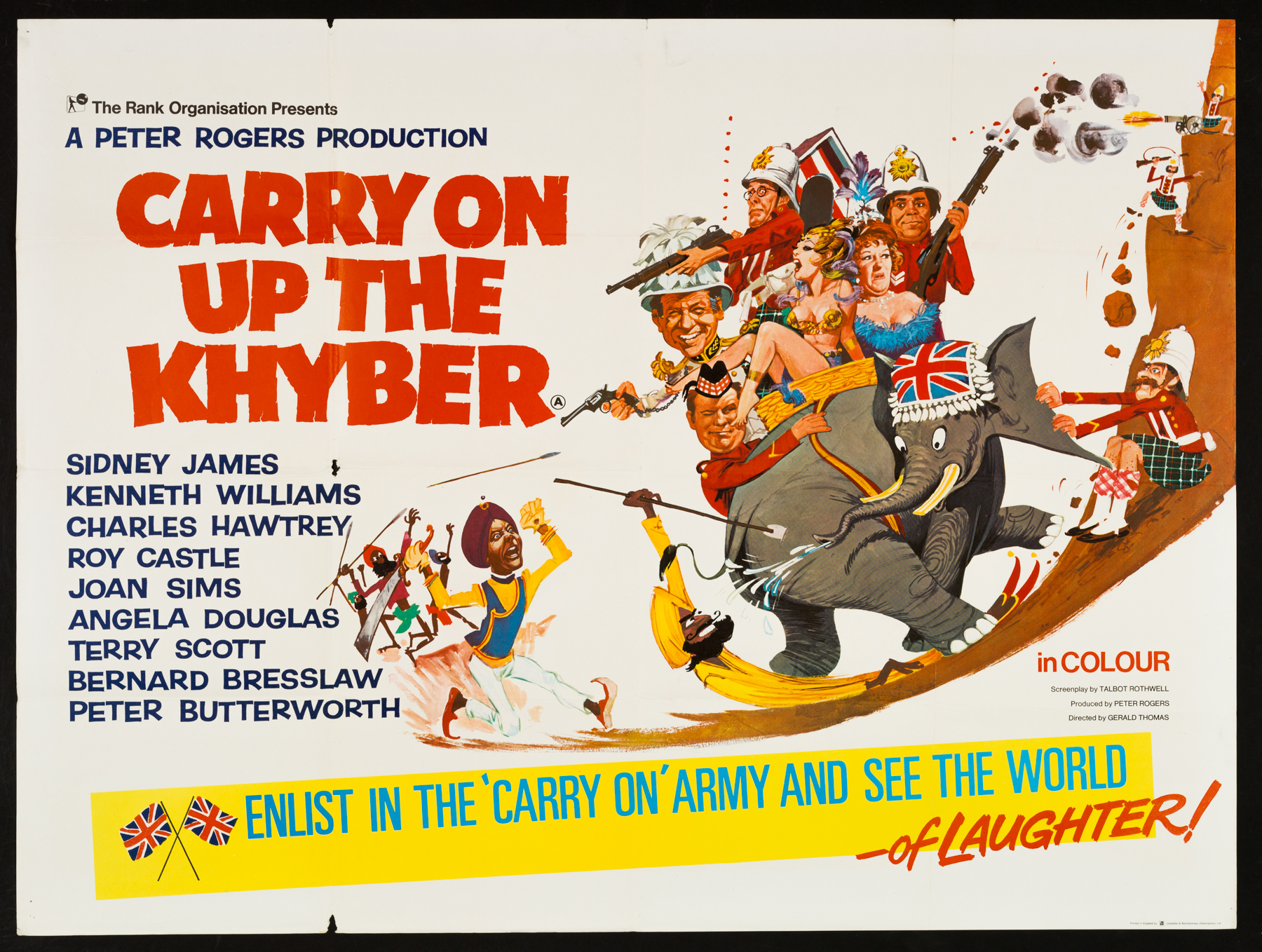
Much British comedy relies on double entendres and slang that Americans miss entirely. Classic shows like “Carry On” films, “Are You Being Served?” and modern series like “The Inbetweeners” are packed with innuendo that plays differently to British and American audiences.
Similarly, Americans visiting Britain sometimes inadvertently cause amusement by using terms that sound suggestive or crude to British ears. The innocent American asking where to put their fanny pack is a classic example.
Modern Evolution
Like all slang, these terms evolve. Younger Britons increasingly encounter American terminology through social media, streaming services, and online dating apps. This has created a hybrid vocabulary, especially in urban areas, where British and American terms coexist.
However, traditional British slang remains robust, particularly outside London and in older demographics. Regional terms continue to thrive, and new British-specific slang continues to emerge.
Practical Tips for Americans
Listen for Context: British slang often reveals itself through context. If a word sounds odd or out of place, consider whether it might have a different meaning than you expect.
Don’t Assume Equivalence: Just because a term sounds similar doesn’t mean it has the same meaning or level of crudeness.
Embrace the Humor: British people generally find linguistic confusion amusing rather than offensive. If you make a mistake, they’ll likely laugh with you about it.
Ask When Unsure: If you’re uncertain what someone means, asking is better than assuming—especially in romantic contexts.
Watch British Media: Exposure to British television, films, and comedy helps you internalize these terms naturally.
Conclusion
The vocabulary of intimacy reveals deeper truths about culture, humor, and social attitudes. British slang in this arena reflects a society that prefers playful euphemism to direct statement, values wit and wordplay, and maintains distinct regional identities.
For Americans learning to navigate British English, understanding these terms isn’t about memorizing a list—it’s about appreciating a different linguistic culture. The British approach to discussing intimate matters combines humor, euphemism, and surprising directness in ways that differ markedly from American conventions.
Whether you’re reading British literature, watching UK television, dating a British person, or simply interested in linguistic diversity, understanding these terms enriches your grasp of British culture. Language and intimacy are both deeply personal and culturally specific—and nowhere is this more apparent than in the colorful world of British slang.
Just remember: if a British person mentions their fanny, they’re definitely not talking about sitting down.