Posted on Leave a comment

The British Monarch Who Never Learned English: How George I Ruled Britain Despite the Language Barrier

A Royal Mystery: The Language Barrier of George I

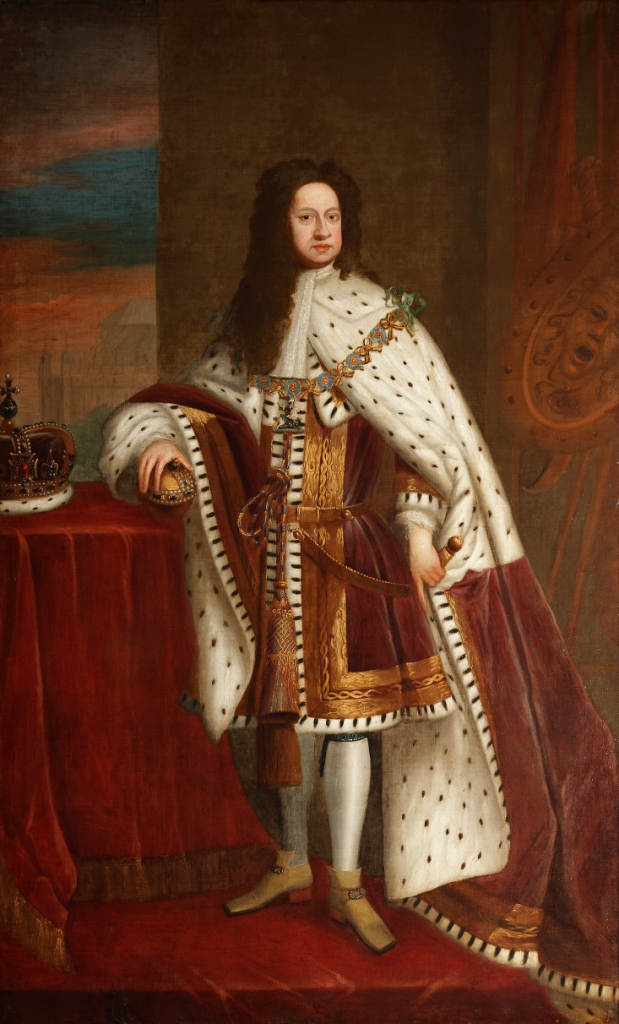
When we think about British royalty, we often imagine grand palaces, elaborate ceremonies, and eloquent speeches. But what if I told you that one of Britain’s kings didn’t speak English? George I, who ascended to the throne in 1714, is a fascinating figure whose reign challenges our perceptions of monarchy, language, and governance. It’s a story filled with intrigue, cultural clashes, and surprising adaptations. So, grab a cup of tea (or a pint) as we explore how George I managed to rule Britain despite never fully mastering the English language.

The Arrival of George I

George I was born in Hanover, Germany, in 1660. He was the son of Ernest Augustus, Elector of Hanover, and Sophia of the Palatinate. Interestingly, his lineage made him a direct descendant of James VI and I, which positioned him as a suitable candidate for the British throne after the death of Queen Anne in 1714. This was crucial for the ruling Protestant elite of Britain who were deeply concerned about the potential for a Catholic monarch.

Upon his arrival in Britain, George I faced an immediate challenge: the English language. His native tongue was German, and while he had some knowledge of French (the diplomatic language of the time), English was largely foreign to him. This language barrier would shape his reign and influence his relationships with the British court, parliament, and the public.

Navigating the Language Barrier

Imagine stepping into a whole new world where the language spoken is as foreign as Martian! George I navigated this daunting challenge with a mix of adaptation and assistance. His court was filled with advisors and ministers who helped translate and communicate. The most notable among them was Sir Robert Walpole, who became the first de facto Prime Minister of Britain. Walpole was instrumental in helping George I understand the intricacies of British politics and governance.

Moreover, George I relied on gestures, facial expressions, and the occasional drawing to communicate. This reliance on non-verbal communication became a hallmark of his interactions, making for some memorable exchanges. Royal events were often filled with moments of confusion and charades as the king tried to convey his thoughts and intentions. However, this did not hinder his ability to govern effectively.

Political Landscape: A New Challenge

The political environment during George I’s reign was tumultuous. The Jacobites, who supported the claim of James Francis Edward Stuart (the Old Pretender), sought to restore a Catholic monarch to the throne. This created a significant threat to George’s rule, as his inability to speak English often left him isolated from the very people he needed to garner support from.

Despite these hurdles, George I adeptly maneuvered through the political landscape. His reliance on Walpole and other English advisors allowed him to maintain stability. He understood the importance of maintaining strong relationships with the Parliament and the nobility, even if he couldn’t always communicate directly.

Cultural Adaptations

George I’s reign marked the beginning of a cultural shift in Britain. His court was distinctly German, filled with customs and traditions that felt alien to the English populace. This cultural clash led to some resentment among the British people. After all, how could a king who didn’t speak English truly understand and represent them?

To counteract this perception, George I made efforts to assimilate into British culture. He had a keen interest in the arts and patronized many English artists and musicians. He also attended various performances and events, further bridging the gap between his German roots and the British identity. This duality became a defining characteristic of his reign.

A Taste of Englishness

Although George I struggled with the English language, he did make attempts to learn. His efforts were often met with mixed results, resulting in some humorous anecdotes. Imagine a king attempting to give a speech to his subjects, only for it to devolve into a series of jumbled phrases and confused looks. Yet, his sincerity and earnestness often won over those in attendance.

His attempts to embrace English culture extended beyond language. He developed a fondness for British cuisine, specifically enjoying hearty meals that included roast beef and pies. His culinary preferences became a point of interest and added a touch of relatability to his character.

The Legacy of George I

Despite the challenges he faced, George I left an indelible mark on British history. His reign saw significant political developments, including the establishment of the modern parliamentary system. Although he might not have mastered English, his ability to work through the language barrier helped pave the way for future monarchs to engage more directly with their subjects.

One of the key outcomes of his reign was the strengthening of the role of Prime Minister. George I’s reliance on Walpole and other ministers allowed them to assume greater power and influence, changing the way Britain was governed. This shift marked the beginning of a new era in British politics, where the monarchy took a step back, allowing parliament to take center stage.

The Human Side of a King

It’s essential to remember that George I was not just a king; he was a human being navigating a complex world. His story isn’t just about a language barrier; it’s about perseverance, adaptability, and the human spirit. Imagine the pressure of ruling a nation, coupled with the challenge of not fully understanding the language spoken by your subjects. His story is one of finding common ground, even when words fail.

Conclusion: Bridging the Gap

George I’s reign serves as a brilliant example of how leadership transcends language. While communication is undoubtedly important, the essence of good governance lies in understanding, empathy, and adaptability. George I managed to establish a semblance of stability and progress during a time of uncertainty, all while grappling with his own linguistic limitations.

So, the next time you think about British royalty, remember the king who ruled without fully mastering the language of his people. His story reminds us that effective leadership isn’t solely about eloquence; it’s about connection, understanding, and the ability to bridge gaps—be they linguistic, cultural, or otherwise. As we raise our glasses to toast the kings and queens of history, let’s not forget the remarkable tale of George I, a monarch who ruled with heart, resilience, and a penchant for improvisation.

Posted on Leave a comment

How British Poetry Evolved From Wordsworth to Modern Spoken Word

A Journey Through British Poetry: From Romantics to Spoken Word

British poetry has undergone a remarkable transformation from the late 18th century to the contemporary era. The evolution from the reflective verses of Wordsworth to the dynamic expressions of modern spoken word illustrates not only shifts in style and technique but also changes in societal values, cultural contexts, and the function of poetry itself. Join us as we navigate this poetic journey through time, exploring key movements, influential figures, and the unique qualities that define each era.


The Romantic Era: Nature and Emotion

Let’s start our journey in the late 18th to early 19th century, a time when British poetry experienced a flourishing of creativity and emotional depth known as the Romantic era. It was a reaction against the Industrial Revolution and the rationalism of the Enlightenment. Poets like William Wordsworth, Samuel Taylor Coleridge, and Lord Byron emerged as significant figures, emphasizing personal emotion, nature, and individualism.

Wordsworth, in particular, championed the beauty of the natural world and the value of ordinary experiences. His collection, “Lyrical Ballads,” co-authored with Coleridge in 1798, marked a turning point in poetry. Wordsworth’s famous lines, “I wandered lonely as a cloud,” evoke the simplicity and profound connection to nature that characterizes the Romantic spirit.

Coleridge, on the other hand, introduced a sense of the supernatural and the exotic, as seen in his narrative poem “The Rime of the Ancient Mariner.” His work expands the boundaries of what poetry could encompass, blending the ordinary with the extraordinary.


The Victorians: Structure Meets Emotion

As we move into the Victorian era, the landscape of poetry began to change again. The 19th century saw a rise in formalism, with poets like Alfred Lord Tennyson, Robert Browning, and Elizabeth Barrett Browning crafting intricate verse that tackled themes of love, death, and social issues. This period was marked by a blend of emotional resonance and structured form.

Tennyson’s notable works, such as “In Memoriam,” reflect the Victorian obsession with mortality and the search for meaning in the face of loss. His ability to weave personal grief into universal themes resonated deeply with readers, allowing poetry to serve as both a personal outlet and a social commentary.

Meanwhile, the dramatic monologue, popularized by Browning, transformed poetry into a form of storytelling. In poems like “My Last Duchess,” Browning explores the psychological complexities of his characters, inviting readers to empathize with their inner struggles.

Victorian poetry also began to engage with social issues, as seen in the works of Elizabeth Barrett Browning. Her poem “Aurora Leigh” offers a feminist perspective, addressing the roles of women in society and the importance of female voices in literature.


The Modernist Shift: Breaking Boundaries

The early 20th century introduced a significant shift in the world of poetry as modernism took hold. Writers like T.S. Eliot, W.H. Auden, and Ezra Pound pushed the boundaries of traditional poetry, experimenting with form, style, and language.

Eliot’s “The Waste Land” is often regarded as a pioneering work of modernist poetry. Its fragmented structure, allusions to various cultures and texts, and exploration of disillusionment in the post-World War I era were revolutionary. The poem reflects a world in chaos, mirroring the feelings of many during a time of great upheaval.

Auden, with his sharp wit and social commentary, created poetry that addressed contemporary issues directly, including war, love, and politics. His poem “Funeral Blues,” famously known for its poignant opening line, “Stop all the clocks,” captures the deep sense of loss and despair.

The modernist era also saw the rise of free verse, a style that eschewed traditional meter and rhyme schemes in favor of a more conversational tone. This approach paved the way for future poets to explore new forms of expression.


Postmodernism and the Rise of Spoken Word

The latter half of the 20th century brought about postmodernism, characterized by a skepticism towards grand narratives and an embrace of pluralism. Poets such as Sylvia Plath, Ted Hughes, and Carol Ann Duffy emerged with distinct voices that challenged conventional norms.

Plath’s confessional style delved into personal experiences and emotional struggles, creating a raw and intimate connection with her audience. Her poem “Lady Lazarus” exemplifies this, exploring themes of identity, rebirth, and resilience in the face of societal expectations.

Ted Hughes, known for his intense and often dark imagery, focused on the natural world and the primal instincts of human existence. His collection “The Hawk in the Rain” reflects this connection to nature, blending personal and mythological elements.

As we approached the turn of the century, poetry began to take on new forms with the advent of technology and changing cultural landscapes. The spoken word movement emerged as a powerful and accessible form of expression, allowing poets to perform their work in front of live audiences. This form emphasizes rhythm, sound, and the human voice, creating a visceral experience for listeners.


The Spoken Word Movement: A Dynamic Expression

Spoken word poetry embodies a unique blend of storytelling, performance, and social commentary. It draws on the traditions of oral storytelling while incorporating contemporary issues such as race, identity, and politics. Poets like Sarah Kay, Andrea Gibson, and George the Poet have brought this art form to new heights.

Sarah Kay’s “If I Should Have a Daughter” showcases her ability to weave personal narrative with universal themes, addressing the complexities of motherhood and identity. Her dynamic performances captivate audiences, making poetry accessible and relatable.

Andrea Gibson pushes boundaries by addressing LGBTQ+ issues and mental health, using spoken word as a platform for advocacy. Her poem “The Nutritionist” explores the intersection of body image and societal expectations, resonating with many who struggle with similar challenges.

George the Poet combines spoken word with music, creating a multi-dimensional experience that reaches a diverse audience. His work, which often tackles themes of social justice and identity, underscores the power of poetry as a tool for change.


The Future of British Poetry

As we stand on the precipice of a new era in poetry, it’s clear that the art form continues to evolve. The blending of traditional and contemporary styles, along with the rise of digital platforms, allows for greater accessibility and experimentation. Poets now have the opportunity to reach global audiences through social media, podcasts, and online performances, expanding the reach of their work.

In this ever-changing landscape, the essence of poetry remains the same: a powerful medium for self-expression, connection, and reflection. Whether through the reflective verses of Wordsworth, the structured elegance of the Victorians, the innovative voices of modernists, or the dynamic performances of spoken word artists, British poetry continues to captivate and inspire.

As we look to the future, one thing is certain: poetry will persist as a vital form of communication, capturing the complexities of the human experience and reflecting the cultural zeitgeist of each generation. So grab a cup of tea, dive into the rich world of British poetry, and let the verses transport you through time and emotion.

Posted on Leave a comment

The British Art of the Cozy Mystery: Why We Love Murder in Quaint Villages

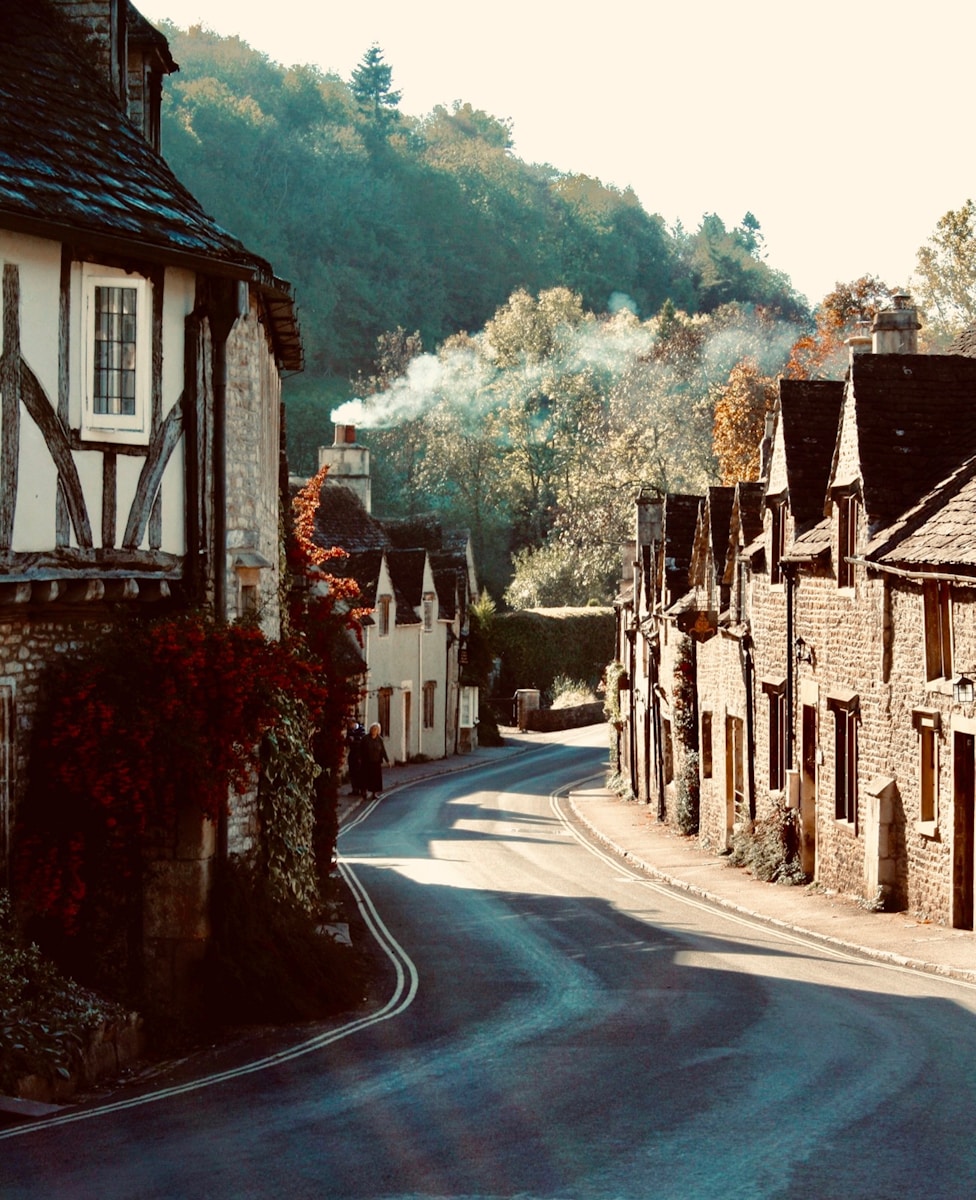
brown brick houses near road during daytime

The British Art of the Cozy Mystery: Why We Love Murder in Quaint Villages

Step into the picturesque world of quaint villages, where thatched cottages line cobbled streets, and the air is filled with the scent of freshly baked scones. It’s a place where the tea is always hot, the gossip flows freely, and a murder is just around the corner. Welcome to the delightful realm of cozy mysteries—a genre that has captured the hearts (and perhaps the morbid curiosities) of readers around the globe. Today, we’ll explore why these charming tales of crime, set against idyllic backdrops, have become a beloved staple of British literature.

What is a Cozy Mystery?

Before diving deeper into the appeal of this genre, let’s define what a cozy mystery is. Cozy mysteries are a subgenre of crime fiction characterized by a light-hearted tone, amateur sleuths, and a focus on the crime itself rather than the gore associated with more intense thrillers. The protagonist is often a relatable character—think bakers, bookshop owners, or retirees—who gets embroiled in solving a murder that shakes their otherwise peaceful community.

These stories tend to sidestep graphic violence and explicit content, allowing readers to enjoy the thrill of the chase without the emotional baggage. Instead, the focus shifts to the puzzle of whodunit, filled with quirky characters, red herrings, and, of course, a touch of British charm.

A Delightful Setting

One of the most enchanting aspects of cozy mysteries is their setting. Often placed in idyllic English villages, these stories transport readers to a world where time seems to stand still. Think of the rolling hills, the charming pubs, and the friendly locals who double as suspects. This backdrop not only serves as a comforting escape but also enriches the narrative, making the village itself a character in its own right.

In these cozy havens, the murder is a striking contrast to the serene surroundings, pulling readers into a world where something sinister lurks beneath the surface. The juxtaposition of a brutal crime within a peaceful community amplifies the intrigue and invites readers to explore the complexities of human nature, relationships, and motives.

The Allure of the Amateur Sleuth

At the heart of many cozy mysteries is the amateur sleuth—an ordinary person thrust into extraordinary circumstances. This character is often relatable, embodying traits and quirks that resonate with readers. Whether it’s a nosy neighbor with a penchant for snooping or a retired librarian with a knack for solving puzzles, these protagonists allow readers to step into their shoes and experience the thrill of the investigation.

The amateur sleuth’s journey is typically one of self-discovery as they navigate clues, confront suspects, and piece together the mystery. Their gradual evolution from a curious bystander to a competent investigator mirrors the reader’s own connection to the story, making for a fulfilling experience. The fact that these characters are often untrained in the art of sleuthing adds an element of charm and relatability that is hard to resist.

Quirky Characters and Community Dynamics

Cozy mysteries are teeming with an array of quirky characters who populate the village. These individuals are often larger-than-life, with distinct personalities and backstories that add depth to the narrative. From the eccentric artist to the secretive widow, readers get to know the villagers intimately as they weave in and out of the plot.

The dynamics within these communities play a crucial role in the storytelling. Friendships, rivalries, and deep-seated grudges come to light as the sleuth digs deeper into the case. The close-knit nature of village life means that everyone is a potential suspect, and the interwoven relationships create a rich tapestry of motives and alibis. This intricate web not only heightens the tension but also provides a delightful playground for readers to engage in the guessing game of “whodunit.”

The Comfort of the Unpredictable

While murder may be the central theme, the overall tone of cozy mysteries is anything but grim. The genre thrives on its ability to provide a comforting escape from the real world while still delivering suspense and intrigue. Readers find solace in the predictable structure of the stories, where the sleuth ultimately triumphs and peace is restored to the village.

The predictability, however, does not equate to boredom. Cozy mysteries are filled with unexpected twists and turns that keep readers on their toes. Just when you think you’ve figured it out, a new clue or character emerges, turning your theories upside down. This dance between comfort and unpredictability is a significant factor in the genre’s appeal.

A Taste for the Culinary and Crafty

Another delightful aspect of cozy mysteries is the emphasis on food, crafts, and hobbies. Many stories feature protagonists who are bakers, caterers, or crafters, inviting readers to indulge in the sensory pleasures of life. Recipes, crafting tips, and local delicacies often accompany the narratives, turning each book into a feast for the senses.

Food not only serves as a comforting element but can also play a role in solving the mystery. A shared meal can reveal hidden truths, and a perfectly baked pie can provide the perfect alibi. These elements enhance the reading experience, allowing readers to savor the story in more ways than one.

The Appeal of Nostalgia

For many, cozy mysteries evoke a sense of nostalgia—a longing for simpler times and a slower pace of life. The quaint villages of these stories remind readers of the charm of small-town living, where everyone knows each other and life is steeped in tradition. This nostalgia is often coupled with a sense of safety; even amidst murder, there’s a comfort in knowing that the protagonist will see justice served.

The genre allows readers to escape the hustle and bustle of modern life, inviting them to step into a world where the stakes might be high, but the overall atmosphere remains light. It’s an opportunity to revel in a fictional world where community matters, friendships flourish, and, most importantly, good triumphs over evil.

The Enduring Popularity

The enduring popularity of cozy mysteries is a testament to their ability to resonate with readers. In times of uncertainty or stress, these stories offer a delightful escape, a chance to immerse oneself in a world where everything wraps up neatly in the end. The combination of mystery, charm, quirky characters, and a touch of humor creates a perfect recipe for literary comfort food.

In recent years, the genre has also seen a resurgence, with new authors stepping into the ring and a variety of themes emerging—from culinary mysteries to craft-themed tales. The adaptability of cozy mysteries ensures that they remain fresh and inviting for both longtime fans and newcomers alike.

Conclusion

As we conclude our exploration of the British art form that has turned murder into an endearing pastime, it’s clear that the allure of cozy mysteries is multi-faceted. With their charming settings, relatable characters, and a delightful balance of suspense and comfort, these stories have woven themselves into the fabric of our literary culture.

So, the next time you find yourself curled up with a cup of tea and a cozy mystery in hand, take a moment to appreciate the charm of the quaint village, the thrill of the chase, and the joy of a story that keeps you guessing until the very last page. Happy sleuthing!

Posted on Leave a comment

Literary Pubs: Where Famous British Authors Found Their Inspiration

The corner house pub on a city street.

A Toast to Literary Pubs

In the heart of England, where picturesque streets are lined with cobblestones and history is woven into the very fabric of the buildings, some pubs have stories that stretch back centuries. These establishments not only serve up pints of ale and hearty meals but also offer a cozy refuge where some of the most iconic literary figures found their inspiration. From the quaint corners where Charles Dickens scribbled his notes to the raucous gatherings that fueled the imaginations of the Bloomsbury Group, these literary pubs are more than just a spot for a drink; they are a celebration of creativity, camaraderie, and the written word.

The Pub as a Creative Hub

The British pub has long been a gathering place, an informal salon where ideas can be exchanged over a pint. Authors have always been drawn to these establishments, finding in their dimly lit corners a haven from the world outside, a place where stories could flow as freely as the ale. Whether they were seeking solace, a spark of inspiration, or simply a space to socialize with fellow writers, these pubs served as a backdrop to some incredible literary history.

The atmosphere of a pub—filled with laughter, conversation, and the occasional spirited debate—fosters creativity. Writers have often found that the buzz of a lively environment can ignite the imagination. The clinking of glasses, the warmth of a fire, and the smell of hearty food all combine to create a unique ambiance that can transform an ordinary writing session into a delightful experience.

The George Inn

Nestled in the Southwark area of London, The George Inn is one of the few remaining galleried coaching inns in the city. This pub has seen a plethora of famous faces over the years, but none more notable than Charles Dickens. The author of classics such as “Oliver Twist” and “A Christmas Carol” often frequented The George and even set parts of his novels in the very vicinity.

Walking through The George is like stepping back in time. The wooden beams, creaky floorboards, and the smell of wood smoke transport you to an era of horse-drawn carriages and gas lamps. You can almost hear the echoes of Dickensian characters discussing their trials and tribulations over a pint of stout. For fans of Dickens, a visit to The George is a pilgrimage of sorts—a chance to connect with the author’s world and perhaps feel a spark of inspiration of your own.

The Eagle and Child

Just down the road in Oxford, The Eagle and Child has earned its place in literary lore as the regular haunt of the Inklings, a group that included C.S. Lewis and J.R.R. Tolkien. This pub, affectionately known as “The Bird and Baby,” is where these literary giants would gather to discuss their works, often sharing manuscripts and critiquing each other’s writing.

Imagine sitting in one of the cozy alcoves, surrounded by the whispers of fantasy worlds and theological debates. It was here that Tolkien first read excerpts from “The Hobbit,” inviting his fellow Inklings to immerse themselves in Middle-earth. The atmosphere is warm and inviting, with wooden beams and an eclectic decor that feels like a step back into a more intellectual era. The Eagle and Child is not just a pub; it’s a locale steeped in the creation of some of the most beloved books of the 20th century.

The Fitzroy Tavern

In the heart of London’s Fitzrovia, The Fitzroy Tavern has long been a meeting place for writers, artists, and intellectuals. It has welcomed the likes of George Orwell, Dylan Thomas, and Virginia Woolf. The pub’s rich history is palpable, with every corner telling a story of creative minds that once gathered there.

One of the most appealing aspects of The Fitzroy Tavern is its lively atmosphere, complete with an ever-changing cast of characters. It’s a place where one can engage in spirited discussions about literature, politics, and art over a glass of ale. The pub’s walls are adorned with photographs and memorabilia, creating an environment that feels both nostalgic and current. It’s easy to imagine Orwell pondering over a pint, contemplating the societal challenges of his time while penning “1984.”

The Old Bell Tavern

Another gem in London’s literary history is The Old Bell Tavern, located in Fleet Street. This pub has played host to numerous writers, including Samuel Johnson, one of the most influential figures in English literature. Johnson was known to frequent the pub, where he would engage with fellow writers and thinkers of the day.

The Old Bell Tavern boasts a rich selection of ales and a traditional English menu, making it a perfect spot for a hearty meal. The pub’s old-world charm is complemented by its rich literary associations, creating an ambiance that invites patrons to linger a little longer. Imagine sitting in a snug corner, surrounded by the ghosts of literary legends, sipping on a refreshing pint while discussing the intricacies of Johnson’s work and his impact on the English language.

The Lamb and Flag

In the bohemian district of Covent Garden, The Lamb and Flag claims its place in literary history as a favorite of John Dryden and, more famously, Charles Dickens. Known for its vibrant atmosphere and hearty fare, this pub is steeped in character and charm. Dickens even referred to The Lamb and Flag in “The Pickwick Papers,” forever cementing its place in literary lore.

The pub’s rich history is reflected in its decor, with wooden beams, vintage photographs, and a warm, inviting atmosphere. It’s the kind of place that encourages conversations to flow—about literature, art, and life itself. As you sip on your drink, you can’t help but feel a connection to the authors who once shared these very tables, brainstorming their next masterpieces.

The Role of Literary Pubs Today

While many of these pubs have been around for centuries, they continue to attract writers, readers, and lovers of literature today. With the rise of social media and digital platforms, the essence of camaraderie and shared inspiration that these pubs foster remains just as relevant. They provide a space for modern authors to gather, share ideas, and find the support of a creative community.

Many literary events are hosted in these venues, from poetry readings to book launches, enabling a new generation of writers to find their voices. The charm of these settings creates an enticing backdrop for storytelling and creative expression, keeping the spirit of literary pubs alive and thriving.

Conclusion

Visiting literary pubs offers more than just a taste of history; it’s an opportunity to walk in the footsteps of great minds and experience the ambiance that fueled their creativity. These establishments are not simply places to drink; they are repositories of inspiration, where stories have been born and literary traditions have been fostered.

So, whether you’re an aspiring author, an avid reader, or simply someone who enjoys the warmth of a good pub, seeking out these literary havens can be a delightful adventure. Raise a glass to the authors of the past, and perhaps, you’ll find your own spark of inspiration in the cozy corners of these historic establishments. Cheers!

Posted on Leave a comment

The Hidden Messages in Classic British Literature That Modern Readers Miss

people sitting on chairs inside building

Introduction

Classic British literature is rich with layers of meaning, and often, modern readers find themselves skimming over the nuanced messages woven into the text. This article explores the hidden messages in some of the most celebrated works of British literature, demonstrating how these subtle themes and symbols have shaped narratives and the characters within them. By diving deeper into these texts, we can uncover the reflections of society, culture, and human nature that resonate even today.

The Societal Critique in Jane Austen’s Novels

Jane Austen’s novels, particularly “Pride and Prejudice” and “Emma,” are often seen as light romantic comedies. However, a closer examination reveals a sharp critique of the social structure of her time. Austen deftly employs irony to highlight the limitations placed on women and the absurdities of social class.

Take “Pride and Prejudice,” for example. Elizabeth Bennet’s journey is not merely about finding love; it’s also a commentary on the pursuit of marriage as a means of economic stability. The character of Mr. Collins embodies the absurdity of social expectations, as he proposes to Elizabeth not out of love but as a means of fulfilling societal norms. Modern readers may miss the significance of these dynamics, focusing solely on the romance rather than the societal critique that underpins it.

The Duality of Character in Charles Dickens’ Works

Charles Dickens is another author whose works are often viewed through a simple lens of plot and character. However, his novels, such as “Great Expectations” and “A Tale of Two Cities,” are rife with contradictions that reveal deeper truths about human nature and morality.

In “Great Expectations,” the protagonist, Pip, undergoes significant transformation. Initially driven by ambition and the desire for wealth, he eventually learns that true value lies in love and loyalty. Dickens uses characters like Magwitch and Estella to symbolize the dichotomy between social class and personal worth. Modern readers may overlook the complexity of these relationships, missing the moral lessons embedded within Pip’s journey.

The Symbolism of Nature in the Poetry of William Wordsworth

William Wordsworth’s poetry, particularly his reflections on nature, is often celebrated for its beauty and simplicity. However, beneath this surface lies a profound commentary on humanity’s relationship with the natural world. Wordsworth believed that nature has the power to heal and inspire, serving as a source of wisdom.

In “Lines Composed a Few Miles Above Tintern Abbey,” Wordsworth reflects on the passage of time and the changing relationship between the self and nature. Today’s readers might focus on the picturesque descriptions, failing to grasp the underlying message of interconnectedness and the spiritual renewal found in nature. By overlooking these themes, readers miss out on the profound philosophical discussions about existence and the human condition that Wordsworth skillfully weaves into his poetry.

The Impact of Colonialism in Joseph Conrad’s “Heart of Darkness”

Conrad’s “Heart of Darkness” is often interpreted as a critique of imperialism and colonialism; however, it goes much deeper, delving into the darkness of human nature itself. The journey into the Congo River becomes an allegory for the exploration of the self and the moral ambiguities of civilization.

Modern readers may gloss over the complex layers of race and power dynamics, focusing instead on Marlow’s physical journey. The portrayal of Kurtz serves as a stark reminder of the corrupting influence of power and the thin veneer of civilization. By missing these critical themes, readers fail to recognize Conrad’s warning about the potential for darkness that exists within all human beings—regardless of culture or civilization.

The Feminist Undertones in Charlotte Brontë’s “Jane Eyre”

“Jane Eyre” is frequently celebrated as a pioneering work of feminist literature. However, a detailed reading uncovers the multifaceted ways in which Brontë challenges societal norms and gender roles. Jane’s struggle for autonomy and self-respect is a profound commentary on the limitations imposed on women during the Victorian era.

Brontë uses the character of Bertha Mason, the “madwoman in the attic,” to illustrate the consequences of patriarchal oppression. While modern readers may view Bertha merely as a plot device, she symbolizes the confinement and silencing of women’s voices. The tension between Jane’s desire for love and her need for independence reveals the complex dynamics of gender that still resonate today.

The Morality of Ambition in Shakespeare’s Plays

Shakespeare’s plays are often reduced to their plots and characters, but they offer rich explorations of morality, ambition, and the human psyche. In “Macbeth,” the themes of ambition and power illustrate the destructive nature of unchecked desire.

The witches’ prophecies ignite Macbeth’s ambition, leading him down a dark path of moral decay. Many contemporary readers may focus on the supernatural elements and the tragedy of Macbeth’s downfall but overlook the play’s critical examination of ambition itself. Shakespeare raises important questions about the morality of ambition and the consequences of allowing desire to override ethical considerations.

The Exploration of Identity in Virginia Woolf’s Novels

Virginia Woolf’s works, particularly “Mrs. Dalloway” and “To the Lighthouse,” offer profound insights into the complexities of identity and consciousness. Woolf’s stream-of-consciousness narrative style invites readers into the inner lives of her characters, but it also challenges them to engage with the subtleties of perception and reality.

In “Mrs. Dalloway,” the protagonist’s reflections on her past and present reveal the fluid nature of identity. Readers may become caught up in the day-to-day events of the characters’ lives, missing Woolf’s exploration of time, memory, and the self. By engaging with these themes, readers can appreciate Woolf’s nuanced understanding of the human experience and the intricacies of identity in a rapidly changing world.

Conclusion

Classic British literature is far more than just a collection of stories; it serves as a mirror reflecting the complexities of the human experience. The hidden messages within these texts invite readers to engage with historical context, societal norms, and moral questions that remain relevant today. By delving deeper into the works of authors like Austen, Dickens, Wordsworth, Conrad, Brontë, Shakespeare, and Woolf, modern readers can uncover the profound insights that have the power to enrich their understanding of the world and the human condition. So the next time you pick up a classic novel or poem, remember to look beyond the surface—there’s a treasure trove of hidden messages waiting to be discovered!

Posted on Leave a comment

From Dickens to Rowling: How British Childrens Literature Grew Up

A Journey Through British Children’s Literature

British children’s literature has a rich and vibrant history that mirrors the evolution of society itself. From the whimsical tales of the Victorian era to the magical worlds crafted by contemporary authors, the journey of storytelling for young readers is nothing short of fascinating. Let’s explore how this genre has evolved, shaped by cultural changes, societal expectations, and the imaginations of some of the greatest writers in history.

The Early Days: A Foundation of Morality

The roots of children’s literature can be traced back to the 18th century. Early works were often didactic, emphasizing moral lessons and behavior. Books like “A Little Pretty Pocket-Book” by John Newbery in 1744 introduced children to the joys of reading while also teaching them valuable lessons about morality and virtue. Newbery is often regarded as the father of children’s literature for his emphasis on books that entertained and educated.

During this period, fairy tales began to infiltrate British culture, often carrying moral messages. The tales of Charles Perrault, for example, were translated and adapted, paving the way for future story adaptations. These stories, while rooted in folklore, often served to reinforce societal norms and expectations, highlighting the characteristics that society valued—honesty, bravery, and kindness.

The Victorian Era: Imagination Takes Flight

As we moved into the Victorian era, the landscape of children’s literature began to shift. Writers like Lewis Carroll and Edward Lear infused their works with imagination and whimsy. Carroll’s “Alice’s Adventures in Wonderland,” published in 1865, is a prime example of literature that defies the rigid moral frameworks of earlier texts. It invites readers into a fantastical world where logic is turned on its head, and absurdity reigns. This marked a pivotal moment in children’s literature where imagination became just as important as moral instruction.

At the same time, the Victorian era also saw a rise in illustrated books. Artists such as Arthur Rackham and Kate Greenaway brought stories to life with their enchanting illustrations, further captivating young audiences. The combination of compelling narratives with stunning visuals provided a multi-sensory experience that engaged children in new ways.

The Rise of Modernism: A Shift in Perspective

As the 20th century dawned, British children’s literature started to reflect the complexities of modern life. Authors like E. Nesbit introduced a more relatable cast of characters, dealing with everyday problems and adventures. Her book “The Railway Children,” published in 1906, is a beautiful blend of adventure, family, and the challenges faced by children. This story not only entertained but also resonated with readers’ own experiences of change and resilience.

World War I and II had a profound impact on literature, leading to themes of loss, survival, and hope. Authors began to address the realities of war, creating stories that were both poignant and thought-provoking. Books like “The Lion, the Witch and the Wardrobe” by C.S. Lewis, published in 1950, introduced allegorical narratives that allowed children to explore deeper themes of good versus evil, sacrifice, and redemption within the engaging framework of fantasy.

The Explosion of Fantasy: A New Era

The latter half of the 20th century marked a golden age for fantasy literature in Britain. The genre exploded with creativity, and authors began to create entire worlds and universes for children to explore. J.R.R. Tolkien’s “The Hobbit,” published in 1937, laid the groundwork for a new type of storytelling that combined intricate world-building with relatable characters. His influence can be seen in many subsequent works, creating a template for immersive fantasy literature.

The 1980s and 1990s saw the emergence of several iconic authors who would shape the landscape of children’s literature. Roald Dahl brought a unique blend of dark humor and whimsy to his stories, captivating generations with titles like “Matilda” and “Charlie and the Chocolate Factory.” His ability to address difficult themes—such as neglect and bullying—through humor made his books both entertaining and meaningful.

The Phenomenon of Harry Potter

No discussion of British children’s literature would be complete without mentioning the phenomenon that is Harry Potter. J.K. Rowling’s series, beginning with “Harry Potter and the Philosopher’s Stone” in 1997, revolutionized children’s literature. Rowling created a rich, magical world filled with relatable characters, complex themes, and moral dilemmas. Readers of all ages found themselves enchanted by the story of a young boy discovering his identity and place in the world.

Rowling’s work not only expanded the audience for children’s literature but also elevated the genre itself. The series tackled themes such as friendship, loyalty, and the battle against prejudice and injustice. It encouraged a new generation to read, leading to a resurgence in interest in literature for young readers.

The Contemporary Landscape

Today, British children’s literature is more diverse and inclusive than ever. Authors are exploring a myriad of themes, cultures, and experiences that reflect the world we live in. From the works of Malorie Blackman, who addresses issues of race and identity in her “Noughts & Crosses” series, to the heartwarming stories of Julia Donaldson that encourage creativity and imagination, the landscape is vibrant and varied.

Illustrators continue to play a critical role as well. The visuals in modern children’s books often reflect a broad spectrum of styles and cultural influences, making literature accessible and engaging for children from all backgrounds. Picture books, graphic novels, and interactive stories have become popular formats, encouraging reluctant readers to engage with texts in new and exciting ways.

Conclusion: The Ever-Evolving Narrative

British children’s literature has come a long way from its didactic beginnings. It has evolved into a dynamic field that embraces diversity, creativity, and complexity. As society continues to change, so too will the stories crafted for young readers. The magic of children’s literature lies in its ability to adapt, reflect, and inspire. Each generation of authors adds their unique voice to the tapestry of storytelling, ensuring that the narrative will continue to grow, evolve, and enchant.

As we look to the future, one thing is certain: the journey of British children’s literature is far from over. New voices will rise, new tales will be told, and the imagination of young readers will continue to flourish, fueled by the rich legacy of storytelling that has come before. Whether through fantastical adventures, heartfelt tales, or thought-provoking narratives, the world of children’s literature will remain a vital and cherished part of the literary landscape.

Posted on Leave a comment

Britains Literary Rivalries: Famous Author Feuds That Shaped Literature

Introduction

Literature has always thrived on conflict, and what better way to spark a literary flame than through a good old-fashioned rivalry? British literary history is brimming with feuds, spats, and clashes that have not only entertained readers but have also significantly influenced the trajectory of literature itself. From poets to novelists, these rivalries illuminate the competitive nature of creativity and the profound impact of personal relationships on the literary landscape. So grab your favorite cup of tea, and let’s dive into some of the most infamous author feuds that have shaped the world of British literature.

The Brontë Sisters vs. George Henry Lewes

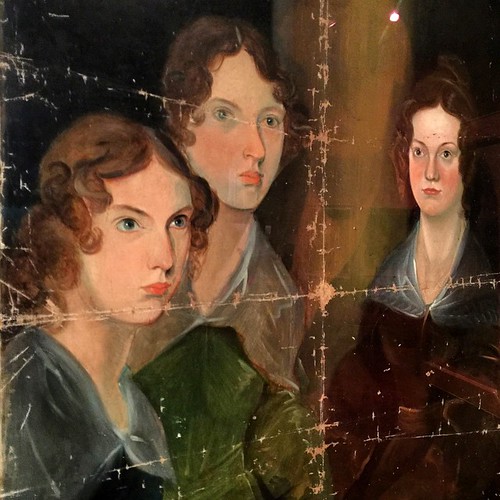
The Brontë sisters—Charlotte, Emily, and Anne—are known for their groundbreaking novels that challenged societal norms, but their literary journey was not without strife. One of the most notable rivalries was with George Henry Lewes, the partner of the famous novelist George Eliot. In a time when women writers faced significant scrutiny, Lewes’s critiques of Charlotte Brontë’s “Jane Eyre” sparked considerable tension.

Lewes described “Jane Eyre” as “a mere romance,” which enraged Charlotte. She believed that Lewes underestimated the depth and complexity of her characters and the themes she explored. This tension culminated in a public feud, where Charlotte defended her work against Lewes’s narrow view. This rivalry not only highlighted the struggles women faced in the literary world but also showcased how differing perspectives can elevate literature to new heights.

Virginia Woolf vs. Katherine Mansfield

The literary world of the early 20th century was a hotbed of innovation, and two key figures in this realm were Virginia Woolf and Katherine Mansfield. Both authors were at the forefront of modernist literature, yet their approaches and personal lives clashed in ways that fueled a fierce rivalry.

Mansfield’s writing was deeply personal and often focused on the minutiae of everyday life, while Woolf’s works were more experimental, weaving in stream-of-consciousness techniques. The competition intensified as both writers were vying for the attention of the same literary circles. Woolf famously critiqued Mansfield’s work in her letters, calling her an “untrustworthy narcissist,” while Mansfield was equally scathing in her portrayal of Woolf’s elitism.

The rivalry culminated in a personal and artistic schism that was exacerbated by their relationships with their respective literary circles. Both women’s works evolved in response to their rivalry, ultimately leading to innovations in narrative style. Their contrasting styles and personal animosities contributed to the vibrant tapestry of modernist literature.

T.S. Eliot vs. Ezra Pound

T.S. Eliot and Ezra Pound are often celebrated as titans of modernist poetry, yet their relationship was riddled with rivalry. While they initially supported each other’s work, their differences soon became apparent. Pound, known for his cantankerous nature, was critical of Eliot’s early work, particularly “The Love Song of J. Alfred Prufrock,” which he deemed too restrained.

However, it was Eliot’s later success that fueled further envy. As Eliot rose to prominence, he became the target of Pound’s scorn. Their strained relationship was exacerbated by differing artistic philosophies; Pound advocated for a more radical approach to poetry, while Eliot was more traditional in his sensibilities.

Despite their rivalry, both poets influenced each other’s work significantly. Eliot’s poetic style evolved partly due to Pound’s criticisms, leading to masterpieces like “The Waste Land.” Their mutual animosity showcases how competition within the literary world can push authors to new creative heights, even as it fosters tension.

The Romantic Poets: Byron vs. Wordsworth

In the world of Romantic poetry, few rivalries stand out as much as that between Lord Byron and William Wordsworth. While both poets contributed immensely to the Romantic movement, their visions of poetry were vastly different. Wordsworth championed nature, simplicity, and the sublime, while Byron was known for his flamboyant style, emotional intensity, and exploration of darker themes.

Byron openly criticized Wordsworth in his poetry, famously mocking him in “Don Juan,” where he described Wordsworth as a “lumbering” poet. Wordsworth, in turn, was less than impressed with Byron’s lavish lifestyle and his tendency to indulge in scandal. The tension between them reflected broader societal changes as Romanticism evolved into a more modern sensibility.

Their rivalry was not merely personal; it represented a clash of ideologies within the Romantic movement itself. While Wordsworth sought to elevate the ordinary, Byron’s work often gravitated toward the extraordinary and the tumultuous. This dynamic debate between their approaches led to a broader exploration of poetic themes that would resonate through generations.

The Pre-Raphaelites: Rossetti vs. Swinburne

The Pre-Raphaelite Brotherhood, founded in the mid-19th century, aimed to bring a fresh perspective to art and literature. Among its leading figures were Dante Gabriel Rossetti and Algernon Charles Swinburne. While both were friends and collaborators, they eventually found themselves at odds over artistic direction, personal relationships, and even romantic entanglements.

Rossetti’s intense and often melancholic poetry contrasted sharply with Swinburne’s exuberant style. Swinburne was known for his bold exploration of themes such as sexuality and rebellion, while Rossetti often delved into the realms of love and loss. Their feud was further fueled by Rossetti’s complicated relationships with women, particularly Elizabeth Siddal, which Swinburne critiqued.

Their rivalry ultimately pushed both poets to refine their craft. Rossetti’s work became more introspective, while Swinburne embraced a more daring approach. The tensions within the Pre-Raphaelite movement led to some of the most compelling poetry of the era, showcasing how personal and artistic rivalries can result in literary innovation.

Zadie Smith vs. Martin Amis

In contemporary literature, the rivalry between Zadie Smith and Martin Amis has captured the attention of readers and critics alike. Both authors are prominent figures in British literature, yet their perspectives on society and narrative styles diverge significantly. Amis, known for his acerbic wit and dark humor, has often critiqued the cultural landscape in which Smith’s works thrive.

Smith’s novels, such as “White Teeth,” reflect a rich tapestry of multiculturalism and social issues, while Amis’s works lean toward a more traditional, albeit often cynical, examination of life. Their disagreements have played out in literary discussions and interviews, with Amis questioning Smith’s focus on social issues and character development.

This rivalry represents a generational clash, with Smith embodying a new wave of writers who challenge societal norms, while Amis often harkens back to a more classic approach. Their differing views on literature’s role in society have sparked debates that continue to shape contemporary British literature.

Conclusion

Literary rivalries provide us with a fascinating glimpse into the minds of the authors, revealing the intense passion that fuels their creativity. The feuds and tensions between these legendary writers have shaped not only their own careers but also the broader landscape of British literature. Each rivalry has contributed to a rich dialogue that continues to inspire new generations of writers and readers alike.

From the Brontë sisters to Zadie Smith, these conflicts remind us that literature is not just about the words on the page; it’s about the relationships, rivalries, and the human experiences that make storytelling an enduring art form. So next time you dive into a novel or a poem, remember the fierce battles that may have brewed behind the scenes—after all, literature thrives on conflict, and there’s always a story to tell!

Posted on Leave a comment

The British Boarding School Novel: Why Were Obsessed With Stories of Midnight Feasts and Pranks

a large building with a tree in front of it

A Journey into the Enchantment of British Boarding School Novels

When we think about British boarding school novels, a cascade of nostalgia and whimsy rushes to mind. Many of us recall the laughter, the camaraderie, and the sense of adventure that these stories encapsulate. From mischievous pranks to secret midnight feasts, these novels offer a rich tapestry of experiences that keep readers hooked. But what is it about these tales that cultivates such a fervent obsession? Let’s delve into the world of British boarding school novels and explore the elements that make them so irresistible.

A Unique Setting: The Allure of the Boarding School

The very setting of a boarding school is ripe for storytelling. Picture a grand, often ivy-covered building, cloaked in historical charm and mystery. These institutions, removed from the hustle and bustle of everyday life, create a bubble where anything can happen. The same rules apply: students live together, learn together, and inevitably, their lives intertwine in ways that only the confines of such an environment can facilitate.

The enclosed nature of boarding schools allows for a unique dynamic among characters. Friendships form quickly, rivalries simmer, and alliances shift like the wind. This heightened emotional landscape leads to a plethora of adventures and misadventures. The quaint charm of the English countryside, combined with the eerie hallways of old school buildings, sets the perfect stage for intriguing plots, making every corner seem like it holds a secret waiting to be discovered.

Classic Characters: Archetypes That Resonate

One reason we find these stories so captivating is their unforgettable characters. Each boarding school novel tends to follow a cast of archetypes that resonate with readers: the clever protagonist, the bumbling sidekick, the enigmatic loner, and the stern yet wise headmaster. These characters embody traits and quirks that reflect our real-world experiences, making them relatable and memorable.

Take, for instance, the quintessential prankster—often the heart of the story. This character is usually clever, resourceful, and full of ideas that seem harmless yet lead to chaotic outcomes. Their escapades not only entertain but also illustrate the spirit of youth: the desire to break free from rules, explore the unknown, and forge one’s identity.

On the other hand, we have the more serious characters, often seen as authority figures, like the headmaster. Their presence brings tension and conflict, offering valuable lessons about responsibility, discipline, and the importance of making choices. This balance between mischief and morality adds depth to the narrative, making it relatable to readers of all ages.

Themes of Friendship and Loyalty

At the heart of many boarding school tales is the theme of friendship. These novels often depict the forging of lifelong bonds amid adverse conditions and thrilling experiences. Whether it’s standing shoulder to shoulder during a prank war or comforting each other during a tough exam, the relationships formed in these stories remind us of the importance of camaraderie.

The loyalty among friends often takes center stage, showcasing how these bonds help characters navigate challenges. Readers can vividly remember the thrill of a midnight feast, where friends gather to share secrets and delights in the quiet of the night. Such moments encapsulate the essence of youth—an exhilarating blend of adventure, rebellion, and connection that make us long for those simpler times.

The Thrill of Adventure and Mischief

Nothing quite compares to the excitement that comes with a good prank or secret mission. British boarding school novels thrive on the tension and thrill of mischief. These stories often feature elaborate schemes, where students devise clever ways to evade authority while indulging in their whims. Whether it’s sneaking out for a midnight feast or orchestrating an elaborate prank on a teacher, the thrill of adventure keeps readers engaged.

These tales often balance lighthearted fun with genuine moments of growth and learning. The characters may find themselves in sticky situations that challenge their morals and decision-making skills. In this way, the adventure serves not only to entertain but also to impart valuable life lessons in a manner that resonates with readers.

The Connection to Tradition and History

British boarding school novels are steeped in tradition, drawing on the rich history of the British education system. Many of these stories feature real-life institutions that have shaped generations of students, adding a layer of authenticity to the narrative. This connection to history invites readers to explore the past while immersing themselves in a fictional world that feels both familiar and enchanting.

The traditions depicted in these novels—be it the house system, annual events, or age-old rivalries—are often reflective of actual practices in boarding schools. This mixture of fact and fiction creates a compelling backdrop that invites readers to lose themselves in an idyllic world, one where they can experience the nostalgia associated with school days gone by.

The Appeal of Nostalgia

As we immerse ourselves in these stories, we cannot ignore the powerful wave of nostalgia they evoke. For many, the boarding school setting serves as a reminder of a simpler time—an idyllic escape from the complexities of adult life. It allows readers to revisit their own experiences of friendship, mischief, and coming-of-age moments with a fond sense of remembrance.

In a world where the hustle and bustle of daily life can be overwhelming, the charm of a boarding school novel provides a comforting respite. Readers find solace in the familiarity of the setting and characters, rekindling memories of their own school days, friendships, and adventures. This connection is vital in cultivating an enduring love for these stories.

Modern Takes on a Classic Genre

While classic British boarding school novels have stood the test of time, contemporary adaptations and reinterpretations of the genre introduce fresh perspectives. Modern authors skillfully blend tradition with current societal issues, providing readers with relatable narratives that resonate in today’s world.

These modern tales often explore themes of diversity, mental health, and the challenges faced by today’s youth. By addressing contemporary issues within the familiar framework of a boarding school, authors create relatable characters and scenarios that engage a new generation of readers. This evolution keeps the genre alive and relevant, ensuring that it continues to captivate audiences for years to come.

Conclusion: The Enduring Magic of Boarding School Stories

The charm of British boarding school novels lies in their ability to transport us to a world filled with adventure, friendship, and mischief. These stories encapsulate the essence of youth while offering valuable lessons and insights into the human experience. Their timeless themes, unforgettable characters, and enchanting settings create an enduring magic that resonates with readers of all ages.

As we close the pages of these novels, we are often left with a sense of nostalgia and warmth, a reminder of the adventures we once had and the friendships we forged. Whether you are revisiting a childhood favorite or discovering a new tale, the world of boarding school novels remains a captivating, delightful escape that invites us to relive our own stories of laughter, loyalty, and unforgettable moments.

Posted on Leave a comment

Literary Landscapes: Famous British Books and Where to Experience Them

people walking near brown concrete building during daytime

Introduction

The rolling hills of the English countryside, the brooding moors of Yorkshire, and the bustling streets of London have long been sources of inspiration for some of the most beloved literary works in history. The landscapes of Britain are not merely backdrops for stories; they are characters in their own right, shaping narratives and influencing emotions. If you’re a book lover with a thirst for adventure, you’re in for a treat. Let’s embark on a journey through literary landscapes where you can experience the very essence of famous British novels.

The Enchanted Countryside: The Brontë Sisters

When you think of the rugged beauty of the Yorkshire moors, it’s hard not to conjure images from the Brontë sisters’ novels. Both “Wuthering Heights” and “Jane Eyre” were inspired by the wild, windswept landscape surrounding Haworth, where the sisters spent much of their lives.

Visiting Haworth and the Moors

In Haworth, you can visit the Brontë Parsonage Museum, where Charlotte, Emily, and Anne crafted their iconic tales. The museum houses a collection of their manuscripts, letters, and personal belongings that offer a glimpse into their lives. Following your museum visit, lace up your walking boots and explore the moors. The atmospheric scenery is breathtaking, and countless walking trails will take you through the landscapes that inspired Heathcliff and Cathy’s turbulent love story.

Don’t forget to stop by Top Withens, a ruined farmhouse thought to be the inspiration for the Earnshaw home in “Wuthering Heights.” The trek is invigorating, and standing in the midst of the moors will have you feeling just a touch of that Brontë magic.

London: A Literary Melting Pot

Moving on to the capital, London is a bustling metropolis rich in literary history. From Charles Dickens’ “Oliver Twist” to Virginia Woolf’s “Mrs. Dalloway,” the city has long been a muse for writers.

Exploring Iconic Locations

Start your journey at the Charles Dickens Museum, located in a Georgian house where Dickens lived and wrote. Here, you’ll find original manuscripts, personal items, and even a recreation of his study. The nearby streets of Holborn and Covent Garden often pop up in his works, and you can easily imagine the characters weaving through these vibrant areas.

If you’re a fan of the Bloomsbury Group, a visit to the British Museum is a must. Virginia Woolf, E.M. Forster, and other literary figures frequented the Bloomsbury neighborhood, which is home to beautiful squares and charming cafes. Take a leisurely stroll through Gordon Square or Russell Square and soak in the atmosphere that inspired many literary discussions and friendships.

The Lake District: A Poet’s Paradise

The stunning landscapes of the Lake District have enchanted writers for centuries. William Wordsworth and Samuel Taylor Coleridge were inspired by its natural beauty, leading to the birth of the Romantic movement in poetry.

Discovering Wordsworth’s World

A visit to Dove Cottage in Grasmere, where Wordsworth lived, is a must for any poetry aficionado. The cottage is preserved as it was during his time, and the adjoining museum showcases his life and works. From the garden, you can enjoy views of the scenic hills and lakes that inspired “I Wandered Lonely as a Cloud.”

For a truly immersive experience, take a walk around Grasmere Lake or venture up to Rydal Water. The tranquility of the area is palpable, and you might find inspiration striking as you meander through the lush scenery. Don’t forget to visit the nearby Rydal Mount, another home of Wordsworth, where he wrote some of his later poems.

The Scottish Highlands: A Tapestry of Characters

The haunting beauty of the Scottish Highlands has been a source of inspiration for many authors, including Sir Walter Scott and Robert Louis Stevenson. The dramatic landscapes, with their towering mountains and deep, dark lochs, create a backdrop for tales of adventure and romance.

Following in Scott’s Footsteps

To delve into the world of Sir Walter Scott, head to Abbotsford House in the Scottish Borders. This grand estate was designed by Scott himself and is filled with memorabilia from his life and works. The surrounding landscapes, including the nearby River Tweed, are just as captivating and evoke the spirit of his novels.

For fans of Stevenson, a visit to Edinburgh is essential. The city’s Old Town, with its cobbled streets and medieval architecture, inspired much of his work, including “Treasure Island.” Don’t miss out on climbing Arthur’s Seat for stunning panoramic views that will take your breath away, much like the tales spun by Stevenson.

The English Countryside: A Sense of Comfort

The charm of the English countryside can be seen in the works of authors like Jane Austen and Thomas Hardy. Their novels often portray rural life and the social intricacies of their time.

Experiencing Austen in Bath

Bath is a city steeped in Regency charm and is a key location in several of Austen’s novels, including “Northanger Abbey” and “Persuasion.” The Georgian architecture, the Roman baths, and the picturesque streets make for a delightful day of exploration. The Jane Austen Centre offers a glimpse into her life and the era she wrote about.

You can also take a stroll through the Royal Crescent or visit the Assembly Rooms, where the social gatherings of her characters mirrored the real-life events of her time.

Hardy’s Wessex

To experience the landscapes of Thomas Hardy, head to Dorset, where you can explore the fictional Wessex. Hardy’s novels, like “Tess of the d’Urbervilles” and “Jude the Obscure,” are deeply rooted in the countryside. Visit the picturesque village of Dorchester, where Hardy was born, and explore the Thomas Hardy’s Cottage, a lovely cob and thatch building.

The surrounding countryside is stunning, dotted with rolling hills and ancient stone structures. Take the time to walk the trails that inspired Hardy’s poetic descriptions of rural life, and perhaps even stop by Max Gate, the house he designed himself.

Conclusion

The literary landscapes of Britain are a treasure trove of inspiration, history, and adventure. Whether you find yourself wandering the moors of Yorkshire, strolling through the streets of London, or basking in the serene beauty of the Lake District, each location offers a unique connection to the authors who brought these settings to life.

So, grab your walking shoes, pack your favorite novels, and set off on a literary pilgrimage through the enchanting landscapes that continue to inspire readers and writers alike. Each stop on your journey holds its own magic, and who knows? You might just find your own story waiting to be written amidst the rich tapestry of British literature.

Posted on Leave a comment

The Real Outfits Behind Different Scottish Tartans (And Which Ones You Can Actually Wear)

red blue and black striped textile

A Journey Through the Colors of Scotland: Discovering Tartan Patterns and Their Meaning

Tartan—what a delightful word! It rolls off the tongue and conjures up images of rolling hills, bagpipes, and perhaps a wee dram of Scotch. But tartan is more than just plaid fabric; it carries a rich history and significance that traces back centuries. In this article, we’ll delve into the fascinating world of tartans, exploring the real outfits associated with different patterns and which ones you can actually wear. So grab your kilt (or a cozy chair), and let’s embark on a colorful journey through Scottish culture!

The History of Tartan: More Than Just a Fashion Statement

Before we dive into the specific tartans and their outfits, let’s take a quick trip down memory lane. Tartan was originally designed as a way to identify different Scottish clans. Each pattern, with its unique color combinations and designs, served as a badge of honor, allowing clansmen to recognize each other from a distance—kind of like a bespoke family crest made of fabric!

The term “tartan” itself is derived from the French word “tartarin,” which referred to the woven fabric. Historically, these patterns were woven from wool, dyed using natural substances like plants and minerals. The vibrant colors and intricate designs you see today are the result of centuries of tradition.

The Science of Tartans: Understanding Patterns and Colors

Tartans are composed of a series of horizontal and vertical stripes, which intersect to create blocks of color that form a unique pattern. Each color can have specific meanings associated with it. For example, green often symbolizes nature, while blue can represent loyalty. The combinations and arrangements of colors tell a story about the wearer, their clan, or the region they represent.

The Scottish Register of Tartans, established in 2008, is a treasure trove for tartan enthusiasts. It contains thousands of registered tartans, each with its own history and significance. From military tartans to those commemorating historical events, there’s a pattern for every occasion.

The Most Iconic Tartans and Their Outfits

Now that we have some background, let’s explore some of the most iconic tartans and the outfits traditionally associated with them. We’ll also discuss which of these can actually be worn today!

1. Royal Stewart Tartan

One of the most recognizable and widely used tartans is the Royal Stewart. With its rich red background, interspersed with green and yellow stripes, this tartan is linked to the Royal Family of Scotland. It’s often associated with celebrations, making it a popular choice for festive occasions.

Outfit Ideas: The Royal Stewart tartan is frequently seen in kilts, skirts, and even bow ties. For a classic look, consider pairing a Royal Stewart kilt with a white dress shirt, a black jacket, and a sporran. Women can incorporate the tartan into a beautiful wrap dress or a stylish shawl, perfect for a ceilidh or any Scottish-themed event.

2. Black Watch Tartan

The Black Watch tartan, alternatively known as the Government tartan, boasts a more subdued palette of dark green and blue. This pattern has military roots, originally worn by the 42nd Highland Regiment, also known as the Black Watch.

Outfit Ideas: The Black Watch is versatile and suitable for both formal and casual occasions. A classic Black Watch kilt paired with a tailored blazer and a crisp white shirt makes for an elegant outfit. For a more casual look, opt for a Black Watch button-down shirt paired with dark jeans.

3. MacLeod Tartan

The MacLeod tartan is characterized by its bold yellow and black stripes, representing the MacLeod clan. This lively pattern symbolizes resilience and loyalty.

Outfit Ideas: The MacLeod tartan is perfect for those who want to make a statement. A MacLeod kilt, paired with a vibrant yellow shirt, can create a fun and festive outfit for Scottish festivals. Women might choose a MacLeod tartan dress or a playful skirt to add a splash of color to their wardrobe.

4. Campbell Tartan

The Campbell tartan features a combination of green and blue in a distinctive checkered pattern, reflecting the clan’s historical ties to the Scottish Highlands. The Campbells are known for their rich history and contributions to Scotland’s political landscape.

Outfit Ideas: A Campbell tartan kilt is a fantastic choice for formal events. Pair it with a dark blue jacket and a crisp white shirt for a polished appearance. For a more relaxed look, consider a Campbell tartan scarf or tie to add a touch of Scottish flair to your outfit.

Tartan for All: Which Patterns Can You Wear?

You may be wondering if you can wear any tartan or if certain patterns are reserved for specific clans. The good news is that, in modern times, tartan has become more inclusive. While it’s respectful to honor the tradition of clan tartans, many people choose to wear any tartan that resonates with them personally.

Universal Tartans

Several tartans have been designated as “universal” or “public” tartans. These are not tied to any particular clan and can be worn by anyone. Some examples include:

  • Modern Tartans: Many designers have created contemporary tartan patterns that offer a fresh take on traditional styles. These can be worn freely and are perfect for those looking to express their individuality.

  • National and Festival Tartans: Tartan patterns designed to represent Scotland as a whole, or specific festivals like the Highland Games, are also available for public use.

Tartan in Modern Fashion

In contemporary fashion, tartan has made a significant comeback. Designers are incorporating tartan into their collections, using it in everything from suits to dresses, and even accessories. The key is to strike a balance between traditional and modern styles to create a look that feels authentic yet fresh.

Tips for Wearing Tartan Today

  • Mix and Match: Don’t be afraid to mix tartan with other patterns. A plaid scarf can be paired with striped or floral outfits for an eclectic look.

  • Accessorize Wisely: If you’re unsure about donning a full tartan outfit, start small! A tartan tie, scarf, or handbag can add a touch of Scottish heritage without overwhelming your look.

  • Keep it Subtle: For a more sophisticated take on tartan, opt for muted colors or smaller patterns. This allows you to incorporate the fabric into your wardrobe while maintaining a modern aesthetic.

Conclusion: Embrace the Tartan Spirit

Tartan is more than just a fabric; it embodies a sense of heritage, identity, and celebration. Whether you’re proudly wearing the colors of your clan or simply sporting a playful pattern that speaks to you, tartan offers a rich tapestry of history and culture. So, the next time you pull on a kilt or toss on a tartan scarf, remember that you’re not just wearing a piece of clothing—you’re wrapping yourself in a story that spans generations. Embrace the spirit of tartan, and let it inspire your wardrobe and your adventures!