Posted on Leave a comment

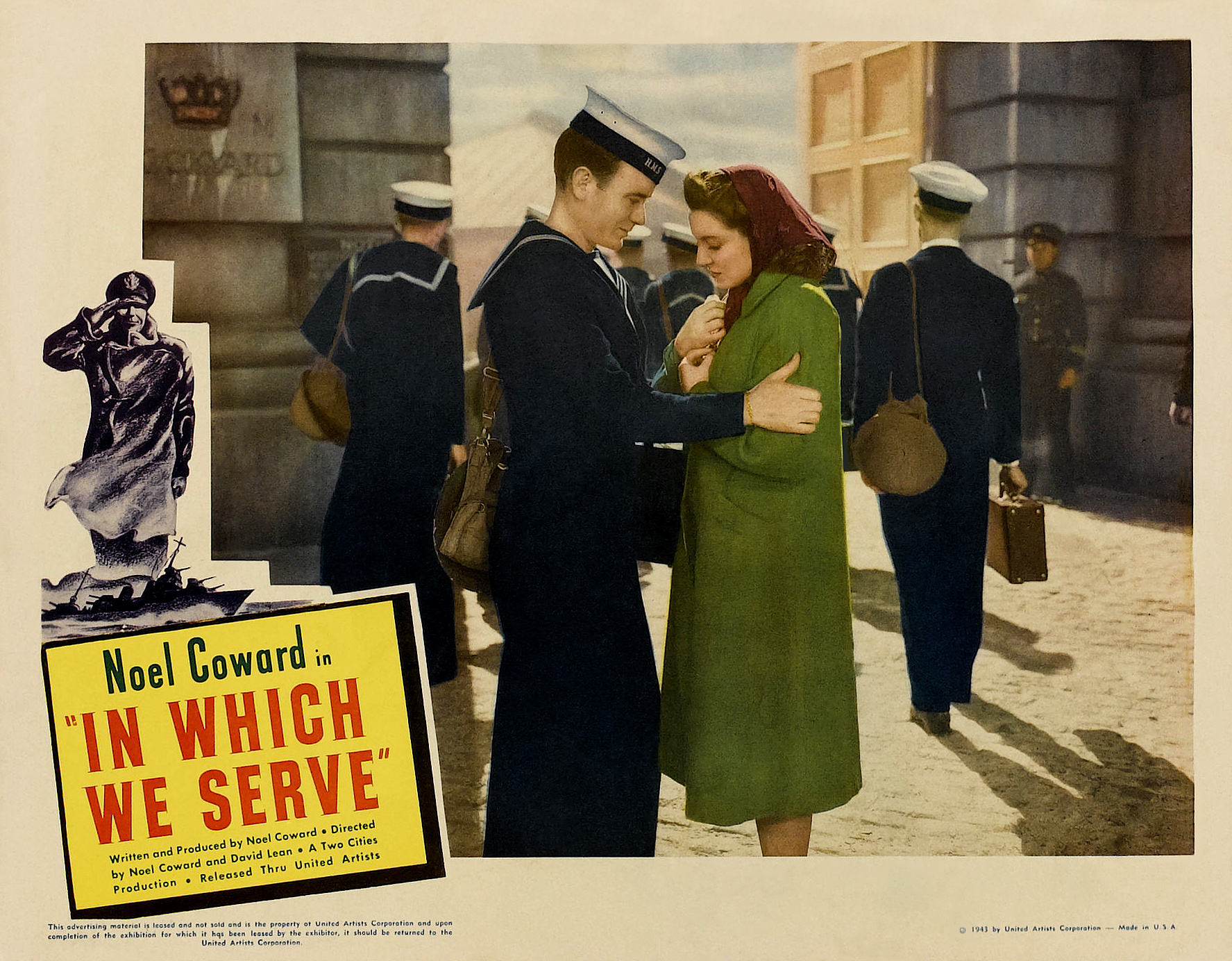
10 Fascinating Facts About ‘In Which We Serve’ (1942): Uncovering the Legacy of Coward and Lean

10 Interesting Facts and Figures About “In Which We Serve” (1942)

“In Which We Serve” is a classic British film that not only showcases the talents of its creators but also serves as a poignant tribute to the courage and sacrifices of the British Royal Navy during World War II. Directed by David Lean and written by Noel Coward, the film provides a unique blend of drama, patriotism, and a deeply human perspective on war. Here are ten intriguing facts and figures about this seminal work.

1. A Unique Collaborative Effort

Noel Coward not only wrote the screenplay but also starred in the film as the character Captain Edward Marsh. The collaboration with director David Lean marked one of the early examples of Coward’s involvement in film beyond just writing.

2. Based on Real Events

The film draws inspiration from the real-life experiences of the British Navy during World War II, particularly the sinking of the HMS Kelly, a destroyer commanded by Lord Louis Mountbatten.

3. Groundbreaking Narrative Structure

“In Which We Serve” employs a non-linear narrative, shifting back and forth in time to explore the lives of the crew members before and after their ship is sunk. This innovative structure was ahead of its time in cinematic storytelling.

4. A Star-Studded Cast

Alongside Noel Coward, the film features a notable cast, including John Mills, Bernard Miles, and Celia Johnson, contributing significantly to the film’s emotional depth and resonance.

5. Filming Locations

Principal photography took place at various locations, including the coastal regions of England. Some scenes were shot on actual naval ships, adding authenticity to the portrayal of life at sea.

6. Critical Acclaim

The film received positive reviews upon its release, lauded for its powerful performances and realistic portrayal of naval life. It was praised for its ability to evoke a sense of national pride during a challenging time.

7. Success at the Box Office

“In Which We Serve” was a commercial success, grossing over £500,000 in the UK alone. Its popularity helped solidify the role of wartime films in British cinema.

8. Awards and Nominations

The film was nominated for an Academy Award for Best Original Screenplay, reflecting its artistic merit and impact on the film industry, despite being a war film released during such tumultuous times.

9. A Lasting Legacy

The film’s themes of sacrifice, camaraderie, and duty have resonated through the decades, influencing subsequent war films and shaping the portrayal of military life in cinema.

10. Restoration and Preservation

“In Which We Serve” underwent a digital restoration process in recent years, ensuring that future generations can appreciate its artistic significance. The restoration has allowed audiences to experience the film in a quality that reflects its original cinematic vision.

Conclusion

“In Which We Serve” remains a significant work in British cinema, both for its artistic achievements and its heartfelt tribute to those who served in the Royal Navy during World War II. Through its innovative storytelling, talented cast, and emotional depth, the film continues to inspire and resonate with audiences today, serving as a reminder of the sacrifices made in times of conflict. Its legacy endures, marking it as a classic film that captures the essence of courage and honor in service to one’s country.
Posted on Leave a comment

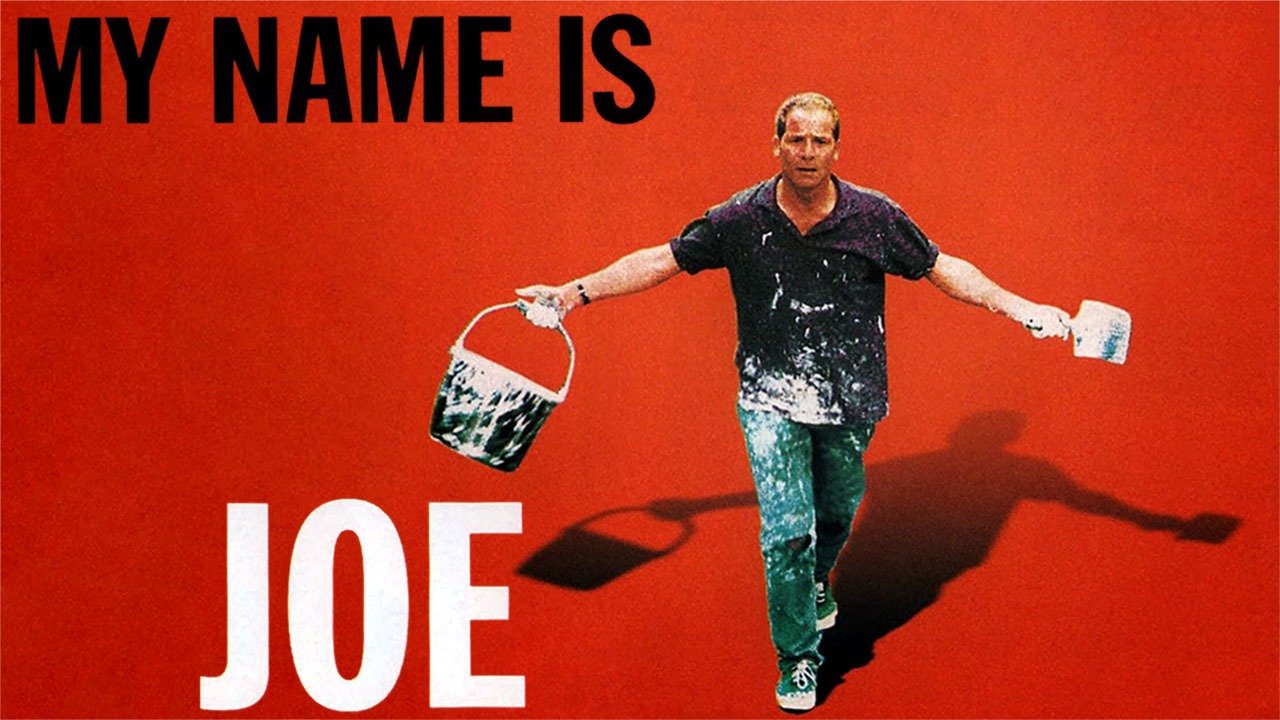
10 Fascinating Facts and Figures About “My Name is Joe” (1998) by Ken Loach: An Insightful Look at the Film’s Impact and Legacy

10 Interesting Facts and Figures About the Classic British Film “My Name is Joe” (1998, Ken Loach)

“My Name is Joe” is a poignant drama directed by Ken Loach, released in 1998. The film delves into the struggles of working-class life in Scotland, exploring themes of love, redemption, and the impacts of addiction. It tells the story of Joe, a man recently released from prison, who attempts to rebuild his life while navigating the harsh realities of his surroundings. Here are ten intriguing facts and figures about this classic British film that highlight its significance and impact.

1. Director Ken Loach’s Vision

Ken Loach is known for his social realism and ability to portray the struggles of the working class. “My Name is Joe” is no exception, embodying his signature style that emphasizes authenticity and emotional depth.

2. The Role of Peter Mullan

Peter Mullan, who plays the titular character Joe, received critical acclaim for his performance. His portrayal earned him the Best Actor award at the Cannes Film Festival in 1998, solidifying his reputation as a talented actor.

3. Filming Locations

The film was shot on location in Glasgow, Scotland, utilizing the city’s gritty urban landscape to enhance the story’s realism. The choice of setting plays a vital role in conveying the film’s themes of hardship and resilience.

4. A Groundbreaking Script

The screenplay, written by Paul Laverty, was inspired by the real-life experiences of people living in poverty, making the dialogues and situations feel genuine and relatable. Laverty’s collaboration with Loach has resulted in several critically acclaimed films.

5. Critical Acclaim

“My Name is Joe” received widespread praise from critics and audiences alike, with a Rotten Tomatoes score of 95%. It is often considered one of the best British films of the late 1990s, celebrated for its storytelling and performances.

6. The Role of Community

The film emphasizes the importance of community and support systems in overcoming personal struggles. Joe’s relationships with other characters showcase the power of human connection in the face of adversity.

7. Economic Context

Set against the backdrop of a challenging economic landscape, “My Name is Joe” illustrates the impact of unemployment and social issues in Scotland during the late 1990s. The film reflects the socio-political climate of the time.

8. Music and Soundtrack

The film features a haunting soundtrack that complements its emotional weight. Composed by George Fenton, the music adds depth and enhances the overall viewing experience.

9. Awards and Nominations

In addition to Peter Mullan’s Best Actor award at Cannes, “My Name is Joe” received nominations for several other awards, including BAFTA nominations for Best Film and Best Actor, highlighting its critical recognition in the film industry.

10. Lasting Impact

“My Name is Joe” continues to resonate with audiences today, serving as a poignant reminder of the struggles faced by many individuals in society. Its exploration of addiction, love, and redemption remains relevant, making it a timeless classic.

Conclusion

“My Name is Joe” stands as a powerful testament to Ken Loach’s filmmaking prowess and his ability to illuminate the lives of those on the fringes of society. Through its compelling narrative and strong performances, the film not only entertains but also provokes thought and empathy. Its legacy endures, inspiring conversations about social issues and the human experience in contemporary society.

Posted on Leave a comment

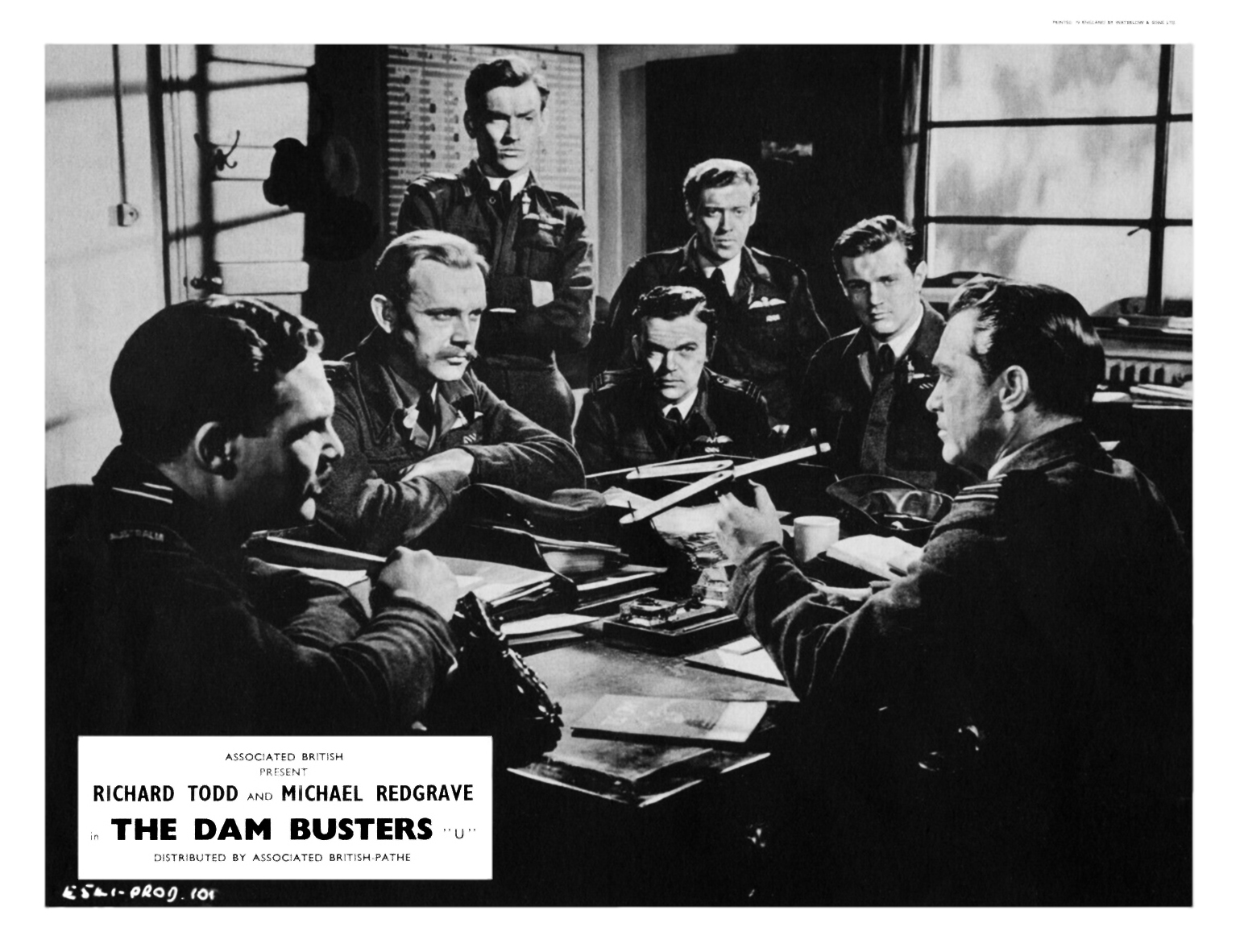
10 Fascinating Facts and Figures About “The Dam Busters” (1955) Directed by Michael Anderson

10 Interesting Facts and Figures About “The Dam Busters” (1955)

“The Dam Busters,” directed by Michael Anderson, is a classic British war film that has captivated audiences since its release in 1955. Based on the true story of the RAF’s 617 Squadron and their daring raid on German dams during World War II, the film combines historical significance with thrilling action. Here are ten interesting facts and figures that highlight the film’s legacy and impact.

1. Historical Context

The film is based on the real-life Operation Chastise, which took place on May 16-17, 1943. The mission aimed to destroy key dams in the Ruhr Valley to disrupt German industrial production.

2. Box Office Success

Upon its release, “The Dam Busters” was a commercial hit, earning around £1 million at the UK box office. It quickly became one of the highest-grossing films of the year.

3. Notable Cast

The film features a talented cast, with Richard Todd playing Wing Commander Guy Gibson and Michael Redgrave portraying Barnes Wallis, the inventor of the bouncing bomb.

4. Bouncing Bomb Invention

The bouncing bomb, central to the film’s plot, was a real invention by Barnes Wallis. It was designed to skip across water and hit dams at a specific point to maximize damage.

5. Iconic Music

The film’s score, composed by Eric Coates, is famous for its stirring themes. The “Dam Busters March” has become synonymous with the film and British patriotism.

6. Special Effects Techniques

The filmmakers used innovative special effects techniques for the dam destruction scenes, including miniatures and practical effects, which were groundbreaking for their time.

7. Cultural Impact

“The Dam Busters” has left a lasting cultural legacy, inspiring numerous documentaries, books, and even video games that recount the story of the daring raid.

8. Controversial Name

The film’s title and theme have led to discussions about its use of the term “Dam Busters.” In recent years, there have been calls for sensitivity regarding the film’s portrayal of its subjects.

9. Remake Plans

In 2018, it was announced that a remake of “The Dam Busters” was in the works, intending to modernize the story while retaining the essence of the original.

10. Preservation and Restoration

In 2010, the British Film Institute restored “The Dam Busters” for its 55th anniversary, ensuring that this classic film continues to be enjoyed by future generations.

Conclusion

“The Dam Busters” remains a significant piece of British cinema that tells a compelling story of bravery, innovation, and sacrifice during one of history’s most tumultuous periods. Its combination of historical drama and thrilling action has cemented its place in film history, and the facts above illustrate why it continues to resonate with audiences today. Whether you are a film enthusiast or a history buff, “The Dam Busters” offers a fascinating glimpse into a pivotal moment in World War II that is worth revisiting.

Posted on Leave a comment

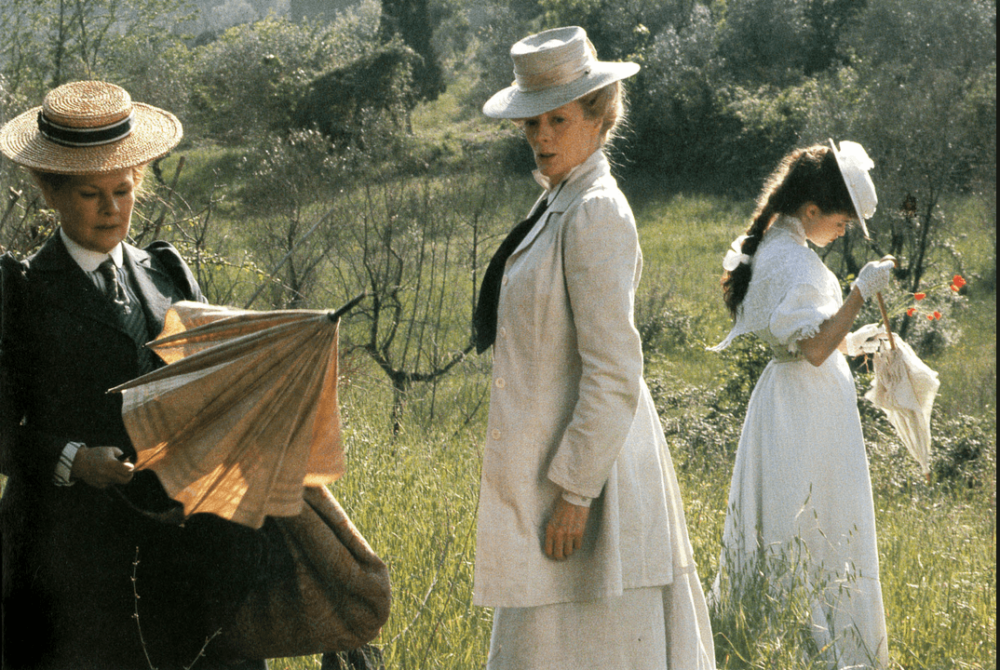
10 Fascinating Facts and Figures About “A Room with a View” (1985) That Every Film Lover Should Know

10 Interesting Facts and Figures About “A Room with a View” (1985)

“A Room with a View,” directed by James Ivory and based on E.M. Forster’s novel, is a quintessential British film that combines romance, class commentary, and breathtaking cinematography. Released in 1985, this adaptation has gained a significant following and is celebrated for its performances, direction, and lush visuals. Here are ten intriguing facts and figures that highlight the film’s significance and impact.

1. Adaptation of a Classic Novel

The film is based on E.M. Forster’s 1908 novel of the same name. Forster’s exploration of Edwardian society and the clash between personal desire and social expectation is beautifully encapsulated in the film’s narrative.

2. Academy Award Winner

“A Room with a View” received three Academy Awards in 1987: Best Adapted Screenplay, Best Art Direction, and Best Costume Design. Its artistic achievements contributed to the film’s enduring legacy.

3. Iconic Locations

The film was shot in various picturesque locations, including Florence, Italy, and the English countryside. The real-life Villa Medici, where Lucy Honeychurch (played by Helena Bonham Carter) stays, adds authenticity and beauty to the film.

4. Helena Bonham Carter’s Breakthrough Role

Helena Bonham Carter was just 19 years old when she played the lead role of Lucy Honeychurch. This film marked a significant turning point in her career, showcasing her talent and leading to a series of prominent roles in the coming years.

5. Successful Box Office Performance

“A Room with a View” grossed approximately $20 million worldwide, which was a considerable success for a period drama at the time of its release, demonstrating the film’s broad appeal.

6. Strong Female Characters

The film features strong and complex female characters, particularly Lucy and her friend Charlotte Bartlett, played by Maggie Smith. Their interactions highlight themes of independence and societal pressure.

7. Notable Supporting Cast

The film boasts a talented ensemble cast, including Julian Sands as George Emerson and Daniel Day-Lewis as Cecil Vyse. Their performances contributed to the depth and complexity of the narrative.

8. Cinematic Collaboration

The film was produced by the Merchant Ivory Productions team, which included producer Ismail Merchant and screenwriter Ruth Prawer Jhabvala. Their collaboration produced a series of critically acclaimed films, solidifying their status in the world of cinema.

9. Cultural Impact

“A Room with a View” has been influential in the genre of romantic period dramas, inspiring a renewed interest in adaptations of classic literature and setting a standard for visual storytelling in the genre.

10. Restoration and Legacy

In 2017, the film was digitally restored, allowing a new generation to experience its stunning cinematography and rich storytelling. The restoration reignited interest in the film and helped maintain its status as a classic.

Conclusion

“A Room with a View” remains a beloved film that captures the essence of early 20th-century societal norms while exploring timeless themes of love, choice, and personal freedom. Its blend of stunning visuals, strong performances, and engaging storytelling has ensured its place in cinematic history. Whether a first-time viewer or a long-time fan, the film continues to resonate with audiences around the world, affirming the lasting impact of E.M. Forster’s work and the artistry of James Ivory.

Posted on Leave a comment

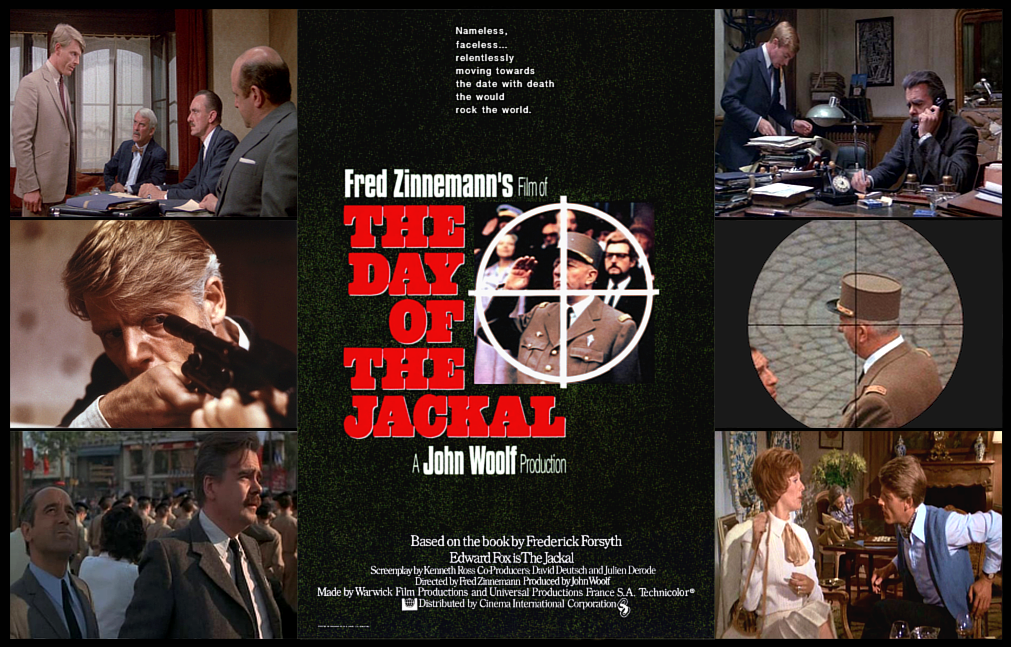
10 Fascinating Facts and Figures About “The Day of the Jackal” (1973) You Didn’t Know

10 Interesting Facts and Figures About “The Day of the Jackal” (1973)

“The Day of the Jackal,” directed by Fred Zinnemann, is a classic British film that has captivated audiences since its release in 1973. Based on the novel by Frederick Forsyth, the film tells the gripping story of an assassin hired to kill French President Charles de Gaulle. Its meticulous attention to detail, suspenseful storyline, and rich cinematography have made it a timeless piece of cinema. Here are ten intriguing facts and figures about this iconic film.

1. Based on a Real Event

The film is loosely based on the real-life events surrounding the assassination attempts on Charles de Gaulle, particularly by the OAS (Organisation Armée Secrète), a French paramilitary organization opposed to Algeria’s independence.

2. A Complex Character Study

The titular character, known only as the Jackal, is portrayed by Edward Fox. His character is meticulously crafted, showcasing a cold, methodical assassin who plans every detail of his operation, illustrating the film’s tense atmosphere.

3. Box Office Success

Upon its release, “The Day of the Jackal” was a significant box office success, grossing over $16 million in the United States, a remarkable figure for a British film at the time.

4. Academy Award Nomination

The film received critical acclaim and was nominated for two Academy Awards: Best Film Editing and Best Original Score, recognizing its outstanding production quality.

5. Iconic Score

The haunting musical score was composed by Georges Delerue, whose work added to the film’s suspenseful tone and helped establish an emotional connection with the audience.

6. Filming Locations

The movie was filmed in various locations across Europe, including London, Paris, and the French countryside. This diverse set of locations contributed to the film’s authenticity and visual appeal.

7. Historical Accuracy

The filmmakers took great pains to ensure historical accuracy, including the use of real locations and authentic vehicles from the time period, enhancing the film’s credibility.

8. Lasting Influence

“The Day of the Jackal” has influenced numerous films and TV shows in the thriller genre. Its meticulous plotting and suspenseful narrative structure have become a template for many subsequent works.

9. Critical Acclaim

The film holds a 94% approval rating on Rotten Tomatoes, with critics praising its intelligence, pacing, and the performances of the cast, particularly Edward Fox and Michel Lonsdale as the investigating police chief.

10. A Remake

In 1986, a remake of the film was released, starring Bruce Willis and Richard Gere. While it had a strong cast, it did not achieve the same level of acclaim or success as the original.

Conclusion

“The Day of the Jackal” remains a landmark film in British cinema, celebrated for its gripping narrative, strong performances, and realistic portrayal of its subject matter. Its influence can still be seen in contemporary thrillers, and it continues to engage new audiences, securing its place as a classic. Whether you’re a longtime fan or discovering it for the first time, the film’s blend of suspense and meticulous storytelling makes it a must-watch.

Posted on Leave a comment

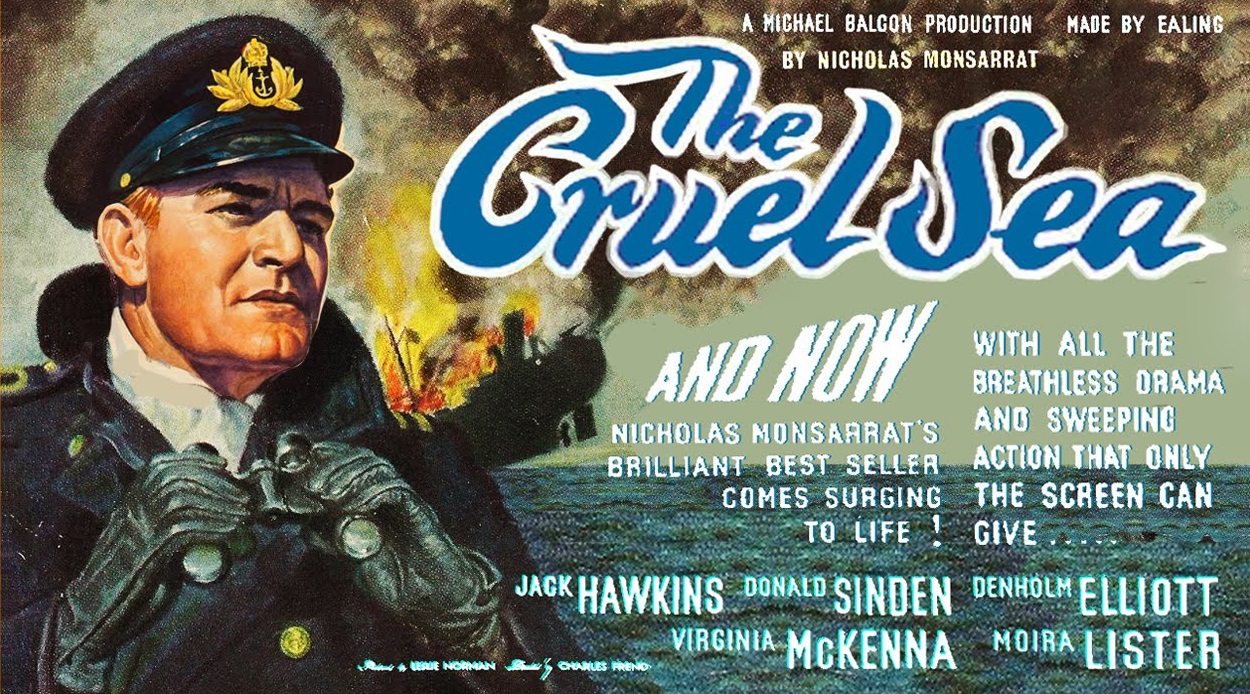
10 Fascinating Facts and Figures About “The Cruel Sea” (1952) You Didn’t Know

The Cruel Sea (1952): 10 Interesting Facts and Figures

Released in 1952, The Cruel Sea is a classic British war film directed by Charles Frend, based on Nicholas Monsarrat’s novel of the same name. The film delves into the harrowing experiences of the Royal Navy during World War II, showcasing the relentless battle against German U-boats in the Atlantic Ocean. With its powerful storytelling and remarkable performances, The Cruel Sea remains a significant piece of British cinema history. Here are ten intriguing facts and figures about this iconic film.

1. Based on Real Events

The film is based on the novel by Nicholas Monsarrat, who served in the Royal Navy during World War II. His experiences during the war inspired the characters and plot, bringing authenticity to the story.

2. A Tale of Maritime Warfare

The Cruel Sea focuses on the Battle of the Atlantic, a crucial campaign in WWII, where Allied forces aimed to protect vital shipping routes from German U-boats. The film captures the tension and peril of naval warfare.

3. Notable Cast

The film features a talented cast, including Jack Hawkins, Donald Sinden, and Ian Hunter. Jack Hawkins, in particular, delivered a memorable performance as Lieutenant-Commander George Ericson, the film’s protagonist.

4. Authentic Naval Equipment

To enhance realism, the filmmakers used actual naval equipment and ships. They collaborated with the Royal Navy, which provided access to various vessels and ensured accuracy in portraying naval operations.

5. Filming Locations

Principal photography took place on location in Britain, including coastal areas in Cornwall and the Isle of Man. The production team aimed to create a realistic depiction of the harsh maritime environment faced by sailors.

6. Critical Acclaim

Upon its release, The Cruel Sea received positive reviews from critics and audiences alike. It was praised for its gripping narrative and strong performances, solidifying its status as a classic British war film.

7. Box Office Success

The film was a commercial hit, grossing over £250,000 at the British box office in 1952. Its success contributed to a resurgence of interest in war films during that era.

8. Academy Award Nominations

The Cruel Sea received critical recognition and was nominated for an Academy Award for Best Cinematography. The film’s visual storytelling, combined with its compelling narrative, earned it accolades in the film industry.

9. Influence on Later Films

The film’s portrayal of naval warfare and its emotional depth influenced subsequent war films, establishing a template for storytelling in the genre. It paved the way for future cinematic explorations of military life and sacrifice.

10. Cultural Impact

The Cruel Sea remains an important cultural artifact, reflecting the attitudes and experiences of Britain during and after World War II. It continues to be studied and appreciated for its historical significance and artistic merit.

Conclusion

The Cruel Sea stands as a testament to the bravery and resilience of those who served in the Royal Navy during World War II. Through its gripping narrative, exceptional performances, and dedication to authenticity, the film has carved out a lasting place in British cinematic history. Its exploration of the harsh realities of maritime warfare ensures that it remains relevant and respected among film enthusiasts and historians alike.

Posted on Leave a comment

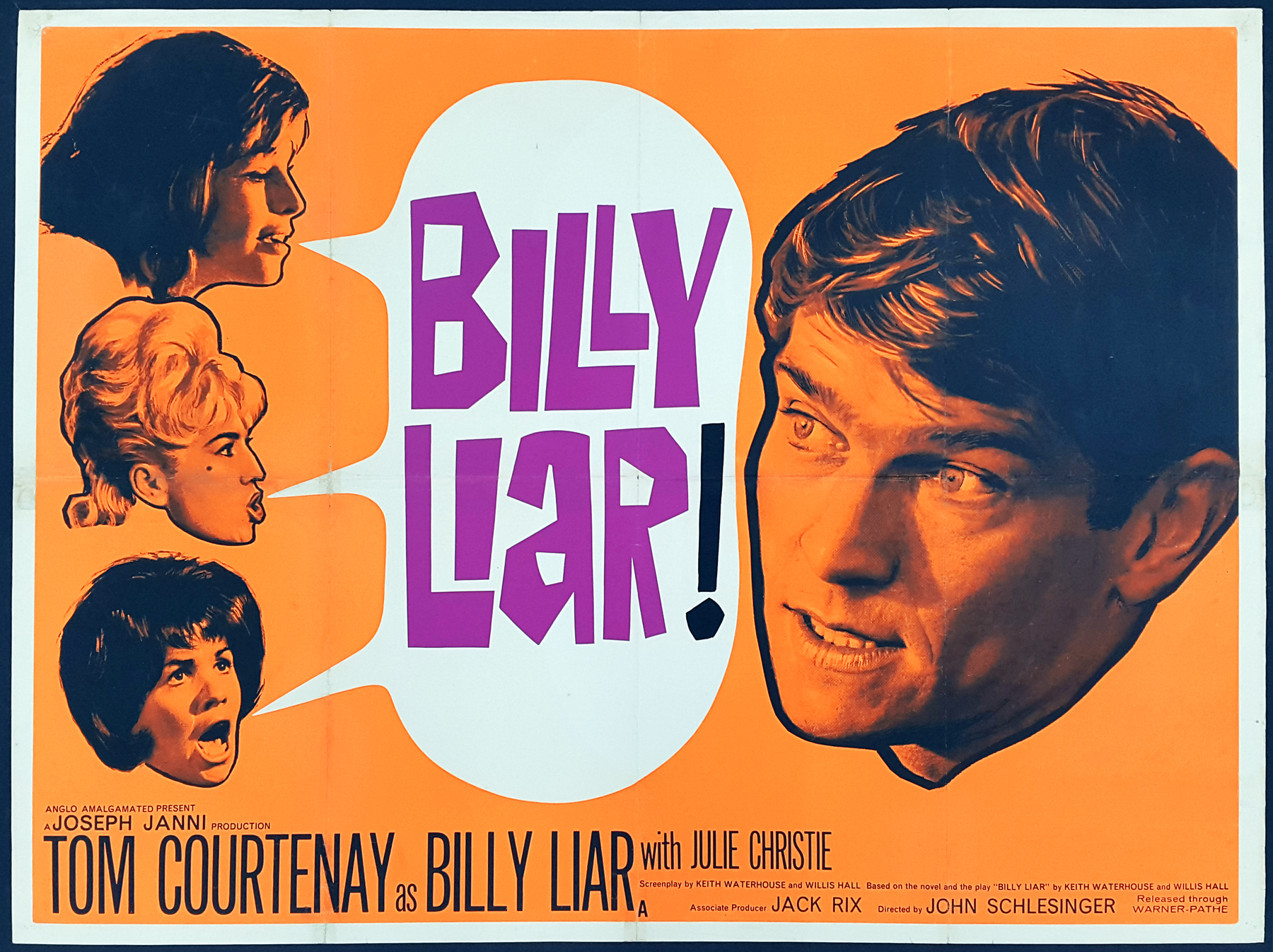
10 Fascinating Facts and Figures About ‘Billy Liar’ (1963) – John Schlesinger’s Iconic Film

10 Interesting Facts and Figures About the Classic British Film “Billy Liar” (1963)

“Billy Liar,” directed by John Schlesinger and released in 1963, is a quintessential British film that captures the essence of youthful dreams and the struggle between reality and imagination. Adapted from the play by Keith Waterhouse and Willis Hall, the film tells the story of Billy Fisher, a young man who escapes his mundane life through elaborate lies. Here are ten intriguing facts and figures that highlight the film’s significance and legacy.

1. Based on a Novel

The film is based on the 1959 novel “Billy Liar” by Keith Waterhouse. The story was inspired by Waterhouse’s own experiences growing up in the English city of Leeds, where he encountered similar characters and situations.

2. Box Office Success

“Billy Liar” was a commercial success, grossing over £1 million in the UK upon its release. This achievement was significant during a period when British cinema was exploring new themes and narratives.

3. Groundbreaking Casting

The film featured a breakout performance by Tom Courtenay as Billy Fisher, who was relatively unknown at the time. His portrayal earned him critical acclaim, establishing him as one of the leading actors of his generation.

4. Innovative Direction

John Schlesinger’s direction in “Billy Liar” was groundbreaking for its time. He employed a mix of realism and fantasy, using imaginative sequences to depict Billy’s elaborate dreams, which added depth to the narrative.

5. Iconic Music

The film’s score was composed by the legendary British musician and composer, Richard Rodney Bennett. The music played a crucial role in setting the tone for the film, enhancing both comedic and dramatic moments.

6. Cultural Impact

“Billy Liar” resonated with the youth culture of the 1960s, reflecting the desires and frustrations of a generation eager for change. The film’s themes of escapism and the search for identity continue to resonate with audiences today.

7. A Successful Adaptation

The film’s success led to a stage adaptation in 1985, which further solidified its cultural significance. The play was well-received and contributed to the ongoing appreciation of Waterhouse’s original work.

8. Notable Cast

In addition to Courtenay, the film featured notable actors such as Julie Christie, who played the role of Liz, and Wilfred Pickles as Billy’s father. Their performances added to the film’s charm and authenticity.

9. Awards and Nominations

“Billy Liar” received several nominations at prestigious awards, including the BAFTA Awards. Tom Courtenay won the BAFTA for Best Actor in a Leading Role, highlighting the film’s artistic merit.

10. Lasting Legacy

Over the years, “Billy Liar” has been recognized as a classic of British cinema. It was included in the British Film Institute’s list of the Top 100 British Films, affirming its position as an essential piece of cinematic history.

Conclusion

“Billy Liar” remains a beloved film that captures the spirit of its time while exploring universal themes of dreams, reality, and the desire for a better life. Its innovative direction, memorable performances, and cultural impact ensure that it continues to be celebrated by new generations of film lovers. Whether revisiting the film or experiencing it for the first time, “Billy Liar” offers a poignant look at the struggles of youth and the power of imagination.

Posted on Leave a comment

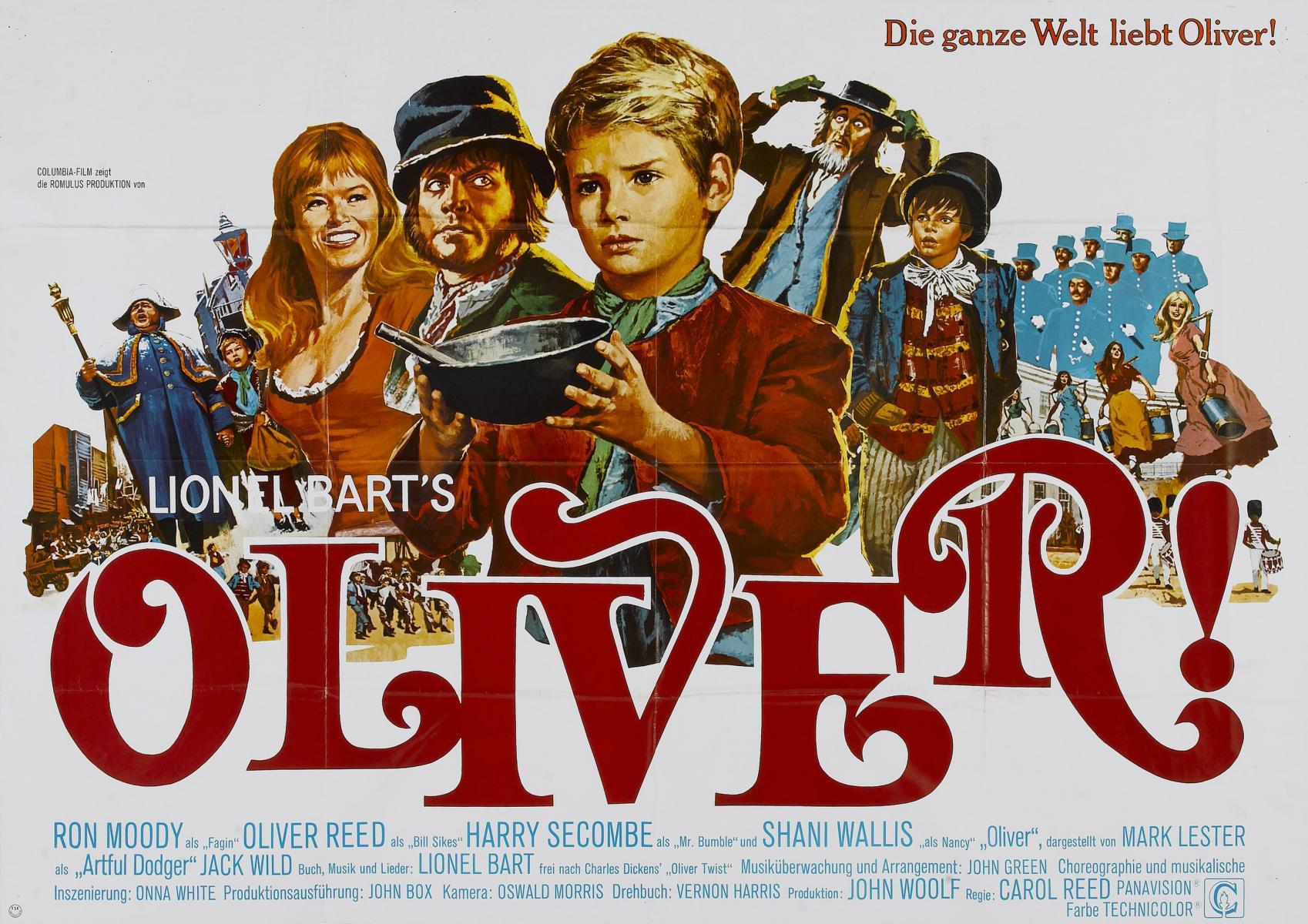
10 Fascinating Facts and Figures About Oliver (1968) Directed by Carol Reed

10 Interesting Facts and Figures about Oliver! (1968, Carol Reed)

“Oliver!” is a classic British musical film directed by Carol Reed, released in 1968. Based on Charles Dickens’ novel “Oliver Twist,” the film captures the struggles and adventures of a young orphan in Victorian England. With its memorable songs, enchanting performances, and rich visuals, “Oliver!” has left an indelible mark on British cinema. Here are ten fascinating facts and figures about this beloved film.

1. Academy Awards Success

“Oliver!” won a total of five Academy Awards, including Best Picture, Best Director for Carol Reed, and Best Adapted Score. This success solidified its status as a classic in the musical genre.

2. Box Office Triumph

The film was a commercial success, grossing over $9 million in the United States alone upon its initial release. Its popularity contributed to the resurgence of musical films during the late 1960s.

3. Iconic Score

The film features music and lyrics by Lionel Bart, with memorable songs such as “Consider Yourself,” “Food, Glorious Food,” and “As Long As He Needs Me.” The soundtrack has continued to be celebrated in various stage adaptations and revivals.

4. Young Cast

The role of Oliver Twist was played by Mark Lester, who was just 10 years old at the time of filming. His performance, alongside the talented young ensemble cast, helped bring the story to life.

5. Location Filming

Many of the film’s scenes were shot on location in England, with notable filming in the historic areas of London. This authenticity added to the film’s gritty realism and immersive atmosphere.

6. Innovative Cinematography

Director of Photography Oswald Morris employed vibrant colors and dynamic camera angles to enhance the storytelling. The film’s visual style contributed to its acclaim and remains influential.

7. Stage Origins

“Oliver!” originated as a stage musical, premiering in the West End in 1960. The success of the stage version paved the way for the film adaptation, which became a significant cultural phenomenon.

8. A Unique Casting Choice

Ron Moody’s portrayal of Fagin earned him critical acclaim and a nomination for the Academy Award for Best Supporting Actor. His unique interpretation of the character brought depth and complexity to the role.

9. Lasting Legacy

The film has inspired numerous adaptations, including revivals on stage and television. Its impact on the musical genre continues to resonate, with “Oliver!” being a staple in theater productions worldwide.

10. Cultural Significance

“Oliver!” is often credited with revitalizing interest in Dickens’ works and introducing new audiences to the author’s themes of poverty and social justice. Its enduring relevance speaks to the power of storytelling through film.

Conclusion

“Oliver!” remains a cherished classic that combines powerful storytelling, enchanting music, and striking visuals. Its success in both critical acclaim and box office performance has secured its place in film history. As audiences continue to discover or revisit this masterpiece, the film serves as a reminder of the timeless nature of Dickens’ story and the magic of musical cinema.

Posted on Leave a comment

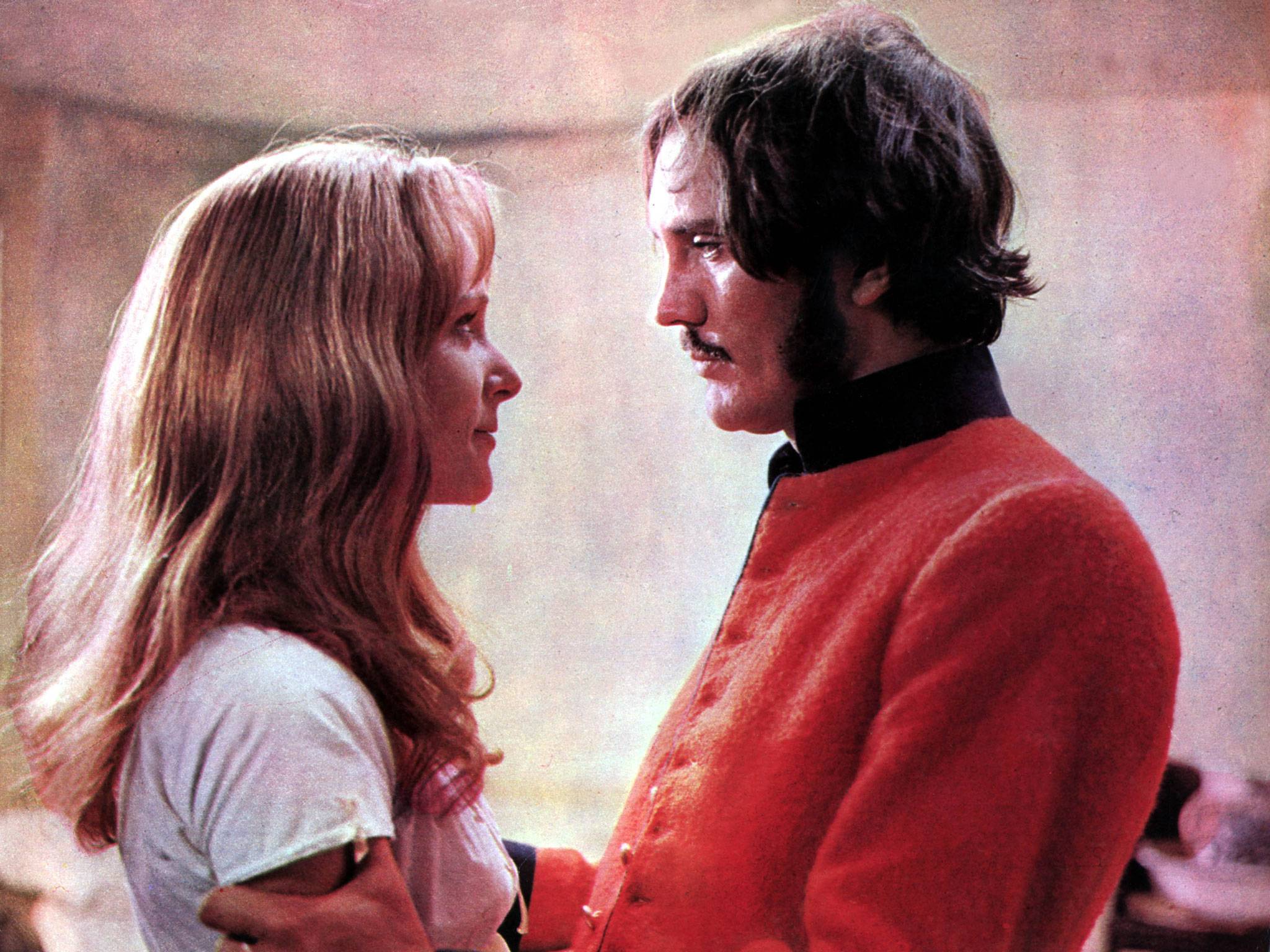
10 Fascinating Facts and Figures About ‘Far From the Madding Crowd’ (1967) That Every Film Lover Should Know

10 Interesting Facts and Figures About “Far From the Madding Crowd” (1967)

“Far From the Madding Crowd,” directed by John Schlesinger and released in 1967, is a cinematic adaptation of Thomas Hardy’s classic novel. This film not only captures the essence of Hardy’s story but also features a remarkable cast and stunning visuals. Below are ten interesting facts and figures that highlight the film’s significance and impact.

1. A Star-Studded Cast

The film features a stellar cast, including Julie Christie as Bathsheba Everdene, Terence Stamp as Gabriel Oak, Peter Finch as William Boldwood, and Alan Bates as Sergeant Troy. Julie Christie’s performance earned her an Oscar nomination for Best Actress.

2. Cinematic Adaptation

“Far From the Madding Crowd” was one of the first major adaptations of Hardy’s work. The novel was originally published in 1874, and the film brought Hardy’s compelling characters and rural settings to a new audience.

3. Filming Locations

The film was shot on location in Wiltshire, England, utilizing the stunning landscapes that Hardy often described in his novels. The picturesque scenery plays a crucial role in enhancing the film’s visual appeal.

4. Critical Acclaim

Upon its release, the film received positive reviews from critics, who praised its cinematography, direction, and performances, particularly that of Julie Christie, solidifying her status as a leading actress of the era.

5. Box Office Success

“Far From the Madding Crowd” was a commercial success, grossing over $7 million in the United States alone, a significant figure for a film during that period.

6. Soundtrack by A. R. Rahman

The film’s score was composed by one of the greats, with renowned composer A. R. Rahman contributing to the atmospheric sound that underlines the film’s emotional depth.

7. Academy Awards Recognition

The film was nominated for several Academy Awards, including Best Cinematography and Best Costume Design. Its visual style is often regarded as one of its standout features.

8. Lasting Influence

The film influenced future adaptations of Hardy’s work and remains a reference point for filmmakers looking to capture the essence of rural life and complex human relationships.

9. Director John Schlesinger’s Legacy

John Schlesinger was an acclaimed director known for films such as “Midnight Cowboy” and “Marathon Man.” His work on “Far From the Madding Crowd” is regarded as a significant contribution to his illustrious career.

10. Restoration and Preservation

In recent years, “Far From the Madding Crowd” has undergone restoration efforts to preserve its original visual quality, ensuring that new generations can appreciate its artistry and storytelling.

Conclusion

“Far From the Madding Crowd” remains a classic in British cinema, showcasing the rich tapestry of Hardy’s narrative through the lens of Schlesinger’s direction. With its impressive cast, memorable score, and beautiful cinematography, the film continues to resonate with audiences, reminding us of the timeless nature of love, ambition, and the impact of choices. Whether you’re a long-time fan of the novel or a newcomer to Hardy’s world, this film is a must-watch that embodies the spirit of 19th-century literature brought to life on screen.

Posted on Leave a comment

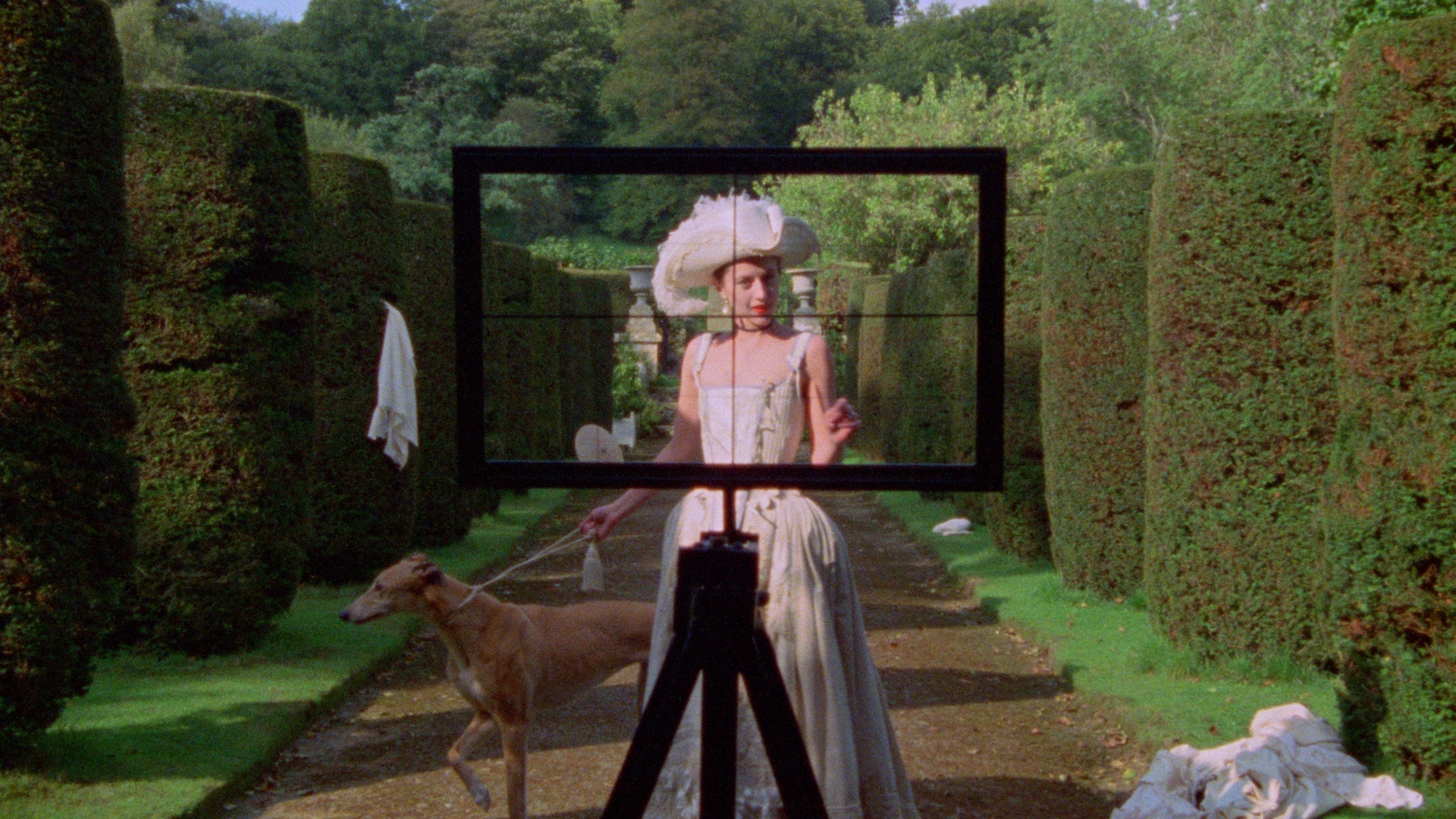
10 Fascinating Facts and Figures About Peter Greenaway’s 1982 Film ‘The Draughtsman’s Contract’

10 Interesting Facts and Figures About The Draughtsman’s Contract

The Draughtsman’s Contract is a unique film that captures the essence of 17th-century England through the lens of art, mystery, and intricate storytelling. Directed by Peter Greenaway, this 1982 classic challenges viewers with its complex narrative and stunning visuals. Below are ten intriguing facts and figures that shed light on this remarkable film.

1. A Unique Directorial Vision

Peter Greenaway, known for his imaginative storytelling and striking visual style, was determined to create a film that would blend art with cinema. The Draughtsman’s Contract reflects his fascination with the interplay of image and narrative.

2. Inspired by Art History

The film draws heavily from the conventions of 17th-century English paintings, particularly those of the artist John Constable. Each frame is meticulously composed, echoing the aesthetics of the period.

3. A Bold Approach to Narrative

The film is structured like a visual puzzle, inviting viewers to piece together clues about the characters and their motivations. This narrative complexity has led to various interpretations and discussions among audiences and critics alike.

4. Original Score by Michael Nyman

The haunting score composed by Michael Nyman plays a significant role in establishing the film’s atmosphere. Nyman’s music, characterized by minimalist structures, complements the film’s visual richness and enhances its emotional depth.

5. Innovative Use of Sound

Greenaway experimented with sound design, using it to create an immersive experience. The film features a deliberate juxtaposition of diegetic and non-diegetic sounds, enhancing the layers of meaning within the narrative.

6. A Controversial Reception

Upon its release, The Draughtsman’s Contract received mixed reviews. While some praised its artistic ambition, others found it challenging and inaccessible, reflecting the divide in audience expectations versus the film’s experimental nature.

7. The Role of the Landscape

The English countryside serves as a crucial character in the film. The meticulously captured landscapes not only provide a backdrop but also symbolize the themes of desire and deception that permeate the story.

8. Cinematic Influences

Greenaway cited filmmakers such as Jean-Luc Godard and Federico Fellini as influences on his work. These inspirations are evident in the film’s unconventional narrative style and visual experimentation.

9. Award Recognition

The Draughtsman’s Contract garnered critical acclaim at various film festivals, including winning the Best Film at the 1983 British Academy Film Awards (BAFTA). The film’s achievements helped solidify Greenaway’s reputation as a leading auteur.

10. A Cult Classic

Over the years, The Draughtsman’s Contract has developed a dedicated following. Its intricate plot, stunning visuals, and thought-provoking themes continue to resonate with audiences, securing its status as a cult classic in British cinema.

Conclusion

The Draughtsman’s Contract remains a significant work in the canon of British cinema, showcasing Peter Greenaway’s distinctive style and artistic vision. Its rich tapestry of narrative complexity, stunning visuals, and an evocative score continues to intrigue and challenge viewers. As a film that successfully intertwines art and storytelling, it invites audiences to explore deeper themes and appreciate the nuances of its creation. Whether you’re revisiting the film or experiencing it for the first time, its impact on the landscape of cinema is undeniable.