
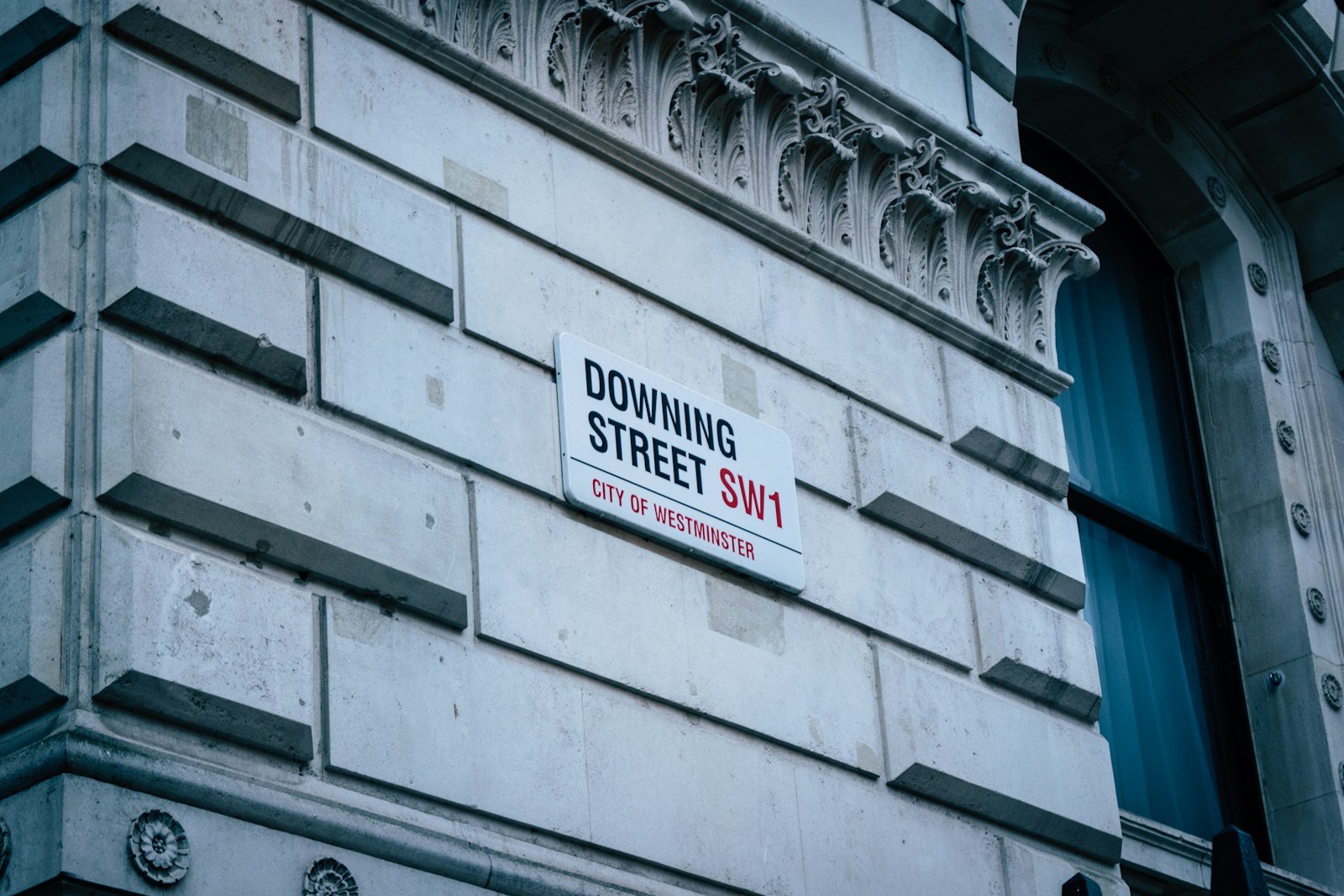
Being the leader of an entire nation can be quite challenging, often taking all the blame and enjoying little recognized success. However, a blessed few do so well in their job that we remember them for decades if not centuries later. The United Kingdom has had many Prime Ministers who could be considered good leaders, though relatively few could be called great. The five PMs listed below represent research from across several surveys conducted over the years and appear in no particular order. While each had their own glaring failures, history regards them as having a great positive impact on the nation.
Tony Blair
While the final years of Blair’s ten-year term as Prime Minister were marred by his involving the country in the Iraq War, he had a long list of accomplishments before this. Almost immediately on becoming Prime Minister in 1997, he helped to negotiate the Good Friday Agreement whose ratification in 1998 helped to end conflict with the Irish Republican Army in Northern Ireland. He also enacted a slew of constitutional reforms that reduced the number of hereditary peers, established the UK Supreme Court, and championed a devolution of the government that gave Northern Ireland, Wales, and Scotland more say over the governance of their countries.
Margaret Thatcher
Certainly another controversial figure on this list, Margaret Thatcher is at least notable for being the first female Prime Minister and fighting against a system that was inherently sexist and determined not to let a woman ever hold that position. Ultimately serving three terms, Conservatives were won over by her privatization of national industries, leadership in the Falklands War, and strong economy. However, her popularity ran out following miners’ strikes throughout the country over her government’s closures of coal pits, her Euroscepticism that wasn’t shared by her cabinet, and her support for the Community Charge (aka “poll tax”), eventually forcing her resignation in 1990 after almost eleven years in office. Much like her contemporary Ronald Reagan, she’s often held up by Tories as the pinnacle of Conservative leadership.
Harold Macmillan
Also known as “Supermac”, Harold Macmillan succeeded the disastrous premiership of Anthony Eden and helped rehabilitate both the country and the Conservative Party after the Suez Crisis. He moved the UK beyond its imperial past, embracing a new globalism and firmly establishing Britain’s place in it. Most notably, he helped to repair the relationship with the United States torpedoed by Eden’s actions and formed a new partnership for the Cold War conflict with the USSR. Interestingly, Macmillan as the last Prime Minister born in the Victorian period, the last to have served in WWI, and the last to receive a hereditary peerage.
Clement Atlee
Having served as Winston Churchill’s Deputy Prime Minister during World War II as part of a unity government, Clement Atlee helped propose a welfare state policy that propelled Labour to a victory in 1945 and himself into 10 Downing Street. Britain’s welfare state is his biggest and most notable legacy, which included the creation of the National Health Service. Atlee’s policies were largely shaped by his youth, coming from a wealthy aristocratic family, he became dedicated to serving the poor after serving as a volunteer in a home for working-class boys in East London. This experience led him as Prime Minister to increase public housing assistance, national insurance, national assistance, and nationalization of public utilities. With Britain practically bankrupt and facing supply shortages after World War II, Atlee helped to get the country back on its feet in time for Churchill’s next term in 1951. Atlee also has the distinction of being the longest-serving Labour leader in Britain’s history, having been in the office for twenty years from 1935 to 1955.
Winston Churchill
And speaking of Churchill, for most of his political career, he wasn’t the most popular member within the Conservative Party, especially as Stanley Baldwin and Neville Chamberlain advocated for appeasement towards Adolf Hitler. Chamberlain’s bad decisions led to a no confidence vote and the refusal of Labour to join him in forming a coalition government, but it would accept if Churchill was the Conservative leader. Churchill led the United Kingdom through World War II and became a symbol of British defiance and tenacity. Churchill was the British figure who helped establish the “Special Relationship” since enjoyed by the UK and US and helped to prepare the country for the realities of the Cold War with the USSR. His biggest failings during in office was a lack of willingness to let go of British imperialism, a process started by Atlee and completed by Macmillan.
Discover more from Anglotees
Subscribe to get the latest posts sent to your email.