Posted on Leave a comment

50 Fascinating Origins Behind the Unusual Names of British Pubs

How British Pubs Got Their Unusual Names

When you think of Britain, what pops into your mind? Perhaps it’s the rolling green hills, charming countryside, or historical landmarks. But let’s not forget the quintessential British pub! These cozy watering holes are more than just places to grab a pint; they are steeped in history, culture, and yes, some rather quirky names. Grab a seat at the bar, and let’s dive into the fascinating stories behind how British pubs got their unusual names.

A Brief History of Pubs in Britain

Before we venture into the naming of pubs, it’s essential to understand their historical context. The tradition of pubs in Britain dates back centuries, with roots tracing back to Roman times when travelers would find solace in taverns along their journeys. These establishments served food and drink, providing a much-needed rest stop for weary travelers.

As the years rolled on, pubs evolved from simple inns to social hubs where communities gathered. By the time of the Middle Ages, alehouses and inns were commonplace, and the term “public house” or “pub” started to gain traction. Fast forward to the present day, and you’ll find pubs on almost every corner, each with its unique atmosphere, food, and, of course, name.

The Origins of Pub Names

The names of British pubs can be downright amusing, bizarre, and sometimes downright puzzling. Generally, these names fall into several categories: historical figures, local landmarks, animals, and whimsical phrases. Let’s explore some of the most common sources of inspiration for these unusual names.

Historical Figures

Some pubs are named after notable historical figures or events. These names often reflect a local connection or pay homage to someone who had a significant impact on the area. For example, the “Wellington Arms” references the Duke of Wellington, famed for his role in defeating Napoleon. Similarly, “The Lord Nelson” celebrates the legendary Admiral Nelson, who played a crucial role in the British Navy.

These names can offer a glimpse into local history, often serving as a conversation starter for patrons. After a few pints, you might find yourself engaged in a spirited discussion about the life of the Duke or the exploits of Admiral Nelson.

Local Landmarks

Many pubs are named after local landmarks or geographical features, often giving patrons a sense of place. For instance, “The Red Lion” is one of the most common pub names in the UK, often found near a significant hill or tower. The origins of this name can be traced back to the heraldic symbols of the British royal family.

Other names, like “The Old Mill,” may reference a historical site that once played a vital role in the area’s economy. By choosing to name a pub after a local landmark, owners not only celebrate the community’s heritage but also create a sense of identity for the establishment itself.

Animals and Nature

It’s hard not to chuckle at some of the fantastical names that incorporate animals. The “Swan,” “Fox,” and “Elephant” are just a few examples of animal-themed pub names that can be found across the country. These names often reflect the fauna that inhabit the area or symbolize certain traits associated with the animals.

For example, “The Fox and Hounds” evokes the traditional British pastime of fox hunting, while “The Black Horse” may allude to local farms or simply the connection between horses and rural life. Such names often evoke imagery and nostalgia, adding to the charm of these establishments.

Whimsical Phrases

Some pubs take a more lighthearted approach to naming, opting for whimsical or humorous phrases. Pubs with names like “The Drunken Duck” or “The Tipsy Toad” often draw in curious patrons looking for a good laugh. These names not only catch the eye but also create an inviting atmosphere that encourages social interaction.

The use of playful language can also serve to disarm customers, making them feel more at ease as they settle in for a drink. After all, who wouldn’t want to grab a pint at a place whimsically named “The Laughing Donkey”?

The Role of Signage and Local Culture

One of the delightful aspects of British pubs is their signage. Traditional pub signs are often hand-painted and rich in symbolism. These signs serve as visual representations of the pub’s name and its history. For example, a pub named “The Golden Lion” will likely feature a striking image of a lion in gold, proudly displayed for all to see.

The local culture and traditions also play a significant role in how pubs are named. In some areas, it’s common to name a pub after a local hero or an event that shaped the community. This connection to the locality fosters a sense of belonging, turning the pub into a communal space where stories and memories are shared.

Modern Trends and Changes

As society evolves, so do the names of pubs. In recent years, there has been a notable trend toward more modern, trendy names. The rise of craft beer has led to a wave of new establishments that reflect contemporary culture and style. Names like “The Crafty Pint” or “Brewed Awakening” demonstrate this shift, appealing to a younger demographic eager to explore innovative brews.

However, while some pubs are adopting modern names, many traditional establishments are holding on to their historical roots, opting to retain names that have been passed down through generations. This duality reflects the ongoing dialogue between tradition and progress in British pub culture.

Conclusion: The Charm of British Pub Names

British pubs are more than just places to enjoy a pint; they are a reflection of the rich tapestry of history and culture that makes Britain unique. From humorous animal names to references to historical figures, the stories behind these unusual names captivate both locals and tourists alike.

So the next time you find yourself in a British pub, take a moment to appreciate the name above the door. Each name carries with it a piece of history, a connection to the community, and a sense of belonging. Whether you find yourself sipping a lager at “The Laughing Hound” or enjoying a stout at “The Queen’s Head,” know that you are partaking in a time-honored tradition, steeped in charm and character. Cheers!
Posted on Leave a comment

British Travel Etiquette: Unspoken Rules That Will Make Locals Embrace You

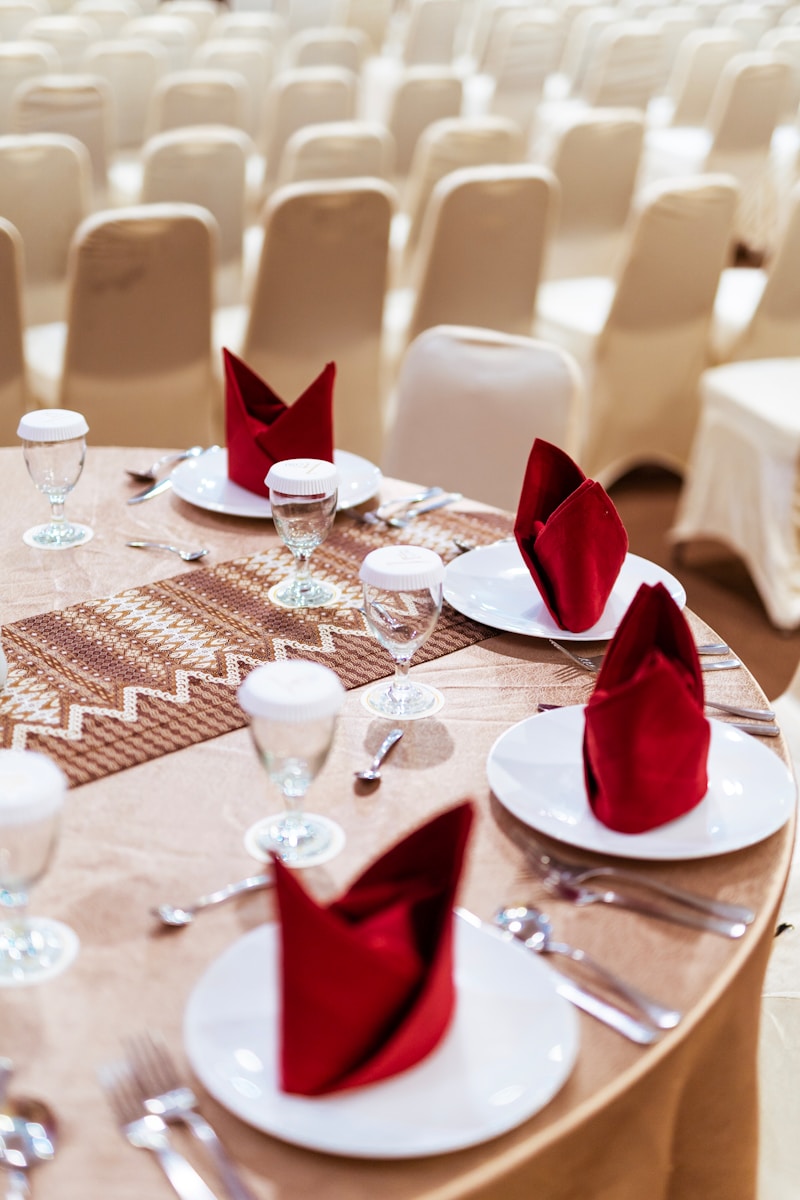
selective focus photography of red table napkins on white plates

Understanding the British Travel Etiquette

When it comes to traveling in the UK, it’s not just about snapping photos of the iconic landmarks or indulging in scones and tea. Understanding the subtleties of British travel etiquette can make a significant difference in your experience and how locals perceive you. While the British are often stereotyped as reserved or formal, you’ll find that they appreciate politeness, humility, and a good sense of humor. Let’s dive into some unspoken rules that will help you blend in like a local and perhaps receive a warm smile instead of a quizzical glance.

The Power of Politeness

First and foremost, politeness reigns supreme in British culture. A simple “please” and “thank you” can work wonders. When you’re ordering at a café, remember to say, “I’d like a cup of tea, please.” It not only shows respect but also adopts a tone that the British find charming.

Additionally, if you accidentally bump into someone, a quick “sorry” or “pardon me” goes a long way. The British are known for their ability to be cordial even in busy situations. Embracing this can help you navigate crowded streets and tube stations with grace.

Queueing: The National Pastime

One of the most quintessentially British practices is queuing. You might feel a bit lost if you see a line forming and everyone is patiently waiting their turn. Unlike some cultures where it’s every person for themselves, in the UK, cutting in line is a major faux pas. Always take your place at the end of the line and wait your turn.

If someone tries to cut in front of you, a polite but firm “Excuse me, I believe the queue starts back there” will usually suffice. You’ll notice that locals will often appreciate your adherence to this unspoken rule, as queueing is seen as a mark of good manners and respect for others.

The Art of Small Talk

While the British may seem reserved, they do enjoy small talk—especially about the weather. It’s a classic conversation starter. Commenting on the drizzles or discussing how unexpectedly sunny it is can lead to delightful exchanges.

However, steer clear of more personal topics unless you know someone well. Conversations about politics, money, or religion can be a bit touchy, particularly with strangers. Stick to light-hearted subjects, and you may find yourself enjoying a friendly chat over the nuances of British life.

Dining Etiquette: More Than Just Forks and Knives

When dining out, whether in a casual bistro or a fancy restaurant, understanding proper etiquette is vital. To start, placing your napkin on your lap is a sign of refinement. When you’re finished eating, place your knife and fork parallel on your plate to signal that you’re done.

If you’re invited to someone’s home for dinner, it’s customary to bring a small gift as a token of appreciation. Flowers, chocolates, or a nice bottle of wine are always well-received. And if you’re the guest, be sure to thank your host once again when you leave, and a follow-up message the next day would be a lovely touch.

Tipping: A Delicate Balance

Tipping in the UK can be a bit confusing, as it varies depending on the situation. In restaurants, it’s common to leave a tip of around 10-15% if service isn’t included in the bill. If you’re in a pub ordering food at the counter, tipping isn’t necessary, but it’s always a nice gesture to leave some change.

When using taxis, rounding up to the nearest pound is standard practice. Some people might tip a bit more, especially if the driver has gone above and beyond. Understanding this balance will help you navigate the often murky waters of tipping in the UK.

Public Transport: Do’s and Don’ts

Using public transport is a rite of passage for anyone visiting the UK, especially in London. However, there are unspoken rules to abide by. When traveling on the Tube, always stand on the right side of the escalator and let others pass on the left. It’s a simple act of consideration that is greatly appreciated by locals.

Also, when you get on a bus or train, wait for passengers to disembark before boarding, and if you’re sitting in a designated priority seat, be prepared to offer it to elderly or disabled passengers.

Respecting Personal Space

The British are known for their love of personal space. While they may engage in small talk, they might not appreciate someone standing too close in a queue or during a conversation. Keeping a respectful distance will ensure you don’t inadvertently make anyone uncomfortable.

Footpath Etiquette: The Great Sidewalk Debate

In busy cities, footpath etiquette is paramount. In most places, the rule of thumb is to walk on the left side of the pavement. This helps to maintain a smooth flow of foot traffic. If you’re wandering in a group and need to stop, make sure to move to the side to avoid blocking the path.

Sporting Events: A Cultural Experience

One cannot truly understand British culture without experiencing a local sporting event. Whether it’s football (soccer), rugby, or cricket, each sport has its unique set of unwritten rules.

For football matches, it’s important to wear the colors of your team proudly and participate in the singing and chanting that is part of the experience. Yet, if you’re attending a rugby match, remember that the atmosphere is more family-friendly, so keep your language PG.

Pubs: The Heart of Socializing

Pubs are the lifeblood of British social life. Visiting a pub is not just about grabbing a pint; it’s about soaking in the local culture. If you’re going to order drinks, head to the bar, and place your order directly with the bartender. Don’t wave them down or shout your order from across the room.

Additionally, it’s common practice to buy a round of drinks if you’re out with a group of friends. If you’re unsure, a polite “Do you want me to get the next round?” can help you navigate this expectation.

Conclusion: Embrace the British Way

Traveling in the UK can be a rewarding experience, especially when you take the time to understand and respect local customs. By adhering to these unspoken rules of etiquette, you’ll not only make your journey smoother but also earn the respect and appreciation of the locals.

So, pack your bags, brush up on your polite phrases, and get ready to dive into the delightful quirks of British culture. It’s not just about the sights—it’s about the connections you make along the way. Happy travels!