Posted on Leave a comment

Uncovering the Hidden Meanings Behind British Pub Signs: A Fascinating Journey Through Tradition and History

The Hidden Meanings Behind British Pub Signs

When you stroll through the vibrant streets of Britain, the colourful pubs beckon with their quirky signs swinging gently in the breeze. These establishments are more than just a place to grab a pint; they are steeped in history and often carry hidden meanings that reveal fascinating stories about their origins, the local community, and British culture as a whole. Join us on a delightful journey as we explore the hidden meanings behind British pub signs and discover the rich tapestry that makes these establishments so unique.

The History of Pub Signs

Before we dive into the meanings, it’s essential to understand how pub signs came to be. The tradition of using signs to identify inns and taverns dates back to the Middle Ages. During this time, literacy rates were low, and many patrons were unable to read the names of the establishments. Instead, visual symbols became crucial for identification.

As a result, pubs started adopting signs that were often painted with vibrant images of animals, saints, or historical events. These signs served as a way for people to find their favourite watering holes without needing to read. Over the centuries, pub signs evolved into not just identifiers but also an art form, showcasing the creativity of local artisans and celebrating regional heritage.

Common Themes in Pub Signage

While each pub sign has its unique story, you’ll find that many share common themes. Here are a few prevalent motifs you’ll encounter:

Animals

Animals are among the most common symbols found on British pub signs. They often represent the characteristics associated with the creature, but they also have deeper meanings rooted in local folklore and history.

  • The Red Lion: One of the most iconic pub names, the Red Lion can be found across the UK. Its origins can be traced back to the heraldic symbol associated with the monarchy, representing strength and courage.

  • The Black Bull: This sign usually signifies a link to farming and agricultural prosperity. Bulls were commonly seen in rural areas and often symbolised virility and strength.

Historical Figures and Events

Some pub signs pay homage to famous individuals or significant events in British history. This practice serves not only to educate patrons but also to create a sense of community pride.

  • The King’s Head: This sign typically refers to King Charles I, who was executed during the English Civil War. Pubs named after him commemorate his legacy and the turbulent times of political upheaval.

  • The Crown and Anchor: A symbol of the British Navy, this sign represents Britain’s maritime history. It’s a nod to the importance of naval power in securing British interests overseas.

Mythological and Folkloric References

Britain is rich in folklore, and many pub signs incorporate mythological elements. These signs often serve as a reminder of the culture and traditions of the local area.

  • The Green Man: This ancient figure, often depicted as a face surrounded by leaves, represents nature and the rebirth of life in spring. Pubs bearing this sign celebrate the connection between the land and its people.

  • The Mermaid: A symbol of mystery and allure, mermaids often feature in coastal towns, reminding patrons of the sea’s enchanting yet treacherous nature.

Regional Variations

The meanings behind pub signs can vary significantly from region to region, influenced by local culture and historical context. Let’s take a closer look at a few notable examples:

London

In the capital, you’ll find a plethora of signs that reflect its bustling history and diverse culture.

  • The Dog and Duck: This sign can be traced back to the 18th century when London was notorious for its duck hunting. The establishment’s name suggests a place where this sport was once popular, blending leisure with the culinary delights of roast duck.

The West Country

The West Country is known for its picturesque landscapes and rich folklore, often reflected in pub signage.

  • The Fisherman’s Friend: Many pubs in coastal towns celebrate the fishing industry. The sign often depicts a fisherman at work, reminding locals and visitors alike of the region’s enduring connection to the sea.

The Midlands

The Midlands features a unique blend of industrial history and rural charm.

  • The Black Horse: A common sight, this sign often pays tribute to the agricultural past of the region. Horses were vital for transport and agriculture, and the pub name evokes nostalgia for simpler times.

The Art of Pub Signs

The artistry involved in creating pub signs is often overlooked. Signmakers have historically used wood, metal, and now digital printing to create intricate designs that tell stories.

Craftsmanship and Design

Each sign is a labor of love that reflects the local style and community spirit. From hand-painted wooden boards to modern digital designs, the craftsmanship varies widely. Many signmakers use traditional techniques passed down through generations, ensuring that every sign is a unique work of art.

The Role of Local Artists

Local artists and craftsmen often play a significant role in designing pub signs. By commissioning local talent, pub owners not only support their community but also ensure that the signs resonate with the local culture and history. This creates a bond between the pub and its patrons, who may feel a sense of ownership and connection to the establishment.

Modern Trends and Innovations

As society evolves, so do the meanings and themes behind pub signs. While traditional symbols remain popular, modern pubs are beginning to embrace more contemporary and playful designs.

Playful Puns

With the rise of craft breweries and hipster pubs, many establishments have adopted witty names and clever puns.

  • The Tipsy Cow: This name adds a humorous twist while still evoking the agricultural past of the countryside. It appeals to a younger audience looking for a more relaxed and fun atmosphere.

Inclusivity and Diversity

In recent years, there has been a push for inclusivity in pub naming. Some establishments are opting for signs that celebrate diversity and create a welcoming environment for all.

  • The Rainbow Pub: This signifies a commitment to LGBTQ+ inclusivity, showcasing a shift in modern pub culture towards acceptance and celebration of all identities.

Conclusion

As we’ve uncovered, British pub signs are far more than mere decorations; they are a window into the rich tapestry of history, culture, and community. Each sign tells a story, depicting everything from local folklore to significant historical events, reflecting the values and traditions of the areas they inhabit.

Next time you pass by a pub, take a moment to appreciate the artistry and thought behind the sign. It’s a small but meaningful connection to the past and a celebration of the vibrant culture that continues to thrive in Britain’s beloved public houses. So, whether you’re enjoying a quiet pint or a lively night out, remember that each pub sign carries with it a hidden meaning waiting to be discovered. Cheers!
Posted on Leave a comment

Unveiling the Truth: 22 Iconic Urban Legends of Britain Explained

The Truth Behind Britain’s Most Famous Urban Legends

Britain is a land steeped in history, folklore, and a dash of the bizarre. From ghostly apparitions to mysterious beasts lurking in the depths of the countryside, urban legends have shaped the cultural landscape of this island nation. In this article, we’ll explore some of the most notorious urban legends that have captured the imagination of Britons over the years. Buckle up, because we’re about to dive into a world where fact and fiction intertwine!

The Ghost of Anne Boleyn

No discussion of British urban legends would be complete without mentioning the infamous Anne Boleyn. The second wife of King Henry VIII and the mother of Queen Elizabeth I was executed in 1536, but her ghost is said to wander the Tower of London. Visitors and staff have reported seeing her headless figure glide through the corridors, sometimes carrying her own head under her arm.

What adds an eerie twist to this tale is that Anne isn’t just a passive ghost; she’s considered to be a harbinger of doom, appearing before significant events in British history, including the death of Queen Mary and the outbreak of the English Civil War. So, if you’re visiting the Tower and feel a chill down your spine, it might just be Anne warning you about impending misfortune!

The Beast of Bodmin Moor

Moving on to the wilds of Cornwall, we find ourselves in the presence of the Beast of Bodmin Moor. This legendary creature, often described as a large cat—possibly a panther or a puma—has been a topic of local lore since the 1970s. Eyewitnesses claim to have spotted it prowling the moors, and its supposed presence has led to numerous sheep disappearances.

Many have tried to debunk the legend, suggesting that the “beast” could merely be a large domestic cat gone feral or a figment of overactive imaginations. Nevertheless, the legend persists, fueled by grainy photographs and sporadic sightings. Adventure seekers and cryptozoologists alike are drawn to Bodmin Moor, hoping to catch a glimpse of this elusive creature and prove once and for all whether the beast is a myth or reality.

The Vanishing Hitchhiker

This urban legend has variations across the globe, but the British version is particularly chilling. The tale usually involves a driver who picks up a hitchhiker on a desolate road. As they drive, the hitchhiker gives directions to a house, but upon arrival, the driver discovers that the hitchhiker has vanished. Upon entering the home, they learn that the hitchhiker had died in an accident years ago.

Variations of this story often include a poignant twist, such as the hitchhiker leaving behind an item—like a scarf—that serves as a reminder of their tragic fate. This tale seems to serve as a cautionary reminder about life’s fragility and the existence of the unknown, sparking both fear and fascination in those who hear it.

The Mysterious Green Children of Woolpit

If you’re in the mood for a tale that borders on the surreal, look no further than the Green Children of Woolpit. In the 12th century, two children with green skin reportedly appeared in the village of Woolpit, Suffolk. They spoke an unknown language and only consumed raw beans. The villagers took them in, and over time, the children lost their green hue and learned to speak English.

The origins of the children remain shrouded in mystery. Some say they came from a subterranean world, while others suggest they were simply lost or abandoned. While the tale sounds like something out of a fantasy novel, it raises questions about cultural perceptions and how legends can develop from puzzling events.

Spring-Heeled Jack

In the Victorian era, a mysterious figure known as Spring-Heeled Jack struck fear into the hearts of Londoners. Described as a tall man with an uncanny ability to leap great distances, he was often depicted with glowing eyes and claw-like hands. Accounts of his exploits include terrifying encounters with women and bizarre pranks on unsuspecting citizens.

What makes this legend particularly intriguing is the combination of fear and fascination it inspired. Newspaper articles sensationalized his escapades, and the public was both horrified and captivated by the idea of a supernatural being roaming the streets. Speculation about his identity ranged from a madman to an extraterrestrial, but he has since become a staple of British folklore.

The Phantom Black Dog

Throughout Britain, tales of the phantom black dog have been reported for centuries. These spectral hounds, often described as larger than life with glowing eyes, are believed to be omens of death or misfortune. One of the most famous of these legends is that of “Hound of Dartmoor,” a creature said to roam the moors and haunt the unfortunate souls who cross its path.

Many believe that the black dog legends may have originated from local folklore and superstitions surrounding canine spirits. The connection between these spectral dogs and death is a theme that resonates across cultures, reinforcing the idea that some creatures are more than what meets the eye.

The Legend of the Mary Celeste

Though the Mary Celeste is a maritime legend that’s well known, its ties to Britain cannot be overlooked. The American merchant ship found adrift in the Atlantic Ocean in 1872 had no crew on board, yet all of the ship’s belongings and cargo remained intact. Theories about what happened range from piracy to supernatural forces, but no conclusive evidence has ever surfaced.

The mystery surrounding the Mary Celeste has inspired countless retellings and adaptations in literature and film, solidifying its place in lore. The intrigue of a ghost ship continues to draw people in, adding to Britain’s rich tapestry of urban legends.

Conclusion: Legends that Endure

Urban legends serve as a fascinating reflection of a culture’s fears, beliefs, and values. They weave a narrative that connects the past to the present, sparking curiosity and conversation. Whether you’re a skeptic or a believer, there’s no denying that the tales surrounding Britain’s urban legends are part of its charm and character.

As a nation with a diverse history and a penchant for storytelling, Britain continues to create and share urban legends that capture the imagination. The truth, often stranger than fiction, leaves us enchanted, entertained, and sometimes a tad bit spooked. So, the next time you find yourself in a quiet corner of Britain, keep your ears open; you never know what stories or legends might be waiting just around the corner!

Posted on Leave a comment

British TV Characters With the Most Authentic Regional Accents

a view of the countryside from the top of a hill

Exploring the Charm of Regional Accents in British Television

When we think of British television, a tapestry of vibrant characters and unforgettable stories come to mind. However, one aspect that often takes a backseat in discussions about our favorite shows is the regional accents that bring those characters to life. Accents add depth, authenticity, and a sprinkle of humor that makes our beloved characters memorable. Let’s take a scenic tour through the British TV landscape, highlighting characters that showcase the richness and diversity of regional accents across the UK.

The Importance of Accents

Accents are more than just ways of pronouncing words; they reveal a character’s background, culture, and sometimes even their personality. A well-crafted accent can make a character feel more relatable and grounded, while also adding layers to the story being told. It can be a powerful tool for storytelling, allowing audiences to connect with characters on a more profound level.

Yorkshire: The Heart of the Dales

Starting our journey in the north, Yorkshire accents have made waves in British television. Characters from the region often come with a sense of humor, warmth, and a touch of grit.

David Bradley as William “Billy” Cartwright in “This Is England”

Few characters embody the Yorkshire spirit like Billy Cartwright. Played by David Bradley, Billy’s accent is a masterclass in authenticity. Hailing from the fictional town of Sheffield, his manner of speaking reflects not just the phonetics but also the cultural nuances of the area. With his quick wit and sharp observations, Billy brings a unique flavor to the story, making him an unforgettable character.

Sarah Lancashire as Catherine Cawood in “Happy Valley”

Catherine Cawood, portrayed by Sarah Lancashire, is a no-nonsense police sergeant whose accent is as sharp as her investigative skills. The West Yorkshire accent is rich with character, and Lancashire’s portrayal captures the essence of the region. Her accent is a crucial part of her character, adding layers to her stern yet compassionate personality.

Cockney: The East End Charm

Moving south, we encounter the delightful Cockney accent, synonymous with London’s East End. It’s a dialect filled with slang, rhymes, and a certain playful charm.

David Jason as Del Boy in “Only Fools and Horses”

No discussion of Cockney accents would be complete without mentioning the iconic Del Boy, played by David Jason. His accent oozes charm and charisma, making him one of television’s most beloved characters. The way Del Boy interacts with the world, often using cheeky slang and clever turns of phrase, showcases the beauty of the Cockney dialect and its cultural significance.

Kathy Burke as Linda in “Gimme Gimme Gimme”

Kathy Burke’s portrayal of Linda in “Gimme Gimme Gimme” is another fantastic example of the Cockney accent in action. Her brash yet lovable character resonates with viewers, and her authentic accent only amplifies her comedic timing. Linda’s distinct way of speaking is both relatable and entertaining, making her a standout character in British comedy.

Geordie: Northern Wit and Wisdom

As we venture further north, we arrive in Newcastle, home to the distinctive Geordie accent. Known for its musicality and unique vocabulary, this accent is often associated with friendliness and a warm sense of community.

Ant and Dec in “Saturday Night Takeaway”

Ant McPartlin and Declan Donnelly, the beloved duo known simply as Ant and Dec, are the poster boys for the Geordie accent in British television. Their warm, friendly banter, coupled with their unmistakable accent, makes them approachable and endearing. Whether they’re hosting “Saturday Night Takeaway” or “Britain’s Got Talent,” their Geordie charm is unmistakable and adds a unique flavor to their shows.

Cheryl in “The Greatest Dancer”

Cheryl, the singer and television personality, has also made waves with her Geordie accent. While she may have transitioned into music, her roots are firmly planted in Newcastle, and her accent reflects that. On shows like “The Greatest Dancer,” her accent adds authenticity and warmth, making her relatable to viewers across the UK.

Welsh Wonders: A Musical Melody

The Welsh accent is another treasure trove of character in British television. Known for its musical quality and lyrical intonation, the Welsh accent adds a unique charm to its speakers.

Paddy Considine as Richard “Richie” McCaw in “The Outsider”

Paddy Considine’s portrayal of Richie in “The Outsider” showcases the beauty of the Welsh accent. His character brings depth to the narrative, and the soft, melodic qualities of his speech add a layer of intrigue. Considine’s ability to blend the accent with his character’s emotional journey offers viewers an authentic experience, demonstrating the power of accent in storytelling.

Scottish Accents: A Brogue Like No Other

Scotland is home to a variety of accents, each bringing its own flavor to British television. From the rolling hills of the Highlands to the bustling streets of Glasgow, Scottish accents capture the heart of the nation.

David Tennant as The Doctor in “Doctor Who”

David Tennant’s portrayal of the Tenth Doctor in “Doctor Who” is often celebrated for its charismatic blend of humor and emotion. His Scottish accent shines through in his performance, providing a unique twist to the iconic role. Tennant’s accent adds to the character’s charm, making him one of the most beloved incarnations of the Doctor.

Karen Gillan as Amy Pond in “Doctor Who”

Not to be outdone, Karen Gillan’s portrayal of Amy Pond also brings a delightful Scottish accent to “Doctor Who.” Her character’s fiery spirit and adventurous nature are perfectly complemented by her authentic accent, making her a fan favorite. The combination of her accent and character traits showcases the authenticity that accents can bring to storytelling.

Conclusion: Accents as Characters

The beauty of British television lies in its ability to showcase a rich tapestry of accents that reflect the diverse cultures and regions of the UK. From the Yorkshire grit to the musicality of Welsh, and the charm of Cockney to the boldness of Geordie, each accent adds a unique flavor to the characters we cherish. These regional accents not only enhance the authenticity of the characters but also connect viewers to the cultural nuances that make British television so beloved around the world.

As we continue to enjoy our favorite shows, let’s celebrate the accents that bring our characters to life, adding depth, humor, and relatability to the stories we love. Next time you watch a British series, pay attention to the accents; you might just find a new appreciation for the craft and artistry behind them!

Posted on Leave a comment

Why Shakespeare Would Be Confused by Today’s English (And What He’d Love)

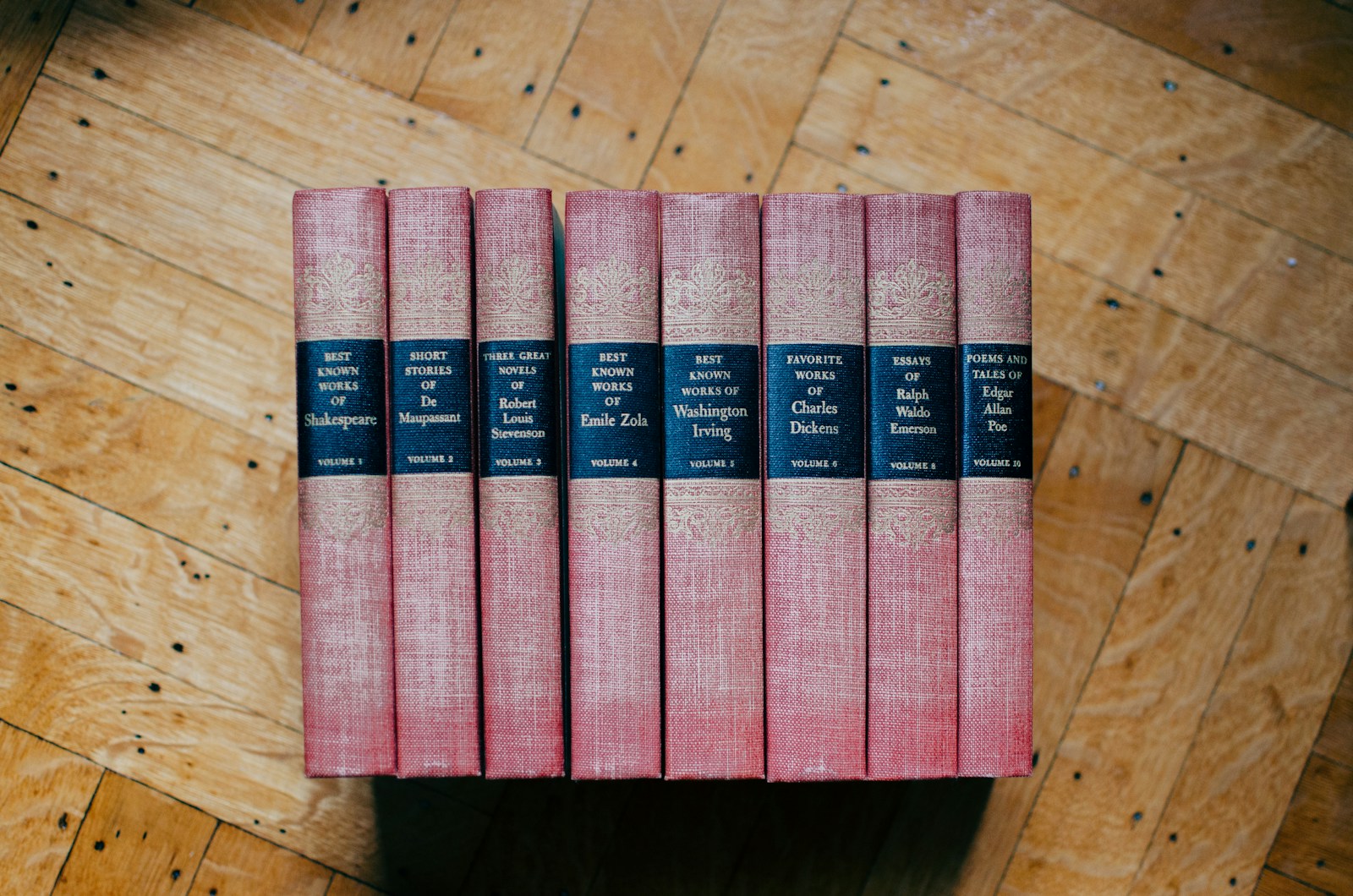
pile of red hardbound books on brown panel

Introduction

Imagine if William Shakespeare, the Bard of Avon himself, suddenly materialized in a coffee shop in modern-day London. As he sips on a latte, swiping through social media on his smartphone, he’d likely be both bewildered and fascinated. The English language has undergone a remarkable transformation since Shakespeare’s time in the late 16th and early 17th centuries. With new words, phrases, and even entirely different ways of communicating, it’s safe to say that Shakespeare would be scratching his head in disbelief. Let’s delve into what would leave him utterly confused and what he might absolutely adore about our contemporary English.

The Evolution of Language

To fully appreciate the confusion Shakespeare might face, we need to understand how language evolves. The English spoken during his lifetime, often referred to as Early Modern English, is quite different from what we use today.

  • Vocabulary Explosion: Shakespeare played a significant role in expanding the English lexicon. He coined words like “bedroom,” “eyeball,” and “lonely.” However, he would be taken aback by how much more the language has expanded since then. With over a million words now in English, the sheer volume would be overwhelming.

  • Technological Influence: Just think about the impact of technology on language. Words like “selfie,” “hashtag,” and “tweet” would likely leave Shakespeare utterly perplexed. He might ponder what a “hashtag” has to do with an actual tag and whether “tweeting” is a form of avian communication.

Slang and Informality

Shakespeare was no stranger to the playful use of language. He crafted puns, double entendres, and playful wordplay into his plays and sonnets. However, the casualness of today’s English could be a puzzle for him.

  • Internet Slang: The way we communicate online is rife with acronyms and abbreviations. Phrases like “LOL,” “BRB,” and “FOMO” would surely leave him scratching his head. “What is this ‘LOL’? A form of laughter unknown to my ears?” he might muse.

  • Informal Speech: The casual, often grammatically loose structure of modern conversations could throw him off as well. Imagine Shakespeare trying to navigate a chat room filled with phrases like “What’s up?” or “You good?” He might question if we’ve completely abandoned proper discourse.

The Impact of Globalization

One of the most significant shifts in language today is the influence of globalization. English has become a global language, spoken by millions around the world, leading to a rich tapestry of dialects and slang.

  • Diverse Dialects: From Cockney rhymes to Southern American drawls, Shakespeare would be fascinated by the plethora of dialects and accents that exist today. However, he might struggle to understand certain phrases unique to each region. “What on earth does ‘y’all’ mean?” he may wonder, scratching his head.

  • Borrowed Words: Our language has borrowed from countless other languages, creating a melting pot of vocabulary. Words like “sushi,” “ballet,” and “piano” might intrigue him, but the sheer number might also perplex him. He’d likely ponder the origins of such terms and their introduction into everyday speech.

Changing Social Norms and Language

Language continuously reflects societal changes and norms. Shakespeare’s works often tackled themes of love, identity, and societal roles, but the way we discuss these topics has evolved drastically.

  • Gender and Pronouns: In Shakespeare’s time, gender roles were rigidly defined, and language reflected that. Today, discussions about gender fluidity and the use of pronouns like “they/them” would likely intrigue him. He might appreciate the inclusivity but also find the shifting landscape of identity a bit bewildering.

  • Mental Health Awareness: The open discussion surrounding mental health would also catch his attention. The language we use to describe emotional and psychological well-being has expanded significantly. Shakespeare often dealt with themes of madness and melancholy in his works, but he’d likely be surprised at how openly we talk about mental health issues today.

Delight in Modern Creativity

Despite the confusion, it wouldn’t all be lost on Shakespeare. He was a lover of creativity, wordplay, and storytelling, all of which are alive and well in today’s English.

  • Creative Writing: The explosion of creative writing, from fanfiction to poetry slams, aligns perfectly with Shakespeare’s love for storytelling. He’d likely relish the modern forms of expression, appreciating how people craft narratives in ways he couldn’t have imagined.

  • Social Media as a Platform: The rise of platforms like Twitter and Instagram as a means for sharing thoughts and creativity would fascinate him. He might see these platforms as a modern-day equivalent to the Elizabethan stage, where anyone can share their voice with the world.

Shakespeare’s Own Legacy

It’s essential to remember that Shakespeare’s influence on the English language is profound and far-reaching. Many phrases we use today originated from his works.

  • Common Phrases: Phrases like “break the ice,” “heart of gold,” and “wild-goose chase” are just a few examples of Shakespeare’s lasting impact. He’d likely beam with pride to know that his words continue to resonate and find their way into everyday conversations.

  • Literary Influence: Additionally, Shakespeare would be amazed by how his plays have inspired countless adaptations across various media. From film and theater to novels and even video games, his stories have transcended time and culture.

Conclusion

If Shakespeare were to observe today’s English, he’d undoubtedly experience a whirlwind of confusion and delight. The evolution of language, the impact of technology, and the ways we communicate about identity and society may leave him perplexed, yet he would also find a familiar joy in modern creativity and storytelling. Most importantly, he would recognize that at the heart of our language, whether in sonnets or tweets, lies the same human experience he so beautifully captured in his works: love, ambition, confusion, and the quest for meaning. In the end, perhaps Shakespeare would simply smile and declare, “All the world’s a stage,” no matter the time or the tongue.