
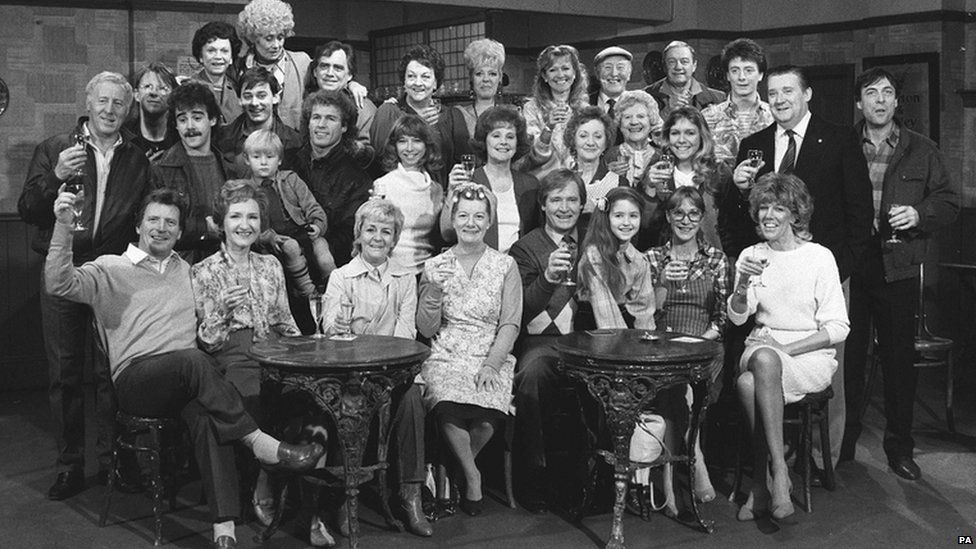
Longevity in television is a remarkable achievement. While American series might run for a decade and be considered long-lived, British television has produced shows spanning generations—programs that have been part of the national conversation for 30, 40, 50 years or more. These long-running shows become institutions, their formats so familiar they seem eternal, their presenters and characters aging alongside their audiences.
What allows a British show to run for decades? Adaptability plays a crucial role—successful long-running shows evolve with changing times while maintaining their essential identity. The BBC’s public service remit has protected some shows from commercial pressures that might otherwise have cancelled them. And certain formats—the soap opera, the panel show, the magazine program—suit indefinite continuation better than narrative drama.
Long-running shows serve unique functions in British culture. They provide continuity across generations, common reference points that parents and children share. They mark time through their own evolution—viewers can often date their memories by which presenter hosted Blue Peter or who played Doctor Who.
Here are 25 British television shows that have demonstrated extraordinary staying power.
1. Coronation Street (1960-present)
Network: ITV
Years Running: 64+ years
Episodes: 10,000+
Format: Soap Opera
The world’s longest-running television soap opera has chronicled life on its cobbled street through six decades of social change. Coronation Street has outlasted the black-and-white era, multiple monarchs, and countless societal transformations while maintaining its core identity as a warm Northern drama. Characters who seemed eternal have come and gone, but the street itself endures.
2. Doctor Who (1963-1989, 1996, 2005-present)
Network: BBC One
Years Running: 60+ years (with gap)
Episodes: 900+
Format: Science Fiction Drama
The Time Lord’s ability to regenerate has kept Doctor Who fresh across six decades, with fourteen actors playing the Doctor across the classic and revival eras. The show’s format—able to travel anywhere in time and space—allows for infinite reinvention. From William Hartnell through Ncuti Gatwa, Doctor Who has evolved while remaining recognizably itself, its police box and theme music defining British science fiction.
3. Blue Peter (1958-present)
Network: BBC One
Years Running: 66+ years
Episodes: 5,000+
Format: Children’s Magazine Show
The world’s longest-running children’s television program has introduced generations to crafts, charity, and adventure. The Blue Peter badge remains a coveted prize, presenters from Valerie Singleton to current hosts have become household names, and the show’s mixture of makes, pets, and challenges has proved endlessly adaptable. “Here’s one I made earlier” entered the language, as did Blue Peter’s optimistic can-do spirit.
4. Question Time (1979-present)
Network: BBC One
Years Running: 45+ years
Episodes: 1,000+
Format: Political Debate
This weekly panel discussion has provided a platform for political debate across nine prime ministers and countless controversies. From Robin Day through David Dimbleby to Fiona Bruce, Question Time has given audiences the chance to challenge politicians directly. The show’s influence on political discourse—and its capacity to create news—demonstrates television’s democratic potential.
5. Panorama (1953-present)
Network: BBC One
Years Running: 71+ years
Episodes: 2,000+
Format: Current Affairs Documentary
The world’s longest-running current affairs program has investigated stories that shaped history, from interviewing Mandela to exposing scandals. Panorama represents the BBC’s journalistic mission in its purest form—serious, investigative, willing to challenge power. Individual episodes have changed policy and sparked national conversation.
6. Songs of Praise (1961-present)
Network: BBC One
Years Running: 63+ years
Episodes: 2,500+
Format: Religious Music Program
This Sunday evening institution has broadcast hymns and religious reflection for over six decades. Songs of Praise visits churches across Britain and beyond, combining community performance with inspirational stories. While religious observance has declined, the show has adapted, exploring faith in contemporary context while maintaining its core format.
7. Top of the Pops (1964-2006)
Network: BBC One
Years Running: 42 years
Episodes: 2,205
Format: Music Chart Show
For over four decades, Top of the Pops defined what pop music meant in Britain. The weekly countdown of chart hits launched careers and created cultural moments that defined eras. From the Beatles to Britpop, every major British pop moment was reflected on TOTP. Its 2006 cancellation marked the end of a particular relationship between television and pop music.
8. Have I Got News for You (1990-present)
Network: BBC One
Years Running: 34+ years
Episodes: 650+
Format: Satirical Panel Show
Britain’s longest-running satirical panel show has dissected the week’s news across five prime ministers and countless scandals. Ian Hislop and Paul Merton’s sparring has become comfortable as worn slippers, while guest hosts since 2002 have refreshed the format. HIGNFY proves that political satire can achieve institutional status without losing its bite.
9. Antiques Roadshow (1979-present)
Network: BBC One
Years Running: 45+ years
Episodes: 900+
Format: Valuation Show
The show that made everyone check their attics has traveled across Britain for over four decades, valuing treasures and junk with equal expertise. The format is simple—experts assess objects brought by members of the public—but the combination of history, value, and human stories proves endlessly compelling. The gasp when something proves unexpectedly valuable never gets old.
10. Newsnight (1980-present)
Network: BBC Two
Years Running: 44+ years
Format: Late-Night News Analysis
From Jeremy Paxman’s forensic interviews to Kirsty Wark’s sharp analysis, Newsnight has provided in-depth news coverage for over four decades. The show represents BBC journalism at its most serious, willing to pursue stories and challenge politicians when others won’t. Emily Maitlis’s Prince Andrew interview demonstrated the program’s continued capacity to create defining moments.
11. EastEnders (1985-present)
Network: BBC One
Years Running: 39+ years
Episodes: 6,000+
Format: Soap Opera
The BBC’s flagship soap has reflected East End life through nearly four decades, tackling issues from HIV to domestic violence with unflinching directness. EastEnders’ cultural impact—the “Duff Duff” cliffhanger sound, the Queen Vic, Christmas Day disaster episodes—has made it a national institution alongside its ITV rival.
12. Countryfile (1988-present)
Network: BBC One
Years Running: 36+ years
Format: Rural Affairs Magazine
From its origins as a farming program to its current status as Sunday evening viewing staple, Countryfile has evolved while maintaining focus on the British countryside. The show combines agricultural reporting with walking features, wildlife segments, and weather speculation, providing a pastoral contrast to urban-focused programming.
13. Match of the Day (1964-present)
Network: BBC One
Years Running: 60+ years
Format: Football Highlights
The Saturday night fixture has broadcast football highlights across the entire history of English top-flight football as we know it. The theme tune is instantly recognizable, the format—highlights, pundit analysis, more highlights—has proved perfectly suited to football’s rhythms. Match of the Day is Saturday night for millions of British households.
14. QI (2003-present)
Network: BBC Two/BBC One
Years Running: 21+ years
Episodes: 350+
Format: Comedy Panel Show
“Quite Interesting” has made learning entertaining for over two decades, first under Stephen Fry, then Sandi Toksvig. The show’s format—rewarding interesting answers over correct ones—refreshed the quiz show format, while Alan Davies’s permanent panelist role provides continuity. QI proves that television can be intelligent and entertaining simultaneously.
15. Casualty (1986-present)
Network: BBC One
Years Running: 38+ years
Episodes: 1,200+
Format: Medical Drama
The world’s longest-running medical drama has combined emergency room action with personal storylines for nearly four decades. Casualty has addressed everything from major incidents to mental health, from NHS politics to individual patient stories. The show’s Saturday night slot and combination of drama and social comment have maintained loyal audiences across generations.
16. Emmerdale (1972-present)
Network: ITV
Years Running: 52+ years
Episodes: 9,000+
Format: Soap Opera
From its origins as afternoon drama Emmerdale Farm, the show has evolved into a major soap with storylines as dramatic as any urban counterpart. The Yorkshire Dales setting provides visual distinction, while the village has survived plane crashes, explosions, and countless murders while maintaining its rural character.
17. Only Connect (2008-present)
Network: BBC Two/BBC One
Years Running: 16+ years
Format: Quiz Show
Victoria Coren Mitchell’s fiendishly difficult quiz has built devoted audiences through its celebration of lateral thinking and obscure knowledge. The show rewards intelligence without condescension, its format—finding connections between apparently unrelated things—creating a distinctive challenge. Only Connect proves that British audiences appreciate programming that doesn’t dumb down.
18. MasterChef UK (1990-2001, 2005-present)
Network: BBC One/BBC Two
Years Running: 30+ years (with gap)
Format: Cooking Competition
From Lloyd Grossman’s original version to John Torode and Gregg Wallace’s revival, MasterChef has tested amateur cooks for three decades. The franchise has spawned Celebrity, Professional, and Junior versions, while the format has been exported worldwide. “Cooking doesn’t get tougher than this” has entered the lexicon, and the show remains essential viewing for food enthusiasts.
19. Strictly Come Dancing (2004-present)
Network: BBC One
Years Running: 20+ years
Episodes: 450+
Format: Dancing Competition
The show that revived Saturday night entertainment has become an autumn institution in just two decades. Strictly’s combination of celebrity contestants, professional dancers, and viewer voting creates reliable drama, while its glamour provides escapism. The show’s influence on British culture—from “Strictly effect” on dance class enrollment to its annual judge and contestant sagas—is enormous.
20. The One Show (2006-present)
Network: BBC One
Years Running: 18+ years
Episodes: 4,000+
Format: Magazine Show
The early evening magazine show has provided a mix of celebrity interviews, human interest stories, and light features for nearly two decades. The One Show occupies a particular slot in the schedule—between news and primetime—requiring content that informs without demanding too much attention. Its consistent audiences demonstrate appetite for this gentle format.
21. Top Gear (1977-2001, 2002-present)
Network: BBC Two/BBC One
Years Running: 45+ years (with gap)
Format: Motoring Magazine
From its origins as straightforward car journalism to the Clarkson-era reinvention as entertainment spectacle, Top Gear has evolved dramatically while maintaining focus on vehicles. The 2002-2015 Clarkson/Hammond/May era achieved global popularity, with the format exported worldwide. Post-Clarkson versions have struggled, but the brand endures.
22. A Question of Sport (1970-2021)
Network: BBC One
Years Running: 51 years
Episodes: 1,100+
Format: Sports Quiz
The BBC’s sports quiz ran for over five decades, with team captains and hosts becoming household names. From David Coleman through Sue Barker, the show combined sporting knowledge with good humor. Its 2021 cancellation ended a remarkable run that outlasted most of its original viewers.
23. Children in Need (1980-present)
Network: BBC One
Years Running: 44+ years
Format: Charity Telethon
Pudsey Bear’s annual appeal has raised over £1 billion for children’s charities across four decades. The telethon format—combining celebrity performances with emotional appeals—creates genuine event television while generating extraordinary fundraising results. Children in Need demonstrates television’s capacity to mobilize public generosity.
24. The Sky at Night (1957-present)
Network: BBC One/BBC Four
Years Running: 67+ years
Episodes: 750+
Format: Astronomy Magazine
Patrick Moore presented this astronomy program for over 50 years until his death in 2012, making it the longest-running show with the same presenter. The Sky at Night has covered the space race, moon landings, and countless celestial events, maintaining amateur astronomy’s profile through generations of technological change.
25. Gardeners’ World (1968-present)
Network: BBC Two
Years Running: 56+ years
Format: Gardening Magazine
From Percy Thrower through Monty Don, Gardeners’ World has guided British gardeners for over five decades. The show combines practical advice with visual beauty, its presenters becoming trusted authorities on everything from vegetables to borders. Friday evening viewing for gardening enthusiasts across generations, the show reflects Britain’s enduring love affair with horticulture.
Conclusion
Long-running British television represents something remarkable: the creation of shared cultural institutions that span generations. When a child watches Doctor Who with grandparents who remember William Hartnell, or a family gathers for Strictly Come Dancing as parents once gathered for different Saturday night entertainments, television creates connections across time.
These shows succeed by balancing consistency with evolution. Doctor Who regenerates; Blue Peter’s presenters change; panel shows refresh their guests while maintaining their formats. The essential identities remain while surface elements adapt. This balance between the familiar and the fresh allows viewers to maintain their relationship with shows across decades.
For Anglophiles seeking to understand British culture, these long-running shows offer insight into what the nation values enough to maintain for generations. The emphasis on education alongside entertainment, on community and public service, on gentle rivalry and quiet expertise—these values emerge across formats as different as Antiques Roadshow and Match of the Day.
Television longevity also reflects British broadcasting’s distinctive structure. The BBC’s public service mandate protects shows from purely commercial pressures, allowing programs to develop audiences over decades rather than being cancelled after disappointing seasons. This institutional patience has created television unique in the world—shows that become part of the national furniture, as familiar as the weather and just as enduring.
Discover more from Anglotees
Subscribe to get the latest posts sent to your email.