
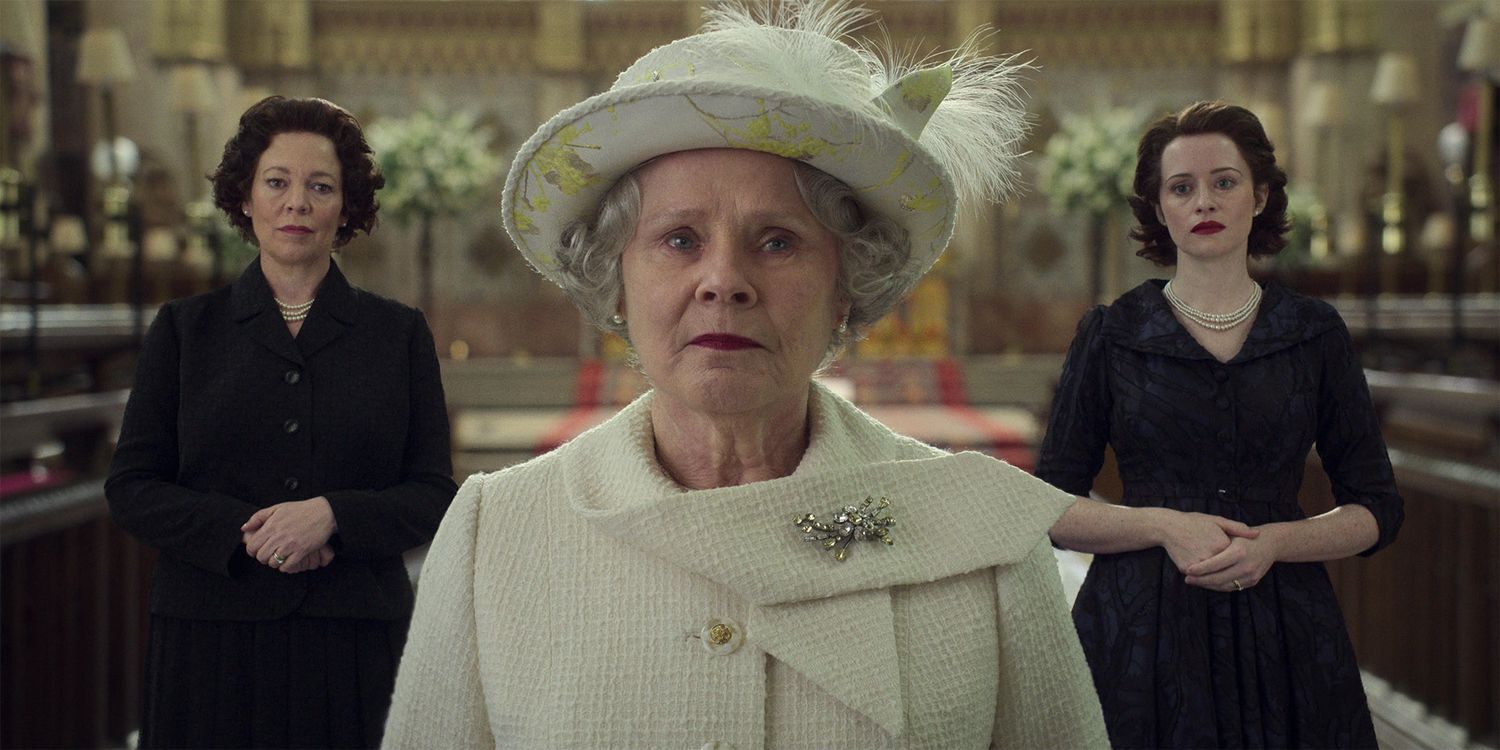
The British Royal Family has provided television with some of its most compelling subjects for decades. From intimate documentaries to lavish dramas, from coronations broadcast to billions to tell-all interviews that shook the monarchy, royal programming spans every format and approach imaginable.
The relationship between the royals and television has evolved dramatically since Queen Elizabeth II’s coronation became the first to be televised in 1953. That broadcast proved television’s power to create shared national moments, and the monarchy has navigated the medium’s demands ever since—sometimes successfully, sometimes disastrously.
Royal television encompasses multiple genres: historical dramas that reimagine past monarchs, documentaries that offer glimpses behind palace walls, and news coverage of the events—weddings, funerals, jubilees—that punctuate royal life. The best royal programming balances reverence with revelation, spectacle with intimacy, history with human drama.
Here are 25 royal television productions that represent the finest—and most significant—examples of the genre.
1. The Crown (2016-2023)
Network: Netflix
Seasons: 6
Starring: Claire Foy, Olivia Colman, Imelda Staunton, Matt Smith, Jonathan Pryce
Period: 1947-2000s
Peter Morgan’s magnum opus dramatized Queen Elizabeth II’s reign with unprecedented ambition and budget. Recasting leads every two seasons allowed the show to trace Elizabeth from nervous young queen to mourning grandmother. The show sparked debates about historical accuracy and royal privacy, but its influence on how the public perceives the modern monarchy is undeniable. Claire Foy’s early Elizabeth, Olivia Colman’s middle-aged queen, and Imelda Staunton’s final portrayal offered distinct but connected interpretations of a life lived in service.
2. Victoria (2016-2019)
Network: ITV
Seasons: 3
Starring: Jenna Coleman, Tom Hughes, Rufus Sewell
Period: 1837-1850s
Daisy Goodwin’s drama brought young Queen Victoria to vivid life, from her teenage accession through her passionate marriage to Prince Albert. Jenna Coleman’s Victoria was spirited and stubborn, while Tom Hughes’s Albert balanced her impulsiveness with Germanic seriousness. The show made the Victorian royal court feel immediate and personal, exploring the challenges of being female, young, and powerful in a male-dominated world.
3. Elizabeth R (1971)
Network: BBC Two
Episodes: 6
Starring: Glenda Jackson
Period: Tudor England (1558-1603)
Glenda Jackson’s BAFTA and Emmy-winning performance as Elizabeth I remains definitive. The series traced the Virgin Queen’s reign from accession through her final years, with Jackson capturing Elizabeth’s intelligence, vanity, and loneliness. The theatrical intensity of Jackson’s performance and the show’s serious engagement with historical politics set a standard for royal drama.
4. The Six Wives of Henry VIII (1970)
Network: BBC Two
Episodes: 6
Starring: Keith Michell, Annette Crosbie, Dorothy Tutin, Anne Stallybrass
Period: Tudor England (1509-1547)
Keith Michell’s Henry VIII became iconic in this series dedicating each episode to one of the king’s wives. The show presented Tudor history as human drama, with each queen’s story exploring different aspects of Henry’s character and the dangers of royal marriage. Michell would reprise the role multiple times, but this original series established the template for prestige historical drama.
5. Wolf Hall (2015)
Network: BBC Two
Episodes: 6
Starring: Mark Rylance, Damian Lewis, Claire Foy, Jonathan Pryce
Period: Tudor England (1520s-1530s)
Hilary Mantel’s Booker Prize-winning novels received faithful adaptation, reimagining Thomas Cromwell as a complex political genius navigating Henry VIII’s court. Mark Rylance’s understated performance and the show’s candlelit naturalism created an immersive vision of Tudor power politics. Claire Foy’s Anne Boleyn was calculating before becoming victim, while Damian Lewis’s Henry was terrifyingly mercurial.
6. Royal Family (1969)
Network: BBC One/ITV
Format: Documentary
Subjects: Queen Elizabeth II, Prince Philip, Prince Charles
This groundbreaking documentary offered unprecedented access to the Queen and her family, showing them as ordinary people as well as royals. The footage of barbecues, family jokes, and domestic moments humanized the monarchy but later made the Palace nervous about overexposure. The film was withdrawn from circulation, making it a fascinating historical document of a brief moment of royal openness.
7. The Queen (2006)
Network: Film (theatrical release)
Starring: Helen Mirren, Michael Sheen, James Cromwell
Period: 1997
Stephen Frears’s film about the week following Princess Diana’s death earned Helen Mirren her Academy Award. The drama explored the collision between the Queen’s traditional reserve and public demand for emotional response, with Michael Sheen’s Tony Blair as mediator. While a film rather than television, its influence on subsequent royal drama—including The Crown—was immense.
8. Charles III (2017)
Network: BBC Two
Starring: Tim Pigott-Smith, Charlotte Riley, Margot Leicester
Period: Fictional near-future
Mike Bartlett’s stage play transferred to screen, imagining a constitutional crisis when King Charles III refuses to sign a bill limiting press freedom. Written in Shakespearean blank verse, the drama explored duty, democracy, and the monarchy’s future with provocative intelligence. Tim Pigott-Smith’s final performance as Charles was sympathetic yet critical.
9. The Windsors (2016-2023)
Network: Channel 4
Seasons: 3
Starring: Harry Enfield, Haydn Gwynne, Louise Ford
Format: Comedy
This satirical sitcom portrayed the royals as dysfunctional soap opera characters, with Harry Enfield’s scheming Charles, Louise Ford’s Lady Macbeth-like Kate, and various princes getting into outrageous situations. The show was broad and irreverent, demonstrating that the monarchy could be comedy fodder as easily as drama subject.
10. Diana: In Her Own Words (2017)
Network: Channel 4
Format: Documentary
Featuring: Princess Diana’s voice recordings
This controversial documentary used recordings Diana made for her biographer Andrew Morton, creating an intimate and sometimes unsettling portrait of her marriage and royal life. The Palace criticized the broadcast, but the documentary offered Diana’s perspective in her own voice, years after her death.
11. The Queen’s Coronation (2018)
Network: BBC One/Smithsonian
Format: Documentary
Narrator: Alastair Bruce
This documentary examined the 1953 coronation in detail, with contributions from surviving participants and archival footage. The program explored the ceremony’s religious significance, political context, and the decision to televise it that transformed both the monarchy and broadcasting.
12. Elizabeth: The Unseen Queen (2022)
Network: BBC One
Format: Documentary
Narrator: Queen Elizabeth II (archival)
Using home movies from the Royal Collection and narrated by the Queen herself using historical recordings, this documentary offered genuinely unseen footage of royal private life from the 1920s through the coronation. Released during the Platinum Jubilee, it provided intimate glimpses of Elizabeth’s childhood and young womanhood.
13. Monarchy: The Royal Family at Work (2007)
Network: BBC One
Episodes: 5
Format: Documentary
This observational documentary series followed the Queen and senior royals through a year of engagements, offering access to behind-the-scenes preparation and execution of royal duties. The series helped counter criticisms of royal relevance by showing the volume and variety of their work.
14. The Hollow Crown (2012-2016)
Network: BBC Two
Seasons: 2
Starring: Tom Hiddleston, Ben Whishaw, Benedict Cumberbatch, Jeremy Irons
Period: Medieval England
Shakespeare’s history plays—spanning from Richard II through Richard III—received cinematic treatment with exceptional casts. Tom Hiddleston’s Henry V and Benedict Cumberbatch’s Richard III brought the Plantagenet kings to vivid life, demonstrating how the original royal dramatist’s work still compels.
15. The Royals (2015-2018)
Network: E! Entertainment
Seasons: 4
Starring: Elizabeth Hurley, William Moseley, Alexandra Park
Format: Fictional drama
This American-British co-production imagined a fictional British royal family navigating scandal, murder, and melodrama. Elizabeth Hurley’s scheming Queen Helena presided over a palace full of secrets. While not based on the real royals, the show played with royal tropes and tabloid expectations.
16. Mary Queen of Scots (1971)
Network: BBC Two
Episodes: 6
Starring: Vivien Heilbron, Richard Warner
Period: Tudor/Stuart Scotland
This drama serial depicted the turbulent reign of Mary, Queen of Scots, from her return from France to her imprisonment in England. The series explored the Catholic queen’s attempts to navigate Protestant Scotland and her fateful relationship with Elizabeth I.
17. The Prince and the Pauper (multiple versions)
Network: BBC (1976, 1996, 2000)
Based on: Mark Twain
Period: Tudor England
Mark Twain’s story of a prince and commoner who switch places has been adapted multiple times, using the premise to explore Tudor life from both perspectives. The various versions offer family-friendly entry points to the Tudor period.
18. Edward and Mrs Simpson (1978)
Network: ITV
Episodes: 7
Starring: Edward Fox, Cynthia Harris
Period: 1930s
This drama traced the relationship between Edward VIII and Wallis Simpson that led to the abdication crisis. Edward Fox’s portrayal of the king who gave up his throne for love captured both romanticism and the less sympathetic aspects of Edward’s character. The series brought the constitutional crisis to vivid life.
19. Bertie and Elizabeth (2002)
Network: ITV
Format: Television film
Starring: James Wilby, Juliet Aubrey
Period: 1920s-1950s
This film traced the marriage of the future George VI and Elizabeth Bowes-Lyon, from their courtship through his death. The show emphasized their partnership and his growth from stammering duke to wartime king, previewing themes The King’s Speech would later explore.
20. The Lost Prince (2003)
Network: BBC One
Episodes: 2
Starring: Miranda Richardson, Tom Hollander, Michael Gambon
Period: Early 20th Century
Stephen Poliakoff’s film told the forgotten story of Prince John, youngest child of George V, who was hidden from public view due to epilepsy and possible autism. The drama explored how the royal family dealt with disability and difference, raising questions about how institutions protect image at human cost.
21. The Queen’s Garden (2015)
Network: ITV
Format: Documentary
Subject: Buckingham Palace gardens
This documentary explored the 39-acre gardens at Buckingham Palace through the seasons, revealing a private world at the heart of London. The program combined natural history with royal history, showing how the gardens evolved and function today.
22. Diana: 7 Days (2017)
Network: BBC One
Format: Documentary
Featuring: Princes William and Harry
This documentary marking the 20th anniversary of Diana’s death featured her sons speaking candidly about their mother and the week following her death. Their emotional testimonies about private grief amid public mourning created a poignant family portrait.
23. Secrets of the Royal Palaces (2017-present)
Network: Channel 5
Format: Documentary series
Narrator: Various
This ongoing series explores the architecture, history, and hidden stories of British royal residences. From Buckingham Palace to Holyrood, the programs combine historical investigation with architectural appreciation.
24. A Royal Family (2021)
Network: PBS/Channel 4
Format: Documentary series
Subject: The Windsors
This documentary series examined the Windsor dynasty’s history and survival strategies, from George V’s reinvention through to the current generation’s challenges. The programs placed contemporary royal drama in historical context.
25. The Spanish Princess (2019-2020)
Network: Starz
Seasons: 2
Starring: Charlotte Hope, Ruairi O’Connor, Laura Carmichael
Period: Tudor England (1501-1520s)
Following Catherine of Aragon from her arrival in England as a young bride through her early marriage to Henry VIII, this series explored Tudor history from the Spanish princess’s perspective. Charlotte Hope’s Catherine was intelligent and determined, fighting for her position in an English court that viewed her as foreign.
Conclusion
Royal television reflects our complicated fascination with monarchy itself. We watch royals for the glamour and spectacle, but also for the human drama of lives lived under extraordinary constraint. The best royal programming—from The Crown’s psychological depth to Wolf Hall’s political intrigue to the genuine intimacy of documentary footage—satisfies both the desire for escapism and the hunger for truth.
The monarchy’s relationship with television continues to evolve. Each generation of royals has had to navigate the medium’s demands, from Elizabeth II’s pioneering coronation broadcast to the current battles over privacy and press intrusion. Television has both sustained public interest in the monarchy and posed existential challenges to its mystique.
These 25 productions represent the range of royal television, from reverent celebration to satirical critique, from historical drama to contemporary documentary. Together they trace not only royal history but the history of how we tell royal stories—and what those stories reveal about our relationship with power, privilege, and tradition.
Discover more from Anglotees
Subscribe to get the latest posts sent to your email.