Posted on Leave a comment

How the British Postal System Revolutionized Modern Communication

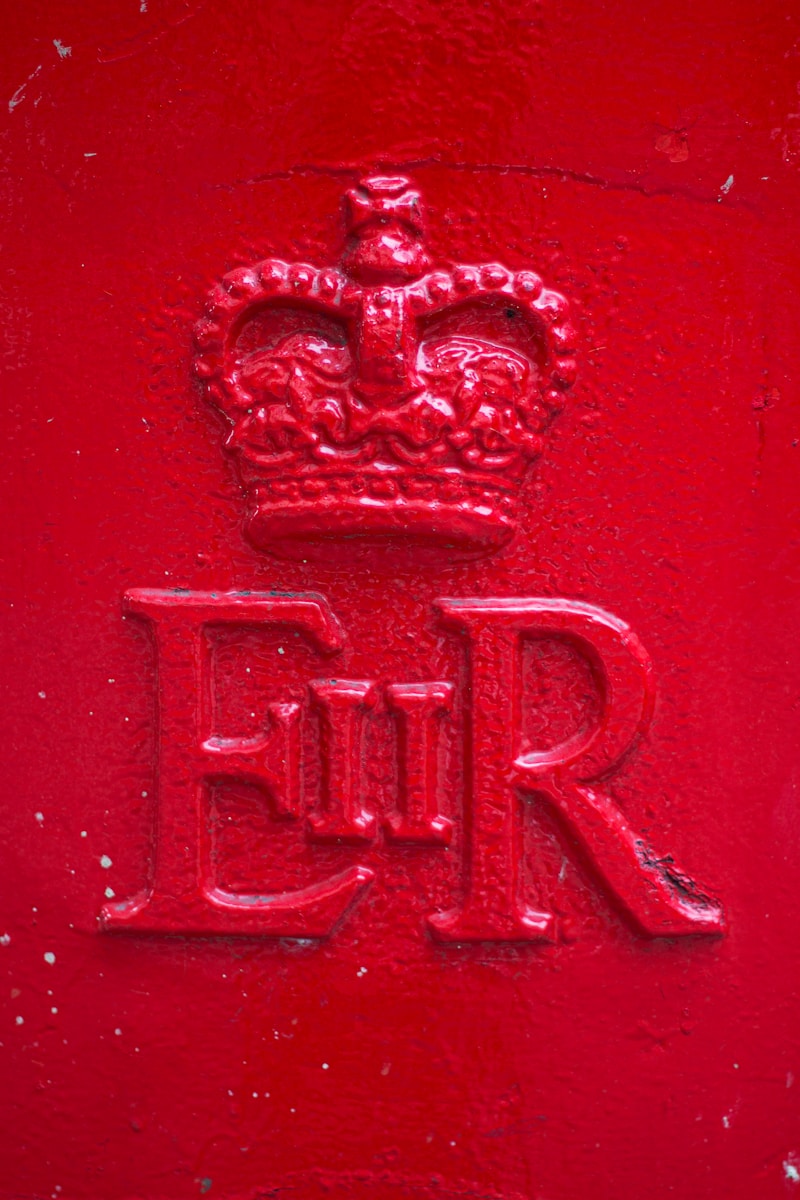
EIIR logo

Introduction

Imagine a world without instant messaging, emails, or social media updates. It’s hard to fathom, right? Yet, there was a time when the only way to communicate over long distances was through letters delivered by hand. The British postal system, which has roots tracing back to ancient times, played a pivotal role in transforming how people communicated. Let’s embark on a journey through the history of the British postal system and explore its revolutionary impact on modern communication.

The Origins of Postal Services

The concept of sending messages can be traced back to ancient civilizations, but the formalized postal system we recognize began taking shape in the 16th century. King Henry VIII established the first official postal service in England in 1516, appointing a “Master of the Posts.” This was a monumental step as it allowed for greater control and security over the delivery of letters within the kingdom.

Initially, the postal service was primarily used by the monarchy and the wealthy elite. Letters were carried by messengers on horseback and often took days, if not weeks, to reach their destinations. The idea of a public postal service accessible to everyone was still a distant dream.

The Birth of the Penny Post

Fast forward to the 19th century, a time of social and economic change in Britain. The introduction of the Penny Post in 1840 by Sir Rowland Hill was nothing short of revolutionary. For just one penny, anyone could send a letter up to half an ounce in weight, regardless of distance. This was a game-changer!

The advantages of the Penny Post were manifold. It democratized communication, making it affordable for the working class and not just the elite. Families separated by distance could now stay in touch more easily, and businesses could communicate with clients and suppliers across the country. The postal service began to play a crucial role in everyday life.

The Iconic Postage Stamp

The launch of the Penny Post also brought about the introduction of the world’s first adhesive postage stamp—the famous Penny Black. Launched in May 1840, this little square of paper not only simplified the process of sending mail but also became a symbol of this new era in communication.

The Penny Black featured a profile of Queen Victoria and had to be affixed to the envelope before it was sent. This innovation not only eliminated the need for recipients to pay for delivery but also reduced the chances of fraud. As a result, it helped build trust in the postal system. Soon after, other countries followed suit, implementing similar systems and stamps, further globalizing communication.

Expanding the Postal Network

With the success of the Penny Post, the British postal system rapidly expanded. By the mid-19th century, a vast network of post offices was established across the country. This included rural areas, where local post offices sprang up to ensure that even the most remote communities had access to postal services.

The introduction of railways further revolutionized mail delivery. Trains could transport mail much faster than horse-drawn carriages, significantly reducing delivery times. The establishment of mail trains, which specifically carried letters and parcels, became essential. The British postal system was becoming more efficient, reliable, and integrated into everyday life.

Innovations in Mail Delivery

As technology advanced, so did the postal system. The introduction of pneumatic tubes in the late 19th century allowed for rapid delivery of mail within cities. This system, reminiscent of a futuristic sci-fi movie, used air pressure to push capsules through underground tubes to their destinations. Although not widely adopted, it showcased the spirit of innovation that characterized the British postal system.

The 20th century saw the introduction of motor vehicles, which further enhanced the speed and efficiency of mail delivery. The use of motorbikes and vans meant that letters could travel much further in a shorter amount of time. This was especially crucial for sending urgent messages, such as those related to business and government.

The Impact of the Telephone

With the arrival of the telephone in the late 19th century, one might have thought that the postal service would decline. Surprisingly, this wasn’t the case. Instead, both forms of communication complemented each other. While the telephone was ideal for immediate needs, letters remained the preferred medium for lengthy or formal communications. This coexistence marked a unique era in communication history.

The British postal system adapted to the changing landscape by offering telegram services, allowing people to send short messages quickly. This innovation bridged the gap between the immediacy of the telephone and the traditional letter, catering to the needs of a rapidly evolving society.

Navigating the Digital Revolution

As we entered the late 20th century and early 21st century, the digital revolution began to reshape communication once again. The Internet, emails, and instant messaging changed how we connect with one another, seemingly putting traditional mail on the back burner. Yet, the British postal system showed remarkable resilience.

In response to changing communication preferences, postal services began to offer new options. The rise of e-commerce created a surge in package deliveries, with the postal system adapting to meet this demand. Innovations such as tracked deliveries, same-day services, and international shipping options made the postal service more relevant than ever.

The Role of the Postal System in Society

Beyond just delivering mail, the postal system has played an integral role in society. It has been a vital tool for politicians, businesses, and individuals alike. The ability to send and receive letters has influenced everything from political campaigns to social movements. For instance, the suffragette movement utilized postal services to spread their message and mobilize supporters throughout the country.

Moreover, the postal system has fostered a sense of connection among people. Whether through love letters, birthday cards, or seasonal greetings, the simple act of sending and receiving physical mail has created emotional bonds that digital messages often fail to replicate.

Conclusion

From its humble beginnings as a service for the elite to the expansive and innovative network we recognize today, the British postal system has played a critical role in shaping modern communication. The introduction of the Penny Post, the postage stamp, and various technological advancements made it accessible, efficient, and reliable.

As we continue to navigate an increasingly digital world, it’s essential to appreciate the legacy of the postal system and its lasting impact on how we communicate. Whether it’s a handwritten letter or a package sent with love, the postal service remains an enduring symbol of human connection. So, the next time you pop a letter in the mailbox or receive a parcel on your doorstep, take a moment to reflect on the incredible journey of communication that has led us to where we are today.
Posted on Leave a comment

The Scottish Highland Clearances: How Landowners Destroyed a Way of Life

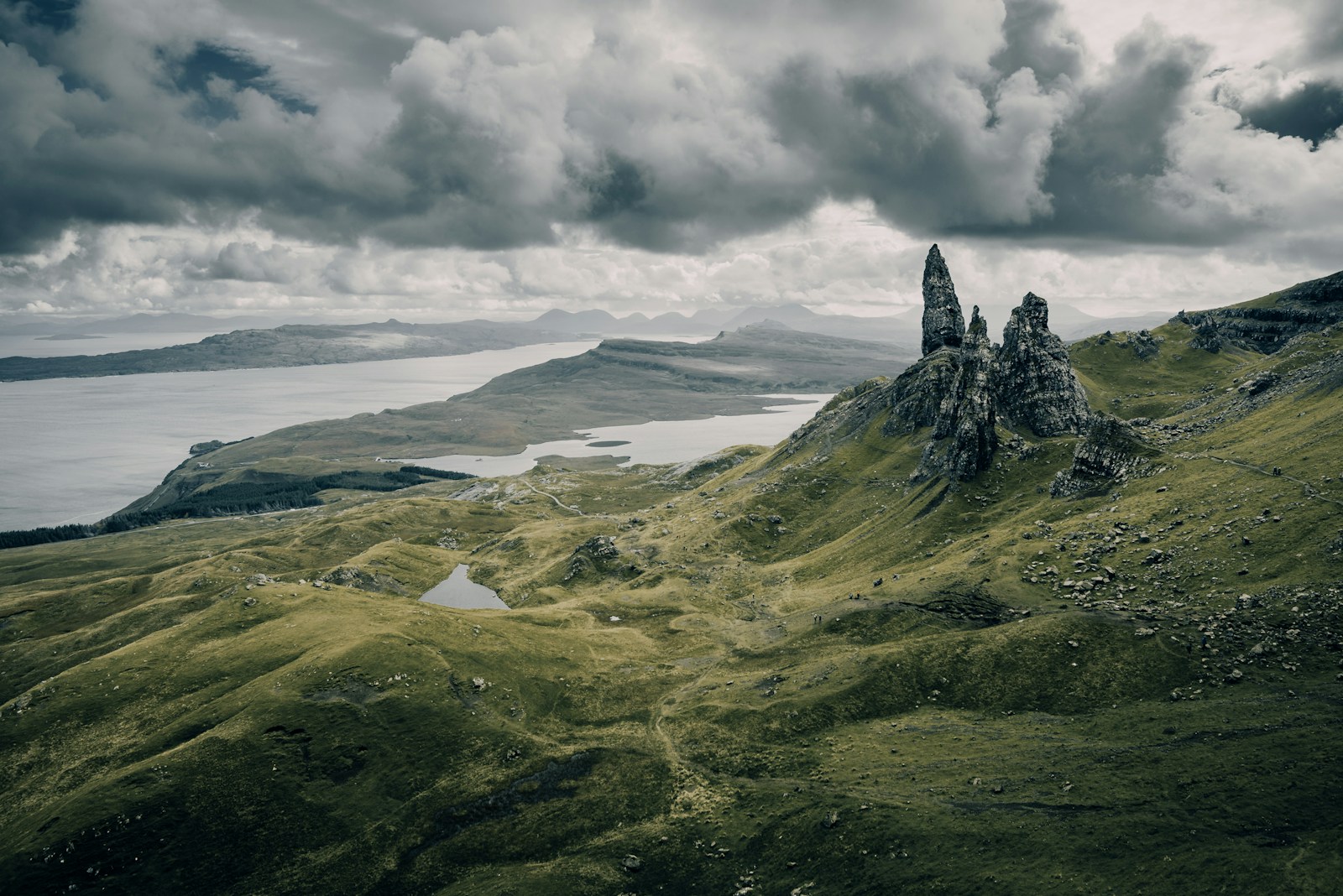
birds'-eye view photography of hills

Introduction

The Scottish Highland Clearances were a turbulent and transformative time in Scotland’s history, marked by the displacement of thousands of Highlanders from their ancestral lands. It’s a tale of ambition, greed, and the struggle for survival, as the traditional way of life was uprooted in the name of progress. Join me as we delve into this fascinating yet tragic chapter of Scottish history, exploring its causes, consequences, and the resilient spirit of the Highland people.

A Brief Background on the Highlands

Before we dive into the Clearances, it’s essential to understand the rich cultural tapestry of the Scottish Highlands. The Highlands were home to a vibrant community where land and family were intertwined, and traditional practices, such as farming and clan loyalty, shaped daily life. The landscape was rugged, beautiful, and often unforgiving, yet it was deeply cherished by its inhabitants.

Life in the Highlands revolved around the land—clans would manage their estates collectively, with agriculture, fishing, and hunting forming the backbone of their economy. However, the 18th century brought about significant changes, primarily due to the growing demands of the industrial revolution and the British Empire.

The Seeds of Change: Why the Clearances Happened

As the 18th century progressed, a series of socio-economic changes began to take root. The demand for agricultural products increased, and landowners began to shift their focus from subsistence farming to more profitable ventures, particularly sheep farming. This shift was influenced by various factors, including:

Economic Pressures

The agricultural revolution brought innovation and new farming techniques. Landowners saw the potential for profit in raising sheep, which could yield wool to fuel the booming textile industry. This economic pressure led to a significant transformation of the Highland landscape, as traditional farms were torn down to make way for grazing lands.

Political Climate

The aftermath of the Jacobite risings in the mid-18th century left the Scottish Highlands in a state of political unrest. The British government sought to consolidate control over Scotland, leading to the disbandment of clans and the erosion of traditional power structures. Landowners were incentivized to clear their lands of what they deemed “inefficient” tenants, including those who clung to the old ways.

Social Dynamics

With the growth of cities and industrial centers in Scotland and beyond, there was a rising demand for labor. Landowners believed that clearing Highlanders would not only increase their profits but also encourage displaced individuals to seek work in urban areas. They saw the Clearances as not just a financial decision, but a social one, shaping the future of Scotland.

The Clearances Begin

The Clearances didn’t happen overnight; they unfolded in a series of waves, often with great brutality. The process typically involved the eviction of tenants, sometimes with little or no notice, as landowners sought to maximize profits by converting arable land into sheep pastures.

Methods of Eviction

Evictions were carried out with ruthless efficiency. In many cases, tenants were simply given a letter of eviction, sometimes with a mere few weeks to vacate. Those who refused to leave faced the threat of violence or the destruction of their homes. The emotional toll on communities was enormous, as families were torn apart and entire villages were abandoned.

The Role of Agents

Landowners often employed agents to oversee the Clearances, and these individuals were tasked with enforcing eviction orders. Many agents were ruthless, driven by financial incentives and often lacking empathy for the Highlanders. Their methods could be brutal, leading to widespread suffering among the displaced.

The Exodus Begins

As the Clearances progressed, many Highlanders found themselves without a home, and the only option was to leave their beloved land. This led to mass migrations, both within Scotland and beyond.

Emigration to America and Beyond

Large numbers of Highlanders sought refuge in Canada, the United States, and Australia. They hoped to find a new life, yet the journey was fraught with peril. Many faced difficult conditions at sea, and upon arrival in their new homes, they encountered challenges in integrating into foreign societies.

The Impact on Communities

The Clearances devastated Highland communities. Traditional social structures crumbled, and the cultural heritage that had been preserved for generations began to fade. Additionally, the loss of land meant a loss of identity for many Highlanders, leading to a feeling of disconnection from their roots.

The Aftermath: A New Way of Life

While the Clearances reshaped the Highlands in profound ways, they did not extinguish the spirit of the Highland people. Instead, they adapted and found new ways to express their identity.

Cultural Resilience

Despite the hardships, Highlanders maintained cultural practices, such as music, storytelling, and traditional dress. The Highland games and ceilidhs (gatherings with music and dance) continued to thrive, promoting a sense of community even in foreign lands.

Political Awakening

The injustices faced during the Clearances sparked a political awakening among the Highlanders. Over time, movements began to advocate for land reform and the rights of rural communities. The legacy of the Clearances ultimately contributed to a greater awareness of social justice issues in Scotland.

The Legacy of the Clearances

Today, the Clearances are viewed as a dark chapter in Scottish history, but they have also become a symbol of resilience and the fight for rights. Various memorials and historical sites throughout the Highlands pay tribute to those who suffered during this period.

Historical Reflection

As we reflect on this period, it’s essential to acknowledge its complexity. While some landowners may have been driven by profit, many also believed they were contributing to progress. However, the repercussions for the Highland people were profound and lasting.

Cultural Revival

In recent years, there has been a revival of interest in Highland culture, language, and traditions. Organizations are dedicated to preserving the heritage that was nearly lost during the Clearances, and initiatives aimed at revitalizing the Gaelic language are gaining traction.

Conclusion

The Scottish Highland Clearances were more than just a series of evictions; they were a profound upheaval of a way of life that shaped the identity of a people. The legacy of this time continues to resonate in modern Scotland, reminding us of the resilience of the Highlanders and their enduring connection to the land. As we learn from the past, we must strive to honor and celebrate the culture that has survived against all odds, ensuring that the lessons of history are never forgotten.

Posted on Leave a comment

The Great British Beer Flood: When a Brewery Disaster Killed Eight People in London

Introduction

Picture London, 1814. The air is crisp, the streets are bustling, and the smell of baked goods wafts through the neighborhood. It all seems idyllic, right? But amidst the ordinary hustle and bustle, a catastrophic event was brewing—literally! A disaster that would go down in history as a calamity of epic proportions, claiming lives and leaving an indelible mark on the city. This story involves a massive brewery, a wall that gave way, and a tidal wave of beer that transformed a neighborhood into a scene straight out of a disaster movie. Buckle up, because we’re diving into one of the most peculiar events in London’s history.

Setting the Scene: The Story Behind the Brewery

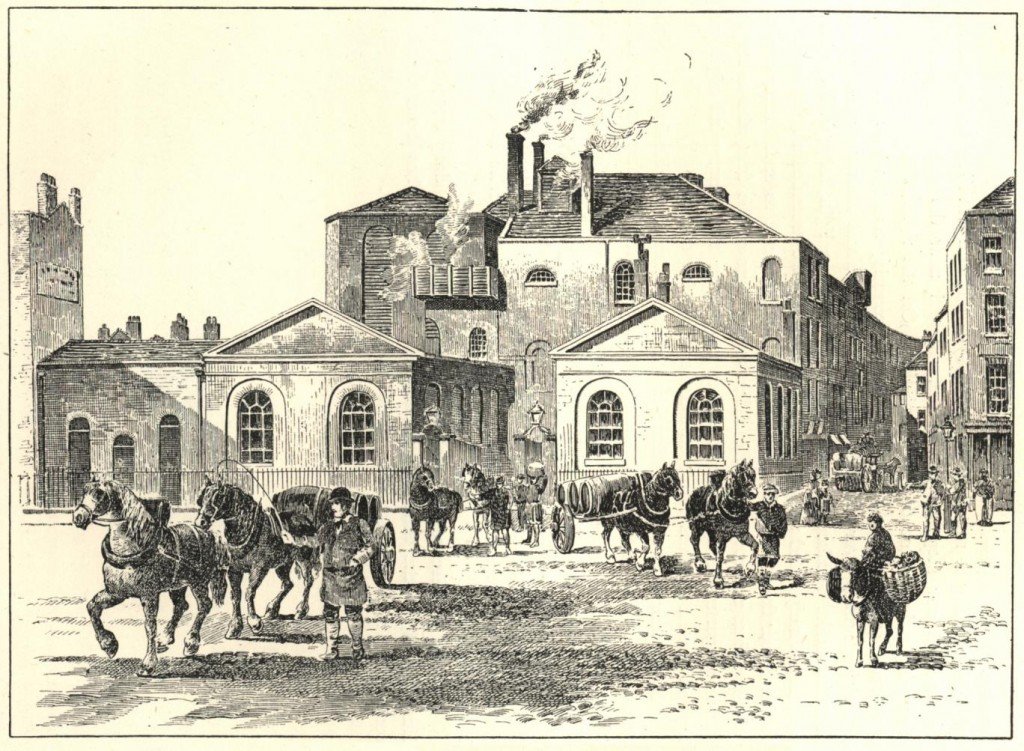
In the early 19th century, the Porter and Stout craze was sweeping across London, and breweries were working overtime to keep up with the demand. One of the largest players in the game was the Meux’s Brewery, located on Tottenham Court Road. Founded in 1764, Meux’s was known for producing some of the finest porter in the city. With towering fermentation vats capable of holding massive quantities of beer, the brewery was a hub of activity, with workers hustling to meet the insatiable thirst of London’s populace.

At this time, the brewery was a veritable fortress of brewing innovation, employing the latest techniques to ensure quality. However, behind the façade of success lay a ticking time bomb—a series of dangerously constructed vats that could barely withstand the pressure of their own contents.

The Day of the Disaster

On October 17, 1814, everything seemed normal… until it wasn’t. A routine day turned catastrophic when one of the huge wooden fermentation vats at Meux’s Brewery burst. It was a sight to behold—a torrent of beer, around 323,000 liters, came crashing down like a biblical flood. The sheer volume of liquid destroyed the very walls of the brewery, leading to a chain reaction where additional vats also ruptured. The result? An avalanche of porter that roared into the streets of St. Giles, engulfing everything in its path.

Residents of the area, unsuspecting of the brewing calamity, quickly found themselves knee-deep in beer. Imagine walking down the street and suddenly being swept away by a wave of your favorite brew! It’s a beer lover’s dream—unless you’re not prepared for the repercussions.

The Aftermath: Casualties and Chaos

As the torrent of beer surged through the streets, it carried with it chaos and destruction. Buildings were damaged, and the flood swept away everything in its path. Tragically, several lives were lost—eight people perished, including a mother and her child, who were caught in the deluge. The scene was, as you might imagine, both surreal and horrifying.

The local community was hit hard. Families were displaced, homes destroyed, and the neighborhood was left reeling from the devastation. To make matters worse, the smell of beer pervaded the air, turning what should have been a comforting aroma into a reminder of a tragedy.

The Response from Authorities

In the immediate aftermath, emergency services were mobilized to help with rescue efforts. Local authorities were called in, and townsfolk banded together to assist those in need. News of the disaster spread quickly, capturing the attention of the public and media alike. The unusual nature of the event led to widespread coverage, with newspapers of the time reporting on the “beer flood” with a mix of horror and fascination.

An investigation was launched to determine why such a catastrophic failure occurred. The answer lay in the poor design and maintenance of the brewery’s vats. Many were built without proper structural integrity, making them susceptible to rupture under pressure. To add insult to injury, Meux’s Brewery faced significant legal repercussions following the incident, as victims and their families sought justice.

A City Transformed

In the wake of the disaster, the city began to change. The incident served as a wake-up call for the brewing industry. Safety regulations were implemented, and the standards for construction and upkeep of fermentation vessels were tightened. The Great British Beer Flood, as it would eventually be known, not only impacted those directly affected but also reshaped the brewing landscape in London.

The local community, while grieving the losses, also rallied together, demonstrating the resilience of human spirit. The brewery’s reconstruction was a community effort, showcasing the solidarity and determination of the residents. They may have lost loved ones, but they refused to lose hope.

A Legacy of Laughter: The Humor in Tragedy

Time has a wonderful way of transforming even the bleakest of events into stories that elicit laughter. While the flood itself was a tragedy, the irony of being swept away by beer has become a popular anecdote in British folklore. The incident often finds its way into casual conversation and pub banter, evolving into a humorous reflection on the foibles of life.

Consider the randomness of such an event—who would’ve thought a brewery disaster could lead to a beer flood? The sheer absurdity of the situation encourages a light-hearted perspective, making it easier for people to cope with what happened. In the grand tapestry of history, it’s these oddball moments that stick with us, often far longer than the grim realities they represent.

The Importance of Safety in the Brewing Industry

While it’s easy to chuckle about the beer flood, it serves as an essential reminder of the importance of safety in any industry, particularly in brewing. The incident underscored the need for stringent regulations, proper construction techniques, and regular maintenance to avoid similar disasters.

Today’s breweries are vastly different, with advanced technology and robust safety protocols in place. Modern brewers understand the importance of ensuring their equipment can withstand the pressures of production, and the lessons learned from past mistakes have paved the way for a safer brewing environment.

Conclusion: Lessons Learned

The Great British Beer Flood remains one of the most bizarre and tragic events in London’s history. It serves as a stellar reminder of how quickly life can change and the fragility of safety when corners are cut. But it also tells a story of resilience, community spirit, and ultimately, the ability to laugh in the face of adversity.

As we raise our glasses to toast the memory of those affected by this odd little piece of history, let’s remember to cherish the lessons it has imparted. And as we enjoy our favorite brews—hopefully without any impromptu floods—we can take comfort in knowing that the past has shaped a better, safer future for beer lovers everywhere. Cheers!

Posted on Leave a comment

The Wild Georgian Sex Clubs of London: Britains Secret Society History

The Wild Georgian Sex Clubs of London: Britain’s Secret Society History

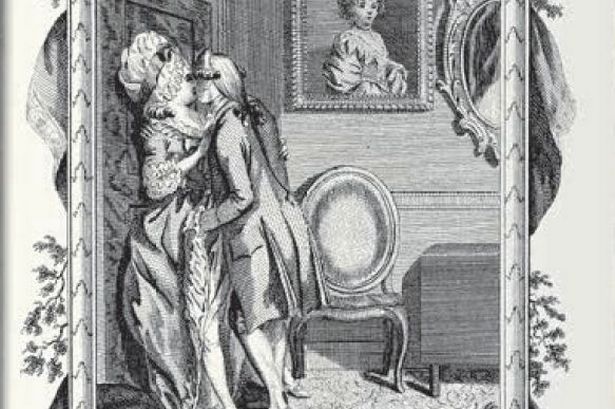
When one thinks about the glitz and glamour of London, images of royal palaces, historic landmarks, and bustling markets typically come to mind. Yet, layered beneath the polished surface of this iconic city lies a tantalizing history filled with scandal, secrecy, and a touch of debauchery during the Georgian era. Among the many fascinating aspects of this period are the sex clubs that flourished in the shadows of London’s elite society. These establishments reveal much about the social fabric of the time, the pursuit of pleasure, and the intricate dance between morality and hedonism.

The Georgian Era: A Brief Overview

To understand the allure and significance of these clandestine venues, we must first delve into the Georgian era, which spanned from 1714 to 1830. This was a time marked by immense change, including the rise of the middle class, the expansion of the British Empire, and a burgeoning sense of individualism. The arts flourished, with figures like Jane Austen and William Blake emerging, while the Industrial Revolution began to reshape the economy.

However, alongside these advancements, the period was also rife with contradictions. While the upper crust of society reveled in their opulence, a darker underbelly thrived, driven by desires often kept hidden behind closed doors. The secretive world of sex clubs emerged, catering to the whims of the wealthy and the curious, and these venues became symbols of both liberation and moral ambiguity.

The Birth of Sex Clubs

The concept of sex clubs can be traced back to ancient times, but during the Georgian era, they became particularly prominent due to the increasing availability of leisure time and the loosening of social mores. Economic prosperity allowed for a flourishing nightlife, and the discreet nature of London’s winding streets provided the perfect cover for establishments where pleasure was the primary offering.

These clubs were often shrouded in secrecy, accessible only to those deemed worthy by their current patrons. Membership often required an invitation, which meant that exclusivity was a hallmark of these establishments. Such selectivity only added to the allure; after all, nothing says “forbidden fruit” quite like being part of a clandestine society.

The Notorious Clubs

While the names of many Georgian sex clubs have faded into obscurity, a few have managed to stand the test of time, largely due to their notorious reputations. Let’s take a look at some of the most infamous establishments of the period.

The Hellfire Club

One of the most legendary sex clubs of the Georgian era was the Hellfire Club, founded in the 18th century by Sir Francis Dashwood. This club was infamous for its extravagant gatherings, which often included all-night parties filled with debauchery, eccentric rituals, and an open embrace of the pleasures of life. Members included some of the most influential figures of the time, including politicians and aristocrats, who sought to escape the constraints of society.

The Hellfire Club’s meetings often took place in the underground chambers of Medmenham Abbey, where members indulged in drinking, revelry, and sexual escapades with both men and women. The club even had a reputation for blasphemy, with meetings that included mocking religious figures and traditions. The combination of sex, secrecy, and satire made it a beacon for those seeking to push the boundaries of societal norms.

The Coterie

Another notable establishment was the Coterie, a club that catered specifically to the elite and those with refined tastes. The Coterie was known for its opulent surroundings and the discretion it afforded its members. Unlike the boisterous atmosphere of the Hellfire Club, the Coterie was more intimate, serving as a salon for stimulating conversation and sexual liaisons.

The Coterie attracted poets, artists, and intellectuals who believed that the exploration of pleasure was essential to the creative process. Their meetings often involved discussions about art, philosophy, and sexuality, all while indulging in the various pleasures that the club had to offer. This blending of intellect and sensuality created a unique atmosphere that was both stimulating and provocative.

The White’s Club

The White’s Club is another example, though it was more of a gentlemen’s club than a sex club in the modern sense. Founded in 1693, it began as a place for gentlemen to congregate, but over time it adopted a more scandalous reputation, including rumors of sexual escapades. The club, often frequented by politicians and aristocrats, became known for its lavish parties, gambling, and the pursuit of pleasure.

The exclusivity of White’s Club added to its allure. Members were expected to maintain a level of discretion, and the club had a strict code of conduct. However, whispers of illicit activities and unspoken agreements filled the air, revealing a world where privilege entwined with secrecy and desire.

The Role of Women

While the tales of these clubs often center around male members and their exploits, it is essential to recognize the roles that women played in this secretive society. Women in the Georgian era were often relegated to the background in public life, with strict societal norms dictating their behavior. However, in the intimate settings of sex clubs, women could explore their own desires and agency.

Some women found power within these establishments, becoming courtesans who wielded influence over wealthy patrons. The allure of sex work was not merely financial; it was also a means of gaining social capital. Women who navigated this world with skill often found themselves at the heart of political and social circles, shaping the conversations and decisions that influenced society.

The Intersection of Morality and Hedonism

The existence of these clubs also raises questions about the morality of pleasure-seeking during a time when societal expectations were often rigid. Many prominent thinkers of the era, including philosophers and writers, grappled with the tension between personal freedom and societal norms. This duality is reflected in the clubs themselves, which represented a space where individuals could engage in their desires while stepping outside the constraints of convention.

The rise of these establishments coincided with broader movements advocating for individual rights and freedom of expression. As people pushed back against the strictures of society, sex clubs became a radical statement of autonomy. Yet, they also served as a reminder of the consequences of living outside societal norms, as those caught in scandal could face ruin.

The Decline of the Clubs

By the early 19th century, the glamour of these sex clubs began to wane. The Victorian era ushered in a period of increased prudishness, where a conservative social order took hold, and public morality was emphasized. The courts cracked down on illicit activities, and the clubs that once thrived in secrecy started to diminish in number and influence.

As the Victorian ideals of modesty and propriety took center stage, the vibrant and wild world of Georgian sex clubs was pushed into the shadows. However, their legacy continues to echo through history, serving as a reminder of the complexities of human desire, societal expectations, and the eternal dance between pleasure and propriety.

Conclusion

The wild sex clubs of Georgian London encapsulate a fascinating chapter in British history. They were spaces filled with intrigue, scandal, and the exploration of human desire. While they may have existed in the shadows, their impact reverberated throughout society, influencing ideas about morality, pleasure, and individuality.

As one contemplates the legacy of these secretive societies, it becomes clear that they were more than just venues for debauchery. They were arenas where the boundaries of societal norms were tested, conversations about freedom were ignited, and the interplay of power and desire was laid bare. In many ways, they reflect the complexities of human nature itself—a mix of curiosity, rebellion, and the unquenchable thirst for pleasure that drives us all.

Posted on Leave a comment

Britains Witch Trial Panic: The Women Who Suffered for Village Grudges

A Glimpse into a Dark Chapter of History

During the late 16th and 17th centuries, England experienced a wave of witch trials that can only be described as a frantic, often irrational, response to societal fears and personal grievances. The idea of witchcraft was deeply woven into the fabric of life, reflecting the anxieties, prejudices, and power dynamics of local communities. Women, in particular, found themselves at the heart of this hysteria, often targeted due to pre-existing village grudges, social status, or simply being different. Let’s delve into this fascinating yet tragic period of British history, exploring the cultural landscape, the key players, and the toll it took on countless lives.

Fear and Superstition: The Roots of Witch Hunts

To understand the panic surrounding witch trials, it’s essential to recognize the context of fear and superstition that permeated Britain at the time. The late 1500s were rife with social upheaval, economic instability, and a shifting political landscape. The Protestant Reformation had created fractures in society, leading to a sense of uncertainty. People needed explanations for their hardships—be it poor harvests, disease, or misfortune. Enter the witch hunts.

Witchcraft was often viewed as a direct threat to the social order. The idea that someone could be in league with the Devil and possess the power to harm innocent individuals played into the fears of the populace. Local authorities, under pressure from communities to address these fears, often found themselves grasping for scapegoats. This is where the concept of “village grudges” comes into play.

The Role of Women in Witch Trials

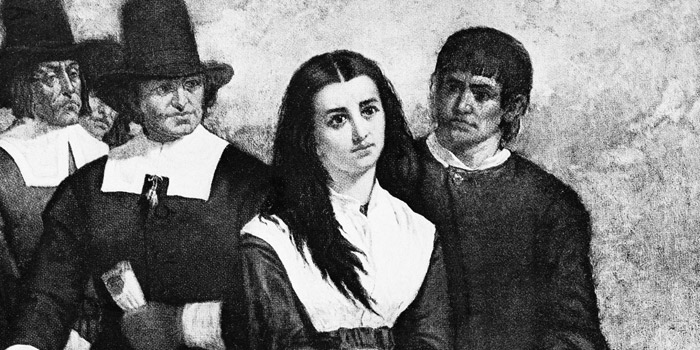
Women were disproportionately affected by these witch hunts. The societal norms of the time placed women in vulnerable positions, where their behavior could be scrutinized and judged harshly. Those who were widowed, poor, or otherwise socially marginalized were especially at risk. In many cases, women accused of witchcraft were simply those who didn’t conform to societal expectations.

For instance, take the case of Agnes Waterhouse, one of the first women to be tried for witchcraft in England. Accused in 1566, she was an elderly widow living alone, which made her an easy target. Her trial is a prime example of how personal grudges and societal fears culminated in tragic outcomes for women like her. Often, accusations were based on hearsay, coincidental misfortune, or longstanding feuds, with little to no evidence required for conviction.

The Mechanics of Accusation

So, how did one become an accused witch in a typical English village? The process was alarmingly simple. A person could be accused by a neighbor, often stemming from petty disputes or longstanding animosities. If misfortune struck—such as a failed crop or an illness—fingers would point in the direction of those deemed “different” or “untrustworthy.”

Once accused, the so-called witches faced harrowing trials, often characterized by a complete disregard for justice. The infamous “witch tests” included swimming a person in water; the belief was that a witch would float, as their body had been rejected by God. This absurd logic meant that many innocent women met their demise at the hands of cruel tests and public trials that prioritized spectacle over justice.

Notable Trials and Their Impact

Several trials stand out during this dark period, each a testament to the hysteria that gripped the nation. The Pendle witch trials of 1612, for example, were among the most famous in England. Twelve people from the area around Pendle Hill were accused of witchcraft, and the trials drew considerable attention, showcasing how the fear of witchcraft could spiral into community-wide panic.

Another poignant case was that of Elizabeth Sawyer, a woman accused in 1621 who was deemed a “witch” due to her elderly age and poverty. The court provided little more than hearsay as evidence, which illustrates how deeply ingrained prejudice influenced the justice system and led to the untimely deaths of many innocent women.

As these trials gained momentum, they often became spectacles that drew crowds, with the public eager to witness the alleged justice being served. The trials not only served as a means of enforcing societal norms but also as a grim reminder of the power dynamics at play in these rural communities.

The Aftermath and Societal Reflection

As the 18th century approached, the fervor surrounding witch hunts began to wane. The Enlightenment brought with it new ways of thinking, questioning superstition and advocating for reason. The excessive punishments and the irrational nature of these trials began to draw criticism from more progressive segments of society. Thinkers like John Locke emphasized reason and empirical evidence, sowing the seeds for skepticism regarding witchcraft accusations.

However, the damage had been done. The legacy of these witch hunts left a dark stain on British history, illustrating the lengths to which fear can drive individuals and communities. The women who suffered during this period were not just victims of outdated beliefs; they were often the targets of deeply personal grudges and societal pressures, reflecting the complexities of human relationships in times of crisis.

Lessons Learned: Reflections on History

Reflecting on the witch trials serves as a cautionary tale for contemporary society. Human beings have an innate tendency to seek out scapegoats during times of fear and uncertainty. This historical narrative encourages a deeper understanding of how personal bias, societal pressures, and irrational fear can lead to tragic consequences.

In a world that still grapples with issues of prejudice and scapegoating, the stories of those accused of witchcraft remind us of the importance of compassion, understanding, and due process. They beckon us to challenge the narratives spun by fear and to recognize the humanity in each individual, regardless of their differences.

Conclusion: The Need for Empathy

As we look back at Britain’s witch trial panic, we must remember the women who lost their lives to village grudges and societal fears. Their stories are not simply relics of the past; they serve as a poignant reminder of the fragility of justice and the potential for hysteria to disrupt the lives of innocent people.

By studying this dark chapter in history, we can ensure that we are vigilant against similar patterns in our own communities. Empathy and understanding are crucial in a world that continues to grapple with prejudice. Let the voices of those women echo through time, reminding us to uphold justice and humanity in the face of fear and uncertainty.

Posted on Leave a comment

The Lost London Frost Fairs: When the Thames Froze Solid Enough for Elephant Parades

Introduction to the Frost Fairs

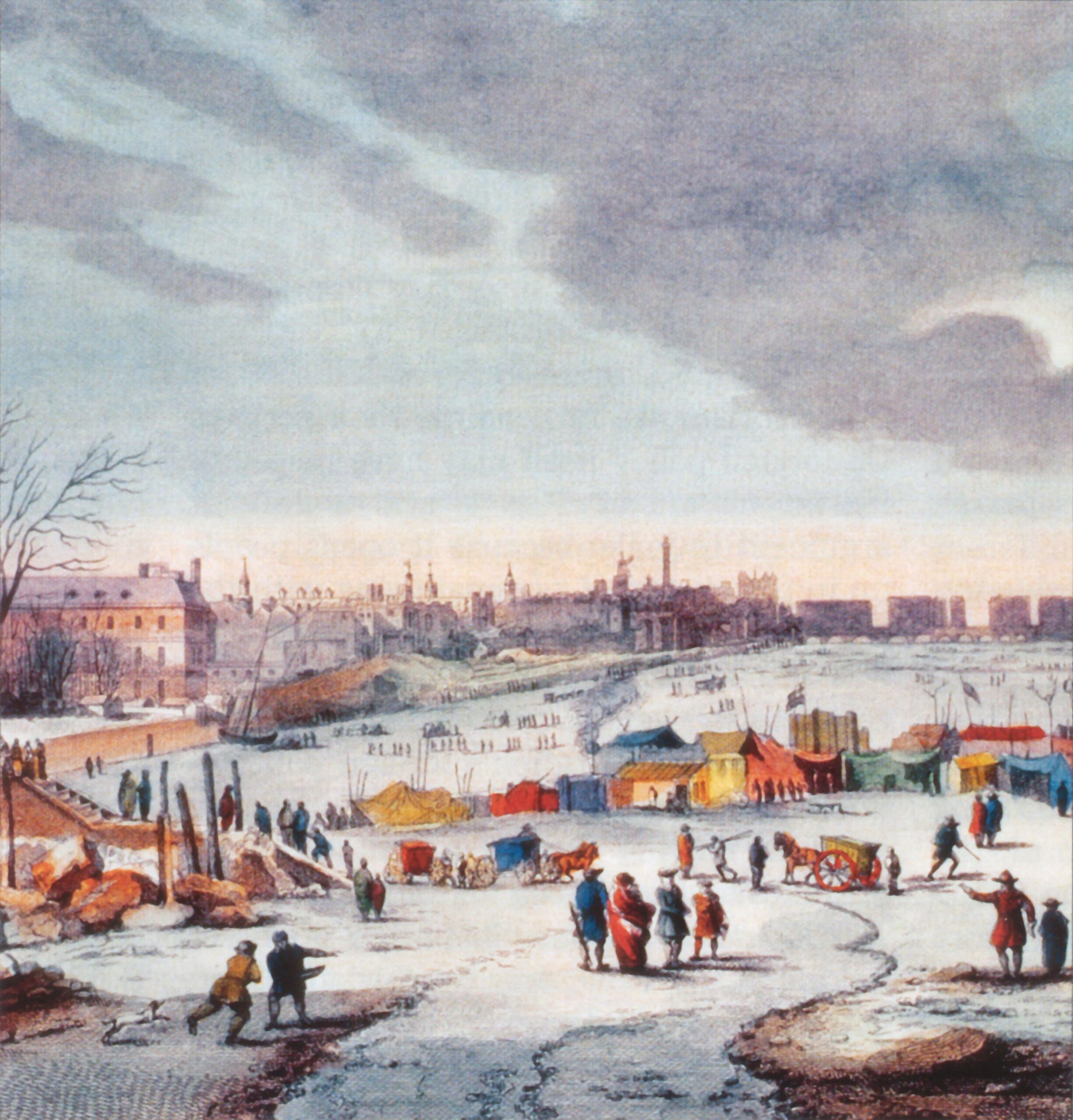
Imagine a bustling London, with people laughing, vendors shouting, and children playing—all on the frozen surface of the River Thames. Yes, you read that right! There was a time when the Thames would freeze solid, transforming into a winter wonderland, complete with markets, entertainment, and even elephant parades. These extraordinary events known as Frost Fairs offer a fascinating glimpse into a unique chapter of London’s history, one that has been overshadowed by modern climate conditions and urban development.

Historical Background: The Thames and the Great Frost

The Thames has played a central role in London’s development, serving as a major transport route and a source of food and resources. However, during the Little Ice Age, roughly from the 14th to the 19th century, the climate in Europe took a dramatic turn. The colder winters made the Thames freeze over on several occasions. This phenomenon wasn’t just a seasonal quirk; it had significant cultural and economic ramifications.

The first recorded Frost Fair took place in 1608, but the most famous of these events occurred in the 18th century. The Great Frost of 1683-1684 is particularly noteworthy. It was during this winter that the Thames froze solid for several weeks, creating an unlikely carnival atmosphere on the ice.

The Frost Fair Experience

Walking onto the frozen Thames must have felt surreal. Picture this: as you step onto the ice, the usual sound of lapping water is replaced by the crunch of frozen surfaces beneath your feet. The fairgrounds were filled with makeshift stalls and tents selling everything from hot pies to warming ale, and you could hear the laughter and chatter of friends and families enjoying the festivities.

Vendors and Attractions

The vendors were the heart of the Frost Fair. Food stalls lined the ice, offering hot chestnuts, roasted meats, and sweet treats. Imagine biting into a steaming meat pie, the warmth battling the chilly air around you, while sipping on mulled wine. There were also booths selling trinkets and souvenirs, ensuring that visitors had a memorable keepsake of their day on the ice.

Entertainment was abundant as well. Jugglers, acrobats, and musicians filled the air with laughter and cheer, offering a delightful distraction from the cold. There were even games and competitions, like “Ice Horse Racing,” where spectators could cheer for their favorite riders racing down the length of the frozen river.

Elephants on Ice!

One of the most astonishing spectacles of the Frost Fairs was the appearance of elephants! These gentle giants, often brought in by traveling circuses, were a massive attraction. Imagine the sight of an elephant trotting down the frozen Thames, its massive feet leaving imprints on the ice as crowds gathered to marvel at this unlikely sight. People would pay to ride the elephants, creating memories that would last a lifetime.

Cultural Significance

The Frost Fairs were more than just a background spectacle; they reflected the social and economic climate of the time. The fairs served as a communal gathering point, where Londoners from all walks of life came together. It was a melting pot of society—rich and poor alike found joy in the shared experience of winter fun.

These events also had an economic impact. The businesses that set up shop on the ice benefited from the influx of visitors, and it was a timely boost for the local economy. The fairs highlighted the resilience and adaptability of Londoners, who found ways to enjoy life even in the harshest of conditions.

Literature and Art: A Frozen Inspiration

The phenomenon of the Frost Fairs captured the imagination of writers and artists of the time. Poets penned verses celebrating the joy of a frozen Thames, while painters captured the chaotic beauty of the fairs in their artwork. The iconic images of people skating and socializing on the river served as a reminder of the unique relationship between the city and its river.

One notable piece is the painting by Canaletto, which depicts the Winter of 1739-40. In it, you can see the ice-covered Thames bustling with life, the iconic London Bridge in the background. This artistic documentation helped to immortalize the Frost Fairs in the cultural consciousness, allowing future generations to appreciate this unique aspect of London’s history.

The Gradual Decline of the Frost Fairs

As the 19th century rolled around, the Thames began to see fewer and fewer frosty winters. The Industrial Revolution brought changes to the city, including pollution that affected the river’s ability to freeze. The Great Frost of 1814 was the last significant Frost Fair, marking the end of this extraordinary era. As winters became milder and the river more polluted, the dream of ice fairs slowly melted away.

This decline also marked a shift in how Londoners engaged with their environment. The increase in urbanization and the rise of modern transportation meant that Londoners no longer needed to rely on the Thames as a primary route for trade and transport. The charm of Frost Fairs became a distant memory, replaced by the hustle and bustle of a growing metropolis.

Modern Reflections: The Legacy of the Frost Fairs

Though the Frost Fairs are long gone, their legacy continues to influence London today. The memory of these events serves as a reminder of the city’s adaptability and resilience. In recent years, there has been a renewed interest in celebrating winter festivities, albeit in different forms. Modern Christmas markets and seasonal fairs now populate London’s parks and streets, continuing the tradition of bringing people together during the colder months.

Moreover, the Frost Fairs invite us to reflect on the impacts of climate change. As we experience shifts in weather patterns, it’s essential to recognize the historical context of how these changes have shaped society. Understanding the Frost Fairs provides a lens through which we can appreciate the relationship between humanity and nature, and how it has evolved over time.

Conclusion: A Glimpse into a Unique Past

The lost Frost Fairs of London are a testament to the city’s rich and colorful history. From elephant parades to bustling marketplaces on ice, these events remind us of a time when the Thames brought people together in joyous celebration. They stand as an intriguing chapter in London’s story, one that invites us to dream of frozen rivers and festive gatherings. As we navigate our own winters, perhaps we can take a page from the past and find ways to celebrate the season, no matter how cold it may be.

Posted on Leave a comment

The Hidden Book Town of Wales: How Hay-on-Wye Became a Literary Phenomenon

Introduction to Hay-on-Wye

Nestled in the picturesque hills of Wales, Hay-on-Wye is a charming little town that has earned itself a reputation as the “town of books.” This literary haven, with its stunning landscapes and quaint streets, attracts book lovers from around the globe. But how did a tiny town with a population of just over 1,500 become a significant literary destination? Let’s explore the fascinating history, unique culture, and vibrant community that contributed to Hay-on-Wye’s transformation into a literary phenomenon.

A Brief History

Hay-on-Wye’s story begins in the 1960s when Richard Booth, often referred to as the “King of Hay,” opened the first second-hand bookshop. Booth, an eccentric and visionary individual, had a passion for books and an unwavering determination to revitalize the town that was struggling economically. He saw an opportunity to fill the vacant buildings with books and attract readers, writers, and thinkers.

Booth’s bookstore quickly became a hotspot, drawing in customers from near and far. His entrepreneurial spirit inspired others, and soon several more bookshops opened, transforming Hay-on-Wye into a veritable book town. The success of these shops helped to create a unique identity for the town, and it wasn’t long before Hay-on-Wye gained international recognition as a literary destination.

The Bookshops of Hay

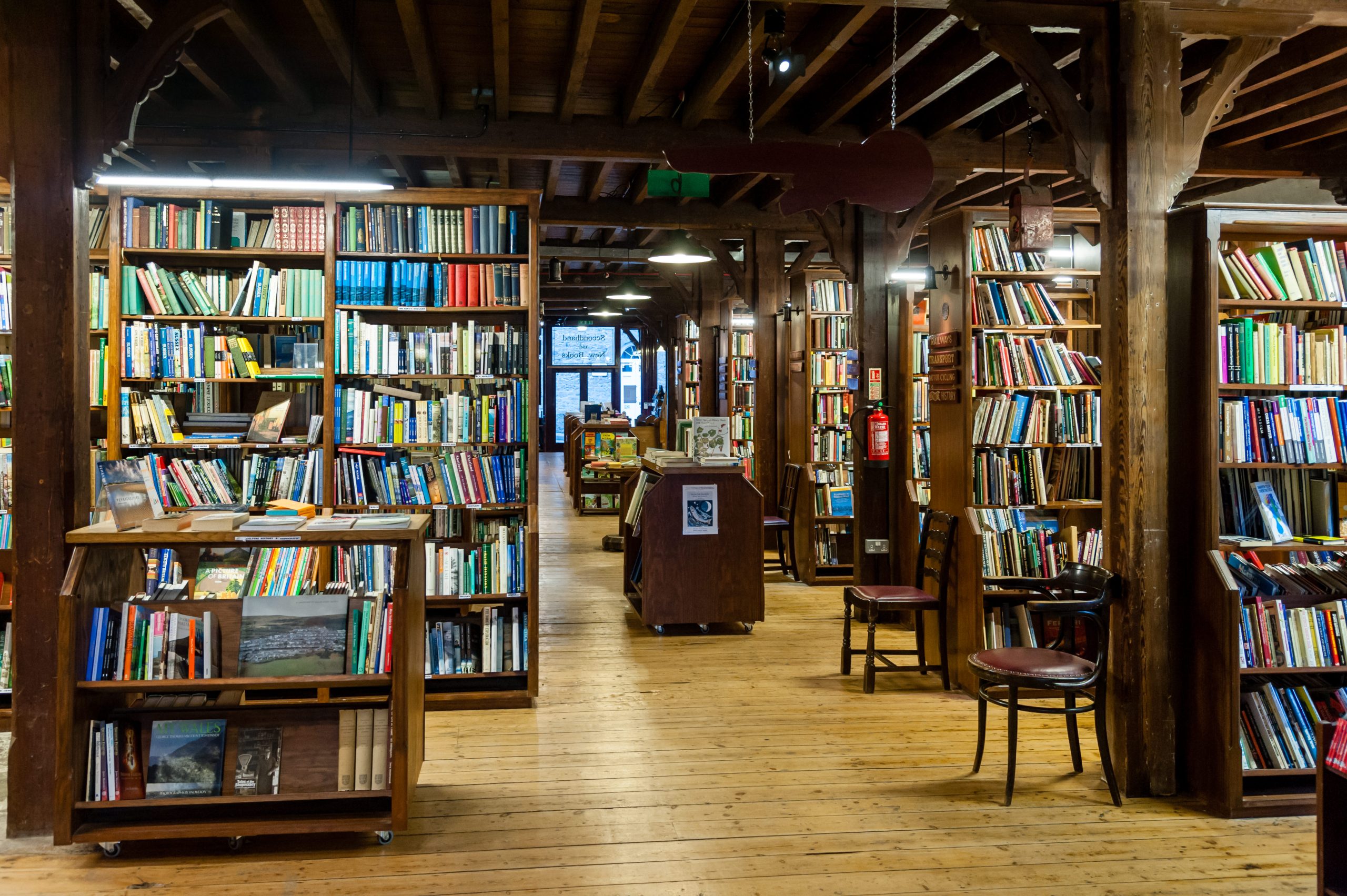
Walking through the streets of Hay-on-Wye is like stepping into a bibliophile’s dream. The town is home to over thirty bookshops, each with its own distinct character and charm. From quaint little nooks filled with rare collectibles to sprawling stores boasting thousands of titles, there’s something for every book lover here.

One of the most iconic bookshops in Hay-on-Wye is Booth’s own, Richard Booth’s Bookshop. Housed in a former cinema, this expansive space is a labyrinth of books, including new releases, second-hand treasures, and rare finds. With a cozy café on-site, it’s the perfect spot to sip a cup of tea while perusing the shelves.

Another must-visit is The Old Electric Shop, a bookshop that specializes in rare and out-of-print titles. The shop exudes an old-world charm, complete with wooden beams and creaky floorboards, making it a delightful place to lose yourself in pages of history.

Don’t forget to check out The Globe at Hay, a converted church that now serves as a bookshop and event space. Its unique ambiance and regular author events make it a cultural hub in the town.

The Hay Festival

No exploration of Hay-on-Wye would be complete without mentioning the renowned Hay Festival. Established in 1988, this annual literary festival has grown into one of the most celebrated events in the literary calendar, attracting thousands of visitors each year. Authors, poets, musicians, and thinkers from all over the world gather to share their work, ideas, and passion for literature.

The festival takes place over ten days in late May and early June, filling the town with a vibrant energy. Attendees can participate in various activities, including talks, workshops, and book signings. With a lineup that often features big-name authors, it’s a dream come true for book lovers who want to engage with their literary heroes.

What makes the Hay Festival truly special is its emphasis on inclusivity. The organizers strive to create an environment where everyone can participate, from schoolchildren to seasoned writers. There are plenty of events designed specifically for children, ensuring that the love of literature is passed down through generations.

The Literary Culture

Hay-on-Wye is not just about books; it’s a place where literature thrives in various forms. The town has a rich literary culture that fosters creativity and collaboration. Local writing groups and book clubs are plentiful, offering residents and visitors alike the opportunity to engage with literature on a deeper level.

Moreover, the town is home to numerous literary-themed events throughout the year. From poetry readings to book launches, there’s always something happening in Hay. These events bring the community together and create a palpable sense of camaraderie among book lovers.

The annual Hay Festival of Literature & Arts also promotes a wide range of creative disciplines beyond literature, including music, film, and visual arts. This blend of artistic expression enriches the town’s cultural landscape and attracts a diverse audience.

The Impact of Hay-on-Wye

The transformation of Hay-on-Wye into a literary destination has had a profound impact on the local economy and community. The influx of visitors has provided a much-needed boost to businesses, including cafés, restaurants, and accommodations. Local artisans and craftspeople have also benefited from the increased foot traffic, as tourists often seek out unique souvenirs and handmade items.

Additionally, the success of the bookshops and literary events has fostered a sense of pride within the community. Residents take great joy in their town’s identity as a literary hub, and many are passionate about preserving its unique character. This collective pride has led to initiatives aimed at maintaining the town’s charm and supporting local businesses.

The Beauty of the Welsh Countryside

While Hay-on-Wye is undoubtedly a literary treasure, it is also blessed with breathtaking natural beauty. Surrounded by the rolling hills of the Brecon Beacons National Park, the town offers plenty of opportunities for outdoor enthusiasts to explore the great outdoors. Hiking, cycling, and even canoeing are popular activities, allowing visitors to soak in the stunning landscapes that inspired countless authors and poets.

The local scenery is not only visually striking but also steeped in history. Visitors can discover ancient castles, historic sites, and picturesque villages that dot the surrounding countryside. The combination of literature and natural beauty makes Hay-on-Wye a truly unique destination.

Conclusion

The story of Hay-on-Wye is a testament to the power of passion and community. What began as an ambitious vision of one man has blossomed into a thriving literary town that continues to inspire and captivate visitors from around the world. With its abundance of bookshops, vibrant literary culture, and stunning landscapes, Hay-on-Wye is a place where the love of literature flourishes.

Whether you’re a dedicated bibliophile or simply someone seeking a charming getaway, this hidden gem in Wales promises an unforgettable experience. So, pack your bags, grab a book or two, and embark on an adventure to the town of books—where every corner holds a story waiting to be discovered.

Posted on Leave a comment

Wales Forgotten Coastal Path: Walking the 870 Miles That Showcase Britains Most Dramatic Scenery

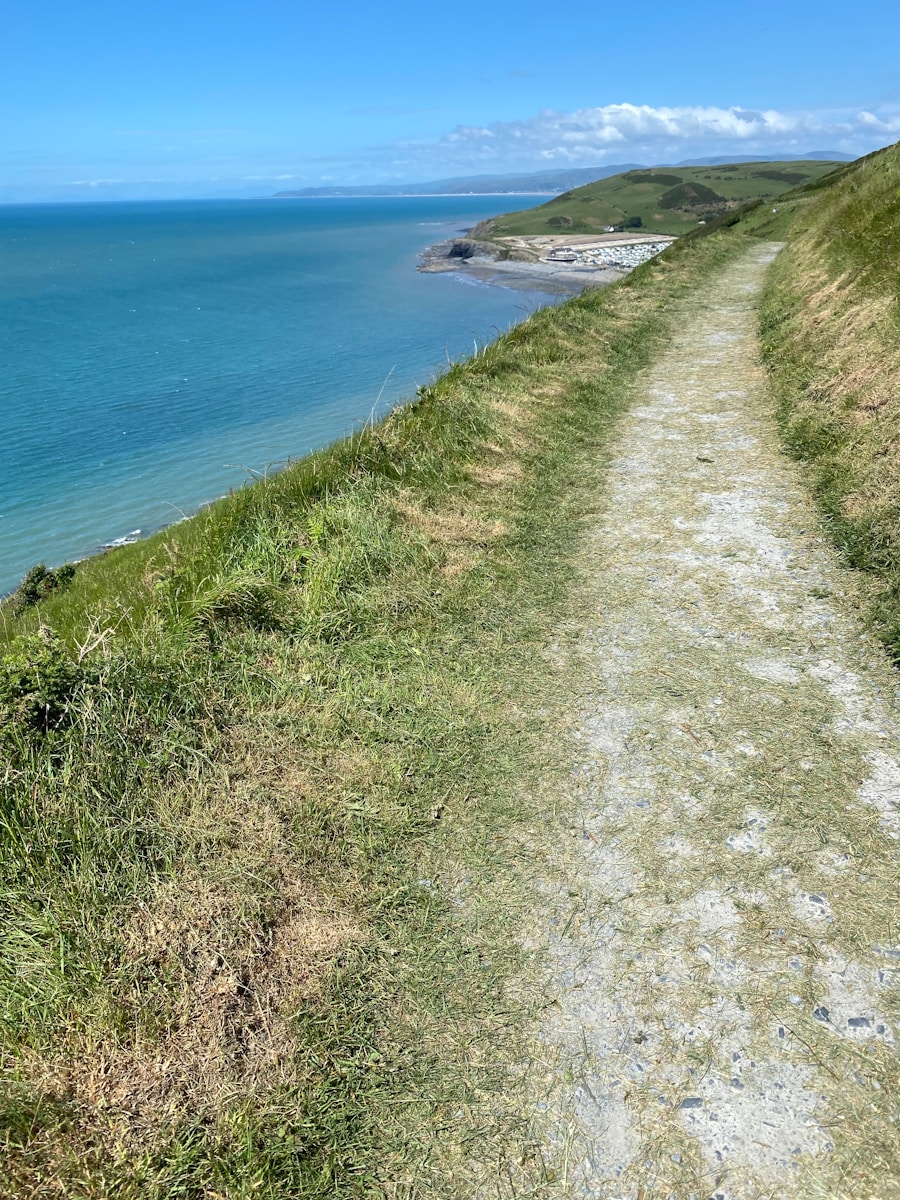
a path leading to the ocean on a sunny day

Discovering Wales’ Hidden Gem: The Coastal Path Adventure

Wales is a land brimming with history, stunning landscapes, and culture, yet there’s one treasure that often gets overshadowed by its more famous counterparts—the 870-mile coastal path that wraps around its shores. This remarkable trail offers a unique blend of natural beauty, diverse wildlife, and the rich heritage of Welsh communities. If you’re seeking a walking adventure that showcases some of Britain’s most dramatic scenery, put on your hiking boots and let’s explore this hidden gem!

Why Choose the Coastal Path?

You might be asking yourself, “Why should I embark on this journey?” The answer is simple. The coastal path is not just a walk; it’s an experience. From rugged cliffs to tranquil beaches, this path presents a variety of landscapes that are ever-changing with the tides and seasons. You’ll encounter charming villages, historic sites, and an abundance of wildlife along the way. Whether you are an avid hiker or a casual walker, the path accommodates a spectrum of abilities and interests, making it accessible to everyone.

The Route: A Brief Overview

Starting at the border with England in the north, the path stretches all the way to the south coast, traversing through some of the most breathtaking scenery that Wales has to offer. It is divided into sections, each with its own unique charm and character. Here’s a brief look at some of the highlights you’ll encounter:

1. North Wales: The Cliffs of Anglesey and Llandudno

The journey kicks off in North Wales, where the coastline is famous for its dramatic cliffs and sandy beaches. Anglesey, the largest island in Wales, offers stunning views of the Menai Strait and Snowdonia National Park. The circular walk around the island allows you to witness the breathtaking Llanddwyn Island, with its iconic lighthouse and serene beaches.

2. Cardigan Bay: A Kaleidoscope of Wildlife

As you travel south, Cardigan Bay welcomes you with its picturesque harbors and rolling hills. This area is renowned for its marine life, including dolphins, seals, and an array of bird species. The views are mesmerizing, especially at sunset when the sky transforms into a canvas of oranges and pinks.

3. Pembrokeshire: Home of the Stunning Coastline

One of the most celebrated sections of the coastal path is Pembrokeshire, known for its national park that boasts dramatic cliffs, secluded coves, and golden beaches. The iconic Stack Rocks and the famous Green Bridge of Wales are must-see landmarks that will leave you in awe. Don’t forget to visit the quaint towns of Tenby and Fishguard, which are perfect for rest stops and local delicacies.

4. South Wales: Industrial Heritage Meets Coastal Beauty

As you make your way to South Wales, the landscape begins to blend industrial heritage with coastal beauty. The city of Swansea is a highlight, offering both urban culture and stunning coastal views. The Gower Peninsula, recognized as the first Area of Outstanding Natural Beauty in the UK, presents breathtaking beaches like Rhossili Bay, where you can enjoy a well-deserved break.

Planning Your Adventure

Before you lace up your boots, it’s essential to plan your adventure properly. Here are some tips to ensure you make the most of your journey along the path:

1. Choose Your Route Wisely

The path is divided into manageable sections, each varying in difficulty. If you’re a novice walker, start with shorter, easier routes and gradually challenge yourself with the more demanding sections. The trail is well-marked, so you won’t get lost!

2. Take Your Time

While it’s tempting to rush through, take your time to soak in the scenery. Each section has its own charm, and you might stumble upon hidden gems—a secluded beach, a scenic viewpoint, or a cozy pub where you can enjoy a pint of local ale.

3. Pack the Essentials

Always pack the essentials: good walking shoes, a map (or a reliable navigation app), water, snacks, and sunscreen. The weather in Wales can be unpredictable, so layers and a waterproof jacket are wise choices. And don’t forget your camera; the views are Instagram-worthy!

4. Respect the Environment

Wales is known for its natural beauty, so it’s crucial to respect the environment. Stick to the path, follow the countryside code, and leave no trace. This way, future walkers can enjoy the same stunning landscapes.

The People You Meet

Walking the coastal path isn’t just about the scenery; it’s also about the people you meet along the way. Locals are often eager to share stories about their heritage and the history of their region. As you pass through villages, don’t hesitate to pop into a café or pub for a chat. You may learn about local legends, hikes, or even get recommendations for the best spots to visit!

Wildlife Encounters

One of the magical aspects of the coastal path is the opportunity to connect with nature. Keep your eyes peeled for a variety of wildlife, from seabirds gliding above the waves to seals basking on the rocks. If you’re lucky, you might even spot a dolphin leaping in the surf. Birdwatchers will be delighted by the diversity of species, especially around the nature reserves and coastal cliffs.

Conclusion: A Journey Worth Taking

The journey along the coastal path is a celebration of what makes Wales unique—a blend of stunning landscapes, rich history, and friendly communities. Whether you choose to walk the entire route or explore it in sections, each step reveals a new facet of this beautiful country.

So, as you ponder your next adventure, consider this forgotten path that begs to be rediscovered. Lace up your boots, grab your backpack, and embark on a walking adventure that promises unforgettable memories and breathtaking views. Wales awaits, and trust me, you won’t want to miss a single mile of it!

Posted on Leave a comment

The British Empires Shameful Opium Wars: How Addiction Was Weaponized for Trade

Introduction

The history of trade is often marked by significant advancements, cultural exchanges, and, unfortunately, darker elements that reveal the less savory aspects of human nature. One such chapter in this narrative is the British Empire’s involvement in the opium trade during the 19th century. This episode is not just a tale of politics and economics but a gripping account of how addiction was weaponized for trade, impacting millions of lives in the process. It’s a story that reminds us of the thin line between commerce and exploitation.

Setting the Scene: The Rise of the British Empire

In the 18th and 19th centuries, the British Empire was at its zenith. With colonies spanning across continents, the empire was in a race for resources, wealth, and influence. The British East India Company played a pivotal role, acting as a commercial powerhouse that governed vast territories in India and parts of China. While the Company was initially focused on spices and textiles, it soon turned its attention to opium, a commodity that would become central to its operations and strategy.

The Opium Trade: A Lucrative Business

Opium, derived from the poppy plant, had been used for medicinal purposes for centuries. However, by the early 19th century, it had gained popularity as a recreational drug, particularly in China. The British recognized a golden opportunity: they could cultivate opium in India and sell it in China for silver, using the proceeds to purchase Chinese tea, silk, and porcelain—the very items that were in high demand back in Britain.

The East India Company began to produce opium on a massive scale, establishing farms in regions like Bengal and Bihar. The trade was incredibly lucrative; however, it was underpinned by a troubling moral compromise. The British were aware of the health risks and societal issues associated with widespread opium consumption, yet they continued the trade unabated, prioritizing profit over the well-being of individuals.

The Dark Consequences of Addiction

While profits surged for the traders, the consequences for the Chinese population were dire. Opium addiction led to social disintegration, family breakdowns, and significant health problems. By the mid-19th century, it is estimated that millions of Chinese were addicted to opium. The Chinese government, alarmed by the rising number of addicts, imposed strict regulations to curb the trade.

This tension between the British traders and the Chinese government set the stage for conflict. The British, driven by economic interests, refused to comply with the Chinese ban on opium, leading to an inevitable clash.

The First Opium War: A Turning Point

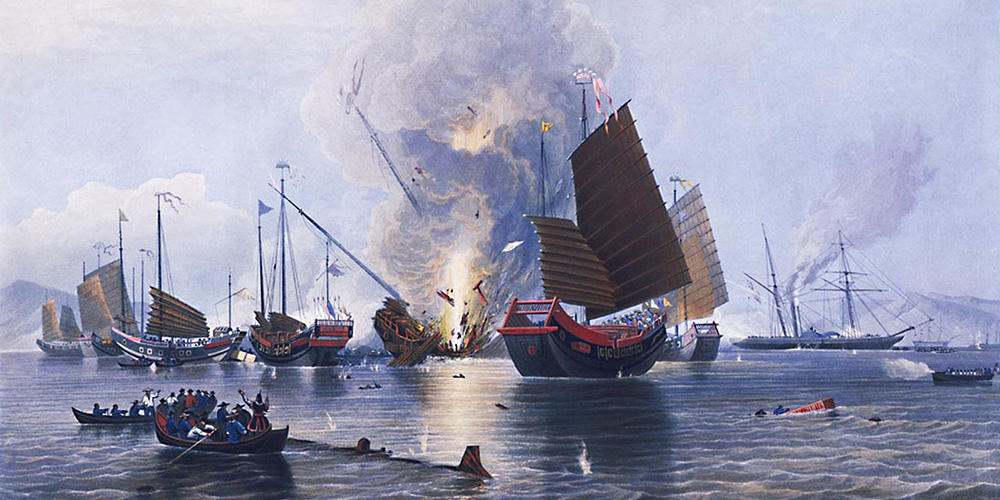
In 1839, the Chinese government took a bold stand against the opium trade, seizing and destroying over 1,000 tons of opium. This act of defiance was met with outrage from British traders and the East India Company, who viewed it as a direct threat to their lucrative business. The result was the First Opium War (1839-1842), a brutal conflict fueled by the desire to maintain the opium trade.

The British military, equipped with advanced weaponry and naval power, launched a series of attacks on Chinese ports. The war showcased the stark power imbalance between the two nations, with the British prevailing. The Treaty of Nanking, signed in 1842, marked the end of the war and imposed harsh terms on China, including the cession of Hong Kong to Britain and the legalization of the opium trade.

The Aftermath: A Cycle of Exploitation

The outcome of the First Opium War did not solve the problem; rather, it entrenched it further. The British continued to exploit the opium trade, leading to a second conflict known as the Second Opium War (1856-1860). This time, British and French forces sought to expand their control over China, pushing for more trade concessions and further legalizing the opium trade.

As opium became more integrated into Chinese society, addiction rates soared. The Chinese government struggled to combat the epidemic, leading to widespread social unrest and rebellion. The Taiping Rebellion (1850-1864), one of the deadliest conflicts in history, was partly fueled by discontent over the opium trade and its devastating effects on society.

The Moral Implications of the Opium Trade

The British Empire’s engagement in the opium trade raises profound moral questions. The empire, which positioned itself as a force for civilization and progress, was complicit in an addiction crisis that devastated millions. The justification for the trade was often couched in terms of economic benefits and the concept of free trade, but this rationale obscured the human suffering that lay at its core.

It is important to acknowledge the voices of those who suffered as a result of this trade. Families torn apart by addiction, communities devastated by drug-related crime, and individuals whose lives were irrevocably changed are often lost in the grand narratives of empire and commerce. The opium trade serves as a reminder of the ethical responsibilities that accompany economic power.

Lessons from History: Reflection and Reconciliation

As we reflect on this dark chapter in history, it becomes clear that the consequences of the opium trade are still felt today. The legacy of addiction and exploitation continues to resonate in contemporary discussions about drug trade, public health, and international relations. The narratives surrounding drug use have evolved, but the underlying issues often mirror those of the past.

Modern societies must grapple with the complex web of addiction, public health, and criminalization. The lessons learned from the opium trade remind us to approach these issues with empathy and a commitment to informed policy-making. Additionally, acknowledging the historical injustices faced by communities affected by the drug trade is crucial for fostering reconciliation.

Conclusion: Remembering the Past

The opium wars are a testament to the darker side of trade and the lengths to which empires will go to protect their interests. As we navigate the challenges of today, it is essential to remember the stories of those caught in the crossfire of exploitation. By understanding the past, we can work towards a future that prioritizes compassion, justice, and the well-being of all individuals involved in the ever-evolving narratives of trade and addiction.

In a world where commerce continues to influence lives, let us adopt a more ethical approach—one that places humanity at the forefront of our economic endeavors. The history of the opium trade serves as a cautionary tale, urging us to learn from our past so that we do not repeat it.

Posted on Leave a comment

How Tea Smugglers Shaped British Coastal Towns: The Hidden History of Your Seaside Holiday

gray stainless steel spoon

Introduction: A Sip of History

When you think of a relaxing day at the beach, a cup of tea might not be the first thing that comes to mind. However, the rich history of tea smugglers and their influence on British coastal towns weaves a fascinating narrative that’s as captivating as the sound of waves crashing on the shore. From bustling markets to clandestine meetings in dimly lit taverns, the world of tea smuggling is filled with intrigue, adventure, and a touch of rebellion. So, grab your favorite brew and settle in as we dive into the hidden history of how tea smugglers shaped the seaside towns you love to visit today.

The Allure of Tea: A National Obsession

Tea has long been more than just a drink in Britain; it’s a cultural cornerstone. Introduced in the 17th century, it quickly became a staple in British society, enjoyed by everyone from aristocrats to the working class. However, with that popularity came taxes. The British government, keen on cashing in on this rapidly growing trend, imposed hefty tariffs on imported tea. This created a significant price difference between legally imported tea and that obtained through underground channels, setting the stage for a flourishing black market.

The Rise of Smuggling: A Lucrative Trade

As the 18th century rolled in, the demand for tea surged while legal access became prohibitively expensive for many. Smugglers seized the opportunity to supply the public with cheaper, untaxed tea, often bringing it in from overseas ships or hidden caches along the coast. These illicit operations gained momentum, especially in areas where coastal geography made it easier to escape the eyes of customs officials. Towns like Hastings, Deal, and Rye became hotspots for these activities, forever altering their economic landscapes.

Coastal Towns: The Perfect Hideouts

The rugged coastlines of southern England provided ideal conditions for smuggling operations. Narrow inlets, hidden coves, and steep cliffs offered natural cover for ships looking to evade the revenue men, who were tasked with intercepting contraband goods. Coastal towns soon transformed into hubs of smuggling activity, where locals became embroiled in the trade. Fishermen would often double as couriers, transporting tea hidden among their catch to avoid detection.

Hastings: The Queen of Smugglers

Hastings, a picturesque town known for its charming streets and historical significance, boasts a particularly rich smuggling history. During the height of the trade, it was said that every single household in Hastings had some connection to smuggling. The locals became experts in the art of deception—crafty enough to conceal large shipments of tea in barrels labeled as fish or other legal goods. The smugglers even formed their own secret societies, often involving not just men but women as well, who played a crucial role in coordinating the operations.

Deal: The Smuggler’s Paradise

A little further along the coast lies Deal, which also witnessed a thriving smuggling scene. The town’s beach provided a perfect landing spot for smugglers’ boats, and the nearby marshlands offered a labyrinth of hiding places. Deal’s taverns became meeting points for smugglers, where they exchanged stories, laid out plans, and celebrated their successes with a pint or two. Some of these establishments still stand today, inviting visitors to experience the lively spirit of their past, albeit now without the illegal dealings.

The Dance Between Law and Illegality

The British government was not just a passive observer in this unfolding drama. Customs officials and the Navy were constantly on the lookout for smugglers, leading to a game of cat and mouse. Smugglers developed ingenious tactics to evade capture, including using signal lights to communicate between ships and shore and even employing decoys to distract the authorities. This back-and-forth between smugglers and customs created a tense atmosphere that infused coastal towns with a sense of adventure and danger.

The Social Impact: Community and Culture

The smuggling trade didn’t just alter the economy; it transformed social dynamics in these coastal towns. With so much profit at stake, smuggling became a part of local culture. Festivities often revolved around the successes of smugglers, and tales of their exploits became local folklore, passed down through generations. Even today, the legacy of this hidden history can be felt in local festivities and events that celebrate maritime heritage and the cheeky spirit of the smugglers.

Historical Reenactments and Festivals

Many coastal towns now celebrate their smuggling heritage through reenactments and festivals. Hastings, for example, hosts events that capture the spirit of its smugglers, inviting locals and visitors to partake in the fun and learn about this colorful aspect of their history. Walk through the narrow, winding streets, and you may just hear stories from local guides dressed in period costumes, recounting tales of daring escapades and narrow escapes.

The Legacy: From Smugglers to Tourists

As the 19th century approached, changes in trade laws and a shift in public sentiment gradually diminished the smuggling trade. With the introduction of more reasonable tea taxes and an increasingly organized system of legal importation, the need for smugglers lessened. However, the legacy of these hardy individuals remains etched in the character of coastal towns. Today, they attract millions of tourists who come to enjoy the stunning scenery, indulge in delicious seafood, and sip on a quintessentially British cup of tea.

Tea Today: Sipping on History

When you visit a seaside town, chances are you’ll find local cafes and tea shops offering a wide variety of brews. As you sip your Earl Grey or English Breakfast, take a moment to appreciate the layers of history that have led to this moment. The tea you enjoy is not just a beverage; it is a symbol of a cultural journey that has evolved over centuries, influenced by a cast of characters from smugglers to merchants.

Conclusion: The Unseen Waves of History

So, the next time you find yourself enjoying a sunny day at a British seaside town, remember that you are partaking in a tradition that stretches back to the days of clandestine operations and daring adventures. The charming streets, the vibrant markets, and the cozy tea shops all echo the tales of those who once risked everything for a taste of tea. This hidden history enriches your seaside holiday, giving it depth and flavor that goes far beyond the salt in the air or the sand between your toes. Embrace the stories, breathe in the sea air, and enjoy a cup of history—because, in these coastal towns, every sip is a journey back in time.