Posted on Leave a comment

The Most Controversial British Books That Changed Society Forever

brown wooden book shelf with books

A Literary Revolution: How Books Have Shaped British Society

Books have an extraordinary power, don’t they? They can spark revolutions, change laws, and even alter the course of history. In Britain, literary works have often sparked heated debates and evoked strong emotions, leading to societal shifts that still resonate today. From political manifestos to scandalous novels, the impact of these controversial texts is undeniable. Let’s dive into some of the most compelling British books that turned heads and changed the fabric of society forever.

The Classics That Shook the Ground

“A Vindication of the Rights of Woman” by Mary Wollstonecraft

Published in 1792, this groundbreaking work is often hailed as one of the earliest feminist texts. Wollstonecraft challenged the traditional views of women’s roles in society, advocating for education and equality. She questioned the notion that women were inherently inferior to men and argued that they should have the same educational opportunities. This book ignited a flame that would fuel the women’s rights movement for centuries, making readers rethink gender roles and the societal expectations placed upon women.

“The Communist Manifesto” by Karl Marx and Friedrich Engels

Though not originally British, this influential pamphlet was published in London in 1848 and quickly found a home in British intellectual circles. Marx and Engels outlined the struggles between the bourgeoisie and the proletariat, advocating for a classless society. The ideas presented in this manifesto not only inspired labor movements across Britain but also influenced countless political movements worldwide. Its bold call for revolution and social change made it one of the most controversial texts ever published.

The Novels That Sparked Debate

“Lady Chatterley’s Lover” by D.H. Lawrence

This 1928 novel caused a storm upon its publication due to its frank portrayal of sexuality and class relations. The explicit content led to an obscenity trial, which resulted in a landmark ruling that ultimately changed publishing laws in Britain. Readers were forced to confront their own views on love, lust, and the rigid social structures of the time. The novel’s themes of passion and connection challenged the moral standards of society, making it a critical turning point in discussions about literature and censorship.

“Brave New World” by Aldous Huxley

Published in 1932, Huxley’s dystopian tale warned against the dangers of a society driven by consumerism and technological control. As readers were drawn into a world of manufactured happiness and social conformity, discussions arose about the implications of scientific advancements on human experience. Huxley’s portrayal of a future where individuality is sacrificed for stability struck a chord with readers, prompting debates about ethics, freedom, and what it means to be human.

The Pamphlets That Provoked Action

“The Conditions of the Working Class in England” by Friedrich Engels

Engels’ 1845 exposé provided a detailed account of the horrendous living conditions faced by workers in industrial England. This text was pivotal in raising awareness about poverty and exploitation, leading to social reform movements and the establishment of labor rights. Engels’ observations laid the groundwork for socialist thought in Britain and beyond, urging society to recognize the plight of the working class and advocate for change.

“How to Be a Domestic Goddess” by Nigella Lawson

Even in the realm of cookbooks, controversy can brew! Lawson’s 2000 hit sparked a debate about traditional gender roles and the pressures of domesticity. As readers embraced her recipes and lifestyle advice, discussions about feminism, the modern woman, and societal expectations were reignited. Lawson’s book challenged the notion that women should aspire to perfection in the kitchen, promoting instead the idea of enjoying cooking and embracing one’s own version of domestic bliss.

The Poetry That Provoked Thought

“The Waste Land” by T.S. Eliot

Eliot’s 1922 poem is often hailed as a modernist masterpiece, but it also stirred controversy with its fragmented structure and dark themes. The poem reflects the disillusionment of post-World War I society, challenging readers to confront the chaos of modern life. Eliot’s exploration of identity, culture, and despair resonated deeply, influencing generations of writers and poets. His work sparked discussions around artistic expression and the role of literature in reflecting societal crises.

“The Love Song of J. Alfred Prufrock” by T.S. Eliot

Another gem from Eliot, this poem, published in 1915, captured the insecurities and anxieties of the modern man. Prufrock’s introspective musings on love, aging, and societal expectations offered a candid look at individual struggles in an increasingly alienating world. Readers found themselves reflecting on their own lives and choices, prompting conversations about mental health, identity, and the human condition.

The Plays That Challenged Norms

“The Homecoming” by Harold Pinter

This 1965 play is a masterclass in ambiguity and power dynamics within family relationships. Pinter’s work challenged traditional notions of masculinity and authority, opening the door to discussions about gender, power, and familial roles. The unconventional narrative structure and intense dialogue forced audiences to confront their own biases and assumptions, making it a provocative piece that resonated with the shifting cultural landscape of Britain.

“Waiting for Godot” by Samuel Beckett

Although Beckett was Irish, his influence on British theatre is undeniable. This absurdist play, first performed in 1953, defied conventional storytelling and performance styles. Its exploration of existential themes and the human condition sparked debates about meaning, purpose, and the nature of existence. Audiences left the theatre pondering profound questions about life and the human experience, proving that literature could serve as a vehicle for philosophical exploration.

The Impact of Controversial Texts on Society

Books have the power to challenge our beliefs, provoke thought, and inspire action. The controversial works discussed above not only became bestsellers but also served as catalysts for change, reshaping societal norms and attitudes. As they navigated contentious topics, these texts created spaces for dialogue and debate, urging readers to question the status quo.

The legacy of these literary works continues to influence contemporary discussions on feminism, class, race, and power dynamics. They remind us that literature is not just an escape from reality but a reflection of it, capable of driving societal change and inspiring generations.

Conclusion: The Pen is Mightier

The most controversial British books have changed society forever by challenging norms, provoking thought, and inspiring action. They remind us of the importance of dialogue and the necessity of questioning our beliefs and values. As readers, we are encouraged to engage with these texts critically, recognizing their power to shape our understanding of the world. So, whether you’re picking up a classic or a contemporary work, remember that every page turned is a step toward understanding the complexities of society and our place within it. Dive in, get involved, and let literature lead the way!
Posted on Leave a comment

The Secret Beaches of Scotland That Rival the Caribbean (When the Sun Shines)

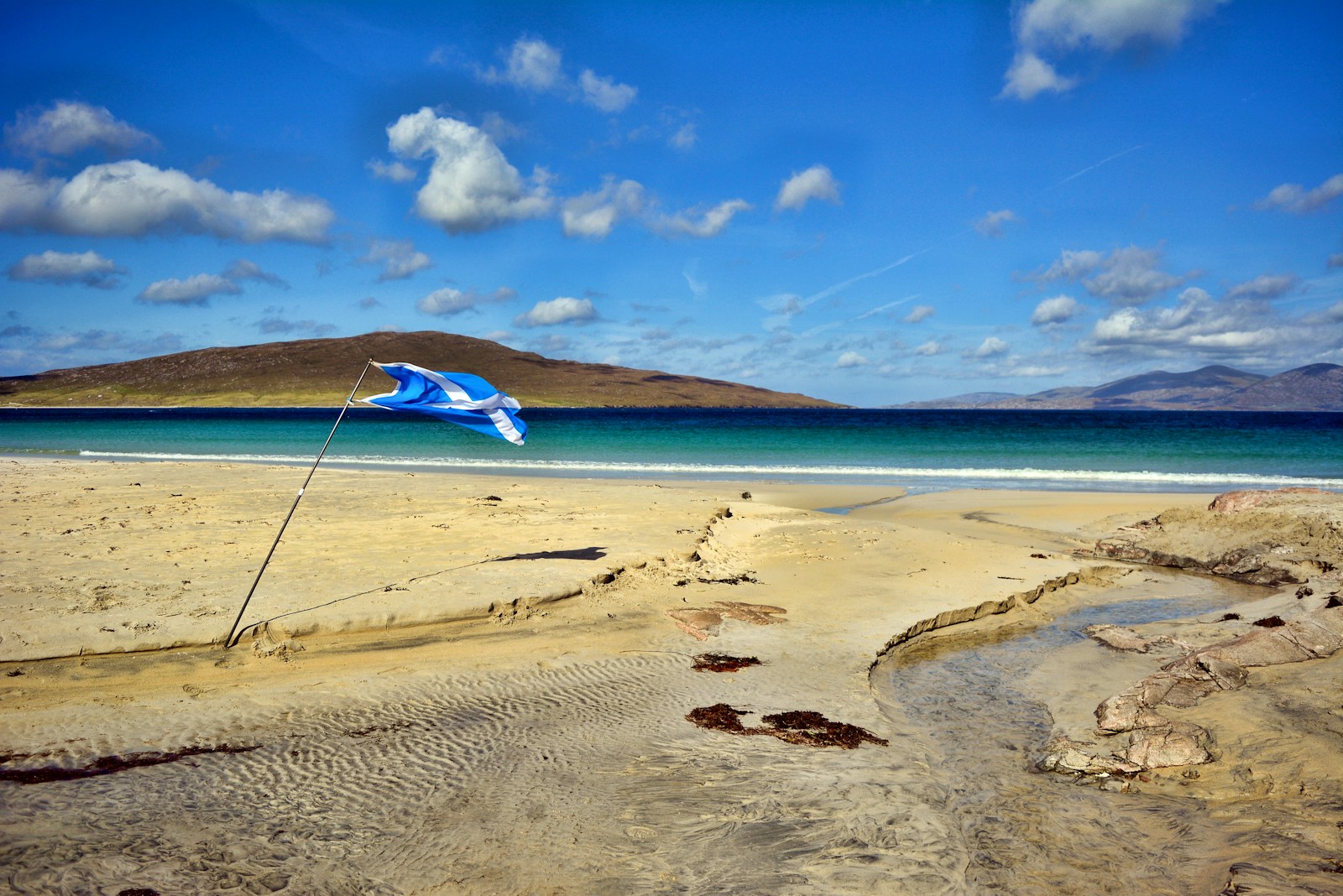
sand near ocean under blue sky

Discovering Scotland’s Hidden Coastal Gems

When you think of pristine beaches, turquoise waters, and sun-soaked shores, the Caribbean may be the first destination that comes to mind. However, Scotland, with its rugged coastline and breathtaking landscapes, boasts a collection of secret beaches that could easily hold their own against the sun-drenched shores of tropical paradises—especially when the sun shines.

The Allure of Scotland’s Coastline

Scotland’s coastline stretches for over 10,000 miles, dotted with islands, cliffs, and hidden coves. The diverse geography means that each beach offers something unique, whether it’s golden sands, dramatic backdrops, or vibrant wildlife. While the weather might not always cooperate, when the sun does grace Scotland with its presence, these beaches transform into spectacular havens that would make anyone forget they are far from the Caribbean.

The Magic of the Hebrides

1. Luskentyre Beach

Located on the Isle of Harris in the Outer Hebrides, Luskentyre Beach is often celebrated for its stunning white sands and vivid blue water. The beach is framed by the majestic Harris mountains, offering a backdrop that rivals any Caribbean landscape. When the sun shines, the water shimmers in shades of turquoise, creating a paradise-like atmosphere. This beach is a haven for photographers, walkers, and nature enthusiasts alike. Don’t forget to take a stroll along the shoreline, where you might spot seals basking on the rocks or seabirds soaring overhead.

2. Traigh Iar Beach

Also on Harris, Traigh Iar Beach is another breathtaking spot that promises to leave you in awe. With its stretch of golden sand and crystal-clear waters, it’s an ideal location for a picnic or a leisurely day of sunbathing. The beach is relatively secluded, making it perfect for those who want to escape the hustle and bustle. If you’re feeling adventurous, grab a kayak and explore the coastline from the water, where you can discover hidden coves and sea caves.

The Charm of the Western Isles

3. Calanais Beach

Just a stone’s throw from the famous Callanish Standing Stones, Calanais Beach is a hidden gem that few tourists know about. When the sun shines, the beach becomes a canvas of vibrant colors, with golden sands contrasting against the azure sea. It’s an ideal spot for a refreshing swim or a beachside barbecue. Take a moment to appreciate the ancient stones nearby, which add a mystical quality to this already magical location.

4. Vatersay Beach

On the southern tip of the Outer Hebrides, Vatersay Beach is often described as one of Scotland’s best-kept secrets. The beach boasts powdery white sand that feels incredible underfoot and clear waters that seem almost tropical. As you relax on the beach, you may even glimpse the neighboring islands, creating a breathtaking panorama that rivals any Caribbean vista. This beach is perfect for family outings, and the surrounding area offers plenty of opportunities for hiking and exploring the local flora and fauna.

The Beauty of the Scottish Mainland

5. Sandwood Bay

Situated on the northwestern coast of Scotland, Sandwood Bay is a remote and unspoiled beach that offers a sense of solitude and tranquility. The only way to reach this stunning beach is by a hike through scenic landscapes, making it feel like a true hidden treasure. When the sun shines, the golden sands and vibrant blue waters create a striking contrast with the rugged cliffs that surround the bay. The isolation of Sandwood Bay means you can enjoy its beauty without the crowds, making it a perfect escape for those seeking peace and quiet.

6. Achmelvich Beach

Located in Sutherland, Achmelvich Beach is famous for its white sands and crystal-clear waters that shimmer under the sunlight. The beach is surrounded by dramatic cliffs, and the nearby campsite makes it a popular spot for families and adventurers who want to experience the great outdoors. Whether you want to swim, sunbathe, or embark on a coastal walk, Achmelvich Beach has something for everyone.

The Enchantment of the Orkney Islands

7. Rackwick Bay

On the Isle of Hoy, Rackwick Bay offers stunning views of the nearby sea stacks and cliffs. This beach is a favorite among hikers, as it provides access to some of the best walking trails in Orkney. When the sun shines, the colors of the landscape pop, and the beach becomes a beautiful backdrop for a day of exploration. Be sure to bring your camera to capture the breathtaking scenery.

8. Scapa Beach

Scapa Beach in Orkney is perfect for those looking for a mix of history and natural beauty. With its expansive sands and panoramic views of Scapa Flow, this beach is ideal for a day of relaxation or exploration. When the sun shines, the beach takes on a magical glow, and the surrounding area is rich in wildlife, making it a great spot for birdwatching.

The Shetland Islands’ Coastal Wonders

9. St. Ninian’s Isle

Known for its unique tombolo—a sandbar that connects the island to the mainland—St. Ninian’s Isle is a must-visit beach in Shetland. The island features stunning white sands and clear waters, making it a perfect spot for a day trip under the sun. The surrounding cliffs provide a dramatic backdrop, and the area is rich with history, including ancient ruins and Viking artifacts.

10. West Voe of Sumburgh

As the southernmost beach in Shetland, West Voe of Sumburgh is a hidden paradise with soft sands and stunning views of the surrounding cliffs. When the sun shines, this beach becomes a vibrant oasis, attracting locals and visitors alike. Be sure to explore the nearby Sumburgh Head, where you can spot puffins and other seabirds nesting along the cliffs.

Conclusion: A Scottish Coastal Adventure Awaits

With so many hidden beaches to discover, Scotland offers an array of coastal experiences that can rival even the most famous Caribbean destinations—when the sun shines, of course! Each beach possesses its own unique charm and beauty, making them perfect for a variety of activities, from sunbathing and swimming to hiking and wildlife watching.

So the next time you think of a beach getaway, consider venturing to the stunning shores of Scotland. You may just find your new favorite destination, complete with breathtaking views and an undeniable sense of tranquility. Pack your sunscreen, grab your beach towel, and get ready for an adventure that will leave you captivated by the beauty of Scotland’s secret beaches.

Posted on Leave a comment

Scotlands Food Revolution: How Traditional Scottish Cuisine Is Being Reinvented

Scotland’s Culinary Renaissance

Scotland has long held a reputation for its rugged landscapes, historic castles, and, of course, its whisky. However, in recent years, the country has experienced a culinary transformation that is breathing new life into traditional dishes while embracing modern techniques and global influences. From farm-to-table initiatives to innovative chefs who are pushing the boundaries of flavor, Scotland’s food scene is blossoming into a vibrant tapestry of tastes that is garnering attention from food lovers around the world.

A Rich Culinary Heritage

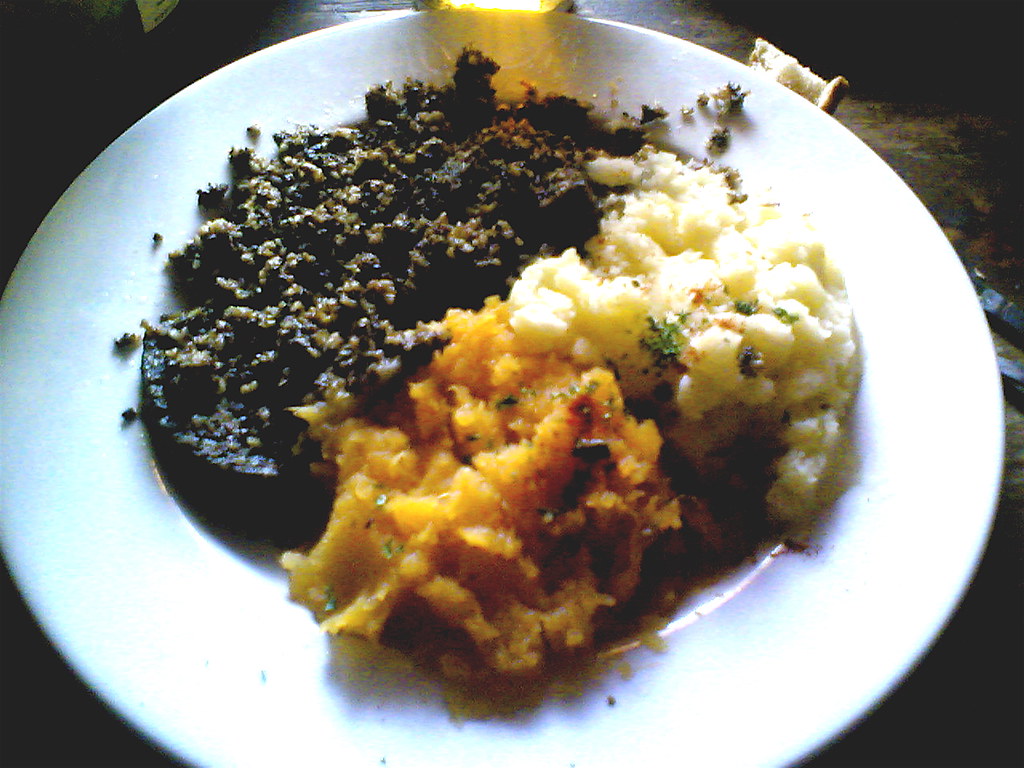
Before diving into the revolution, it’s essential to appreciate Scotland’s culinary roots. Traditional Scottish cuisine has been shaped by the harsh climate and rugged geography. It’s hearty, comforting, and often centered around staple ingredients like potatoes, oats, and game. Dishes such as haggis, neeps and tatties, Cullen skink, and cranachan tell stories of the land and its people, often featuring locally sourced produce, seafood, and meats.

Historically, Scottish food has sometimes been overshadowed by perceptions of being heavy or unrefined. But the truth is that the cuisine has always been about resourcefulness and sustainability, utilizing what the land offers. This foundation is increasingly being recognized as chefs and home cooks alike discover ways to honor tradition while embracing innovation.

The Rise of Modern Scottish Cuisine

In the last decade, a new wave of chefs has emerged, dedicated to transforming the Scottish food landscape. These culinary artists are not just revamping old recipes; they are reimagining the entire dining experience. Restaurants across Scotland are embracing locally sourced ingredients, working closely with farmers, fishermen, and foragers to highlight the quality and diversity of Scotland’s natural bounty.

Emphasizing Local Ingredients

One of the most significant changes in Scotland’s food scene is the shift toward local sourcing. Chefs are prioritizing seasonal ingredients, striving to create dishes that reflect the flavors of their surroundings. For instance, you might find a dish featuring fresh langoustines caught off the west coast, or a salad made from heirloom vegetables sourced from a nearby farm. This commitment to local sourcing not only supports local economies but also ensures that dishes are fresh and flavorful.

Farmers’ markets have become popular hubs for both chefs and home cooks, fostering a connection between those who grow the food and those who prepare it. The emphasis on local produce is not just about taste; it’s a movement that values sustainability and the environment, with many establishments committing to zero-waste practices and eco-friendly sourcing.

Innovative Techniques and Global Flavors

As chefs draw inspiration from global cuisines, they are incorporating unexpected flavors and techniques into traditional dishes. For example, you may find haggis served in a bao bun, with spicy Asian slaw, or Cullen skink reimagined as a fragrant soup infused with coconut milk and lemongrass. This inventive approach allows Scotland’s culinary heritage to evolve while still paying homage to its roots.

With the rise of diverse culinary influences, Scotland is also becoming a melting pot of flavors. Chefs are experimenting with spices and cooking methods from all over the world, creating dishes that are exciting and unique. Imagine a Scottish venison dish seasoned with North African spices or a dessert that combines traditional Scottish whisky with Japanese matcha. This blending of cultures not only enhances the dining experience but also reflects the global nature of modern society.

The Role of Sustainability

Sustainability has become a cornerstone of Scotland’s food revolution. With growing concerns over climate change and environmental impact, many chefs are advocating for practices that minimize waste and promote ethical sourcing. Numerous restaurants have adopted nose-to-tail and root-to-leaf philosophies, ensuring that every part of the animal and every part of the vegetable is utilized.

Moreover, Scotland is home to a burgeoning community of producers focused on sustainable practices. From organic farms to artisan cheesemakers, these businesses are committed to quality and environmental stewardship. Diners are increasingly interested in knowing where their food comes from and how it was produced, leading to a greater appreciation for the hard work that goes into creating quality ingredients.

The Food Scene Beyond Restaurants

The culinary renaissance in Scotland isn’t confined to high-end restaurants. Street food markets and food festivals are popping up throughout the country, showcasing local talent and diverse cuisines. These events allow chefs to experiment with new ideas and present their dishes in a more casual, accessible way.

For instance, the Edinburgh Food Festival and the Glasgow Night Market have become must-visit events for foodies. Visitors can sample a range of dishes, from gourmet burgers to traditional fare, all while enjoying the vibrant atmosphere. This emphasis on community and celebration of local food culture creates an enjoyable experience that brings people together.

The Role of Education and Collaboration

Another key factor in Scotland’s food evolution is the focus on education and collaboration. Chefs are increasingly sharing their knowledge through workshops, pop-up events, and culinary schools, fostering a culture of learning. Aspiring cooks can learn everything from traditional techniques to modern cooking styles, ensuring that the next generation is equipped to carry on the legacy of innovative Scottish cuisine.

Collaboration is also a vital part of the food scene. Chefs from different restaurants often come together for special events, creating unique menus that reflect their combined culinary philosophies. This spirit of camaraderie not only encourages creativity but also strengthens the sense of community within Scotland’s culinary landscape.

Conclusion: A Bright Future

Scotland’s food revolution is more than just a trend; it’s a celebration of culture, sustainability, and innovation. As chefs continue to reinvent traditional dishes with modern twists, they are not only honoring the past but also paving the way for a brighter culinary future.

The commitment to local ingredients, sustainability, and global influences has transformed Scotland’s food scene into a dynamic landscape where flavors collide and creativity knows no bounds. For those lucky enough to experience it, the culinary journey through Scotland offers a delightful exploration of tastes, stories, and traditions that are forever evolving.

So whether you’re dining at a Michelin-starred restaurant in Edinburgh or grabbing a bite from a food truck in Glasgow, you’re partaking in a remarkable culinary moment that showcases the best of what Scotland has to offer. The future of Scottish cuisine is undeniably exciting, and it’s a journey worth savoring.

Posted on Leave a comment

The Dark Side of Edinburgh: Exploring the Citys Underground Vaults and Ghost Stories

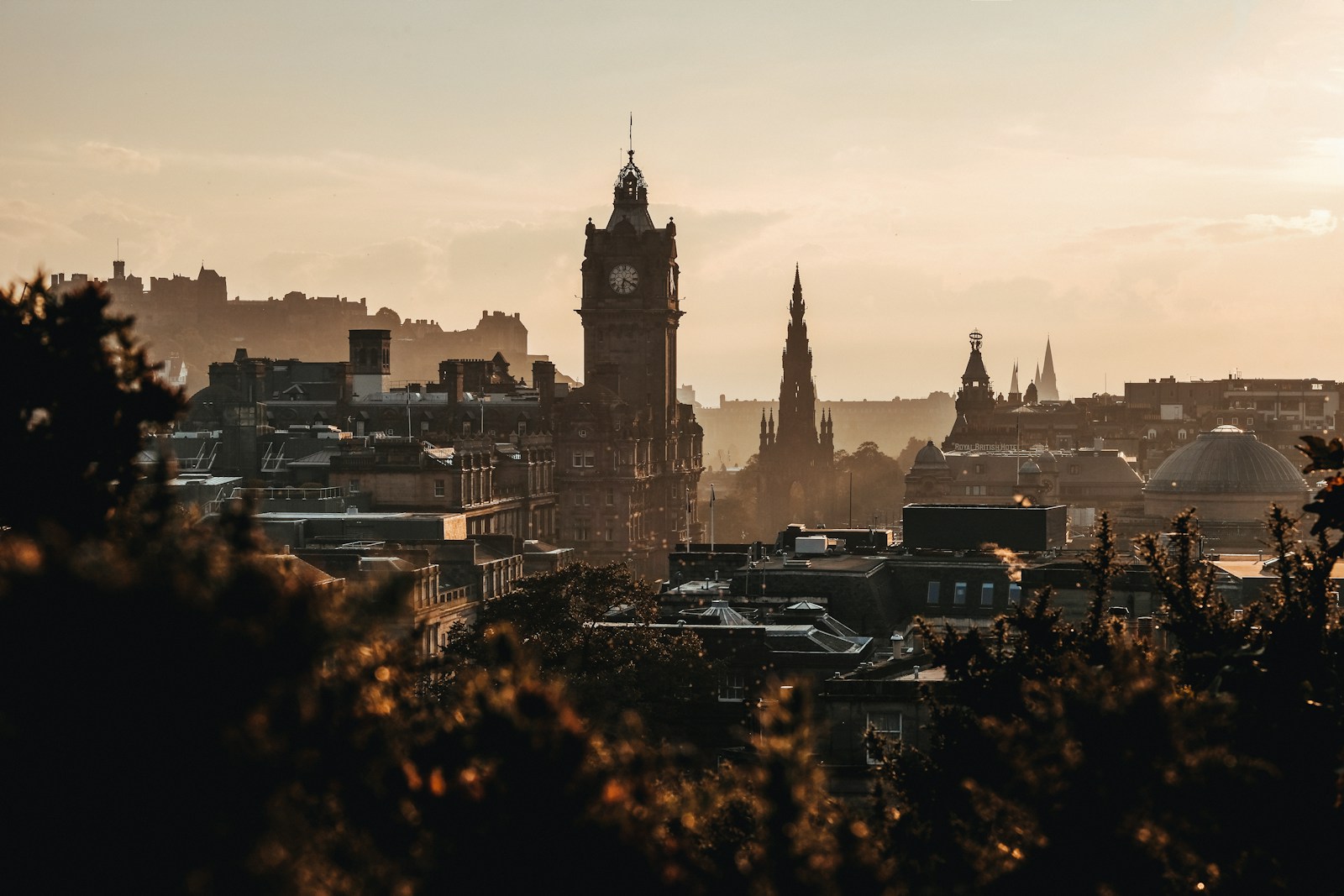
Calton Hill, Edinburgh, United Kingdom

Unveiling the Shadows: A Journey Through Edinburgh’s Underground Vaults

Edinburgh, the historic and vibrant capital of Scotland, is a city that enchants visitors with its stunning architecture, rich history, and lively atmosphere. However, beneath the cobbled streets and majestic facades lies a world shrouded in mystery and darkness. The capital is home to a network of underground vaults and an array of ghost stories that reveal the city’s haunting past. Join me as we delve into the eerie labyrinth beneath Edinburgh, exploring its hidden corners and the chilling tales that surround them.

A Brief History of the Underground Vaults

To appreciate the ghostly encounters and eerie legends, we first need to travel back in time. The underground vaults were originally constructed in the late 18th century, at a time when Edinburgh was experiencing rapid growth. Builders created these vaults to provide space for businesses, storage, and workshops. However, as time passed and the economic landscape shifted, these vaults fell into disuse and became increasingly associated with crime and poverty.

By the early 19th century, the vaults became a forgotten relic, housing the destitute, criminals, and, as local lore tells us, something far more sinister. With their damp, dark, and claustrophobic nature, these vaults quickly gained a reputation as a hotspot for the macabre, leaving echoes of the past that would linger in the shadows.

The Vaults: A Ghost Hunter’s Paradise

Today, the underground vaults have become a popular tourist attraction, drawing in thrill-seekers and paranormal enthusiasts alike. Guided tours take you deep into the bowels of the city, where flickering candlelight dances on the damp stone walls, and eerie whispers seem to echo through the tunnels. Many visitors report feeling an otherworldly presence, making it nearly impossible to ignore the palpable energy in the air.

One of the most famous locations is the South Bridge Vaults, which are said to be haunted by the spirits of those who once called the vaults home. As you wander through dimly lit passages, you may encounter tales of shadowy figures, cold spots, and mysterious noises that send shivers down your spine. The atmosphere is thick with tension, as if the vaults themselves are holding onto centuries of secrets.

Ghostly Encounters: Spooky Stories from the Vaults

Each corner of the vaults has its own ghost story, and locals have been recounting these spine-tingling tales for generations. Let’s explore a few of the most notable ghostly encounters that visitors have reported:

The Weeping Woman

One of the most frequently mentioned spirits is that of a woman who is said to roam the vaults, weeping for her lost child. Legend has it that she was a poor mother who succumbed to the harsh conditions of the city and perished in the depths of the vaults, leaving her child behind. Many visitors have reported hearing the sound of sobbing echoing through the tunnels, and some claim to have seen a shadowy figure lurking in the darkness, seeking solace for her tragic fate.

The Entity Known as “Mr. Boots”

Perhaps one of the more infamous spirits of the vaults is an entity dubbed “Mr. Boots.” This mischievous ghost is said to wear distinctive boots and is known for making his presence known to visitors. Many who have encountered him describe feeling a sudden chill, and some have even reported being physically touched by an unseen force. His antics range from playful to downright creepy, making him a favorite topic of conversation among ghost hunters.

The Shadowy Figures

As you meander through the vaults, it’s not uncommon to catch fleeting glimpses of shadowy figures darting just out of sight. These apparitions have been described as dark silhouettes that vanish as quickly as they appear. Visitors often find themselves questioning their sanity, wondering if their eyes are playing tricks on them or if they’ve truly encountered the spirits that linger in this underground world.

The Role of Folklore and Superstition

The ghost stories that surround Edinburgh’s underground vaults are deeply intertwined with the city’s folklore and superstitions. Locals often share tales of witchcraft, hauntings, and other supernatural occurrences that have shaped the culture of the city. This connection to the supernatural has added a layer of intrigue that continues to draw in visitors.

One fascinating aspect of these stories is how they reflect the fears and beliefs of the past. In a city with such a tumultuous history, the specter of death and misfortune loomed large, and it’s no surprise that tales of ghostly apparitions emerged as a means of coping with the anxieties of everyday life.

Tips for Your Haunted Adventure

If you’re planning to explore Edinburgh’s underground vaults and immerse yourself in its ghostly tales, here are a few tips to enhance your experience:

1. Choose a Guided Tour

To truly appreciate the history and legends, consider joining a guided tour. Knowledgeable guides will lead you through the vaults, sharing spine-chilling stories and insights that will deepen your understanding of the eerie world beneath your feet.

2. Embrace the Atmosphere

Dress appropriately for the cool and damp environment, and be prepared for an experience that may challenge your comfort levels. The darker the setting, the higher the tension—so embrace it!

3. Keep an Open Mind

Whether you believe in the supernatural or not, keeping an open mind will allow you to fully engage with the stories and experiences shared by fellow adventurers. You might just encounter something that challenges your skepticism.

4. Capture the Memories

Bring along a camera to document your venture into the unknown. Some visitors have reported capturing strange orbs and unexplained anomalies in their photos, adding to the allure of the experience.

The Legacy of Edinburgh’s Haunting Tales

As you emerge from the depths of the underground vaults, you’ll likely carry with you a sense of wonder and intrigue. The stories of those who suffered, laughed, and haunted the shadows echo through time, reminding us of the fragility of life and the mysteries that lie just beneath the surface.

Whether it’s the chilling tales of the weeping woman or the playful antics of Mr. Boots, Edinburgh’s underground vaults offer a fascinating glimpse into a world that has long been forgotten—a captivating reminder of the city’s rich history, steeped in both light and darkness.

So, the next time you find yourself in Edinburgh, don’t just stick to the well-trodden paths; dare to venture into the shadows. Who knows? You might just find yourself captivated by the spectral stories that lurk in the depths, waiting to be discovered.

Posted on Leave a comment

Scottish Phrases That Leave Even English Speakers Confused: A Translation Guide

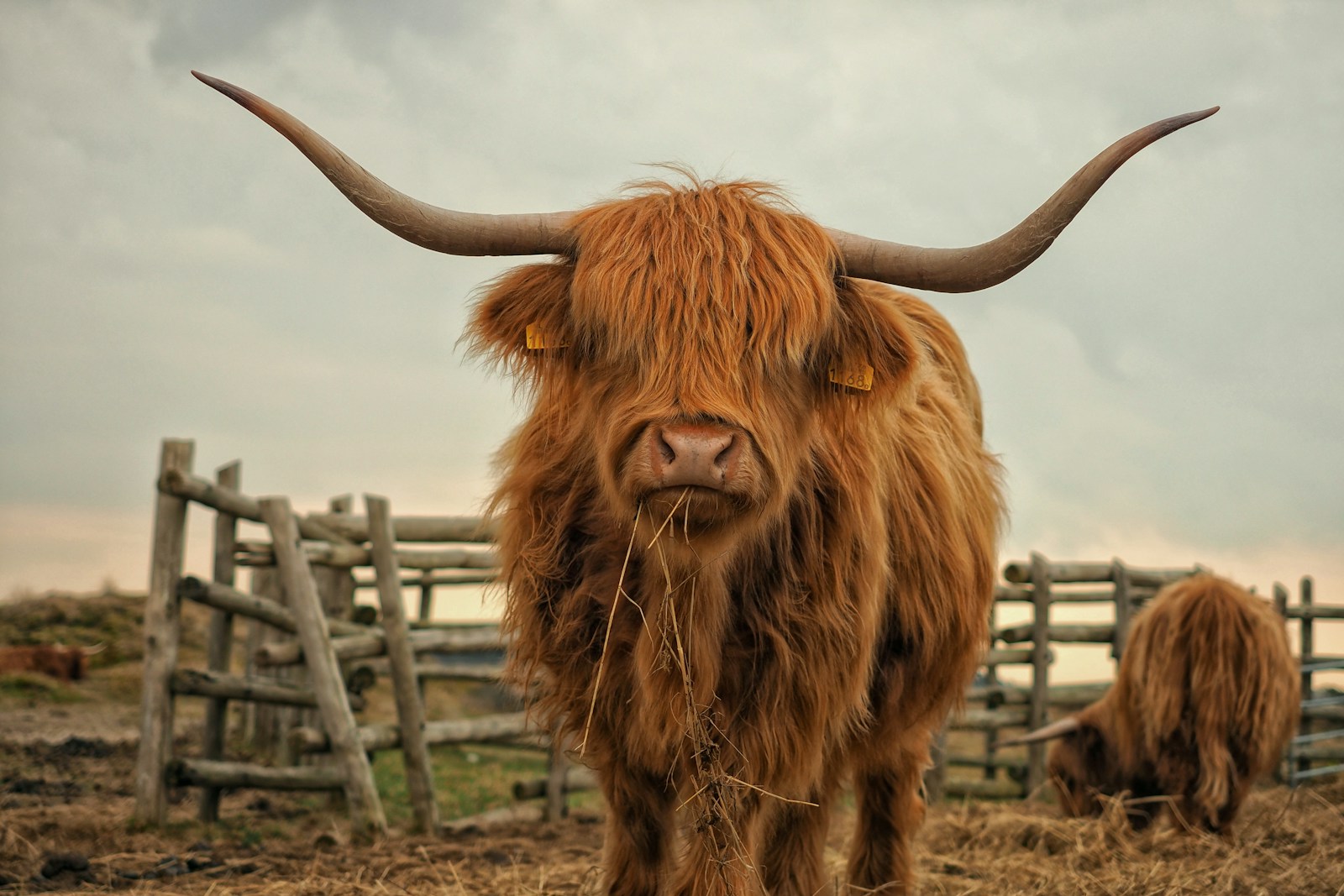
two brown yaks standing on ground

Introduction to the Scots Language

Scotland is a land steeped in rich history, breathtaking landscapes, and a culture that celebrates its unique identity. One of the most delightful aspects of Scottish culture is its language. While many people can understand and speak English, the Scots dialect can leave even the most seasoned English speakers scratching their heads. The charm of Scottish phrases lies in their vivid imagery, humor, and sometimes utter confusion. So grab your haggis, put on your kilt, and let’s delve into some of the most perplexing Scottish phrases along with their translations!

Aye, There’s No Need to Be Confused

Before we get into the phrases themselves, let’s clear up one thing: Scots is a rich tapestry of vocabulary, influenced by Gaelic, Norse, French, and even modern English. The Scots language has various dialects that differ from region to region, so what might be common in one area could be completely alien just a few miles away.

For those who are planning to visit Scotland or engage with its people, understanding these phrases can not only help in communication but also endear you to locals. After all, there’s nothing quite like sharing a laugh over a misunderstanding!

Classic Scottish Phrases and Their Translations

1. “Wee”

Let’s kick things off with one of the most iconic Scottish words: “wee.” In Scotland, “wee” means small or little. However, it’s more than just a descriptor; it’s a term of endearment and warmth.

Example:
Scottish: “I have a wee dog.”
Translation: “I have a small dog.”

2. “Braw”

If someone calls you “braw,” take it as a compliment! This word means excellent or fine. It’s often used to express approval or admiration for something.

Example:
Scottish: “That’s a braw outfit!”
Translation: “That’s an excellent outfit!”

3. “Dreich”

Ah, the weather in Scotland! “Dreich” perfectly encapsulates those dreary, damp, and drizzly days that are all too common. It describes a day that’s gloomy and miserable, typically with rain.

Example:
Scottish: “It’s a dreich day outside.”
Translation: “It’s a miserable day outside.”

4. “Glaikit”

Feeling a bit daft? The Scots have a word for that! “Glaikit” describes someone who is foolish, silly, or vacuous. It’s often used affectionately among friends.

Example:
Scottish: “Don’t be glaikit, just ask her out!”
Translation: “Don’t be foolish, just ask her out!”

5. “Skelp”

To “skelp” is to slap or hit someone. While it might sound harsh, it can also be used in a playful context among friends or family.

Example:
Scottish: “I’ll give you a skelp if you keep that up!”
Translation: “I’ll give you a slap if you keep that up!”

6. “Aye, lass/lad”

In Scotland, “aye” means yes, and it’s often paired with “lass” (girl) or “lad” (boy). It’s a term of endearment that shows familiarity and affection.

Example:
Scottish: “Are you coming to the party, aye lass?”
Translation: “Are you coming to the party, yes girl?”

7. “Nippy”

If someone refers to the weather as “nippy,” they’re saying it’s chilly or cold. Perfect for those brisk Scottish winters!

Example:
Scottish: “It’s a bit nippy outside today.”
Translation: “It’s a bit cold outside today.”

Embracing the Humor in Scottish Phrases

8. “I’m away tae…”

If you hear someone say, “I’m away tae…” it’s their way of saying they’re going to do something or going somewhere. It’s a phrase that carries a casual tone, making it perfect for everyday conversation.

Example:
Scottish: “I’m away tae the shops.”
Translation: “I’m going to the shops.”

9. “Haste Ye Back”

This phrase is often seen on signs in Scottish inns and hotels. It’s a warm farewell, encouraging visitors to return soon.

Example:
Scottish: “Thank you for your hospitality! Haste ye back!”
Translation: “Thank you for your hospitality! Come back soon!”

10. “Clype”

To “clype” is to tell tales or snitch. If you’re in a group of friends and someone is being a bit too chatty, you might hear, “Stop clyping!”

Example:
Scottish: “Don’t be a clype!”
Translation: “Don’t be a tattletale!”

Celebrating the Scottish Spirit

11. “Auld”

“Auld” means old, but it’s often used in a charming way to refer to something that’s time-honored or cherished.

Example:
Scottish: “That’s an auld tradition.”
Translation: “That’s an old tradition.”

12. “Bairn”

When Scots refer to a “bairn,” they mean a child. It’s a term that reflects affection and care for the younger generation.

Example:
Scottish: “Look at that wee bairn playing!”
Translation: “Look at that small child playing!”

13. “Bonnie”

“Bonnie” is a term to describe something or someone beautiful or attractive. You’ll hear this frequently in songs and poetry too!

Example:
Scottish: “What a bonnie day it is!”
Translation: “What a beautiful day it is!”

14. “Peely-wally”

This delightful phrase describes someone who is pale or sickly, often used humorously.

Example:
Scottish: “You’re looking a bit peely-wally today!”
Translation: “You’re looking a bit pale today!”

15. “Gie it laldy”

This colorful phrase means to give something your all or to put maximum effort into something. It’s often used in sports or performances.

Example:
Scottish: “Go on, gie it laldy!”
Translation: “Go on, give it your all!”

Conclusion: Navigating the Scots Language

Understanding Scottish phrases is like embarking on a fun adventure. The language is full of quirks and humor, reflecting the spirited nature of its people. Whether you find yourself in a cozy pub in Edinburgh or wandering the Highlands, knowing a few local phrases can help bridge the gap and create connections.

So the next time you’re in Scotland, don’t hesitate to use these phrases. You might just find yourself laughing along with the locals, proving that language is not just about words, but about shared experiences and camaraderie. And remember, a little effort in understanding and using the Scots language can lead to a lot of smiles and good memories—no matter what part of Scotland you find yourself in!

Posted on Leave a comment

Scotlands New Hiking Trail That Connects 200 Distilleries (The Ultimate Walking Tour)

brown wooden barrels on rack

Discovering Scotland’s Ultimate Walking Tour

Scotland is a land of stunning landscapes, rich history, and of course, world-famous whisky. If you’re a fan of nature and enjoy a good dram, you’re in for a treat! Recently, a brand new hiking trail has been unveiled that connects a whopping 200 distilleries. This exciting development allows adventurers to lace up their hiking boots and explore the breathtaking Scottish countryside while indulging in the finest spirits the country has to offer. So, grab your walking stick and let’s dive into what makes this trail the ultimate walking tour!

The Perfect Blend of Nature and Whisky

Imagine strolling through lush green valleys, rolling hills, and rugged mountains, all while being surrounded by the intoxicating aroma of malted barley and aged oak casks. This new hiking trail perfectly marries the beauty of Scotland’s natural scenery with the cultural heritage of its whisky production. Not only does it offer views that will make your heart skip a beat, but it also provides the chance to visit some of the most renowned distilleries in the world.

Whisky lovers will find this trail a paradise, as it takes you through regions famous for their distinctive whisky styles. Each distillery along the route has its own unique story and character, making the journey not just a hike, but a deep dive into the art of distillation itself.

Planning Your Hike

Before you set off on this exhilarating adventure, it’s crucial to plan your hike. The trail is designed to accommodate various skill levels, so whether you’re a seasoned hiker or a casual walker, there’s something for everyone. Here are a few tips to ensure you make the most of your experience:

Choose Your Route

The trail is extensive, and you can pick sections that interest you. Some stretches are perfect for day hikes, while others can be tackled over several days, allowing you to fully immerse yourself in the local culture. If you’re keen on visiting specific distilleries, plan your route around them. Some distilleries offer guided tours and tastings, so be sure to check their schedules in advance.

Prepare for the Elements

Scotland’s weather can be unpredictable, so it’s essential to pack accordingly. Layering is key; bring waterproof gear, sturdy hiking boots, and a good hat to shield against the rain or sun. Don’t forget your camera to capture the stunning vistas!

Stay Hydrated and Energized

While you’ll have the opportunity to enjoy a dram or two at the distilleries, it’s vital to stay hydrated with water during your hike. Pack snacks that are easy to carry, like trail mix or energy bars, to keep your energy levels up as you trek from one distillery to the next.

A Journey Through the Distilleries

What makes this trail truly special is the incredible range of distilleries you can visit. From the iconic Speyside region, renowned for its sweet and fruity whiskies, to the rugged Islay, famous for its smoky and peaty flavors, each stop offers a different experience. Here are a few highlights along the trail:

Speyside Region

Speyside is a whisky lover’s dream. With over 50 distilleries, it’s home to some of the most famous names in the industry, including Glenfiddich and Macallan. As you hike through the charming countryside, you can enjoy scenic views of the River Spey, which plays a pivotal role in the distillation process. Many distilleries offer tours where you can learn about traditional methods, see the equipment, and, of course, sample their finest products.

Islay Island

For those who are ready to venture further, Islay is a must-visit. The island’s unique climate and geography contribute to its distinct whisky flavors. Distilleries like Laphroaig and Ardbeg are famous for their bold, peaty expressions. While hiking on Islay, take a moment to enjoy the dramatic coastal views and perhaps spot some local wildlife!

The Highlands

As you make your way into the Highlands, you’ll be captivated by the rugged beauty of the landscape. This area is known for its full-bodied whiskies, often with hints of heather and spice. Distilleries like Dalmore and Oban are worth stopping by. Besides the whisky, the Highlands offer breathtaking views of lochs and mountains, perfect for photo opportunities.

Engaging with Local Culture

As you traverse the trail, take the time to engage with the local culture. Scottish hospitality is legendary, and you’ll find that many distilleries have tasting rooms where you can chat with the staff about their craft. They’ll often share stories about the distillation process and the history of their distillery, making your visit all the more enriching.

The Social Aspect of Hiking

One of the best parts of embarking on this hiking adventure is the chance to meet fellow walkers and whisky enthusiasts. Along the trail, you’ll likely encounter like-minded individuals who share your passion for hiking and whisky. This creates a welcoming atmosphere where you can exchange stories, tips, and even a few tasting notes! Consider joining guided tours or group hikes for a more social experience.

Responsible Drinking and Safety

While the lure of whisky tastings is strong, it’s important to drink responsibly. Many distilleries offer educational experiences without the need to indulge in tastings. If you plan to sample, remember to pace yourself and stay hydrated throughout your hike. It’s also wise to arrange transportation back to your accommodation if you’re planning to visit multiple distilleries in one day.

Capturing Memories

Don’t forget to document your journey! Whether you’re an avid photographer or just want to capture some memories on your smartphone, the landscapes and distilleries provide endless opportunities for stunning photographs. Consider writing a travel journal to jot down your thoughts and experiences as you make your way along the trail. This will not only serve as a keepsake but also help you reflect on the incredible journey you’ve undertaken.

Conclusion: The Adventure Awaits

Scotland’s new hiking trail is more than just a path through the countryside; it’s a celebration of whisky culture, natural beauty, and the joyous spirit of adventure. By combining the thrill of hiking with visits to renowned distilleries, this trail offers a unique experience that’s perfect for nature lovers and whisky aficionados alike. So, gather your friends, lace up your hiking boots, and embark on an unforgettable journey through the heart of Scotland’s whisky country!

Posted on Leave a comment

The Ultimate Scottish Island-Hopping Guide: From Mull to Skye in One Epic Journey

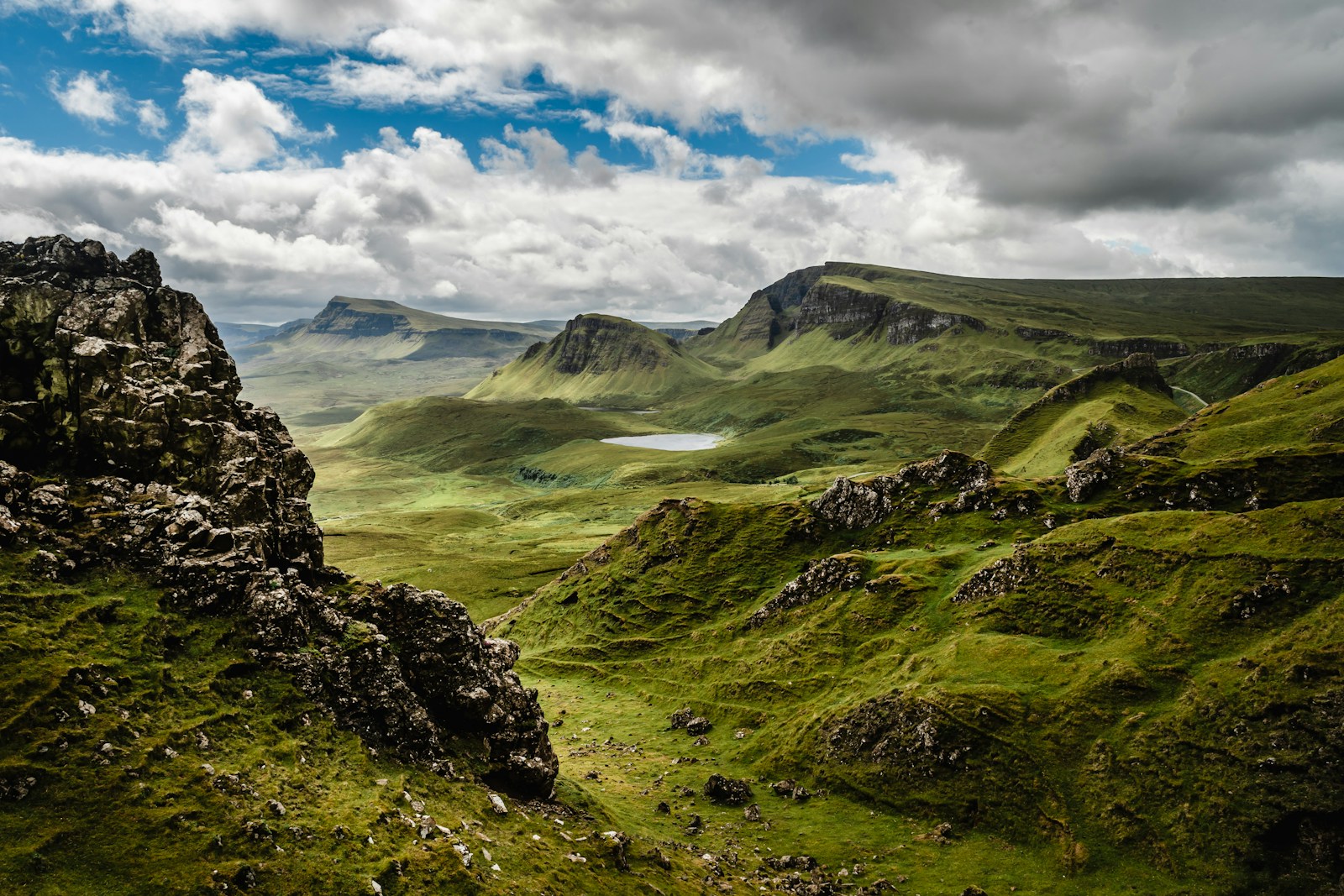
green grass on mountain under white cloudy sky

Discovering Scotland’s Islands: Your Ultimate Island-Hopping Adventure

Scotland, a land of breathtaking landscapes, rich history, and vibrant culture, boasts some of the most stunning islands in the world. From the rugged terrain of the Hebrides to the enchanting charm of Skye, there’s no shortage of experiences waiting for you. If you’ve ever dreamed of wandering through picturesque villages, feasting on fresh seafood, and soaking in the unparalleled beauty of nature, then get ready to embark on an unforgettable island-hopping journey.

Why Island-Hopping is the Ultimate Adventure

Island-hopping in Scotland is not just about visiting a collection of islands; it’s about immersing yourself in diverse cultures, each with its own unique flavors and traditions. Every island tells a story, and each destination offers something different, from mystical landscapes to heartwarming local encounters. You can indulge in activities like hiking, biking, kayaking, or simply taking a leisurely stroll along the coastline.

Exploring the islands allows travelers to appreciate the slow pace of life, away from the hustle and bustle of the mainland. It’s perfect for those who want to reconnect with nature and discover hidden gems off the beaten path. With this guide, you’ll become adept at planning your own epic journey from Mull to Skye, experiencing the best that Scotland has to offer.

Getting Started: Planning Your Trip

Before you set out on your island-hopping adventure, consider the best time to visit. Late spring to early autumn (May to September) is ideal for good weather, longer daylight hours, and a vibrant atmosphere, as many festivals and events take place during this time.

Transportation Options

The primary method of travel between the islands is via ferry, with several operators connecting the mainland to various islands. Key ferry routes to consider include:

  • Oban to Mull: This is the most popular route, taking about 45 minutes.
  • Mull to Iona: A short 15-minute ferry ride will take you to the sacred isle of Iona.
  • Mull to Coll and Tiree: If you’re feeling adventurous, hop on a ferry to these beautiful, less touristy islands.
  • Mallaig to Skye: This ferry provides access to the stunning Isle of Skye and is essential for completing your island-hopping journey.

Make sure to book your ferries in advance, especially during peak season, to secure your spot. Renting a car is also recommended, as it allows you the flexibility to explore at your own pace.

The Isle of Mull: Your First Stop

Your adventure begins with the Isle of Mull, a treasure trove of natural wonders and rich wildlife. Mull is renowned for its dramatic landscapes, enchanting castles, and welcoming communities.

Explore the Capital: Tobermory

Start your journey in Tobermory, Mull’s colorful capital. The vibrant harbor lined with pastel-colored buildings is the perfect backdrop for a leisurely stroll. Sip coffee at a local café or indulge in some freshly caught seafood at one of the harbor-front restaurants. Don’t forget to try the local delicacy, Cullen skink— a creamy smoked haddock soup that warms the soul.

Visit Duart Castle

Just a short drive from Tobermory, Duart Castle stands majestically on a rocky outcrop overlooking the Sound of Mull. The castle, dating back to the 13th century, is the ancestral home of the Macleans. Explore its stunning interiors, learn about its history, and enjoy panoramic views of the surrounding islands and mainland.

Wildlife Watching

Mull is famous for its diverse wildlife. Keep your eyes peeled for otters, seals, and eagles soaring above. Take a wildlife tour or simply venture out to the coastal cliffs, where you might spot dolphins or even basking sharks in the waters below.

Iona: A Spiritual Retreat

A short ferry ride from Mull, Iona is a small island with a big impact. Known as the birthplace of Christianity in Scotland, Iona’s serene atmosphere makes it the perfect spot for reflection and relaxation.

Iona Abbey

One of the main highlights of the island is Iona Abbey, an iconic site that dates back to the 6th century. Explore the beautifully restored buildings, wander through the peaceful gardens, and soak in the spiritual energy that permeates the island.

White Sands and Scenic Walks

The beaches on Iona are simply stunning, with soft white sands and crystal-clear waters. Spend a day sunbathing, swimming, or taking a leisurely walk along the shoreline. Don’t miss the chance to hike to Martyr’s Bay, a secluded spot perfect for picnics and tranquility.

The Isle of Staffa: Nature’s Masterpiece

After Iona, you can take a boat trip to Staffa, famous for its dramatic basalt columns and the mesmerizing Fingal’s Cave. This natural wonder inspired many artists and musicians, including Mendelssohn, who composed “The Hebrides Overture” after visiting the cave.

Exploring Fingal’s Cave

As you approach Fingal’s Cave, you’ll be awestruck by the towering cliffs and the unique hexagonal rock formations. Take a guided tour to get up close and personal with this geological marvel, and listen to the sound of waves crashing against the cliffs.

Puffins Galore

Staffa is also a haven for puffins, especially during the breeding season. Keep your camera ready as you might catch these adorable birds waddling around or flying in and out of their burrows.

Journeying to the Isle of Skye

After your adventure on Mull and Iona, it’s time to set your sights on the Isle of Skye. Known as the ‘Misty Isle,’ Skye is famous for its rugged landscapes, charming villages, and rich folklore.

The Fairy Pools

Start your Skye experience with a visit to the Fairy Pools, a series of crystal-clear blue pools at the foot of the Black Cuillin mountains. Hike along the scenic trails and take a dip in the invigorating waters if you dare! This magical spot is ideal for photography, so be sure to capture the ethereal beauty of the surroundings.

Portree: The Island’s Capital

Portree is Skye’s largest town and a delightful place to unwind. The harbor is lined with colorful buildings, and there’s no shortage of shops, cafes, and pubs to explore. Be sure to enjoy a meal at a local seafood restaurant and soak in the atmosphere while watching the boats bobbing in the harbor.

The Old Man of Storr

An iconic landmark of Skye, the Old Man of Storr is a 50-meter tall rock formation that offers breathtaking views of the surrounding landscape. The hike to the top is challenging but well worth the effort. Once you reach the viewpoint, you’ll be rewarded with sweeping vistas of the Sound of Raasay.

Hidden Gems: Explore Dunvegan Castle and the Fairy Glen

For a taste of Skye’s history, make your way to Dunvegan Castle, the oldest continuously inhabited castle in Scotland. Home to the MacLeod clan, the castle boasts beautiful gardens, fascinating history, and stunning views of the sea.

Afterward, head to the Fairy Glen, a whimsical landscape filled with miniature hills, winding paths, and fairy-like rock formations. It’s a photographer’s paradise and an enchanting spot to wander.

Tips for a Memorable Adventure

  1. Pack Accordingly: Weather in Scotland can change rapidly. Be sure to pack layers, waterproof clothing, and sturdy footwear for outdoor adventures.

  2. Stay Connected: While exploring remote areas, have a backup plan for navigation. Download offline maps and familiarize yourself with the ferry schedules.

  3. Embrace Local Culture: Engage with locals, learn about their traditions, and try to attend any local events or festivals happening during your visit.

  4. Take Your Time: Don’t rush your journey. Allow for spontaneous detours and make time to relax and soak in the beauty around you.

  5. Capture the Memories: Bring a camera or keep your phone handy to document the stunning landscapes, delicious meals, and memorable encounters along the way.

Conclusion: An Adventure of a Lifetime Awaits

Island-hopping in Scotland offers an exciting blend of adventure, relaxation, and cultural immersion. From the vibrant Isle of Mull to the mystical Isle of Skye, each destination will leave you with lasting memories and a deep appreciation for Scotland’s natural beauty. So pack your bags, grab your camera, and get ready for the ultimate Scottish adventure! Your journey awaits, and it’s bound to be epic!

Posted on Leave a comment

How Scotlands Wild Swimming Movement Is Changing British Wellness Culture

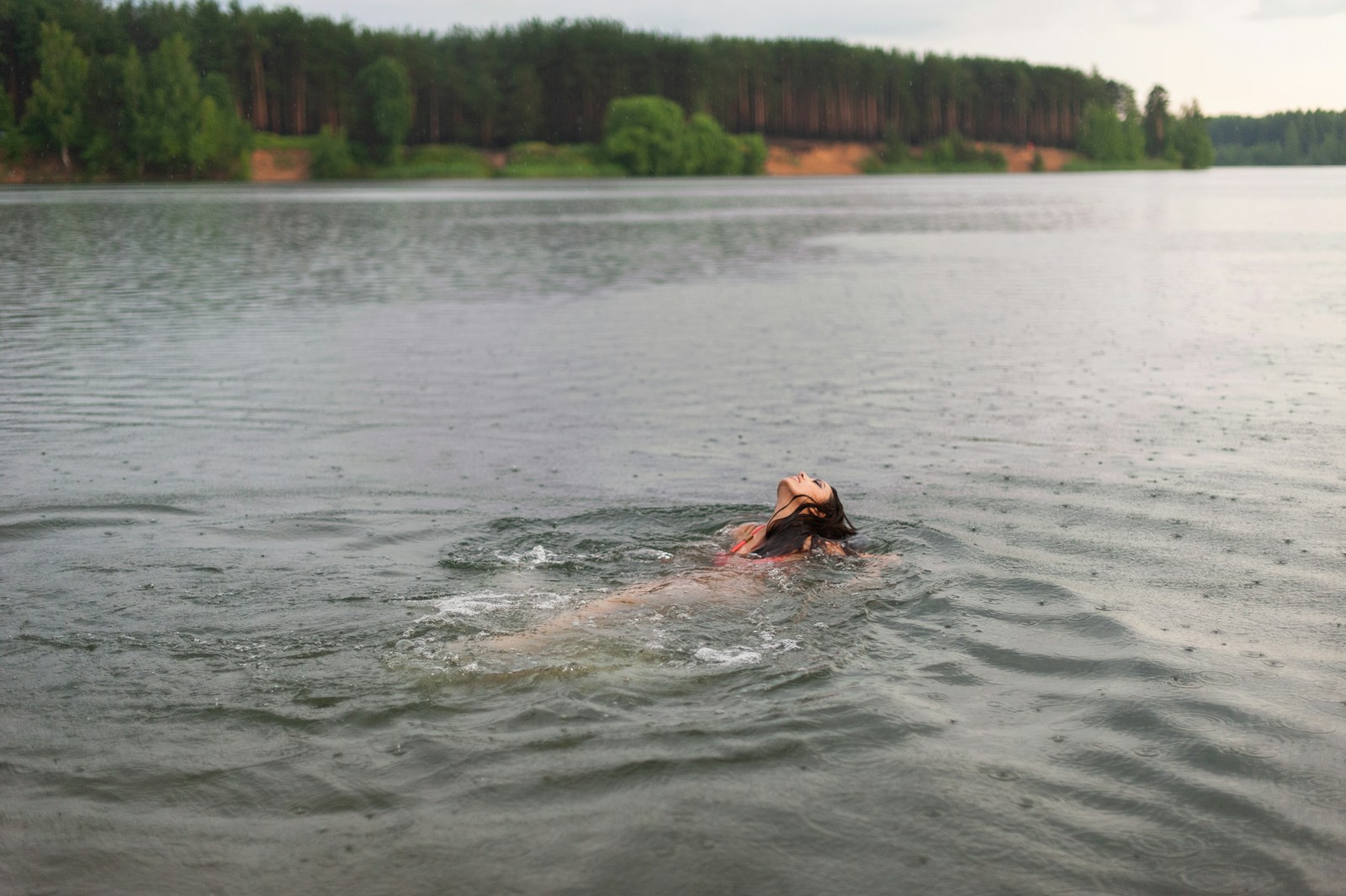
person in water during daytime

Embracing the Elements: The Rise of Wild Swimming

Picture this: you’re standing on the edge of a shimmering loch, the sun dappling the surface in a way that makes it look like a million tiny diamonds are dancing just for you. The air is crisp, filled with the tangy scent of pine and earth, and in the distance, rugged hills stand sentinel over the landscape. You take a deep breath, feeling the cool Scottish breeze on your skin, and then you take the plunge. Yes, you’ve just joined the ranks of wild swimmers, and believe it or not, it’s a movement that’s transforming not only how people experience the outdoors but also how they perceive wellness.

The Allure of Wild Swimming

Wild swimming is not a new concept; humans have been swimming in natural bodies of water since time immemorial. But in recent years, especially in Scotland, this age-old practice has gained newfound traction. The movement has evolved into something more than just a refreshing dip; it’s become a lifestyle choice and a community—a way to reconnect with nature, find mental clarity, and enhance overall wellbeing.

But why Scotland? With its breathtaking landscapes, untouched lochs, and rugged coastline, the country offers a stunning backdrop for this movement. The sheer beauty of the environment serves as an irresistible invitation to step away from the mundane and dive into something truly exhilarating. From the shimmering waters of Loch Ness to the wild beaches of the Hebrides, Scotland presents opportunities for exploration like no other.

A Therapeutic Escape from Urban Life

In today’s fast-paced world, stress can seem like a constant companion. People are searching for ways to escape the hustle and bustle, and wild swimming appears to be a remedy for the malaise of modern life. The sensation of plunging into cold water is not just refreshing; it also triggers a surge of endorphins that can lift your mood and enhance your mental clarity. The experience of swimming in nature fosters mindfulness, forcing swimmers to focus on the moment—the coolness of the water, the sound of the waves, and the sights around them.

Moreover, studies indicate that exposure to natural environments can significantly reduce symptoms of anxiety and depression. When you dive into the great outdoors, you’re not just swimming; you’re also engaging in a practice that can lead to improved mental health. It’s an experience that encourages you to disconnect from technology and the pressures of daily life, allowing you to immerse yourself fully in your surroundings.

Building Community: The Social Aspect

Wild swimming isn’t just an individual pursuit; it’s a communal experience that brings people together. Across Scotland, wild swimming groups and clubs have sprung up, attracting enthusiasts from all walks of life. These organizations offer a sense of belonging and support, creating a unique network of individuals who share a passion for swimming in natural waters.

Whether it’s a group of friends planning a weekend adventure to explore hidden pools or a local club hosting regular swims at popular spots, the camaraderie that develops within these groups is invaluable. Participants often share stories, tips, and advice on the best locations, safety measures, and swimming techniques. This social aspect of wild swimming enriches the experience, providing swimmers with a sense of connection that extends beyond the water.

The Role of Local Culture and Tradition

In Scotland, wild swimming is also deeply intertwined with local culture and tradition. The practice often showcases the country’s rich heritage, with many swimmers exploring historical sites and culturally significant locations. For example, swimming in the shadow of ancient castles or alongside burial mounds adds an element of mystery and connection to the past.

Moreover, locals often share their knowledge of the best swimming spots, hidden treasures tucked away in the landscape. Each region has its own unique folklore and stories that can enhance the experience. These narratives contribute to a deeper appreciation of the natural environment, making every swim not just a physical activity but a journey through time and culture.

Safety and Sustainability: A Vital Consideration

As the movement gains popularity, conversations around safety and sustainability have become increasingly important. While wild swimming can be a thrilling adventure, it’s crucial to approach it with caution and knowledge. Swimmers need to be aware of the dangers posed by cold water, strong currents, and changing weather conditions. Practical tips include understanding the temperature of the water, knowing how to warm up after a swim, and being familiar with the area you’re exploring.

Equally, sustainability is a hot topic among the wild swimming community. With more people flocking to natural sites, there is a growing concern about the environmental impact. Many swimmers are passionate about protecting the waters they enjoy, emphasizing the importance of leaving no trace and respecting the natural habitat. Initiatives to promote responsible swimming practices are being introduced, ensuring that these pristine spots remain unspoiled for generations to come.

The Influence on British Wellness Culture

The wild swimming movement in Scotland is part of a broader trend that’s reshaping the wellness culture across the UK. As people become more aware of the mental and physical benefits of spending time in nature, there’s a noticeable shift in how wellness is defined. It’s no longer just about hitting the gym or following a strict diet; it’s about holistic wellbeing that embraces the outdoors, community connection, and mindfulness.

Wellness retreats and workshops focused on nature immersion and outdoor activities are popping up throughout the UK, tapping into this growing interest. The concept of “nature therapy”—the idea that being in nature can positively influence mental health—is gaining traction. Wild swimming fits perfectly into this model, offering a unique blend of physical exertion, relaxation, and mindfulness all rolled into one invigorating experience.

Tips for Getting Started

If you’re intrigued by the idea of wild swimming but are unsure where to begin, fear not! Here are some tips to help you take the plunge:

  1. Start Small: Choose a calm, shallow body of water for your first swim. Local lakes or beaches are often great starting points.

  2. Go With a Friend: Swimming with a buddy not only enhances safety but also makes the experience more enjoyable. Plus, it’s always fun to share your adventures!

  3. Research the Area: Explore local swimming spots and read up on any safety guidelines. Websites and social media groups dedicated to wild swimming can be invaluable resources.

  4. Check the Weather: Always be aware of the weather conditions, as sudden changes can impact safety.

  5. Wear Appropriate Gear: Consider investing in a wetsuit if you’re swimming in colder waters. It provides insulation and makes the experience more comfortable.

  6. Respect Nature: Follow the principles of Leave No Trace to ensure that natural areas remain pristine for future generations.

Conclusion: A Movement Worth Joining

The wild swimming movement is more than just a trend; it’s a celebration of life, nature, and community. Scotland, with its stunning landscapes and rich cultural heritage, has become a beacon for this exhilarating practice. As more individuals join the ranks of wild swimmers, the movement continues to evolve, reshaping perceptions of wellness and offering a refreshing alternative to conventional approaches. So, whether you’re a seasoned swimmer or a curious novice, consider taking the plunge into the wild waters of Scotland—it might just change your life!

Posted on Leave a comment

The Real Outfits Behind Different Scottish Tartans (And Which Ones You Can Actually Wear)

red blue and black striped textile

A Journey Through the Colors of Scotland: Discovering Tartan Patterns and Their Meaning

Tartan—what a delightful word! It rolls off the tongue and conjures up images of rolling hills, bagpipes, and perhaps a wee dram of Scotch. But tartan is more than just plaid fabric; it carries a rich history and significance that traces back centuries. In this article, we’ll delve into the fascinating world of tartans, exploring the real outfits associated with different patterns and which ones you can actually wear. So grab your kilt (or a cozy chair), and let’s embark on a colorful journey through Scottish culture!

The History of Tartan: More Than Just a Fashion Statement

Before we dive into the specific tartans and their outfits, let’s take a quick trip down memory lane. Tartan was originally designed as a way to identify different Scottish clans. Each pattern, with its unique color combinations and designs, served as a badge of honor, allowing clansmen to recognize each other from a distance—kind of like a bespoke family crest made of fabric!

The term “tartan” itself is derived from the French word “tartarin,” which referred to the woven fabric. Historically, these patterns were woven from wool, dyed using natural substances like plants and minerals. The vibrant colors and intricate designs you see today are the result of centuries of tradition.

The Science of Tartans: Understanding Patterns and Colors

Tartans are composed of a series of horizontal and vertical stripes, which intersect to create blocks of color that form a unique pattern. Each color can have specific meanings associated with it. For example, green often symbolizes nature, while blue can represent loyalty. The combinations and arrangements of colors tell a story about the wearer, their clan, or the region they represent.

The Scottish Register of Tartans, established in 2008, is a treasure trove for tartan enthusiasts. It contains thousands of registered tartans, each with its own history and significance. From military tartans to those commemorating historical events, there’s a pattern for every occasion.

The Most Iconic Tartans and Their Outfits

Now that we have some background, let’s explore some of the most iconic tartans and the outfits traditionally associated with them. We’ll also discuss which of these can actually be worn today!

1. Royal Stewart Tartan

One of the most recognizable and widely used tartans is the Royal Stewart. With its rich red background, interspersed with green and yellow stripes, this tartan is linked to the Royal Family of Scotland. It’s often associated with celebrations, making it a popular choice for festive occasions.

Outfit Ideas: The Royal Stewart tartan is frequently seen in kilts, skirts, and even bow ties. For a classic look, consider pairing a Royal Stewart kilt with a white dress shirt, a black jacket, and a sporran. Women can incorporate the tartan into a beautiful wrap dress or a stylish shawl, perfect for a ceilidh or any Scottish-themed event.

2. Black Watch Tartan

The Black Watch tartan, alternatively known as the Government tartan, boasts a more subdued palette of dark green and blue. This pattern has military roots, originally worn by the 42nd Highland Regiment, also known as the Black Watch.

Outfit Ideas: The Black Watch is versatile and suitable for both formal and casual occasions. A classic Black Watch kilt paired with a tailored blazer and a crisp white shirt makes for an elegant outfit. For a more casual look, opt for a Black Watch button-down shirt paired with dark jeans.

3. MacLeod Tartan

The MacLeod tartan is characterized by its bold yellow and black stripes, representing the MacLeod clan. This lively pattern symbolizes resilience and loyalty.

Outfit Ideas: The MacLeod tartan is perfect for those who want to make a statement. A MacLeod kilt, paired with a vibrant yellow shirt, can create a fun and festive outfit for Scottish festivals. Women might choose a MacLeod tartan dress or a playful skirt to add a splash of color to their wardrobe.

4. Campbell Tartan

The Campbell tartan features a combination of green and blue in a distinctive checkered pattern, reflecting the clan’s historical ties to the Scottish Highlands. The Campbells are known for their rich history and contributions to Scotland’s political landscape.

Outfit Ideas: A Campbell tartan kilt is a fantastic choice for formal events. Pair it with a dark blue jacket and a crisp white shirt for a polished appearance. For a more relaxed look, consider a Campbell tartan scarf or tie to add a touch of Scottish flair to your outfit.

Tartan for All: Which Patterns Can You Wear?

You may be wondering if you can wear any tartan or if certain patterns are reserved for specific clans. The good news is that, in modern times, tartan has become more inclusive. While it’s respectful to honor the tradition of clan tartans, many people choose to wear any tartan that resonates with them personally.

Universal Tartans

Several tartans have been designated as “universal” or “public” tartans. These are not tied to any particular clan and can be worn by anyone. Some examples include:

  • Modern Tartans: Many designers have created contemporary tartan patterns that offer a fresh take on traditional styles. These can be worn freely and are perfect for those looking to express their individuality.

  • National and Festival Tartans: Tartan patterns designed to represent Scotland as a whole, or specific festivals like the Highland Games, are also available for public use.

Tartan in Modern Fashion

In contemporary fashion, tartan has made a significant comeback. Designers are incorporating tartan into their collections, using it in everything from suits to dresses, and even accessories. The key is to strike a balance between traditional and modern styles to create a look that feels authentic yet fresh.

Tips for Wearing Tartan Today

  • Mix and Match: Don’t be afraid to mix tartan with other patterns. A plaid scarf can be paired with striped or floral outfits for an eclectic look.

  • Accessorize Wisely: If you’re unsure about donning a full tartan outfit, start small! A tartan tie, scarf, or handbag can add a touch of Scottish heritage without overwhelming your look.

  • Keep it Subtle: For a more sophisticated take on tartan, opt for muted colors or smaller patterns. This allows you to incorporate the fabric into your wardrobe while maintaining a modern aesthetic.

Conclusion: Embrace the Tartan Spirit

Tartan is more than just a fabric; it embodies a sense of heritage, identity, and celebration. Whether you’re proudly wearing the colors of your clan or simply sporting a playful pattern that speaks to you, tartan offers a rich tapestry of history and culture. So, the next time you pull on a kilt or toss on a tartan scarf, remember that you’re not just wearing a piece of clothing—you’re wrapping yourself in a story that spans generations. Embrace the spirit of tartan, and let it inspire your wardrobe and your adventures!

Posted on Leave a comment

Beyond Whisky: Scotlands Craft Gin Revolution Taking Over British Bars

clear glass goblet

Introduction: The Spirit of Scotland

When you think of Scotland, images of rolling hills, bagpipes, and of course, whisky likely spring to mind. While whisky has long been the revered spirit of the Scottish highlands, there’s a new player on the block that’s shaking up the drink scene: craft gin. Over the past few years, Scotland has seen an explosion of small distilleries producing unique, botanically rich gins that are capturing the hearts (and palates) of gin lovers everywhere. With this craft gin revolution taking over British bars, it’s time to explore the vibrant world of Scotland’s gin scene.

The Rise of Craft Gin in Scotland

Historically, gin was often overlooked in favor of whisky in Scotland. However, the craft liquor movement has encouraged distillers to experiment with flavors and techniques, leading to a resurgence of gin production. The rise of craft gin can be attributed to a few key factors:

  1. Consumer Demand: There has been a noticeable shift in consumer preferences, with many people seeking out premium, artisanal products. This new wave of drinkers is eager to explore spirits beyond the traditional offerings and is drawn to the unique flavor profiles that craft gin provides.

  2. Innovation: Scottish distillers are known for their creativity, and this is evident in their gin production. By utilizing local ingredients, experimenting with various botanicals, and employing innovative distillation techniques, they create gins that showcase the distinct flavors of Scotland.

  3. Sustainability: Many craft distilleries are committed to sustainability. From sourcing local botanicals to using eco-friendly practices, these distilleries appeal to environmentally conscious consumers.

The Anatomy of Craft Gin

What makes craft gin so intriguing? At its core, gin is a spirit that is flavored with botanicals, with juniper being the most prominent. However, the diversity of flavors and ingredients used in gin production is what sets craft gins apart. Here are some common botanicals and how they reflect the Scottish landscape:

  • Juniper Berries: These are the backbone of any gin. They provide the characteristic piney flavor and aroma.

  • Botanicals: Distillers in Scotland are increasingly using local botanicals, such as heather, seaweed, and even Scottish berries, to create unique flavor profiles. For instance, gins that incorporate Scottish raspberries or elderflowers offer a taste of the Scottish countryside.

  • Regional Variations: Just like whisky, the region where a gin is produced can influence its flavor. For example, gins from the Highlands might incorporate more earthy botanicals, while those from the Lowlands might lean towards floral notes.

Featured Scottish Craft Distilleries

Several distilleries have emerged as front-runners in this craft gin revolution. Here are a few that are making waves:

The Edinburgh Gin Company

Established in 2010, the Edinburgh Gin Company has quickly gained popularity with its range of gins inspired by the city. Their Classic Gin is infused with a blend of botanicals, including Scottish heather and citrus peels, resulting in a refreshing and balanced flavor. The company’s Rhubarb and Ginger Gin has become a fan favorite, showcasing the versatility of this spirit.

Caorunn Gin

Located near the picturesque village of Ballindalloch, Caorunn Gin is crafted in small batches using traditional methods. The name “Caorunn” is derived from the Gaelic word for rowan berry, which is one of the ten botanicals used in the distillation process. This gin is known for its crisp taste and floral aroma, making it a versatile choice for cocktails.

Isle of Harris Distillers

The Isle of Harris Distillers is dedicated to producing gin that embodies the spirit of Harris. Their signature gin is infused with sugar kelp harvested from the local waters, giving it a distinctive maritime flavor. The distillery also prides itself on its commitment to sustainability, making it a beloved choice among eco-conscious drinkers.

Pickering’s Gin

Originating from Summerhall, the UK’s oldest surviving purpose-built theatre, Pickering’s Gin is crafted using a secret recipe that dates back to the 1940s. With a nod to both traditional and modern gin-making methods, Pickering’s offers a classic yet contemporary gin experience, featuring botanicals like cardamom, cinnamon, and star anise.

How to Enjoy Craft Gin

Now that we’ve got a taste of the exciting distilleries leading the charge, let’s dive into the various ways to enjoy craft gin. Here are some popular serving suggestions:

Classic Gin and Tonic

You can’t go wrong with the classic gin and tonic. Choose a high-quality tonic that complements the flavors of your chosen gin—think Fever-Tree or Fentimans. Garnish with botanicals that echo those found in the gin. For example, if you’re using a gin with floral notes, add a sprig of rosemary or a slice of cucumber.

Craft Gin Cocktails

Craft gins can elevate classic cocktails, making them even more exciting. Try a gin martini with a twist of lemon or a negroni with a Scottish flair by using a local vermouth. The possibilities are endless!

Gin and Food Pairing

Much like wine, gin can be paired with food. Think about the botanicals in your gin and how they might complement different dishes. A herbaceous gin might pair beautifully with grilled fish or salads, while a spicier gin could enhance the flavors of barbecued meats.

The Impact on British Bars

The craft gin revolution has not only transformed the distilleries themselves but also the landscape of British bars. As gin has surged in popularity, many bars have revamped their drink menus to include an impressive selection of craft gins. Here’s how this shift is manifesting:

  1. Dedicated Gin Menus: Bars are now offering extensive gin menus that highlight local craft options alongside international brands. These menus often include tasting notes and suggested pairings, inviting customers to explore the diverse flavors available.

  2. Signature Cocktails: Many bars are creating their own signature cocktails featuring craft gin, encouraging patrons to try something new and exciting.

  3. Gin Events: Some bars host gin tastings or events where gin enthusiasts can learn about the different distilleries, botanicals, and cocktails. This has fostered a sense of community among gin lovers and has allowed for deeper engagement with the craft gin movement.

Conclusion: A Bright Future for Scottish Craft Gin

As the craft gin revolution continues to gain momentum, Scotland is firmly establishing itself as a leader in the world of artisan spirits. With an impressive array of innovative distilleries, unique botanicals, and a burgeoning culture of gin appreciation, the future looks bright for this exciting spirit. Whether you’re a seasoned gin lover or just dipping your toes into the world of craft gin, Scotland’s offerings are sure to delight and inspire. So, next time you’re at a bar, don’t forget to explore the wonders of Scottish craft gin—who knows, you might just find your new favorite spirit!