Posted on Leave a comment

How British Actors Conquered Hollywood: The Training That Sets Them Apart

brown and white hollywood sign

The Rise of British Actors in Hollywood

In recent years, there’s been a noticeable trend in Hollywood: British actors seem to be taking over the silver screen. From Daniel Craig’s suave portrayal of James Bond to the rugged intensity of Tom Hardy, British talent has made a significant mark in blockbuster films. But what is it about these actors that sets them apart? In this article, we’ll explore the extensive training, unique experiences, and distinctive qualities that enable British actors to conquer Hollywood with style.

Theatrical Roots

One of the fundamental aspects that distinguish British actors is their background in theater. The UK has a rich theatrical tradition, with institutions like the Royal Academy of Dramatic Art (RADA), London Academy of Music & Dramatic Art (LAMDA), and the National Youth Theatre producing a steady stream of top-tier talent. Many British actors cut their teeth on stage before making their way to the big screen.

The rigorous training these institutions offer focuses not only on acting techniques but also on voice modulation, physicality, and stage presence. Actors like Benedict Cumberbatch and Emma Thompson honed their craft in various theater productions, allowing them to master the art of storytelling long before they faced a camera. This foundation in theater lends itself to a deeper understanding of character development, emotional depth, and nuanced performances, which translate beautifully to film.

Diverse Training Methods

In addition to traditional theater training, British actors often explore a variety of methodologies that enhance their skill sets. From the Meisner technique to the Stanislavski system, these actors are well-versed in multiple approaches to performance. This adaptability is crucial in Hollywood, where directors may have different styles and expectations.

Moreover, many British actors engage in physical training, including dance, movement, and even combat skills for action roles. For instance, actors like Idris Elba and Henry Cavill have undergone extensive physical training to prepare for their roles in action-packed films. This commitment to being well-rounded performers allows them to tackle a broad spectrum of roles, making them highly sought after in Hollywood.

The Power of Accent

One undeniable advantage that British actors have is their mastery of accents. The UK is a melting pot of diverse dialects and regional accents, and British actors often learn to adapt their speech to fit various characters. This skill not only enhances their versatility but also helps them stand out in auditions, as they can convincingly portray characters from different backgrounds.

Consider the case of Hugh Laurie, who gained fame in the U.S. for his role in the medical drama “House.” Laurie, known for his thick British accent, adeptly adopted an American accent that was so convincing that audiences were shocked to learn he was British. This kind of accent flexibility is a common trait among British actors, allowing them to seamlessly integrate into American productions while bringing their unique flair.

Cultural Nuances

British actors bring a unique cultural perspective to their roles. Growing up in the UK provides them with a different lens through which to view storytelling, often resulting in performances that are rich in subtext and depth. British humor, for instance, is often dry and understated, which can be a refreshing contrast to the more overt comedic styles found in American films.

This cultural difference can enhance the depth of the characters they portray. For example, actors like Olivia Colman and Jodie Comer infuse their roles with a blend of humor and pathos, allowing audiences to connect with their characters on a more emotional level. Their ability to balance drama and comedy is a testament to their training and cultural background, making their performances feel relatable and authentic.

The Influence of British Television

Another factor contributing to the success of British actors in Hollywood is the impact of British television. Shows like “Doctor Who,” “Sherlock,” and “The Crown” have not only captivated audiences but also served as launching pads for many actors’ careers. These series often feature intricate storylines and richly developed characters, providing actors with the opportunity to showcase their range.

For instance, Matt Smith rose to fame as the Eleventh Doctor in “Doctor Who,” gaining a dedicated fan base that followed him to other projects, including his role in the “Crown.” The exposure British television provides is significant, and when actors cross over to Hollywood, they often come with a built-in audience eager to see their next move.

Networking and Collaboration

Networking plays a crucial role in the entertainment industry, and British actors benefit from a close-knit community that often collaborates on various projects. The relationship between actors, directors, and writers in the UK is typically more personal, allowing for natural connections and opportunities.

This collaborative spirit is evident in many successful films and projects that feature a mix of British talent both in front of and behind the camera. Think of films directed by acclaimed British filmmakers like Sir Ridley Scott and Christopher Nolan, who often cast British actors in their productions. This creates a pipeline of opportunity, where actors are more likely to work with familiar faces, fostering a sense of camaraderie that can lead to more groundbreaking and creative projects.

Work Ethic and Professionalism

British actors are known for their strong work ethic and professionalism. The competitive nature of the UK performing arts scene instills a sense of determination and resilience in these actors. They often approach their craft with a seriousness that can be refreshing in an industry that can sometimes seem overwhelmingly flashy.

This dedication is evident in their preparation for roles. Actors like Daniel Day-Lewis are famous for their method acting, immersing themselves in characters to the point of complete transformation. Such commitment not only results in award-winning performances but also earns them respect in Hollywood. This reputation for professionalism can translate into more opportunities, as directors and producers seek out reliable talent they can count on to deliver stellar performances.

Conclusion: A Continued Legacy

The combination of rigorous training, diverse methodologies, cultural nuances, and a strong network has positioned British actors as formidable contenders in the Hollywood landscape. As they continue to captivate audiences with their performances, it’s clear that British talent is not just a passing trend, but a powerful force in the film industry.

As we look to the future, we can expect British actors to keep pushing boundaries, exploring new roles, and bringing fresh perspectives to beloved characters. From stage to screen, their journey is a testament to the power of dedication, skill, and the relentless pursuit of excellence in the art of performance. With each new generation of actors stepping into the limelight, the legacy of British talent in Hollywood is only set to grow stronger.

Posted on Leave a comment

Kitchen Sink to Kings Speech: British Social Class on Film

The Grand Tapestry of British Social Class through Film

When we think of British cinema, the first images that might come to mind are rolling green hills, bustling city streets, or perhaps a cozy pub scene. But behind the beautiful visuals and compelling narratives lies a deeper exploration of the social classes that shape the characters, plots, and settings. The portrayal of social class in British film is not just a backdrop but often a central theme that drives the story forward. From the gritty realism of working-class life to the polished elegance of the upper crust, British filmmakers have delved into the complexities of class distinctions, using them to reflect and critique society.

A Historical Context

To appreciate the nuances of social class in movies, it’s essential to understand the historical context. The British class system has roots in feudal times and has evolved significantly over the centuries. Even today, it plays a pivotal role in the national identity. The upper class, often depicted through aristocratic characters, contrasts sharply with the working class, who are frequently portrayed in films centered around struggles and aspirations.

Directors and writers have utilized this class structure not merely to entertain but to provoke thought regarding social mobility, privilege, and the often invisible barriers that separate one class from another.

The Working-Class Hero

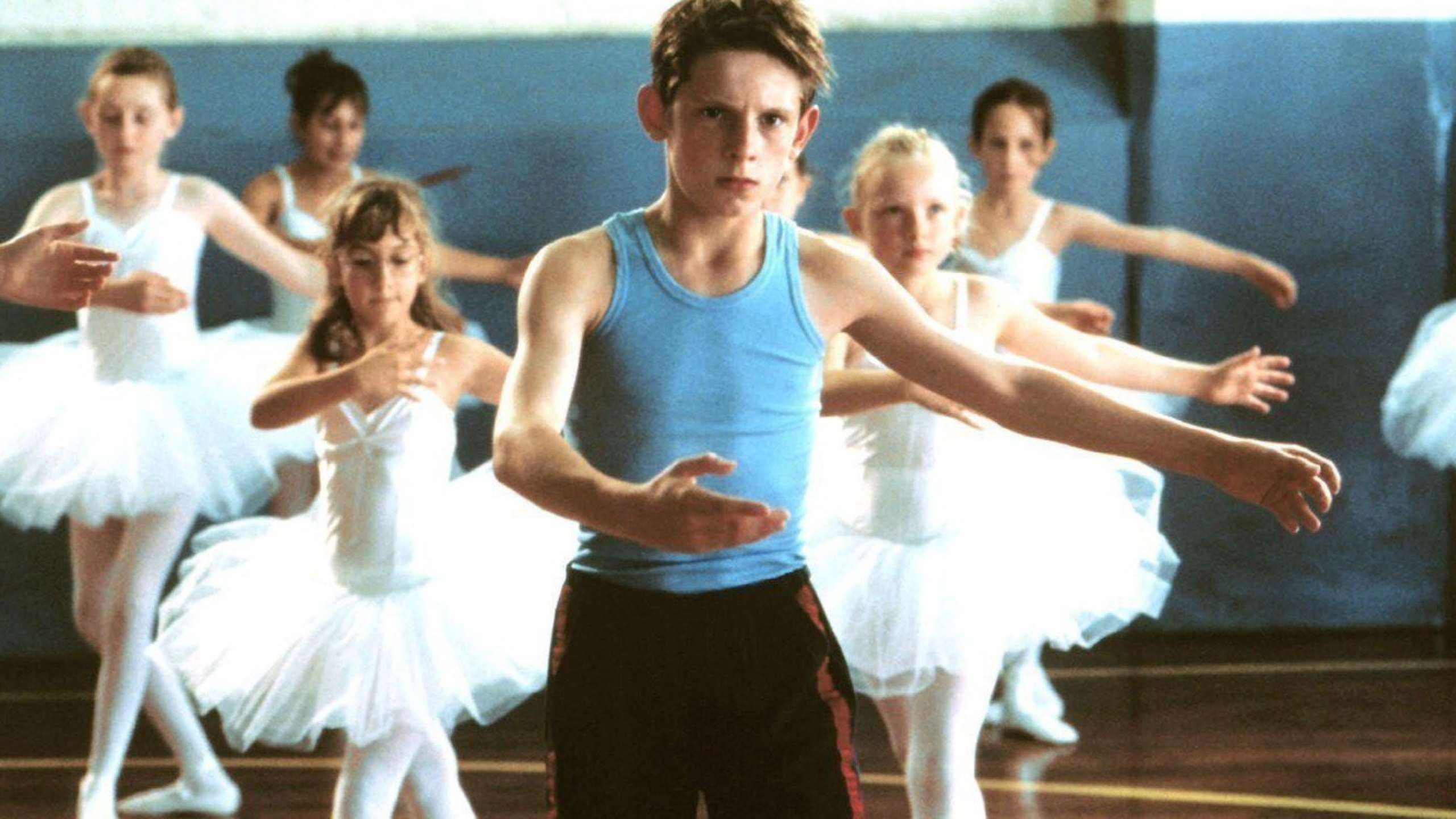
One of the most iconic representations of working-class life is found in films that highlight the struggles and triumphs of individuals from humble beginnings. Think of “Billy Elliot,” where a young boy’s passion for ballet serves as a beacon of hope amidst economic hardship. Billy’s journey reflects the common narrative of the underdog rising against the odds, a trope that resonates deeply with audiences.

In “The Full Monty,” a group of unemployed steelworkers turn to stripping as an unconventional means to reclaim their dignity and financial stability. This film not only showcases the harsh realities of post-industrial Britain but also celebrates camaraderie and resilience in the face of adversity. Through humor and heart, these films illuminate the challenges of working-class life while also showcasing the characters’ rich inner lives and aspirations.

The Aristocratic Ideal

In contrast, films that portray the upper classes often engage with themes of privilege, entitlement, and the sometimes hollow nature of wealth. “The King’s Speech” provides a compelling glimpse into the life of King George VI, exploring the societal expectations placed upon him. While the film is rooted in a historical narrative, it simultaneously critiques the pressure and isolation that accompany life in the upper echelons of society.

Another great example is “Downton Abbey,” which has captivated audiences with its lush visuals and intricate storytelling. It invites viewers into an aristocratic household, showcasing not just the glitz and glamour, but also the struggles of maintaining status in a rapidly changing world. The interactions between the aristocracy and their servants reveal the complexities of class relationships, highlighting both the privilege and the burdens that come with wealth.

Class Transitions and the Middle Ground

The middle class occupies a unique space in British cinema. Films like “Pride” illustrate the intersections of class, as a group of gay activists forge an unlikely alliance with striking miners in the 1980s. This film emphasizes how shared struggles can transcend class distinctions and unite individuals for a common cause.

Moreover, the rise of the British middle class is often depicted through characters who navigate their aspirations while grappling with their roots. In “The History Boys,” a group of students prepares for their university entrance exams, each with varying backgrounds and motivations. Their interactions reveal the tensions between ambition and identity, ultimately showcasing how class influences educational and professional opportunities.

Satire and Social Commentary

British cinema has long been known for its sharp wit and satire, particularly when addressing issues of class. “Bridget Jones’s Diary” humorously explores the insecurities of a single woman in her 30s, navigating the expectations of love and success while also grappling with her social standing. This film cleverly critiques societal norms and the pressures of conforming to a specific class ideal, all wrapped in a charming romantic comedy.

Similarly, “Four Weddings and a Funeral” blends humor with poignant commentary on relationships and social expectations. The characters’ varying class backgrounds create a rich tapestry that highlights both the absurdity and the beauty of love across social divides.

Modern Perspectives

In recent years, films like “The Favourite” have taken more avant-garde approaches to class representation. Set in the 18th century, it explores the relationships between Queen Anne and her courtiers, examining power dynamics, manipulation, and desire. The film’s unconventional storytelling and rich visuals draw attention to the absurdities of aristocratic life, leaving viewers with a fresh perspective on age-old class issues.

Additionally, “Rocketman,” the biopic of Elton John, portrays a unique journey from a working-class background to global superstardom. It illustrates not just the glamour but also the struggles that come with fame, identity, and class. This blend of music and personal narrative invites audiences to reflect on how class influences individual trajectories while simultaneously challenging stereotypes.

The Global Context

As British films continue to evolve, they are also influenced by global perspectives on class. The rise of international cinema has introduced diverse narratives that shed light on British social class from different angles. Films like “Slumdog Millionaire” provide insight into class disparities that resonate with audiences worldwide, prompting reflection on the shared human experience of struggle, ambition, and hope.

The intersection of class with race, gender, and sexuality further enriches the conversation. Films such as “Moonlight” and “Rocks” highlight how these factors interplay with class systems, offering a more nuanced perspective on identity and belonging.

Conclusion: The Cinematic Mirror

The exploration of British social class in film serves as a mirror reflecting the complexities of society. Through humor, drama, and poignant storytelling, filmmakers invite audiences to engage with the intricacies of class dynamics and their impact on personal lives.

As viewers, we are drawn into these narratives that resonate with our own experiences, prompting us to question our beliefs about class, privilege, and identity. British cinema, with its rich tapestry of characters and stories, continues to challenge and inspire us, ensuring that social class remains a vital topic for exploration in both film and life. In the end, whether we find ourselves in the kitchen sink or in the halls of power, the stories told on screen echo the myriad experiences that shape our collective identity.

Posted on Leave a comment

The Evolution of Hugh Grant: From Bumbling Brit to British Character Actor

Introduction

Hugh Grant has danced through the landscape of British cinema like no other, transitioning from a charmingly bumbling romantic lead to a respected character actor. This evolution is not merely a change in roles but a fascinating journey that reflects the changing tides of the film industry, societal norms, and the actor himself. So, grab your tea, settle into your favorite armchair, and let’s take a delightful stroll through the evolution of Hugh Grant.

The Charming Beginnings

Hugh Grant’s foray into the acting world began in the 1980s, but it was the 1994 film “Four Weddings and a Funeral” that catapulted him into the mainstream spotlight. Playing the awkward yet endearing Charles, Grant epitomized the quintessential British charm. His fumbling nature, combined with a knack for delivering witty one-liners, made him an instant favorite. The film not only showcased his comedic timing but also highlighted his ability to portray vulnerability, a trait that audiences found incredibly relatable.

This film marked the beginning of a new archetype in romantic comedies—the bumbling Brit trying to navigate the often chaotic world of love and relationships. Grant’s portrayal resonated so well that Hollywood soon came calling, leading to a string of successful romantic comedies, including “Notting Hill,” “Bridget Jones’s Diary,” and “Love Actually.” Each role further solidified his status as the quintessential romantic lead of the late ’90s and early 2000s.

The Typecasting Trap

However, with great success often comes the challenge of typecasting. By the mid-2000s, Grant found himself cornered into the same role over and over again. Audiences adored him as the charming, slightly awkward leading man, but the repetition began to wear thin. Critics pointed out that he was, perhaps unfairly, not stretching his acting muscles.

In response to this, Grant took a step back and reassessed his career. Not one to shy away from challenges, he decided it was time to break free from the romantic comedy mold and explore more diverse roles. This marked the beginning of a new chapter in his career, one that would showcase his depth as an actor and challenge the perceptions of his abilities.

A Shift Towards Character Acting

The shift began with films like “Cloud Atlas” (2012) and “The Rewrite” (2014), where Grant embraced more complex characters. In “Cloud Atlas,” he showcased his versatility by playing multiple roles, each distinct and nuanced. This film was particularly ambitious, weaving together different narratives across centuries. Grant held his own among a star-studded ensemble, emphasizing that he was more than just a romantic lead.

In “The Rewrite,” he portrayed a washed-up screenwriter trying to regain his footing. This role resonated with many in the industry who understood the pressure of living up to past accolades. Here, Grant’s ability to balance humor with a sense of existential dread was apparent, signaling a maturity that audiences hadn’t fully seen before.

Embracing the Character Actor

As the years rolled on, Grant fully embraced the role of a character actor. His performance in “Florence Foster Jenkins” (2016) was a masterclass in balancing comedy and drama. He played St. Clair Bayfield, the devoted husband of the title character, who supports her dreams of becoming a singer despite her lack of talent. The film showcased his ability to evoke sympathy and comedy simultaneously, and it was this multifaceted performance that garnered him critical acclaim.

Grant continued to take on diverse roles in films such as “Paddington 2,” where he played the wonderfully villainous Phoenix Buchanan. His transformation into a quirky and flamboyant antagonist was a delightful surprise, showcasing his comedic chops while embracing a more caricatured form of villainy. It was a role that allowed him to have fun while also stepping outside the mold that had defined much of his earlier career.

The Resurgence of Hugh Grant

In recent years, Grant has seen a resurgence in popularity, thanks in part to his role in the critically acclaimed series “The Undoing” (2020). This psychological thriller allowed him to dive headfirst into darker, more complex territory. Playing Jonathan Fraser, a seemingly perfect husband entangled in a murder mystery, Grant showcased a range that surprised many. His performance was filled with nuance, betrayal, and a shocking twist that left viewers reeling.

This role proved that Grant was not only willing to tackle darker themes but was also capable of embodying characters that were morally ambiguous and deeply flawed. Such performances have earned him a new generation of fans who appreciate his evolution as an actor.

The Personal Side of Hugh Grant

Beyond the screen, Hugh Grant’s personal life has also played a significant role in shaping his public persona. Known for being outspoken, often leveraging his platform to discuss political and social issues, Grant has emerged as a voice of reason in an industry that can often feel disconnected from reality. His candidness about fame, the media, and personal relationships adds layers to his public image, making him more relatable to fans old and new.

His philanthropic endeavors, particularly in wildlife conservation and human rights, further highlight a commitment to using his fame for good. This dedication speaks volumes about his character off-screen and adds depth to the characters he portrays on-screen.

Conclusion: A Legacy of Transformation

Hugh Grant’s journey from the bumbling Brit to a respected character actor is a testament to his resilience and adaptability. While his early roles captured the hearts of audiences worldwide, it is his willingness to evolve that has solidified his legacy in the film industry. Today, he stands as an example of how actors can transcend typecasting and explore the complexities of their craft.

As the years progress, one can only wonder what lies ahead for Grant. Will he continue to embrace challenging roles? Will he further explore the darker aspects of character acting? Whatever the future holds, one thing is certain: Hugh Grant will always find a way to surprise us, keeping his fans engaged and entertained for years to come. So, as we sip our tea and reflect on the enchanting journey of this remarkable actor, we can only look forward to seeing how his next act unfolds.

Posted on Leave a comment

Britain Through Hollywoods Eyes: What American Films Get Wrong About Britain

Introduction: A Love Affair with Stereotypes

When it comes to portraying cultures on the big screen, Hollywood has a flair for dramatization, and nowhere is this more evident than in its depiction of Britain. From the rolling hills of the English countryside to the bustling streets of London, American films often take creative liberties that can lead to amusing, if not entirely accurate, representations of British life. Let’s dive into some of the most common misconceptions and quirks that Hollywood films perpetuate about Britain.

The Accent Conundrum: A Ticklish Tangle of Tones

One of the most glaring inaccuracies is the portrayal of British accents. In many films, characters are either given exaggerated, posh accents or portrayed with thick Cockney accents that sound more like a caricature than reality.

In truth, Britain is a tapestry of dialects and accents, each with its own unique flavor. From the soft tones of a Yorkshire accent to the sharp edges of a Scouse dialect, America’s representation often falls flat. For instance, in films where characters switch from a suave, aristocratic tone to a rough, working-class accent in the blink of an eye, it becomes clear that the creators might not have done their homework.

Tea Time: Not Every Brit is a Tea Snob

Ah, tea – the quintessential British beverage that Hollywood seems to love. However, the portrayal of tea culture often leads to hilarious misunderstandings. In many American films, the portrayal of a British character is incomplete without them sipping from a dainty china cup, often while engaging in deep philosophical discussions.

In reality, while tea is indeed popular in the UK, it’s not all high tea and crumpets. Many Brits enjoy their tea in casual settings, brewed in a simple mug with milk and sugar, not necessarily involving a formal tea service. Moreover, the British don’t stop everything for a cuppa – they have busy lives just like everyone else!

The Royal Obsession: Not Every Brit is a Royalist

Hollywood has an undeniable obsession with the British royal family. From “The King’s Speech” to “The Crown,” the dramatization of royal life captivates American audiences. However, this fascination can lead to the misconception that every Brit feels a deep connection to the monarchy.

In truth, while many do appreciate the royal family’s history and pageantry, there is a significant portion of the population that isn’t particularly interested or may even be critical of the institution. The portrayal of every character being overly excited about royal weddings or births overlooks the diversity of opinions present in British society.

British Humor: Dry, Sarcastic, and Often Misunderstood

When it comes to humor, Americans often miss the mark with British wit. Films frequently depict British humor as overly formal or reliant on quick quips that don’t land with American audiences.

British humor is characterized by its subtlety, dry delivery, and often, a self-deprecating tone. Think of shows like “The Office” (UK version) and “Monty Python” – these exhibit a type of humor that thrives on irony and absurdity. Yet, Hollywood often leans into slapstick or overly exaggerated comedic scenarios that can come off as forced or unrealistic.

Pubs: Not Just for a Pint and a Brawl

The pub is a staple of British culture, but American films often depict them as rough-and-tumble places where bar fights are commonplace, and the beer flows like water. While it’s true that pubs can be lively, they are also spaces for community and relaxation.

In reality, many pubs are quaint establishments where people gather to enjoy a quiet drink, share a meal, or watch a football match in a friendly atmosphere. The portrayal of pubs in films can sometimes feel akin to a Wild West saloon rather than the cozy, inviting places they really are.

Fashion Faux Pas: Not Everyone Wears a Bowler Hat

Another amusing aspect of American films is their fashion portrayal of British characters. The stereotype often revolves around bowler hats, tweed jackets, and waistcoats, which is hardly reflective of modern British style.

In the UK today, fashion is incredibly diverse, influenced by various cultures and trends. While certain traditional styles certainly exist, the everyday attire of the average Brit is more likely to resemble a mix of high street fashion, casual wear, and eclectic street style rather than a scene from a Victorian novel.

The Weather: It’s Not Always Rainy and Gloomy

The cloudy skies and relentless rain depicted in films often lead Americans to believe that the UK is perpetually dreary. While it’s true that Britain is no stranger to rainy days, the weather varies significantly across the country.

In reality, the UK experiences a range of climates, with sunny days, glorious summers, and even the occasional heatwave. The portrayal of Britain as a land of constant drizzle can be misleading, reducing the vibrant experiences that come with sunny picnics in the park or beach days along the coast.

Food: Beyond Fish and Chips

When American films attempt to showcase British cuisine, they often default to fish and chips or the classic English breakfast. While these dishes are indeed beloved, they do not encompass the entirety of British food culture.

British cuisine is a melting pot of flavors influenced by diverse communities, from Indian curries to Caribbean jerk chicken, and from Italian pastas to Middle Eastern flavors. The narrow focus on a few traditional dishes overlooks the evolving culinary landscape found throughout the UK, where food enthusiasts experiment and celebrate global influences.

Conclusion: Fostering Understanding Through Film

American films serve as a window into British culture, albeit through a lens that often distorts reality. While these portrayals can sometimes lead to misunderstandings, they also foster curiosity and spark the desire to learn more about the rich tapestry of life in Britain.

If we approach these films with a sense of humor and a critical eye, we can enjoy the entertainment value while also recognizing the nuances and complexities of British culture. After all, the truth is often stranger – and far more interesting – than fiction. So the next time you settle down for a Hollywood film set in Britain, grab your tea, settle in, and prepare to take the stereotypes with a pinch of salt!

Posted on Leave a comment

The Most Authentically British Films That Brits Actually Love

a black and white photo of a movie theater

A Celebration of British Cinema: Films That Truly Resonate with Brits

When it comes to cinema, the UK has a rich tapestry that weaves together history, culture, humor, and emotion. The films that resonate most with British audiences often tap into the quintessentially British experience, showcasing a unique blend of wit, charm, and a sprinkle of eccentricity. Let’s take a delightful dive into some of the most authentically British films that have won the hearts of the locals.

The Charm of British Humor

One of the defining features of British cinema is its humor, often characterized by its dry wit and self-deprecation. Films like “The Full Monty” and “Four Weddings and a Funeral” are perfect examples of how comedy can be wrapped in cultural nuances that make Brits chuckle.

The Full Monty

Released in 1997, “The Full Monty” tells the story of a group of unemployed steelworkers who decide to form a striptease act. The film is a brilliant mix of comedy and drama, addressing serious issues like unemployment and body image while keeping the tone light and engaging. What makes this film resonate with the British public is its authenticity; the characters are relatable, and their struggles mirror those of many working-class individuals in the UK.

Four Weddings and a Funeral

This romantic comedy, featuring Hugh Grant, explores love in various forms through the lens of a series of weddings and a funeral. The film’s clever writing, memorable characters, and the iconic British countryside make it a beloved classic. Its portrayal of awkward social situations and heartfelt moments strikes a chord with many, reflecting the British penchant for both humor and sentimentality.

Period Dramas That Captivate

Britain’s historical landscape makes it a treasure trove for period dramas. These films often transport viewers to different eras, immersing them in the aesthetics, customs, and societal norms of the time. Classics like “Pride and Prejudice” and “The King’s Speech” showcase the depth of British storytelling.

Pride and Prejudice

Adapted from Jane Austen’s beloved novel, “Pride and Prejudice” has numerous film adaptations, but it is the 2005 version that has captured the hearts of many. Featuring Keira Knightley and Matthew Macfadyen, this film encapsulates the essence of British society in the early 19th century, filled with wit, romance, and social commentary. The picturesque English countryside, along with its sharp dialogue, makes it a favorite among Brits, who often find themselves quoting Mr. Darcy and Elizabeth Bennet.

The King’s Speech

This 2010 Oscar-winning film tells the inspiring story of King George VI overcoming his speech impediment with the help of an unorthodox speech therapist. The film resonates powerfully with British audiences, not just for its historical significance but also for its themes of perseverance and personal growth. The performances, particularly by Colin Firth, are nothing short of stellar, and the film’s emotional weight lingers long after the credits roll.

The Magic of British Animation

While live-action films dominate, British animation also holds a special place in the hearts of many. The unique style and storytelling of films like “Wallace & Gromit: The Curse of the Were-Rabbit” and “The Secret of Kells” showcase a distinctively British flair.

Wallace & Gromit: The Curse of the Were-Rabbit

The beloved duo of Wallace and Gromit have become icons of British animation. This film, which follows their antics in the world of vegetable growing, is filled with British humor, quirky characters, and clever puns. It’s not just a children’s film; it appeals to adults as well, highlighting the charm and creativity of British stop-motion animation. The whimsical storyline and delightful animation make it a family favorite, often watched during family gatherings or rainy afternoons.

The Secret of Kells

While technically an Irish film, “The Secret of Kells” reflects the artistic legacy of British animation through its stunning visuals and enchanting storytelling. The film brings to life the story of a young boy in a medieval Irish monastery, combining folklore with the art of illuminated manuscripts. Its unique animation style and rich storytelling have gained it a special place in the hearts of many Brits who appreciate artistry and depth in animation.

Cult Classics That Define a Generation

No discussion of British cinema would be complete without mentioning cult classics that define an era and a generation. Films like “Trainspotting” and “Lock, Stock and Two Smoking Barrels” have left an indelible mark on British culture.

Trainspotting

Released in 1996, “Trainspotting” is a gritty yet captivating look at the lives of heroin addicts in Edinburgh. Directed by Danny Boyle and based on the novel by Irvine Welsh, the film’s raw portrayal of addiction, friendship, and the struggle for identity resonates with many. Its iconic soundtrack and memorable quotes have infiltrated British pop culture, making it a timeless classic that continues to spark conversations about societal issues.

Lock, Stock and Two Smoking Barrels

This 1998 crime-comedy film directed by Guy Ritchie showcases the seedy underbelly of London through a thrilling narrative filled with humor and clever twists. The film’s sharp dialogue and memorable characters have made it a quintessential British film. Its success paved the way for a new wave of British cinema that embraced grit, humor, and clever storytelling, appealing to a generation craving something refreshingly different.

The Modern Era: A New Wave of British Films

As we move into the modern era, British cinema continues to evolve, producing films that resonate with contemporary audiences. Movies like “The Imitation Game” and “Three Billboards Outside Ebbing, Missouri” illustrate the depth of storytelling and character development that British filmmakers are capable of.

The Imitation Game

This 2014 film tells the story of Alan Turing, the brilliant mathematician who played a crucial role in breaking the Enigma code during World War II. With Benedict Cumberbatch delivering a powerful performance, the film navigates themes of genius, isolation, and societal prejudice. Its historical significance and emotional depth have made it a film that resonates with Brits, showcasing the complexities of one of their national heroes.

Three Billboards Outside Ebbing, Missouri

Although directed by Martin McDonagh, an Irish filmmaker, this film has become a beloved part of the British film landscape due to its unique blend of dark comedy and poignant societal issues. The story revolves around a mother’s quest for justice after her daughter’s murder, exploring themes of grief, rage, and redemption. Its witty dialogue and strong performances have earned it critical acclaim and a dedicated following in the UK.

Conclusion: A Love Affair With Film

British cinema is a treasure trove of stories that reflect the diverse experiences and cultures within the UK. From heartwarming comedies to thought-provoking dramas, the films that resonate with Brits often carry the essence of their identity, humor, and history. Whether it’s the charm of a romantic comedy or the gripping intensity of a historical drama, these films remind us of the beauty of storytelling and the universal themes that connect us all. So the next time you reach for a film, consider diving into the rich pool of British cinema—it’s a delightful journey worth taking!

Posted on Leave a comment

From Ealing to Bond: How British Comedy Became British Action

The Evolution of British Comedy into Action: A Journey from Ealing to Bond

When you think of British cinema, a few iconic images might spring to mind: the charmingly bumbling characters of Ealing comedies or the suave sophistication of the James Bond franchise. These two pillars of British film have quite a contrast between them, yet they share a fascinating evolution that reflects broader shifts in British culture and filmmaking. Let’s dive into how British comedy transitioned into British action, tracing the journey from Ealing Studios to the high-octane world of 007.

The Golden Age of Ealing Comedies

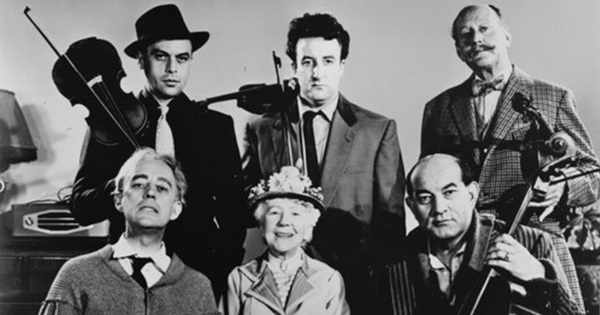
To appreciate the journey, we must start at Ealing Studios, which played a pivotal role in shaping British cinema during the 1940s and 50s. Known for its unique brand of humor, Ealing comedies often featured charmingly flawed characters caught in absurd situations. Films like The Ladykillers (1955) and Kind Hearts and Coronets (1949) showcased a quintessentially British wit, mixing dark humor with social commentary.

What made these films so special? They were rooted in character-driven stories, often highlighting the underdog triumphing against the odds. The comedy in these films was not just for laughs; it provided a lens through which audiences could explore class struggles, societal norms, and the quirks of British life. The actors—like Alec Guinness and Margaret Rutherford—became household names, embodying the wit and warmth that made Ealing comedies so beloved.

As the 1960s approached, however, the mood began to shift. The post-war landscape brought about cultural changes, and audiences craved something different.

The Cultural Shift: Swinging Sixties and the Rise of Action

The 1960s were marked by a cultural revolution across Britain, with the rise of youth culture and the emergence of the “swinging sixties.” This era was characterized by experimentation and a break from tradition, which began to seep into the film industry. The light-hearted charm of Ealing comedies started to feel out of step with the times, and audiences were ready for something edgier and more dynamic.

Enter the Bond phenomenon. Ian Fleming’s Casino Royale was published in 1953, but it was the release of Dr. No in 1962 that truly launched the British action genre into the stratosphere. Sean Connery’s portrayal of James Bond brought charisma, toughness, and a sense of adventure that captivated audiences. The suave secret agent was the antithesis of the bumbling Ealing characters, representing a new kind of British hero—one who was both stylish and lethal.

The Blend of Comedy and Action

Interestingly, as Bond took off, filmmakers began to explore how to blend the two genres. This paved the way for a new wave of British films that incorporated humor into action. Think of The Italian Job (1969), which combined thrilling heist action with a quintessentially British sense of wit. Michael Caine’s iconic performance and the film’s clever dialogue showcased that humor could coexist with adrenaline-pumping moments.

The 1970s saw this trend continue with films like Get Carter (1971), which, while predominantly a gritty action thriller, had moments of dark humor that evoked the spirit of earlier British comedies. It showcased how the character-driven storytelling of Ealing could evolve into something that also had a hard edge—reflecting the complexities of modern life.

The Influence of Parody: Shaun of the Dead and Beyond

Fast forward to the 21st century, and British filmmakers began to embrace the parody of both genres. Shaun of the Dead (2004) is a prime example of how comedy and action can blend seamlessly. Directed by Edgar Wright and starring Simon Pegg, this film took the zombie apocalypse genre and infused it with a distinctly British sense of humor.

The success of Shaun of the Dead reignited interest in combining comedy with action, leading to a resurgence of films that played with genre conventions. This trend continued with movies like Hot Fuzz (2007), which took the buddy cop genre and flipped it on its head while still delivering a hefty dose of action and laughs.

The Legacy of British Comedy in Modern Action Films

As we look at contemporary British action films, it’s clear that the legacy of comedy continues to influence the genre. Directors like Guy Ritchie have crafted films such as Lock, Stock and Two Smoking Barrels (1998) and Snatch (2000), where humor and crime intertwine. These films not only tell gripping stories but also showcase the quirky characters and witty dialogue that have become a hallmark of British cinema.

Moreover, the Bond franchise itself has evolved. Recent installments like Skyfall (2012) and Spectre (2015) have introduced a level of self-awareness and humor that echoes the charm of Ealing comedies. Daniel Craig’s portrayal of Bond brought a new level of depth to the character, allowing for moments of levity amidst the action-packed narrative.

The Cultural Impact and Global Reach

The transition from comedy to action in British cinema has not only shaped the film industry but also had a significant cultural impact. British humor has become synonymous with wit and irony, influencing filmmakers and audiences worldwide. The mixture of genres has allowed British cinema to carve out a unique identity, making it distinct from Hollywood’s more straightforward action flicks.

The global reach of British films also speaks volumes about their appeal. The clever blend of humor and action resonates with international audiences, proving that the charm of Ealing comedies can still be felt in today’s blockbuster features.

Conclusion: A Unique Cinematic Legacy

The journey from Ealing to Bond illustrates the dynamic nature of British cinema. It reflects broader societal changes and the evolving tastes of audiences. While the charming, whimsical humor of Ealing films laid the groundwork, the emergence of action-packed thrillers infused with comedic elements represents a delightful evolution.

Whether through the suave sophistication of 007 or the quirky adventures of modern-day heroes, British cinema continues to thrive on its unique blend of humor and action. As filmmakers explore new narratives and push genre boundaries, one can only imagine how this legacy will evolve in the years to come.

So, the next time you settle down to watch a British film, take a moment to appreciate the rich tapestry of comedy and action that has shaped it. From the laughter of Ealing comedies to the explosive excitement of Bond, the world of British cinema is a thrilling ride worth exploring.

Posted on Leave a comment

How Working-Class Britain Found Its Voice in 90s British Cinema

photography of Cinema

Introduction

The 1990s marked a transformative period in British cinema, offering a platform where working-class stories began to take center stage. With a blend of gritty realism, humor, and heart, filmmakers explored the complexities of working-class life in a way that resonated with audiences both in the UK and beyond. This decade gave birth to a wave of films that not only entertained but also sparked conversations about class, identity, and social issues. Let’s delve into how these films captured the essence of working-class Britain and why they remain significant today.

The Rise of Independent Cinema

Before the 90s, British cinema was often seen as a domain of the elite. However, the emergence of independent filmmakers started to shift this narrative. Many directors and writers from working-class backgrounds began to tell their own stories, reflecting their lived experiences instead of relying on the traditional narratives that dominated the mainstream.

One of the most significant contributors to this movement was the British Independent Film Awards, established in 1999. This body not only celebrated emerging talent but also highlighted stories that depicted the realities of working-class life. Directors like Ken Loach and Mike Leigh became household names, revered for their commitment to authenticity and social commentary.

Key Films and Themes

Several films from the 90s stand out in their portrayal of working-class Britain. Each of these films offers its own unique perspective, but together they form a rich tapestry of the era’s cultural landscape.

Trainspotting (1996)

Perhaps one of the most iconic films of the decade, Trainspotting, directed by Danny Boyle, is a raw exploration of addiction and disillusionment in Edinburgh. Based on Irvine Welsh’s novel, the film delves into the lives of a group of heroin addicts navigating their bleak existence. The film’s famous opening sequence and unforgettable soundtrack perfectly encapsulate the chaotic energy of youth in a struggling economic climate.

What makes Trainspotting particularly significant is its unflinching honesty. It does not glorify drug use but rather presents a stark, often harrowing look at the consequences of addiction. The characters’ struggles reflect broader societal issues, including unemployment and the erosion of hope, resonating with many who felt left behind in the changing landscape of Britain.

The Full Monty (1997)

In stark contrast to the dark themes of Trainspotting, The Full Monty offers a comedic yet poignant look at the lives of unemployed steelworkers in Sheffield. Directed by Peter Cattaneo, the film follows a group of men who, faced with economic hardship, decide to form a male striptease act. What emerges is a heartwarming tale about friendship, dignity, and the struggle to find one’s identity in the face of adversity.

The film’s humor does not overshadow its serious undertones. It touches on themes of masculinity, self-worth, and the impact of deindustrialization on working-class communities. The film became a cultural phenomenon, showcasing the resilience and camaraderie of working-class men who refuse to be defined by their circumstances.

Brassed Off (1996)

Another gem from the 90s, Brassed Off, directed by Mark Herman, highlights the significance of community and culture in working-class life. Set in a coal mining town, the film follows a brass band as they prepare for a competition amidst the backdrop of impending mine closures. It artfully blends humor with tragedy, showing how music and community can provide solace in tough times.

The film raises questions about identity and belonging, emphasizing how integral these elements are to working-class culture. It highlights the power of art and community in resisting social and economic pressures, allowing viewers to reflect on their own experiences and struggles.

The Impact of Social Changes

The 1990s were a period of significant social change in Britain. The decline of traditional industries and the rise of a service-oriented economy left many working-class communities in turmoil. This backdrop created fertile ground for filmmakers, who could tap into the collective anxiety and disenfranchisement felt by many.

As the government introduced policies aimed at economic restructuring, the impact on working-class individuals became increasingly pronounced. The rise of unemployment, the erosion of trade unions, and the shift in the labor market were all themes that filmmakers explored. Cinema became a mirror reflecting the struggles and aspirations of those grappling with these changes.

Voices of a Generation

The films of the 90s not only showcased the struggles of working-class life but also provided a voice to those who often felt unheard. By elevating stories that were relatable and grounded in reality, filmmakers fostered a sense of connection among diverse audiences. Viewers found themselves represented on screen, leading to a greater appreciation for the complexities of working-class existence.

These films encouraged discussions that transcended social boundaries. People from various backgrounds began to reflect on their own experiences in relation to the characters they saw on screen. This communal dialogue helped to bridge gaps between different classes and cultures, emphasizing the universality of human experience.

A Lasting Legacy

The impact of 90s British cinema on working-class representation continues to resonate today. The themes explored in these films have paved the way for a new generation of filmmakers who are keen to tell authentic stories. The likes of Andrea Arnold, Ken Loach, and others have carried the torch, creating films that continue to challenge societal norms and highlight the experiences of marginalized communities.

Furthermore, the spirit of the 90s has influenced other forms of media, including television and literature. Shows like This Is England and Shameless draw inspiration from the themes and narratives established in 90s cinema, showcasing the ongoing relevance of these stories in contemporary society.

Conclusion

The 90s were a pivotal decade for British cinema, serving as a platform for working-class voices to resonate and thrive. Through a variety of genres, filmmakers shed light on the realities of everyday life, offering both humor and poignancy. This cinematic movement not only entertained but fostered a sense of community and understanding among viewers. As we look back on this era, it’s evident that the stories and themes explored in 90s British cinema remain crucial to understanding the complexities of working-class life, making them just as relevant today as they were then.

Posted on Leave a comment

The British Film Locations That Transformed After Movie Fame

train on railway at daytime

Introduction

Movies have a magical way of transforming places, turning ordinary locations into iconic backdrops that capture the imagination of audiences everywhere. From bustling city streets to quaint countryside villages, film locations often become tourist hotspots after finding fame on the big screen. In the UK, a treasure trove of stunning landscapes and historic sites has featured in some of the most beloved films, creating a lasting impact on both the locations and their communities. Let’s explore some of these British film locations that underwent significant transformations after gracing our screens.

The Enchanting Cotswolds: A Harry Potter Legacy

The picturesque Cotswolds have always been a charming destination for those seeking English countryside beauty, but the magical world of Harry Potter thrust the area into the limelight. The charming village of Glencoe, along with several other locations, became synonymous with the wizarding world. Fans flock to the Cotswolds to visit iconic sites such as Alnwick Castle, which served as Hogwarts in the first two films.

After the movies, the Cotswolds saw a surge in tourism. Local businesses flourished as visitors sought to immerse themselves in the magic of the series. Guided tours, themed merchandise, and Harry Potter-themed events popped up, transforming these quiet villages into vibrant spots buzzing with activity. The allure of the wizarding world brought economic growth and cultural rejuvenation, making it a prime example of how film can breathe new life into a location.

The Iconic London: A Cinematic Playground

London has long been a favorite backdrop for filmmakers, but it reached new heights of cinematic fame with blockbusters like Notting Hill, James Bond, and Sherlock Holmes. The charming streets of Notting Hill, for instance, transformed from a quiet neighborhood into an international travel destination after the release of the romantic comedy starring Hugh Grant and Julia Roberts. Tourists now flock to the famous blue door of 280 Westbourne Park Road, eager to capture their own version of the scene.

Moreover, the impact on local businesses cannot be overstated. Bookshops, cafés, and boutiques have capitalized on their newfound fame, offering visitors an immersive experience of the film. The Portobello Road Market, which played a prominent role in the film, has transformed into a bustling hub of activity, with vendors targeting tourists eager to experience the magic of Notting Hill firsthand.

The Lake District: A Natural Wonderland

The stunning landscapes of the Lake District have captivated hearts for centuries, but the filming of The Lake District bolstered its reputation as a cinematic wonderland. This area has been the backdrop for numerous films, including Miss Potter, which depicted the life of beloved author Beatrix Potter. The film brought attention to the natural beauty of the region, showcasing its lush greenery and tranquil lakes.

Following the film’s release, there was a marked increase in visitors keen to explore the landscapes that inspired Potter’s stories. Local businesses have embraced this influx, offering guided tours and workshops that celebrate the region’s literary heritage. From pottery classes to nature walks, the Lake District has transformed into an epicenter of creativity and outdoor adventure, all thanks to its starring role in the film industry.

Edinburgh: A Stage for the Supernatural

The enchanting city of Edinburgh has long been a source of inspiration for writers and filmmakers alike. The recent surge in popularity of adaptations of Outlander saw the Scottish capital transform significantly as fans descended upon the city. The iconic scenes set against Edinburgh’s historic backdrop showcased its cobbled streets, medieval structures, and dramatic landscapes.

The impact of Outlander has been immense. The city has embraced its cinematic identity, with themed tours guiding enthusiasts through the various filming locations. Local businesses have jumped on the bandwagon, offering everything from tartan souvenirs to whiskey tastings inspired by the show. The transformation of Edinburgh into a hotspot for Outlander fans has created a unique blend of history, culture, and modern fandom that continues to thrive.

The Coastal Charm of Cornwall

Cornwall is known for its breathtaking coastlines and quaint villages, but it saw a surge in visitors thanks to the beloved series Poldark. The stunning landscapes of Cornwall served as the backdrop for the show, drawing in fans eager to explore the rugged cliffs and picturesque beaches featured on screen. Locations like the stunning Porthcurno Beach and the iconic Minack Theatre became synonymous with the series’ visual allure.

As a result of the show’s popularity, Cornwall has experienced a renaissance in tourism. Local businesses benefitted from increased footfall, with shops and restaurants adapting to cater to the influx of visitors. The region has also seen an increase in guided tours highlighting the landscapes from Poldark, showcasing the impact of film on the local economy and community.

The Historic Charm of Bath

Bath, with its stunning Georgian architecture and Roman baths, has always been a popular destination. However, the adaptation of Jane Austen’s works, particularly Pride and Prejudice, has put the city on the map for literary fans and film lovers alike. The beautiful streets and historic buildings became a character in their own right, echoing the elegance and grace of the Regency era.

After the film’s release, Bath saw a marked increase in visitors, many of whom were eager to experience the charm that Austen’s characters inhabited. The city capitalized on this newfound fame by hosting themed events, literary festivals, and walking tours that celebrate Austen’s legacy. Bath has transformed into a haven for fans of period dramas, breathing new life into its historical charm.

The Highlands of Scotland: A Backdrop for Adventure

The Scottish Highlands are known for their dramatic landscapes and rugged beauty, but their transformation into a cinematic playground came with the release of films like Skyfall and The Da Vinci Code. The breathtaking scenery of locations such as Glen Etive and the Isle of Skye became instantly recognizable to audiences worldwide, showcasing Scotland’s natural splendor.

The popularity of these films sparked a tourism boom, with adventure seekers and film buffs flocking to the Highlands to explore the stunning landscapes themselves. Local businesses have thrived, offering everything from guided hikes to whiskey tasting tours, ensuring visitors can experience the magic of the Highlands beyond the silver screen. The transformation of these locations has turned them into tourism hotspots, fostering a deeper appreciation for Scotland’s natural beauty.

Conclusion

The impact of film on British locations is profound and multifaceted. From the enchanting villages of the Cotswolds to the historic charm of Bath, these places have undergone significant transformations following their cinematic fame. The influx of tourism has revitalized local economies, fostered community engagement, and transformed quiet towns into vibrant cultural hubs. Each location tells a unique story, shaped by its connection to the film industry, and continues to draw visitors eager to experience the magic that once graced their screens. As cinema evolves, these transformative stories will undoubtedly continue to unfold, ensuring that the impact of film on these iconic locations remains a vital part of their identities for years to come.

Posted on Leave a comment

Why British Childrens TV Shows Are Weirdly Wonderful (And Sometimes Terrifying)

The Quirky World of British Children’s Television

When it comes to children’s television, few places can match the sheer inventiveness and occasional oddities of British programming. From the whimsical to the downright bizarre, British children’s shows have a unique charm that captures the imaginations of kids (and adults!) everywhere. But what is it about these shows that makes them so wonderfully weird, and sometimes a tad terrifying?

A Legacy of Innovation

British children’s TV has a rich history, stretching back to the early days of broadcasting. The BBC began airing children’s programs in the 1940s, and since then, British creators have continuously pushed the boundaries of storytelling, animation, and puppetry. Shows like “Blue Peter,” which began in 1958, set the stage for innovative content aimed at younger audiences, blending education with entertainment in ways that were both engaging and unexpected.

The legacy of creativity continues today with groundbreaking shows that often combine humor, life lessons, and a sprinkle of the uncanny. Think of “Teletubbies,” where colorful characters roamed a surreal landscape, or “Pingu,” featuring a charming little penguin who communicated through a series of adorable sounds. These programs, while entertaining, also offered viewers a glimpse into a world that differs from traditional storytelling.

The Peculiar Characters

One of the hallmarks of British children’s television is its cast of quirky characters. From the lovable to the utterly bizarre, these personalities often defy norms. Take “Mr. Blobby,” for instance. With his bulbous shape, polka-dotted skin, and an unpredictable temperament, he was a phenomenon in the 1990s that appealed to children and left adults scratching their heads. Mr. Blobby’s antics were often chaotic and absurd, embodying a unique brand of humor that can only be described as delightfully nonsensical.

Then there’s “The Teletubbies,” featuring Tinky Winky, Dipsy, Laa-Laa, and Po. These colorful beings, each with their own distinct personalities and nonsensical catchphrases, inhabit a surreal landscape filled with laughter and curiosity. The blend of the innocent and the absurd creates an experience that is both enchanting and oddly disconcerting, tapping into the fantastical nature of childhood imagination.

Teaching Lessons the Quirky Way

British children’s shows often introduce life lessons through their unique narratives. Shows like “Pingu” and “Mister Maker” have a knack for teaching empathy, creativity, and problem-solving, albeit in unconventional ways. By presenting challenges through whimsical storytelling, children learn valuable lessons without the sometimes heavy-handed approach seen in other programming.

In “Charlie and Lola,” for example, the sibling dynamics and imaginative play teach kids about sharing and understanding through endearing tales. Lola’s whimsical interpretations of the world around her often lead to hilariously awkward situations, proving that even the most bizarre scenarios can yield meaningful insights into human behavior.

The Power of Puppetry

Puppetry has long been an integral part of British children’s television, bringing a tactile and interactive element that engages young viewers in a different way. Shows like “Bagpuss,” with its handcrafted aesthetics and slow-paced storytelling, offer a soothing experience that contrasts sharply with the fast-paced, flashy programming common in many other parts of the world.

The magic of puppetry lies in its ability to create a tangible connection between the characters and the audience. In “Muppet Treasure Island,” for instance, the blend of live-action and puppetry not only captivates young viewers but also introduces them to classic literature in a fun and accessible manner. The quirky designs and expressive movements of the puppets allow for a level of emotional engagement that purely animated characters often lack.

Embracing the Eerie

While many British children’s shows are light-hearted and whimsical, there’s an undeniable presence of the eerie and the unsettling. Shows like “The Wombles,” featuring eco-friendly creatures who live in abandoned urban spaces, present a charming yet slightly dystopian view of nature reclaiming the earth. The contrast between the cuddly Wombles and their rather bleak environment gives a distinctly eerie vibe that can be both captivating and a little unnerving.

Then there’s “The Magic Roundabout,” a show that has perplexed many viewers for decades. With its cryptic storylines and strange, often trippy animation, it’s no wonder that some have referred to it as a “psychedelic experience for children.” This surrealism can create moments of discomfort, but it also encourages kids to explore their imaginations in ways that more straightforward narratives might not.

Why We Love the Weirdness

So, what is it about the weirdness of British children’s television that keeps us coming back for more? For one, it taps into the essence of childhood curiosity. Kids are naturally drawn to the unusual and the strange, and British programming often revels in that sentiment. The combination of the bizarre with relatable experiences makes for a rich tapestry of storytelling that resonates across generations.

Moreover, the humor in these shows often appeals to adults as well. Parents and caregivers who grew up watching the same programs find joy in sharing these experiences with their children, creating a bond over the shared appreciation for the quirky and the absurd. There’s something heartwarming about watching a new generation giggle at the same oddities that entertained their parents.

A Broader Perspective

In a globalized world, where children are exposed to a plethora of content from various cultures, British children’s television stands out not just for its weirdness, but for its approach to storytelling. The willingness to embrace the peculiar, the surreal, and even the slightly scary allows for a richer, more diverse exploration of ideas and themes that resonate with children on multiple levels.

As we continue to navigate the changing landscape of children’s media, the weird and wonderful essence of British programming remains a crucial part of that journey. It encourages creativity, fosters emotional intelligence, and ultimately embraces the quirky nature of childhood itself.

In Conclusion

British children’s TV shows are a delightful mix of the strange, the charming, and sometimes the downright frightening. They encourage imagination, teach valuable life lessons, and provide a comforting sense of nostalgia for parents. Whether it’s through quirky characters, innovative puppetry, or an embrace of the bizarre, British programming has carved out a unique space in the world of children’s television. So, next time you find yourself watching a peculiar British show, remember: it’s all part of the wonderfully weird experience that both children and adults cherish.

Posted on Leave a comment

The Evolution of British Period Dramas: From Brideshead to Bridgerton

Introduction

British period dramas have long captivated audiences with their lavish costumes, intricate plots, and the charming world of tea and tradition. From the moody halls of Brideshead Revisited to the sizzling romance of Bridgerton, these productions have undergone a remarkable transformation, reflecting changes in societal norms and audience expectations. This article explores the evolution of British period dramas, examining how they have shifted over the decades and what this means for fans of the genre.

The Golden Age: Classic Adaptations

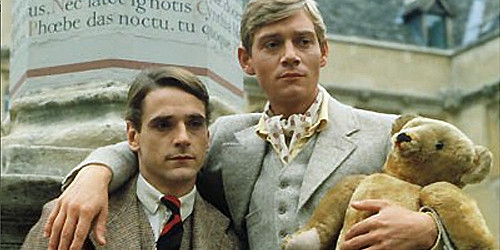
The era of classic adaptations marked the beginning of British period dramas as we know them. In the 1980s and 1990s, adaptations of literary masterpieces became a staple. The 1981 adaptation of “Brideshead Revisited,” based on Evelyn Waugh’s novel, is often heralded as a turning point. With its sweeping cinematography and rich storytelling, it captured the essence of British upper-class life between the wars.

These dramas were often characterized by their slow pacing and an emphasis on dialogue. The focus was on character development and intricate plots, allowing audiences to immerse themselves in the lives of the characters. Viewers were drawn into the blend of nostalgia and melancholy, with themes of love and loss woven seamlessly into the narrative.

The Rise of the Miniseries

As the 1990s progressed, the miniseries format became popular. Productions like “Pride and Prejudice” (1995) and “Emma” (1996) showcased the works of Jane Austen, bringing her sharp wit and social commentary to life. Colin Firth’s portrayal of Mr. Darcy became iconic, solidifying the charm of period dramas in the public imagination. These adaptations were often serialized, giving viewers a more extended and richer experience.

Miniseries also allowed for more in-depth exploration of characters and subplots, drawing audiences into the world of Regency England. The attention to detail in costume design and set production became paramount, making these adaptations not just viewing, but a visual feast for the audience.

The New Millennium: A Fresh Perspective

The new millennium brought about changes in storytelling techniques and production values. The early 2000s saw a resurgence of interest in period dramas, with the BBC and other networks producing high-quality adaptations. The 2005 film adaptation of “Pride and Prejudice” directed by Joe Wright presented a fresh, modern take on the classic tale. With stunning cinematography and a more cinematic approach, it appealed to a broader audience, reinvigorating interest in period dramas.

The Influence of Social Changes

As society evolved, so too did the themes explored in period dramas. The late 2000s and 2010s saw an increasing focus on issues of class, gender, and race. Series like “Downton Abbey,” which premiered in 2010, offered a multi-dimensional view of British life, intertwining the stories of both the aristocracy and their servants. The show’s success revealed a hunger for narratives that broke from traditional molds, showcasing a more complex social landscape.

Downton Abbey was also notable for its juxtaposition of historical events with personal stories, allowing viewers to connect emotionally with the characters while still being grounded in the historical context. This blending of personal and political made it relatable to modern audiences, highlighting how far society had come since the early 20th century, while still reflecting ongoing struggles.

The Streaming Revolution: A New Era

The advent of streaming platforms has revolutionized the landscape of British period dramas. With the ability to binge-watch entire seasons, viewers no longer have to wait week by week for new episodes. This change has allowed for more ambitious storytelling, giving creators the freedom to explore deeper narratives and character arcs.

Bridgerton, which premiered on Netflix in December 2020, is a prime example of this new wave in period dramas. Based on Julia Quinn’s novels, the show blends Regency-era romance with modern sensibilities, creating an engaging and diverse narrative. The series challenges traditional tropes, featuring a racially diverse cast and addressing themes of empowerment, sexuality, and social mobility.

Bridgerton’s success showcased that audiences were ready for a fresh take on period dramas—one that allowed for romance, intrigue, and a touch of scandal. It demonstrates how period dramas can evolve while remaining true to their roots, offering both nostalgia and a contemporary lens.

The Role of Diversity

One of the most significant evolutions in recent period dramas is the increased emphasis on diversity, both in casting and storytelling. Shows like Bridgerton have pioneered a new standard, demonstrating that historical narratives can be inclusive, offering a wider range of perspectives that were often overlooked.

This shift reflects broader societal changes and conversations about representation and equity. As audiences become more diverse, so too must the stories being told. The inclusion of characters from various backgrounds enriches the narrative, providing new dimensions and challenging preconceived notions about historical accuracy.

The Future of British Period Dramas

As we look to the future of British period dramas, it’s clear that the genre is poised for further evolution. With more platforms emerging and audience tastes continuing to shift, creators have the opportunity to push boundaries and explore new themes. The increasing popularity of adaptations from diverse authors and playwrights suggests that we may see a broader range of stories that reflect the complexity of society.

Moreover, as audiences become more global, period dramas can incorporate influences from beyond the British Isles, offering a multicultural perspective. The merging of different storytelling traditions could lead to fascinating new narratives that resonate across cultures.

Conclusion

The evolution of British period dramas is a testament to the genre’s resilience and adaptability. From the classic adaptations of the past to the vibrant, modern interpretations of today, these stories continue to captivate and inspire. As we move forward, the challenge—and the excitement—lies in how these dramas will continue to evolve, reflecting not just the past, but also the dynamic world we live in. The journey from Brideshead to Bridgerton illustrates a remarkable transformation, and fans can look forward to the endless possibilities that lie ahead in the realms of period drama.