Posted on Leave a comment

Railway Rivalries: The Great Companies That Built Britains Network

a couple of trains that are next to each other

The Birth of Britain’s Rail Network

The story of Britain’s railway system is a tale of ambition, innovation, and fierce competition. In the early 19th century, when the Industrial Revolution was gaining momentum, the need for efficient transportation became increasingly apparent. Before the steam engine became a common sight, transporting goods and people relied heavily on canals and horse-drawn vehicles. Enter the railways: the game-changer that would forever alter the landscape of travel and trade.

The first public railway to use steam locomotives was the Stockton and Darlington Railway, which opened in 1825. It was a modest beginning, but it paved the way for a flurry of construction and competition. Soon enough, the Great Western Railway, the London and Birmingham Railway, and several others were vying for dominance in a rapidly growing market. Each company had its own ambitions, leading to a fierce rivalry that not only shaped the railways but also had long-lasting effects on British society and economy.

The Great Western Railway vs. The London and Birmingham Railway

One of the most notable rivalries emerged between the Great Western Railway (GWR) and the London and Birmingham Railway (L&BR). The GWR was the brainchild of Isambard Kingdom Brunel, an engineering genius whose vision was to create an extensive network connecting London with the west of England. Brunel’s innovative design, which included broad gauge tracks, promised a smoother ride and faster speeds.

The L&BR, on the other hand, was focused on connecting London to the Midlands and was spearheaded by the talented engineer Robert Stephenson. The competition between these two companies was fierce, with each trying to outdo the other in speed, efficiency, and overall service.

Passengers were faced with an irresistible choice: the GWR offered breathtaking views and a luxurious ride, while the L&BR promised rapid access to the heart of England. The battle for hearts and wallets led to significant improvements in service, safety standards, and the overall railway experience.

The Role of the Railway Mania

As railways sprouted across Britain, a phenomenon known as Railway Mania took hold in the 1840s. This period was characterized by rampant speculation, with investors eager to cash in on the burgeoning railway industry. Stocks soared, and companies were established at a dizzying pace. While some railways turned out to be incredibly successful, others were less fortunate, leading to financial ruin for many investors.

Railway Mania was not just about greed; it was a time of excitement and innovation. Many of the companies that emerged during this era were small, independent ventures attempting to carve out their niche in a rapidly expanding industry. Each new line promised to connect towns, increase trade, and bring people together. The competition led to a flurry of engineering marvels, including iconic viaducts and elaborate stations, further enhancing the charm of Britain’s railway network.

The Impact of Competition on Innovation

The rivalry among railway companies didn’t just serve the interests of shareholders; it also propelled technological advancements. In the quest for speed, safety, and efficiency, engineers experimented with various locomotive designs and track layouts. The introduction of the locomotive “The Rocket” by George Stephenson in 1829 was a significant milestone. This powerful machine won a competition held by the Rainhill Trials, demonstrating the potential of steam engines for railway use.

Companies began investing heavily in modern technology, resulting in improvements in signalling systems, track quality, and train design. The need to attract passengers prompted companies to build grand railway stations, making travel an experience in itself. The famous Paddington Station and King’s Cross became architectural treasures, showcasing the elegance and aspirations of the era.

The Formation of the Railway Companies

As the competition heated up, so did the restructuring of railway companies. By the mid-19th century, many small and medium-sized railways began to merge, acquiring struggling companies in a bid for survival and growth. The consolidation led to the establishment of several larger railway companies, including the Midland Railway and the North Eastern Railway. These companies played a pivotal role in standardizing railway practices and protocols, ultimately leading to a more cohesive national network.

The 1921 Railways Act further streamlined the industry by grouping the majority of railway companies into four main groups: the Big Four. These were the London, Midland and Scottish Railway (LMS), the London and North Eastern Railway (LNER), the Southern Railway (SR), and the Great Western Railway (GWR). This consolidation aimed to reduce competition and create a more efficient system.

The Legacy of Rivalries

The fierce competition among railway companies laid the foundation for Britain’s extensive rail network. Today, the remnants of these rivalries can still be seen in various forms, from the iconic stations to the routes that crisscross the country. The legacy of the GWR, L&BR, and other pioneering companies is celebrated in museums, historical sites, and even in the very fabric of local communities.

Moreover, the rivalry fostered a culture of innovation that extended beyond railways. The technology developed during this period influenced other transportation methods and industries, paving the way for future advancements in engineering and design.

The Modern-Day Rail Network

Fast forward to the 21st century, and Britain’s rail network continues to evolve. While the original companies have long since disappeared, the spirit of competition remains alive. Today, several private companies operate alongside the national rail network, each vying to provide the best service. The introduction of High-Speed Rail (HS2) reflects the ongoing ambition to connect cities and reduce travel times, reminiscent of the fierce rivalries of the past.

However, the challenges faced by the modern railway system, including funding, aging infrastructure, and environmental concerns, echo the issues that plagued the original companies. The ongoing debates about privatization, ticket pricing, and service quality hark back to the age of railway competition that stimulated improvements for the benefit of the traveling public.

Conclusion

The story of Britain’s railways is not merely a history of transportation but a narrative filled with ambition, rivalry, and innovation. The fierce competition between early railway companies fueled advancements that shaped not only the railway industry but also the nation itself. As we hop on trains to explore the beautiful British countryside or travel for business, we owe a nod of gratitude to those pioneering spirits who built the tracks and fought the rivalries that created the rail network we enjoy today. As the journey continues, one can only wonder what the next chapter will hold for this iconic mode of transport.
Posted on Leave a comment

Steam Dreams: Britains Heritage Railways Where Time Stands Still

Introduction

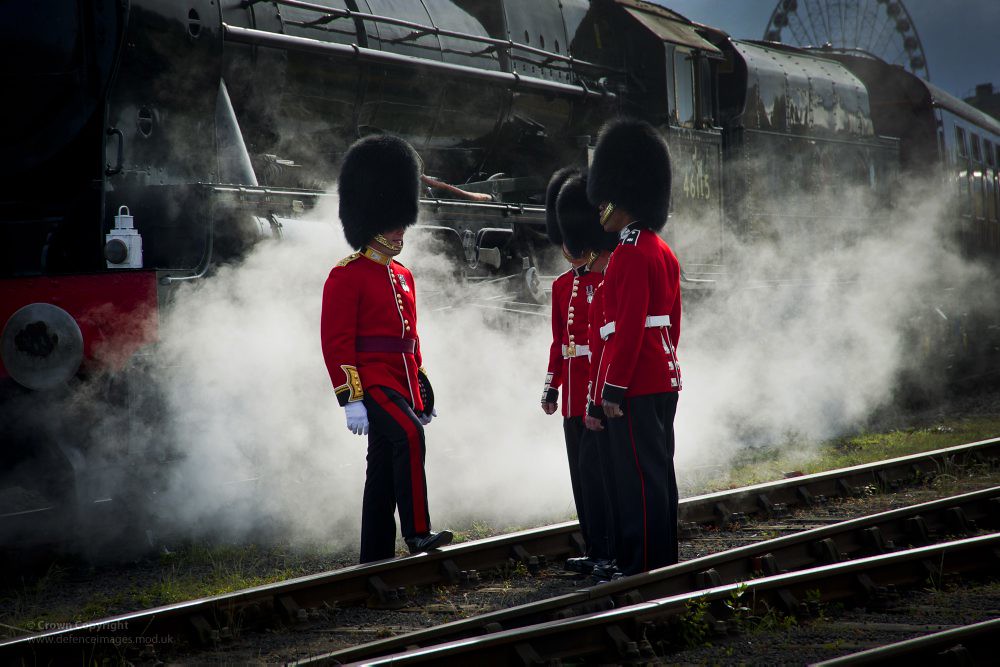
There’s something undeniably captivating about the sound of a steam locomotive chugging along the tracks, the puffs of white smoke rising against a backdrop of lush countryside. Steam trains evoke nostalgia, whisking us back to a simpler time when journeys were less about the destination and more about the experience. In Britain, this love for steam railways thrives, preserving a significant part of the nation’s history. Let’s dive into the enchanting world of Britain’s heritage railways where time stands still and every journey is a step back in time.

The Charm of Heritage Railways

Heritage railways are more than just a means of transportation; they are living museums. Each station, train, and track tells a story that reflects the rich tapestry of British history. The charm lies in the authenticity: from the meticulously restored engines to the vintage carriages that once transported passengers across the country. Visitors can expect to feel like they’ve stepped into a different era, surrounded by the sights and sounds of a bygone age.

Why Heritage Railways Matter

Preserving heritage railways is vital for several reasons. Firstly, they provide insight into the industrial revolution and the evolution of transport in Britain. Steam locomotives were the backbone of the Victorian economy, facilitating trade and travel like never before. Secondly, these railways often traverse stunning landscapes, offering a unique way to experience the natural beauty of the British countryside. Lastly, they foster community spirit, bringing together enthusiasts who share a passion for preserving history.

Iconic Routes to Explore

The West Somerset Railway

The West Somerset Railway is the longest heritage railway in the UK, stretching over 20 miles from Bishops Lydeard to Minehead. This scenic route winds through the Quantock Hills and alongside the beautiful coastline, making it a feast for the eyes. With charming stations like Crowcombe Heathfield and Williton, this railway offers a delightful experience for families and history buffs alike.

Don’t miss the opportunity to hop off at Dunster, a picturesque village dominated by its medieval castle. The station itself is a piece of history, complete with a café serving delicious cream teas, perfect for recharging after a day of exploration.

The North Yorkshire Moors Railway

If you’re looking for breathtaking views, the North Yorkshire Moors Railway is a must-visit. This heritage line traverses the stunning Yorkshire Moors, with its rolling hills and heather-covered landscapes. The journey from Pickering to Whitby is particularly magical, as the train meanders through quaint villages and lush greenery.

Once you arrive in Whitby, you can explore the coastal town’s famous abbey and indulge in some traditional fish and chips. The railway is known for its themed events too, such as the popular “Gingerbread Express” during the festive season, making every visit a little different.

The Severn Valley Railway

Nestled in the picturesque Severn Valley, this 16-mile railway runs along the banks of the River Severn, offering a delightful combination of scenic beauty and historical significance. It connects the towns of Kidderminster and Bridgnorth, with several stops in charming villages along the way.

One of the highlights of the Severn Valley Railway is the chance to ride on a genuine steam locomotive. The experience is enriched by the knowledgeable staff, who share fascinating stories about the history of the railway and the locomotives themselves. Be sure to visit the Kidderminster Railway Museum, which showcases the history of railways in the area.

Unique Experiences to Enjoy

Themed Events and Specials

Heritage railways often host themed events that add a touch of magic to your visit. From Halloween specials where the trains turn eerie to Christmas Santa trains that delight children and adults alike, these events bring the railways to life in new and exciting ways.

For those looking for a romantic escapade, consider booking a dining experience on one of the steam trains. Imagine enjoying a sumptuous meal while the train chugs along through beautiful countryside—a truly unforgettable experience!

Vintage Fairs and Steam Galas

Another exciting aspect of heritage railways is the vintage fairs and steam galas held throughout the year. These events attract enthusiasts from across the country, showcasing restored locomotives, classic cars, and vintage stalls selling everything from antiques to homemade crafts.

The atmosphere is vibrant and nostalgic, with live music, food stalls, and a variety of activities for all ages. It’s an excellent opportunity to meet fellow train lovers and learn more about the history of steam railways.

Practical Tips for Visiting

Planning Your Trip

When visiting a heritage railway, it’s essential to plan your trip in advance. Check the railway’s official website for schedules, special events, and ticket prices. Many railways offer family tickets and discounts for children, making it an affordable day out.

What to Bring

Be sure to pack a camera to capture the stunning views and vintage trains. Comfortable shoes are a must, especially if you plan to explore the surrounding areas or hop on and off the train at various stops. Don’t forget a light jacket; it can get chilly, especially in the evening when the sun sets.

Accessibility Considerations

Most heritage railways strive to be accessible to everyone. However, it’s a good idea to check in advance regarding any specific accessibility needs, especially if you require assistance with mobility. Many railways provide details on their websites about facilities available for visitors with disabilities.

Conclusion

The magic of steam railways lies in their ability to transport us to a time when travel was an adventure. As the train rolls along the tracks, you can almost hear the whispers of history mingling with the sounds of the countryside. Whether you’re a railway enthusiast, a history lover, or simply in search of a unique experience, Britain’s heritage railways offer something for everyone. So grab your tickets, hop aboard, and let the steam dreams carry you away on a journey through time!

Posted on Leave a comment

How Beechings Cuts Transformed the British Landscape Forever

Introduction

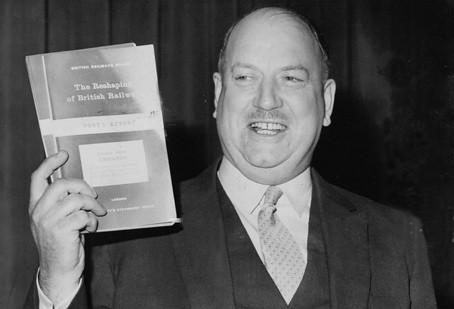
The British railway system has historically been a lifeline for towns, cities, and communities across the country. It connected people, facilitated trade, and opened up the countryside to countless adventures. However, the 1960s brought significant changes that would alter the landscape of Britain forever. The implementation of the cuts to the railway network proposed by Dr. Richard Beeching, known as Beeching’s Cuts, transformed not only the railway system but also the way Britons lived, worked, and traveled.

In this article, we’ll explore the impact of Beeching’s Cuts, the rationale behind them, and how they reshaped the British landscape in ways still felt today. Buckle up as we take a journey through time, examining the railways’ decline, the cultural shifts that ensued, and what the future might hold for Britain’s railways.

A Brief History of British Railways

Before diving into the specifics of Beeching’s Cuts, it’s essential to appreciate the grandeur of the British railway network that existed prior to the 1960s. The railway system in Britain was the first of its kind in the world, with the opening of the Stockton and Darlington Railway in 1825. By the late 19th and early 20th centuries, railways were the backbone of British society—carrying millions of passengers and freight across the nation.

The network expanded rapidly, reaching its peak in the years following World War II. With the rise of car ownership and the expansion of road networks, the railways faced increasing competition. This shift in transportation preferences set the stage for the drastic measures that would soon follow.

The Rise of Beeching

In 1963, Dr. Richard Beeching, a British engineer and the chairman of the British Railways Board, released a report titled “The Reshaping of British Railways.” This report aimed to address the financial losses faced by the railway system due to declining passenger numbers and competition from cars and buses. Beeching’s solution was radical: significantly reduce the railway network by closing down nearly a third of the routes and half of the stations.

Beeching argued that many lines were underutilized and that the remaining network should focus on more profitable routes. The report’s recommendations were quickly adopted, leading to an extensive and systematic dismantling of the railway system.

The Cuts Take Effect

The impact of Beeching’s recommendations was profound. Over the next few years, thousands of miles of track were pulled up, and hundreds of stations were permanently closed. This massive reduction in the railway network led to the following changes:

Loss of Connectivity

Before the cuts, small towns and rural communities had easy access to larger cities. Railways were not just a mode of transport but a vital connection for commerce and social interaction. The closure of lines meant that many communities became isolated, forcing residents to rely on less efficient bus services or their cars.

Economic Consequences

The economic ramifications were significant. Towns that had once thrived due to easy access to larger markets experienced a downturn. Businesses that relied on the railways for supplies or customer access struggled to survive. As the railway jobs disappeared, so did the local economies that depended on them, leading to higher unemployment rates in previously prosperous areas.

Cultural Shifts

Railways played a crucial role in the cultural fabric of British life. They were more than just transport; they were symbols of adventure, exploration, and social change. The cuts not only stripped away physical connections but also impacted the collective identity of communities that had been shaped by their access to the railways.

The Environmental Impact

Interestingly, the decline of the railways did not just affect people economically and socially; it also had an environmental impact. The shift towards road transport increased carbon emissions and contributed to the rise of traffic congestion. Railways are often seen as a more environmentally friendly option compared to cars and lorries, and the loss of rail lines led to a significant rise in road traffic—which continues to be a major concern today.

A New Era of Transportation

Beeching’s Cuts signaled a shift not just in transport but also in societal behavior. The focus on road travel helped to develop the modern car culture that Britain experiences today. The cuts made it easier for families to travel in their cars for holidays, leading to a boom in tourism in coastal areas and the countryside. However, this came at a price: increased traffic jams, pollution, and a reliance on fossil fuels.

The ‘Beeching Effect’

The consequences of Beeching’s Cuts have been felt for generations, creating what some have termed the “Beeching Effect.” This phenomenon refers to the disconnect between urban centers and rural areas, which has further influenced transport policy in subsequent decades. Even today, discussions about restoring some of the lines and stations closed during the cuts have gained traction, especially in light of growing concerns about climate change and the need for sustainable transport solutions.

The Revival of Interest in Rail Travel

Interestingly, while Beeching’s Cuts removed many routes, they also sparked a renewed interest in rail travel in the decades that followed. The charm of train travel—its nostalgia, scenic views, and the experience of getting from point A to point B—has made railways appealing once more.

New Initiatives

In recent years, there has been a push to reinstate some of the lines lost during the cuts. Campaigns to restore the railway network have gained popularity, driven by local communities and transport enthusiasts alike. Projects like the “Reopening Railways” initiative aim to reestablish connections that were severed decades ago, emphasizing the importance of railways in promoting economic growth and environmental sustainability.

The Future of Rail Travel in Britain

The future of rail travel in Britain looks promising. With increasing attention to climate change and a desire for more sustainable transport options, railways are once again taking center stage. The UK government has committed to investing in the rail network, supporting electrification and modernization projects, which will enhance the efficiency and attractiveness of rail travel.

Conclusion

The impact of Beeching’s Cuts on the British landscape is a complex tale of loss and opportunity. While the cuts led to the decline of many communities and a shift in transport habits, they also sparked a renewed interest in rail travel and discussions about sustainable transport solutions. Today, as Britain navigates the challenges of climate change and urbanization, the legacy of Beeching remains a pivotal chapter in the story of the British railway system.

Whether we view Beeching as a villain or a visionary, one thing is clear: the railway network will forever be a critical part of Britain’s identity, shaping not just the landscapes we traverse but also the way we connect with each other and the world. As we move forward, it’s essential to learn from the past and ensure that the choices we make today lead to a more connected, sustainable, and vibrant future for all.

Posted on Leave a comment

Hidden Railways: Britains Abandoned Tracks You Can Still Hike Today

Introduction

When you think of the picturesque countryside of Britain, images of rolling hills, quaint villages, and lush greenery likely come to mind. But beneath this serene surface lies a fascinating network of hidden railways, remnants of a bygone era that are waiting to be explored. These abandoned tracks, once bustling with steam trains and commuters, have now transformed into some of the most scenic hiking trails in the country. Whether you’re a seasoned hiker looking for a new challenge or a casual wanderer seeking a unique adventure, these hidden railways offer a delightful blend of history, nature, and exercise.

The Allure of Abandoned Railways

Why are these tracks so appealing? For one, they provide a window into the past, telling stories of Britain’s industrial evolution and the rise and fall of the railway age. Each step taken on these paths is like walking through history, allowing you to connect with the land in a way that’s almost magical. Furthermore, many of these routes are relatively flat, making them accessible to hikers of all ages and fitness levels. With stunning landscapes, diverse wildlife, and a touch of nostalgia, these hidden railways are perfect for anyone looking to escape the hustle and bustle of modern life.

The History of Britain’s Railways

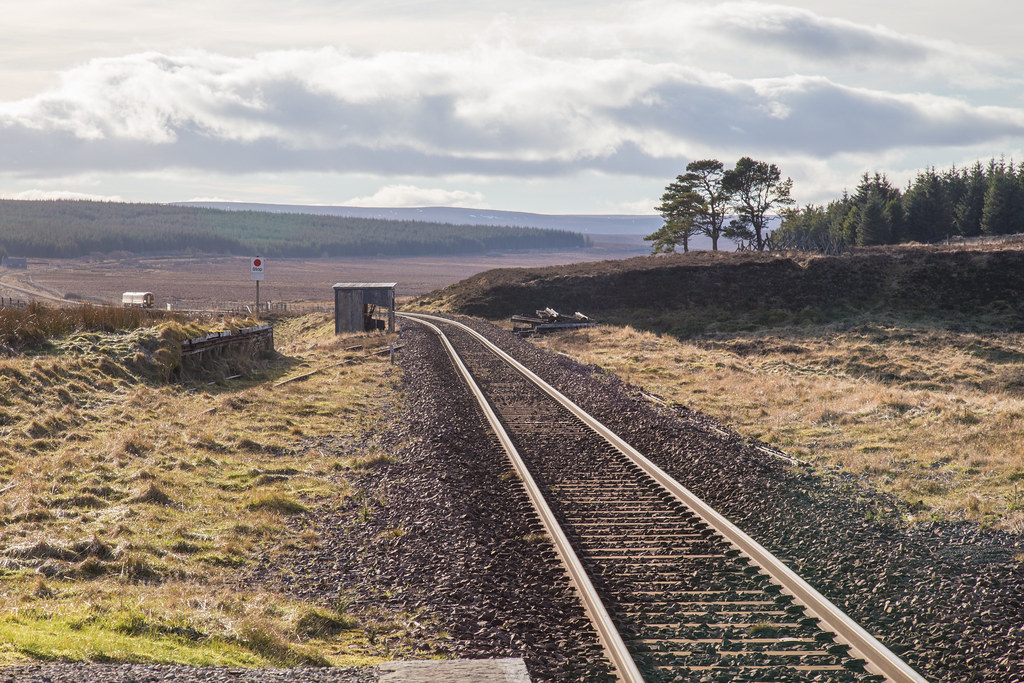
To appreciate these hidden gems, it’s essential to understand a bit about Britain’s rich railway history. The railway boom of the 19th century transformed the way people traveled and freight was transported. At its peak, the network spanned over 22,000 miles, connecting cities, towns, and rural areas. However, by the mid-20th century, many lines were deemed unprofitable and closed, leaving behind a legacy of disused tracks. Today, these abandoned lines provide a unique opportunity to explore Britain’s railway heritage.

Popular Trails to Explore

Let’s dive into some of the most exciting and accessible abandoned railways that you can hike today. Each of these routes offers its own unique charm and beauty, ensuring you’ll find something to suit your interests.

1. The Camel Trail, Cornwall

Stretching for nearly 18 miles, the Camel Trail winds along the banks of the River Camel from Padstow to Wenfordbridge. This former railway line offers breathtaking views of the river and surrounding countryside. The trail is well-maintained, making it perfect for walkers, cyclists, and families. Along the way, you’ll encounter charming cafes, local shops, and opportunities to spot wildlife, including otters and various bird species. Don’t forget to visit the historic town of Padstow, known for its delicious seafood and vibrant atmosphere.

2. The Monsal Trail, Derbyshire

For those looking to experience the dramatic beauty of the Peak District, the Monsal Trail is a must. This 8.5-mile route follows a former railway line that was closed in the 1960s. As you hike through the stunning dales, you’ll pass through beautiful limestone tunnels, cross impressive viaducts, and enjoy panoramic views. The trail is accessible from several points, including Bakewell and Miller’s Dale, and offers plenty of opportunities for picnic spots along the way. Keep an eye out for the vibrant flora and fauna that flourish in this protected landscape.

3. The Fife Coastal Path, Scotland

While not a traditional railway line, parts of the Fife Coastal Path incorporate sections of disused railway track, offering a unique blend of coastal beauty and railway history. The path stretches over 117 miles along the stunning Fife coastline, passing through charming fishing villages and historic sites. Hikers can enjoy picturesque views of the North Sea while exploring the quaint towns of Anstruther, Pittenweem, and Crail. This trail is perfect for those seeking a combination of coastal scenery and cultural exploration.

4. The Taff Trail, South Wales

The Taff Trail runs for 55 miles from Cardiff to Brecon, following the River Taff and incorporating various stretches of old railway. This diverse trail offers a rich mix of urban and rural scenery, taking you from the vibrant capital city of Cardiff through beautiful woodlands and serene countryside. Along the way, you’ll encounter historic sites, including the impressive Treforest Viaduct and the stunning Brecon Beacons National Park. The route is well-signposted and suitable for walkers, cyclists, and horseback riders.

5. The South Downs Way, Sussex

Another fantastic option is the South Downs Way, which includes sections of the former railway line that once connected the coastal town of Eastbourne to Winchester. This 100-mile trail showcases the stunning South Downs landscape, with rolling hills, chalk cliffs, and picturesque villages. As you hike, you’ll have the opportunity to enjoy breathtaking views of the English Channel and the surrounding countryside. The trail is well-marked, and there are plenty of charming pubs and tea rooms along the way for a well-deserved break.

Tips for Hiking Abandoned Railways

Exploring these hidden railways can be a delightful experience, but it’s essential to prepare properly. Here are some tips to ensure you have a safe and enjoyable hike:

Dress Appropriately

Wear comfortable, weather-appropriate clothing and sturdy hiking boots. The terrain can vary, so be prepared for mud, uneven surfaces, and changes in weather.

Stay Hydrated

Bring plenty of water, especially on warmer days. Keeping hydrated is crucial for maintaining energy levels during your hike.

Know Your Route

Before setting out, familiarize yourself with the trail map and any potential hazards. Some routes may have sections that are less well-maintained, so it’s a good idea to know what to expect.

Respect Nature

Remember to follow the Leave No Trace principles. Stay on marked paths, dispose of waste properly, and respect wildlife and vegetation. These trails are precious natural resources that need to be preserved for future generations.

Capture the Moment

Don’t forget to bring your camera! The stunning landscapes and charming historical features along these trails provide endless opportunities for beautiful photography. Capture your adventures to share with friends and family, or simply to reminisce about your journey later.

Conclusion

Hiking along Britain’s abandoned railway lines offers a unique opportunity to connect with history while immersing yourself in the beauty of nature. Each trail has its own story to tell, providing a fascinating glimpse into the past while allowing you to enjoy the present. Whether you’re seeking a family-friendly outing, a solo adventure, or a romantic stroll with a loved one, these hidden railways promise an unforgettable experience. So lace up your hiking boots, grab your backpack, and get ready to explore the enchanting world of Britain’s forgotten tracks!

Posted on Leave a comment

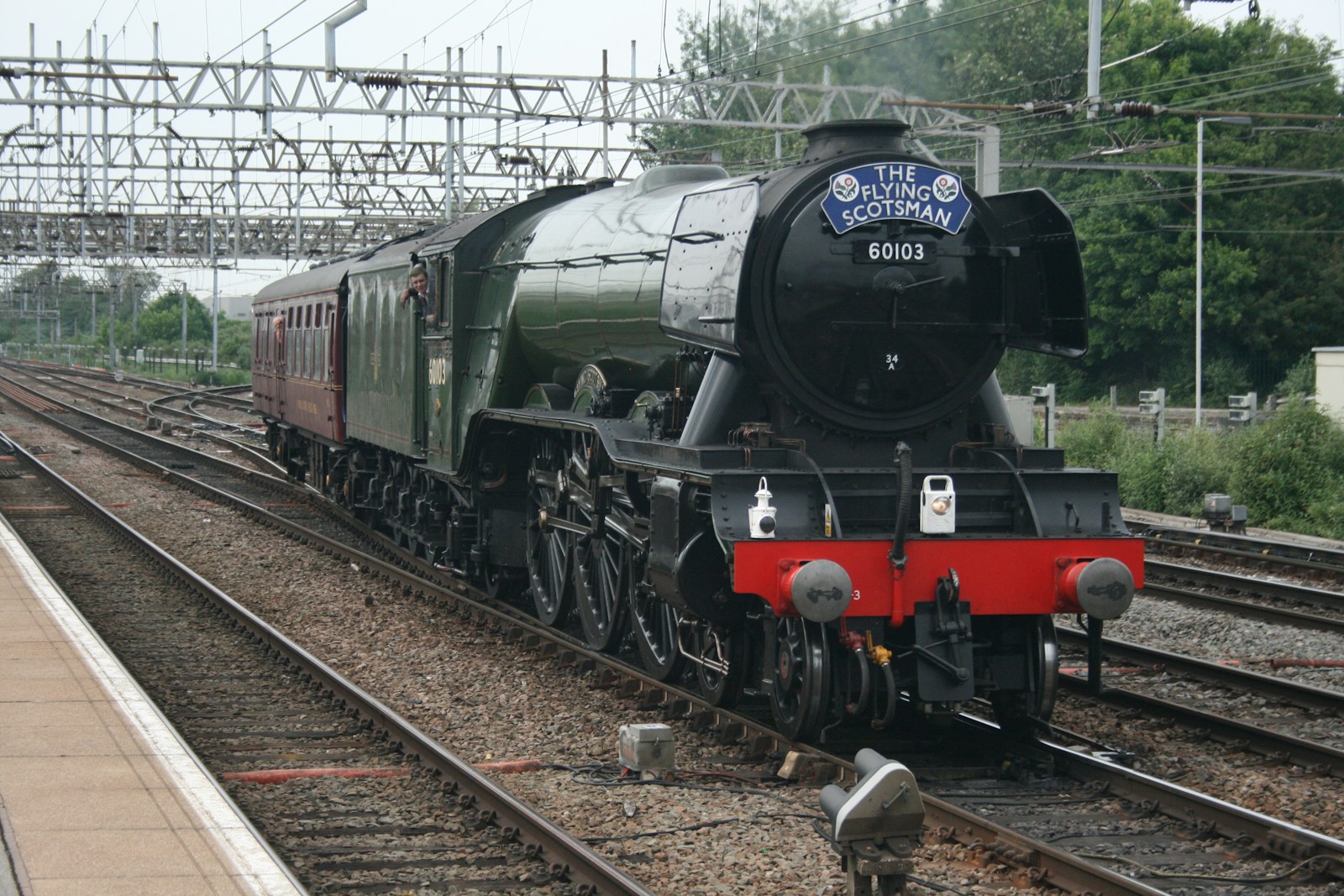
The Flying Scotsman: The History of Britains Most Famous Locomotive

a train on a train track with trees in the background

A Journey Through Time: The Legend of the Flying Scotsman

When you think of iconic symbols of British history, a few things might come to mind: the Queen, Big Ben, and of course, a steam locomotive that has captured the hearts of many over the decades. Step aboard as we take a thrilling ride through the history of the Flying Scotsman, a locomotive that isn’t just famous for its speed but also for its charm and significance in the evolution of railway travel.

The Birth of a Legend

Originally built in 1923 by the renowned locomotive engineer Sir Nigel Gresley, the Flying Scotsman was designed for the London and North Eastern Railway (LNER) to haul the prestigious express service between London and Edinburgh. Its first journey took place on February 24, 1923, embarking on a path that would see it become a cultural icon. The locomotive was notable for its streamlined design, which wasn’t just for aesthetics; it significantly improved its speed and efficiency.

At the time of its inception, the Flying Scotsman was the first locomotive to be officially recorded at reaching 100 miles per hour during a test run in 1934. This remarkable feat not only marked a milestone in railway history but also set the stage for future innovations in locomotive design.

A Royal Connection

It’s hard to ignore the delightful touches of history that surround this locomotive. The Flying Scotsman has had its fair share of royal connections. In 1924, it became the first train to run non-stop from London to Edinburgh, a journey that took an impressive eight hours. This service became a favorite for many, including members of the British aristocracy.

During its early years, the Flying Scotsman was graced by the presence of high-profile figures, including King George V. The allure of riding a train like the Flying Scotsman, with its luxurious carriages, dining facilities, and plush sitting arrangements, made it a cherished experience for those fortunate enough to board it. With its sleek design and elegant service, it wasn’t just a mode of transport; it was a status symbol.

The Golden Age of Steam

The mid-20th century was a golden era for steam travel, and the Flying Scotsman was at the forefront of it all. Its fame grew as it became synonymous with the rise of rail travel in Britain. Traveling on the Scotsman meant you were part of an exclusive club. Passengers would enjoy sumptuous meals served in dining cars while taking in the breathtaking views of the English countryside, all while resting in the comfort of first-class carriages.

The locomotive was not only celebrated for its speed and luxury but also for the dedication of the staff who worked tirelessly to ensure a pleasant journey. The camaraderie between the crew and passengers contributed to an enchanting atmosphere that many still reminisce about today.

The Decline of Steam

As with all great things, change was on the horizon. The advent of diesel and electric trains in the 1960s marked the beginning of the decline for steam locomotives. By this time, the Flying Scotsman’s reign was waning. It was officially retired from regular service in 1963, and many thought the curtain had fallen on this iconic locomotive.

However, the story didn’t end there. In 1968, the Flying Scotsman was saved from the scrap heap by a dedicated group of enthusiasts and preservationists. They recognized the locomotive’s significance and potential as a historical artifact, embarking on a journey to restore it to its former glory.

Restoration and Revival

The restoration of the Flying Scotsman was no small feat. Over the years, the locomotive underwent numerous renovations and updates to bring it back to life. It was a labor of love for many who dedicated their time and resources to preserve this piece of history.

In 1994, after a lengthy restoration process, the Flying Scotsman was back in action, much to the delight of train enthusiasts and the general public alike. It returned to the tracks with a series of special excursions and tours, rekindling the magic of steam travel. The beauty of it all was in the nostalgia it stirred — families and friends gathered to watch as the gleaming green locomotive puffed its way along the tracks, evoking memories of simpler times.

The Icon Today

Fast forward to the present, and the Flying Scotsman remains one of the most beloved locomotives in Britain, if not the world. It has become a fixture at railway events, festivals, and heritage lines across the country. Thousands flock to witness this majestic machine in all its glory, a testament to the enduring legacy of steam trains.

In recent years, the locomotive has not only been an attraction for the general public but has also made appearances in films and television shows. Its charm and historic appeal have made it a popular choice for filmmakers, ensuring that the legend of the Flying Scotsman continues to be shared with new generations.

Educational Value

Apart from its nostalgic appeal, the Flying Scotsman serves an educational purpose as well. Many heritage railways offer educational programs for schools and families, teaching the importance of rail travel in Britain’s history. The locomotive stands as a symbol of engineering marvel, inspiring countless individuals to appreciate the art and science behind locomotive design and operation.

Future Prospects

With continued interest in steam railways and vintage locomotives, the future of the Flying Scotsman looks bright. Preservation groups are committed to maintaining its operational status, ensuring that this piece of history remains accessible to the public. The ongoing restoration and care taken to keep the Flying Scotsman in prime condition is a testament to the dedication of those who love it.

Moreover, as discussions around sustainability and green travel gain momentum, the Flying Scotsman offers a unique perspective on travel that blends history with a modern appreciation for eco-friendly tourism. While it may not be the fastest way to travel today, its charm and cultural significance provide a delightful alternative to the hustle and bustle of contemporary transportation.

Conclusion: All Aboard!

As we take a step back and reflect on the journey of the Flying Scotsman, it’s clear that this locomotive is much more than just a train. It encapsulates a rich tapestry of British history, innovation, and nostalgia. From its glorious days as a high-speed express to its current status as a cherished heritage locomotive, it represents a bygone era that many still hold dear.

So the next time you hear the whistle of a steam train or see the or the iconic green silhouette of the Flying Scotsman chugging along the tracks, remember that you’re witnessing a piece of living history. Hop on board and let the spirit of adventure whisk you away on a ride through time.

Posted on Leave a comment

Station to Station: Britains Most Beautiful Railway Terminals

a very tall building with a clock on it's side

Introduction

When it comes to travel, the journey is often as important as the destination. In the UK, there’s a unique charm to train travel, and part of that charm lies in the stunning railway terminals that dot the landscape. These gateways to adventure are not just functional; they are architectural marvels, steeped in history and often brimming with shops, cafes, and a palpable sense of excitement. Let’s embark on a whimsical journey through some of Britain’s most beautiful railway terminals, where every corner tells a story and every platform invites exploration.

The Grandeur of St Pancras International

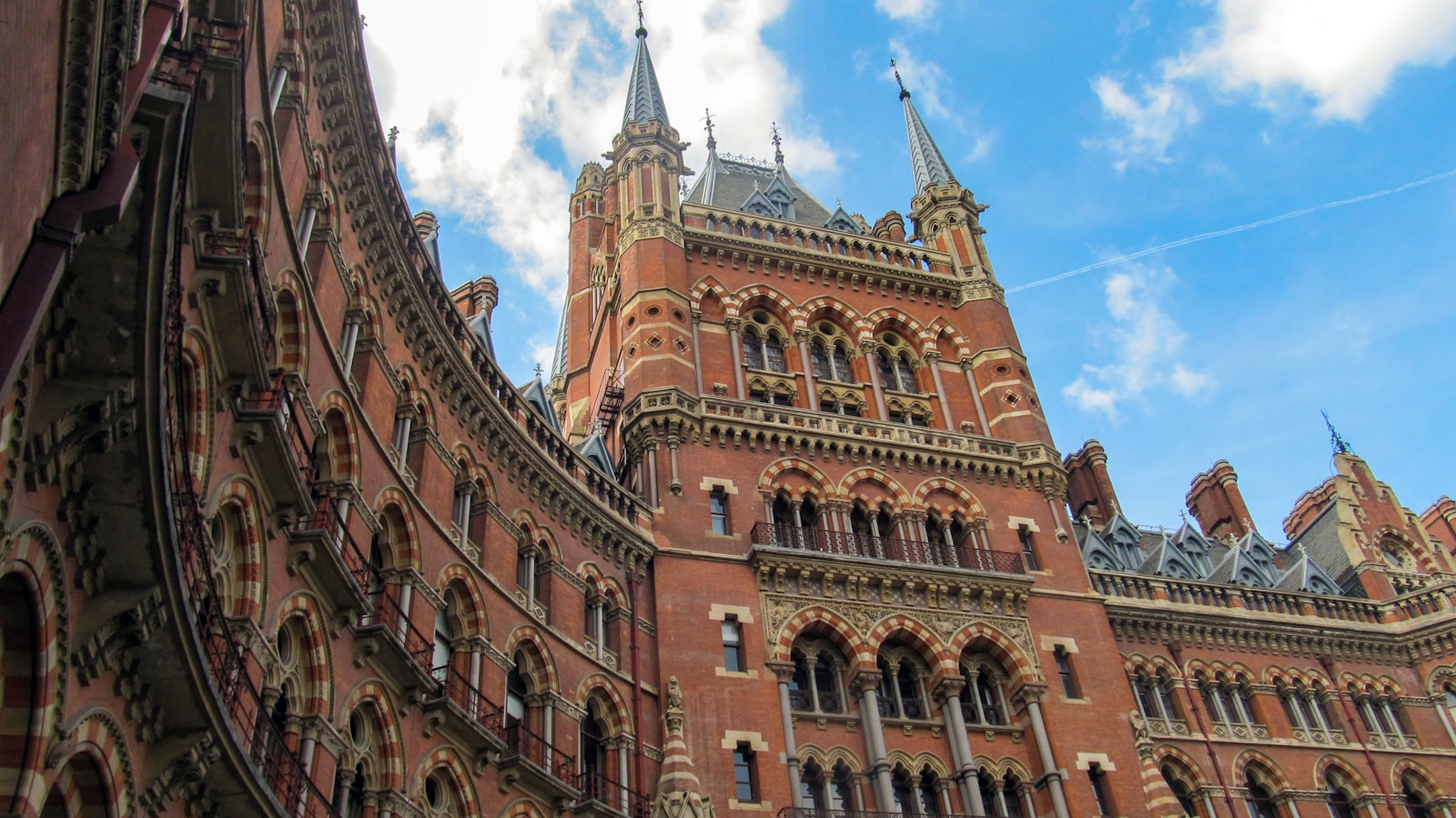
If you’re starting your adventure in London, St Pancras International is a must-visit. This stunning terminal, known for its breathtaking Gothic architecture, will have you feeling like you’ve stepped into a Harry Potter film. Opened in 1868, the station boasts a striking red brick façade and soaring arches that seem to touch the sky. The grand clock tower, a beacon for travelers, is a sight to behold.

Inside, the station is alive with the hustle and bustle of passengers embarking on Eurostar journeys to Paris and beyond. The concourse is filled with shops that offer everything from artisan chocolates to high-end fashion. Don’t miss the chance to refuel at the beautifully designed Champagne Bar, where you can sip bubbly while watching the world go by. The station is not just a transit point; it’s an experience in itself.

King’s Cross Station: A Hub of History and Modernity

Just a stone’s throw from St Pancras lies King’s Cross Station, another London gem that marries history with contemporary design. Famous for its iconic Platform 9¾, this terminal has captured the hearts of Harry Potter fans far and wide. But don’t let the wizarding world overshadow the station’s architectural features.

The station’s main concourse, completed in 2012, is a magnificent example of modern design, with a stunning lattice roof that invites natural light to flood the space. It’s a perfect blend of old and new, featuring original Victorian facades alongside innovative contemporary structures. Grab a coffee from one of the many cafes and take a moment to appreciate the hustle and bustle of this vibrant hub.

Edinburgh Waverley: A Scottish Marvel

Traveling north, we arrive at one of Scotland’s most beautiful railway terminals, Edinburgh Waverley. Nestled between the Old Town and New Town, this station is steeped in history and offers stunning views of the iconic Edinburgh Castle. The grandeur of the station is best appreciated from the upper levels, where you can gaze down at the bustling platforms below.

Waverley’s architecture reflects its Victorian roots, with intricate wrought-iron detailing and a spacious concourse that feels both inviting and majestic. While you’re here, take time to explore the surrounding area. The station is conveniently located for a wander through Edinburgh’s cobbled streets, where you can indulge in some haggis or enjoy a dram of whisky in one of the nearby pubs.

Liverpool Lime Street: A Cultural Crossroads

Moving westward, we reach Liverpool Lime Street, a station that’s not only a gateway to the city but also a cultural hotspot in its own right. Opened in 1836, Lime Street is one of the oldest terminals in the world, showcasing stunning Victorian architecture with its iconic clock tower and impressive façade.

Inside, the hustle and bustle of travelers mingles with the vibrant energy of Liverpool’s rich musical history. The station is adorned with memorabilia celebrating The Beatles and other local legends. Grab a bite at the station’s deli or take a moment to enjoy some live music if you’re lucky enough to catch a performance. Lime Street is more than a terminal; it’s a celebration of Liverpool’s unique heritage.

Paddington Station: The Bear Necessities

Paddington Station, with its famous bear mascot, is another iconic terminal in London that warrants attention. The station, opened in 1854, features a stunning Victorian roof and a charming, bustling atmosphere. It’s not just a travel hub; it’s an experience for families and children of all ages.

The Paddington Bear statue is a delightful photo opportunity for visitors, and the nearby shops offer an array of Paddington-themed merchandise. If you’re feeling peckish, dive into one of the many eateries within the station or head to the beautiful nearby Little Venice, where you can enjoy picturesque canals and quaint cafes.

Birmingham New Street: A Modern Marvel

Birmingham New Street has undergone a significant transformation in recent years, blending modern architecture with the historic features that have stood the test of time. The station’s new concourse, completed in 2015, is a sight to behold, with its expansive glass roof and contemporary design.

One of the standout features of New Street is the stunning Grand Central shopping area, located directly above the station. Here, you can indulge in retail therapy before or after your journey, with a plethora of shops and restaurants to choose from. New Street is a testament to how a railway terminal can evolve with the times while still retaining its charm.

Cardiff Central: A Gateway to Wales

Heading into Wales, Cardiff Central is a station that embodies the spirit of the capital. This terminal combines history with vibrant culture, serving as a gateway to the stunning landscapes of Wales. The station’s architectural design is a blend of Victorian and contemporary styles, creating a welcoming atmosphere for travelers.

As you step inside, you’ll notice the impressive stained-glass windows that depict the history of the Welsh railways. Cardiff Central is also a hub for events and festivals, so check local listings for pop-up markets or performances that might be taking place during your visit. Don’t forget to sample some classic Welsh food at the local eateries nearby!

Conclusion: A Journey Worth Taking

Traveling through Britain’s railway terminals is like embarking on a journey through time, culture, and history. Each station offers a unique experience, from the grandeur of St Pancras to the vibrant energy of Liverpool Lime Street. These terminals are not just about catching trains; they are about immersing yourself in the character of each city, enjoying the local culture, and embarking on new adventures.

So, next time you’re planning a trip in the UK, take a moment to appreciate the beauty and history of the railway terminals en route. Whether you’re indulging in a champagne brunch at St Pancras, capturing a photo with Paddington Bear, or exploring the streets of Edinburgh, each terminal is a destination in its own right. Grab your ticket, hop on the train, and let the adventure unfold!

Posted on Leave a comment

Britains Most Scenic Railway Journeys: Routes That Rival Switzerland

a train traveling over a lush green hillside

Introduction

When you think of breathtaking train journeys, Switzerland often springs to mind. With its majestic mountains and picturesque villages, it’s a country that seems tailor-made for scenic rail travel. But what if I told you that you don’t have to leave the United Kingdom to experience stunning railway routes that could rival anything the Swiss Alps have to offer? From rugged coastlines to rolling hills, Britain is home to some of the most beautiful train journeys in the world. Grab your tickets, sit back, and let’s explore these unforgettable routes!

The West Highland Line

A Journey Through the Highlands

One of the most iconic train journeys in the UK is the West Highland Line, which takes you from Glasgow to Mallaig. This route is not just a means of transport; it’s an experience that immerses you in the stunning landscapes of the Scottish Highlands. As the train chugs along, you’ll be treated to views of serene lochs, towering mountains, and quaint villages.

Highlights Along the Way

  • Loch Awe: As you pass this enchanting body of water, the scenery shifts to dramatic hills and ancient ruins. Keep your camera at the ready!
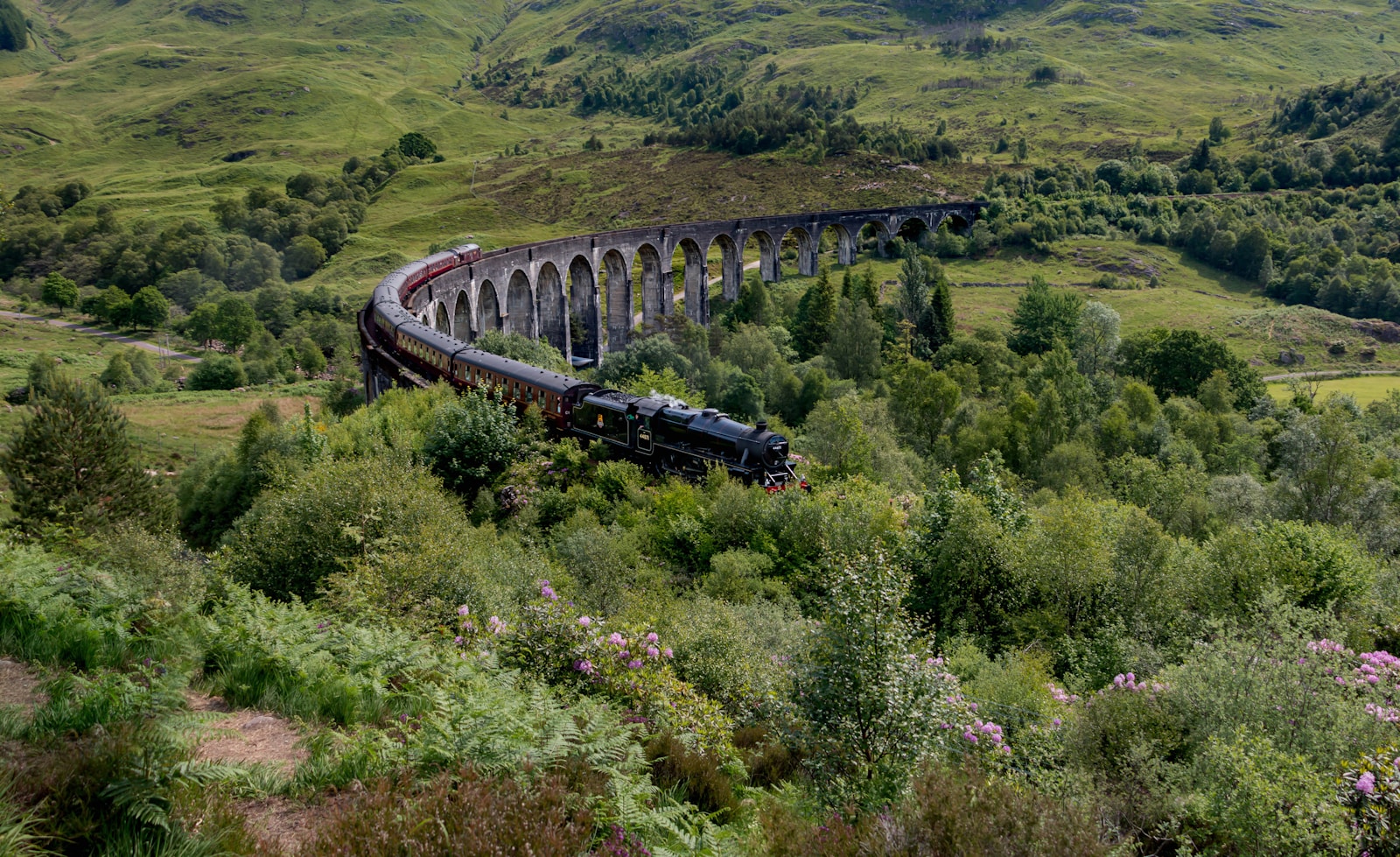
  • The Glenfinnan Viaduct: Famously featured in the Harry Potter films, this 21-arch viaduct offers a perfect photo opportunity. Watch as the train gracefully curves over the arch, surrounded by lush greenery.
  • Mallaig: The journey culminates in this charming fishing port. Treat yourself to some fresh seafood and enjoy the beautiful coastal views.

The Settle-Carlisle Line

A Historic Railway

Next up is the Settle-Carlisle Line, a route steeped in history and stunning scenery. Opened in 1876, this railway stretches for 72 miles and takes you through some of the most picturesque parts of northern England.

What to Expect

  • Dramatic Landscapes: The journey features the breathtaking Yorkshire Dales National Park, where you’ll see limestone cliffs, rolling hills, and quaint stone cottages.
  • The Ribblehead Viaduct: This towering viaduct is an engineering marvel. Standing at 104 feet high and 440 yards long, it offers a spectacular view that will leave you in awe.
  • Historic Stations: The stations along the line are charming and often retain their Victorian architecture, making for delightful stops along the way.

The Jacobite Steam Train

A Nostalgic Ride

If you’re a fan of steam trains, the Jacobite Steam Train is a must-do. Operating between Fort William and Mallaig, this journey offers a nostalgic experience reminiscent of a bygone era.

The Scenic Experience

  • Glenfinnan and Beyond: The train passes through the same stunning landscapes as the West Highland Line, but the steam engine adds an extra layer of charm. The puffs of steam against the backdrop of the Highlands create a magical atmosphere.
  • Harry Potter Magic: For fans of the series, this route is a dream come true. The train is often marketed as the “Hogwarts Express,” and you’ll find fans dressed in wizard robes, making the journey even more enchanting.

The Coastal Route from Weymouth to Penzance

A Journey Through the South West

If you prefer coastal views, look no further than the train ride from Weymouth to Penzance. This journey takes you along the stunning Jurassic Coast, a UNESCO World Heritage Site.

Highlights of the Journey

  • Dramatic Cliffs and Beach Views: As you travel along the coastline, you’ll see craggy cliffs, golden beaches, and turquoise waters. It’s a glorious sight that captures the beauty of the South West.
  • Dorset’s Charm: The journey begins in Weymouth, a historic seaside town. Don’t miss a stroll along the beach or a visit to the charming harbor before you board the train.
  • Penzance: Your destination is a bustling town with plenty to see and do. Wander through its lovely streets and perhaps take a ferry to the nearby Isles of Scilly.

The North Yorkshire Moors Railway

A Heritage Experience

The North Yorkshire Moors Railway offers a unique opportunity to ride on a heritage railway that takes you back in time. This steam railway winds through the stunning landscapes of the North York Moors National Park.

What Makes It Special

  • Stunning Moorland Views: The train journey offers breathtaking views of heather-covered moors and charming villages. It’s a landscape that feels almost untouched by time.
  • Grosmont to Pickering: The full journey runs between Grosmont and Pickering, with several charming stops along the way. You can hop off and explore the quaint villages, visit local shops, or grab a bite to eat.
  • Feeling Nostalgic: Riding on a steam train is an experience in itself. The smell of coal smoke and the sound of the locomotive will transport you back to a different era.

The Snowdon Mountain Railway

Conquering Wales’ Highest Peak

For a truly unique experience, consider the Snowdon Mountain Railway in Wales. This journey takes you to the summit of Snowdon, the highest peak in England and Wales.

An Unforgettable Climb

  • Breathtaking Views: The train winds its way up the mountain, offering panoramic views of the Welsh countryside. On a clear day, you can see for miles, making it a fantastic photo opportunity.
  • The Summit Experience: Once you reach the top, take a moment to soak in the views from the summit. There is a café at the top where you can warm up with a hot drink while enjoying the breathtaking scenery.
  • Historic Significance: The railway has been in operation since the 19th century and is a testament to the ingenuity of Victorian engineering.

Conclusion

Britain’s railways are a treasure trove of scenic journeys that can easily rival those found in Switzerland. Each route offers its own unique charm, whether it’s the rugged beauty of the Highlands, the rolling hills of Yorkshire, or the breathtaking coastal views of the South West. So why not embark on one of these spectacular train journeys? Pack your bags, grab your camera, and get ready for an adventure that will leave you with memories to last a lifetime. Whether you’re a seasoned traveler or a first-time explorer, these scenic railway journeys are sure to inspire your wanderlust and showcase the stunning beauty of the UK. Happy travels!

Posted on Leave a comment

British Travel Etiquette: Unspoken Rules That Will Make Locals Embrace You

selective focus photography of red table napkins on white plates

Understanding the British Travel Etiquette

When it comes to traveling in the UK, it’s not just about snapping photos of the iconic landmarks or indulging in scones and tea. Understanding the subtleties of British travel etiquette can make a significant difference in your experience and how locals perceive you. While the British are often stereotyped as reserved or formal, you’ll find that they appreciate politeness, humility, and a good sense of humor. Let’s dive into some unspoken rules that will help you blend in like a local and perhaps receive a warm smile instead of a quizzical glance.

The Power of Politeness

First and foremost, politeness reigns supreme in British culture. A simple “please” and “thank you” can work wonders. When you’re ordering at a café, remember to say, “I’d like a cup of tea, please.” It not only shows respect but also adopts a tone that the British find charming.

Additionally, if you accidentally bump into someone, a quick “sorry” or “pardon me” goes a long way. The British are known for their ability to be cordial even in busy situations. Embracing this can help you navigate crowded streets and tube stations with grace.

Queueing: The National Pastime

One of the most quintessentially British practices is queuing. You might feel a bit lost if you see a line forming and everyone is patiently waiting their turn. Unlike some cultures where it’s every person for themselves, in the UK, cutting in line is a major faux pas. Always take your place at the end of the line and wait your turn.

If someone tries to cut in front of you, a polite but firm “Excuse me, I believe the queue starts back there” will usually suffice. You’ll notice that locals will often appreciate your adherence to this unspoken rule, as queueing is seen as a mark of good manners and respect for others.

The Art of Small Talk

While the British may seem reserved, they do enjoy small talk—especially about the weather. It’s a classic conversation starter. Commenting on the drizzles or discussing how unexpectedly sunny it is can lead to delightful exchanges.

However, steer clear of more personal topics unless you know someone well. Conversations about politics, money, or religion can be a bit touchy, particularly with strangers. Stick to light-hearted subjects, and you may find yourself enjoying a friendly chat over the nuances of British life.

Dining Etiquette: More Than Just Forks and Knives

When dining out, whether in a casual bistro or a fancy restaurant, understanding proper etiquette is vital. To start, placing your napkin on your lap is a sign of refinement. When you’re finished eating, place your knife and fork parallel on your plate to signal that you’re done.

If you’re invited to someone’s home for dinner, it’s customary to bring a small gift as a token of appreciation. Flowers, chocolates, or a nice bottle of wine are always well-received. And if you’re the guest, be sure to thank your host once again when you leave, and a follow-up message the next day would be a lovely touch.

Tipping: A Delicate Balance

Tipping in the UK can be a bit confusing, as it varies depending on the situation. In restaurants, it’s common to leave a tip of around 10-15% if service isn’t included in the bill. If you’re in a pub ordering food at the counter, tipping isn’t necessary, but it’s always a nice gesture to leave some change.

When using taxis, rounding up to the nearest pound is standard practice. Some people might tip a bit more, especially if the driver has gone above and beyond. Understanding this balance will help you navigate the often murky waters of tipping in the UK.

Public Transport: Do’s and Don’ts

Using public transport is a rite of passage for anyone visiting the UK, especially in London. However, there are unspoken rules to abide by. When traveling on the Tube, always stand on the right side of the escalator and let others pass on the left. It’s a simple act of consideration that is greatly appreciated by locals.

Also, when you get on a bus or train, wait for passengers to disembark before boarding, and if you’re sitting in a designated priority seat, be prepared to offer it to elderly or disabled passengers.

Respecting Personal Space

The British are known for their love of personal space. While they may engage in small talk, they might not appreciate someone standing too close in a queue or during a conversation. Keeping a respectful distance will ensure you don’t inadvertently make anyone uncomfortable.

Footpath Etiquette: The Great Sidewalk Debate

In busy cities, footpath etiquette is paramount. In most places, the rule of thumb is to walk on the left side of the pavement. This helps to maintain a smooth flow of foot traffic. If you’re wandering in a group and need to stop, make sure to move to the side to avoid blocking the path.

Sporting Events: A Cultural Experience

One cannot truly understand British culture without experiencing a local sporting event. Whether it’s football (soccer), rugby, or cricket, each sport has its unique set of unwritten rules.

For football matches, it’s important to wear the colors of your team proudly and participate in the singing and chanting that is part of the experience. Yet, if you’re attending a rugby match, remember that the atmosphere is more family-friendly, so keep your language PG.

Pubs: The Heart of Socializing

Pubs are the lifeblood of British social life. Visiting a pub is not just about grabbing a pint; it’s about soaking in the local culture. If you’re going to order drinks, head to the bar, and place your order directly with the bartender. Don’t wave them down or shout your order from across the room.

Additionally, it’s common practice to buy a round of drinks if you’re out with a group of friends. If you’re unsure, a polite “Do you want me to get the next round?” can help you navigate this expectation.

Conclusion: Embrace the British Way

Traveling in the UK can be a rewarding experience, especially when you take the time to understand and respect local customs. By adhering to these unspoken rules of etiquette, you’ll not only make your journey smoother but also earn the respect and appreciation of the locals.

So, pack your bags, brush up on your polite phrases, and get ready to dive into the delightful quirks of British culture. It’s not just about the sights—it’s about the connections you make along the way. Happy travels!

Posted on Leave a comment

Seasonal Britain: When to Visit Different Regions for Maximum Beauty

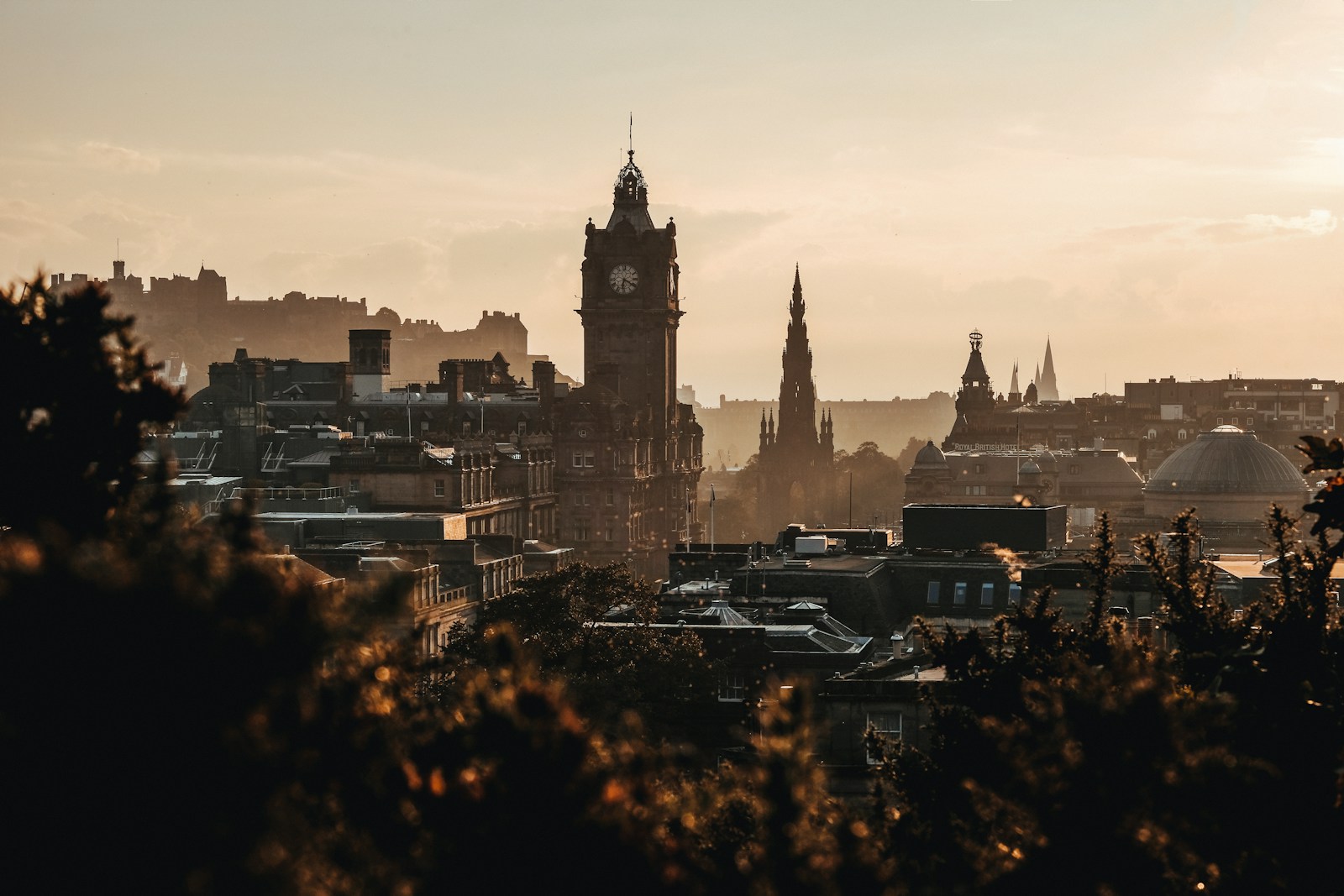
Calton Hill, Edinburgh, United Kingdom

Discovering the Charm of Seasonal Britain

Britain is a land of breathtaking diversity, and each region reveals its unique beauty throughout the seasons. From the rolling hills of the Cotswolds to the rugged coastlines of Cornwall, there’s something to marvel at, no matter the time of year. So, if you’re planning a visit and want to experience the best that each area has to offer, let’s dive into the seasonal highlights of different regions across the UK!

Spring Awakening: A Flourish of Life

As winter loosens its icy grip, Britain springs to life with vibrant colors and fresh scents. Spring is a magical time to explore the countryside, where flowers bloom in abundance, and wildlife emerges from its slumber.

Cotswolds

The Cotswolds are a quintessentially English region, famous for its rolling hills and picturesque villages. In April, the vibrant yellow of rapeseed fields contrasts beautifully with the soft greens of the landscape. Take a stroll through the charming village of Bibury, often described as one of the most beautiful in England, where you can see the iconic Arlington Row cottages.

Lake District

Spring also brings the Lake District to life. The scenery transforms as the daffodils bloom, particularly in April when the Daffodil Festival takes place. The stunning views of mountains and lakes, coupled with the fresh air, make it perfect for hiking. Don’t forget to visit Wordsworth’s beloved Dove Cottage to feel the inspiration that sparked his poetry.

Cornwall

In Cornwall, the coastline begins to awaken too. Spring is a quieter time before the summer rush, and you can enjoy the stunning cliffs and sandy beaches without the crowds. The Eden Project showcases its spring flowers, and you’ll find gardens bursting with color at places like the Lost Gardens of Heligan.

Summer Splendor: The Great Outdoors

Summer is undoubtedly the time for outdoor adventures in Britain. With longer days and an abundance of sunshine, it’s the perfect season for exploring castles, beaches, and festivals.

Scottish Highlands

The Highlands are enchanting in summer, with wildflowers carpeting the hillsides. June is particularly beautiful, as it’s the best time for hiking. The famous West Highland Way offers breathtaking views and the chance to spot wildlife like deer and eagles. Don’t miss the chance to visit Loch Ness – who knows what secrets lie beneath those calm waters?

Isles of Scilly

If you’re searching for a summer getaway, the Isles of Scilly boast pristine beaches that rival the Mediterranean. The islands are warm and sunny, perfect for soaking up the sun or exploring the vibrant marine life while snorkeling. The gardens on Tresco are particularly stunning during this season, with exotic plants blooming magnificently.

London

Summer in London is a feast for the senses. From outdoor theatre productions in Regent’s Park to music festivals like Wireless and Lovebox, the city buzzes with energy. Enjoy a stroll along the South Bank, where pop-up markets and food stalls offer delicious treats, or relax in one of the city’s many parks and enjoy a picnic.

Autumn: A Tapestry of Colors

As the leaves begin to turn, Britain transforms into a canvas of reds, oranges, and golds. Autumn is a particularly whimsical time to explore the countryside and cities alike.

New Forest

The New Forest is one of the best spots to witness the beauty of autumn foliage. With its ancient woodlands and free-roaming ponies, it’s an idyllic location for a serene walk. The colors reach their peak around mid-October, creating a stunning backdrop for photography enthusiasts. Don’t forget to sample some local produce at the farmers’ markets!

Yorkshire Dales

For those who love hiking, the Yorkshire Dales offer breathtaking vistas during autumn. The landscape becomes a patchwork of color, and the crisp air is invigorating. Visit the charming towns like Grassington or Hawes, where you can indulge in hearty meals featuring local fare. The famous Aysgarth Falls is particularly mesmerizing with the autumn rains.

Edinburgh

Edinburgh during autumn is nothing short of magical. The city transforms with the arrival of the Edinburgh International Festival and the Fringe, offering entertainment and culture in abundance. Stroll along the Royal Mile, taking in the historical architecture, and then head up Arthur’s Seat for panoramic views of the city set against a backdrop of autumn leaves.

Winter Wonders: Embrace the Chill

Winter in Britain has its own unique charm. While the weather may be chilly, the festive spirit and stunning landscapes make it a delightful time to visit.

Snowdonia

Snowdonia National Park is a wonderland in winter, with snow-capped mountains creating a picturesque scene. This is the perfect time for winter sports enthusiasts, with opportunities for skiing or snowboarding at places like Llandudno. Take a cozy walk along the shores of one of the many lakes, and if you’re lucky, you might catch a glimpse of frosted trees reflecting in the still water.

Bath

Bath, with its Roman baths and Georgian architecture, is particularly enchanting during the winter months. The Christmas markets come alive in December, offering a magical shopping experience. Indulge in mulled wine and local delicacies while exploring the beautifully lit streets. A soak in the Thermae Bath Spa is the perfect way to escape the chill.

London

London’s winter charm is undeniable, especially during the holiday season. The city is adorned with twinkling lights and festive decorations. Ice skating at Somerset House or the Natural History Museum is a must-do activity, and the iconic Winter Wonderland in Hyde Park provides festive fun for all ages. Don’t forget to warm up with a classic British hot chocolate!

Conclusion: A Year-Round Adventure

No matter when you choose to visit, Britain has something to offer every season. Each region showcases its beauty in unique ways, from the vibrant blooms of spring to the cozy charm of winter. Whether you’re an outdoor enthusiast, a culture lover, or simply seeking scenic views, the UK is filled with adventures waiting to be discovered. So grab your calendar and start planning your seasonal escape – the beauty of Britain awaits!

Posted on Leave a comment

Budget Britain: How to Experience British Culture Without Breaking the Bank

a large room with people and stairs

Introduction: Embrace the Charm of the UK on a Budget

The United Kingdom is a treasure trove of history, culture, and stunning landscapes. From the rolling hills of the Cotswolds to the bustling streets of London, there’s so much to see and do. But for many travelers, the thought of experiencing this vibrant culture can come with a hefty price tag. Fear not! With a little creativity and resourcefulness, you can savor the essence of British culture without draining your wallet.

Let’s dive into some helpful tips and tricks for enjoying the UK without breaking the bank.

Discover Free Attractions

The first step to a budget-friendly trip is to enjoy the plethora of free attractions available across the UK.

Museums and Galleries

Did you know that many of the country’s top museums and galleries offer free admission? In London, the British Museum, the Tate Modern, and the National Gallery showcase some of the world’s greatest art and artifacts without charging a penny. You can spend a whole day marveling at the Rosetta Stone or Picasso’s masterpieces, all while keeping your budget intact.

Outside of London, cities like Manchester and Edinburgh also boast museum collections that are free to explore. The Kelvingrove Art Gallery and Museum in Glasgow and the Manchester Museum are just a few examples where you can immerse yourself in British history and culture at no cost.

Beautiful Parks and Gardens

The UK is renowned for its stunning parks and gardens. These green spaces provide the perfect backdrop for a picnic, a leisurely stroll, or simply soaking in the British sun (when it decides to shine!). Check out Hyde Park in London or St. James’s Park for a quintessentially British experience. If you’re in the countryside, don’t miss the picturesque National Trust gardens, which often have free entry or a modest fee.

Affordable Accommodation Options

When it comes to places to stay, your choice can significantly impact your budget.

Hostels and Budget Hotels

Gone are the days when hostels were only for young backpackers. Today, many hostels offer private rooms and amenities that rival budget hotels, often at a fraction of the price. Websites like Hostelworld or Booking.com allow you to compare prices and find the best deals.

If hostels aren’t your style, consider budget hotel chains like Premier Inn or Travelodge, which have locations throughout the UK. These options provide a comfortable stay without the luxury price tag.

Unique Stays

For a truly memorable experience, consider unique accommodations like camping, glamping, or staying in a cozy Airbnb. You can find treehouses, converted buses, or even historic castles available for rent. These alternatives not only save you money but also provide a unique perspective on British living.

Savor Local Cuisine Without Overspending

Food is a massive part of any culture, and the UK is no exception.

Street Food and Markets

One of the best ways to experience local cuisine on a budget is through street food. Cities like London and Bristol are famous for their vibrant street food scenes. Borough Market is a must-visit for foodies, where you can sample everything from artisanal cheese to gourmet donuts. Don’t miss the chance to try traditional British fare like fish and chips or a hearty meat pie from local vendors.

Supermarkets and Picnics

Another budget-friendly option is to shop at local supermarkets. Many stores offer meal deals that include a sandwich, drink, and snack for a fraction of the price you’d pay at a restaurant. Consider packing a picnic and enjoying it in one of the many beautiful parks scattered throughout the country. This way, you can feast while enjoying the serene British countryside or city views.

Pubs and Traditional Fare

British pubs offer a warm atmosphere and a great selection of traditional dishes. Many pubs have “meal deals” or special nights where you can enjoy a hearty meal without spending too much. Don’t forget to try a classic Sunday roast if you can find a local pub with this tradition—it’s a true British experience!

Embrace Public Transport

Traveling around the UK can be pricey, but with public transport, you can save a significant amount of money.

Train Travel

Train travel is a popular way to see the UK, but prices can vary dramatically. To get the best deals, consider booking in advance or traveling during off-peak hours. Websites like National Rail and Trainline can help you find the cheapest tickets. If you’re planning on traveling frequently, a railcard can provide substantial discounts.

Buses and Coaches

For those who want to explore beyond the big cities, buses and coaches are a budget-friendly option. Companies like National Express and Megabus offer intercity travel at incredibly low prices, sometimes as low as £1 for certain routes. It’s an excellent way to see the countryside while keeping costs down.

Cultural Events and Festivals

The UK is rich in cultural events and festivals, many of which are free or low-cost.

Local Festivals

Throughout the year, various towns and cities celebrate their culture with festivals that showcase music, food, and art. Whether it’s the Edinburgh Festival Fringe, a local music festival, or a food fair, these events provide a fantastic opportunity to immerse yourself in British culture. Many of them have free events or affordable tickets, making them accessible for all.

Community Events

Keep an eye out for community events that often take place throughout the year. Farmers’ markets, charity events, and cultural days can provide fun experiences without the high cost. Websites like Eventbrite or Meetup can help you find local activities happening during your visit.

Exploring the Countryside

The UK is not only about its cities; its countryside is equally mesmerizing and often free to explore.

National Parks

Visiting national parks is a great way to experience the natural beauty of the UK. Parks like the Lake District, Peak District, and Snowdonia offer stunning landscapes, hiking trails, and quaint villages. Many parks have visitor centers that provide information on trails and activities, ensuring you make the most of your visit.

Coastal Walks

The UK’s coastlines are dotted with beautiful walking paths, perfect for an adventurous day out. The South West Coast Path and the Pembrokeshire Coast Path are two options where you can enjoy breathtaking views and the sound of crashing waves without spending a penny. Pack a picnic, and you have an entire day of fun planned!

Conclusion: Enjoying the UK on a Budget

Experiencing British culture doesn’t have to cost a fortune. With a little creativity, planning, and resourcefulness, you can enjoy everything this beautiful country has to offer without breaking the bank. From exploring free museums and enjoying local street food to utilizing public transport and participating in community events, the options are endless. So grab your walking shoes, a hearty appetite, and a sense of adventure, and get ready to create unforgettable memories in the UK—all while keeping your budget in check!