Posted on Leave a comment

Iconic British Brands: From Mini Cooper to Burberry

When it comes to fashion, cars, and other consumer goods, Britain has always been at the forefront of design and innovation. Some of the most iconic brands in the world have their roots in this small island nation, and they continue to be celebrated and loved by people all over the globe.

One of the most iconic British brands of all time is the Mini Cooper. This sleek little car first hit the streets in 1959, and it quickly became a symbol of British cool. With its unique design and zippy performance, the Mini Cooper was a hit with everyone from young urbanites to rock stars like the Beatles.

Of course, the Mini Cooper is just one of many iconic British car brands. Land Rover, Aston Martin, and Jaguar are all British-made cars that are famous for their luxury and style. These cars have long been associated with the British upper class, and they continue to be a status symbol for many people around the world.

When it comes to fashion, Burberry is perhaps the most iconic British brand of all. Founded in 1856, this luxury fashion house is famous for its signature trench coats, which have been worn by everyone from Audrey Hepburn to Kate Middleton. Today, Burberry continues to be a leading fashion brand, known for its classic designs and impeccable craftsmanship.

But Burberry is far from the only iconic British fashion brand. Other famous names include Alexander McQueen, Vivienne Westwood, and Paul Smith. Each of these designers has their own unique style and aesthetic, but they all share a commitment to quality and innovation that is quintessentially British.

Of course, British culture is about more than just cars and fashion. Some of the most beloved British brands are those that are associated with everyday life. Take, for example, PG Tips tea. This iconic British tea brand has been around since 1930, and it remains a favorite of tea drinkers all over the world. And let’s not forget about Cadbury chocolate, which is famous for its creamy texture and sweet, indulgent flavor.

Another iconic British brand that has become a staple of everyday life is Marmite. This savory spread is made from yeast extract, and it is a beloved part of many British breakfasts. It has a distinctive, salty flavor that is either loved or hated by those who try it – but there’s no denying that it is a truly iconic British brand.

When it comes to iconic British brands, there is truly something for everyone. From luxury cars and fashion to everyday staples like tea and chocolate, these brands have become a part of our cultural lexicon. They represent the best of British design, innovation, and quality, and they continue to inspire and delight people all over the world.

So the next time you’re sipping PG Tips tea, driving your Mini Cooper, or wearing a Burberry trench coat, take a moment to appreciate the incredible legacy of these iconic British brands. They are a testament to the ingenuity and creativity of the British people, and they are sure to continue to be celebrated and loved for generations to come.”
Posted on Leave a comment

The British Sense of Humor: Exploring Comedy, Satire, and Wit

When it comes to humor, the British know how to tickle funny bones like no one else. From classic slapstick comedy to sharp wit and biting satire, the British sense of humor is legendary. In this article, we’ll take a closer look at the various aspects of British comedy and why it continues to captivate audiences worldwide.

One of the defining characteristics of British humor is its ability to find laughter in the most mundane and ordinary situations. The British have an uncanny knack for turning everyday occurrences into comedic gold. Whether it’s the misadventures of bumbling characters like Mr. Bean or the absurdity of Monty Python’s Flying Circus, British comedy finds hilarity in the ordinary.

Satire is another prominent element of British humor. British comedians have a long history of using satire as a tool to mock and challenge societal norms. Shows like “Yes Minister” and “The Thick of It” satirize the political landscape, highlighting the absurdity and hypocrisy of those in power. By shining a spotlight on the flaws and follies of politicians, satire in British comedy serves as a form of social commentary, often pushing boundaries and provoking thought.

Wit is yet another essential aspect of British humor. The British are known for their quick and clever comebacks, dry quips, and sharp one-liners. Stand-up comedians like Eddie Izzard and Jimmy Carr effortlessly deliver razor-sharp punchlines that leave audiences in stitches. This quick-witted banter is deeply rooted in British culture and has become a defining feature of their comedy.

Another contributing factor to the British sense of humor is the prevalence of absurdity. British comedy often embraces the absurd and surreal, creating situations that defy logic and reason. This is evident in the works of renowned comedians like Spike Milligan and the iconic sitcom “Fawlty Towers,” where chaos and mayhem reign supreme. By embracing the nonsensical and the illogical, British comedy challenges traditional humor conventions and keeps audiences guessing.

Furthermore, the British have a unique ability to find humor in uncomfortable or taboo subjects. They fearlessly tackle controversial topics with a blend of wit, irony, and satire. Comedians like Frankie Boyle and Ricky Gervais are known for their no-holds-barred approach, pushing boundaries and challenging societal norms. While this type of comedy may not be everyone’s cup of tea, it highlights the British willingness to tackle controversial subjects head-on and make audiences rethink their preconceptions.

The influence of British comedy extends far beyond its borders, with many British comedians achieving international fame. Shows like “The Office” and “Blackadder” have been adapted and successfully remade in different countries, demonstrating the universality and widespread appeal of British humor.

In conclusion, the British sense of humor is a delightful tapestry of comedy, satire, and wit that has enchanted audiences for decades. From the absurd to the controversial, British comedy knows no bounds. With their ability to find humor in the ordinary, their sharp wit, and their fearless approach to taboo subjects, it’s no wonder the world continues to be captivated by the British sense of humor. So, next time you find yourself in need of a good laugh, look no further than the comedy geniuses that hail from the United Kingdom.

Posted on Leave a comment

The Influence of British Literature on Popular Culture Worldwide

British culture has had a tremendous influence on the world, particularly in the realm of literature. From Shakespeare to J.K. Rowling, the United Kingdom has produced some of the most iconic and beloved works of literature in history. But it’s not just the stories themselves that have had an impact – the influence of British literature can be seen in popular culture worldwide.

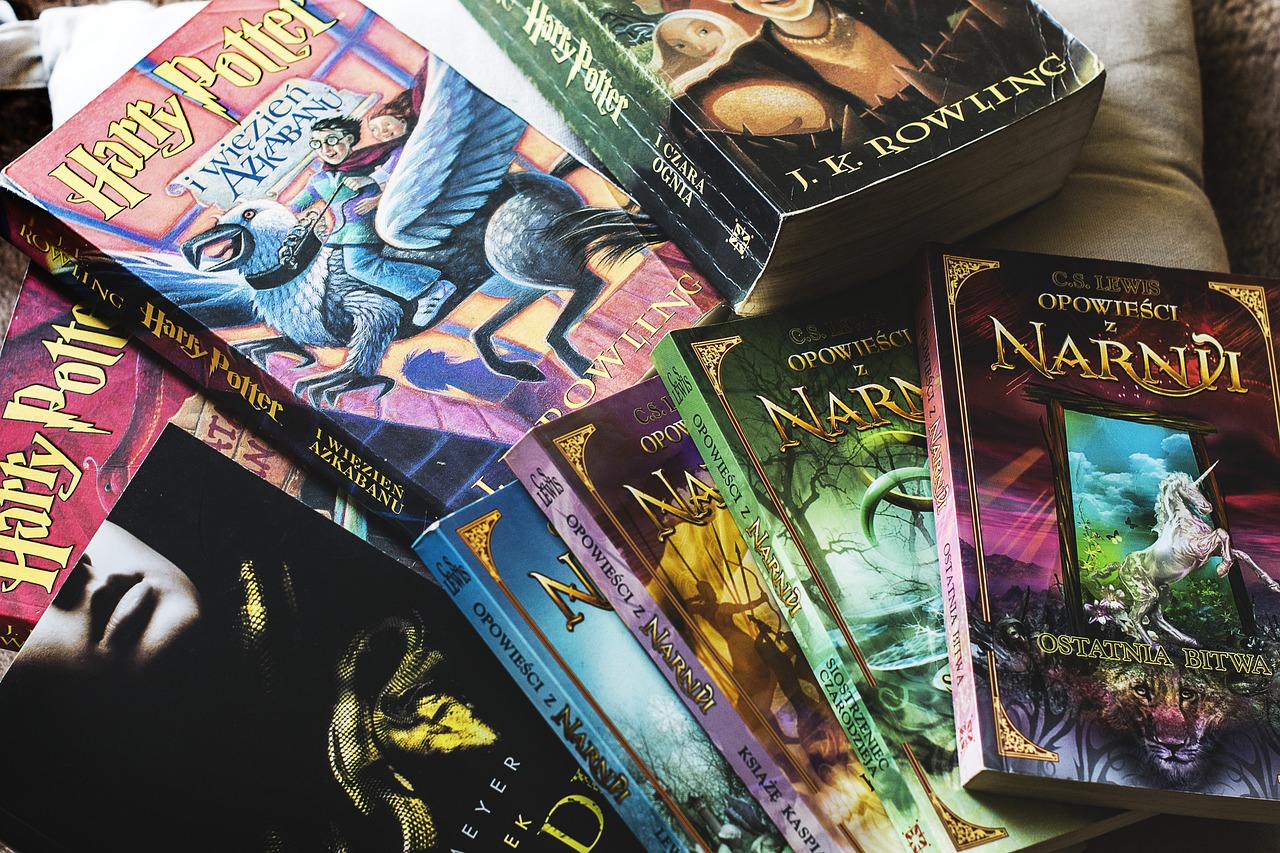
One of the most significant ways that British literature has influenced popular culture is through adaptations. Countless books, plays, and poems have been adapted into films, television shows, and even video games. Just think of the countless adaptations of Shakespeare’s plays, from the classic film versions of Romeo and Juliet to modern retellings like the 1996 film “Romeo + Juliet” starring Leonardo DiCaprio and Claire Danes. And then there’s the Harry Potter franchise, which has spawned eight films, a play, and even a theme park. The popularity of these adaptations speaks to the enduring appeal of British literature and the impact it continues to have on audiences worldwide.

Another way that British literature has influenced popular culture is through the use of literary references in other works. Whether it’s a character quoting a line from a classic novel or a television show referencing a famous literary figure, these nods to British literature are ubiquitous in popular culture. For example, in the hit television show “Gilmore Girls,” the two main characters are constantly making references to literature, from Jane Austen to Sylvia Plath. These references not only serve to enrich the viewing experience for those who are familiar with the works being referenced, but they also introduce new audiences to classic British literature.

British literature has also had a significant impact on the music industry. From The Beatles to Pink Floyd, British musicians have often drawn inspiration from literary works. Perhaps one of the most famous examples of this is Led Zeppelin’s “Ramble On,” which references both J.R.R. Tolkien’s “The Lord of the Rings” and Robert Plant’s travels in Morocco. And who can forget David Bowie’s “Diamond Dogs,” which was inspired by George Orwell’s “1984.” These references not only add depth and meaning to the songs, but they also introduce new audiences to the literature that inspired them.

Finally, British literature has had a profound impact on the way we use language. Phrases and words from classic British works have become a part of our everyday lexicon. For example, the phrase “Beware the Ides of March” from Shakespeare’s “Julius Caesar” is still commonly used today, as is the word “serendipity,” which was coined by the eighteenth-century writer Horace Walpole. And then there are the countless words and phrases that we use without even realizing their literary origins. Words like “gargoyle,” “lunatic,” and “pandemonium” all come from works of British literature.

The influence of British literature on popular culture worldwide cannot be overstated. From adaptations to literary references to music and language, the impact of British literature can be seen in nearly every aspect of popular culture. So the next time you catch a reference to Shakespeare in a movie or hear a rock song that pays tribute to a classic novel, remember that you’re experiencing the enduring legacy of British literature.”

Posted on Leave a comment

British Etiquette 101: How to Navigate Politeness in the UK

The Brits are famous for their politeness, and it’s a cornerstone of British culture. Understanding and following basic British etiquette can go a long way in making a good impression and fitting in with the locals. Here are some tips for navigating politeness in the UK.

Greeting someone

When meeting someone for the first time, it’s customary to shake hands. A firm handshake and eye contact are important, as is introducing yourself with your full name. In informal settings, a simple “”hello”” or “”hi”” is also acceptable.

Saying “”please”” and “”thank you””

Saying “”please”” and “”thank you”” is essential in British culture. Whether you’re ordering food at a restaurant, asking for directions, or receiving a gift, always remember to say “”please”” and “”thank you””. It shows that you appreciate the other person’s help and makes for a pleasant interaction.

Queuing

The British are famous for their love of queuing. Whether you’re waiting for a bus or a cup of tea, it’s important to join the back of the queue and wait patiently for your turn. Cutting in line is considered rude and will not be appreciated.

Apologizing

The British are also known for their love of apologizing. If someone accidentally bumps into you, it’s likely that they will apologize, even if it wasn’t their fault. If you accidentally bump into someone, it’s important to apologize and express your regret. Saying “”sorry”” can go a long way in diffusing a potentially awkward situation.

Table manners

If you’re invited to someone’s home for dinner, it’s important to follow basic table manners. Wait for your host to start eating before you begin, and always use a knife and fork. It’s also considered rude to rest your elbows on the table while eating.

Small talk

Small talk is an important part of British culture, and it’s common to talk about the weather, sports, and current events. Avoid discussing politics or religion, as these topics can be divisive and may cause tensions to rise. Instead, focus on finding common ground and making pleasant conversation.

Gift giving

If you’re invited to someone’s home, it’s customary to bring a small gift, such as a bottle of wine or a box of chocolates. When giving a gift, it’s important to wrap it nicely and include a thoughtful note or card.

Public transportation

When riding public transportation, it’s important to be considerate of others. Take your backpack off and hold it in your hand, as it takes up less space. If you’re sitting down and someone else needs a seat, offer it to them. And always remember to say “”excuse me”” when trying to get past someone.

Conclusion

Navigating British etiquette may seem overwhelming at first, but it’s actually quite simple. Remember to be polite, say “”please”” and “”thank you””, queue patiently, and follow basic table manners. By doing so, you’ll fit in with the locals and make a good impression. And who knows, you may even become a master of British etiquette in no time.”

Posted on Leave a comment

The Quirky Side of British Culture: Strange Traditions and Festivals

When it comes to Britain, many people think of the Royal Family, tea, and bad weather. However, there’s another side to British culture that’s often overlooked – the quirky and sometimes downright bizarre traditions and festivals that are celebrated throughout the country. From cheese rolling to bog snorkelling, here are some of the weirdest and most wonderful examples of British quirkiness.

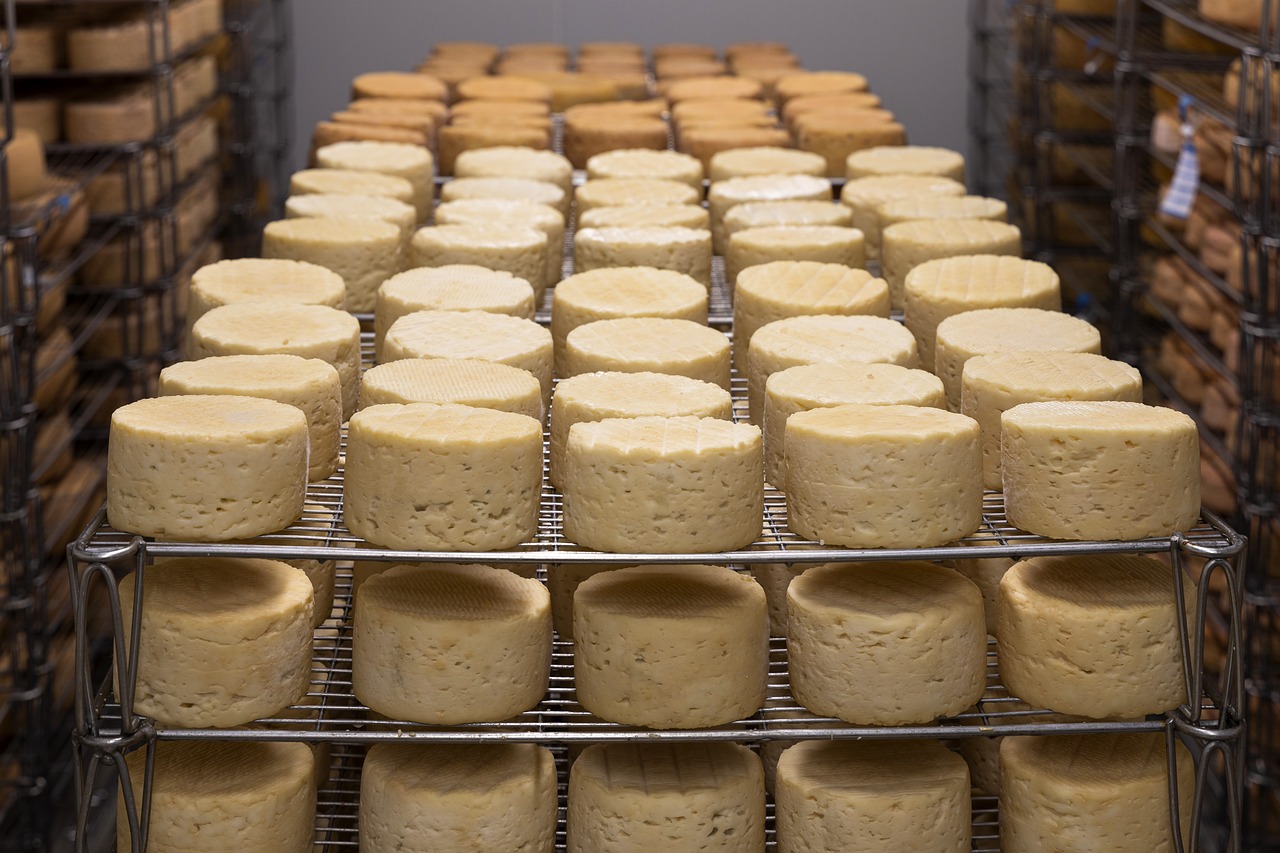
First up, we have the annual cheese rolling event that takes place in the town of Brockworth, Gloucestershire. The premise is simple – a round of Double Gloucester cheese is rolled down a steep hill, and competitors chase after it. The first person to reach the bottom of the hill wins the cheese. It may sound like a harmless bit of fun, but the steep incline of the hill means that injuries are common, with broken bones and sprains being a regular occurrence. Nonetheless, the event remains hugely popular, attracting crowds of thousands each year.

If you’re looking for something a little less dangerous but no less strange, look no further than the World Championships of Worm Charming, held annually in Cheshire. The idea behind the event is to see who can coax the most worms out of the ground in half an hour, using only a spade and a variety of strange techniques. The current world record stands at a whopping 567 worms, a feat that’s not for the faint-hearted.

Moving on to something a little more aquatic, we have the World Bog Snorkelling Championships, held each August in Llanwrtyd Wells, Wales. As the name suggests, the event involves swimming through a bog using only a snorkel and flippers. The aim is to complete two lengths of a 60-yard trench as quickly as possible, without getting bogged down – quite literally. It’s a messy and challenging event, but one that’s sure to provide plenty of laughs.

If you’re looking for a more genteel affair, why not try your hand at the annual Henley-on-Thames Royal Regatta? Held each summer on the River Thames, the regatta is a celebration of rowing, with competitors from all over the world taking part. Alongside the racing, there’s plenty of opportunity to enjoy a glass of Pimm’s, indulge in some strawberries and cream, and soak up the quintessentially British atmosphere.

Of course, no article on British quirkiness would be complete without a mention of the Morris dancers. This traditional form of English folk dance involves groups of dancers dressed in white with ribbons and bells, performing intricate routines to the accompaniment of accordion and fiddle music. It may not be to everyone’s taste, but there’s no denying the skill and dedication required to master the complex footwork and movements.

Last but not least, we have the annual Straw Bear Festival, held each January in the town of Whittlesey, Cambridgeshire. The festival sees a man dressed in a suit of straw parading through the streets, accompanied by musicians and performers. The origins of the tradition are unclear, but it’s thought to date back to the 19th century and may have been a way of warding off evil spirits. Whatever its origins, the Straw Bear Festival is a unique and unforgettable experience.

In conclusion, while Britain may be famous for its tea and polite manners, there’s a lot more to it than that. From cheese rolling to bog snorkelling, the country is full of weird and wonderful traditions and festivals that are just waiting to be explored. So why not embrace your inner eccentric and experience the quirky side of British culture for yourself? Who knows – you might just discover a new favourite pastime.”

Posted on

British Festivals and Celebrations: From Guy Fawkes Night to Wimbledon

British culture is known for its rich history and vibrant celebrations. From traditional events deeply rooted in centuries-old customs to modern spectacles that draw crowds from around the world, British festivals and celebrations have something for everyone. In this article, we will explore two iconic events that perfectly capture the essence of British culture: Guy Fawkes Night and Wimbledon.

Guy Fawkes Night, also known as Bonfire Night or Firework Night, is an annual celebration held on the 5th of November. It commemorates the failed Gunpowder Plot of 1605, when a group of conspirators, including Guy Fawkes, attempted to blow up the Houses of Parliament. This historic event is honored with dazzling firework displays, bonfires, and the burning of effigies, often representing Guy Fawkes himself.

As the crisp autumn air fills with the crackle of bonfires, the excitement builds. Families and friends come together, wrapped up in warm coats and scarves, to enjoy the festivities. The night sky comes alive with a kaleidoscope of colors as fireworks burst overhead, illuminating the faces of awe-struck onlookers. The smell of freshly baked toffee apples and the sound of laughter fill the air, creating a truly magical atmosphere.

Children eagerly await the lighting of the bonfires, as they huddle close to feel the comforting warmth. The crackling flames dance and mesmerize, casting flickering shadows on the faces of those gathered. Sparklers are passed from hand to hand, tracing trails of light in the darkness, while the distant booming of fireworks echoes in the distance.

Another beloved British celebration is Wimbledon, the oldest tennis tournament in the world. Every summer, tennis enthusiasts and casual fans alike flock to the iconic All England Lawn Tennis and Croquet Club to witness the excitement and skill on display. Wimbledon is not just a sporting event; it is a social occasion, a fashion statement, and a quintessential part of British summer culture.

The lush green grass courts are meticulously maintained, ready to host the best tennis players from around the globe. Spectators sip on glasses of chilled Pimm’s, a refreshing summer cocktail, as they soak up the sun and cheer on their favorite players. Strawberries and cream, a classic Wimbledon treat, are devoured by the plateful, adding a touch of decadence to the experience.

The atmosphere at Wimbledon is electric, with the crowd erupting in cheers and applause after every thrilling point. The tension is palpable as players battle it out, their skill and determination on full display. From the graceful elegance of a perfectly executed backhand to the sheer power of a thunderous serve, the games captivate and inspire.

Wimbledon is not just about tennis. It is a melting pot of fashion, with spectators meticulously planning their outfits to showcase their British flair. From elegant summer dresses to dapper blazers and straw boater hats, the fashion on display is as much a part of the spectacle as the matches themselves. As the sun sets and the final matches conclude, the sense of camaraderie and shared experience lingers in the air, creating memories that will last a lifetime.

In conclusion, British festivals and celebrations are a captivating blend of history, tradition, and modernity. Whether it’s the explosive excitement of Guy Fawkes Night or the elegance and prestige of Wimbledon, these events showcase the best of British culture. So, gather your loved ones, don your warmest coat or your most fashionable attire, and immerse yourself in the magic of these truly British experiences.”

Posted on

British Royalty: Exploring the Lives of Modern and Historical Royals

When it comes to British culture, there is perhaps nothing more iconic and fascinating than the British monarchy. The royals have been a fixture of British history and culture for centuries, and today, their lives continue to captivate and intrigue people around the world. From the monarchs of old to the modern-day royals we see on our screens and in the news, the British royal family is a cultural touchstone that is impossible to ignore.

Of course, no discussion of British royalty would be complete without taking a look at some of the most famous and influential monarchs in history. From Queen Elizabeth I to King Henry VIII, the British monarchy has produced some truly unforgettable figures over the years. These rulers helped shape the course of British history and left a lasting legacy that is still felt today.

Queen Elizabeth I, for example, is often remembered as one of England’s greatest monarchs. Her reign saw England become a major world power, and her intelligence, dedication, and political savvy helped keep the country stable and prosperous during a time of great upheaval. Similarly, King Henry VIII is known for his many marriages and larger-than-life personality, which have made him a fascinating and memorable figure in British history.

But while historical monarchs are certainly an important part of British culture, it is the modern-day royals who are capturing people’s attention today. From Prince William and Kate Middleton to Meghan Markle and Prince Harry, the modern-day royals are a diverse and fascinating group of people who are constantly in the public eye.

One of the most intriguing things about the modern-day royals is the way they have managed to remain relevant and influential in an era of rapid social change. While their roles may have changed over the years, the royals are still a vital part of British society and culture. They are involved in a wide range of charitable causes and public events, and their presence at major national events such as royal weddings and births has become an important part of British life.

Perhaps one of the most interesting things about the modern-day royals is the way they are able to balance tradition with modernity. While they are certainly steeped in tradition and history, the royals are also very much a part of the modern world. They use social media to connect with their fans, they attend modern events and engage with modern issues, and they are generally seen as relatable and down-to-earth.

Of course, it’s impossible to discuss the British royals without mentioning some of the controversies and scandals that have surrounded them over the years. From Prince Andrew’s links to Jeffrey Epstein to the fallout from Prince Harry and Meghan Markle’s departure from the royal family, the royals have certainly had their fair share of negative press.

But despite these controversies, the British monarchy remains an undeniably fascinating aspect of British culture. Whether you’re a die-hard royalist or someone who is simply fascinated by the lives of these influential figures, there is always something to discover and explore when it comes to the British royals.

In conclusion, British royalty is a cultural touchstone that is impossible to ignore. From the monarchs of old to the modern-day royals we see on our screens and in the news, the royals have played a vital role in shaping British history and culture. Whether you’re interested in the historical figures who helped make Britain what it is today or the modern-day royals who are constantly in the public eye, there is always something new and fascinating to discover when it comes to British royalty.”

Posted on

The Great British Pub: A Cultural Icon and Its Role in British Society

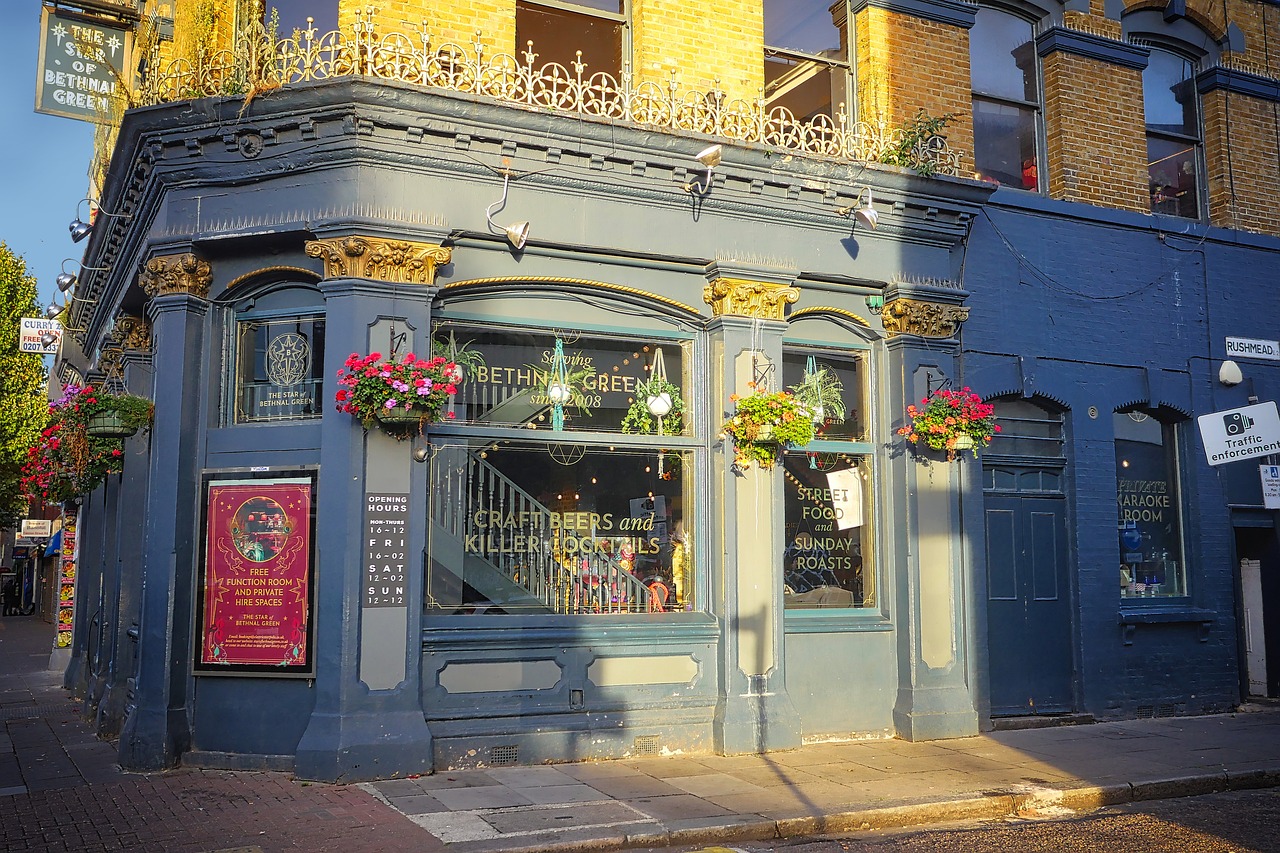
When it comes to British culture, the Great British Pub is one of the most iconic and beloved institutions. From cozy local pubs to sprawling city-center bars, pubs have been an integral part of British social life for centuries. Whether you’re a tourist visiting the UK for the first time or a long-time resident, no trip to Britain is complete without a visit to a traditional British pub.

So, what is it that makes the Great British Pub so special? For starters, pubs are a central part of British social culture. They’re a place to meet friends and family, hold business meetings, catch up on the latest gossip, and even celebrate special occasions. Pubs provide a cozy, comfortable atmosphere where people can relax, unwind, and enjoy a wide variety of drinks and food.

Beyond their social function, pubs are also an important part of Britain’s history and heritage. Many pubs have been around for centuries, with some dating back to the 16th or 17th century. They’re often located in historic buildings with unique architectural features and interior design, adding to their charm and character. The Great British Pub is therefore a valuable piece of British culture that’s worth preserving.

Of course, a huge part of what makes pubs so appealing is the wide selection of drinks on offer. From traditional ales and lagers to wines and spirits, there’s something for everyone. Many pubs also serve classic British dishes like fish and chips, bangers and mash, and shepherd’s pie, all of which are perfect for a hearty meal after a long day at work or exploring the city.

But there’s more to the Great British Pub than just drinks and food. For many people, pubs are also a place to watch sports. Whether it’s football, rugby, or cricket, you’re sure to find a pub showing the game on the big screen. Watching sports in a pub is a great way to get caught up in the excitement of the game and enjoy the company of other fans.

Another key aspect of the Great British Pub is the sense of community that it provides. In many small towns and villages, the local pub is the only place to meet and socialize with others. Pubs often sponsor local sports teams, host charity events, and provide a venue for live music, comedy, and other forms of entertainment. They’re a hub of activity in the community, bringing people together and fostering a sense of togetherness.

Of course, like any institution, pubs have faced their fair share of challenges over the years. The rise of chain pubs and the decline of independent ones has led to concerns about the homogenization of British pub culture. There are also concerns about binge drinking and alcohol abuse, which have led to calls for stricter regulations and safety measures in pubs.

Despite these challenges, however, the Great British Pub remains a beloved cultural icon. From the cozy fireplaces to the friendly bartenders, there’s something about pubs that just feels quintessentially British. Whether you’re a first-time visitor or a long-time resident, the Great British Pub is a must-visit destination that’s sure to leave a lasting impression. So, the next time you’re in the UK, be sure to stop in at a local pub and experience the magic for yourself!”

Posted on

Traditional British Cuisine: A Culinary Journey Through Classic Dishes

The United Kingdom is known for many things – the Queen, afternoon tea, and of course, its iconic cuisine. From savory pies to sweet puddings, there is something for everyone in the world of British food. In this article, we’ll take a journey through some of the classic dishes that have made British cuisine so beloved.

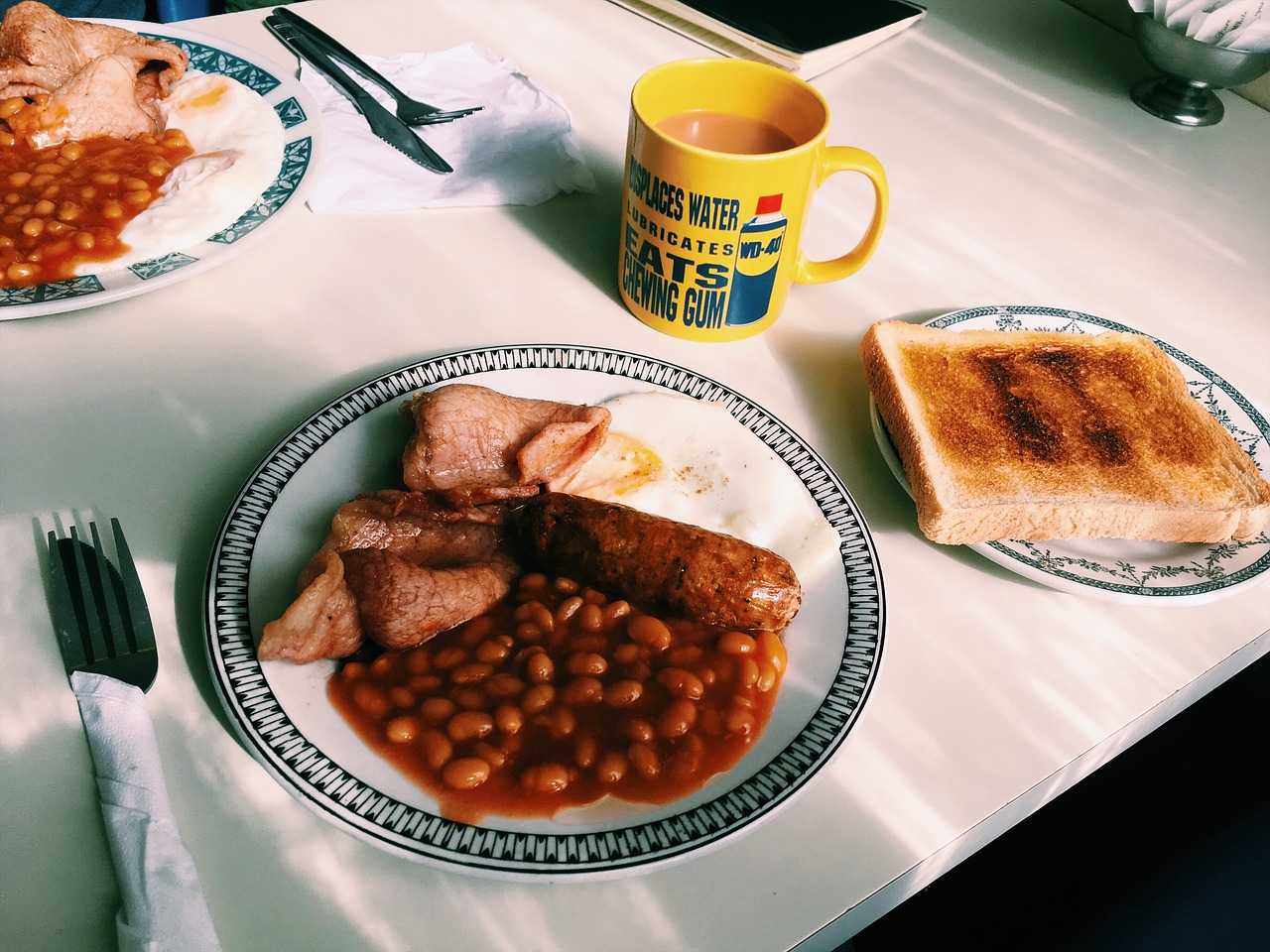
First up, let’s talk about the full English breakfast. This hearty meal is a staple of British culture and is often enjoyed on weekends or as a special treat. A full English breakfast typically includes bacon, eggs, sausages, black pudding, baked beans, grilled tomatoes, and mushrooms. It’s a filling meal that will keep you going all day long.

Moving on to lunchtime, we have the classic fish and chips. This dish originated in England in the 19th century and quickly became a national favorite. The traditional way to make fish and chips is to fry battered fish and thick-cut chips in hot oil. It’s often served with mushy peas and tartar sauce. There’s nothing quite like biting into crispy, golden fish and a piping hot chip!

For dinner, we have another British classic – the Sunday roast. This meal is typically enjoyed on Sundays and is a time for families to come together and enjoy good food and company. A traditional Sunday roast includes roast beef or lamb, roasted potatoes, carrots, parsnips, and Yorkshire pudding. It’s a comforting and satisfying meal that will leave you feeling warm and content.

Moving on to desserts, we have the infamous sticky toffee pudding. This sweet and sticky dessert is made from dates and smothered in a rich toffee sauce. It’s often served with vanilla ice cream or custard. It’s a perfect way to end a meal and is sure to satisfy any sweet tooth.

Another classic British dessert is the Eton mess. This dessert is made by folding crushed meringue into whipped cream and strawberries. It’s a light and refreshing dessert that is perfect for summertime.

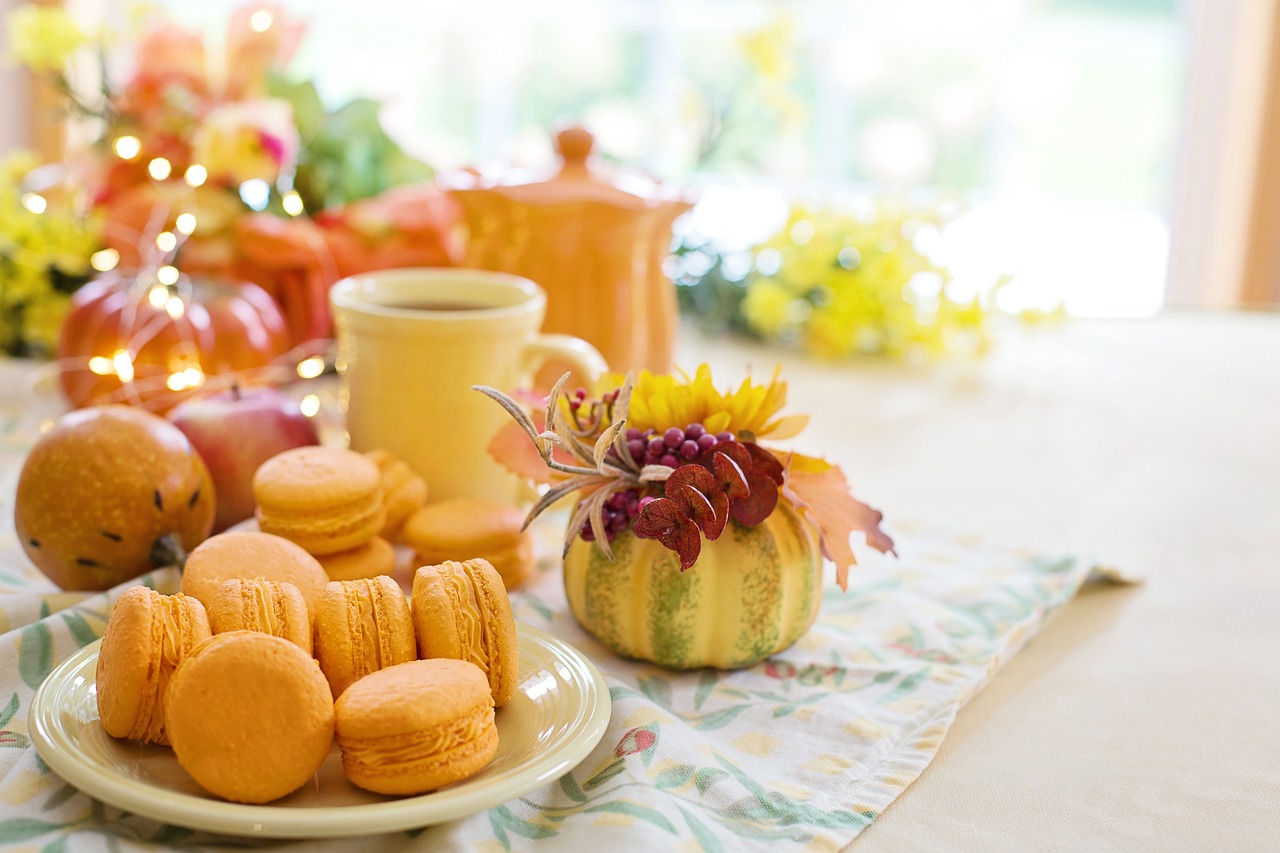
Last but not least, we have the classic afternoon tea. This is a quintessentially British tradition that involves sipping tea and nibbling on sweet and savory treats. Traditional afternoon tea includes finger sandwiches, scones with clotted cream and jam, and a selection of cakes and pastries. It’s a lovely way to spend an afternoon and is a must-try for anyone visiting the UK.

In conclusion, British cuisine is a rich and diverse culinary landscape that is a delight to explore. From hearty breakfasts to sweet desserts, there is something for everyone in the world of British food. So why not take a culinary journey through the classic dishes of England, Scotland, and Wales? You won’t regret it!”

Posted on

The British Afternoon Tea Tradition: History, Etiquette, and Best Places to Experience It

When it comes to British culture, one cannot deny the significance of the afternoon tea tradition. This quintessentially British pastime is not only a delicious way to spend an afternoon, but also an opportunity to experience a cultural phenomenon steeped in history, etiquette, and elegance.

History

The tradition of afternoon tea can be traced back to the early 19th century when Anna, the seventh Duchess of Bedford, complained of feeling peckish in the late afternoon. In those days, lunch was served early and dinner was not served until late in the evening. The Duchess began to invite friends to join her for tea and sandwiches in the afternoon, and the tradition was born.

Soon, afternoon tea became a fashionable social event for the aristocracy and upper classes. It was not until later in the century that it began to be adopted by the wider population. Today, afternoon tea is enjoyed by people from all walks of life and has become an iconic part of British culture.

Etiquette

There are certain rules of etiquette that one should follow when partaking in afternoon tea. Firstly, it is important to dress appropriately. Although there is no strict dress code, it is customary to dress smartly, with men wearing suits and ties and women wearing dresses or skirts.

When seated at the table, one should wait until everyone has been served before eating. The correct way to hold the teacup is to place one’s thumb at the six o’clock position and the index and middle fingers at the twelve o’clock position, with the pinkie finger extended slightly. It is important to stir one’s tea gently, without making any noise, and to take small sips.

When it comes to the food, scones are an essential part of the afternoon tea experience. They should be served warm, with clotted cream and jam. Finger sandwiches are also a must, with fillings such as cucumber, smoked salmon, and egg and cress being popular choices. Finally, a selection of cakes and pastries completes the meal.

Best Places to Experience It

If you want to experience the best of British afternoon tea, there are many places to choose from. Here are just a few of the top options:

  • The Ritz: This iconic hotel in London is famous for its afternoon tea. Served in the elegant Palm Court, it is a truly luxurious experience.
  • Claridge’s: Another London institution, Claridge’s has been serving afternoon tea since the 1860s. The art deco surroundings make it a stylish choice.
  • The Savoy: The Savoy is another of London’s most famous hotels and its afternoon tea is renowned for its quality and elegance.
  • The Pump Room: Located in the historic city of Bath, the Pump Room has been serving afternoon tea since the 1700s. The Georgian surroundings and live music make it a truly unique experience.
  • The Edgbaston: This boutique hotel in Birmingham offers a modern take on the traditional afternoon tea, with a menu that includes items such as truffle macarons and Earl Grey and lavender panna cotta.

The British afternoon tea tradition is a delightful way to experience a cultural phenomenon that has been enjoyed for centuries. Whether you choose to indulge in the luxury of a five-star hotel or opt for a more casual setting, you are sure to have a memorable experience. So why not gather some friends, put on your finest attire, and enjoy a cup of tea and some delicious treats? After all, as the Duchess of Bedford knew, there is nothing quite like a good cup of tea to lift the spirits and soothe the soul.”