Posted on Leave a comment

Discover 65 Ancient British Trees That Predate the Monarchy

The British Trees Older Than the Monarchy

When we think of the British monarchy, we often picture grand castles, royal portraits, and maybe even a corgi or two. But in addition to these iconic symbols of British heritage, there’s another living legacy thriving silently across the landscape: trees. Some of these trees have been around even longer than the monarchy itself, standing witness to centuries of history. Let’s take a whimsical yet informative journey through the woods of Britain, exploring the oldest trees that have silently seen the rise and fall of monarchs, the bustling of empires, and the whispers of the winds.

A Brief History of the British Monarchy

Before we delve into the age of these venerable trees, it’s worth taking a quick detour into the timeline of the British monarchy. The monarchy, in its current form, can trace its roots back over a thousand years, with the establishment of a unified England in the 9th century. Although there have been earlier kings and tribal rulers, it was King Æthelstan who is often regarded as the first King of England, reigning from 924 to 939 AD.

Fast forward to today, and we find ourselves in the era of King Charles III, who ascended the throne in September 2022. So, when we say that some trees are older than the monarchy, we’re really talking about trees that have been standing for over a millennium, long before the concept of a unified British royal lineage was even a twinkle in the historian’s eye.

The Ancient Trees of Britain

Britain is home to some of the most ancient trees in the world. These arboreal giants have survived harsh winters, fires, wars, and the relentless march of time. Their gnarled trunks and sprawling branches tell stories that no written history can fully capture. Here are a few of the notable trees that predate the British monarchy:

1. The Fortingall Yew

Located in the picturesque village of Fortingall in Scotland, the Fortingall Yew is estimated to be between 3,000 and 5,000 years old. While the exact age is a matter of some debate, one thing is certain: this tree has seen civilizations come and go. Yews were often associated with ancient religious practices, and it’s said that this particular tree has been a site of worship for millennia. The Fortingall Yew is not just a tree; it’s a testament to the deep connections between nature and spirituality in British history.

2. The Old Oak of St. Oswald

Situated in the historic village of Oswaldkirk in North Yorkshire, the Old Oak of St. Oswald is believed to be over 1,000 years old. This magnificent oak is often linked to St. Oswald, the king of Northumbria and a figure of immense importance in early British Christianity. The oak has witnessed the growth of the village around it and remains a beloved landmark, symbolizing endurance and heritage. Its expansive canopy provides shade for picnics, gatherings, and quiet moments of reflection.

3. The Ankerwycke Yew

Nestled near the ruins of Ankerwycke Priory in Berkshire, the Ankerwycke Yew is another ancient tree that is believed to be over 2,500 years old. This tree has historical significance as it sits near the site where the Magna Carta was signed in 1215. The yew’s impressive girth and twisted branches have been a silent witness to countless historical events. It’s a favorite spot for visitors who wish to reflect on the impact of this monumental charter on democracy and governance.

4. The Llangernyw Yew

In the charming village of Llangernyw in Wales, you’ll find the Llangernyw Yew, estimated to be around 4,000 to 5,000 years old. This ancient tree is steeped in myth and legend, with locals believing it to be a source of wisdom and protection. The yew tree has been used for centuries in local traditions, and its presence in the churchyard has made it a focal point for community gatherings. The Llangernyw Yew stands not only as a living relic but also as a symbol of continuity for the people of Wales.

Why Do These Trees Matter?

You might be wondering, why should we care about trees that predate the monarchy? Aside from their age and beauty, ancient trees play a crucial role in biodiversity and the health of our ecosystems. They provide habitats for countless species and serve as a storehouse of genetic diversity. Furthermore, these trees are vital in combating climate change by sequestering carbon, and they offer a glimpse into the past, enriching our understanding of ecological history.

A Natural Archive

These ancient trees act as natural archives, preserving the climate history of the Earth. Scientists study tree rings to understand past weather patterns, helping us to make sense of our current climate crisis. The stories they tell are invaluable, and as the world faces environmental challenges, these trees’ resilience becomes even more significant.

Cultural Significance

Moreover, ancient trees are woven into the fabric of British culture and folklore. They appear in stories, poetry, and art, symbolizing strength, endurance, and the passage of time. Each tree has its own unique tale, often linked to historical figures or events that shape the identity of local communities. Visiting these trees is like stepping into a living museum, where the exhibits are the whispers of the past carried on the leaves.

Visiting Ancient Trees

If you find yourself in Britain, consider taking a trip to see some of these majestic trees. The experience of standing before a living monument that has witnessed centuries of human and natural history is nothing short of awe-inspiring. Many of these trees are located near historical sites, so you can combine a walk through nature with a journey into the past.

Tips for Tree-Hopping

  • Respect Nature: Always be respectful when visiting ancient trees. Stay on designated paths, avoid damaging the roots, and refrain from carving initials into the bark.
  • Join Guided Tours: Many historical sites offer guided tours that include ancient trees. This can enhance your experience as guides share stories and insights you might not discover on your own.
  • Bring a Camera: These trees are incredibly photogenic! Capture their grandeur, but remember to take a moment to simply enjoy their presence.

Conclusion

Exploring the ancient trees older than the British monarchy is like walking through a time capsule of natural history. These magnificent trees not only enrich the landscape but also serve as a reminder of our connection to the past. As we marvel at their age and resilience, we must also recognize our responsibility to protect these natural wonders. They have stood the test of time, and it is our duty to ensure that they continue to thrive for generations to come. So the next time you find yourself wandering through the British countryside, take a moment to seek out these ancient guardians of history. Their stories are waiting to be discovered, and who knows, you might just leave with a newfound appreciation for the majestic trees that have seen it all.


Posted on Leave a comment

The Rise of Urban Foxes: Exploring Britain’s Newest City Dwellers and Their Impact on Urban Ecosystems

The Rise of Urban Foxes: Britain’s Newest City Dwellers

Introduction

Once upon a time, in the idyllic countryside of Britain, foxes were the stuff of folklore, roaming the fields and woodlands. Today, however, these wily creatures have evolved into the new urban dwellers of our bustling cities. The rise of urban foxes has become a curious phenomenon that has captured our hearts and sparked numerous debates. Whether you find them charming or a nuisance, there’s no denying that these cunning canines have made a significant mark in urban life across the UK. So, grab a cuppa and let’s dive into the fascinating world of urban foxes!

A Brief History of Urban Foxes

To understand the rise of urban foxes, we must first take a quick look back at their history. The red fox (Vulpes vulpes) has been a part of the British landscape for centuries. Traditionally associated with rural areas and farming communities, they were often subjects of hunting and folklore. However, the industrial revolution and subsequent urbanization in the 19th century began to alter their habitat.

As cities expanded, many rural areas were transformed into urban environments. This shift pushed foxes to adapt to their surroundings. Through a combination of intelligence, resourcefulness, and an innate knack for survival, they learned to thrive in these new settings. Fast forward to the 21st century, and it seems these bushy-tailed creatures are now as British as a cup of tea.

The Urban Fox’s Adaptability

One of the most remarkable aspects of urban foxes is their incredible adaptability. Unlike many wild animals, foxes have a unique ability to coexist with humans. They are nocturnal by nature, which means they are most active at night when the streets are quieter, and they can forage for food with minimal human interaction.

Urban foxes have learned to take advantage of human waste. They rummage through bins and scavenge for leftovers, making the most of our discarded meals. Their diets have become quite eclectic, ranging from takeaways to garden plants, and they can often be spotted in backyards or parks, digging for a late-night snack.

The Social Dynamics of Urban Foxes

Urban foxes are generally solitary animals, but their social structures are fascinating. They may form loose associations or “packs,” especially in areas where food is abundant. These groups can consist of related individuals, such as mothers with their kits (young foxes), or unrelated foxes that have come together to share resources.

Interestingly, urban foxes exhibit a range of vocalizations, from barks and howls to high-pitched screams, particularly during the mating season in late winter. This cacophony can often be heard echoing through the streets at night, sending a shiver down the spine of unsuspecting residents.

The Impact on Urban Areas

While many people find urban foxes charming, their presence can be contentious. On one hand, they contribute to the biodiversity of city environments, serving as a reminder of the wildness that exists in urban settings. On the other hand, they can pose challenges, especially concerning pets and garden plants.

Foxes have been known to scavenge for food from pet bowls left outside and, in some cases, may even take small pets such as rabbits or guinea pigs. Gardeners can also find their beloved plants unearthed or munched on, leading to frustrations among those trying to maintain pristine green spaces.

The Myth and the Reality

With the rise of urban foxes, there has also been a surge in myths and misconceptions about these creatures. Many people fear that foxes are dangerous or aggressive, but this is largely unfounded. In reality, foxes are quite timid and will usually prefer to avoid confrontation.

Reports of fox attacks on humans are exceedingly rare, and most encounters involve the fox darting away at the first sign of human presence. Nevertheless, it’s essential to treat wildlife with respect and maintain a safe distance, especially if you encounter a mother with her kits.

Tips for Living with Urban Foxes

If you find yourself living alongside these bushy-tailed neighbors, here are some tips to coexist peacefully:

Secure Waste Bins

Keep your rubbish bins tightly sealed to minimize the chances of attracting foxes. Invest in bins with secure lids or consider using bungee cords to keep them closed.

Supervise Pets

If you have small pets, keep them indoors, especially during the evening hours when foxes are most active. Supervise outdoor pets and avoid leaving food outside.

Avoid Feeding Foxes

Feeding urban foxes can lead to dependence on human-provided food, which can be detrimental to their natural foraging instincts. Enjoy watching them from afar, but resist the temptation to offer treats.

Create a Fox-Free Garden

If you’re keen on maintaining a fox-free garden, consider installing fences or using repellents. However, remember that foxes are part of the urban ecosystem, and creating a welcoming environment for wildlife can be rewarding.

Urban Foxes in Popular Culture

The rise of urban foxes hasn’t gone unnoticed in popular culture. From children’s books to documentaries, these clever creatures have captured the imagination of many. The iconic character of Mr. Fox from Roald Dahl’s Fantastic Mr. Fox is a beloved figure that highlights the charm and cunning nature of foxes. Documentaries showcasing their lives in the urban landscape have also increased awareness and appreciation for these animals.

Foxes have even snuck their way into social media, with countless videos and images celebrating their antics as they navigate city life. They’ve become a symbol of resilience and adaptability, inspiring both awe and affection from urban dwellers.

Conclusion

As we move further into the 21st century, urban foxes continue to thrive in British cities, reminding us of the wildness that exists alongside our modern lives. While their presence can sometimes be challenging, the charm and adaptability of these bushy-tailed creatures have endeared them to many. As we navigate our increasingly urbanized world, let’s appreciate the role that urban foxes play in our ecosystems and learn to coexist with them. After all, they are not just intruders in our gardens; they are part of the natural tapestry of urban life, and they’re here to stay. So next time you spot a fox darting through your neighborhood, take a moment to appreciate this clever creature that has claimed its place in the heart of Britain’s cities.

Posted on Leave a comment

The Hidden Messages in Classic British Literature That Modern Readers Miss

people sitting on chairs inside building

Introduction

Classic British literature is rich with layers of meaning, and often, modern readers find themselves skimming over the nuanced messages woven into the text. This article explores the hidden messages in some of the most celebrated works of British literature, demonstrating how these subtle themes and symbols have shaped narratives and the characters within them. By diving deeper into these texts, we can uncover the reflections of society, culture, and human nature that resonate even today.

The Societal Critique in Jane Austen’s Novels

Jane Austen’s novels, particularly “Pride and Prejudice” and “Emma,” are often seen as light romantic comedies. However, a closer examination reveals a sharp critique of the social structure of her time. Austen deftly employs irony to highlight the limitations placed on women and the absurdities of social class.

Take “Pride and Prejudice,” for example. Elizabeth Bennet’s journey is not merely about finding love; it’s also a commentary on the pursuit of marriage as a means of economic stability. The character of Mr. Collins embodies the absurdity of social expectations, as he proposes to Elizabeth not out of love but as a means of fulfilling societal norms. Modern readers may miss the significance of these dynamics, focusing solely on the romance rather than the societal critique that underpins it.

The Duality of Character in Charles Dickens’ Works

Charles Dickens is another author whose works are often viewed through a simple lens of plot and character. However, his novels, such as “Great Expectations” and “A Tale of Two Cities,” are rife with contradictions that reveal deeper truths about human nature and morality.

In “Great Expectations,” the protagonist, Pip, undergoes significant transformation. Initially driven by ambition and the desire for wealth, he eventually learns that true value lies in love and loyalty. Dickens uses characters like Magwitch and Estella to symbolize the dichotomy between social class and personal worth. Modern readers may overlook the complexity of these relationships, missing the moral lessons embedded within Pip’s journey.

The Symbolism of Nature in the Poetry of William Wordsworth

William Wordsworth’s poetry, particularly his reflections on nature, is often celebrated for its beauty and simplicity. However, beneath this surface lies a profound commentary on humanity’s relationship with the natural world. Wordsworth believed that nature has the power to heal and inspire, serving as a source of wisdom.

In “Lines Composed a Few Miles Above Tintern Abbey,” Wordsworth reflects on the passage of time and the changing relationship between the self and nature. Today’s readers might focus on the picturesque descriptions, failing to grasp the underlying message of interconnectedness and the spiritual renewal found in nature. By overlooking these themes, readers miss out on the profound philosophical discussions about existence and the human condition that Wordsworth skillfully weaves into his poetry.

The Impact of Colonialism in Joseph Conrad’s “Heart of Darkness”

Conrad’s “Heart of Darkness” is often interpreted as a critique of imperialism and colonialism; however, it goes much deeper, delving into the darkness of human nature itself. The journey into the Congo River becomes an allegory for the exploration of the self and the moral ambiguities of civilization.

Modern readers may gloss over the complex layers of race and power dynamics, focusing instead on Marlow’s physical journey. The portrayal of Kurtz serves as a stark reminder of the corrupting influence of power and the thin veneer of civilization. By missing these critical themes, readers fail to recognize Conrad’s warning about the potential for darkness that exists within all human beings—regardless of culture or civilization.

The Feminist Undertones in Charlotte Brontë’s “Jane Eyre”

“Jane Eyre” is frequently celebrated as a pioneering work of feminist literature. However, a detailed reading uncovers the multifaceted ways in which Brontë challenges societal norms and gender roles. Jane’s struggle for autonomy and self-respect is a profound commentary on the limitations imposed on women during the Victorian era.

Brontë uses the character of Bertha Mason, the “madwoman in the attic,” to illustrate the consequences of patriarchal oppression. While modern readers may view Bertha merely as a plot device, she symbolizes the confinement and silencing of women’s voices. The tension between Jane’s desire for love and her need for independence reveals the complex dynamics of gender that still resonate today.

The Morality of Ambition in Shakespeare’s Plays

Shakespeare’s plays are often reduced to their plots and characters, but they offer rich explorations of morality, ambition, and the human psyche. In “Macbeth,” the themes of ambition and power illustrate the destructive nature of unchecked desire.

The witches’ prophecies ignite Macbeth’s ambition, leading him down a dark path of moral decay. Many contemporary readers may focus on the supernatural elements and the tragedy of Macbeth’s downfall but overlook the play’s critical examination of ambition itself. Shakespeare raises important questions about the morality of ambition and the consequences of allowing desire to override ethical considerations.

The Exploration of Identity in Virginia Woolf’s Novels

Virginia Woolf’s works, particularly “Mrs. Dalloway” and “To the Lighthouse,” offer profound insights into the complexities of identity and consciousness. Woolf’s stream-of-consciousness narrative style invites readers into the inner lives of her characters, but it also challenges them to engage with the subtleties of perception and reality.

In “Mrs. Dalloway,” the protagonist’s reflections on her past and present reveal the fluid nature of identity. Readers may become caught up in the day-to-day events of the characters’ lives, missing Woolf’s exploration of time, memory, and the self. By engaging with these themes, readers can appreciate Woolf’s nuanced understanding of the human experience and the intricacies of identity in a rapidly changing world.

Conclusion

Classic British literature is far more than just a collection of stories; it serves as a mirror reflecting the complexities of the human experience. The hidden messages within these texts invite readers to engage with historical context, societal norms, and moral questions that remain relevant today. By delving deeper into the works of authors like Austen, Dickens, Wordsworth, Conrad, Brontë, Shakespeare, and Woolf, modern readers can uncover the profound insights that have the power to enrich their understanding of the world and the human condition. So the next time you pick up a classic novel or poem, remember to look beyond the surface—there’s a treasure trove of hidden messages waiting to be discovered!

Posted on Leave a comment

The Secret Beaches of Scotland That Rival the Caribbean (When the Sun Shines)

sand near ocean under blue sky

Discovering Scotland’s Hidden Coastal Gems

When you think of pristine beaches, turquoise waters, and sun-soaked shores, the Caribbean may be the first destination that comes to mind. However, Scotland, with its rugged coastline and breathtaking landscapes, boasts a collection of secret beaches that could easily hold their own against the sun-drenched shores of tropical paradises—especially when the sun shines.

The Allure of Scotland’s Coastline

Scotland’s coastline stretches for over 10,000 miles, dotted with islands, cliffs, and hidden coves. The diverse geography means that each beach offers something unique, whether it’s golden sands, dramatic backdrops, or vibrant wildlife. While the weather might not always cooperate, when the sun does grace Scotland with its presence, these beaches transform into spectacular havens that would make anyone forget they are far from the Caribbean.

The Magic of the Hebrides

1. Luskentyre Beach

Located on the Isle of Harris in the Outer Hebrides, Luskentyre Beach is often celebrated for its stunning white sands and vivid blue water. The beach is framed by the majestic Harris mountains, offering a backdrop that rivals any Caribbean landscape. When the sun shines, the water shimmers in shades of turquoise, creating a paradise-like atmosphere. This beach is a haven for photographers, walkers, and nature enthusiasts alike. Don’t forget to take a stroll along the shoreline, where you might spot seals basking on the rocks or seabirds soaring overhead.

2. Traigh Iar Beach

Also on Harris, Traigh Iar Beach is another breathtaking spot that promises to leave you in awe. With its stretch of golden sand and crystal-clear waters, it’s an ideal location for a picnic or a leisurely day of sunbathing. The beach is relatively secluded, making it perfect for those who want to escape the hustle and bustle. If you’re feeling adventurous, grab a kayak and explore the coastline from the water, where you can discover hidden coves and sea caves.

The Charm of the Western Isles

3. Calanais Beach

Just a stone’s throw from the famous Callanish Standing Stones, Calanais Beach is a hidden gem that few tourists know about. When the sun shines, the beach becomes a canvas of vibrant colors, with golden sands contrasting against the azure sea. It’s an ideal spot for a refreshing swim or a beachside barbecue. Take a moment to appreciate the ancient stones nearby, which add a mystical quality to this already magical location.

4. Vatersay Beach

On the southern tip of the Outer Hebrides, Vatersay Beach is often described as one of Scotland’s best-kept secrets. The beach boasts powdery white sand that feels incredible underfoot and clear waters that seem almost tropical. As you relax on the beach, you may even glimpse the neighboring islands, creating a breathtaking panorama that rivals any Caribbean vista. This beach is perfect for family outings, and the surrounding area offers plenty of opportunities for hiking and exploring the local flora and fauna.

The Beauty of the Scottish Mainland

5. Sandwood Bay

Situated on the northwestern coast of Scotland, Sandwood Bay is a remote and unspoiled beach that offers a sense of solitude and tranquility. The only way to reach this stunning beach is by a hike through scenic landscapes, making it feel like a true hidden treasure. When the sun shines, the golden sands and vibrant blue waters create a striking contrast with the rugged cliffs that surround the bay. The isolation of Sandwood Bay means you can enjoy its beauty without the crowds, making it a perfect escape for those seeking peace and quiet.

6. Achmelvich Beach

Located in Sutherland, Achmelvich Beach is famous for its white sands and crystal-clear waters that shimmer under the sunlight. The beach is surrounded by dramatic cliffs, and the nearby campsite makes it a popular spot for families and adventurers who want to experience the great outdoors. Whether you want to swim, sunbathe, or embark on a coastal walk, Achmelvich Beach has something for everyone.

The Enchantment of the Orkney Islands

7. Rackwick Bay

On the Isle of Hoy, Rackwick Bay offers stunning views of the nearby sea stacks and cliffs. This beach is a favorite among hikers, as it provides access to some of the best walking trails in Orkney. When the sun shines, the colors of the landscape pop, and the beach becomes a beautiful backdrop for a day of exploration. Be sure to bring your camera to capture the breathtaking scenery.

8. Scapa Beach

Scapa Beach in Orkney is perfect for those looking for a mix of history and natural beauty. With its expansive sands and panoramic views of Scapa Flow, this beach is ideal for a day of relaxation or exploration. When the sun shines, the beach takes on a magical glow, and the surrounding area is rich in wildlife, making it a great spot for birdwatching.

The Shetland Islands’ Coastal Wonders

9. St. Ninian’s Isle

Known for its unique tombolo—a sandbar that connects the island to the mainland—St. Ninian’s Isle is a must-visit beach in Shetland. The island features stunning white sands and clear waters, making it a perfect spot for a day trip under the sun. The surrounding cliffs provide a dramatic backdrop, and the area is rich with history, including ancient ruins and Viking artifacts.

10. West Voe of Sumburgh

As the southernmost beach in Shetland, West Voe of Sumburgh is a hidden paradise with soft sands and stunning views of the surrounding cliffs. When the sun shines, this beach becomes a vibrant oasis, attracting locals and visitors alike. Be sure to explore the nearby Sumburgh Head, where you can spot puffins and other seabirds nesting along the cliffs.

Conclusion: A Scottish Coastal Adventure Awaits

With so many hidden beaches to discover, Scotland offers an array of coastal experiences that can rival even the most famous Caribbean destinations—when the sun shines, of course! Each beach possesses its own unique charm and beauty, making them perfect for a variety of activities, from sunbathing and swimming to hiking and wildlife watching.

So the next time you think of a beach getaway, consider venturing to the stunning shores of Scotland. You may just find your new favorite destination, complete with breathtaking views and an undeniable sense of tranquility. Pack your sunscreen, grab your beach towel, and get ready for an adventure that will leave you captivated by the beauty of Scotland’s secret beaches.

Posted on Leave a comment

The Ultimate Scottish Island-Hopping Guide: From Mull to Skye in One Epic Journey

green grass on mountain under white cloudy sky

Discovering Scotland’s Islands: Your Ultimate Island-Hopping Adventure

Scotland, a land of breathtaking landscapes, rich history, and vibrant culture, boasts some of the most stunning islands in the world. From the rugged terrain of the Hebrides to the enchanting charm of Skye, there’s no shortage of experiences waiting for you. If you’ve ever dreamed of wandering through picturesque villages, feasting on fresh seafood, and soaking in the unparalleled beauty of nature, then get ready to embark on an unforgettable island-hopping journey.

Why Island-Hopping is the Ultimate Adventure

Island-hopping in Scotland is not just about visiting a collection of islands; it’s about immersing yourself in diverse cultures, each with its own unique flavors and traditions. Every island tells a story, and each destination offers something different, from mystical landscapes to heartwarming local encounters. You can indulge in activities like hiking, biking, kayaking, or simply taking a leisurely stroll along the coastline.

Exploring the islands allows travelers to appreciate the slow pace of life, away from the hustle and bustle of the mainland. It’s perfect for those who want to reconnect with nature and discover hidden gems off the beaten path. With this guide, you’ll become adept at planning your own epic journey from Mull to Skye, experiencing the best that Scotland has to offer.

Getting Started: Planning Your Trip

Before you set out on your island-hopping adventure, consider the best time to visit. Late spring to early autumn (May to September) is ideal for good weather, longer daylight hours, and a vibrant atmosphere, as many festivals and events take place during this time.

Transportation Options

The primary method of travel between the islands is via ferry, with several operators connecting the mainland to various islands. Key ferry routes to consider include:

  • Oban to Mull: This is the most popular route, taking about 45 minutes.
  • Mull to Iona: A short 15-minute ferry ride will take you to the sacred isle of Iona.
  • Mull to Coll and Tiree: If you’re feeling adventurous, hop on a ferry to these beautiful, less touristy islands.
  • Mallaig to Skye: This ferry provides access to the stunning Isle of Skye and is essential for completing your island-hopping journey.

Make sure to book your ferries in advance, especially during peak season, to secure your spot. Renting a car is also recommended, as it allows you the flexibility to explore at your own pace.

The Isle of Mull: Your First Stop

Your adventure begins with the Isle of Mull, a treasure trove of natural wonders and rich wildlife. Mull is renowned for its dramatic landscapes, enchanting castles, and welcoming communities.

Explore the Capital: Tobermory

Start your journey in Tobermory, Mull’s colorful capital. The vibrant harbor lined with pastel-colored buildings is the perfect backdrop for a leisurely stroll. Sip coffee at a local café or indulge in some freshly caught seafood at one of the harbor-front restaurants. Don’t forget to try the local delicacy, Cullen skink— a creamy smoked haddock soup that warms the soul.

Visit Duart Castle

Just a short drive from Tobermory, Duart Castle stands majestically on a rocky outcrop overlooking the Sound of Mull. The castle, dating back to the 13th century, is the ancestral home of the Macleans. Explore its stunning interiors, learn about its history, and enjoy panoramic views of the surrounding islands and mainland.

Wildlife Watching

Mull is famous for its diverse wildlife. Keep your eyes peeled for otters, seals, and eagles soaring above. Take a wildlife tour or simply venture out to the coastal cliffs, where you might spot dolphins or even basking sharks in the waters below.

Iona: A Spiritual Retreat

A short ferry ride from Mull, Iona is a small island with a big impact. Known as the birthplace of Christianity in Scotland, Iona’s serene atmosphere makes it the perfect spot for reflection and relaxation.

Iona Abbey

One of the main highlights of the island is Iona Abbey, an iconic site that dates back to the 6th century. Explore the beautifully restored buildings, wander through the peaceful gardens, and soak in the spiritual energy that permeates the island.

White Sands and Scenic Walks

The beaches on Iona are simply stunning, with soft white sands and crystal-clear waters. Spend a day sunbathing, swimming, or taking a leisurely walk along the shoreline. Don’t miss the chance to hike to Martyr’s Bay, a secluded spot perfect for picnics and tranquility.

The Isle of Staffa: Nature’s Masterpiece

After Iona, you can take a boat trip to Staffa, famous for its dramatic basalt columns and the mesmerizing Fingal’s Cave. This natural wonder inspired many artists and musicians, including Mendelssohn, who composed “The Hebrides Overture” after visiting the cave.

Exploring Fingal’s Cave

As you approach Fingal’s Cave, you’ll be awestruck by the towering cliffs and the unique hexagonal rock formations. Take a guided tour to get up close and personal with this geological marvel, and listen to the sound of waves crashing against the cliffs.

Puffins Galore

Staffa is also a haven for puffins, especially during the breeding season. Keep your camera ready as you might catch these adorable birds waddling around or flying in and out of their burrows.

Journeying to the Isle of Skye

After your adventure on Mull and Iona, it’s time to set your sights on the Isle of Skye. Known as the ‘Misty Isle,’ Skye is famous for its rugged landscapes, charming villages, and rich folklore.

The Fairy Pools

Start your Skye experience with a visit to the Fairy Pools, a series of crystal-clear blue pools at the foot of the Black Cuillin mountains. Hike along the scenic trails and take a dip in the invigorating waters if you dare! This magical spot is ideal for photography, so be sure to capture the ethereal beauty of the surroundings.

Portree: The Island’s Capital

Portree is Skye’s largest town and a delightful place to unwind. The harbor is lined with colorful buildings, and there’s no shortage of shops, cafes, and pubs to explore. Be sure to enjoy a meal at a local seafood restaurant and soak in the atmosphere while watching the boats bobbing in the harbor.

The Old Man of Storr

An iconic landmark of Skye, the Old Man of Storr is a 50-meter tall rock formation that offers breathtaking views of the surrounding landscape. The hike to the top is challenging but well worth the effort. Once you reach the viewpoint, you’ll be rewarded with sweeping vistas of the Sound of Raasay.

Hidden Gems: Explore Dunvegan Castle and the Fairy Glen

For a taste of Skye’s history, make your way to Dunvegan Castle, the oldest continuously inhabited castle in Scotland. Home to the MacLeod clan, the castle boasts beautiful gardens, fascinating history, and stunning views of the sea.

Afterward, head to the Fairy Glen, a whimsical landscape filled with miniature hills, winding paths, and fairy-like rock formations. It’s a photographer’s paradise and an enchanting spot to wander.

Tips for a Memorable Adventure

  1. Pack Accordingly: Weather in Scotland can change rapidly. Be sure to pack layers, waterproof clothing, and sturdy footwear for outdoor adventures.

  2. Stay Connected: While exploring remote areas, have a backup plan for navigation. Download offline maps and familiarize yourself with the ferry schedules.

  3. Embrace Local Culture: Engage with locals, learn about their traditions, and try to attend any local events or festivals happening during your visit.

  4. Take Your Time: Don’t rush your journey. Allow for spontaneous detours and make time to relax and soak in the beauty around you.

  5. Capture the Memories: Bring a camera or keep your phone handy to document the stunning landscapes, delicious meals, and memorable encounters along the way.

Conclusion: An Adventure of a Lifetime Awaits

Island-hopping in Scotland offers an exciting blend of adventure, relaxation, and cultural immersion. From the vibrant Isle of Mull to the mystical Isle of Skye, each destination will leave you with lasting memories and a deep appreciation for Scotland’s natural beauty. So pack your bags, grab your camera, and get ready for the ultimate Scottish adventure! Your journey awaits, and it’s bound to be epic!

Posted on Leave a comment

Hidden Railways: Britains Abandoned Tracks You Can Still Hike Today

Introduction

When you think of the picturesque countryside of Britain, images of rolling hills, quaint villages, and lush greenery likely come to mind. But beneath this serene surface lies a fascinating network of hidden railways, remnants of a bygone era that are waiting to be explored. These abandoned tracks, once bustling with steam trains and commuters, have now transformed into some of the most scenic hiking trails in the country. Whether you’re a seasoned hiker looking for a new challenge or a casual wanderer seeking a unique adventure, these hidden railways offer a delightful blend of history, nature, and exercise.

The Allure of Abandoned Railways

Why are these tracks so appealing? For one, they provide a window into the past, telling stories of Britain’s industrial evolution and the rise and fall of the railway age. Each step taken on these paths is like walking through history, allowing you to connect with the land in a way that’s almost magical. Furthermore, many of these routes are relatively flat, making them accessible to hikers of all ages and fitness levels. With stunning landscapes, diverse wildlife, and a touch of nostalgia, these hidden railways are perfect for anyone looking to escape the hustle and bustle of modern life.

The History of Britain’s Railways

To appreciate these hidden gems, it’s essential to understand a bit about Britain’s rich railway history. The railway boom of the 19th century transformed the way people traveled and freight was transported. At its peak, the network spanned over 22,000 miles, connecting cities, towns, and rural areas. However, by the mid-20th century, many lines were deemed unprofitable and closed, leaving behind a legacy of disused tracks. Today, these abandoned lines provide a unique opportunity to explore Britain’s railway heritage.

Popular Trails to Explore

Let’s dive into some of the most exciting and accessible abandoned railways that you can hike today. Each of these routes offers its own unique charm and beauty, ensuring you’ll find something to suit your interests.

1. The Camel Trail, Cornwall

Stretching for nearly 18 miles, the Camel Trail winds along the banks of the River Camel from Padstow to Wenfordbridge. This former railway line offers breathtaking views of the river and surrounding countryside. The trail is well-maintained, making it perfect for walkers, cyclists, and families. Along the way, you’ll encounter charming cafes, local shops, and opportunities to spot wildlife, including otters and various bird species. Don’t forget to visit the historic town of Padstow, known for its delicious seafood and vibrant atmosphere.

2. The Monsal Trail, Derbyshire

For those looking to experience the dramatic beauty of the Peak District, the Monsal Trail is a must. This 8.5-mile route follows a former railway line that was closed in the 1960s. As you hike through the stunning dales, you’ll pass through beautiful limestone tunnels, cross impressive viaducts, and enjoy panoramic views. The trail is accessible from several points, including Bakewell and Miller’s Dale, and offers plenty of opportunities for picnic spots along the way. Keep an eye out for the vibrant flora and fauna that flourish in this protected landscape.

3. The Fife Coastal Path, Scotland

While not a traditional railway line, parts of the Fife Coastal Path incorporate sections of disused railway track, offering a unique blend of coastal beauty and railway history. The path stretches over 117 miles along the stunning Fife coastline, passing through charming fishing villages and historic sites. Hikers can enjoy picturesque views of the North Sea while exploring the quaint towns of Anstruther, Pittenweem, and Crail. This trail is perfect for those seeking a combination of coastal scenery and cultural exploration.

4. The Taff Trail, South Wales

The Taff Trail runs for 55 miles from Cardiff to Brecon, following the River Taff and incorporating various stretches of old railway. This diverse trail offers a rich mix of urban and rural scenery, taking you from the vibrant capital city of Cardiff through beautiful woodlands and serene countryside. Along the way, you’ll encounter historic sites, including the impressive Treforest Viaduct and the stunning Brecon Beacons National Park. The route is well-signposted and suitable for walkers, cyclists, and horseback riders.

5. The South Downs Way, Sussex

Another fantastic option is the South Downs Way, which includes sections of the former railway line that once connected the coastal town of Eastbourne to Winchester. This 100-mile trail showcases the stunning South Downs landscape, with rolling hills, chalk cliffs, and picturesque villages. As you hike, you’ll have the opportunity to enjoy breathtaking views of the English Channel and the surrounding countryside. The trail is well-marked, and there are plenty of charming pubs and tea rooms along the way for a well-deserved break.

Tips for Hiking Abandoned Railways

Exploring these hidden railways can be a delightful experience, but it’s essential to prepare properly. Here are some tips to ensure you have a safe and enjoyable hike:

Dress Appropriately

Wear comfortable, weather-appropriate clothing and sturdy hiking boots. The terrain can vary, so be prepared for mud, uneven surfaces, and changes in weather.

Stay Hydrated

Bring plenty of water, especially on warmer days. Keeping hydrated is crucial for maintaining energy levels during your hike.

Know Your Route

Before setting out, familiarize yourself with the trail map and any potential hazards. Some routes may have sections that are less well-maintained, so it’s a good idea to know what to expect.

Respect Nature

Remember to follow the Leave No Trace principles. Stay on marked paths, dispose of waste properly, and respect wildlife and vegetation. These trails are precious natural resources that need to be preserved for future generations.

Capture the Moment

Don’t forget to bring your camera! The stunning landscapes and charming historical features along these trails provide endless opportunities for beautiful photography. Capture your adventures to share with friends and family, or simply to reminisce about your journey later.

Conclusion

Hiking along Britain’s abandoned railway lines offers a unique opportunity to connect with history while immersing yourself in the beauty of nature. Each trail has its own story to tell, providing a fascinating glimpse into the past while allowing you to enjoy the present. Whether you’re seeking a family-friendly outing, a solo adventure, or a romantic stroll with a loved one, these hidden railways promise an unforgettable experience. So lace up your hiking boots, grab your backpack, and get ready to explore the enchanting world of Britain’s forgotten tracks!

Posted on Leave a comment

Hidden Villages: The 10 Most Charming British Hamlets Tourists Never Find

a group of people walking down a cobblestone street

Discovering the Hidden Gems of the British Countryside

When we think of the UK’s charming countryside, images of rolling hills, quaint cottages, and picturesque villages often come to mind. While some spots like the Cotswolds and Lake District attract thousands of visitors each year, numerous lesser-known hamlets remain off the beaten path. These hidden treasures offer a unique glimpse into the serene beauty and rich heritage of England, Scotland, Wales, and Northern Ireland. Buckle up as we embark on a journey through the 10 most enchanting hamlets that tourists seldom discover.

1. Haworth, West Yorkshire

Nestled between the heather-clad moors, Haworth is the epitome of a storybook hamlet. Famous as the home of the Brontë sisters, the village exudes literary charm. Stroll down the cobbled streets, and you’ll feel as if you’ve stepped back in time. The Brontë Parsonage Museum offers a peek into the lives of these literary legends, while the surrounding moors provide breathtaking walking trails that inspired their writings. Don’t forget to pop into the local tea rooms for a warm scone and a pot of Yorkshire tea!

2. Clovelly, Devon

Perched dramatically on a cliffside, Clovelly is a car-free village where the only means of transport are donkeys and your own two feet. The steep, cobbled streets lined with charming cottages lead you down to a stunning picturesque harbor. As you wander, you’ll discover unique shops, galleries, and traditional pubs. Clovelly’s quaint atmosphere is perfect for those looking to escape the hustle and bustle of modern life. Be sure to visit in the spring when the vibrant flower displays are simply enchanting.

3. Glastonbury, Somerset

While Glastonbury may be known for its famous music festival, it also boasts a lesser-known, mystical side. The village is steeped in history and myth, with the Tor Hill providing sweeping views and a sense of serenity. Glastonbury Abbey, reputedly the burial site of King Arthur and Queen Guinevere, invites visitors to explore its ancient ruins. Don’t miss the quirky shops selling everything from crystals to handmade crafts. It’s a place that sparks both curiosity and creativity.

4. Portmeirion, Wales

This whimsical village on the coast of North Wales is a true feast for the eyes. Designed in the style of an Italian village, Portmeirion is colorful and surreal, with stunning architecture and lush gardens. It’s a popular filming location, most famously for the TV show “The Prisoner.” Visitors can explore the grounds at leisure, soaking in the vibrant atmosphere and stunning views of the estuary. The village also features delightful shops, cafes, and a hotel, making it perfect for a day trip or weekend getaway.

5. Beddgelert, Snowdonia

Beddgelert is a charming village steeped in legend, located at the heart of Snowdonia National Park. The story of Gelert, the faithful hound, adds a touch of romance to this picturesque hamlet. Walk along the serene river, enjoy the beautiful scenery, and explore the quaint shops and cafes. Outdoor enthusiasts will find ample opportunities for hiking and exploring the surrounding mountains. Be sure to visit the local art galleries, showcasing the work of talented Welsh artists.

6. Castle Combe, Wiltshire

Regarded as one of the prettiest villages in England, Castle Combe feels like a scene straight out of a fairy tale. With its limestone cottages, historic church, and tranquil river, it’s a photographer’s dream. The village is a great base for exploring the surrounding Cotswolds, with numerous walking trails nearby. While there, take a moment to visit the old market cross and the quaint little museum dedicated to the village’s history.

7. Broughton in Furness, Cumbria

Tucked away in the foothills of the Lake District, this hamlet is often overlooked by tourists flocking to more popular destinations. Broughton in Furness is a vibrant community with a charming market square, historic buildings, and welcoming pubs. The surrounding countryside is perfect for hiking and cycling, and the nearby Duddon Valley offers breathtaking views. The village is also known for its local produce, so be sure to check out the farmers’ market if you’re in town.

8. Lavenham, Suffolk

Lavenham is often referred to as the “best-preserved medieval village in England.” Its stunning timber-framed houses, some dating back to the 15th century, transport you back to a bygone era. Explore the local shops featuring handmade goods and enjoy a leisurely stroll around the village green. The Lavenham Guildhall, now a museum, gives insight into the village’s rich history, while the surrounding countryside offers picturesque walking routes that are perfect for a Sunday stroll.

9. Shaftesbury, Dorset

Perched high on a hill, Shaftesbury is famous for Gold Hill, a steep, cobbled street lined with charming, thatched cottages. This iconic view has been captured in countless photographs and art pieces. Explore the village’s historic sites, including the ruins of Shaftesbury Abbey and the beautiful gardens at Castle Hill. The village also hosts local markets and festivals, giving visitors a taste of the community spirit that thrives here.

10. Aldeburgh, Suffolk

Aldeburgh is a coastal gem that attracts visitors with its stunning beaches and charming seafront. Known for its artistic heritage, the village has been a favorite among composers and artists for generations. The famous fish and chips shop along the beach is a must-visit, offering a delicious taste of British seaside tradition. The annual Aldeburgh Festival celebrates the arts with a vibrant program, drawing in visitors from all corners of the globe.

Embracing the Road Less Traveled

Exploring these hidden villages is an adventure filled with delightful surprises. Each hamlet has its own unique charm, history, and culture waiting to be uncovered. Whether you’re a history buff, nature lover, or simply seeking peace and tranquility, these enchanting spots provide an ideal escape from the chaos of everyday life.

Travel Tips for Visiting Hidden Villages

  • Plan Ahead: Many of these villages may have limited public transport options, so it’s wise to plan your itinerary in advance. Renting a car can provide the flexibility you need to explore at your own pace.

  • Embrace Local Culture: Take the time to chat with locals; they often have fascinating stories and can recommend hidden spots not found in guidebooks.

  • Respect the Environment: As you wander through these picturesque hamlets, remember to respect the local environment. Stick to designated paths and leave no trace to preserve the beauty for generations to come.

  • Stay Overnight: To fully immerse yourself in the charm of these villages, consider booking a night or two in a local bed and breakfast or cottage. Waking up in a quaint village is an experience you won’t forget.

  • Capture the Moments: Don’t forget your camera! The stunning landscapes and charming architecture provide ample opportunities for breathtaking photography.

In conclusion, the British countryside is brimming with delightful hamlets waiting to be discovered. By venturing beyond the usual tourist hotspots, you can experience the true heart and soul of these enchanting villages. So pack your bags, hit the road, and get ready to uncover the hidden gems of the UK!

Posted on Leave a comment

Britains Most Dramatic Coastal Walks (And Where to Stop for Tea)

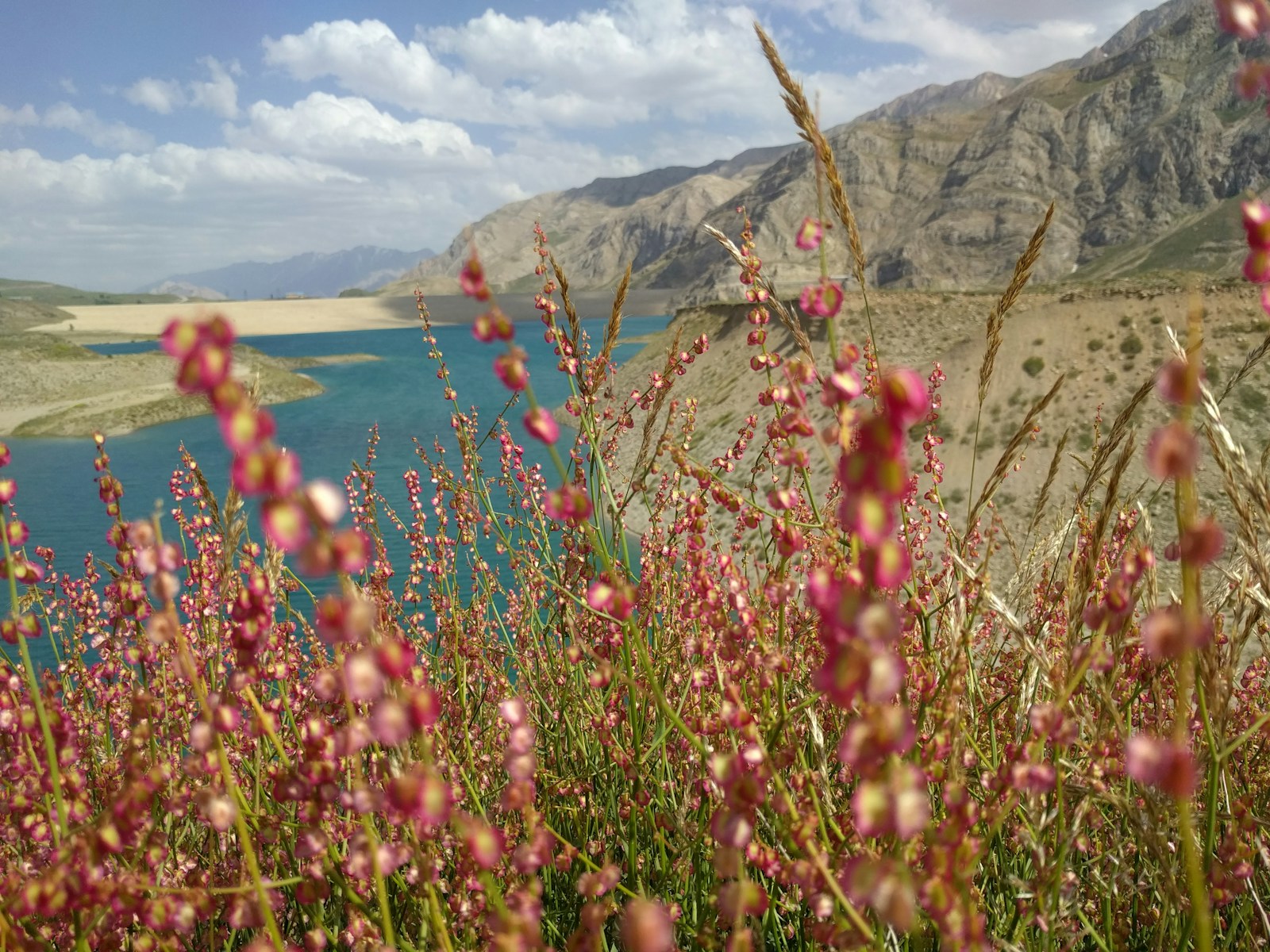
focus photo of red petaled flowers near body of water under cloudy sky during daytime

Exploring Britain’s Most Dramatic Coastal Walks

If there’s one thing the British Isles are renowned for, it’s their breathtaking coastal landscapes. From rugged cliffs to serene beaches, the coastline offers some of the most dramatic views and thrilling walks you could imagine. And what better way to make the most of these scenic adventures than to combine them with a quintessentially British pastime—stopping for tea! So lace up your boots, grab your walking stick, and let’s embark on a journey through some of the most awe-inspiring coastal walks in Britain, complete with the perfect spots to pause for a cuppa.

The Pembrokeshire Coast Path, Wales

A Walk Through Nature’s Masterpiece

Stretching for 186 miles, the Pembrokeshire Coast Path is a true gem in Wales. This walk offers a variety of landscapes, from sandy beaches to rugged cliffs and charming villages. As you traverse this path, prepare to be awed by the dramatic scenery, abundant wildlife, and historic sites. Along the way, don’t miss the opportunity to spot seals, dolphins, and a plethora of bird species.

Tea Break: The Café at St. David’s

After a rewarding walk, stop by The Café at St. David’s. Nestled in the smallest city in the UK, this café serves delightful homemade cakes, fresh sandwiches, and, of course, a steaming pot of tea. The warm atmosphere and friendly staff make it the perfect place to unwind while enjoying views of this historic city.

The South West Coast Path, England

A Journey Through Diversity

The South West Coast Path is a colossal 630 miles of pure coastal bliss, offering one of the longest continuous walking paths in the UK. This trail winds its way through the striking landscapes of Devon and Cornwall, showcasing everything from sandy stretches to dramatic cliffs. Each section boasts its own unique charm, with highlights including the breathtaking cliffs of Cornwall and the serene beaches of Devon.

Tea Break: The Hidden Hut

Located near Portscatho, The Hidden Hut is an absolute must-visit. This beachside café serves up delicious local dishes made from fresh, seasonal ingredients. Whether you’re in the mood for a hearty soup or a light snack, you’ll find it here. And let’s not forget their famous cream teas, perfect for replenishing your energy after a long walk!

The Isle of Skye, Scotland

The Land of Mist and Magic

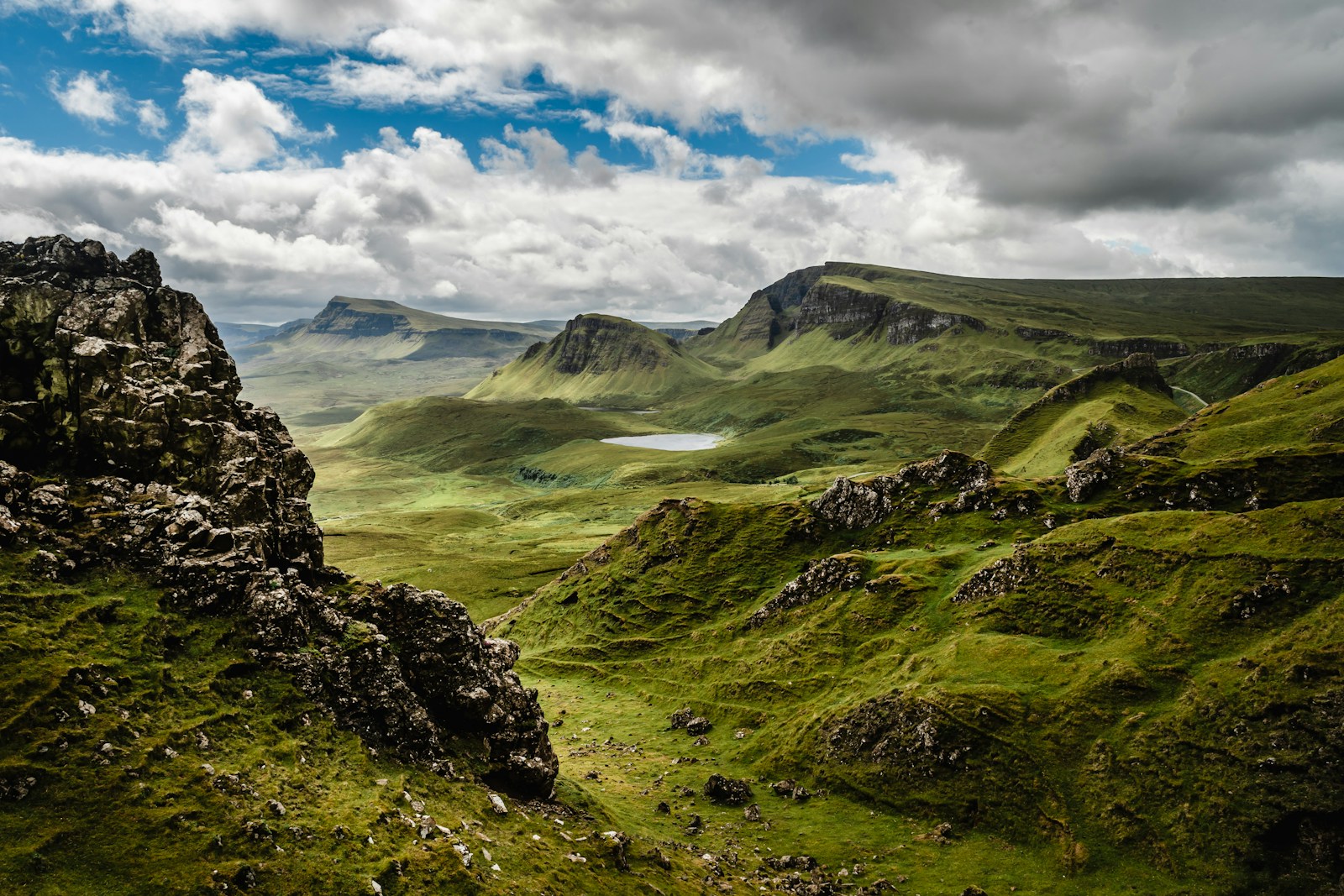
For those seeking a coastal walk that feels almost otherworldly, the Isle of Skye is the place to be. Famous for its rugged beauty and enchanting landscapes, the island offers numerous trails, including the renowned Quiraing Circuit. The dramatic cliffs and sweeping vistas are sure to leave you speechless. As you walk, keep your eyes peeled for the unique rock formations that make this island so captivating.

Tea Break: The Pie Shop

After a day of exploring, stop by The Pie Shop in the village of Portree. Here, you’ll find an array of mouth-watering pies, from traditional Scottish recipes to modern twists. Pair your pie with a cup of tea, and you’ll have the perfect end to your Skye adventure.

The Jurassic Coast, England

A Walk Through Time

The Jurassic Coast is not only a UNESCO World Heritage Site but also a walk through history. Stretching from Exmouth in East Devon to Studland Bay in Dorset, this coastal path is famous for its ancient fossils and stunning geological formations. As you walk, you can discover 185 million years of geological history, making it a fascinating adventure for all ages.

Tea Break: The Hive Beach Café

Located at the stunning Hive Beach in Burton Bradstock, this café is an absolute delight. With its fantastic views and relaxed atmosphere, you can enjoy freshly caught seafood, homemade cakes, and steaming cups of tea while taking in the beauty of the Jurassic Coast. The café is an ideal stop to rest and reflect on your walk.

The Antrim Coast, Northern Ireland

A Dramatic Coastal Adventure

The Antrim Coast is a breathtaking stretch of coastline that showcases Northern Ireland’s natural beauty. Featuring the iconic Giant’s Causeway, this walk will take you through stunning cliffs, rolling hills, and picturesque villages. The combination of rugged landscapes and seaside charm makes this a must-do for any walking enthusiast.

Tea Break: The Bushmill’s Distillery Bar

What better way to relax after a day’s walk than to visit the Bushmill’s Distillery Bar? Located near the famous distillery, this bar offers a range of local beers, whiskies, and, of course, tea. Settle in and enjoy the cozy atmosphere while treating yourself to some delicious local fare.

The Cinque Ports Walk, England

A Historical Coastal Trail

The Cinque Ports Walk takes you through a series of historic towns and villages along the Kent and Sussex coasts. This path is rich in history, with charming medieval ports and stunning countryside views. As you walk, you’ll encounter quaint towns such as Rye and Hastings, each teeming with history and culture.

Tea Break: The Mermaid Street Café

In the heart of Rye, The Mermaid Street Café offers a delightful menu featuring locally-sourced ingredients. With its rustic charm and cozy seating, it’s the perfect place to enjoy a pot of tea and a slice of homemade cake. Don’t forget to soak in the beautiful views of the surrounding architecture.

The Moray Coastal Trail, Scotland

Nature and Wildlife Galore

The Moray Coastal Trail is a lesser-known treasure that boasts stunning views of the Moray Firth. Spanning 50 miles, this trail offers a mix of natural beauty, wildlife spotting opportunities, and charming coastal villages. Keep your eyes peeled for dolphins, seals, and an array of seabirds as you walk along the picturesque coastline.

Tea Break: The Lossiemouth Café

After a rewarding day of walking, head to The Lossiemouth Café, where you can enjoy a hearty meal or a light snack. With its friendly atmosphere and beautiful views of the beach, it’s the perfect place to unwind. Don’t miss their homemade pastries, which pair perfectly with a hot cup of tea.

Final Thoughts

Exploring Britain’s dramatic coastal walks is not just about the stunning views; it’s also about the experience of the journey. With each step, you’ll discover the rich history, unique wildlife, and charming villages that make these trails so special. And, of course, the opportunity to pause for tea adds a delightful touch to your adventure. So grab your walking shoes and set out to explore the mesmerizing coastlines of Britain—there’s a world of beauty waiting for you!

Posted on Leave a comment

The British Travelers Rain Survival Guide: Embracing Wet Weather Adventures

photo of red bus on street from window

Introduction

Ah, rain! For many, it’s the bane of outdoor adventures, but for the British traveler, it’s simply a part of life. With the unpredictable weather patterns that grace the UK, particularly in regions like Cornwall or the Lake District, a little drizzle shouldn’t dampen your spirits. Instead, it’s time to grab your wellies, don your waterproof jacket, and embrace the rain! This guide is here to help you navigate the wet weather while making the most of your travels.

Understanding the British Weather

Before you head out, it’s essential to understand the nature of British weather. Yes, it can be notoriously unpredictable, with sunny spells quickly giving way to sudden downpours. Did you know that the UK experiences an average of 133 rainy days per year? The trick is to be prepared, and you’ll find that a rainy day can lead to unexpected adventures.

Embrace the Elements

First things first: embrace the rain! It might seem counterintuitive, but seeing rain as a natural part of your journey can change your outlook. Many of Britain’s landscapes are at their most beautiful when kissed by raindrops. The vibrant greens of the countryside come alive, and the moody skies add a dramatic flair to your photographs. Plus, with fewer tourists out and about, you’ll find that popular spots become serene hideaways.

Packing Essentials for Rainy Days

When you’re traveling in Britain, packing the right gear is crucial. Here’s your checklist for surviving (and thriving) in the rain.

Waterproof Clothing

  1. Rain Jacket: A lightweight, breathable, and waterproof jacket is a must. Look for one with a good hood and ventilation to keep you dry without overheating.

  2. Waterproof Trousers: Pair your jacket with waterproof trousers. They’ll keep you dry from the waist down and can usually be packed into a small pouch when not in use.

  3. Wellies or Waterproof Boots: A sturdy pair of waterproof boots or wellingtons will keep your feet dry as you navigate puddles and muddy paths.

Accessories to Keep You Dry

  1. Umbrella: A compact travel umbrella can be a lifesaver. Opt for a wind-resistant model to prevent it from turning inside out on blustery days.

  2. Hat: A wide-brimmed hat can keep the rain off your face and help you stay dry, especially if you prefer not to use an umbrella.

  3. Waterproof Bag: Invest in a waterproof backpack or a rain cover for your existing bag. You don’t want your camera or other essentials getting soaked!

  4. Quick-Dry Towel: Perfect for drying off after a sudden downpour, a quick-dry towel is lightweight and easy to pack.

Fun Rainy Day Activities

Now that you’re prepared, let’s explore some activities you can enjoy even when the skies are gray.

Explore Museums and Galleries

Britain is home to an incredible array of museums and art galleries. Many of these institutions are free or low-cost, making them perfect for a rainy day.

  1. British Museum, London: With treasures from around the world, you could easily spend an entire day wandering through its halls.

  2. The Tate Modern: Tucked away in a former power station, this gallery features contemporary art and stunning views of the Thames.

  3. National Gallery: Located in Trafalgar Square, you’ll find masterpieces from Van Gogh to Monet under one roof.

Cozy Up in a Café

What better way to wait out a downpour than with a cup of tea or coffee? The UK is famed for its café culture, and there’s no shortage of cozy spots to indulge in some treats while watching the rain fall outside.

  1. The Attendant, London: A quirky café set in a former Victorian toilet, it’s the perfect spot for a unique experience.

  2. The Elephant House, Edinburgh: Known as the birthplace of Harry Potter, sipping coffee here while the rain taps against the window is pure magic.

  3. Clotted Cream Teas in Cornwall: A trip to Cornwall wouldn’t be complete without indulging in a traditional cream tea. Find a local café, wrap your hands around a warm cup, and enjoy scones with jam and clotted cream!

Enjoy Indoor Attractions

If you’re feeling adventurous, consider visiting some of Britain’s indoor attractions where you can learn something new or have some fun.

  1. The Harry Potter Studio Tour, Watford: Perfect for fans of the series, this tour takes you behind the scenes of the films, showcasing sets, props, and the magic of filmmaking.

  2. The Edinburgh Dungeon: A theatrical experience that combines history and horror, it’s a thrilling way to spend a rainy afternoon.

  3. Indoor Climbing Centers: Get your adrenaline pumping by trying indoor rock climbing. It’s a fantastic way to stay active while keeping out of the rain.

Discovering the Beauty of Nature in the Rain

Believe it or not, some of the best outdoor experiences can happen in the rain. With the right mindset and gear, you can still enjoy the great outdoors.

Scenic Coastal Walks

The UK is dotted with beautiful coastlines. Rain can create stunning scenes where the sea meets the land, and you can find peace in the sound of the waves crashing against the rocks.

  1. The South West Coast Path: Spanning 630 miles, this path offers breathtaking views and varied terrain. Just remember to check your weather app before setting out!

  2. Wales’ Pembrokeshire Coast: Known for stunning cliffs and sandy beaches, walking this coastline in the rain can feel like a grand adventure.

Woodland Walks

Forests have a unique charm when it rains. The sound of raindrops hitting leaves and the earthy smell of wet soil can create a serene atmosphere.

  1. Forest of Dean: This ancient woodland is perfect for exploring, with plenty of trails and spots to discover.

  2. New Forest: A magical place with wild ponies and ancient trees, it’s enchanting in all weather.

Tips for Making the Most of Your Wet Weather Adventures

  1. Stay Positive: A positive attitude can make all the difference. Treat the rain as part of the adventure rather than a hindrance.

  2. Plan for Breaks: Allow time in your schedule for breaks to dry off and warm up.

  3. Capture the Moment: Don’t forget your camera! The rain can create unique opportunities for stunning photography, from raindrops on flowers to reflections in puddles.

  4. Hydrate: If you’re out and about, don’t forget to drink water along with your hot drinks. Staying hydrated keeps your energy up!

Conclusion

Rain may seem like a nuisance, but for the British traveler, it’s an invitation for adventure. With the right preparations and an open mindset, you can discover the beauty of the UK, even in wet weather. From cozy cafés to breathtaking walks, embracing the rain can lead to unforgettable experiences. So next time dark clouds loom, remember: the best adventures often begin with a little drizzle!

Posted on Leave a comment

Budget Britain: How to Experience British Culture Without Breaking the Bank

a large room with people and stairs

Introduction: Embrace the Charm of the UK on a Budget

The United Kingdom is a treasure trove of history, culture, and stunning landscapes. From the rolling hills of the Cotswolds to the bustling streets of London, there’s so much to see and do. But for many travelers, the thought of experiencing this vibrant culture can come with a hefty price tag. Fear not! With a little creativity and resourcefulness, you can savor the essence of British culture without draining your wallet.

Let’s dive into some helpful tips and tricks for enjoying the UK without breaking the bank.

Discover Free Attractions

The first step to a budget-friendly trip is to enjoy the plethora of free attractions available across the UK.

Museums and Galleries

Did you know that many of the country’s top museums and galleries offer free admission? In London, the British Museum, the Tate Modern, and the National Gallery showcase some of the world’s greatest art and artifacts without charging a penny. You can spend a whole day marveling at the Rosetta Stone or Picasso’s masterpieces, all while keeping your budget intact.

Outside of London, cities like Manchester and Edinburgh also boast museum collections that are free to explore. The Kelvingrove Art Gallery and Museum in Glasgow and the Manchester Museum are just a few examples where you can immerse yourself in British history and culture at no cost.

Beautiful Parks and Gardens

The UK is renowned for its stunning parks and gardens. These green spaces provide the perfect backdrop for a picnic, a leisurely stroll, or simply soaking in the British sun (when it decides to shine!). Check out Hyde Park in London or St. James’s Park for a quintessentially British experience. If you’re in the countryside, don’t miss the picturesque National Trust gardens, which often have free entry or a modest fee.

Affordable Accommodation Options

When it comes to places to stay, your choice can significantly impact your budget.

Hostels and Budget Hotels

Gone are the days when hostels were only for young backpackers. Today, many hostels offer private rooms and amenities that rival budget hotels, often at a fraction of the price. Websites like Hostelworld or Booking.com allow you to compare prices and find the best deals.

If hostels aren’t your style, consider budget hotel chains like Premier Inn or Travelodge, which have locations throughout the UK. These options provide a comfortable stay without the luxury price tag.

Unique Stays

For a truly memorable experience, consider unique accommodations like camping, glamping, or staying in a cozy Airbnb. You can find treehouses, converted buses, or even historic castles available for rent. These alternatives not only save you money but also provide a unique perspective on British living.

Savor Local Cuisine Without Overspending

Food is a massive part of any culture, and the UK is no exception.

Street Food and Markets

One of the best ways to experience local cuisine on a budget is through street food. Cities like London and Bristol are famous for their vibrant street food scenes. Borough Market is a must-visit for foodies, where you can sample everything from artisanal cheese to gourmet donuts. Don’t miss the chance to try traditional British fare like fish and chips or a hearty meat pie from local vendors.

Supermarkets and Picnics

Another budget-friendly option is to shop at local supermarkets. Many stores offer meal deals that include a sandwich, drink, and snack for a fraction of the price you’d pay at a restaurant. Consider packing a picnic and enjoying it in one of the many beautiful parks scattered throughout the country. This way, you can feast while enjoying the serene British countryside or city views.

Pubs and Traditional Fare

British pubs offer a warm atmosphere and a great selection of traditional dishes. Many pubs have “meal deals” or special nights where you can enjoy a hearty meal without spending too much. Don’t forget to try a classic Sunday roast if you can find a local pub with this tradition—it’s a true British experience!

Embrace Public Transport

Traveling around the UK can be pricey, but with public transport, you can save a significant amount of money.

Train Travel

Train travel is a popular way to see the UK, but prices can vary dramatically. To get the best deals, consider booking in advance or traveling during off-peak hours. Websites like National Rail and Trainline can help you find the cheapest tickets. If you’re planning on traveling frequently, a railcard can provide substantial discounts.

Buses and Coaches

For those who want to explore beyond the big cities, buses and coaches are a budget-friendly option. Companies like National Express and Megabus offer intercity travel at incredibly low prices, sometimes as low as £1 for certain routes. It’s an excellent way to see the countryside while keeping costs down.

Cultural Events and Festivals

The UK is rich in cultural events and festivals, many of which are free or low-cost.

Local Festivals

Throughout the year, various towns and cities celebrate their culture with festivals that showcase music, food, and art. Whether it’s the Edinburgh Festival Fringe, a local music festival, or a food fair, these events provide a fantastic opportunity to immerse yourself in British culture. Many of them have free events or affordable tickets, making them accessible for all.

Community Events

Keep an eye out for community events that often take place throughout the year. Farmers’ markets, charity events, and cultural days can provide fun experiences without the high cost. Websites like Eventbrite or Meetup can help you find local activities happening during your visit.

Exploring the Countryside

The UK is not only about its cities; its countryside is equally mesmerizing and often free to explore.

National Parks

Visiting national parks is a great way to experience the natural beauty of the UK. Parks like the Lake District, Peak District, and Snowdonia offer stunning landscapes, hiking trails, and quaint villages. Many parks have visitor centers that provide information on trails and activities, ensuring you make the most of your visit.

Coastal Walks

The UK’s coastlines are dotted with beautiful walking paths, perfect for an adventurous day out. The South West Coast Path and the Pembrokeshire Coast Path are two options where you can enjoy breathtaking views and the sound of crashing waves without spending a penny. Pack a picnic, and you have an entire day of fun planned!

Conclusion: Enjoying the UK on a Budget

Experiencing British culture doesn’t have to cost a fortune. With a little creativity, planning, and resourcefulness, you can enjoy everything this beautiful country has to offer without breaking the bank. From exploring free museums and enjoying local street food to utilizing public transport and participating in community events, the options are endless. So grab your walking shoes, a hearty appetite, and a sense of adventure, and get ready to create unforgettable memories in the UK—all while keeping your budget in check!