Posted on Leave a comment

Five of the Best Prime Ministers

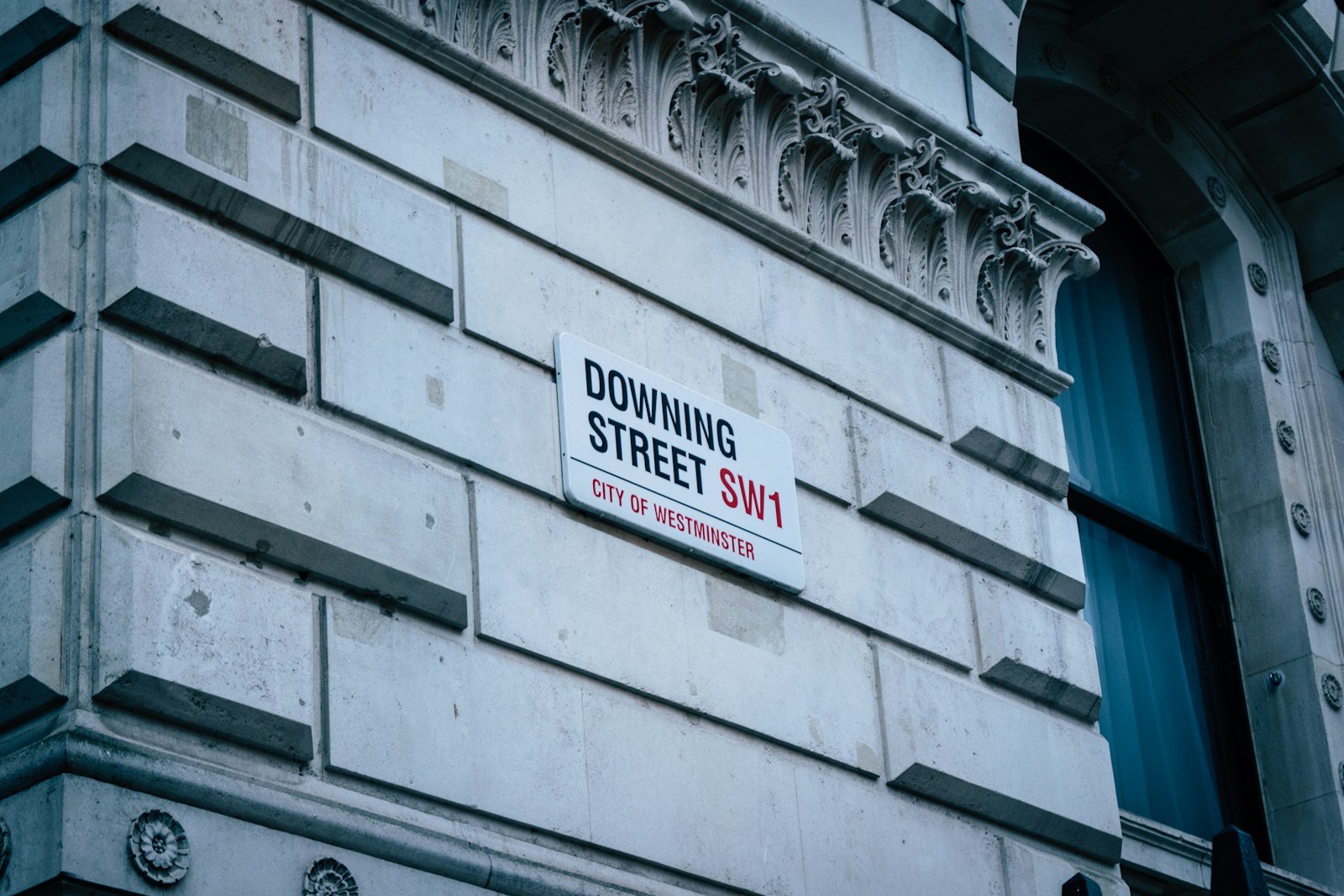
a street sign on the side of a building

Being the leader of an entire nation can be quite challenging, often taking all the blame and enjoying little recognized success.  However, a blessed few do so well in their job that we remember them for decades if not centuries later.  The United Kingdom has had many Prime Ministers who could be considered good leaders, though relatively few could be called great.  The five PMs listed below represent research from across several surveys conducted over the years and appear in no particular order.  While each had their own glaring failures, history regards them as having a great positive impact on the nation.

Tony Blair

While the final years of Blair’s ten-year term as Prime Minister were marred by his involving the country in the Iraq War, he had a long list of accomplishments before this.  Almost immediately on becoming Prime Minister in 1997, he helped to negotiate the Good Friday Agreement whose ratification in 1998 helped to end conflict with the Irish Republican Army in Northern Ireland.  He also enacted a slew of constitutional reforms that reduced the number of hereditary peers, established the UK Supreme Court, and championed a devolution of the government that gave Northern Ireland, Wales, and Scotland more say over the governance of their countries.

Margaret Thatcher

Certainly another controversial figure on this list, Margaret Thatcher is at least notable for being the first female Prime Minister and fighting against a system that was inherently sexist and determined not to let a woman ever hold that position.  Ultimately serving three terms, Conservatives were won over by her privatization of national industries, leadership in the Falklands War, and strong economy.  However, her popularity ran out following miners’ strikes throughout the country over her government’s closures of coal pits, her Euroscepticism that wasn’t shared by her cabinet, and her support for the Community Charge (aka “poll tax”), eventually forcing her resignation in 1990 after almost eleven years in office.  Much like her contemporary Ronald Reagan, she’s often held up by Tories as the pinnacle of Conservative leadership.

Harold Macmillan

Also known as “Supermac”, Harold Macmillan succeeded the disastrous premiership of Anthony Eden and helped rehabilitate both the country and the Conservative Party after the Suez Crisis.  He moved the UK beyond its imperial past, embracing a new globalism and firmly establishing Britain’s place in it.  Most notably, he helped to repair the relationship with the United States torpedoed by Eden’s actions and formed a new partnership for the Cold War conflict with the USSR.  Interestingly, Macmillan as the last Prime Minister born in the Victorian period, the last to have served in WWI, and the last to receive a hereditary peerage.

Clement Atlee

Having served as Winston Churchill’s Deputy Prime Minister during World War II as part of a unity government, Clement Atlee helped propose a welfare state policy that propelled Labour to a victory in 1945 and himself into 10 Downing Street.  Britain’s welfare state is his biggest and most notable legacy, which included the creation of the National Health Service.  Atlee’s policies were largely shaped by his youth, coming from a wealthy aristocratic family, he became dedicated to serving the poor after serving as a volunteer in a home for working-class boys in East London.  This experience led him as Prime Minister to increase public housing assistance, national insurance, national assistance, and nationalization of public utilities.  With Britain practically bankrupt and facing supply shortages after World War II, Atlee helped to get the country back on its feet in time for Churchill’s next term in 1951.  Atlee also has the distinction of being the longest-serving Labour leader in Britain’s history, having been in the office for twenty years from 1935 to 1955.

Winston Churchill

And speaking of Churchill, for most of his political career, he wasn’t the most popular member within the Conservative Party, especially as Stanley Baldwin and Neville Chamberlain advocated for appeasement towards Adolf Hitler.  Chamberlain’s bad decisions led to a no confidence vote and the refusal of Labour to join him in forming a coalition government, but it would accept if Churchill was the Conservative leader.  Churchill led the United Kingdom through World War II and became a symbol of British defiance and tenacity.  Churchill was the British figure who helped establish the “Special Relationship” since enjoyed by the UK and US and helped to prepare the country for the realities of the Cold War with the USSR.  His biggest failings during in office was a lack of willingness to let go of British imperialism, a process started by Atlee and completed by Macmillan.
 

Posted on Leave a comment

The Bizarre British Parliamentary Traditions No One Can Explain

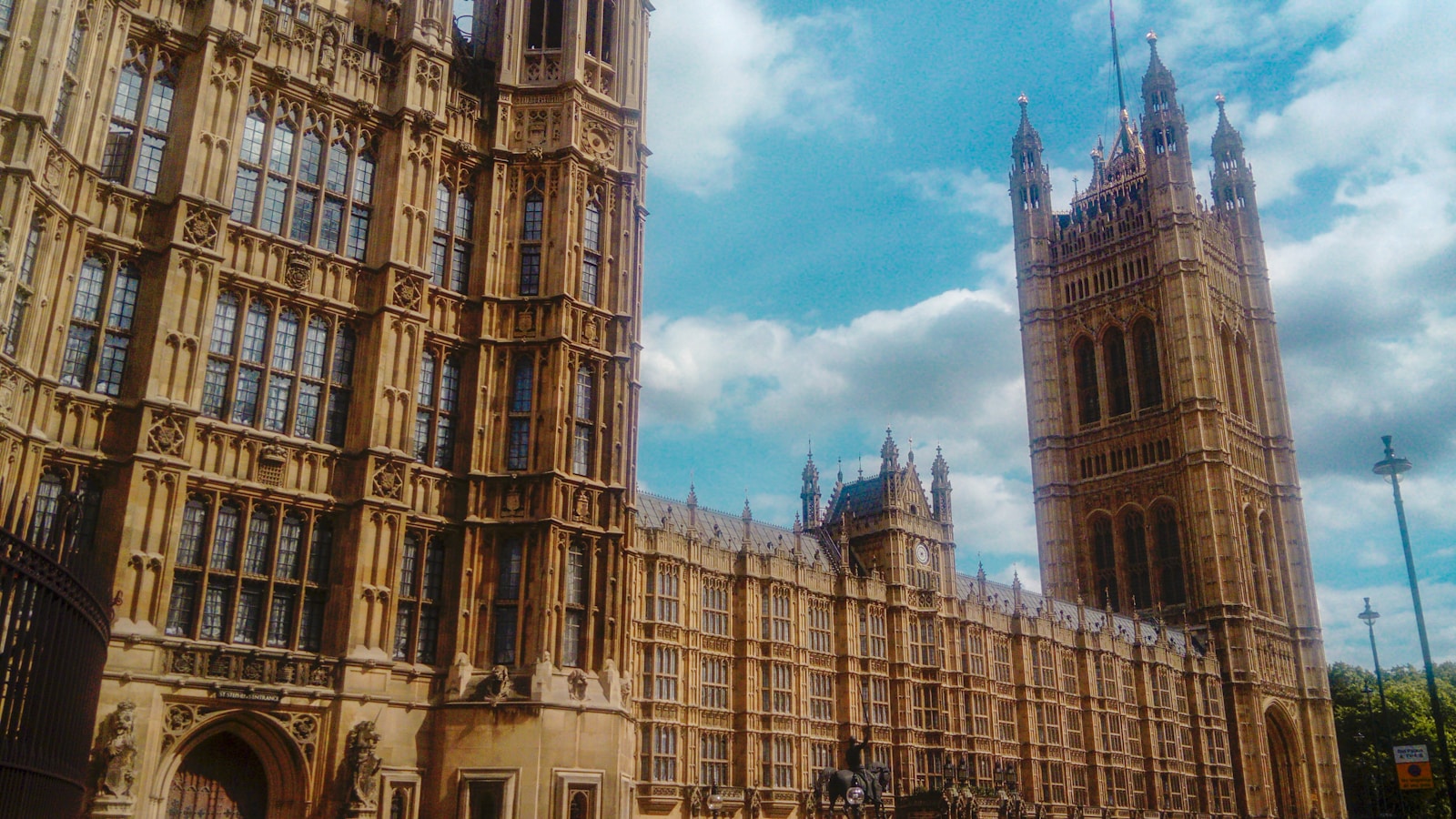
the big ben clock tower towering over the city of london

Introduction

The British Parliament is a venerable institution, steeped in history and tradition. With its grand buildings, eloquent debates, and political machinations, it has long captured the imagination of those both inside and outside the United Kingdom. However, behind the serious façade lies a treasure trove of bizarre customs and traditions that often leave outsiders scratching their heads. Let’s dive into some of these peculiar practices that have persisted through the ages, showcasing the unique character of British political life.

The State Opening of Parliament: A Royal Affair

One of the most spectacular events in the British parliamentary calendar is the State Opening of Parliament. This grand occasion marks the beginning of the parliamentary year and is filled with pomp and ceremony. The Queen’s Speech, delivered from the throne in the House of Lords, outlines the government’s legislative agenda, but it is the rituals surrounding the event that truly stand out.

First, we have the ceremonial procession. Dressed in full regalia, the Sovereign travels from Buckingham Palace in a golden coach, accompanied by the Household Cavalry. As the Queen arrives, she is received by the Lords Spiritual and Temporal, and the Commons have to wait outside. The Commons do not enter until they receive an official summons, an act that harks back to the days when the monarch had absolute power. Why do they wait? It’s a throwback to a time when the monarch would summon Parliament to discuss matters of the state. It may seem outdated, but it’s a delightful reminder of the past.

The Speaker’s Chair: A Symbol of Neutrality

Another curious aspect of the British Parliament is the role of the Speaker of the House of Commons. The Speaker is elected by Members of Parliament (MPs) and is expected to remain impartial, acting as a referee during debates. However, there’s a rather bizarre tradition that underscores this impartiality: the Speaker is not allowed to show any political allegiance.

When the Speaker is elected, they must agree to ‘give up’ their party affiliation. To symbolize this, the Speaker is dressed in a traditional black robe and sits on a throne-like chair, known as the Speaker’s Chair. If they are seen showing favoritism, they are metaphorically “dragged” out of the chair by their fellow MPs. The Speaker’s impartiality is crucial for maintaining order, but the dramatic image of an MP being pulled from their seat adds a layer of theatricality to the proceedings.

Black Rod and the House of Commons

Every year during the State Opening of Parliament, the House of Commons is ceremoniously ‘invaded’ by Black Rod. The role of the Gentleman Usher of the Black Rod dates back to the 14th century, and the custom is both strange and fascinating. When the Queen is ready to deliver her speech, Black Rod is sent to summon the Commons to the Lords to hear it. However, there’s a catch—the doors to the Commons are slammed shut in his face.

This symbolic act represents the Commons’ independence from the Crown. Black Rod must then summon the Commons by banging on the door three times, after which they’re allowed to enter. This dramatic scene, with the Lords waiting and the Commons being summoned, reflects the ongoing tug-of-war between the monarchy and Parliament.

The Dog That Barks: The Parliament Cat

While not as well-known, the furry residents of Parliament also deserve a mention. The tradition of having cats in the Houses of Parliament goes back centuries, intended to control the rodent population. However, it’s the current feline resident, Larry the Cat, that has captured public affection.

Larry, who is technically the “Chief Mouser to the Cabinet Office,” is often seen lounging on the steps of 10 Downing Street or prowling the halls of Westminster. Interestingly, Larry has become somewhat of a celebrity, even having his own Twitter account! His presence has become a quirky part of the fabric of Parliament, illustrating that even amidst serious political discourse, a bit of feline charm can lighten the atmosphere.

The Seven Whips: A Whimsical Role

In the competitive world of British politics, the role of the Whip is crucial, yet it comes with its own set of eccentricities. Whips are party officials responsible for maintaining party discipline and ensuring that MPs attend and vote according to party lines. However, the true bizarre element comes into play in the form of the “whip” itself.

There are three types of whips: one-line, two-line, and three-line whips. A three-line whip is the most serious, indicating that attendance is mandatory. But what’s truly quirky is the origin of the term. It dates back to the 18th century and was derived from the phrase “whipping in,” which referred to the practice of making sure that all party members were present and accounted for, much like rounding up hounds for a hunt.

The Prime Minister’s Questions: An Unruly Tradition

Every Wednesday, the Prime Minister faces an hour of intense questioning from MPs during Prime Minister’s Questions (PMQs). While this is a regular occurrence in the political calendar, the atmosphere often resembles a schoolyard playground more than a serious parliamentary session. The exchanges can range from pointed questions to heckling and laughter, creating a spectacle that is both entertaining and chaotic.

The tradition started in the late 19th century as a way to hold the Prime Minister accountable to the House of Commons. However, the theatrical nature of the event, with MPs shouting and jeering, has led to a reputation of disorder. It’s not uncommon for the Speaker to have to restore order, calling on MPs to “calm down” in the middle of a heated debate. This tradition showcases the spirited nature of British politics, where lively debate is encouraged, albeit sometimes with a bit too much exuberance.

A Peculiar Dress Code: From Wigs to Suits

The dress code in Parliament has evolved over the years, but it still retains a few unusual remnants from history. A significant part of the British parliamentary tradition involves the wearing of wigs and robes, particularly in the House of Lords. While wigs are no longer worn by most members, the Lords still don their ceremonial attire during formal occasions.

Interestingly, the tradition of wearing a wig dates back to the 17th century when it was considered a sign of status and authority. Today, however, the sight of a group of men in wigs and robes can seem quite peculiar to the untrained eye. The attire may seem outdated, but it serves as a reminder of the long-standing traditions that continue to shape the legislative process.

Conclusion

The British Parliament, with its rich tapestry of history and tradition, offers a glimpse into the quirks of British political culture. From the State Opening of Parliament to the antics of PMQs, these bizarre customs add a layer of character that is both amusing and fascinating. While some traditions may seem inexplicable or out of touch, they contribute to the unique identity of British democracy. As we continue to navigate the complexities of modern politics, let’s not forget to embrace the whims and eccentricities that make parliamentary life so entertaining.

Posted on Leave a comment

British Politicians Most Creative Parliamentary Insults Through History

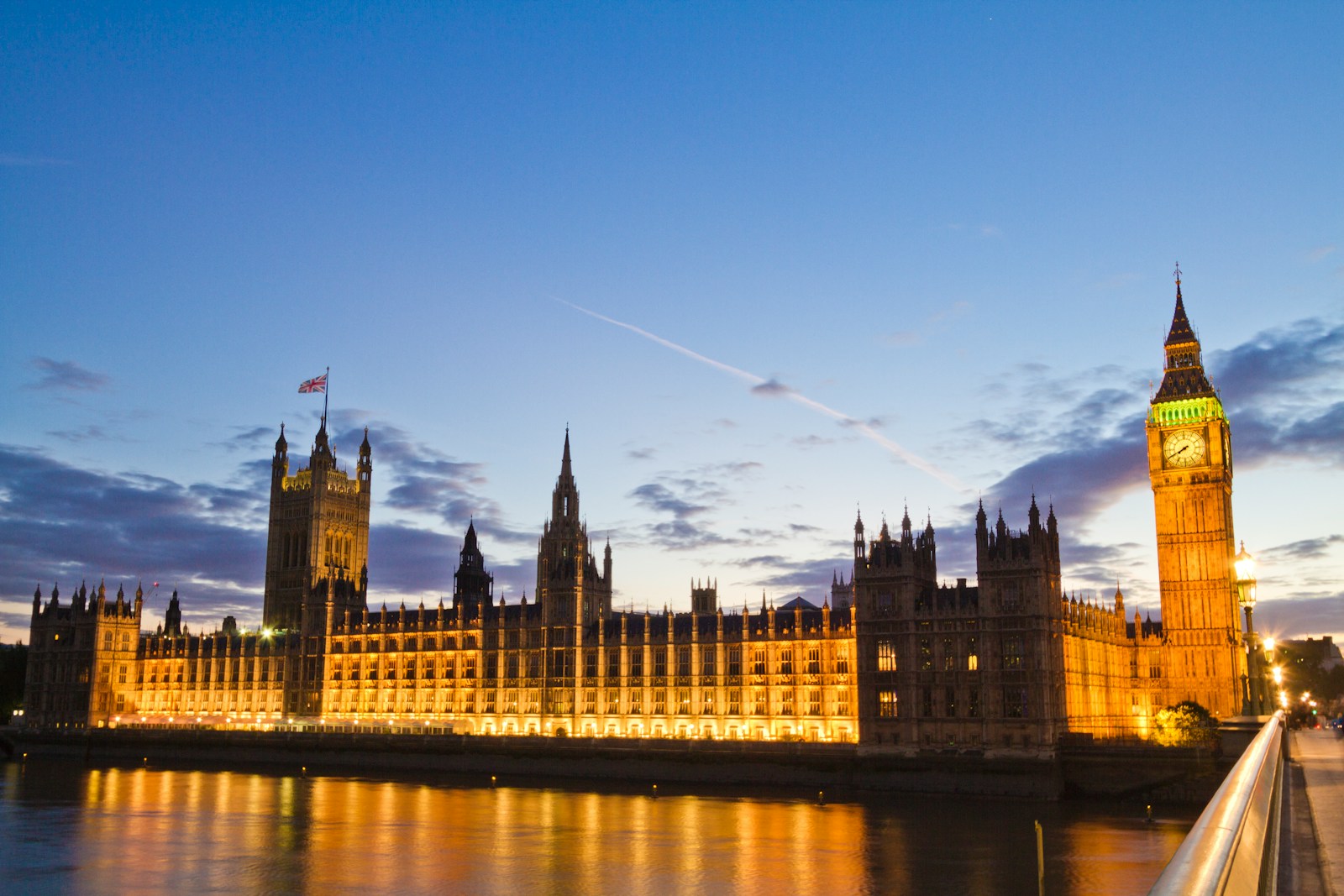
Big ben and the houses of parliament at dusk.

Introduction

Politics can often feel like a game of chess, with high stakes and calculated moves. However, one of the more colorful aspects of this arena is the art of insult. In British politics, where the tradition of vigorous debate and spirited discourse thrives, politicians have often resorted to colorful language to express their disagreement or disdain. From clever quips to scathing barbs, the history of parliamentary insults in Britain is rich and varied. Let’s take a look at some of the most creative insults thrown around in the hallowed halls of Westminster.

The Witty Wordsmiths

British politicians have often displayed a flair for language that can turn even the most mundane exchanges into memorable moments. The ability to wield words like a rapier is a skill that has been mastered by many throughout history.

One of the most famous masters of parliamentary insult was Winston Churchill. Known for his sharp tongue and quick wit, Churchill had a knack for getting under the skin of his opponents. One notable exchange occurred in 1945 when Labour MP Bessie Braddock accused him of being drunk. Churchill famously retorted, “My dear Bessie, you are ugly, but tomorrow I shall be sober and you will still be ugly.” This exchange not only showcased Churchill’s quick thinking but also his ability to turn a potentially damaging comment into a memorable comeback.

The Puns and Play on Words

Puns have played a significant role in British parliamentary insults. The ability to cleverly twist language not only adds humor but also highlights the intelligence of the speaker.

Sir Edward Heath, former Prime Minister, once quipped that his rival, Harold Wilson, was “like a man with a big beard – he thinks he’s wise.” This playful jab not only poked fun at Wilson’s appearance but also subtly questioned his wisdom, revealing how personal jabs can carry deeper meanings.

Another delightful example comes from David Cameron, who once criticized the Labour party by saying, “They are like a pair of old socks – they’ve lost their elasticity.” This not only insulted his opponents but also painted a vivid picture of their perceived stagnation. Cameron’s ability to use everyday items to express political ineptitude shows how insults can resonate with the public.

The Historical Context

To truly appreciate these insults, it’s essential to consider the historical context in which they were made. British politics has a long and tumultuous history, marked by fierce rivalries and intense debates. These factors often led to heightened emotions and the use of insults as a means of expressing political frustrations.

During the Victorian era, parliamentary debates were often theatrical, with members of parliament (MPs) taking on roles akin to actors on a stage. The exchanges were filled with passion and occasionally devolved into personal attacks. For instance, Benjamin Disraeli, the Conservative Prime Minister, was known for his scathing remarks about his political rival William Ewart Gladstone. Disraeli referred to Gladstone as a “half-baked” politician, implying that he was not fully formed in his ideas and beliefs.

The Art of Sarcasm

Sarcasm has long been a favorite weapon in the arsenal of British politicians. It allows for a clever way to insult someone while maintaining a facade of politeness.

One significant example is from Michael Heseltine, who once described his opponent Neil Kinnock as “the man who had the charisma of a damp rag.” This insult effectively conveyed Kinnock’s perceived lack of appeal and energy, all while using a humorous analogy.

Another memorable instance occurred when Tony Blair criticized Conservative policies, noting that they were “stuck in the past like an old record that keeps skipping.” This metaphor not only painted a picture of outdated policies but also implied that the Conservative party was unable to move forward, showcasing how effective metaphors can be in parliamentary discourse.

Insults in the Modern Era

In contemporary politics, the tradition of creative insults continues. The rise of social media has added a new layer to how these exchanges occur, with politicians now able to reach a broader audience in real time.

Former Foreign Secretary Boris Johnson is no stranger to colorful language. He once referred to the then-Labour leader Jeremy Corbyn as a “mutton-headed oaf,” a creative insult that not only ridiculed Corbyn’s intelligence but also evoked imagery of a silly, bumbling character. Johnson’s playful use of language reflects a modern take on the traditional art of political insults.

Gender Dynamics

It’s also important to acknowledge the gender dynamics at play in parliamentary insults. Historically, women in politics have often faced unique challenges, including being targets of gendered insults.

Margaret Thatcher, the first female Prime Minister, was not only known for her policies but also for her ability to dish out insults. She famously described one of her male opponents as “a man who cannot even be trusted to speak for himself,” highlighting the dismissive attitudes women often faced in a male-dominated political landscape. Thatcher’s ability to use insults to assert her authority paved the way for future generations of women in politics.

The Legacy of Parliamentary Insults

The legacy of parliamentary insults extends beyond the immediate context of political debates. They often become part of the cultural fabric, referenced in media, literature, and everyday conversation. Many of these exchanges have been immortalized in popular culture, serving as reminders of the colorful personalities that have shaped British politics.

For example, Churchill’s quips and jabs have inspired countless books and films, ensuring that his words echo through the ages. Similarly, the witty repartee of today’s politicians continues to be scrutinized and analyzed, reflecting the ongoing importance of language in political discourse.

Conclusion

The tradition of creative insults in British politics is as vibrant as the political landscape itself. From the clever puns of past leaders to the sharp sarcasm of contemporary figures, these exchanges offer a glimpse into the personalities that have shaped the nation. While insults may often be born from frustration and rivalry, they also highlight the enduring power of language in capturing the public’s attention and shaping political narratives. As we move forward, it’s clear that the art of the parliamentary insult will continue to evolve, keeping the spirit of spirited debate alive in the halls of Westminster.