Posted on Leave a comment

The Crown vs. Reality: What the Show Got Right and Wrong About British History

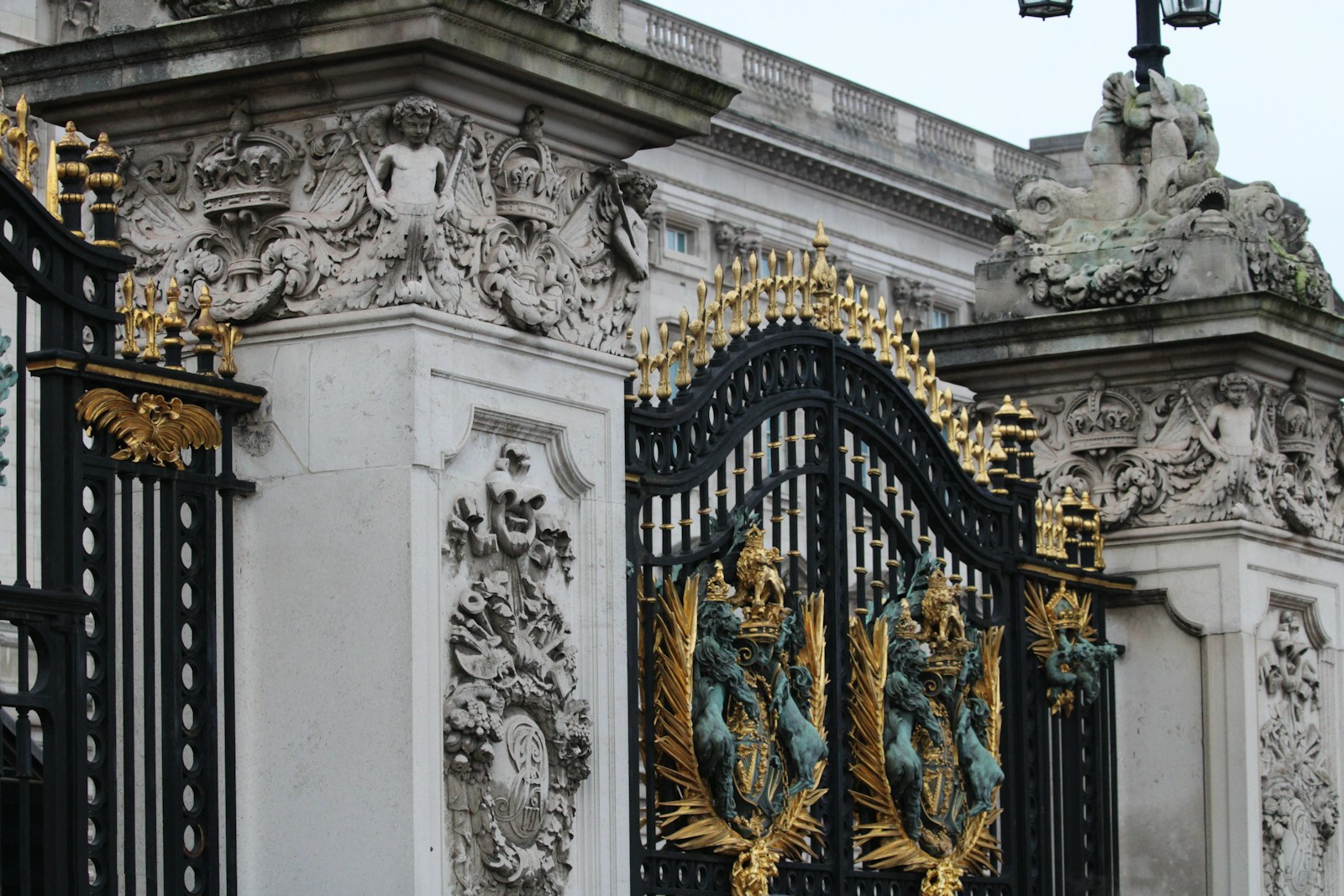
a black and gold gate with statues on it

Introduction

When Netflix released “The Crown,” it quickly became a cultural phenomenon. Audiences were captivated by the majestic storytelling, the lavish production design, and the deeply human portrayals of the British royal family. However, as with many historical dramas, viewers often find themselves wondering how much of what they’re watching is factual and how much is creative license. In this article, we’ll delve into the accuracy of the show, exploring what it got right and what it took liberties with, while also shedding light on the rich tapestry of British history that underpins the narrative.

The Historical Foundations

Before we dive into specifics, it’s essential to understand the context in which “The Crown” is set. The series chronicles the reign of Queen Elizabeth II, beginning with her early days as a young bride and extending into more recent times. Throughout the show, we encounter significant historical events, including World War II, the Suez Crisis, and the Falklands War, as well as personal dramas such as the marriages of her children and the various crises faced by the monarchy.

The creators of “The Crown” have often stated that while they strive for historical authenticity, they also focus on drama and character development. This duality can lead to a rich viewing experience, but it also raises questions about accuracy and representation.

What “The Crown” Got Right

The Intricacies of Monarchy

One of the standout aspects of “The Crown” is its portrayal of the complexities and responsibilities of the monarchy. Queen Elizabeth II is depicted as a dedicated and dutiful leader, grappling with the expectations placed upon her. The show effectively illustrates how her role as a monarch is often at odds with her personal life. From the early episodes depicting her honeymoon with Prince Philip to later struggles with her children’s public lives, the show paints a relatable picture of a woman balancing duty with personal desires.

Major Historical Events

The series accurately captures many significant historical events. The depiction of the Suez Crisis, for example, highlights not just the political ramifications but also how it affected the monarchy’s image. The show’s attention to detail in portraying the political atmosphere of the time, including the tensions between Britain and its former colonies, is commendable.

Similarly, “The Crown” does a remarkable job of illustrating the impact of World War II on Britain and the royal family. The series showcases the sense of duty felt by the royals during the Blitz, giving viewers a glimpse into how the monarchy sought to inspire hope and resilience among the British people during a time of great adversity.

The Personal Struggles of the Royals

The show does an excellent job of humanizing the royal family. It explores the personal struggles of individuals like Prince Charles and Princess Diana, delving into their emotional turmoil amid public expectations. This nuanced portrayal allows viewers to empathize with their challenges, making them more relatable figures rather than distant icons.

The Importance of Tradition

Tradition plays a vital role in the monarchy, and “The Crown” captures this beautifully. From ceremonial events to the adherence to long-standing protocols, the series highlights the weight of history that the royals carry. This focus on tradition adds depth to the narrative and showcases the monarchy’s attempts to remain relevant in a rapidly changing world.

What “The Crown” Got Wrong

Historical Inaccuracies and Creative Liberties

While “The Crown” is praised for many aspects, it is not without its faults. One of the most significant criticisms revolves around its portrayal of historical events and characters. Some events are dramatized or simplified for entertainment purposes, leading to a skewed perception of reality.

For example, the portrayal of certain political figures can be quite one-dimensional. Winston Churchill, played by John Lithgow, is depicted as a somewhat bumbling old man in his later years, which oversimplifies his complex character and contribution to British history. The series occasionally leans into dramatization that can misinform viewers about the realities of these historical figures.

The Relationship Between Charles and Diana

The tumultuous relationship between Prince Charles and Princess Diana is a focal point of the series, particularly in seasons four and five. However, the dramatization of their courtship and marriage has been met with criticism. The show often emphasizes the idea that Charles was in love with Camilla Parker Bowles throughout his marriage to Diana, framing the narrative in a way that some argue is more sensational than factual.

While the emotional fallout of their relationship is well-documented, the show’s portrayal can feel like an oversimplified narrative of love versus duty, neglecting the more complex socio-political factors at play during that time.

The Timeline of Events

Another area where the series has drawn criticism is its treatment of timelines. Events are often rearranged or compressed for narrative flow, which can lead to confusion about when certain events occurred. For instance, the show suggests that some events occurred in rapid succession when, in reality, they were spaced out over several years. This manipulation can distort viewers’ understanding of how historical events interlinked.

Impact on Public Perception

The allure of “The Crown” lies in its ability to spark interest in British history. However, the liberties taken with historical facts can shape public perception in ways that may not reflect the true narrative. For instance, viewers may come away from the series believing certain events or character traits are factual when they are not.

While it’s important for viewers to engage with history, the blend of fact and fiction in “The Crown” encourages a critical viewing approach. The series serves as a springboard for further research and discussion about the monarchy, prompting viewers to seek out more accurate historical accounts.

Conclusion: A Balancing Act

“The Crown” undoubtedly succeeds in entertaining and engaging viewers with its portrayal of the British royal family. While it gets many things right, it also takes creative liberties that can misrepresent history. As with any historical drama, it’s essential to approach the series with a critical eye, recognizing the balance between storytelling and factual accuracy.

For those fascinated by the British monarchy and eager to explore the nuances of its history, “The Crown” can serve as an intriguing introduction. However, to truly appreciate the complexities of the events and personalities depicted, one must delve deeper into the rich historical tapestry of Britain. After all, history is often more intricate and captivating than any television drama could portray.
Posted on Leave a comment

British TV Sets You Can Actually Visit: From Downton Abbey to Doctor Who

BBC logo on a building during daytime

Introduction

If you’re a fan of British television, you probably have a running list of shows that have swept you off your feet—whether it’s the grandeur of an English estate or the sci-fi adventures through time and space. But what if I told you that you can step inside these magical worlds, not just from your sofa but in real life? Many iconic British TV sets have transformed into real-life attractions that you can visit. Grab your travel guide and a cup of tea as we embark on this exciting journey through some of the most famous filming locations across the UK!

Downton Abbey: A Slice of Aristocratic Life

For many, the world of Downton Abbey represents the epitome of British elegance, and luckily, you can actually visit the stunning estate that brought the Crawley family to life. Highclere Castle, located in Hampshire, served as the primary filming location for the series.

Highclere Castle

Highclere Castle is open to the public during specific months of the year, typically from April to September. Visitors can explore the grand rooms that appeared in the series, including the magnificent drawing room and the stunning library. Guided tours often include fascinating anecdotes about the filming and the cast, providing a behind-the-scenes look at how the show was made.

In the castle gardens, you can stroll through the beautiful grounds that span over 1,000 acres, complete with ancient woodlands, sweeping lawns, and enchanting gardens. Make sure to grab some tea at the café, where you might even find some delightful treats inspired by the show.

The Doctor Who Experience: Time Travel Awaits

If you’re more of a Whovian, then the Doctor Who Experience in Cardiff is a must-visit. The iconic BBC series has been thrilling audiences since 1963, and the experience brings the adventures of the Doctor right to your fingertips.

Exploring the TARDIS

Located in Cardiff Bay, the Doctor Who Experience transports you into the time and space-traveling world of the Doctor. Visitors can enter the TARDIS, interact with models and props from the show, and even test their skills against some of the Doctor’s most famous foes, like the Daleks and Cybermen.

The exhibition features an impressive collection of costumes and sets from various seasons, allowing you to take a stroll through the history of the show. Additionally, the experience often hosts special events, including Q&A sessions with cast members. Don’t forget to check the calendar as these events can fill up quickly!

Game of Thrones: A Journey to Westeros

While not exclusively British, Game of Thrones captured the hearts of fans across the globe, and many filming locations can be found in the UK. One of the most notable is the Dark Hedges in Northern Ireland, famously known as the Kingsroad, where Arya Stark made her escape.

The Dark Hedges

Walking down the Dark Hedges feels like stepping straight into the mythical world of Westeros. This picturesque avenue lined with beech trees creates a magical atmosphere that fans adore. While it may not be a full set, it certainly offers a unique opportunity for some stunning photos.

The Whole Enchilada: A Tour of the UK

If you’re eager for more than just one location, consider embarking on a tour that encompasses several iconic British TV sets. Companies offer organized trips to multiple filming locations, covering various shows, including Poldark, Outlander, and even Sherlock.

Poldark’s Cornwall

Head to Cornwall to see the breathtaking cliffs and beaches featured in Poldark. The stunning vistas are part of the allure, and you can visit places like Penrose and Porthcurno Beach, which served as backdrops for the series. Don’t forget to indulge in a Cornish pasty while you’re there!

Sherlock’s London

Fans of Sherlock can take a tour of London to visit famous locations like 221B Baker Street and the various streets that served as backdrops for the modern-day detective’s thrilling adventures. You can stroll through the iconic streets and capture your very own Sherlock moments.

The Crown: Royal History Comes Alive

For those captivated by the British monarchy, The Crown provides a fascinating look at the life of Queen Elizabeth II. While some locations are private, others are open to the public and allow you to walk in the footsteps of royalty.

Windsor Castle

Windsor Castle, one of the Queen’s official residences, is open to visitors year-round. Explore the State Apartments, St. George’s Chapel, and the beautiful grounds. Though the castle has been home to the British royal family for nearly 1,000 years, it feels incredibly modern thanks to its fresh renovations.

Peaky Blinders: A Slice of Birmingham

For fans of gritty drama, visiting the real-world locations featured in Peaky Blinders is a must. The series, set in post-World War I Birmingham, has become a cultural phenomenon.

Birmingham’s Historic Locations

You can wander through the streets of Birmingham to see places like the Black Country Living Museum, where many scenes were filmed. The museum offers a living history experience, showcasing the industrial heritage of the area.

As you explore, be on the lookout for pubs and locations that inspired the show. Whether it’s a tour or simply wandering on your own, Birmingham offers a unique glimpse into the world of the Shelby family.

The Great British Bake Off: A Taste of Competition

If you’re a fan of baking, why not visit one of the filming locations of The Great British Bake Off? The picturesque tent set in the grounds of Welford Park in Berkshire is where the magic happens each season.

Welford Park

While you may not be able to access the tent during filming, Welford Park opens to the public in the spring for its beautiful bluebell walks. It’s a great time to enjoy the gardens and imagine the baking challenges that unfolded in the tent.

Conclusion

The beauty of British television lies not only in its captivating storytelling but also in the stunning locations that bring these narratives to life. From the aristocratic halls of Downton Abbey to the time-traveling adventures of Doctor Who, there are countless destinations where you can immerse yourself in your favorite shows. Whether you’re a fan of historical dramas, fantasy adventures, or culinary competitions, there’s a piece of British TV history waiting for you to explore. So grab your camera and start planning your visit—you’re about to make some unforgettable memories!

Posted on Leave a comment

Battle of the Bake Off: How a Gentle British Baking Show Conquered the World

Introduction: A Sweet Sensation

When you think of baking shows, the mind might typically wander to flour-covered countertops, sweet aromas wafting through the air, and the tantalizing sight of cakes rising in the oven. But there’s something uniquely charming about the gentle British baking phenomenon that has swept across the globe. With its quaint challenges, endearing contestants, and a sprinkle of British humor, this delightful show has not only captured the hearts of viewers in the UK but has also conquered TV screens worldwide. Let’s take a whimsical journey through the rise of this baking behemoth and explore how it turned the art of baking into an international spectacle.

The Birth of a Phenomenon

The journey began in 2010 with the first episode airing on BBC Two. The format was simple but effective: amateur bakers competing in a series of challenges to be crowned the best in the tent. Yet, it was more than just a competition; it was a celebration of baking culture. The show’s host and judges—Mary Berry, Paul Hollywood, and later, a rotating cast of co-hosts—brought a sense of warmth and wisdom, making the experience feel like a cozy family gathering rather than a cutthroat competition.

A Recipe for Success

The Format: Simple Yet Engaging

At its core, the show’s format is what made it appealing. Each week, contestants faced three challenges: the Signature Bake, the Technical Challenge, and the Showstopper. This triad allowed viewers to connect with contestants on a personal level, as they witnessed struggles, triumphs, and the occasional oven mishap. Who can forget the moments of tension as bakers rushed to finish their intricate creations before the clock ran out?

The Baking Community

Another critical ingredient in the show’s success is the sense of community it fosters among bakers. Contestants are often portrayed as friends and collaborators rather than rivals. This camaraderie resonates deeply with viewers, evoking a sense of nostalgia and warmth reminiscent of home-baked treats shared with loved ones. The show has become an emblem of kindness and support, standing in stark contrast to many other reality shows that thrive on drama and conflict.

Global Expansion: A Taste of Different Cultures

International Versions

What began as a quaint British show quickly expanded beyond the shores of the UK. The format was adapted in various countries, each adding its unique twist to the competition. From “The Great Canadian Baking Show” to “Nailed It!” in the United States, the charm of baking crossed cultural boundaries. In each rendition, local bakers showcased regional flavors, ingredients, and styles, while still keeping the spirit of friendly competition alive.

Baking as a Universal Language

The beauty of baking lies in its universality. No matter where you go, the act of creating something delicious from scratch resonates with people. This shared love for baking allowed the show to transcend cultural differences. Viewers could relate to the joy of creating treats, regardless of whether they were familiar with a particular recipe or technique. This shared experience helped establish a global fanbase, all eager to see how different cultures interpret the same concept.

The Cultural Impact: More Than Just a Show

Inspiring Home Bakers

The show has inspired a new generation of home bakers. With the help of social media, the love for baking has surged, leading to an increase in baking classes, cookbooks, and online tutorials. Thousands of fans have taken to their kitchens, eager to replicate the stunning pastries and cakes seen on their screens. Hashtags like #GBBO (Great British Bake Off) and #BakeOffChallenge have flooded social media platforms, showcasing the creativity and passion of fans worldwide.

Creating Baking Celebrities

Contestants have emerged from the tent as baking celebrities in their own right. Figures like Nadiya Hussain, who won the sixth season, have leveraged their fame into successful careers as authors, television presenters, and even baking mentors. Nadiya’s story of overcoming personal challenges struck a chord with audiences, showing that baking can serve as a source of healing and empowerment.

The Judges and Hosts: Icons of Baking

Mary Berry’s Legacy

Mary Berry, one of the original judges, became a beloved figure not just in the UK but around the world. Known for her sharp wit and keen eye for detail, she often balanced criticism with encouragement. Her approachable style and the wealth of knowledge she brought to the table made her a mentor to many aspiring bakers. Even after her departure from the main series, her influence within the baking community remains strong, with many still turning to her cookbooks for guidance.

Paul Hollywood: The Tough Love Judge

On the flip side, Paul Hollywood’s role as the “tough love” judge added an element of tension to the show. His piercing blue eyes and no-nonsense approach made contestants tremble, but his respect for craftsmanship often earned him admiration. The dynamic between Hollywood and Berry created a fascinating juxtaposition that kept viewers engaged.

What Makes It So Endearing?

The Power of Storytelling

Beyond the baking itself, the show masterfully weaves individual stories into the fabric of the competition. Each contestant has a unique background, personal challenges, and motivations that resonate with audiences. From the single parents to the retirees, their journeys inspire viewers to chase their dreams—whether through baking or other passions.

The Joy of Deliciousness

There’s something inherently joyful about watching bakers create delicious treats. The vibrant colors, intricate designs, and delectable aromas come alive on screen, making it hard for anyone to resist the allure of baked goods. This sensory experience draws viewers in, evoking memories of their favorite home-baked delights.

The Show’s Evolution: Adapting to Change

Embracing Diversity

In recent years, the show has made strides to embrace diversity, both in its contestants and the baking styles showcased. This evolution reflects a broader cultural shift towards inclusivity, allowing a wider range of flavors and techniques to be celebrated. By spotlighting bakers from diverse backgrounds, the show has enriched its narrative, inviting audiences to appreciate the melting pot of culinary traditions.

Challenges and Triumphs

The show has faced its share of challenges, including changing hosts and judges, which has led to mixed reactions from fans. However, the enduring love for baking and the community it has cultivated has remained a constant, allowing it to bounce back stronger after each revamp.

Conclusion: A Lasting Legacy

The gentle British baking phenomenon has not only conquered the hearts of viewers but has also left an indelible mark on the global culinary landscape. It has inspired countless home bakers, fostered a sense of community, and transformed individuals into baking icons.

As new generations discover the joy of baking through this beloved show, it’s clear that the legacy of this baking bonanza is far from over. So, grab your apron, preheat that oven, and let’s celebrate the sweet, sticky, and utterly delightful world of baking together!