Posted on Leave a comment

The Great British Road Trip: Following the Path of Ancient Roman Roads

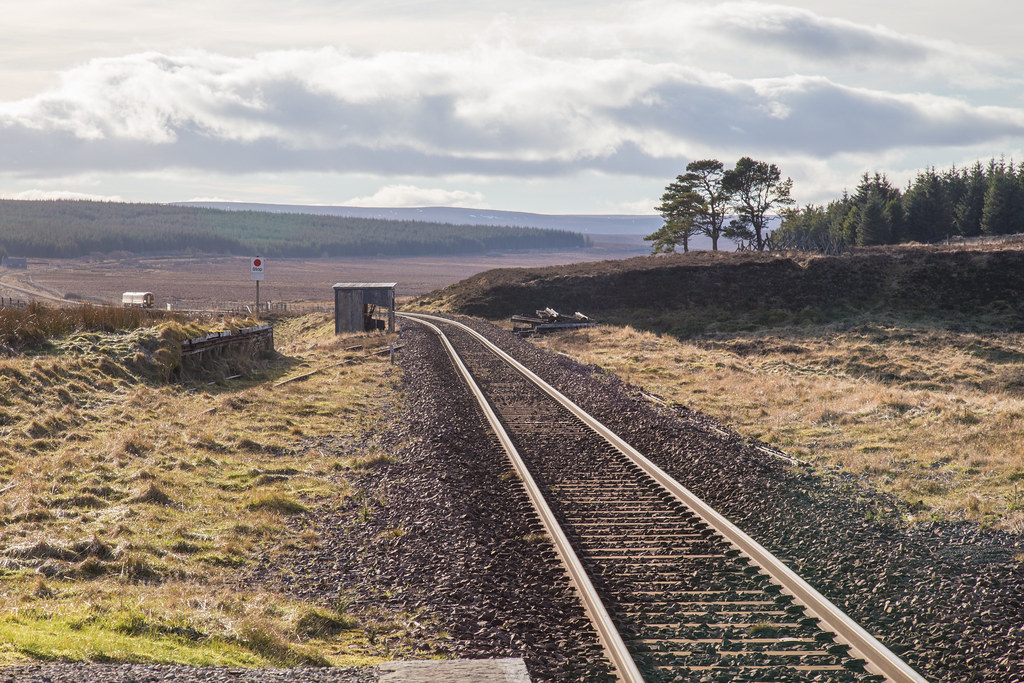
landscape photography of grey bricked wall near mountain

Introduction

Picture this: the warm sun on your back, the windows rolled down, and classic rock playing in the background as you cruise down a historic route flanked by rolling hills and ancient stone walls. You are on the road, exploring one of the most captivating and culturally rich countries in the world—Great Britain. This journey will take you down the ancient paths of the Romans, whose impressive roads still influence modern travel. Buckle up as we embark on an adventure through time, exploring the marvels of Roman engineering and the stunning landscapes of Britain!

A Brief History of Roman Roads

To understand the significance of the journey, let’s rewind to 43 AD, when the Romans invaded Britain. Their primary objective? To consolidate their empire and expand their influence. One of their most enduring legacies is the extensive network of roads they built across the country, designed for military efficiency and trade.

The Romans constructed over 10,000 miles of roads, connecting cities, forts, and settlements. These roads were ingeniously engineered, often straight, and made to withstand heavy usage. They were built with layers of sand, gravel, and large stones—a testament to Roman ingenuity that can still be seen today. As you travel along these ancient routes, you’ll not only be following in the footsteps of soldiers and traders but also immersing yourself in a living history that has shaped modern Britain.

Preparing for the Adventure

Before setting off, it’s essential to prepare for your journey. Here are a few tips to help you maximize your road trip experience:

Choose Your Route Wisely

While the Romans built numerous roads across Britain, certain routes stand out for their historical significance and scenic beauty. Consider the following famous Roman roads as key stops on your journey:

  • Watling Street: This ancient highway runs from Dover to Wroxeter and has been a significant route since Roman times. You’ll find charming villages, historical landmarks, and stunning views along the way.

  • Fosse Way: Connecting Exeter to Lincoln, this picturesque route will take you through the heart of the Cotswolds and past numerous Roman ruins.

  • Ermine Street: This road runs from London to York and is famous for its well-preserved sections. The journey offers a blend of bustling cities and tranquil countryside.

Plan Your Stops

British history is packed with fascinating sites, and your adventure should include plenty of stops along the way. Make sure to visit Roman ruins, castles, and museums that can deepen your understanding of this rich heritage. A few must-see locations include:

  • Bath: Known for its Roman baths and stunning Georgian architecture, Bath is a perfect blend of ancient and modern.

  • Hadrian’s Wall: This UNESCO World Heritage site stretches across northern England and offers breathtaking views, ancient forts, and an opportunity to hike along the wall.

  • Verulamium: This archaeological site in St Albans offers a glimpse into Roman life, complete with well-preserved mosaics and the remnants of a theater.

Pack Smart

When packing for your adventure, keep in mind that the British weather is famously unpredictable. Layer your clothing, and bring comfortable shoes for walking, as well as a waterproof jacket. Don’t forget your camera! You’ll want to capture the breathtaking landscapes and historical sites along the way.

The Journey Begins: Watling Street

As you set off on your road trip, let’s begin with Watling Street, one of the most famous Roman roads. Starting from the coastal town of Dover, this route takes you through the lush countryside of Kent. Make a pit stop in Canterbury, home to the impressive Canterbury Cathedral, a UNESCO World Heritage site. It’s the perfect blend of history and spirituality, where you can soak up the atmosphere of one of England’s most important religious sites.

Continue along Watling Street into the picturesque market town of Faversham. Here, you can explore charming cobblestone streets and enjoy a local meal at one of the many pubs. Don’t miss the opportunity to sample some traditional fish and chips!

After a delightful lunch, you’ll continue your journey towards London, where you can explore Roman ruins like the London Wall and the remains of the amphitheater in the heart of the city. It’s fascinating to think about the ancient Romans thriving in this bustling metropolis, which still serves as a global hub today.

Discovering Fosse Way

Next on our journey is the idyllic Fosse Way, renowned for its beautiful landscapes and rich history. As you leave the frenetic energy of London, you’ll find yourself surrounded by the gentle hills and quaint villages of the Cotswolds. This is where you can truly appreciate the beauty of Britain.

Stop in Cirencester, known as the “Capital of the Cotswolds.” The Corinium Museum here is a treasure trove of Roman artifacts, illustrating the town’s significance during Roman Britain. You can even explore the remains of the Roman amphitheater nearby.

As you continue along the Fosse Way, the charming village of Broadway is well worth a visit. It’s a quintessential Cotswold village with honey-colored stone buildings and beautiful gardens. Take a stroll down the High Street and enjoy a cup of tea at a local café.

Exploring Ermine Street

Transitioning to Ermine Street, you’ll head north toward York. Along the way, stop in Lincoln, where you can marvel at the impressive Lincoln Cathedral and the historic Lincoln Castle. The castle’s walls were built atop Roman ruins, so it’s a perfect stop to connect the dots between past and present.

As you continue your travels, you’ll reach York, where the remnants of Roman history are abundant. Visit the York Minster, one of the largest cathedrals in Europe, and the Roman walls that still encircle the city. Take a leisurely stroll through the Shambles, a historic street known for its medieval architecture and delightful shops.

Unique Experiences Along the Way

Let’s not forget to sprinkle some unique experiences into your road trip! Here are a few suggestions that will add depth to your journey:

Roman Reenactments

Check local listings for any Roman reenactment events along your route. These events can provide a lively look at Roman military life, complete with authentic costumes, weapons, and demonstrations. It’s a fantastic way to engage with history!

Guided Tours

Consider taking a guided tour at historical sites. Local historians can provide insight that you might miss when exploring on your own. It’s like having your own personal time machine, transporting you back to the days of Roman Britain.

Culinary Delights

Don’t overlook the local cuisine! Each region you pass through has its own specialties. Try the local cheeses in the Cotswolds, sample fresh seafood in coastal towns, or indulge in a hearty Yorkshire pudding.

Conclusion

As your adventure through the ancient Roman roads of Great Britain comes to an end, take a moment to reflect on the rich tapestry of history you’ve encountered. The remnants of Roman engineering and the beauty of the British landscape are perfectly intertwined, creating an unforgettable journey. Whether you’re wandering through ancient ruins, savoring local cuisine, or simply enjoying the open road, this road trip will leave you with memories that last a lifetime.

So what are you waiting for? Grab your map, rally your friends or family, and hit the road! The ancient Roman paths are calling, and an adventure of a lifetime awaits.

Posted on Leave a comment

Budget Britain: How to Experience British Culture Without Breaking the Bank

a large room with people and stairs

Introduction: Embrace the Charm of the UK on a Budget

The United Kingdom is a treasure trove of history, culture, and stunning landscapes. From the rolling hills of the Cotswolds to the bustling streets of London, there’s so much to see and do. But for many travelers, the thought of experiencing this vibrant culture can come with a hefty price tag. Fear not! With a little creativity and resourcefulness, you can savor the essence of British culture without draining your wallet.

Let’s dive into some helpful tips and tricks for enjoying the UK without breaking the bank.

Discover Free Attractions

The first step to a budget-friendly trip is to enjoy the plethora of free attractions available across the UK.

Museums and Galleries

Did you know that many of the country’s top museums and galleries offer free admission? In London, the British Museum, the Tate Modern, and the National Gallery showcase some of the world’s greatest art and artifacts without charging a penny. You can spend a whole day marveling at the Rosetta Stone or Picasso’s masterpieces, all while keeping your budget intact.

Outside of London, cities like Manchester and Edinburgh also boast museum collections that are free to explore. The Kelvingrove Art Gallery and Museum in Glasgow and the Manchester Museum are just a few examples where you can immerse yourself in British history and culture at no cost.

Beautiful Parks and Gardens

The UK is renowned for its stunning parks and gardens. These green spaces provide the perfect backdrop for a picnic, a leisurely stroll, or simply soaking in the British sun (when it decides to shine!). Check out Hyde Park in London or St. James’s Park for a quintessentially British experience. If you’re in the countryside, don’t miss the picturesque National Trust gardens, which often have free entry or a modest fee.

Affordable Accommodation Options

When it comes to places to stay, your choice can significantly impact your budget.

Hostels and Budget Hotels

Gone are the days when hostels were only for young backpackers. Today, many hostels offer private rooms and amenities that rival budget hotels, often at a fraction of the price. Websites like Hostelworld or Booking.com allow you to compare prices and find the best deals.

If hostels aren’t your style, consider budget hotel chains like Premier Inn or Travelodge, which have locations throughout the UK. These options provide a comfortable stay without the luxury price tag.

Unique Stays

For a truly memorable experience, consider unique accommodations like camping, glamping, or staying in a cozy Airbnb. You can find treehouses, converted buses, or even historic castles available for rent. These alternatives not only save you money but also provide a unique perspective on British living.

Savor Local Cuisine Without Overspending

Food is a massive part of any culture, and the UK is no exception.

Street Food and Markets

One of the best ways to experience local cuisine on a budget is through street food. Cities like London and Bristol are famous for their vibrant street food scenes. Borough Market is a must-visit for foodies, where you can sample everything from artisanal cheese to gourmet donuts. Don’t miss the chance to try traditional British fare like fish and chips or a hearty meat pie from local vendors.

Supermarkets and Picnics

Another budget-friendly option is to shop at local supermarkets. Many stores offer meal deals that include a sandwich, drink, and snack for a fraction of the price you’d pay at a restaurant. Consider packing a picnic and enjoying it in one of the many beautiful parks scattered throughout the country. This way, you can feast while enjoying the serene British countryside or city views.

Pubs and Traditional Fare

British pubs offer a warm atmosphere and a great selection of traditional dishes. Many pubs have “meal deals” or special nights where you can enjoy a hearty meal without spending too much. Don’t forget to try a classic Sunday roast if you can find a local pub with this tradition—it’s a true British experience!

Embrace Public Transport

Traveling around the UK can be pricey, but with public transport, you can save a significant amount of money.

Train Travel

Train travel is a popular way to see the UK, but prices can vary dramatically. To get the best deals, consider booking in advance or traveling during off-peak hours. Websites like National Rail and Trainline can help you find the cheapest tickets. If you’re planning on traveling frequently, a railcard can provide substantial discounts.

Buses and Coaches

For those who want to explore beyond the big cities, buses and coaches are a budget-friendly option. Companies like National Express and Megabus offer intercity travel at incredibly low prices, sometimes as low as £1 for certain routes. It’s an excellent way to see the countryside while keeping costs down.

Cultural Events and Festivals

The UK is rich in cultural events and festivals, many of which are free or low-cost.

Local Festivals

Throughout the year, various towns and cities celebrate their culture with festivals that showcase music, food, and art. Whether it’s the Edinburgh Festival Fringe, a local music festival, or a food fair, these events provide a fantastic opportunity to immerse yourself in British culture. Many of them have free events or affordable tickets, making them accessible for all.

Community Events

Keep an eye out for community events that often take place throughout the year. Farmers’ markets, charity events, and cultural days can provide fun experiences without the high cost. Websites like Eventbrite or Meetup can help you find local activities happening during your visit.

Exploring the Countryside

The UK is not only about its cities; its countryside is equally mesmerizing and often free to explore.

National Parks

Visiting national parks is a great way to experience the natural beauty of the UK. Parks like the Lake District, Peak District, and Snowdonia offer stunning landscapes, hiking trails, and quaint villages. Many parks have visitor centers that provide information on trails and activities, ensuring you make the most of your visit.

Coastal Walks

The UK’s coastlines are dotted with beautiful walking paths, perfect for an adventurous day out. The South West Coast Path and the Pembrokeshire Coast Path are two options where you can enjoy breathtaking views and the sound of crashing waves without spending a penny. Pack a picnic, and you have an entire day of fun planned!

Conclusion: Enjoying the UK on a Budget

Experiencing British culture doesn’t have to cost a fortune. With a little creativity, planning, and resourcefulness, you can enjoy everything this beautiful country has to offer without breaking the bank. From exploring free museums and enjoying local street food to utilizing public transport and participating in community events, the options are endless. So grab your walking shoes, a hearty appetite, and a sense of adventure, and get ready to create unforgettable memories in the UK—all while keeping your budget in check!

Posted on Leave a comment

Seasonal Britain: When to Visit Different Regions for Maximum Beauty

Calton Hill, Edinburgh, United Kingdom

Discovering the Charm of Seasonal Britain

Britain is a land of breathtaking diversity, and each region reveals its unique beauty throughout the seasons. From the rolling hills of the Cotswolds to the rugged coastlines of Cornwall, there’s something to marvel at, no matter the time of year. So, if you’re planning a visit and want to experience the best that each area has to offer, let’s dive into the seasonal highlights of different regions across the UK!

Spring Awakening: A Flourish of Life

As winter loosens its icy grip, Britain springs to life with vibrant colors and fresh scents. Spring is a magical time to explore the countryside, where flowers bloom in abundance, and wildlife emerges from its slumber.

Cotswolds

The Cotswolds are a quintessentially English region, famous for its rolling hills and picturesque villages. In April, the vibrant yellow of rapeseed fields contrasts beautifully with the soft greens of the landscape. Take a stroll through the charming village of Bibury, often described as one of the most beautiful in England, where you can see the iconic Arlington Row cottages.

Lake District

Spring also brings the Lake District to life. The scenery transforms as the daffodils bloom, particularly in April when the Daffodil Festival takes place. The stunning views of mountains and lakes, coupled with the fresh air, make it perfect for hiking. Don’t forget to visit Wordsworth’s beloved Dove Cottage to feel the inspiration that sparked his poetry.

Cornwall

In Cornwall, the coastline begins to awaken too. Spring is a quieter time before the summer rush, and you can enjoy the stunning cliffs and sandy beaches without the crowds. The Eden Project showcases its spring flowers, and you’ll find gardens bursting with color at places like the Lost Gardens of Heligan.

Summer Splendor: The Great Outdoors

Summer is undoubtedly the time for outdoor adventures in Britain. With longer days and an abundance of sunshine, it’s the perfect season for exploring castles, beaches, and festivals.

Scottish Highlands

The Highlands are enchanting in summer, with wildflowers carpeting the hillsides. June is particularly beautiful, as it’s the best time for hiking. The famous West Highland Way offers breathtaking views and the chance to spot wildlife like deer and eagles. Don’t miss the chance to visit Loch Ness – who knows what secrets lie beneath those calm waters?

Isles of Scilly

If you’re searching for a summer getaway, the Isles of Scilly boast pristine beaches that rival the Mediterranean. The islands are warm and sunny, perfect for soaking up the sun or exploring the vibrant marine life while snorkeling. The gardens on Tresco are particularly stunning during this season, with exotic plants blooming magnificently.

London

Summer in London is a feast for the senses. From outdoor theatre productions in Regent’s Park to music festivals like Wireless and Lovebox, the city buzzes with energy. Enjoy a stroll along the South Bank, where pop-up markets and food stalls offer delicious treats, or relax in one of the city’s many parks and enjoy a picnic.

Autumn: A Tapestry of Colors

As the leaves begin to turn, Britain transforms into a canvas of reds, oranges, and golds. Autumn is a particularly whimsical time to explore the countryside and cities alike.

New Forest

The New Forest is one of the best spots to witness the beauty of autumn foliage. With its ancient woodlands and free-roaming ponies, it’s an idyllic location for a serene walk. The colors reach their peak around mid-October, creating a stunning backdrop for photography enthusiasts. Don’t forget to sample some local produce at the farmers’ markets!

Yorkshire Dales

For those who love hiking, the Yorkshire Dales offer breathtaking vistas during autumn. The landscape becomes a patchwork of color, and the crisp air is invigorating. Visit the charming towns like Grassington or Hawes, where you can indulge in hearty meals featuring local fare. The famous Aysgarth Falls is particularly mesmerizing with the autumn rains.

Edinburgh

Edinburgh during autumn is nothing short of magical. The city transforms with the arrival of the Edinburgh International Festival and the Fringe, offering entertainment and culture in abundance. Stroll along the Royal Mile, taking in the historical architecture, and then head up Arthur’s Seat for panoramic views of the city set against a backdrop of autumn leaves.

Winter Wonders: Embrace the Chill

Winter in Britain has its own unique charm. While the weather may be chilly, the festive spirit and stunning landscapes make it a delightful time to visit.

Snowdonia

Snowdonia National Park is a wonderland in winter, with snow-capped mountains creating a picturesque scene. This is the perfect time for winter sports enthusiasts, with opportunities for skiing or snowboarding at places like Llandudno. Take a cozy walk along the shores of one of the many lakes, and if you’re lucky, you might catch a glimpse of frosted trees reflecting in the still water.

Bath

Bath, with its Roman baths and Georgian architecture, is particularly enchanting during the winter months. The Christmas markets come alive in December, offering a magical shopping experience. Indulge in mulled wine and local delicacies while exploring the beautifully lit streets. A soak in the Thermae Bath Spa is the perfect way to escape the chill.

London

London’s winter charm is undeniable, especially during the holiday season. The city is adorned with twinkling lights and festive decorations. Ice skating at Somerset House or the Natural History Museum is a must-do activity, and the iconic Winter Wonderland in Hyde Park provides festive fun for all ages. Don’t forget to warm up with a classic British hot chocolate!

Conclusion: A Year-Round Adventure

No matter when you choose to visit, Britain has something to offer every season. Each region showcases its beauty in unique ways, from the vibrant blooms of spring to the cozy charm of winter. Whether you’re an outdoor enthusiast, a culture lover, or simply seeking scenic views, the UK is filled with adventures waiting to be discovered. So grab your calendar and start planning your seasonal escape – the beauty of Britain awaits!

Posted on Leave a comment

Britains Most Scenic Railway Journeys: Routes That Rival Switzerland

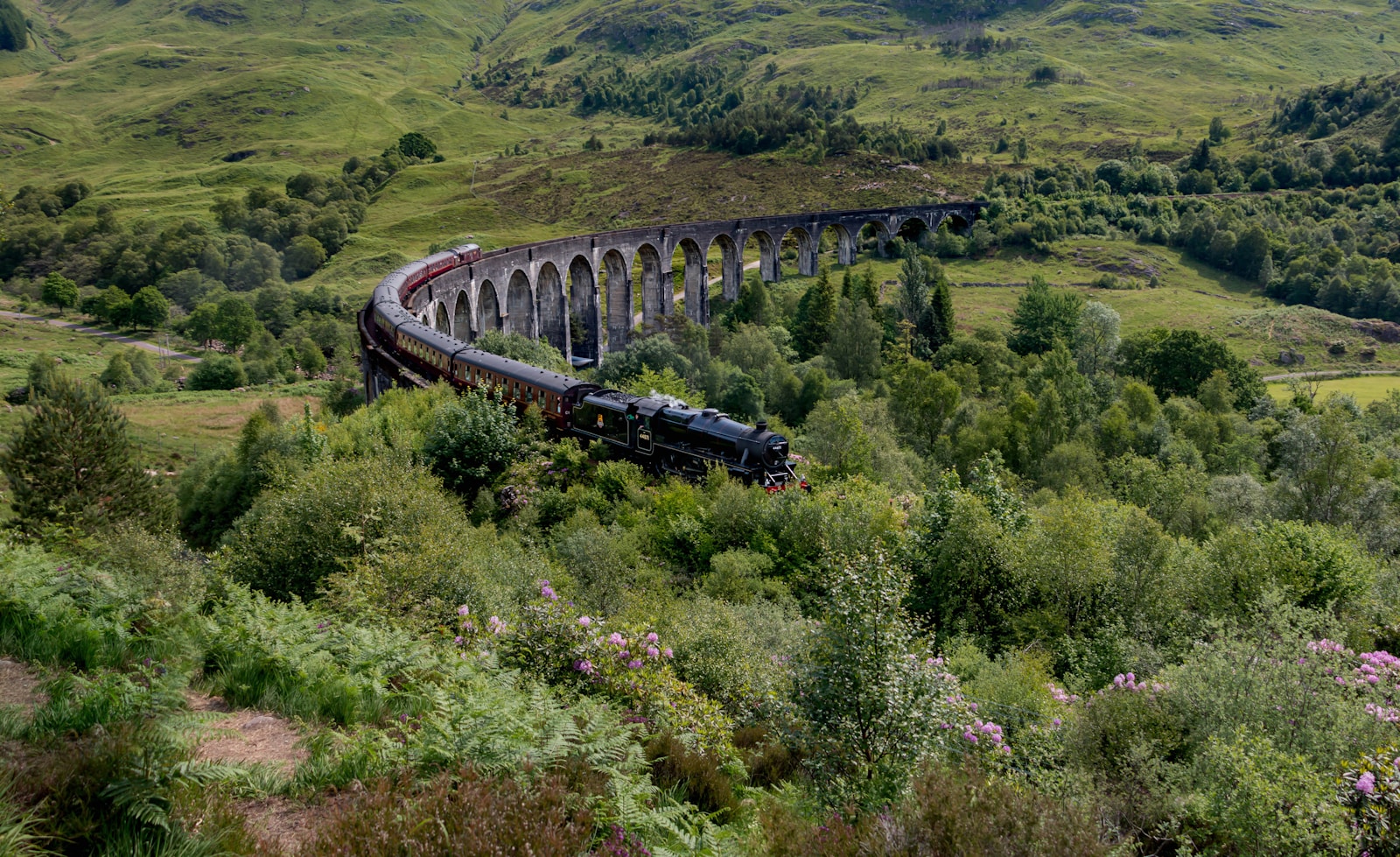
a train traveling over a lush green hillside

Introduction

When you think of breathtaking train journeys, Switzerland often springs to mind. With its majestic mountains and picturesque villages, it’s a country that seems tailor-made for scenic rail travel. But what if I told you that you don’t have to leave the United Kingdom to experience stunning railway routes that could rival anything the Swiss Alps have to offer? From rugged coastlines to rolling hills, Britain is home to some of the most beautiful train journeys in the world. Grab your tickets, sit back, and let’s explore these unforgettable routes!

The West Highland Line

A Journey Through the Highlands

One of the most iconic train journeys in the UK is the West Highland Line, which takes you from Glasgow to Mallaig. This route is not just a means of transport; it’s an experience that immerses you in the stunning landscapes of the Scottish Highlands. As the train chugs along, you’ll be treated to views of serene lochs, towering mountains, and quaint villages.

Highlights Along the Way

  • Loch Awe: As you pass this enchanting body of water, the scenery shifts to dramatic hills and ancient ruins. Keep your camera at the ready!
  • The Glenfinnan Viaduct: Famously featured in the Harry Potter films, this 21-arch viaduct offers a perfect photo opportunity. Watch as the train gracefully curves over the arch, surrounded by lush greenery.
  • Mallaig: The journey culminates in this charming fishing port. Treat yourself to some fresh seafood and enjoy the beautiful coastal views.

The Settle-Carlisle Line

A Historic Railway

Next up is the Settle-Carlisle Line, a route steeped in history and stunning scenery. Opened in 1876, this railway stretches for 72 miles and takes you through some of the most picturesque parts of northern England.

What to Expect

  • Dramatic Landscapes: The journey features the breathtaking Yorkshire Dales National Park, where you’ll see limestone cliffs, rolling hills, and quaint stone cottages.
  • The Ribblehead Viaduct: This towering viaduct is an engineering marvel. Standing at 104 feet high and 440 yards long, it offers a spectacular view that will leave you in awe.
  • Historic Stations: The stations along the line are charming and often retain their Victorian architecture, making for delightful stops along the way.

The Jacobite Steam Train

A Nostalgic Ride

If you’re a fan of steam trains, the Jacobite Steam Train is a must-do. Operating between Fort William and Mallaig, this journey offers a nostalgic experience reminiscent of a bygone era.

The Scenic Experience

  • Glenfinnan and Beyond: The train passes through the same stunning landscapes as the West Highland Line, but the steam engine adds an extra layer of charm. The puffs of steam against the backdrop of the Highlands create a magical atmosphere.
  • Harry Potter Magic: For fans of the series, this route is a dream come true. The train is often marketed as the “Hogwarts Express,” and you’ll find fans dressed in wizard robes, making the journey even more enchanting.

The Coastal Route from Weymouth to Penzance

A Journey Through the South West

If you prefer coastal views, look no further than the train ride from Weymouth to Penzance. This journey takes you along the stunning Jurassic Coast, a UNESCO World Heritage Site.

Highlights of the Journey

  • Dramatic Cliffs and Beach Views: As you travel along the coastline, you’ll see craggy cliffs, golden beaches, and turquoise waters. It’s a glorious sight that captures the beauty of the South West.
  • Dorset’s Charm: The journey begins in Weymouth, a historic seaside town. Don’t miss a stroll along the beach or a visit to the charming harbor before you board the train.
  • Penzance: Your destination is a bustling town with plenty to see and do. Wander through its lovely streets and perhaps take a ferry to the nearby Isles of Scilly.

The North Yorkshire Moors Railway

A Heritage Experience

The North Yorkshire Moors Railway offers a unique opportunity to ride on a heritage railway that takes you back in time. This steam railway winds through the stunning landscapes of the North York Moors National Park.

What Makes It Special

  • Stunning Moorland Views: The train journey offers breathtaking views of heather-covered moors and charming villages. It’s a landscape that feels almost untouched by time.
  • Grosmont to Pickering: The full journey runs between Grosmont and Pickering, with several charming stops along the way. You can hop off and explore the quaint villages, visit local shops, or grab a bite to eat.
  • Feeling Nostalgic: Riding on a steam train is an experience in itself. The smell of coal smoke and the sound of the locomotive will transport you back to a different era.

The Snowdon Mountain Railway

Conquering Wales’ Highest Peak

For a truly unique experience, consider the Snowdon Mountain Railway in Wales. This journey takes you to the summit of Snowdon, the highest peak in England and Wales.

An Unforgettable Climb

  • Breathtaking Views: The train winds its way up the mountain, offering panoramic views of the Welsh countryside. On a clear day, you can see for miles, making it a fantastic photo opportunity.
  • The Summit Experience: Once you reach the top, take a moment to soak in the views from the summit. There is a café at the top where you can warm up with a hot drink while enjoying the breathtaking scenery.
  • Historic Significance: The railway has been in operation since the 19th century and is a testament to the ingenuity of Victorian engineering.

Conclusion

Britain’s railways are a treasure trove of scenic journeys that can easily rival those found in Switzerland. Each route offers its own unique charm, whether it’s the rugged beauty of the Highlands, the rolling hills of Yorkshire, or the breathtaking coastal views of the South West. So why not embark on one of these spectacular train journeys? Pack your bags, grab your camera, and get ready for an adventure that will leave you with memories to last a lifetime. Whether you’re a seasoned traveler or a first-time explorer, these scenic railway journeys are sure to inspire your wanderlust and showcase the stunning beauty of the UK. Happy travels!

Posted on Leave a comment

Hidden Railways: Britains Abandoned Tracks You Can Still Hike Today

Introduction

When you think of the picturesque countryside of Britain, images of rolling hills, quaint villages, and lush greenery likely come to mind. But beneath this serene surface lies a fascinating network of hidden railways, remnants of a bygone era that are waiting to be explored. These abandoned tracks, once bustling with steam trains and commuters, have now transformed into some of the most scenic hiking trails in the country. Whether you’re a seasoned hiker looking for a new challenge or a casual wanderer seeking a unique adventure, these hidden railways offer a delightful blend of history, nature, and exercise.

The Allure of Abandoned Railways

Why are these tracks so appealing? For one, they provide a window into the past, telling stories of Britain’s industrial evolution and the rise and fall of the railway age. Each step taken on these paths is like walking through history, allowing you to connect with the land in a way that’s almost magical. Furthermore, many of these routes are relatively flat, making them accessible to hikers of all ages and fitness levels. With stunning landscapes, diverse wildlife, and a touch of nostalgia, these hidden railways are perfect for anyone looking to escape the hustle and bustle of modern life.

The History of Britain’s Railways

To appreciate these hidden gems, it’s essential to understand a bit about Britain’s rich railway history. The railway boom of the 19th century transformed the way people traveled and freight was transported. At its peak, the network spanned over 22,000 miles, connecting cities, towns, and rural areas. However, by the mid-20th century, many lines were deemed unprofitable and closed, leaving behind a legacy of disused tracks. Today, these abandoned lines provide a unique opportunity to explore Britain’s railway heritage.

Popular Trails to Explore

Let’s dive into some of the most exciting and accessible abandoned railways that you can hike today. Each of these routes offers its own unique charm and beauty, ensuring you’ll find something to suit your interests.

1. The Camel Trail, Cornwall

Stretching for nearly 18 miles, the Camel Trail winds along the banks of the River Camel from Padstow to Wenfordbridge. This former railway line offers breathtaking views of the river and surrounding countryside. The trail is well-maintained, making it perfect for walkers, cyclists, and families. Along the way, you’ll encounter charming cafes, local shops, and opportunities to spot wildlife, including otters and various bird species. Don’t forget to visit the historic town of Padstow, known for its delicious seafood and vibrant atmosphere.

2. The Monsal Trail, Derbyshire

For those looking to experience the dramatic beauty of the Peak District, the Monsal Trail is a must. This 8.5-mile route follows a former railway line that was closed in the 1960s. As you hike through the stunning dales, you’ll pass through beautiful limestone tunnels, cross impressive viaducts, and enjoy panoramic views. The trail is accessible from several points, including Bakewell and Miller’s Dale, and offers plenty of opportunities for picnic spots along the way. Keep an eye out for the vibrant flora and fauna that flourish in this protected landscape.

3. The Fife Coastal Path, Scotland

While not a traditional railway line, parts of the Fife Coastal Path incorporate sections of disused railway track, offering a unique blend of coastal beauty and railway history. The path stretches over 117 miles along the stunning Fife coastline, passing through charming fishing villages and historic sites. Hikers can enjoy picturesque views of the North Sea while exploring the quaint towns of Anstruther, Pittenweem, and Crail. This trail is perfect for those seeking a combination of coastal scenery and cultural exploration.

4. The Taff Trail, South Wales

The Taff Trail runs for 55 miles from Cardiff to Brecon, following the River Taff and incorporating various stretches of old railway. This diverse trail offers a rich mix of urban and rural scenery, taking you from the vibrant capital city of Cardiff through beautiful woodlands and serene countryside. Along the way, you’ll encounter historic sites, including the impressive Treforest Viaduct and the stunning Brecon Beacons National Park. The route is well-signposted and suitable for walkers, cyclists, and horseback riders.

5. The South Downs Way, Sussex

Another fantastic option is the South Downs Way, which includes sections of the former railway line that once connected the coastal town of Eastbourne to Winchester. This 100-mile trail showcases the stunning South Downs landscape, with rolling hills, chalk cliffs, and picturesque villages. As you hike, you’ll have the opportunity to enjoy breathtaking views of the English Channel and the surrounding countryside. The trail is well-marked, and there are plenty of charming pubs and tea rooms along the way for a well-deserved break.

Tips for Hiking Abandoned Railways

Exploring these hidden railways can be a delightful experience, but it’s essential to prepare properly. Here are some tips to ensure you have a safe and enjoyable hike:

Dress Appropriately

Wear comfortable, weather-appropriate clothing and sturdy hiking boots. The terrain can vary, so be prepared for mud, uneven surfaces, and changes in weather.

Stay Hydrated

Bring plenty of water, especially on warmer days. Keeping hydrated is crucial for maintaining energy levels during your hike.

Know Your Route

Before setting out, familiarize yourself with the trail map and any potential hazards. Some routes may have sections that are less well-maintained, so it’s a good idea to know what to expect.

Respect Nature

Remember to follow the Leave No Trace principles. Stay on marked paths, dispose of waste properly, and respect wildlife and vegetation. These trails are precious natural resources that need to be preserved for future generations.

Capture the Moment

Don’t forget to bring your camera! The stunning landscapes and charming historical features along these trails provide endless opportunities for beautiful photography. Capture your adventures to share with friends and family, or simply to reminisce about your journey later.

Conclusion

Hiking along Britain’s abandoned railway lines offers a unique opportunity to connect with history while immersing yourself in the beauty of nature. Each trail has its own story to tell, providing a fascinating glimpse into the past while allowing you to enjoy the present. Whether you’re seeking a family-friendly outing, a solo adventure, or a romantic stroll with a loved one, these hidden railways promise an unforgettable experience. So lace up your hiking boots, grab your backpack, and get ready to explore the enchanting world of Britain’s forgotten tracks!

Posted on Leave a comment

The Secret Meanings Behind London Tube Station Names

The Secret Meanings Behind London Tube Station Names

London is a city steeped in history, a place where every corner tells a story, and its transport system is no exception. The London Underground, affectionately known as the Tube, not only connects the vast metropolis but also serves as a treasure trove of fascinating tales hidden in the names of its stations. You might hop on a train at Green Park or get off at Baker Street without ever pondering the rich history and quirky anecdotes behind these names. Buckle up as we dive deep into the interesting world of Tube station names—some may surprise you!

A Brief History of the Underground

Before we delve into the names themselves, let’s take a quick jaunt back in time to understand the context. The London Underground opened in 1863, the world’s first underground railway. It was a groundbreaking achievement, designed to alleviate congestion on the city’s streets. Over the years, the Tube has expanded to cover 402 kilometers (250 miles) of track, with 272 stations. The significance of these names often reflects geographical, historical, and cultural elements that have shaped London over centuries.

The Origins of Station Names

Understanding the origins of Tube station names can reveal a lot about London’s past. Many names are derived from local landmarks, historical figures, and even folk tales. Let’s explore some categories that illustrate the diversity of these names.

Geographical Influences

Many station names are derived from geographical features or locations. For example, Baker Street is named after the baker who lived on the street, reflecting the city’s history as a center for trade and commerce. Similarly, Kings Cross refers to a site that was once marked by a statue of King George IV, a location that has become synonymous with travel and transit.

Hammersmith is another interesting example. It derives its name from a hammer smith, referring to the area’s industrial past and its connection to the River Thames. The river was essential for transporting goods, and the name echoes a time when industry and commerce defined the area.

Historical Figures and Events

Some station names pay homage to significant historical figures or events. St. Pancras, for instance, is named after a young Christian martyr. The church of St. Pancras, which dates back to the 4th century, has been an important landmark in the area. The station itself is a striking piece of Victorian architecture and serves as a reminder of London’s rich ecclesiastical history.

Then, there’s Finsbury Park, named after Finsbury, a name that has roots in the historical Finsbury area. The park itself has served various purposes over the years, making the station a gateway to both leisure and transport.

Quirky and Fun Names

Not all names reflect grand historical narratives; some are just plain quirky! Take Cockfosters, for instance. This name brings a smile, yet it has a rather mundane origin. It’s believed to be derived from an old farmhouse, and the term “foster” indicates the area where livestock were cared for.

Barking is another station name that raises eyebrows. It might make you think of dogs, but it actually comes from the Old English word “beorc,” meaning a birch tree. Over time, the name evolved into the one we know today.

Names with Cultural Significance

London is a melting pot of cultures, and this is reflected in some station names. Tottenham Court Road is more than just a station; it’s a nod to the historic Tottenham area, where the court of King Henry II once convened. Today, it’s a bustling hub filled with shops, restaurants, and bars, but its name serves as a reminder of the royal past.

Likewise, Leicester Square is named after the Leicester family, but it has evolved into a cultural hotspot, known for its cinemas and theaters. The square itself has hosted countless events, making its name synonymous with entertainment and the arts.

The Legends and Folklore

Many station names are steeped in local legends and folklore. The name Mile End refers to the distance of one mile from the city walls of London. However, it also carries tales of the past, including tales of highwaymen and ghost stories that add an eerie charm to the name.

Another interesting one is Wembley Park, which is famous for the iconic Wembley Stadium. However, the name “Wembley” is believed to derive from “Wemba,” an Old English term that meant “the place of the Wempas,” a reference to a family or clan living in the area. The transformation of the name over the centuries tells a story of community and change.

Modern Influences and Changes

As London evolves, so do its stations. Names can change to reflect modern culture or significant developments. Take O2 for example: originally known as North Greenwich, the station was renamed after the O2 arena, a modern venue that has hosted everything from concerts to sporting events. This reflects the way the Underground adapts to the cultural landscape of the city.

Similarly, Nine Elms, once a quiet area, has seen significant development with the rise of new residential and commercial buildings. The name has become increasingly relevant as the area grows in prominence, demonstrating how names can shift with urban transformation.

The Significance of Tube Station Names

The names of Tube stations are not just playful monikers; they encapsulate the spirit of London. They serve as markers of the city’s history, geography, and culture. Each name invites passengers to delve deeper into the stories that shaped the city, encouraging a sense of connectedness to the past.

The Role of Art and Literature

London’s literary ties also permeate its transport system. Willesden Junction resonates with cultural significance, being close to the area where famed author Charles Dickens once lived. Similarly, Shakespeare’s Globe station serves as a reminder of London’s rich theatrical history, as it’s near the site of the original Globe Theatre.

A Journey Through Time

Riding the Tube is more than just a means of transport; it’s a journey through time. Every time you step onto a train, you’re hopping onto a mobile history lesson. The station names invite curiosity, giving you a chance to explore London’s hidden gems, from historic landmarks to vibrant neighborhoods.

Conclusion

The next time you find yourself navigating the winding tunnels of the London Underground, take a moment to appreciate the uniqueness of each station’s name. Each one carries a wealth of history, culture, and character that defines this vibrant city. Whether you’re a local or a tourist, understanding the stories behind these names enriches your experience of London. So, put on your explorer hat, hop on the Tube, and let the names guide you on a delightful adventure through the heart of the capital!

Posted on Leave a comment

Londoners Unwritten Rules of Tube Etiquette Every Tourist Should Know

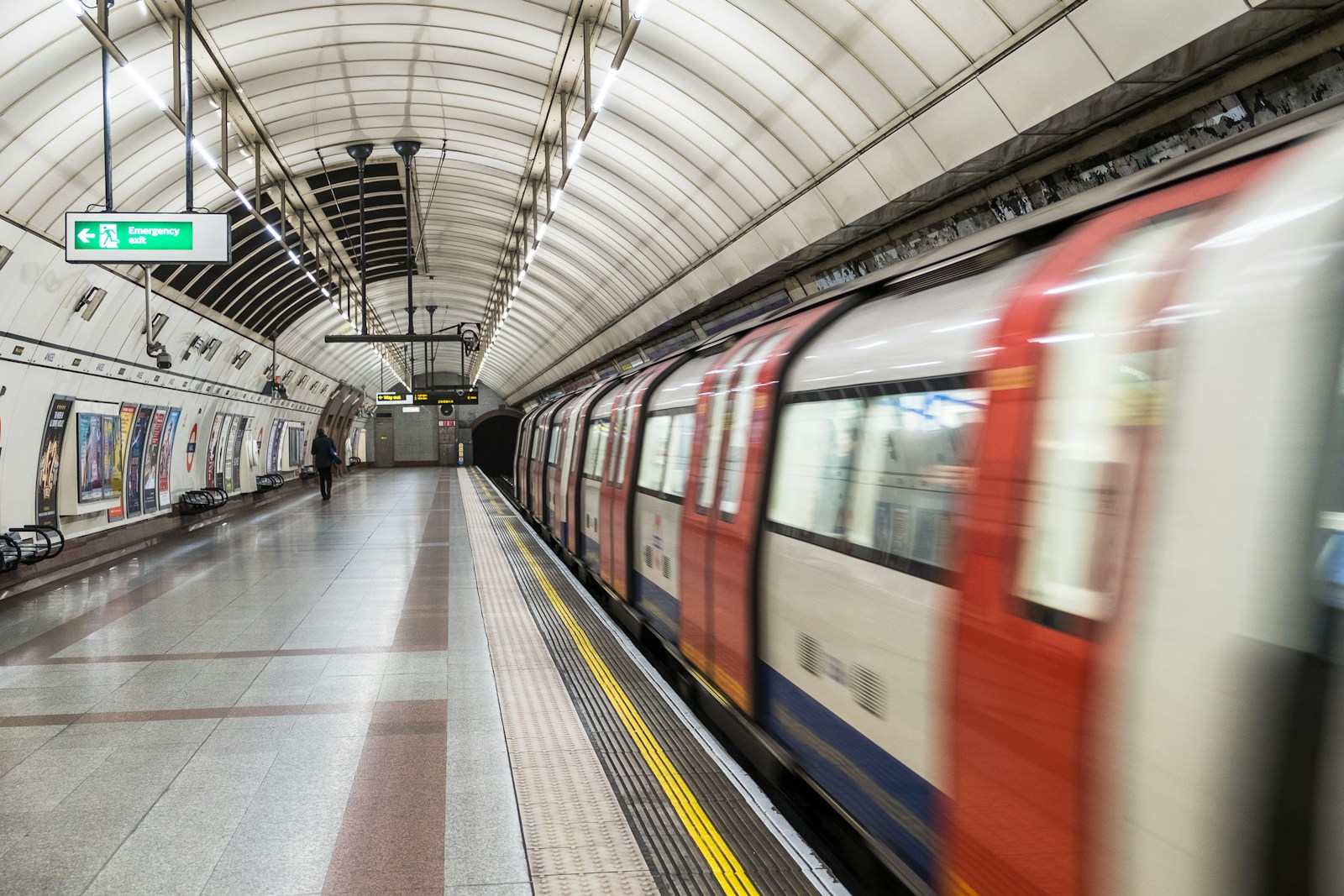
timelapse photo of train

The Underground Etiquette You Need to Know

Ah, the London Underground! A marvel of engineering, a bustling artery of the city, and, let’s be honest, a place where the unwritten rules of etiquette can be as complex as navigating the Tube map itself. If you’re a tourist navigating this iconic transit system, understanding these unspoken guidelines can make your journey smoother and more enjoyable. Let’s dive into the essential Tube etiquette that every visitor should know!

Stand on the Right, Walk on the Left

One of the first things you’ll notice when using escalators in the Tube stations is the clear divide: the right side is for standing and the left side is for walking. This simple rule ensures that those in a hurry can zip past those who are content to take their time. So, if you find yourself on an escalator, do your fellow commuters a favor and follow this guideline.

Keep Your Voice Down

Public transport is often a cacophony of sounds, but that doesn’t mean you should contribute to it! Londoners generally prefer a quieter commute, so it’s best to keep your voice down when talking to friends. If you have to make a phone call, consider stepping away to a less crowded area or waiting until you’re out of the station.

Be Mindful of Your Bag

As a tourist, carrying a large backpack or shopping bag may be inevitable. However, it’s crucial to keep your bag close to you and, if possible, on your lap or between your feet while seated. This prevents clumsy collisions and ensures that everyone has enough space on the already cramped carriages. If you’re standing, make sure your bag is out of the way of others trying to navigate past you.

Let Passengers Off Before You Get On

This rule may seem like common sense, but in the hustle and bustle of the city, it can easily be overlooked. When the train arrives at the station, take a step back and allow passengers to exit before you make your way inside. This small act of patience can make the boarding process smoother and help you avoid the awkward pushing and shoving that can occur otherwise.

Don’t Block the Doors

As you step onto the train, be sure to move further in instead of clustering at the door. Blocking the doors can lead to delays and safety issues. If you’re standing near the door, be prepared to step aside for people getting off, and if you’re sitting near the doors, keep a lookout for anyone waiting to exit.

Know Your Stops

While the Tube provides a clear display of stops, it’s still a good idea to familiarize yourself with your route before boarding. This not only helps you remain confident and composed but also avoids the frantic scramble that occurs when someone realizes they’ve missed their stop. A quick glance at the map before you hop on ensures you won’t be that tourist standing bewildered in the aisle.

Eye Contact? Not So Much

In London, making eye contact with strangers on public transport can feel a bit like breaking the unspoken social contract. The Tube is a place where many prefer to keep to themselves, so unless you’re sharing a laugh about a tube delay or asking for directions, it’s best to keep your gaze to yourself.

Use Headphones Wisely

Listening to music or podcasts during your Tube journey is a great way to pass the time, but make sure to keep the volume at a reasonable level. No one wants to hear the latest hit single blasting through your headphones! Additionally, if you’re one to nod your head or tap your feet, try to keep it subtle; this isn’t a concert, after all.

Respect Personal Space

While the Tube can get crowded, it’s important to be mindful of personal space. If you find yourself squished up against a stranger, try to keep your body relaxed and avoid excessive movement. Also, if you’re sitting next to someone, try not to spread out too much. Respecting personal space helps everyone feel more comfortable, even in the most packed carriages.

Offer Your Seat

One of the most cherished aspects of London Tube etiquette is the willingness to help those in need. If you see an elderly person, a pregnant woman, or someone with a disability, it’s polite to offer your seat. This simple act of kindness will not only be appreciated but also sets a positive tone for your journey.

Avoid Eating Smelly Foods

While you might be tempted to munch on a snack during your ride, it’s best to avoid any foods with strong odors. Whether it’s a tuna sandwich or some spicy curry, the Tube is not the place for it. Not only can it disturb your fellow commuters, but it can also attract unwanted attention from seagulls if you’re near an open door!

Be Prepared to Give Directions

If you find yourself in a jam, don’t hesitate to ask a Londoner for help. Most Londoners are accustomed to tourists and are more than happy to offer directions or suggestions for getting around. However, before you ask, make sure you have a general idea of where you’re going.

Keep Your Tube Map Handy

While smartphones are great, having a physical Tube map can be a game-changer. You’ll often find yourself in areas with no signal or where your battery is running low. Grab a map at any station and keep it handy. It allows you to plan your route without the stress of digital failings.

Follow the Signs

The Tube stations are well-signed, so take advantage of this feature! Whether you’re looking for the nearest exit, escalators, or transfer lines, the signs are there to guide you. If you’re unsure, just follow the arrows and you’ll find your way.

Don’t Be a Pusher

When the train arrives, it’s tempting to rush in, but patience is key. Allow passengers to exit first and avoid pushing your way to the front. Not only does this behavior irk locals, but it can also lead to accidents. Take a deep breath and wait your turn!

Conclusion

Navigating the London Underground can be a thrilling adventure, but it comes with its own set of dos and don’ts. By following these unwritten rules of etiquette, you’ll not only enhance your experience but also show respect for the locals who travel this route daily. So grab your Oyster card, strap on those walking shoes, and prepare for a quintessentially London experience that’s as enjoyable as it is efficient! Happy travels!

Posted on Leave a comment

The Most Beautiful Underground Stations in London You Shouldnt Skip

Discovering London’s Hidden Gems: The Most Beautiful Underground Stations

London, a city known for its rich history and vibrant culture, is also home to one of the most extensive and fascinating transportation networks in the world: the London Underground. While most travelers use the Tube as a means to get from point A to point B, many are unaware that beneath the bustling streets lie some architectural masterpieces that are worth a visit in their own right. In this guide, we will explore some of the most beautiful underground stations in London, ensuring that your next trip to the capital includes these hidden gems.

A Glimpse into History

Before we dive deep into our list, let’s take a moment to appreciate the history behind the underground system. The London Underground, affectionately known as “the Tube,” opened in 1863, making it the first underground railway in the world. Over the years, many stations have undergone renovations, while others have been preserved as historical landmarks. This mixture of old charm and modern design creates a unique atmosphere that can transport you back in time while still reminding you of the city’s contemporary spirit.

1. St. Pancras International

St. Pancras International is more than just a Tube station; it’s a masterpiece of Victorian Gothic architecture. The stunning red-brick building features soaring arches, intricate details, and the iconic clock tower. The station is also home to the Eurostar service, connecting London to mainland Europe. Even if you’re not catching a train, the station’s grand interior, complete with shops and restaurants, makes it a perfect spot for a leisurely stroll. Don’t forget to take a moment to admire the famous statue of the “Meeting Place” couple, which adds a romantic touch to the bustling environment.

2. Baker Street

Baker Street, home to the world-renowned fictional detective Sherlock Holmes, is another station that captures the essence of London’s charm. The station is adorned with beautiful tiled murals and features an exhibition dedicated to Holmes and his creator, Sir Arthur Conan Doyle. The distinctive red and white tiling on the walls, alongside the grand central hall, gives the station a unique character. Plus, you can enjoy a bit of London’s literary history while you’re there, making it an essential stop on your underground adventure.

3. South Kensington

If you’re a fan of museums, South Kensington will be a delight. This station serves as the gateway to some of the city’s most famous attractions, including the Natural History Museum and the Victoria and Albert Museum. The station itself boasts beautiful tile work and an elegant, spacious layout. The unique combination of art and education makes it an enriching experience for any visitor. Take a moment to look around and appreciate the intricate designs that adorn the walls while you’re on your way to explore the cultural treasures nearby.

4. Notting Hill Gate

Famous for its colorful row houses and vibrant market, Notting Hill Gate station is a visual treat. The station features bright, cheerful tiles that reflect the lively atmosphere of the surrounding neighborhood. The standout feature here is the stunning mosaics that depict various aspects of the Notting Hill area, including the famous Portobello Road Market. As you descend into the station, you’ll be greeted by a vibrant and welcoming ambiance that sets the tone for your exploration of this iconic London district.

5. Green Park

Nestled right in the heart of the city, Green Park station is an oasis of tranquility amid the hustle and bustle. The station’s understated elegance is characterized by its simple yet stylish design, featuring a beautiful white-tiled archway that leads to the platform. The absence of advertising and the serene atmosphere make it a refreshing stop. Moreover, its proximity to Buckingham Palace and the lush Green Park itself offers travelers the chance to enjoy a peaceful stroll after their underground journey.

6. Covent Garden

Covent Garden station is a feast for the eyes and ears. The station is known for its elegant Victorian architecture and vibrant atmosphere, reflecting the lively market that lies above. The distinctive tiled walls and intricate designs around the platforms create a charming aesthetic. Additionally, Covent Garden is famous for its street performers, shops, and cafes, making it a perfect stop for those looking to soak in the local culture. Be sure to take a moment to enjoy the performers before heading back underground.

7. Liverpool Street

Liverpool Street station is a striking blend of old and new. Housed in a beautifully restored Victorian building, the station features glass and steel structures that complement its historical elements. The grand concourse area is filled with light and bustling with commuters, but it’s the intricate mosaics and attention to detail that truly captivate. The station serves as a major hub for London’s business district, but it’s also a gateway to the trendy areas of Shoreditch and Spitalfields, making it a perfect starting point for your urban adventure.

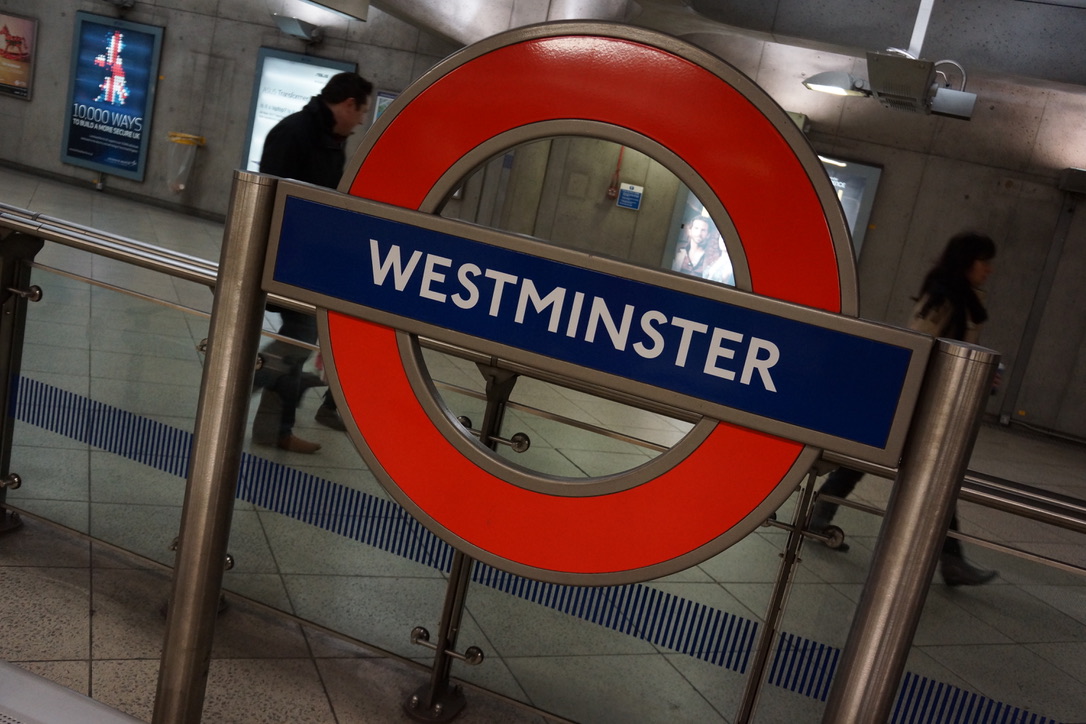
8. Westminster

No trip to London would be complete without a visit to Westminster station. With its stunning Art Deco design, this station is an architectural gem that often gets overlooked. The original 1990s tiling remains intact, and the yellow and black color scheme gives it a distinctive look. The station’s proximity to several iconic landmarks, including the Houses of Parliament and Big Ben, means that it’s not just a beautiful station but also a convenient one. Take some time to linger and appreciate the design before heading out to explore the nearby attractions.

9. Bank

Bank station is one of the most complex and historic stations in the London Underground network. The station serves as a gateway to the City of London, but it’s also known for its stunning architecture. The ornate details throughout the station, combined with its impressive underground tunnels, create a sense of grandeur. The beautiful mosaics and classical elements reflect the station’s rich history, making it an interesting place to explore. Plus, you can find yourself amidst the financial heart of the city, surrounded by some of London’s most iconic buildings.

10. Leicester Square

Last but certainly not least, Leicester Square station is a vibrant hub of activity, reflecting the energy of the West End theater district. The station’s art deco style features brightly colored tiles and a lively atmosphere that welcomes visitors. It’s also an excellent starting point for those looking to catch a show or enjoy a night out in the area. The vibrant nightlife, combined with the station’s aesthetic charm, makes it a must-see stop on your underground journey.

Conclusion: Journey Beyond the Surface

While the London Underground is often seen merely as a mode of transport, it is also a testament to the city’s rich architectural heritage. Each of these stations tells a story and contributes to the cultural fabric of London. So, the next time you find yourself navigating the Tube, take a moment to step away from the hustle and bustle of your travels. Explore, appreciate, and enjoy the beauty of these underground gems that lie beneath the surface of one of the world’s most captivating cities. Happy travels!

Posted on Leave a comment

Londons Ghost Stations: Haunted Tales from the Underground

Introduction

London is a city steeped in history, where every corner has a story to tell. However, few tales are as intriguing or chilling as those associated with the city’s ghost stations—abandoned or disused tube stations that lie below the bustling streets. While the London Underground is famous for its efficiency and iconic status, these hidden gems harbor secrets of their own. In this article, we’ll journey through the eerie history of London’s ghost stations, exploring their haunted tales and the spirits said to linger within their walls.

A Brief History of London’s Underground

Before we delve into the ghostly tales, let’s set the stage by understanding the Underground’s history. The London Underground opened in 1863, making it the world’s first underground railway. Over the years, it has expanded to include 11 lines and over 270 stations. However, as the city grew and changed, some stations fell out of use. Many were closed due to lack of ridership, while others were rendered obsolete by new lines or the need for modernization.

The shadows of these stations continue to haunt the depths of London, housing stories not only of their past but also of the spirits that may still be roaming their dark recesses.

The Enigmatic Ghost Stations

Aldwych Station

One of the most famous ghost stations is Aldwych, which opened in 1907 and was closed to regular passenger services in 1994. The station’s elegant architecture and ornate design make it a favorite for film crews, but it’s also reputed to be haunted.

Visitors have reported strange occurrences, such as disembodied voices and the feeling of being watched. Some staff claim to have encountered the ghost of a woman in white who appears in the ticket hall late at night, wandering aimlessly as if searching for something lost. Could it be a remnant of the station’s past, or perhaps a traveler who never made it to their destination?

Down Street Station

Down Street, which operated from 1907 to 1932, is another station steeped in stories of the supernatural. While it was closed to the public for many years, it served as a secret bunker for government officials during World War II.

Reports of ghostly apparitions abound, with workers claiming to see the figure of a man in a bowler hat moving through the tunnels. This spirit is believed to be a former railway worker who met with a tragic end. In addition to ghostly sightings, strange noises and cold drafts have been reported, sending shivers down the spines of those who venture in.

King’s Cross St Pancras

While King’s Cross St Pancras is an operational station, it has its own share of ghost stories. In the early 20th century, the area was known for its dark and narrow passageways that sometimes concealed unsavory activities.

Locals tell tales of a spectral figure—a tall, shadowy man—who has been seen wandering the platforms late at night. This ghost is often associated with the tragic history of the station, as it was built on the grounds of a former burial ground. The juxtaposition of the living and the deceased creates a chilling atmosphere, making it a hotspot for ghost enthusiasts.

The Supernatural Side of Abandonment

Many ghost stations share a common theme: a sense of abandonment that invites restless spirits. When people are attached to a place, whether through memories or experiences, it creates an emotional residue that can linger long after the physical presence has faded.

The Haunting of Old Oak Common

Old Oak Common was never a passenger station but served as a maintenance depot. Legends say that the site is haunted by the spirits of railway workers who lost their lives in accidents while working on the trains. The atmosphere is heavy with sorrow, and those who work there often report unusual sounds—like footsteps echoing in the night and tools moving on their own.

The ghostly whispers of the past seem to echo through the darkened corridors, reminding us that every station has a story, even those that never welcomed passengers.

The Role of the Underground in Urban Legends

London’s ghost stations have not only contributed to the city’s folklore but have also inspired urban legends. The very idea of places where the living and the dead intersect captures the imagination and feeds into the tales of horror and intrigue.

The Curse of the Bakerloo Line

One notorious urban legend involves the Bakerloo Line, where ghostly figures are said to appear on the trains themselves. Passengers have reported seeing a mysterious woman in a long, flowing dress who vanishes when they try to approach her. Is she a lost commuter, or is she bound to the train for eternity? Such stories blend the line between reality and myth, making every ride a potential encounter with the supernatural.

Ghost Tours and Enthusiasts

As interest in the paranormal grows, so does the popularity of ghost tours that explore these haunted locales. Many tour companies offer specialized excursions that take participants into the heart of London’s ghost stations, providing a thrilling experience for those seeking a brush with the unknown.

What to Expect on a Ghost Tour

Participants can expect to hear chilling tales from experienced guides, often featuring firsthand accounts from those who have encountered spirits in the stations. The tours typically include visits to locations like Aldwych and Down Street, where stories of the past come to life—or perhaps, to death.

Armed with EMF detectors and other ghost-hunting equipment, adventurers might even have the opportunity to capture evidence of the supernatural. Whether or not one believes in ghosts, the atmosphere created in these abandoned spaces can be palpable, sending a thrill of excitement down the spine.

Conclusion

London’s ghost stations are a fascinating intersection of history, the paranormal, and urban myth. Each station carries with it a wealth of stories that contribute to the rich tapestry of the city’s heritage. From the spectral residents of Aldwych to the whispers of Old Oak Common, these haunted locations remind us that even in abandonment, the past is never truly gone.

As you traverse the streets of London, keep in mind the silent stations lurking below the surface. You might just encounter a ghostly tale waiting to be told. Whether you’re a skeptic or a believer, there’s no denying the allure of the unknown that haunts the heart of this iconic city. So, the next time you hop on the Tube, spare a thought for those who may have journeyed before you—perhaps they’re still riding the rails of their own ghostly commute.

Posted on Leave a comment

Mind the Time Gap: How Long It Really Takes to Travel Between Tube Stops

running red and white train in the subway

Introduction

London’s iconic Tube system is the lifeblood of this bustling metropolis. Whether you’re a tourist navigating the city for the first time or a seasoned Londoner, the Tube is often the quickest way to get from point A to point B. But have you ever stopped to think about how long it really takes to travel between those seemingly close Tube stops? Spoiler alert: it may not be as quick as you think! Let’s embark on a journey through the intricacies of the Tube system, exploring travel times, the factors that influence them, and tips to make your journey even smoother.

Understanding the Tube System

The Tube, officially known as the London Underground, is an extensive network that serves millions of passengers daily. With 11 lines and over 270 stations, the system covers 250 miles of track. Each line features a unique color and is connected to various boroughs of London, making it a vital form of transport.

One fundamental aspect of the Tube that often puzzles travelers is the time it takes to move between stops. While the distance between two stations may seem short, several factors come into play that can affect your travel time. Let’s delve into these factors so you can better manage your Tube time.

Travel Time Between Stops

The average journey between two Tube stops can take anywhere from 1 to 5 minutes when the train is in motion. However, this doesn’t account for the time spent waiting for the train, disembarking, or navigating the station itself.

  1. Waiting Time: Depending on the time of day, trains can arrive anywhere from every 2 to 10 minutes. During peak hours, trains are more frequent, while during off-peak times, you might find yourself waiting longer.

  2. Boarding and Alighting: Once the train arrives, it can take additional time to board or alight, especially in crowded trains. Additionally, not all stations are created equal; some have multiple exits or escalators which can slow down your exit.

  3. Station Layout: Some stations are sprawling, with various levels and exits, while others are petite and straightforward. If you’re changing lines, navigating through a busy interchange like Oxford Circus or King’s Cross can add precious minutes to your journey.

Factors Affecting Travel Times

Several elements can significantly influence how long it takes to travel between Tube stops. Understanding these can help you better plan your journey.

1. Time of Day

Rush hour in London is a different beast altogether. The busiest times are typically from 7:30 AM to 9:30 AM and 4 PM to 6 PM on weekdays. If you find yourself traveling during these peak hours, expect packed trains and longer waiting times.

2. Line Variability

Different Tube lines have distinct characteristics. For instance, the Bakerloo Line is known for its slower speeds and older trains, while the Jubilee Line boasts some of the newest rolling stock, which can zip you between stops more quickly. Additionally, some lines experience more delays than others, which can affect your overall travel time.

3. Service Disruptions

London’s weather can be unpredictable, and service disruptions are not uncommon. Whether it’s a signal failure, track maintenance, or an unfortunate passenger incident, these disruptions can add significant time to your journey. Keep an eye on the Transport for London (TfL) website or mobile app for real-time updates.

Estimating Your Travel Times

Now that you’re aware of these influencing factors, how can you estimate your travel times more accurately? Here are a few tips to help you plan your journey.

1. Use the TfL Journey Planner

The TfL Journey Planner is a handy tool that allows you to input your starting point and destination to get a detailed breakdown of your journey. It provides estimated travel times, changes, and even potential delays, allowing you to better manage your time.

2. Check Real-Time Updates

Don’t underestimate the power of real-time updates. Before you head out, check for any service disruptions on the line you’re taking. The TfL app is an excellent resource, providing alerts and updates on the go.

3. Consider Off-Peak Travel

If you can, travel during off-peak hours for a more pleasant experience. Not only will trains be less crowded, but you might also find yourself getting to your destination faster.

Fun Travel Time Examples

To make things a bit more tangible, let’s look at some hypothetical travel times between popular Tube stops. Keep in mind these are average estimates and can vary based on the factors mentioned earlier.

  • Piccadilly Circus to Leicester Square: Just a hop on the Piccadilly Line, this journey lasts about 1 minute. However, don’t forget about waiting time, which can extend this to roughly 5-10 minutes when accounting for boarding.

  • Oxford Circus to Tottenham Court Road: The journey on the Central Line takes approximately 2 minutes, but if you’re traveling during peak hours, you might find yourself waiting up to 5 minutes.

  • King’s Cross St Pancras to Russell Square: A quick 1-minute ride on the Piccadilly Line, but factor in time to navigate the busy interchange at King’s Cross, and it could easily turn into a 10-minute journey.

Conclusion

As we’ve discovered, time is a precious commodity when navigating the Tube. The next time you hop on a train, keep in mind all the factors that can impact your travel time. With a bit of planning and awareness, you can significantly reduce any potential delays and make the most of your time in London.

So whether you’re on your way to a meeting, exploring the sights, or catching a show in the West End, remember to “mind the time gap.” With the right approach, you can become a Tube travel pro in no time! Safe travels!