Introduction
London is a city steeped in history, where every corner has a story to tell. However, few tales are as intriguing or chilling as those associated with the city’s ghost stations—abandoned or disused tube stations that lie below the bustling streets. While the London Underground is famous for its efficiency and iconic status, these hidden gems harbor secrets of their own. In this article, we’ll journey through the eerie history of London’s ghost stations, exploring their haunted tales and the spirits said to linger within their walls.
A Brief History of London’s Underground
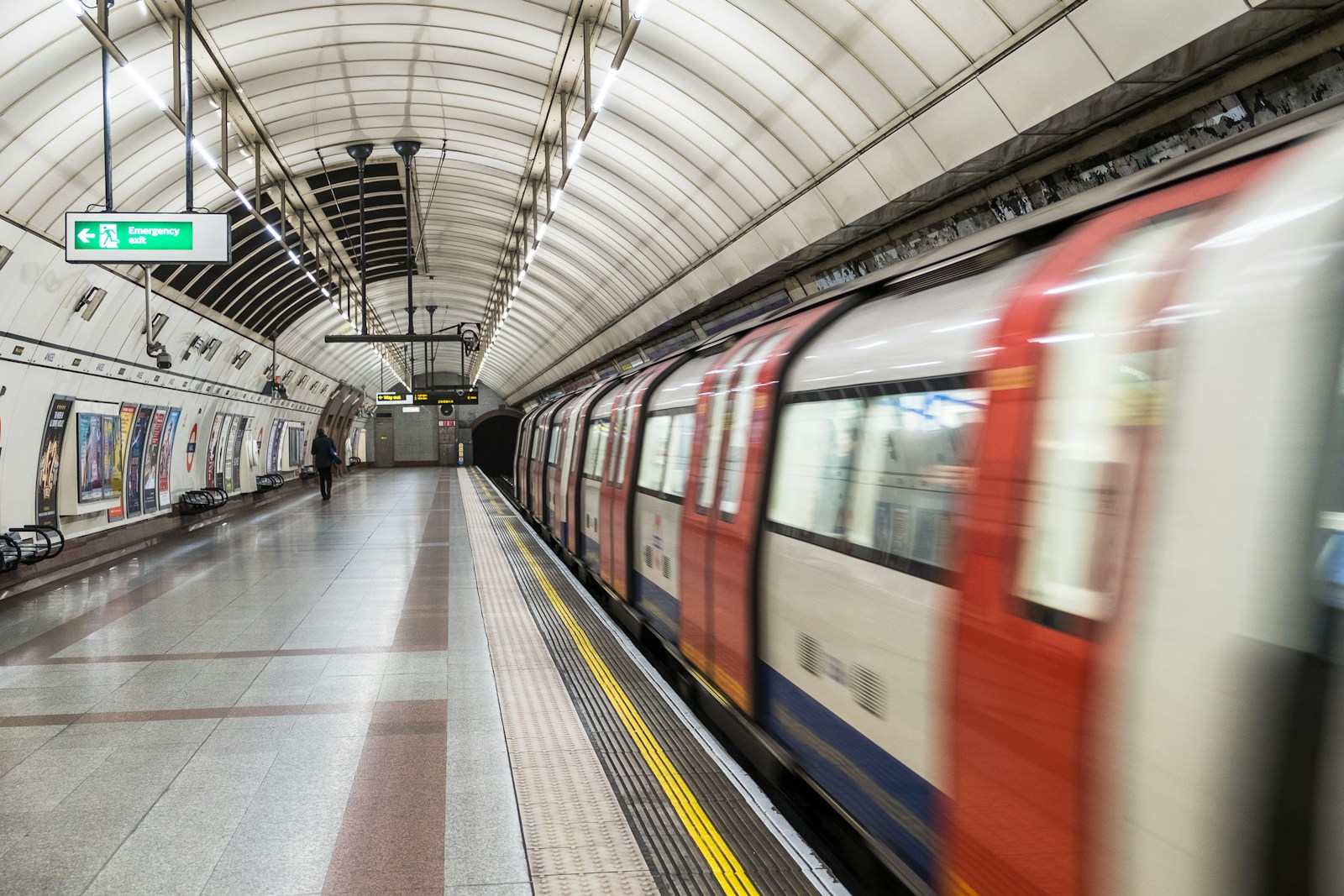
Before we delve into the ghostly tales, let’s set the stage by understanding the Underground’s history. The London Underground opened in 1863, making it the world’s first underground railway. Over the years, it has expanded to include 11 lines and over 270 stations. However, as the city grew and changed, some stations fell out of use. Many were closed due to lack of ridership, while others were rendered obsolete by new lines or the need for modernization.
The shadows of these stations continue to haunt the depths of London, housing stories not only of their past but also of the spirits that may still be roaming their dark recesses.
The Enigmatic Ghost Stations
Aldwych Station
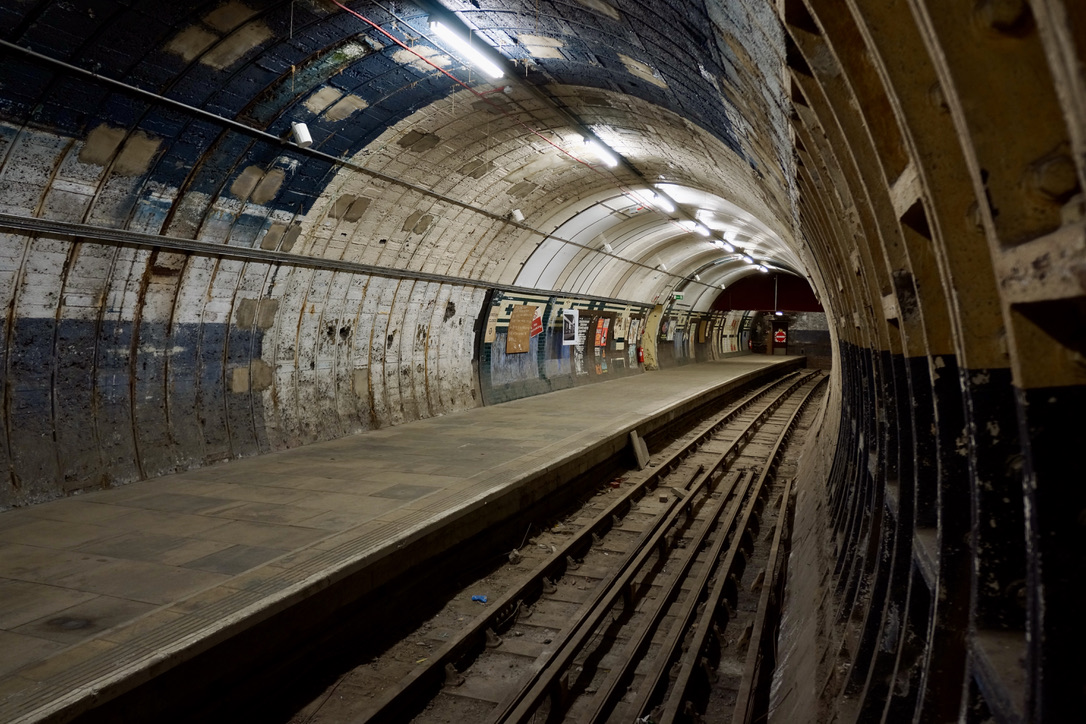
One of the most famous ghost stations is Aldwych, which opened in 1907 and was closed to regular passenger services in 1994. The station’s elegant architecture and ornate design make it a favorite for film crews, but it’s also reputed to be haunted.
Visitors have reported strange occurrences, such as disembodied voices and the feeling of being watched. Some staff claim to have encountered the ghost of a woman in white who appears in the ticket hall late at night, wandering aimlessly as if searching for something lost. Could it be a remnant of the station’s past, or perhaps a traveler who never made it to their destination?
Down Street Station
Down Street, which operated from 1907 to 1932, is another station steeped in stories of the supernatural. While it was closed to the public for many years, it served as a secret bunker for government officials during World War II.
Reports of ghostly apparitions abound, with workers claiming to see the figure of a man in a bowler hat moving through the tunnels. This spirit is believed to be a former railway worker who met with a tragic end. In addition to ghostly sightings, strange noises and cold drafts have been reported, sending shivers down the spines of those who venture in.
King’s Cross St Pancras
While King’s Cross St Pancras is an operational station, it has its own share of ghost stories. In the early 20th century, the area was known for its dark and narrow passageways that sometimes concealed unsavory activities.
Locals tell tales of a spectral figure—a tall, shadowy man—who has been seen wandering the platforms late at night. This ghost is often associated with the tragic history of the station, as it was built on the grounds of a former burial ground. The juxtaposition of the living and the deceased creates a chilling atmosphere, making it a hotspot for ghost enthusiasts.
The Supernatural Side of Abandonment
Many ghost stations share a common theme: a sense of abandonment that invites restless spirits. When people are attached to a place, whether through memories or experiences, it creates an emotional residue that can linger long after the physical presence has faded.
The Haunting of Old Oak Common
Old Oak Common was never a passenger station but served as a maintenance depot. Legends say that the site is haunted by the spirits of railway workers who lost their lives in accidents while working on the trains. The atmosphere is heavy with sorrow, and those who work there often report unusual sounds—like footsteps echoing in the night and tools moving on their own.
The ghostly whispers of the past seem to echo through the darkened corridors, reminding us that every station has a story, even those that never welcomed passengers.
The Role of the Underground in Urban Legends
London’s ghost stations have not only contributed to the city’s folklore but have also inspired urban legends. The very idea of places where the living and the dead intersect captures the imagination and feeds into the tales of horror and intrigue.
The Curse of the Bakerloo Line
One notorious urban legend involves the Bakerloo Line, where ghostly figures are said to appear on the trains themselves. Passengers have reported seeing a mysterious woman in a long, flowing dress who vanishes when they try to approach her. Is she a lost commuter, or is she bound to the train for eternity? Such stories blend the line between reality and myth, making every ride a potential encounter with the supernatural.
Ghost Tours and Enthusiasts
As interest in the paranormal grows, so does the popularity of ghost tours that explore these haunted locales. Many tour companies offer specialized excursions that take participants into the heart of London’s ghost stations, providing a thrilling experience for those seeking a brush with the unknown.
What to Expect on a Ghost Tour
Participants can expect to hear chilling tales from experienced guides, often featuring firsthand accounts from those who have encountered spirits in the stations. The tours typically include visits to locations like Aldwych and Down Street, where stories of the past come to life—or perhaps, to death.
Armed with EMF detectors and other ghost-hunting equipment, adventurers might even have the opportunity to capture evidence of the supernatural. Whether or not one believes in ghosts, the atmosphere created in these abandoned spaces can be palpable, sending a thrill of excitement down the spine.
Conclusion
London’s ghost stations are a fascinating intersection of history, the paranormal, and urban myth. Each station carries with it a wealth of stories that contribute to the rich tapestry of the city’s heritage. From the spectral residents of Aldwych to the whispers of Old Oak Common, these haunted locations remind us that even in abandonment, the past is never truly gone.
As you traverse the streets of London, keep in mind the silent stations lurking below the surface. You might just encounter a ghostly tale waiting to be told. Whether you’re a skeptic or a believer, there’s no denying the allure of the unknown that haunts the heart of this iconic city. So, the next time you hop on the Tube, spare a thought for those who may have journeyed before you—perhaps they’re still riding the rails of their own ghostly commute.