Posted on Leave a comment

Discover 83 Hidden Gems: Britain’s Most Beautiful Train Journeys You’ve Never Experienced

Britain’s Most Beautiful Train Journeys You’ve Never Taken

When you think of train travel in Britain, names like the West Highland Line or the Settle-Carlisle Railway might immediately spring to mind. While these iconic routes are undoubtedly stunning, there are countless hidden gems across the UK that offer breathtaking vistas, charming villages, and an experience unlike any other. If you’re looking to mix up your travel plans and explore some lesser-known but equally beautiful train journeys, buckle up! Here’s an inside look at some of Britain’s most picturesque train rides that might not be on your radar—yet.

The Heart of Wales Line

A Scenic Wonder

Kicking off our journey is the Heart of Wales Line, connecting the quaint towns of Swansea and Shrewsbury. This 121-mile route is a fantastic opportunity to experience the heart of Wales’ stunning landscapes.

As the train rolls from the bustling city of Swansea, you quickly find yourself in the serene countryside, where rolling green hills and lush pastures stretch as far as the eye can see. Keep your eyes peeled for sheep grazing lazily on the hillsides, and don’t be surprised if you spot the occasional castle peeking through the trees.

Vibrant Villages and Natural Beauty

One of the highlights of this journey is the picturesque village of Llandovery, known for its charming pubs and the surrounding Brecon Beacons National Park. Here, you can hop off for a pint or a quick hike before continuing your adventure. The line also passes through the enchanting forests of the Cambrian Mountains, where the scenery is nothing short of breathtaking. As you weave through valleys and over bridges, you’ll feel a deep connection to the natural beauty that is quintessentially Welsh.

The Borders Railway

A Journey Through History

Next up is the Borders Railway, which runs from Edinburgh to Tweedbank, just outside Melrose. This relatively new railway opened in 2015 but has quickly become a favorite amongst locals and tourists alike. The journey not only showcases the stunning Scottish Borders but also offers a taste of the region’s rich history.

As you travel, you’ll pass ancient abbeys, historic battlefields, and lush countryside that inspired writers such as Sir Walter Scott. The train chugs along the River Tweed, where you might even catch a glimpse of eager fishermen hoping to land a salmon or two.

A Stop at Melrose Abbey

Once you arrive at Tweedbank, don’t miss the chance to visit Melrose Abbey. This stunning ruin dates back to the 12th century and is steeped in history. The intricate stone carvings and the picturesque setting make it a must-see. After exploring, take a leisurely stroll through the charming streets of Melrose, where you can enjoy a cozy café or a lively pub with a local ale.

The Isle of Wight Steam Railway

A Step Back in Time

If you’re in the mood for nostalgia, look no further than the Isle of Wight Steam Railway. This heritage railway runs from Smallbrook Junction to Wootton, offering a delightful journey through the island’s stunning countryside.

Step aboard a beautifully restored steam locomotive and let the rhythmic clattering of wheels take you back in time. The journey is only a modest 5 miles long, but the experience is rich in history and charm. You’ll meander through lush woodlands, past adorable cottages, and even catch views of the Solent.

Explore the Island

Once you hop off the train, you can explore the charming village of Wootton or take a short trip to nearby attractions like the Butterfly World or the Isle of Wight Zoo. The steam railway also hosts special events throughout the year, so be sure to check their schedule for themed rides and family activities.

The Kyle Line

A Journey to the Edge of the World

The Kyle Line, often dubbed as one of the most beautiful train journeys in Scotland, connects Inverness and Kyle of Lochalsh. This breathtaking route is a must for anyone looking to experience the natural beauty of the Scottish Highlands.

As the train winds through the landscape, prepare to be captivated by the stunning views of Loch Carron and the majestic mountains surrounding you. The highlight of the journey is undoubtedly the vista of the Skye Bridge as you approach Kyle. It’s a sight that will take your breath away, especially when the sun sets behind the mountains.

A Visit to the Isle of Skye

Once you arrive in Kyle of Lochalsh, you’re just a stone’s throw away from the Isle of Skye. Whether you want to explore its dramatic landscapes, visit the famous Fairy Pools, or sample local whisky, Skye has something for everyone. Make sure to spend a few days soaking in the magic of this enchanting island.

The Benjamin Britten Line

Hidden Gem of Suffolk

Perhaps one of the most underrated journeys is the Benjamin Britten Line, which runs from Ipswich to Lowestoft. Named after the famed composer Benjamin Britten, this route offers a delightful blend of coastal beauty and cultural experiences.

As the train zips along, you’ll enjoy picturesque views of the Suffolk coastline, dotted with charming seaside towns. The vibrant town of Aldeburgh, known for its artsy vibe and fresh seafood, is a highlight along the way.

Cultural Stops

Don’t forget to make a stop at Snape Maltings, where you can explore the stunning concert hall and enjoy the beautiful surrounding gardens. If you’re a music lover, this stop is particularly special as it’s where Britten himself founded the Aldeburgh Festival, celebrating new music and creativity.

Conclusion

From the rolling hills of Wales to the rugged beauty of Scotland and the charming villages of England, Britain is home to countless breathtaking train journeys waiting to be explored. While many famous routes are well-trodden, the lesser-known paths offer equally captivating experiences just off the beaten track. So, next time you’re planning a getaway, consider hopping on one of these beautiful train journeys that you might not have taken yet. You’ll discover stunning landscapes, vibrant history, and perhaps even a new favorite destination along the way—an adventure you won’t soon forget! Happy travels!
Posted on Leave a comment

Discover 55 Hidden British Wild Swimming Spots Only Locals Know About

The British Wild Swimming Spots That Locals Keep Secret

Ah, wild swimming! What a delightful pursuit it is! The thrill of plunging into nature’s finest waters is an experience unlike any other. In the UK, where the rolling hills meet the pristine lakes and rivers, there’s a treasure trove of wild swimming spots that are often kept under wraps by locals. If you’re looking for a unique dip away from the crowds, lace up your hiking boots, grab your swimsuit, and let’s dive into some of these hidden gems!

The Allure of Wild Swimming

Before we dive into the specifics, let’s take a moment to appreciate what makes wild swimming so special. It’s not just about the swim itself; it’s about the whole experience. Picture this: you’re surrounded by nature, the gentle sounds of flowing water, the fresh air filling your lungs, and the invigorating chill of the water as you take the plunge. Wild swimming offers a sense of freedom and connection to the natural world that you just can’t find in a chlorinated pool. Plus, it’s a fantastic way to cool off on a hot summer day or to invigorate yourself during the cooler months.

The Best Secret Spots for Wild Swimming

1. The River Dart, Devon

Nestled in the heart of Devon, the River Dart is a local favorite. With its crystal-clear waters and lush surroundings, it’s no wonder this spot is often kept a secret. The river meanders through beautiful woodlands and offers several swimming holes ideal for a refreshing dip. One of the best spots is at Dartmeet, where two rivers converge. The shallow pools here are perfect for families, while the deeper sections offer an exhilarating swim for the adventurous.

2. The Fairy Pools, Isle of Skye

While the Isle of Skye is known for its breathtaking landscapes, the Fairy Pools remain one of the island’s best-kept secrets. Tucked away at the foot of the Black Cuillin mountains, these enchanting pools boast vibrant turquoise waters that look almost too good to be true. The hike to the pools is just as rewarding as the swim itself, featuring stunning views of the rugged Scottish landscape. Just be warned: the water can be quite chilly, so it’s best to prepare yourself for a brisk dip.

3. The River Wye, Herefordshire

Flowing between England and Wales, the River Wye is a paradise for wild swimmers. The stretch near Symonds Yat is particularly favored by locals for its scenic beauty and tranquil waters. Here, you’ll find various swimming spots, from calm pools that are perfect for a leisurely float to more adventurous spots with gentle rapids. The surrounding hills are filled with wildlife, and you may even spot a kingfisher or two as you swim.

4. The Wooded Valley of Tregaron, Wales

Tregaron is a hidden gem in Wales that boasts stunning natural beauty and several wild swimming opportunities. The River Teifi runs through this serene valley, offering quiet pools and gentle currents. The woodland surroundings provide a lush backdrop for your swimming adventure. Pack a picnic and spend the day lounging by the riverbank before taking a dip in the refreshing waters.

5. Loch Morlich, Cairngorms

If you’re looking for a stunning mountain backdrop to your swim, Loch Morlich in the Cairngorms is the place to be. This beautiful freshwater loch is surrounded by pine forests and offers a sandy beach perfect for sunbathing. The water is surprisingly warm during the summer months, making it an inviting spot for a swim. Don’t forget your kayak or paddleboard if you want to explore the loch further!

6. The Secret Beaches of Pembrokeshire

While many flock to Pembrokeshire’s famous beaches, the region is also home to several secluded coves that offer fantastic wild swimming experiences. Keep an eye out for spots like Abereiddy and Traeth Llyn Gwyliog, where you’ll find clear waters and breathtaking coastal views. The dramatic cliffs surrounding these beaches provide a stunning backdrop as you dive into the waves.

7. The River Fowey, Cornwall

In Cornwall, the River Fowey is a tranquil retreat for wild swimmers. The river flows through picturesque landscapes, and you’ll find plenty of spots to take a refreshing dip. The area around Fowey is particularly charming, with its quaint villages and lush countryside. This spot is perfect for a day of exploration, followed by a swim to cool off from your adventures.

8. The Blue Lagoon, Abereiddy

Not to be confused with the famous Blue Lagoon in Iceland, Abereiddy’s hidden Blue Lagoon is a secret swimming spot in Pembrokeshire that’s definitely worth a visit. This former slate quarry has transformed into a stunning blue pool with dramatic cliffs surrounding it. The water is deep and inviting, but be sure to check the tides and conditions before taking the plunge. It’s a perfect spot for the more adventurous swimmers!

Safety First: Tips for Wild Swimming

While wild swimming is an exhilarating experience, it’s essential to prioritize safety. Here are some tips to keep in mind:

  • Know the Area: Always research your chosen swimming spot beforehand. Check for any access restrictions or local regulations.
  • Check Conditions: Before diving in, assess the water conditions. Be aware of tides, currents, and water temperature.
  • Swim with Friends: It’s best to swim with a buddy. Not only is it safer, but it also makes for a more enjoyable experience.
  • Wear Appropriate Gear: Invest in a good wetsuit if you plan to swim in colder waters. It will keep you warm and make your swim more comfortable.
  • Listen to Your Body: If the water feels too cold or you’re feeling unwell, it’s best to skip the swim for the day.

Conclusion

With so many beautiful hidden spots across the UK, wild swimming is an adventure just waiting to be discovered. Whether you’re drawn to the tranquil rivers of the countryside or the stunning beaches of the coast, there’s something for everyone. So, next time you’re planning your outdoor adventure, consider stepping off the beaten path and exploring one of these secret swimming spots. Who knows? You might just find your new favorite swimming hole! Dive in, embrace the wild, and relish the freedom that comes with swimming in nature’s embrace. Happy swimming!

Posted on Leave a comment

Discover the Secrets Beneath: Exploring Britain’s Hidden Underground Tunnel Network

Hidden Underground: Britain’s Network of Secret Tunnels

When you think of Britain, your mind might wander to lush green landscapes, historic castles, or perhaps a lively pub in the heart of London. But beneath the surface of this picturesque nation lies a hidden world – a network of secret tunnels that winds its way through the fabric of British history. These passageways, some ancient and others more modern, tell stories of intrigue, rebellion, and survival. So grab your hard hat and a flashlight, and let’s embark on a journey to explore the hidden underground of Britain.

A Brief History of Tunnels in Britain

The use of tunnels in Britain dates back thousands of years. One of the earliest examples can be found in the prehistoric site of Silbury Hill, where evidence suggests that ancient cultures used underground chambers and tunnels for ceremonial purposes. Fast forward to the Roman era, and we see the construction of extensive underground systems for drainage and aqueducts, designed to support their mighty empire.

As the centuries rolled on, the needs and purposes of tunnels evolved. During the Middle Ages, towns began to develop complex systems for defense, trade, and transportation. The rise of the Industrial Revolution in the 18th and 19th centuries brought about a significant increase in tunnel construction, as railways and underground water systems became essential for urban development.

The London Underground: A World of Its Own

Perhaps the most famous subterranean network in Britain is the London Underground, fondly known as “the Tube.” Opened in 1863, the Tube is one of the oldest underground railways in the world. It features 11 lines and serves 272 stations, making it an integral part of London’s transportation system. But beyond its primary function of moving commuters, the Tube harbors fascinating secrets.

For instance, the abandoned stations of the Underground are a treasure trove of history. Stations like Aldwych and Somerset House, once bustling with passengers, now sit in eerie silence, preserved in time. Many of these stations were closed during World War II due to their vulnerability to bombings, while others simply fell out of favor as transport needs changed. Today, they offer a glimpse into what life was like in the bustling metropolis of yesteryear.

The Secret Tunnels of London

While the Tube is a well-known underground system, London is riddled with a multitude of secret tunnels that date back to different eras and served various purposes. Some of these tunnels were used for escape and smuggling, while others were constructed for secret meetings during times of political strife.

The Mail Rail

One of the lesser-known subterranean treasures is the Mail Rail, a former underground railway that operated from 1927 to 2003. It was designed to transport mail across the city, bypassing the traffic above ground. The Mail Rail ran for 6.5 miles beneath London, linking several mail sorting offices. Today, parts of the Mail Rail have been restored and are open for public tours, allowing visitors to experience a ride on this forgotten railway.

The Great Escape Tunnels

If you’ve seen the film “The Great Escape,” you know about the infamous tunnels dug by prisoners of war during World War II. While the film is based on a true story, the reality of escape tunnels is just as thrilling. Not far from the famous Stalag Luft III, prisoners painstakingly excavated tunnels named “Tom,” “Dick,” and “Harry” in a bid for freedom. Although most of these tunnels were discovered before they could be fully utilized, they remain a testament to the ingenuity and determination of those who sought to escape.

The Mystique of the Crypts

Beneath some of Britain’s most iconic churches and cathedrals, you’ll find crypts and burial chambers that often feature labyrinthine tunnels. These subterranean spaces were historically used for burials and as places of worship. For instance, the crypt beneath St. Martin-in-the-Fields in London is home to a series of tunnels that once linked the church to nearby hospitals and graveyards, allowing for the swift transportation of the deceased.

These tunnels aren’t just relics of the past; they also serve as a canvas for modern events, such as art exhibitions and classical music performances. The combination of history and contemporary culture makes these crypts a unique point of interest for both tourists and locals alike.

The Scottish Connection: Edinburgh’s Underground Vaults

Venture north to Scotland, and you’ll discover the enigmatic underground vaults of Edinburgh. Built in the 18th century, these vaults were initially used as storage spaces for merchants and craftsmen. However, they quickly became a haven for the city’s poorer residents as life on the streets became increasingly dire.

The underground vaults were notorious for their damp and dark conditions, becoming associated with crime, poverty, and superstition. Ghost tours operate in this area, capitalizing on the vaults’ haunted reputation, and many claim to have felt the presence of spirits while exploring these shadowy spaces.

The Impact of the Tunnels on Modern Culture

Tunnels have not only played an essential role in history but have also left an indelible mark on modern British culture. From literature to film, the underground has been a source of inspiration for countless artists and creators.

For instance, the famous children’s book series “Harry Potter” features a plethora of tunnels and hidden passageways at Hogwarts School of Witchcraft and Wizardry. From the Chamber of Secrets to the Forbidden Forest, J.K. Rowling’s magical world draws heavily on the idea of hidden spaces and secret paths, echoing the real-life underground mysteries of Britain.

Conclusion: The Allure of the Underground

Britain’s network of secret tunnels may be hidden from plain sight, but their stories resonate through the ages. Each tunnel holds a piece of the country’s rich and varied history, offering insights into the lives of those who walked before us. Whether you’re exploring the depths of the London Underground, wandering through Edinburgh’s haunted vaults, or delving into the mystery of ancient burial crypts, the subterranean world of Britain invites you to embark on a journey into the past.

As urban development continues, the importance of these tunnels as cultural and historical relics cannot be overstated. They remind us that beneath the bustling streets and modern facades lies a hidden world brimming with stories waiting to be uncovered. So, the next time you’re walking through a British city, consider what lies beneath your feet – a network of secret tunnels, a rich tapestry of history, and an adventure just waiting to be explored.

Posted on Leave a comment

Discover Hidden Gems: Secret Beaches in Britain That Locals Keep to Themselves

Hidden Gems: Secret Beaches in Britain That Locals Don’t Want You to Know About

Ah, the British coastline! You might think of it as a tapestry woven with sandy stretches, rocky cliffs, and timeless charm. While many flock to the well-known hotspots like Brighton or Bournemouth, there are countless hidden beaches just waiting to be discovered. These secret spots are often cherished by locals who want to keep them to themselves. So grab your sunblock (or a sturdy raincoat—this is Britain after all) and let’s explore some off-the-beaten-path beaches that you might just fall in love with.

1. Porthcurno Beach, Cornwall

Nestled in the southwestern corner of Britain, Porthcurno Beach is a breathtaking slice of paradise. With soft golden sands and turquoise waters, it’s not hard to see why it’s a local favorite. The beach is flanked by stunning cliffs, providing a dramatic backdrop that feels almost Mediterranean.

But what makes Porthcurno truly special is its history. This beach played a crucial role in World War II, serving as a secret communication station. Today, you can visit the nearby Minack Theatre, an open-air theater carved into the cliffside, which offers stunning performances against the backdrop of the ocean.

Porthcurno is perfect for sunbathing, swimming, and beachcombing. While it can get busy during peak summer months, there are often quiet moments at the fringes of the beach where you can enjoy the sound of the waves in relative solitude.

2. Kynance Cove, Cornwall

Just a short drive from Porthcurno lies another hidden treasure: Kynance Cove. It’s one of those places that seems to have leapt straight from a postcard. The beach is famous for its unique rock formations and stunning array of colors, thanks to its serpentine rock and vivid green waters.

The cove is accessible via a short walk, which adds to the allure. As you trek down, you get a sense of the beauty that awaits you. Once there, you can explore the tidal pools at low tide, perfect for spotting crabs and other marine life.

For those wanting a bite to eat, the beach café serves up delicious cream teas that are best enjoyed while soaking in the views. Just keep an eye on the tide times; the beach can disappear during high tide!

3. Camber Sands, East Sussex

While Camber Sands is known to some, it’s often overshadowed by its more famous neighbors like Hastings and Rye. Located just a short distance from these tourist hotspots, Camber Sands offers a long stretch of sandy beach that feels almost endless, making it a great spot for a day out.

What sets Camber Sands apart is its impressive dunes, which are perfect for kids (and adults!) to explore. You can run, roll, or simply enjoy a leisurely stroll with the sea breeze in your hair. This beach is particularly popular with families, thanks to its shallow waters.

Camber is also a great spot for water sports, whether it’s kite surfing, windsurfing, or simply splashing around in the waves. If you fancy a little adventure, keep your eyes peeled for local surf schools offering lessons, suitable for all ages and skill levels.

4. Sandwood Bay, Scotland

If you’re up for an adventure, make your way to Sandwood Bay in the Scottish Highlands. This remote beach is often described as one of the most beautiful in the UK and has a wild, untouched quality that is hard to find elsewhere.

The journey to Sandwood Bay involves a scenic hike of about four miles across stunning landscapes. Once you arrive, you’ll be greeted by a vast expanse of soft sand framed by dramatic cliffs and the roaring Atlantic. The isolation of Sandwood Bay makes it feel like your own personal paradise, and you’ll likely have it mostly to yourself.

This beach is perfect for those who love nature and solitude. It’s an ideal spot for photography, picnics, and long walks. Just bear in mind, there are no facilities nearby, so come prepared!

5. Holkham Beach, Norfolk

Holkham Beach is a hidden gem that captures the essence of the British seaside. Located in the North Norfolk Coast Area of Outstanding Natural Beauty, this beach boasts vast stretches of golden sand, rolling dunes, and a tranquil atmosphere.

The beach is part of the Holkham Estate, which is home to the stunning Holkham Hall—an 18th-century mansion with beautiful gardens. After exploring the estate, take a leisurely walk to the beach, where you can enjoy the stunning views and the natural beauty surrounding you.

Holkham Beach is dog-friendly, making it a popular spot for pet owners. You can also spot an array of wildlife, including seals, if you venture a little further along the coast. The remote feel of Holkham provides a perfect escape from the hustle and bustle of everyday life.

6. Scarborough Beach, Yorkshire

Scarborough may not seem like a hidden gem to some, given its long-established status as a seaside resort. However, away from the main beach areas, there are lovely nooks and crannies that locals cherish.

The North Bay is quieter compared to its South Bay counterpart, offering a more relaxed vibe. Here, you’ll find a mix of sandy and pebbly areas, with plenty of rock pools to explore. Stop by the charming cafes lining the seafront for a traditional fish and chips experience.

For those keen on a bit of history, visit the nearby Scarborough Castle. Perched on the cliffs, it offers stunning panoramic views of the coastline and a glimpse into the town’s storied past.

7. Portseton Beach, East Lothian

Portseton Beach is a fantastic spot that often goes unnoticed by visitors to Scotland. Located just a stone’s throw from Edinburgh, this beach offers a peaceful retreat from city life. The beach is framed by stunning cliffs and offers beautiful views of the Firth of Forth.

Families love Portseton for its rock pools and the opportunity to spot local wildlife. The beach is a great place for a picnic or a leisurely stroll along the shore, where you can watch the waves crash against the rocks.

If you’re feeling adventurous, the nearby town has several local pubs where you can indulge in a hearty meal after a day exploring the beach.

Conclusion

Britain is brimming with hidden beach gems that offer a slice of tranquility away from the more crowded tourist destinations. Whether you’re looking for a scenic escape, a family-friendly day out, or an adventurous hike to a secluded spot, the diverse British coastline has something for everyone.

So, next time you’re planning a beach trip, consider venturing off the well-trodden path. You might just discover your new favorite spot, complete with stunning views, serene surroundings, and the kind of charm that makes British beaches so special. Remember, these hidden gems are best enjoyed with a sense of adventure and a willingness to explore!

Posted on Leave a comment

The Untold Story of the British Pensioner Who Accidentally Climbed a Mountain: An Adventure of a Lifetime

The Untold Story of the British Pensioner Who Accidentally Climbed a Mountain

Introduction

In a world where adventure often seems reserved for the young and daring, one British pensioner has turned that notion on its head with a remarkable tale that’s both humorous and inspiring. Meet Herbert “Bert” Wainwright, an unassuming retiree from the quaint village of Bickleigh in Devon, who found himself in a situation he never anticipated: climbing a mountain. This isn’t just a story about an accidental ascent; it’s a charming exploration of how life’s unexpected turns can lead to unforgettable adventures. So, grab a cuppa, settle in, and join us on this delightful journey through Bert’s accidental mountain climbing escapade.

The Man Behind the Legend

Bert Wainwright was your quintessential British pensioner. At 72, he had resigned himself to a life of gardening, crossword puzzles, and the occasional game of bingo at the local community center. An avid lover of nature, Bert often took leisurely strolls along the picturesque Dartmoor landscape. Little did he know that one fateful afternoon would change his life forever.

It all began with a simple plan: a gentle walk with his fellow retirees from the local walking club. However, Bert’s penchant for getting lost had become somewhat infamous among his friends, who lovingly referred to him as “Bert the Brave.” On this particular day, they decided to venture into the less familiar territory of the nearby moors, a decision that would lead to a rather unexpected adventure.

The Great Misadventure Begins

As they set off, the group was filled with laughter and light-hearted banter. But Bert, being Bert, soon found himself distracted by a particularly lovely patch of wildflowers. While the rest of the group continued along the path, Bert paused to take a closer look, becoming momentarily enchanted by the vivid colors.

By the time he looked up, his companions were nowhere to be seen. In a classic case of British stubbornness mixed with curiosity, Bert decided not to panic. Instead, he figured he’d simply follow the faint trail that appeared to lead higher up the moors. After all, how difficult could it be?

The Accidental Ascent

Time passed, and before Bert knew it, he was no longer on a gentle path but had inadvertently begun climbing a hill that, frankly, looked a lot bigger when he wasn’t so close to it. The thrill of the climb started to kick in, and Bert discovered a surprising zest for the challenge. “I may be old,” he thought, “but I’ve still got some pep in my step!”

As he continued, the views became more breathtaking, with the rolling hills of Devon stretching as far as the eye could see. Still, it was when he reached what he later discovered was the summit of a small mountain called Great Links Tor that the reality of his situation hit him. Standing there, with the wind tousling his thinning hair, Bert felt a rush of exhilaration—he had done something he never set out to do.

The Unexpected Recognition

Bert’s accidental climb did not go unnoticed. Unbeknownst to him, a group of hikers had spotted him at the top. Instead of the usual hiker you might expect to see—decked out in the latest outdoor gear—there stood Bert in his tweed cap and a pair of sensible shoes. They couldn’t help but snap a few pictures to commemorate the moment. The photos found their way onto social media, and soon enough, Bert became an overnight sensation.

Local newspapers caught wind of the story, dubbing him “The Pensioner Who Climbed a Mountain.” Bert was initially bemused by all the attention, but as interviews poured in and news segments were aired, he found himself reveling in the newfound fame. He had become an unlikely role model for adventure-seekers of all ages, particularly those who thought age could limit their physical pursuits.

A Newfound Passion

With newfound fame came newfound confidence. Bert began to embrace his accidental adventurer status, joining various hiking groups and even taking lessons on climbing safety. He discovered that there was a whole community of retirees like him who were eager to explore the outdoors. Bert quickly became a local celebrity, often invited to speak at events about his spontaneous ascent and the importance of staying active.

His favorite story to share was about how, during one of his hikes, he encountered a family of goats that seemed equally puzzled by his presence. “They looked at me as if to say, ‘What are you doing up here, old chap?’” Bert would chuckle, his eyes twinkling with amusement. These humorous anecdotes endeared him not just to the media but also to a growing legion of fans.

The Impact of Bert’s Climb

Bert’s climb had a ripple effect throughout his community. Inspired by his story, more and more retirees began stepping outside their comfort zones. Gardening clubs transformed into walking groups, and bingo nights started to feature adventure stories instead of just the usual gossip. “If Bert can climb a mountain, then I can walk to the corner shop without my walking stick!” became a common phrase in Bickleigh.

Local businesses also jumped on the bandwagon, promoting guided walking tours and outdoor activities tailored to older adults. Bert became an unofficial ambassador for active aging, emphasizing that it’s never too late to seek adventure. He often reminded his friends, “Life is like a mountain; it may be steep, but the view from the top is worth every step.”

Conclusion

Bert Wainwright’s accidental mountain climb serves as a reminder that sometimes the greatest adventures in life come when we least expect them. Through his humorous and uplifting journey, he has inspired countless individuals to embrace the outdoors and challenge the notion of aging. Whether it’s climbing a mountain or simply taking a walk in the park, Bert’s story encourages us all to step out of our comfort zones and enjoy life, no matter our age.

So, the next time you find yourself planning a quiet afternoon, remember Bert’s journey. You never know; it just might lead you to your very own unexpected adventure. Just make sure to keep an eye on those wildflowers!

Posted on Leave a comment

The Great British Road Trip: Following the Path of Ancient Roman Roads

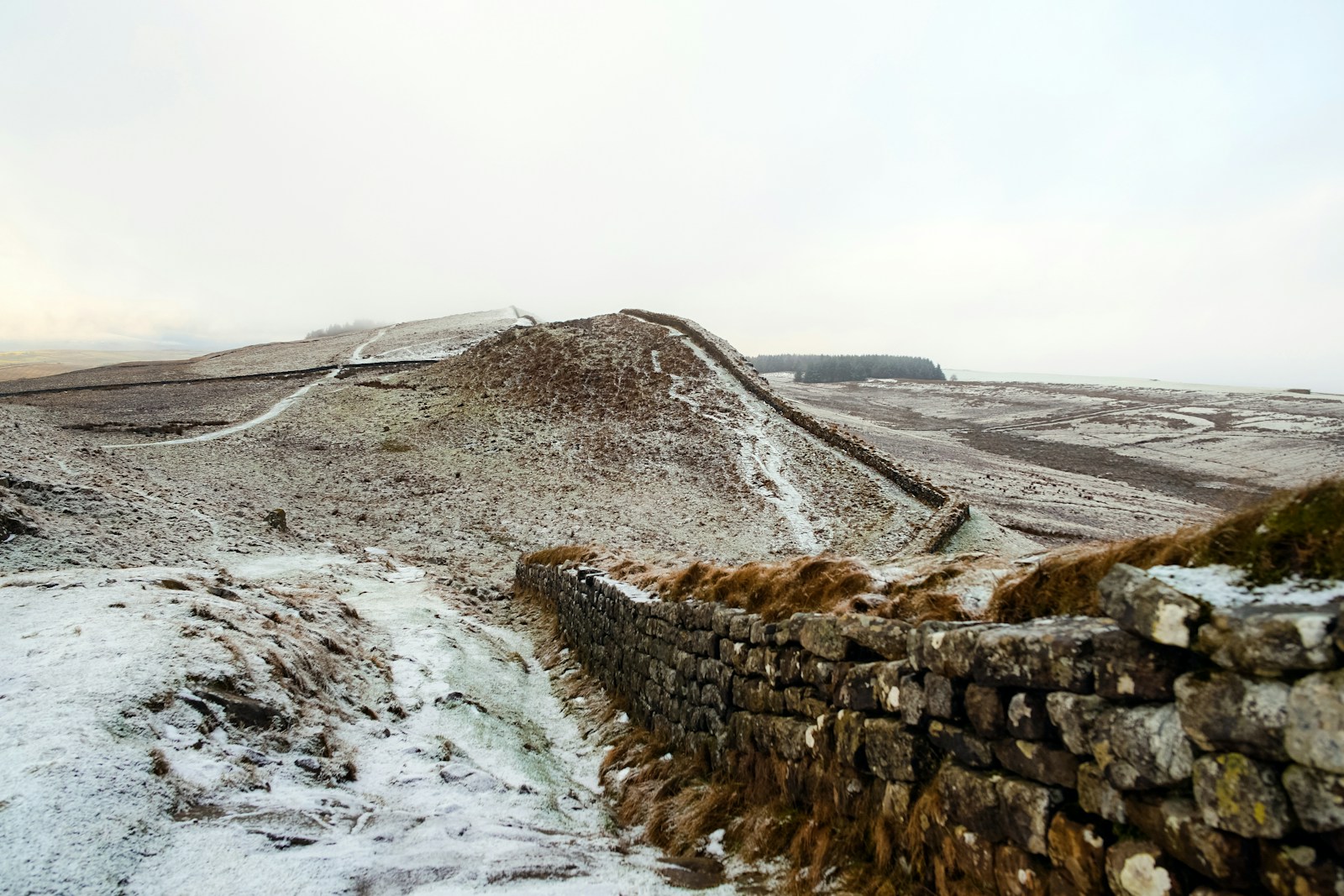
landscape photography of grey bricked wall near mountain

Introduction

Picture this: the warm sun on your back, the windows rolled down, and classic rock playing in the background as you cruise down a historic route flanked by rolling hills and ancient stone walls. You are on the road, exploring one of the most captivating and culturally rich countries in the world—Great Britain. This journey will take you down the ancient paths of the Romans, whose impressive roads still influence modern travel. Buckle up as we embark on an adventure through time, exploring the marvels of Roman engineering and the stunning landscapes of Britain!

A Brief History of Roman Roads

To understand the significance of the journey, let’s rewind to 43 AD, when the Romans invaded Britain. Their primary objective? To consolidate their empire and expand their influence. One of their most enduring legacies is the extensive network of roads they built across the country, designed for military efficiency and trade.

The Romans constructed over 10,000 miles of roads, connecting cities, forts, and settlements. These roads were ingeniously engineered, often straight, and made to withstand heavy usage. They were built with layers of sand, gravel, and large stones—a testament to Roman ingenuity that can still be seen today. As you travel along these ancient routes, you’ll not only be following in the footsteps of soldiers and traders but also immersing yourself in a living history that has shaped modern Britain.

Preparing for the Adventure

Before setting off, it’s essential to prepare for your journey. Here are a few tips to help you maximize your road trip experience:

Choose Your Route Wisely

While the Romans built numerous roads across Britain, certain routes stand out for their historical significance and scenic beauty. Consider the following famous Roman roads as key stops on your journey:

  • Watling Street: This ancient highway runs from Dover to Wroxeter and has been a significant route since Roman times. You’ll find charming villages, historical landmarks, and stunning views along the way.

  • Fosse Way: Connecting Exeter to Lincoln, this picturesque route will take you through the heart of the Cotswolds and past numerous Roman ruins.

  • Ermine Street: This road runs from London to York and is famous for its well-preserved sections. The journey offers a blend of bustling cities and tranquil countryside.

Plan Your Stops

British history is packed with fascinating sites, and your adventure should include plenty of stops along the way. Make sure to visit Roman ruins, castles, and museums that can deepen your understanding of this rich heritage. A few must-see locations include:

  • Bath: Known for its Roman baths and stunning Georgian architecture, Bath is a perfect blend of ancient and modern.

  • Hadrian’s Wall: This UNESCO World Heritage site stretches across northern England and offers breathtaking views, ancient forts, and an opportunity to hike along the wall.

  • Verulamium: This archaeological site in St Albans offers a glimpse into Roman life, complete with well-preserved mosaics and the remnants of a theater.

Pack Smart

When packing for your adventure, keep in mind that the British weather is famously unpredictable. Layer your clothing, and bring comfortable shoes for walking, as well as a waterproof jacket. Don’t forget your camera! You’ll want to capture the breathtaking landscapes and historical sites along the way.

The Journey Begins: Watling Street

As you set off on your road trip, let’s begin with Watling Street, one of the most famous Roman roads. Starting from the coastal town of Dover, this route takes you through the lush countryside of Kent. Make a pit stop in Canterbury, home to the impressive Canterbury Cathedral, a UNESCO World Heritage site. It’s the perfect blend of history and spirituality, where you can soak up the atmosphere of one of England’s most important religious sites.

Continue along Watling Street into the picturesque market town of Faversham. Here, you can explore charming cobblestone streets and enjoy a local meal at one of the many pubs. Don’t miss the opportunity to sample some traditional fish and chips!

After a delightful lunch, you’ll continue your journey towards London, where you can explore Roman ruins like the London Wall and the remains of the amphitheater in the heart of the city. It’s fascinating to think about the ancient Romans thriving in this bustling metropolis, which still serves as a global hub today.

Discovering Fosse Way

Next on our journey is the idyllic Fosse Way, renowned for its beautiful landscapes and rich history. As you leave the frenetic energy of London, you’ll find yourself surrounded by the gentle hills and quaint villages of the Cotswolds. This is where you can truly appreciate the beauty of Britain.

Stop in Cirencester, known as the “Capital of the Cotswolds.” The Corinium Museum here is a treasure trove of Roman artifacts, illustrating the town’s significance during Roman Britain. You can even explore the remains of the Roman amphitheater nearby.

As you continue along the Fosse Way, the charming village of Broadway is well worth a visit. It’s a quintessential Cotswold village with honey-colored stone buildings and beautiful gardens. Take a stroll down the High Street and enjoy a cup of tea at a local café.

Exploring Ermine Street

Transitioning to Ermine Street, you’ll head north toward York. Along the way, stop in Lincoln, where you can marvel at the impressive Lincoln Cathedral and the historic Lincoln Castle. The castle’s walls were built atop Roman ruins, so it’s a perfect stop to connect the dots between past and present.

As you continue your travels, you’ll reach York, where the remnants of Roman history are abundant. Visit the York Minster, one of the largest cathedrals in Europe, and the Roman walls that still encircle the city. Take a leisurely stroll through the Shambles, a historic street known for its medieval architecture and delightful shops.

Unique Experiences Along the Way

Let’s not forget to sprinkle some unique experiences into your road trip! Here are a few suggestions that will add depth to your journey:

Roman Reenactments

Check local listings for any Roman reenactment events along your route. These events can provide a lively look at Roman military life, complete with authentic costumes, weapons, and demonstrations. It’s a fantastic way to engage with history!

Guided Tours

Consider taking a guided tour at historical sites. Local historians can provide insight that you might miss when exploring on your own. It’s like having your own personal time machine, transporting you back to the days of Roman Britain.

Culinary Delights

Don’t overlook the local cuisine! Each region you pass through has its own specialties. Try the local cheeses in the Cotswolds, sample fresh seafood in coastal towns, or indulge in a hearty Yorkshire pudding.

Conclusion

As your adventure through the ancient Roman roads of Great Britain comes to an end, take a moment to reflect on the rich tapestry of history you’ve encountered. The remnants of Roman engineering and the beauty of the British landscape are perfectly intertwined, creating an unforgettable journey. Whether you’re wandering through ancient ruins, savoring local cuisine, or simply enjoying the open road, this road trip will leave you with memories that last a lifetime.

So what are you waiting for? Grab your map, rally your friends or family, and hit the road! The ancient Roman paths are calling, and an adventure of a lifetime awaits.