Posted on Leave a comment

Uncovering the Secrets of Britain’s Ancient Forest Carvings: A Journey Through History and Mystery

The Mystery of Britain’s Ancient Forest Carvings

Britain is a land steeped in history and folklore, with landscapes that whisper secrets of the past. Among its many treasures, the ancient forest carvings stand out as enigmatic symbols etched into the very fabric of our woodlands. From the rugged peaks of Scotland to the rolling hills of the English countryside, these carvings invite curiosity and speculation. What stories do they tell? Who made them? Let’s take a stroll through this captivating topic and uncover the mystery of Britain’s ancient forest carvings.

A Walk Through History

When we think of ancient art, we might envision cave paintings or monumental stone carvings. However, the tradition of carving into wood and stone has a rich heritage in the British Isles. Many of these carvings date back to the early inhabitants of Britain, long before the Romans arrived. These ancient people had a profound relationship with nature, and it’s believed that they often expressed their spirituality and communal stories through carvings.

The Carvings: More Than Just Marks

The forest carvings in Britain are not just random marks on tree trunks or stones; they are often intricate designs that hint at deeper meanings. Some carvings depict animals, while others illustrate geometric patterns or spirals. Each carving is thought to serve a purpose – from religious rituals to territorial markers.

For example, the famous Woods of Whistlecraft in Northumberland is home to a collection of carvings that include symbols resembling animals, believed to represent local wildlife. Meanwhile, the Silbury Hill in Wiltshire features carvings thought to signify the connection between human beings and the land itself.

Theories Abound

With such a rich tapestry of history, it’s no wonder that the origins of these carvings have sparked numerous theories. One popular theory suggests that they were created by early Celtic tribes, who used them as a way to communicate their beliefs and traditions. The Celts had a deep respect for nature and believed that trees were sacred. Thus, they might have carved symbols into trees to honor the spirits of the forest.

Another theory posits that these carvings were used as navigational aids. In a time before maps and compasses, early inhabitants may have relied on these symbols to guide them through dense woodlands. It’s not uncommon to find carvings aligned with natural features, suggesting a possible relationship between the carvings and the geographical landscape.

Notable Locations for Ancient Carvings

If you’re intrigued and want to see some of these extraordinary carvings for yourself, several locations across Britain are worth a visit. Let’s examine some notable sites where you can immerse yourself in this ancient artistry.

1. The Forest of Dean

Located in Gloucestershire, the Forest of Dean is not only an area of outstanding natural beauty but also home to several ancient carvings. One of the most famous is the Wish Tree, where locals and visitors alike carve their wishes into the bark. The forest is also dotted with relics from the Iron Age that suggest a long-standing relationship between people and this magical woodland.

2. The Lake District

The Lake District is renowned for its stunning landscapes, but it also hides secrets in its forests. Within the Grizedale Forest, you can find several contemporary sculptures and installations that pay homage to the ancient tradition of carving. Additionally, older carvings have been discovered in the area, inviting contemplation about the lives of past inhabitants.

3. Kendal’s Abbot Hall

This lesser-known gem offers a unique glimpse into the region’s history, including its ancient carvings. The museum houses several artifacts from the area, along with information about the carvings that have been found nearby. It’s a perfect spot for history enthusiasts to delve deeper into the relationship between past and present.

4. The New Forest

In the New Forest, a national park in southern England, you can find ancient woodlands that are home to carvings dating back hundreds, if not thousands, of years. The park’s rich biodiversity and history make it an ideal location for exploring these mysterious symbols. With its free-roaming ponies and ancient trees, it’s a picturesque place to ponder the stories behind the carvings.

Modern Interpretations

As we move into the present day, the fascination with ancient carvings continues to grow. Modern artists and historians are inspired by these age-old symbols, creating new works that resonate with their ancient counterparts. Some even incorporate traditional techniques into their artwork, melding the old with the new.

Additionally, contemporary technology has opened up new avenues for understanding these carvings. Techniques like 3D scanning and digital mapping allow researchers to analyze carvings in unprecedented ways. Through these methods, we can uncover details that may have gone unnoticed for centuries, offering fresh insights into the past.

Nature and Preservation

As we admire these ancient carvings, it’s essential to consider their preservation. Many of these sites face threats from natural erosion and human activities. Conservation efforts are vital to protect these historical treasures for future generations. Organizations and local communities are increasingly banding together to raise awareness about the importance of safeguarding these carvings and their surroundings.

Conclusion: The Magic Remains

The mystery of Britain’s ancient forest carvings is a testament to the enduring relationship between humanity and nature. These remnants of the past offer us a glimpse into the spiritual, cultural, and practical lives of our ancestors. Whether you stumble upon a carving on a forest walk or read about them in books, the allure of these symbols continues to captivate our imaginations.

As we explore these ancient stories, we are reminded that our connection to nature is timeless. So, next time you find yourself wandering through a British woodland, take a moment to look closely at the trees and stones around you. Who knows what tales they might have to tell? The ancient carvings may just be waiting to share their secrets with you.

Posted on Leave a comment

The Mystery of Britain’s Stone Circles Finally Solved: Uncovering Ancient Secrets

The Mystery of Britain’s Stone Circles Finally Solved?

When wandering through the serene countryside of Britain, you might stumble upon an ancient stone circle. These monumental structures, with their massive rocks standing tall against the backdrop of rolling hills, have puzzled historians, archaeologists, and curious wanderers for centuries. They evoke a sense of mystery and wonder—what secrets do they hold? Who built them, and why? After years of speculation and research, could it be that the mystery of Britain’s stone circles is finally being unraveled? Let’s take a deep dive into the captivating world of these prehistoric wonders.

A Brief Overview of Stone Circles

Stone circles are arrangements of standing stones, often circular or oval in shape, and many date back to the Neolithic and Bronze Ages. The most famous among them, Stonehenge, is perhaps the most iconic, but the UK is dotted with over a thousand stone circles, each with its own unique character and lore. While Stonehenge is renowned for its massive stones and astronomical alignments, places like Avebury and the Ring of Brogdar in Orkney offer their own enchanting stories.

These ancient formations are not merely rocks arranged in circles; they represent a rich tapestry of human history, spirituality, and social organization. Historians and archaeologists have long debated their purpose, from religious sites and astronomical observatories to communal meeting points and burial grounds.

Theories Abound: What Were They For?

Over the decades, several theories have emerged regarding the purpose of these stone circles. Let’s explore some of the most prominent ideas.

Ceremonial and Religious Sites

One of the most widely accepted theories is that stone circles served as ceremonial and religious sites. Many believe that these structures were places of worship, where ancient peoples would gather to honor their gods or mark significant life events such as births, marriages, and deaths. The alignment of certain circles with celestial bodies suggests that the ancients had a keen understanding of astronomy and the changing seasons.

Stonehenge, for instance, is famously aligned with the summer solstice sunrise. Thousands flock to the site every year to witness the sun rising over the stones, a ritual that echoes ancient practices. This connection to the cosmos hints at a spiritual or religious significance that transcends mere practicality.

Astronomical Observatories

Another intriguing angle is the theory that these circles were used as astronomical observatories. The precise alignment of some stone circles with solstices and equinoxes raises questions about the ancient peoples’ understanding of astronomy. By observing celestial movements, they could have developed calendars to track the seasons for agriculture, hunting, and ritual timing.

Studies have shown that many stone circles correlate with solar and lunar events, suggesting that these sites were integral to the community’s understanding of time and the natural world. This connection to the cosmos reflects a sophisticated level of knowledge and reverence for the rhythms of nature.

Social and Communal Spaces

Beyond their spiritual and astronomical significance, stone circles may have served as important social and communal spaces. These gatherings might have fostered a sense of community, providing a place for people to come together for important announcements, negotiations, and celebrations. The sheer size and effort involved in constructing these monuments suggest that they were central to the social fabric of ancient societies.

Imagine a bustling scene where people gathered, sharing stories, exchanging goods, and engaging in ritualistic activities. The stone circles could have been a focal point for cultural identity and cohesion, acting as landmarks that defined the landscape and the people who inhabited it.

Recent Discoveries and Ongoing Research

As technology advances, so too does our understanding of these ancient structures. Recent studies have yielded significant insights into their construction, purpose, and the societies that built them.

Ground-Penetrating Radar

Innovative techniques like ground-penetrating radar (GPR) have allowed researchers to investigate stone circles without disturbing the sites. GPR can reveal subsurface features, offering clues about what lies beneath the surface. For example, some researchers have discovered that certain stone circles are far more complex than initially thought, with hidden structures that may indicate they were part of larger ceremonial landscapes.

DNA Analysis

One of the most exciting developments in recent years has been the use of DNA analysis to study ancient human remains found near these sites. By extracting and analyzing DNA from burial sites, researchers can shed light on the population dynamics, health, and lifestyle of the people who constructed these monuments. This genetic evidence can help us understand how different groups interacted and the social networks that existed long ago.

Interdisciplinary Approaches

As the field of archaeology embraces interdisciplinary approaches, researchers are combining insights from geology, anthropology, and even environmental science to develop a fuller picture of the significance of stone circles. For instance, examining the geological composition of the stones can reveal how far they were transported and the resources available in the area. This information can provide context for understanding trade routes and social connections.

The Cultural Legacy of Stone Circles

The fascination with stone circles endures not only for their historical significance but also for their cultural legacy. They have inspired countless myths, legends, and works of art. From folklore to literature, these ancient structures continue to capture the imagination of people across generations.

Folklore and Legends

Stone circles are often steeped in myth and legend. Tales of giants, fairies, and ancient druids abound, weaving a rich tapestry of lore that adds to their mystique. In many communities, these stories serve as a way to connect past and present, reminding us of the deep roots of our cultural heritage.

Modern Spiritual Practices

In contemporary times, stone circles have become sites of modern spiritual practices, attracting those interested in neo-paganism and ancient traditions. People gather to celebrate the solstices, equinoxes, and other significant celestial events, creating a bridge between past beliefs and present practices. This revival highlights the enduring importance of these sites in our collective consciousness.

Tourism and Preservation

With the rise of interest in heritage tourism, stone circles are increasingly recognized as pivotal attractions. Sites like Stonehenge draw millions of visitors each year, and the economic benefits are undeniable. However, this influx of tourists raises questions about preservation and the impact on these ancient structures. Balancing accessibility with conservation is crucial to ensuring that future generations can appreciate these wonders.

Conclusion

The mystery of Britain’s stone circles may not be entirely solved, but recent discoveries and ongoing research provide tantalizing glimpses into their purpose and significance. Whether viewed as ceremonial sites, astronomical observatories, or communal gathering places, these ancient structures continue to resonate with people today. They remind us of our shared human experience, our connection to the cosmos, and the rich tapestry of history that shapes our identity.

As we continue to explore and understand these enigmatic monuments, we are reminded of the profound questions they raise about our past, our beliefs, and our place in the world. So, the next time you find yourself wandering among the ancient stones, take a moment to reflect on the lives of those who came before, and perhaps, let the mystery of the stone circles weave its magic around you once more.
Posted on Leave a comment

Exploring Britain’s Hidden Roman Ruins: Unearthing Ancient Treasures Beneath Our Streets

Britain’s Hidden Roman Ruins: What Lies Beneath Our Streets

As you stroll through the streets of modern Britain, it’s easy to get lost in the hustle and bustle of everyday life. The sound of traffic, the chatter of pedestrians, and the glimmer of shop windows can all seem quite overwhelming. But beneath the lively surface of our cities lies a treasure trove of history that dates back to the time of the Romans. Yes, hidden beneath our feet are remnants of a once-mighty empire that shaped the landscapes we now inhabit. So, grab your walking shoes and a sense of curiosity as we delve into the fascinating world of Britain’s hidden Roman ruins!

A Brief Overview of Roman Britain

The Romans arrived in Britain in AD 43 under Emperor Claudius. Their conquest was marked by the establishment of towns, roads, and fortifications that transformed the island’s landscape. Over the next few centuries, they laid down the groundwork for what would eventually become modern Britain. Roman Britain was a melting pot of cultures, with local tribes mingling with Roman soldiers, traders, and settlers. The Romans left behind a legacy that includes not only structures and artifacts but also the very fabric of our legal and political systems.

Roman Towns and Cities: Where to Look

When thinking of Roman ruins, you might immediately picture crumbling stone structures or grand amphitheaters. While those are certainly spectacular, many of the most intriguing Roman sites are far less obvious. Let’s take a closer look at some of the locations where you can uncover this hidden history.

Londinium: The Roman Heart of London

London is a bustling metropolis, and while it seems that every corner has been modernized, the spirit of Roman Londinium still lingers. The Roman city was founded around AD 47 and became a significant commercial hub. Today, you can visit the ruins of the Roman amphitheater located near the Museum of London. Unearthed in the 1980s, this impressive site offered a glimpse into the past, showcasing the arena where gladiators once fought for their lives.

Additionally, the remnants of the Roman wall that encircled Londinium can still be seen in several locations throughout the city. Parts of this ancient fortification, constructed around AD 200, have been integrated into later structures, making it a unique part of London’s architectural tapestry. A short walk around the city can reveal these hidden gems tucked between shops and cafes.

Bath: The Roman Spa Town

Bath is famous for its well-preserved Roman baths, a stunning example of ancient engineering and architecture. The site, which dates back to the first century AD, was built around the natural hot springs that the Romans believed to be sacred. The Great Bath, a large rectangular pool surrounded by colossal stone columns, is the centerpiece of the complex and attracts visitors from around the world.

When exploring Bath, be sure to check out the adjacent temple dedicated to Sulis Minerva, a goddess worshipped by both the Romans and local Celtic tribes. The intricate carvings, inscriptions, and artifacts discovered at this site provide insights into the spiritual life of the Romans in Britain. The combination of history, architecture, and the enchanting experience of soaking in the mineral-rich waters makes Bath a must-visit destination.

Chester: The Walls That Tell a Story

Chester is another city where the influence of the Romans is palpable. Founded as a Roman fort called Deva Victrix, Chester has one of the most complete city walls in Britain, built during the Roman period. Visitors can walk along these ancient walls, enjoying views of both the city and the River Dee, all while imagining what life was like in Roman Britain.

Within the city, the Roman amphitheater, which is the largest in Britain, can also be explored. This open-air venue hosted various events, including gladiatorial games. Recent excavations have revealed additional layers of history, providing a fascinating glimpse into the lives of those who would have gathered here for entertainment.

The Secret of Silchester

While many Roman ruins are well-known, some remain hidden gems waiting to be discovered. Silchester, located near Reading, is one of those secret sites. Once a thriving Roman town known as Calleva Atrebatum, it was abandoned in the early medieval period. Today, the site is partially excavated, revealing the remnants of streets, walls, and public buildings.

What makes Silchester particularly captivating is its sense of mystery. Unlike other Roman sites, which have been extensively restored, Silchester offers an authentic glimpse into the past. You can wander through the remains of the town, walk along its streets, and imagine the lives of its inhabitants. The ongoing archaeological work here means that every visit has the potential for new discoveries.

The Role of Archaeology in Uncovering History

The story of Britain’s Roman ruins is one of constant discovery. Thanks to the tireless work of archaeologists, new sites are uncovered and existing ones are reinterpreted. Techniques such as ground-penetrating radar, aerial photography, and meticulous excavation have unveiled numerous Roman artifacts, from pottery and coins to everyday items like tools and jewelry.

Archaeological finds often lead to public exhibitions and educational programs, allowing everyone to appreciate the rich tapestry of history that lies beneath our feet. The collaboration between archaeologists and local communities helps raise awareness about the importance of preserving these sites for future generations.

Preserving Our Roman Heritage

As we uncover these hidden Roman treasures, it’s essential to consider how we preserve them. Urban development, climate change, and neglect pose significant threats to our archaeological heritage. Local authorities, historians, and communities must work together to protect these sites, ensuring that current and future generations can enjoy and learn from them.

Many heritage organizations are actively involved in conservation efforts. Initiatives to promote awareness, funding for archaeological digs, and community involvement in preservation projects are all crucial in safeguarding our Roman ruins. By valuing our past, we ensure that these incredible stories continue to resonate with those who walk the streets above them.

Conclusion: A Journey Through Time

Exploring Britain’s hidden Roman ruins is like embarking on a time-traveling adventure. Each site tells a story, offering insights into the lives of those who came before us. From the bustling streets of Londinium to the serene baths of Bath and the ancient walls of Chester, these remnants of Roman Britain are waiting to be uncovered.

So, the next time you wander through the streets of a British city, pause for a moment and consider what lies beneath. The echoes of history are all around us, inviting us to discover the remarkable tales hidden in the shadows of modernity. With every step, we connect with the past, gaining a deeper appreciation for the layers of history that have shaped our present. Let’s make it a collective mission to seek out, cherish, and preserve these incredible remnants of an empire that continues to influence our lives today.

Posted on Leave a comment

Discover the Secrets Beneath: Exploring Britain’s Hidden Underground Tunnel Network

Hidden Underground: Britain’s Network of Secret Tunnels

When you think of Britain, your mind might wander to lush green landscapes, historic castles, or perhaps a lively pub in the heart of London. But beneath the surface of this picturesque nation lies a hidden world – a network of secret tunnels that winds its way through the fabric of British history. These passageways, some ancient and others more modern, tell stories of intrigue, rebellion, and survival. So grab your hard hat and a flashlight, and let’s embark on a journey to explore the hidden underground of Britain.

A Brief History of Tunnels in Britain

The use of tunnels in Britain dates back thousands of years. One of the earliest examples can be found in the prehistoric site of Silbury Hill, where evidence suggests that ancient cultures used underground chambers and tunnels for ceremonial purposes. Fast forward to the Roman era, and we see the construction of extensive underground systems for drainage and aqueducts, designed to support their mighty empire.

As the centuries rolled on, the needs and purposes of tunnels evolved. During the Middle Ages, towns began to develop complex systems for defense, trade, and transportation. The rise of the Industrial Revolution in the 18th and 19th centuries brought about a significant increase in tunnel construction, as railways and underground water systems became essential for urban development.

The London Underground: A World of Its Own

Perhaps the most famous subterranean network in Britain is the London Underground, fondly known as “the Tube.” Opened in 1863, the Tube is one of the oldest underground railways in the world. It features 11 lines and serves 272 stations, making it an integral part of London’s transportation system. But beyond its primary function of moving commuters, the Tube harbors fascinating secrets.

For instance, the abandoned stations of the Underground are a treasure trove of history. Stations like Aldwych and Somerset House, once bustling with passengers, now sit in eerie silence, preserved in time. Many of these stations were closed during World War II due to their vulnerability to bombings, while others simply fell out of favor as transport needs changed. Today, they offer a glimpse into what life was like in the bustling metropolis of yesteryear.

The Secret Tunnels of London

While the Tube is a well-known underground system, London is riddled with a multitude of secret tunnels that date back to different eras and served various purposes. Some of these tunnels were used for escape and smuggling, while others were constructed for secret meetings during times of political strife.

The Mail Rail

One of the lesser-known subterranean treasures is the Mail Rail, a former underground railway that operated from 1927 to 2003. It was designed to transport mail across the city, bypassing the traffic above ground. The Mail Rail ran for 6.5 miles beneath London, linking several mail sorting offices. Today, parts of the Mail Rail have been restored and are open for public tours, allowing visitors to experience a ride on this forgotten railway.

The Great Escape Tunnels

If you’ve seen the film “The Great Escape,” you know about the infamous tunnels dug by prisoners of war during World War II. While the film is based on a true story, the reality of escape tunnels is just as thrilling. Not far from the famous Stalag Luft III, prisoners painstakingly excavated tunnels named “Tom,” “Dick,” and “Harry” in a bid for freedom. Although most of these tunnels were discovered before they could be fully utilized, they remain a testament to the ingenuity and determination of those who sought to escape.

The Mystique of the Crypts

Beneath some of Britain’s most iconic churches and cathedrals, you’ll find crypts and burial chambers that often feature labyrinthine tunnels. These subterranean spaces were historically used for burials and as places of worship. For instance, the crypt beneath St. Martin-in-the-Fields in London is home to a series of tunnels that once linked the church to nearby hospitals and graveyards, allowing for the swift transportation of the deceased.

These tunnels aren’t just relics of the past; they also serve as a canvas for modern events, such as art exhibitions and classical music performances. The combination of history and contemporary culture makes these crypts a unique point of interest for both tourists and locals alike.

The Scottish Connection: Edinburgh’s Underground Vaults

Venture north to Scotland, and you’ll discover the enigmatic underground vaults of Edinburgh. Built in the 18th century, these vaults were initially used as storage spaces for merchants and craftsmen. However, they quickly became a haven for the city’s poorer residents as life on the streets became increasingly dire.

The underground vaults were notorious for their damp and dark conditions, becoming associated with crime, poverty, and superstition. Ghost tours operate in this area, capitalizing on the vaults’ haunted reputation, and many claim to have felt the presence of spirits while exploring these shadowy spaces.

The Impact of the Tunnels on Modern Culture

Tunnels have not only played an essential role in history but have also left an indelible mark on modern British culture. From literature to film, the underground has been a source of inspiration for countless artists and creators.

For instance, the famous children’s book series “Harry Potter” features a plethora of tunnels and hidden passageways at Hogwarts School of Witchcraft and Wizardry. From the Chamber of Secrets to the Forbidden Forest, J.K. Rowling’s magical world draws heavily on the idea of hidden spaces and secret paths, echoing the real-life underground mysteries of Britain.

Conclusion: The Allure of the Underground

Britain’s network of secret tunnels may be hidden from plain sight, but their stories resonate through the ages. Each tunnel holds a piece of the country’s rich and varied history, offering insights into the lives of those who walked before us. Whether you’re exploring the depths of the London Underground, wandering through Edinburgh’s haunted vaults, or delving into the mystery of ancient burial crypts, the subterranean world of Britain invites you to embark on a journey into the past.

As urban development continues, the importance of these tunnels as cultural and historical relics cannot be overstated. They remind us that beneath the bustling streets and modern facades lies a hidden world brimming with stories waiting to be uncovered. So, the next time you’re walking through a British city, consider what lies beneath your feet – a network of secret tunnels, a rich tapestry of history, and an adventure just waiting to be explored.

Posted on Leave a comment

Unveiling the Secrets: The Mysterious History of Britain’s Ancient Standing Stones

The Mysterious History of Britain’s Ancient Standing Stones

When you think of ancient history, what comes to mind? Perhaps the pyramids of Egypt, the Acropolis in Athens, or the Great Wall of China? But nestled within the rolling hills and verdant landscapes of Britain lies an equally enchanting and enigmatic feature of our collective past: the ancient standing stones. These towering monoliths, with their weathered surfaces and silent histories, have captured the imaginations of countless generations. From Stonehenge to Avebury, they are more than mere rocks; they are storytellers of a time long gone. So, let’s embark on a journey to uncover the mysteries behind Britain’s ancient standing stones!

A Brief Overview of Standing Stones

Standing stones, or menhirs, are large stones that have been erected vertically in the ground. They often vary in size, shape, and material, but what unites them is their historical significance. Dating back to the Neolithic and Bronze Ages, these stones are usually associated with ancient rituals, burial practices, and astronomical alignments.

While they can be found in many parts of the world, Britain boasts an impressive concentration of these ancient structures. There are thousands of standing stones scattered across the landscape, each with its own unique story. But what inspired our ancestors to erect such monumental stones? And what do they signify?

The Purpose of the Standing Stones

To understand the purpose of these stones, we need to dive into the mindset of our ancient forebears. The Neolithic people were deeply connected to the earth, the skies, and the cycles of nature. It is believed that standing stones served various purposes:

1. Ritual and Ceremony

Many archaeologists theorize that standing stones were central to ancient rituals and ceremonies. They may have been used as altars, places of worship, or gathering points for communal events. The act of raising a stone could have been a way to connect with the divine or to honor ancestors.

2. Burial Practices

Some standing stones are found within burial mounds or nearby ancient burial sites, suggesting they played a significant role in funerary practices. It is thought that the stones acted as markers for graves or were part of elaborate burial rituals intended to honor the dead.

3. Astronomical Alignments

Several standing stones are aligned with celestial events, such as solstices and equinoxes. This suggests that ancient peoples had a keen understanding of astronomy and used these stones to track the passage of time, agricultural cycles, and significant events in their lives.

Famous Sites of Standing Stones

As we traverse the scenic countryside of Britain, we encounter several significant sites of standing stones, each steeped in its own rich history.

Stonehenge

No discussion of standing stones would be complete without mentioning Stonehenge. This world-famous site, located on the Salisbury Plain in Wiltshire, is perhaps the most iconic example of prehistoric architecture in Britain. Dating back to around 3000 BC, it features a circular arrangement of massive stones, with the largest standing at 13 feet high and weighing up to 25 tons.

The precise purpose of Stonehenge remains a mystery, with theories ranging from an ancient observatory to a site of healing. What we do know is that over the millennia, this remarkable monument has drawn countless visitors, inspiring awe and curiosity.

Avebury

A lesser-known but equally impressive site is Avebury, located just 20 miles from Stonehenge. Unlike Stonehenge, which is a horseshoe-shaped circle of stones, Avebury encompasses a massive circular earthwork with a complex of stones arranged inside. What sets Avebury apart is its sheer scale; it is the largest stone circle in Europe.

Avebury’s history dates back to around 2600 BC, and it is believed to have been a significant ceremonial site. The village of Avebury itself is nestled within this ancient monument, and you can often find visitors exploring the stones and marveling at their grandeur.

Callanish Stones

On the Isle of Lewis in Scotland, the Callanish Stones stand in stark contrast to the landscapes that surround them. Dating back to 3000 BC, this site features a central stone circle, with a remarkable alignment towards the rising sun on the summer solstice. The arrangement suggests that the stones were used for astronomical observations, connecting the ancient peoples to the cycles of nature.

The Callanish Stones evoke a sense of mystery and magic, as if they guard the secrets of the past. Visitors often describe a striking energy emanating from the site, making it a popular destination for those seeking a connection to ancient spirituality.

Legends and Myths Surrounding the Stones

Many standing stones are steeped in folklore and legends, adding a layer of intrigue to their already mysterious nature. The stories often involve giants, gods, or magical beings. For instance, one popular legend surrounding the stones of Stonehenge tells of a giant who transported the stones from Ireland, placing them in their current location to create a monument of great power.

Similarly, the menhirs of Brittany in France are said to have been once transformed into stone by a druid’s curse. These tales reflect the human need to explain the unexplainable, giving life to the stones through the rich tapestry of mythology.

The Modern Connection

Today, the ancient standing stones continue to inspire and fascinate. They serve as a reminder of our shared heritage, connecting us to those who walked the land thousands of years ago. Modern pagans and spiritual seekers often visit these sites for rituals or ceremonies, seeking to tap into the ancient energies that linger there.

Moreover, standing stones have also become popular tourist destinations, drawing visitors from around the globe. Their significance is recognized not just for their aesthetic beauty but also for their role in understanding the human past.

Preservation and Protection

As interest in these ancient monuments grows, so does the need for their preservation. Many standing stones are at risk from natural erosion, vandalism, and the encroachment of modern development. Organizations and communities are working tirelessly to protect these sites, ensuring that future generations can witness their majesty and mystery.

Efforts range from archaeological studies to educational programs aimed at raising awareness about the importance of these sites. In recent years, there has been a push for sustainable tourism that encourages respect for the environment and cultural heritage.

Conclusion

The ancient standing stones of Britain are more than mere relics of the past; they are a window into the lives and beliefs of our ancestors. As we stand before these imposing structures, we are reminded of the deep connections humans have always had with the earth, the cosmos, and each other.

From the solemnity of Stonehenge to the enchantment of the Callanish Stones, these monuments invite us to ponder the mysteries of time, space, and existence. They remind us that while we may have moved on to a more modern way of life, the echoes of the past still resonate within our hearts. As we seek to understand our history, the standing stones will continue to stand tall, guardians of the stories yet to be told.

Posted on Leave a comment

Secret Britain: Ancient Sites That Rival Stonehenge Without the Crowds

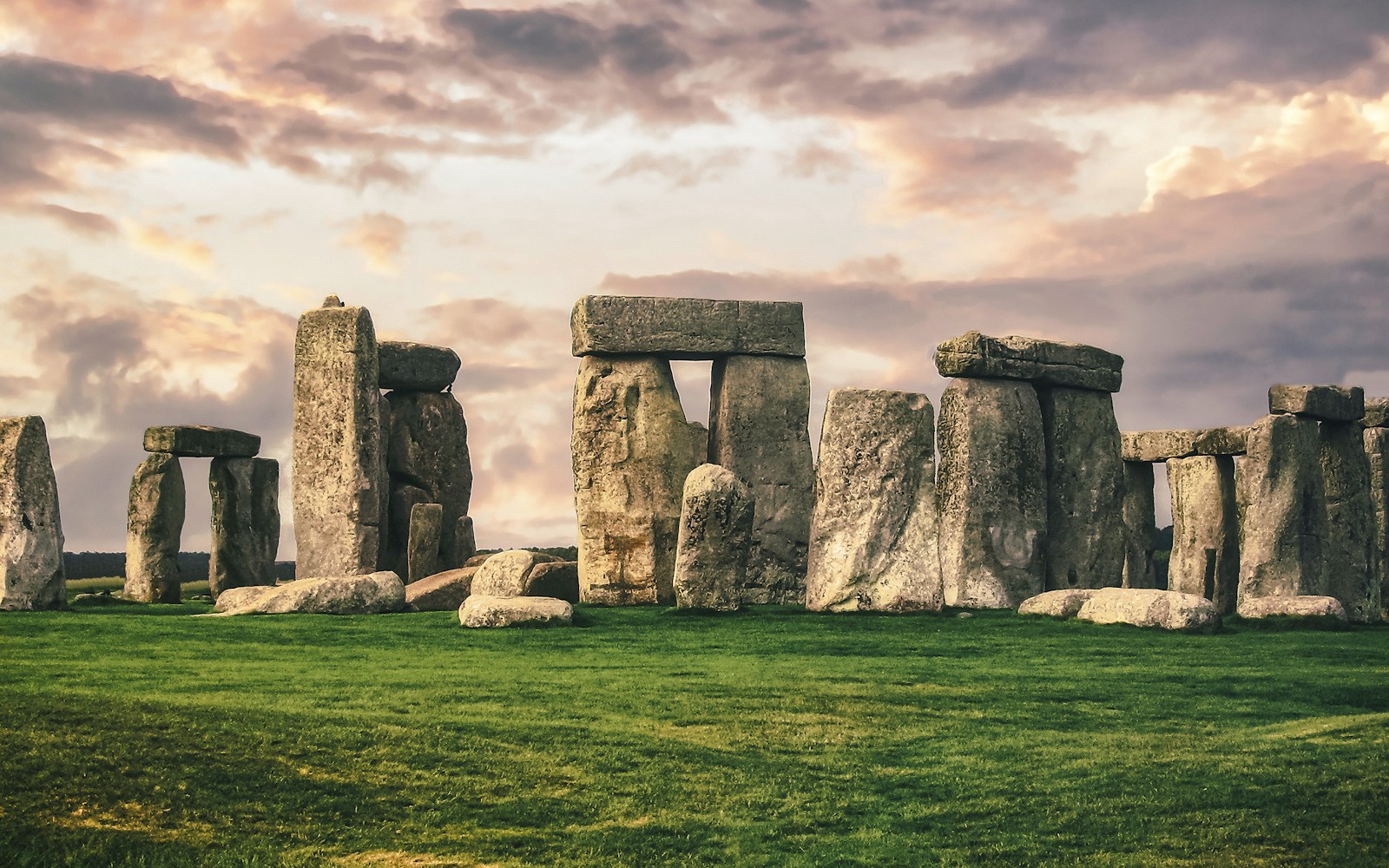
gray rock formation on green grass field under gray cloudy sky

Discovering Hidden Gems: Ancient Sites Beyond Stonehenge

When we think of ancient Britain, the majestic Stonehenge often steals the spotlight. This iconic stone circle draws millions of visitors each year, leaving many to wonder if there are other equally fascinating sites that are less trodden and rich in history. In this journey through time, we’ll explore some of these hidden gems that rival Stonehenge but come with significantly fewer crowds. Let’s lace up our walking shoes and dive into the enchanting world of ancient sites waiting to be discovered!

The Allure of the Ancient

Britain is sprinkled with ancient sites that tell the story of our ancestors, their beliefs, and their way of life. These locations often evoke a sense of wonder and curiosity, transporting us to a time when the landscape was shaped by rituals and traditions. While Stonehenge is undoubtedly impressive, it’s refreshing to seek out the quieter corners of Britain’s history.

Avebury: A Stone Circle Like No Other

A stone’s throw from Stonehenge sits Avebury, a sprawling stone circle that not only rivals its more famous neighbor in size but also offers a unique experience. Established around 2850 BC, this UNESCO World Heritage Site features the largest stone circle in Europe, encompassing the village of Avebury itself.

Why Visit?

  • Fewer Crowds: Unlike Stonehenge, which can feel like a bustling marketplace, Avebury offers a serene atmosphere where you can wander among the stones at your leisure.
  • Interactive History: You can walk right up to the stones, touch them, and even sit in their shadows, creating a tactile connection to the past.
  • Thought-Provoking Lore: The site is steeped in folklore, including tales of giants and ancient rituals that make for captivating storytelling.

Stroll through the village, pop into the Avebury Manor, and explore the small museum dedicated to the site. Every corner of Avebury has a story waiting to be told.

Silbury Hill: The Enigmatic Mound

Just a short distance from Avebury lies Silbury Hill, a massive artificial mound that rises 40 meters high. Believed to have been constructed around 2400 BC, its purpose remains a mystery. Was it a burial site, a ceremonial platform, or something entirely different? The debates continue, adding to its allure.

What to Expect

  • Unique Landscape: Silbury Hill is surrounded by stunning countryside, making it an ideal spot for a peaceful picnic. The hill itself is an impressive sight, especially when viewed from a distance.
  • A Sense of Mystery: The unknown aspects of Silbury Hill invite contemplation. Visitors often leave with more questions than answers, which can be equally thrilling.
  • Great for Photography: The hill’s symmetry combined with the picturesque landscape makes for some fantastic photo opportunities, especially during sunset.

West Kennet Long Barrow: A Portal to the Past

West Kennet Long Barrow is one of the largest burial mounds in Britain, dating back to around 3650 BC. This neolithic tomb offers a peek into the burial practices of ancient communities.

Exploration Highlights

  • Ancient Architecture: The long barrow is a marvel of ancient engineering, constructed with large sarsen stones. As you walk through the passageway, you’ll feel the weight of history enveloping you.
  • Spiritual Atmosphere: Many visitors describe a profound sense of peace and spirituality when inside the tomb. It’s a quiet space that encourages reflection on life and death.
  • Stunning Views: The location provides breathtaking views of the surrounding landscape, blending natural beauty with historical significance.

Maeshowe: Viking Graves in Orkney

Traveling to the Orkney Islands, you’ll encounter Maeshowe, a neolithic chambered cairn built around 2800 BC. This impressive structure is not only remarkable for its architecture but also for the Viking graffiti that adorns its stones.

A Unique Experience

  • Viking Connection: The inscriptions left by Viking visitors in the 12th century add a layer of intrigue and connect different eras of history.
  • Guided Tours: Access to Maeshowe is typically through guided tours, which provide fascinating insights into the construction and purpose of the site.
  • Seasonal Solstice Events: If you’re fortunate enough to visit during the winter solstice, you might witness the sun illuminating the chamber in a beautiful spectacle.

The Rollright Stones: Legends of the King

Nestled on the borders of Oxfordshire and Warwickshire, the Rollright Stones consist of three distinct groups of stones, each with its legend and charm. Dating back to the neolithic and bronze ages, these stones have been a source of intrigue for centuries.

What Makes Rollright Special?

  • Rich Folklore: The tales surrounding the stones include that of a king turned to stone by a witch, making for a delightful narrative to share with friends.
  • A Quaint Setting: The rural location allows for a peaceful visit, where you can enjoy walking the trails and taking in the natural beauty.
  • Accessibility: The site is easily reachable, with no entry fees, making it an affordable option for those looking to explore ancient history.

Thornborough Henges: A Lesser-Known Wonder

Thornborough Henges, located in North Yorkshire, comprises three large henges that are thought to be ceremonial sites dating back to around 3500 BC. This remarkable site is often overlooked, making it a true hidden gem.

Unveiling the Henges

  • Impressive Structure: The henges are impressive in scale, with earthworks that provide a striking landscape. This expansive area invites exploration and appreciation of its magnitude.
  • Cultural Significance: The site has been a focal point for archaeological research, revealing insights into the ceremonial practices of ancient Britons.
  • Quiet Contemplation: With fewer visitors than other sites, Thornborough Henges offers a reflective space to ponder the mysteries of ancient rituals.

Conclusion: Embracing the Hidden History

Exploring ancient sites beyond the confines of Stonehenge opens up a treasure trove of history, mystery, and beauty. Each of these locations offers a unique glimpse into the lives of our ancestors, inviting us to connect with the past in a way that feels personal and profound. So, the next time you consider taking a historical tour, remember that hidden gems like Avebury, Silbury Hill, and the Rollright Stones can provide rich experiences without the hustle and bustle of the more popular attractions. Embrace the allure of secret Britain, and you might just stumble upon stories and landscapes that resonate with you long after your journey has ended.