Posted on Leave a comment

35 Surprising Stories Behind Britain’s Most Iconic Brand Logos: Unveiling Hidden Meanings and History

The Surprising Stories Behind Britain’s Most Famous Brand Logos

When you think of Britain, what comes to mind? Perhaps it’s the iconic red telephone boxes, the majestic Big Ben, or the bustling streets of London. But alongside these landmarks, Britain is home to some of the most recognizable brand logos in the world. These logos are not just mere symbols; they carry stories, history, and sometimes even a dash of controversy. In this article, we’ll dive deep into the surprising tales behind some of Britain’s most famous brand logos. Buckle up – it’s going to be a fun ride!

The Union Jack: A National Symbol

Let’s kick off with one of the most instantly recognizable symbols not just in Britain, but across the globe: the Union Jack. Officially known as the Union Flag, it represents the union of England, Scotland, and Northern Ireland. The design itself is a mash-up of elements from the crosses of St George (England), St Andrew (Scotland), and St Patrick (Ireland).

A Bit of History

While the flag was officially adopted in 1801, its origins date back to the late 16th century. The incorporation of the crosses reflects the complex political history of the UK, including various unions and treaties. Over the years, the Union Jack has become a symbol of national pride, often seen on everything from tea towels to sports jerseys.

Beyond Borders

Interestingly, the Union Jack has also inspired various brands. For instance, it has been used in the logos of popular British brands like British Airways and even the fashion label, Paul Smith. Each use of the Union Jack carries with it an air of Britishness, reinforcing a connection to heritage and tradition.

The BBC: The Eye and the Globe

The British Broadcasting Corporation, or BBC as we affectionately call it, is known for its distinctive logo featuring the letters “B”, “B”, and “C” in a bold, simple font. The logo may seem straightforward, but it holds a significant place in British culture.

Evolution of the Logo

The BBC was founded in 1922, and its first logo was quite different from what we see today. Over the years, the logo has gone through various transformations. The current design was introduced in 1997 and encapsulates the corporation’s aim for clarity and modernity.

Cultural Impact

The BBC logo is more than just a branding tool; it represents the network’s commitment to delivering impartial news and entertainment to millions. It’s a symbol of trust in journalism and has become synonymous with British broadcasting.

Tesco: The Heart of British Shopping

When it comes to grocery shopping in the UK, Tesco is a name that resonates with almost everyone. The logo, a simple yet bold representation of the brand’s name, has a fascinating backstory dating back to the company’s founding in 1919.

The Origin of the Name

The name “Tesco” was created by combining the initials of tea supplier T.E. Stockwell with the first two letters of the last name of company founder Jack Cohen. The early logo featured a more intricate design, but as the brand grew, simplicity became key.

Community Connection

The Tesco logo is not just about retail; it’s become a community staple. The brand has engaged in numerous community initiatives, making the logo a symbol of local support. Tesco’s logo and the brand itself are often associated with convenience and affordability, making it a household name in Britain.

Cadbury: The Purple Reign

Cadbury is a chocolate lover’s dream, and its logo featuring the iconic purple color instantly brings joy to many. The brand’s history dates back to 1824 when John Cadbury set up shop in Birmingham.

The Power of Purple

The use of purple in Cadbury’s branding is particularly interesting. The shade was officially trademarked by the brand in 1995, and it’s often associated with quality and luxury. The logo also features a stylized letter ‘C’, which is designed to convey a sense of fun and indulgence.

A Bit of Controversy

Interestingly, Cadbury’s logo has faced its share of controversies. In recent years, the brand faced legal battles to protect its trademark on the color purple. This situation highlights how much the logo and its color have become intertwined with the brand’s identity.

The London Underground: The Roundel

The London Underground, affectionately known as the Tube, boasts one of the most iconic logos in the world: the roundel. This simple yet effective design, featuring a blue bar across a red circle, is more than just a logo; it’s a symbol of London itself.

Design History

The roundel was introduced in 1908, designed by Edward Johnston, who aimed to create a logo that was easily recognizable and would signify the transport system’s reliability. The design has remained mostly unchanged, which speaks to its effectiveness.

Cultural Significance

The Tube roundel has transcended its original purpose and become a cultural icon. It’s often used in various forms of art, fashion, and merchandise, symbolizing not just the underground network, but London’s spirit and vibrancy.

The Royal Mail: A Postage Tradition

Royal Mail is synonymous with postal services in the UK, and its logo featuring the iconic red background and crown is instantly recognizable. The history of the Royal Mail logo dates back to 1840 when the world’s first adhesive postage stamp, the Penny Black, was issued.

The Crown’s Significance

The crown in the logo signifies the postal service’s connection to the monarchy and its status as a public service. The logo has evolved over the years, but its essence remains the same: reliability and trust.

Modern Adaptations

In recent years, Royal Mail has embraced modern branding techniques while retaining its iconic logo. The brand has launched campaigns that resonate with younger audiences, connecting tradition with contemporary consumer values.

Conclusion: More Than Just Logos

The stories behind Britain’s most famous logos reveal a rich tapestry of history, culture, and innovation. Each logo carries with it a narrative that reflects not just the brand, but also the society and values of its time. From the bold simplicity of the BBC logo to the royal heritage of Royal Mail, these symbols have become woven into the fabric of British life.

As we navigate an increasingly visual world, these logos do more than simply represent brands; they evoke memories, foster connections, and tell the stories of a nation. So, the next time you see a logo, take a moment to appreciate the history and meaning behind it. After all, they are more than just designs – they are part of our collective identity.

Posted on Leave a comment

The Psychology of Property Ownership: Understanding Britain’s Deep-Seated Obsession

The Psychology Behind Britain’s Obsession with Property Ownership

When you think of Britain, images of quaint cottages, bustling city flats, and stately manor houses might spring to mind. The British obsession with property ownership is as much a part of the cultural fabric as tea-drinking and queuing. But why do the Brits hold such a fervent desire to own a piece of land, bricks, and mortar? This article delves into the psychology behind Britain’s property obsession, exploring historical, social, and economic factors that contribute to this unique phenomenon.

A Historical Perspective

To understand the current obsession with property ownership in Britain, it’s essential to take a glance back at history. The roots of property ownership can be traced to feudal times, where land was synonymous with power and status. Ownership of land was concentrated in the hands of a few, and the notion of homeownership was reserved for the aristocracy. Over the centuries, the Industrial Revolution began to change the landscape. As cities grew and workers flocked to urban areas, the middle class started to emerge, seeking stability and a place to call home.

By the mid-20th century, after the devastation of World War II, the British government initiated various policies to encourage homeownership, recognizing its significance in rebuilding the nation. The introduction of council housing and the right-to-buy scheme in the 1980s further fueled this trend. As property became more accessible, it also became aspirational. The dream of owning a home morphed into a cultural milestone, cemented in the national psyche.

The Psychological Appeal of Homeownership

Security and Stability

At its core, the desire for property ownership is deeply linked to the need for security. Owning a home provides a sense of stability and permanence that renting often lacks. For many people, a property becomes a sanctuary—a place where they can create memories, raise families, and cultivate a sense of belonging. The psychological comfort derived from knowing that you have a secure roof over your head cannot be understated.

Identity and Status

In British culture, homeownership is often equated with success and social status. The type of property one owns can become a reflection of their identity. Whether it’s a trendy flat in London or a charming cottage in the countryside, the home becomes an extension of one’s persona. This connection between property and identity can lead to an unhealthy obsession; people may feel pressured to buy bigger or more expensive homes to keep up with societal expectations, often leading to financial strain.

The Investment Mindset

The British are pragmatic by nature, and this extends to property ownership. Real estate is often viewed as a reliable investment. Many Brits see their home not just as a living space but also as a financial asset that appreciates over time. This mindset is reinforced by the historical trend of rising property prices in the UK, making homeownership seem like a surefire way to build wealth. In a nation where inflation can wreak havoc on savings, a solid investment in property appears to be a safe bet.

The Role of Media and Pop Culture

The media plays a significant role in shaping perceptions of property ownership in Britain. Television shows like “Location, Location, Location” and “Grand Designs” have popularized the idea of finding the perfect home or transforming a run-down property into a dream residence. These shows not only entertain but also inspire viewers to aspire to homeownership, often glossing over the challenges involved.

The portrayal of homeownership in literature and film also cannot be ignored. Iconic British stories often feature homes as integral elements of the narrative. Think of “Pride and Prejudice” with its beautiful estates, or “Harry Potter” with the beloved Privet Drive. These representations reinforce the notion that owning a charming home is an essential part of the British experience.

Economic Factors Influencing Property Ownership

The Housing Market Dynamics

The UK housing market is notorious for its highs and lows. In recent years, property prices have risen dramatically, particularly in desirable areas, making it tough for first-time buyers to get on the ladder. The notion of ‘buying before it’s too late’ perpetuates a sense of urgency, further intensifying the obsession with homeownership. When the media reports on property values skyrocketing, it creates a fear of missing out (FOMO) that drives many to make hurried decisions without fully considering their financial implications.

Government Policies and Incentives

Various government schemes, such as Help to Buy and shared ownership, have been implemented to encourage homeownership. While these initiatives aim to make housing more accessible, they can also inadvertently contribute to the obsession. The message often conveyed is that homeownership is not just a possibility—it’s a necessity. This perception can cause individuals to stretch their finances beyond comfortable limits, driven by the belief that owning property is a hallmark of success.

The Impact of Cultural Norms

In Britain, homeownership is often seen as an essential rite of passage. The “British dream” is frequently framed as owning a home rather than renting. Children grow up with the expectation that they will eventually leave their parents’ homes and buy their own properties. This cultural norm places immense pressure on younger generations, who may feel inadequate or unsuccessful if they are unable to achieve this milestone.

Moreover, the concept of “keeping up with the Joneses” can play a significant role in property ownership. The desire to own a home that surpasses or matches those of friends and neighbors can lead to unhealthy competition. Social media exacerbates this issue, with platforms showcasing beautifully decorated homes and enviable living situations, creating unrealistic standards and fueling the obsession.

The Consequences of Property Obsession

While the desire for homeownership can be seen as a positive aspiration, it can also lead to various issues. The pressure to buy property can result in financial strain, with many individuals taking on crippling mortgages that leave little room for other life experiences. The stress of homeownership—maintenance costs, mortgage payments, and property taxes—can take a toll on mental health.

Furthermore, the obsession with property can exacerbate societal inequalities. The rising property prices have left many unable to afford their own homes, leading to increased reliance on rental markets and a growing divide between homeowners and renters. This disparity can foster resentment and social tension, creating a cycle of financial instability for many.

Conclusion

The British obsession with property ownership is a complex phenomenon rooted in history, psychology, and culture. It intertwines the need for security, identity, and financial investment, while also being heavily influenced by media portrayals and societal norms. While owning a home remains a cherished aspiration for many, it is essential to reflect on the implications of this obsession.

As the housing market continues to evolve, it raises questions about the future of homeownership in Britain. Will the younger generation find their own paths to stability and fulfillment, or will the pressure of property ownership continue to shape their lives? Only time will tell, but one thing is clear: the allure of a home, as much as it is an obsession, remains a deeply entrenched part of British life.

Posted on Leave a comment

Unveiling the Truth: 22 Iconic Urban Legends of Britain Explained

The Truth Behind Britain’s Most Famous Urban Legends

Britain is a land steeped in history, folklore, and a dash of the bizarre. From ghostly apparitions to mysterious beasts lurking in the depths of the countryside, urban legends have shaped the cultural landscape of this island nation. In this article, we’ll explore some of the most notorious urban legends that have captured the imagination of Britons over the years. Buckle up, because we’re about to dive into a world where fact and fiction intertwine!

The Ghost of Anne Boleyn

No discussion of British urban legends would be complete without mentioning the infamous Anne Boleyn. The second wife of King Henry VIII and the mother of Queen Elizabeth I was executed in 1536, but her ghost is said to wander the Tower of London. Visitors and staff have reported seeing her headless figure glide through the corridors, sometimes carrying her own head under her arm.

What adds an eerie twist to this tale is that Anne isn’t just a passive ghost; she’s considered to be a harbinger of doom, appearing before significant events in British history, including the death of Queen Mary and the outbreak of the English Civil War. So, if you’re visiting the Tower and feel a chill down your spine, it might just be Anne warning you about impending misfortune!

The Beast of Bodmin Moor

Moving on to the wilds of Cornwall, we find ourselves in the presence of the Beast of Bodmin Moor. This legendary creature, often described as a large cat—possibly a panther or a puma—has been a topic of local lore since the 1970s. Eyewitnesses claim to have spotted it prowling the moors, and its supposed presence has led to numerous sheep disappearances.

Many have tried to debunk the legend, suggesting that the “beast” could merely be a large domestic cat gone feral or a figment of overactive imaginations. Nevertheless, the legend persists, fueled by grainy photographs and sporadic sightings. Adventure seekers and cryptozoologists alike are drawn to Bodmin Moor, hoping to catch a glimpse of this elusive creature and prove once and for all whether the beast is a myth or reality.

The Vanishing Hitchhiker

This urban legend has variations across the globe, but the British version is particularly chilling. The tale usually involves a driver who picks up a hitchhiker on a desolate road. As they drive, the hitchhiker gives directions to a house, but upon arrival, the driver discovers that the hitchhiker has vanished. Upon entering the home, they learn that the hitchhiker had died in an accident years ago.

Variations of this story often include a poignant twist, such as the hitchhiker leaving behind an item—like a scarf—that serves as a reminder of their tragic fate. This tale seems to serve as a cautionary reminder about life’s fragility and the existence of the unknown, sparking both fear and fascination in those who hear it.

The Mysterious Green Children of Woolpit

If you’re in the mood for a tale that borders on the surreal, look no further than the Green Children of Woolpit. In the 12th century, two children with green skin reportedly appeared in the village of Woolpit, Suffolk. They spoke an unknown language and only consumed raw beans. The villagers took them in, and over time, the children lost their green hue and learned to speak English.

The origins of the children remain shrouded in mystery. Some say they came from a subterranean world, while others suggest they were simply lost or abandoned. While the tale sounds like something out of a fantasy novel, it raises questions about cultural perceptions and how legends can develop from puzzling events.

Spring-Heeled Jack

In the Victorian era, a mysterious figure known as Spring-Heeled Jack struck fear into the hearts of Londoners. Described as a tall man with an uncanny ability to leap great distances, he was often depicted with glowing eyes and claw-like hands. Accounts of his exploits include terrifying encounters with women and bizarre pranks on unsuspecting citizens.

What makes this legend particularly intriguing is the combination of fear and fascination it inspired. Newspaper articles sensationalized his escapades, and the public was both horrified and captivated by the idea of a supernatural being roaming the streets. Speculation about his identity ranged from a madman to an extraterrestrial, but he has since become a staple of British folklore.

The Phantom Black Dog

Throughout Britain, tales of the phantom black dog have been reported for centuries. These spectral hounds, often described as larger than life with glowing eyes, are believed to be omens of death or misfortune. One of the most famous of these legends is that of “Hound of Dartmoor,” a creature said to roam the moors and haunt the unfortunate souls who cross its path.

Many believe that the black dog legends may have originated from local folklore and superstitions surrounding canine spirits. The connection between these spectral dogs and death is a theme that resonates across cultures, reinforcing the idea that some creatures are more than what meets the eye.

The Legend of the Mary Celeste

Though the Mary Celeste is a maritime legend that’s well known, its ties to Britain cannot be overlooked. The American merchant ship found adrift in the Atlantic Ocean in 1872 had no crew on board, yet all of the ship’s belongings and cargo remained intact. Theories about what happened range from piracy to supernatural forces, but no conclusive evidence has ever surfaced.

The mystery surrounding the Mary Celeste has inspired countless retellings and adaptations in literature and film, solidifying its place in lore. The intrigue of a ghost ship continues to draw people in, adding to Britain’s rich tapestry of urban legends.

Conclusion: Legends that Endure

Urban legends serve as a fascinating reflection of a culture’s fears, beliefs, and values. They weave a narrative that connects the past to the present, sparking curiosity and conversation. Whether you’re a skeptic or a believer, there’s no denying that the tales surrounding Britain’s urban legends are part of its charm and character.

As a nation with a diverse history and a penchant for storytelling, Britain continues to create and share urban legends that capture the imagination. The truth, often stranger than fiction, leaves us enchanted, entertained, and sometimes a tad bit spooked. So, the next time you find yourself in a quiet corner of Britain, keep your ears open; you never know what stories or legends might be waiting just around the corner!

Posted on Leave a comment

Discover Hidden Gems: Secret Beaches in Britain That Locals Keep to Themselves

Hidden Gems: Secret Beaches in Britain That Locals Don’t Want You to Know About

Ah, the British coastline! You might think of it as a tapestry woven with sandy stretches, rocky cliffs, and timeless charm. While many flock to the well-known hotspots like Brighton or Bournemouth, there are countless hidden beaches just waiting to be discovered. These secret spots are often cherished by locals who want to keep them to themselves. So grab your sunblock (or a sturdy raincoat—this is Britain after all) and let’s explore some off-the-beaten-path beaches that you might just fall in love with.

1. Porthcurno Beach, Cornwall

Nestled in the southwestern corner of Britain, Porthcurno Beach is a breathtaking slice of paradise. With soft golden sands and turquoise waters, it’s not hard to see why it’s a local favorite. The beach is flanked by stunning cliffs, providing a dramatic backdrop that feels almost Mediterranean.

But what makes Porthcurno truly special is its history. This beach played a crucial role in World War II, serving as a secret communication station. Today, you can visit the nearby Minack Theatre, an open-air theater carved into the cliffside, which offers stunning performances against the backdrop of the ocean.

Porthcurno is perfect for sunbathing, swimming, and beachcombing. While it can get busy during peak summer months, there are often quiet moments at the fringes of the beach where you can enjoy the sound of the waves in relative solitude.

2. Kynance Cove, Cornwall

Just a short drive from Porthcurno lies another hidden treasure: Kynance Cove. It’s one of those places that seems to have leapt straight from a postcard. The beach is famous for its unique rock formations and stunning array of colors, thanks to its serpentine rock and vivid green waters.

The cove is accessible via a short walk, which adds to the allure. As you trek down, you get a sense of the beauty that awaits you. Once there, you can explore the tidal pools at low tide, perfect for spotting crabs and other marine life.

For those wanting a bite to eat, the beach café serves up delicious cream teas that are best enjoyed while soaking in the views. Just keep an eye on the tide times; the beach can disappear during high tide!

3. Camber Sands, East Sussex

While Camber Sands is known to some, it’s often overshadowed by its more famous neighbors like Hastings and Rye. Located just a short distance from these tourist hotspots, Camber Sands offers a long stretch of sandy beach that feels almost endless, making it a great spot for a day out.

What sets Camber Sands apart is its impressive dunes, which are perfect for kids (and adults!) to explore. You can run, roll, or simply enjoy a leisurely stroll with the sea breeze in your hair. This beach is particularly popular with families, thanks to its shallow waters.

Camber is also a great spot for water sports, whether it’s kite surfing, windsurfing, or simply splashing around in the waves. If you fancy a little adventure, keep your eyes peeled for local surf schools offering lessons, suitable for all ages and skill levels.

4. Sandwood Bay, Scotland

If you’re up for an adventure, make your way to Sandwood Bay in the Scottish Highlands. This remote beach is often described as one of the most beautiful in the UK and has a wild, untouched quality that is hard to find elsewhere.

The journey to Sandwood Bay involves a scenic hike of about four miles across stunning landscapes. Once you arrive, you’ll be greeted by a vast expanse of soft sand framed by dramatic cliffs and the roaring Atlantic. The isolation of Sandwood Bay makes it feel like your own personal paradise, and you’ll likely have it mostly to yourself.

This beach is perfect for those who love nature and solitude. It’s an ideal spot for photography, picnics, and long walks. Just bear in mind, there are no facilities nearby, so come prepared!

5. Holkham Beach, Norfolk

Holkham Beach is a hidden gem that captures the essence of the British seaside. Located in the North Norfolk Coast Area of Outstanding Natural Beauty, this beach boasts vast stretches of golden sand, rolling dunes, and a tranquil atmosphere.

The beach is part of the Holkham Estate, which is home to the stunning Holkham Hall—an 18th-century mansion with beautiful gardens. After exploring the estate, take a leisurely walk to the beach, where you can enjoy the stunning views and the natural beauty surrounding you.

Holkham Beach is dog-friendly, making it a popular spot for pet owners. You can also spot an array of wildlife, including seals, if you venture a little further along the coast. The remote feel of Holkham provides a perfect escape from the hustle and bustle of everyday life.

6. Scarborough Beach, Yorkshire

Scarborough may not seem like a hidden gem to some, given its long-established status as a seaside resort. However, away from the main beach areas, there are lovely nooks and crannies that locals cherish.

The North Bay is quieter compared to its South Bay counterpart, offering a more relaxed vibe. Here, you’ll find a mix of sandy and pebbly areas, with plenty of rock pools to explore. Stop by the charming cafes lining the seafront for a traditional fish and chips experience.

For those keen on a bit of history, visit the nearby Scarborough Castle. Perched on the cliffs, it offers stunning panoramic views of the coastline and a glimpse into the town’s storied past.

7. Portseton Beach, East Lothian

Portseton Beach is a fantastic spot that often goes unnoticed by visitors to Scotland. Located just a stone’s throw from Edinburgh, this beach offers a peaceful retreat from city life. The beach is framed by stunning cliffs and offers beautiful views of the Firth of Forth.

Families love Portseton for its rock pools and the opportunity to spot local wildlife. The beach is a great place for a picnic or a leisurely stroll along the shore, where you can watch the waves crash against the rocks.

If you’re feeling adventurous, the nearby town has several local pubs where you can indulge in a hearty meal after a day exploring the beach.

Conclusion

Britain is brimming with hidden beach gems that offer a slice of tranquility away from the more crowded tourist destinations. Whether you’re looking for a scenic escape, a family-friendly day out, or an adventurous hike to a secluded spot, the diverse British coastline has something for everyone.

So, next time you’re planning a beach trip, consider venturing off the well-trodden path. You might just discover your new favorite spot, complete with stunning views, serene surroundings, and the kind of charm that makes British beaches so special. Remember, these hidden gems are best enjoyed with a sense of adventure and a willingness to explore!

Posted on Leave a comment

Unveiling the Secrets: The Mysterious History of Britain’s Ancient Standing Stones

The Mysterious History of Britain’s Ancient Standing Stones

When you think of ancient history, what comes to mind? Perhaps the pyramids of Egypt, the Acropolis in Athens, or the Great Wall of China? But nestled within the rolling hills and verdant landscapes of Britain lies an equally enchanting and enigmatic feature of our collective past: the ancient standing stones. These towering monoliths, with their weathered surfaces and silent histories, have captured the imaginations of countless generations. From Stonehenge to Avebury, they are more than mere rocks; they are storytellers of a time long gone. So, let’s embark on a journey to uncover the mysteries behind Britain’s ancient standing stones!

A Brief Overview of Standing Stones

Standing stones, or menhirs, are large stones that have been erected vertically in the ground. They often vary in size, shape, and material, but what unites them is their historical significance. Dating back to the Neolithic and Bronze Ages, these stones are usually associated with ancient rituals, burial practices, and astronomical alignments.

While they can be found in many parts of the world, Britain boasts an impressive concentration of these ancient structures. There are thousands of standing stones scattered across the landscape, each with its own unique story. But what inspired our ancestors to erect such monumental stones? And what do they signify?

The Purpose of the Standing Stones

To understand the purpose of these stones, we need to dive into the mindset of our ancient forebears. The Neolithic people were deeply connected to the earth, the skies, and the cycles of nature. It is believed that standing stones served various purposes:

1. Ritual and Ceremony

Many archaeologists theorize that standing stones were central to ancient rituals and ceremonies. They may have been used as altars, places of worship, or gathering points for communal events. The act of raising a stone could have been a way to connect with the divine or to honor ancestors.

2. Burial Practices

Some standing stones are found within burial mounds or nearby ancient burial sites, suggesting they played a significant role in funerary practices. It is thought that the stones acted as markers for graves or were part of elaborate burial rituals intended to honor the dead.

3. Astronomical Alignments

Several standing stones are aligned with celestial events, such as solstices and equinoxes. This suggests that ancient peoples had a keen understanding of astronomy and used these stones to track the passage of time, agricultural cycles, and significant events in their lives.

Famous Sites of Standing Stones

As we traverse the scenic countryside of Britain, we encounter several significant sites of standing stones, each steeped in its own rich history.

Stonehenge

No discussion of standing stones would be complete without mentioning Stonehenge. This world-famous site, located on the Salisbury Plain in Wiltshire, is perhaps the most iconic example of prehistoric architecture in Britain. Dating back to around 3000 BC, it features a circular arrangement of massive stones, with the largest standing at 13 feet high and weighing up to 25 tons.

The precise purpose of Stonehenge remains a mystery, with theories ranging from an ancient observatory to a site of healing. What we do know is that over the millennia, this remarkable monument has drawn countless visitors, inspiring awe and curiosity.

Avebury

A lesser-known but equally impressive site is Avebury, located just 20 miles from Stonehenge. Unlike Stonehenge, which is a horseshoe-shaped circle of stones, Avebury encompasses a massive circular earthwork with a complex of stones arranged inside. What sets Avebury apart is its sheer scale; it is the largest stone circle in Europe.

Avebury’s history dates back to around 2600 BC, and it is believed to have been a significant ceremonial site. The village of Avebury itself is nestled within this ancient monument, and you can often find visitors exploring the stones and marveling at their grandeur.

Callanish Stones

On the Isle of Lewis in Scotland, the Callanish Stones stand in stark contrast to the landscapes that surround them. Dating back to 3000 BC, this site features a central stone circle, with a remarkable alignment towards the rising sun on the summer solstice. The arrangement suggests that the stones were used for astronomical observations, connecting the ancient peoples to the cycles of nature.

The Callanish Stones evoke a sense of mystery and magic, as if they guard the secrets of the past. Visitors often describe a striking energy emanating from the site, making it a popular destination for those seeking a connection to ancient spirituality.

Legends and Myths Surrounding the Stones

Many standing stones are steeped in folklore and legends, adding a layer of intrigue to their already mysterious nature. The stories often involve giants, gods, or magical beings. For instance, one popular legend surrounding the stones of Stonehenge tells of a giant who transported the stones from Ireland, placing them in their current location to create a monument of great power.

Similarly, the menhirs of Brittany in France are said to have been once transformed into stone by a druid’s curse. These tales reflect the human need to explain the unexplainable, giving life to the stones through the rich tapestry of mythology.

The Modern Connection

Today, the ancient standing stones continue to inspire and fascinate. They serve as a reminder of our shared heritage, connecting us to those who walked the land thousands of years ago. Modern pagans and spiritual seekers often visit these sites for rituals or ceremonies, seeking to tap into the ancient energies that linger there.

Moreover, standing stones have also become popular tourist destinations, drawing visitors from around the globe. Their significance is recognized not just for their aesthetic beauty but also for their role in understanding the human past.

Preservation and Protection

As interest in these ancient monuments grows, so does the need for their preservation. Many standing stones are at risk from natural erosion, vandalism, and the encroachment of modern development. Organizations and communities are working tirelessly to protect these sites, ensuring that future generations can witness their majesty and mystery.

Efforts range from archaeological studies to educational programs aimed at raising awareness about the importance of these sites. In recent years, there has been a push for sustainable tourism that encourages respect for the environment and cultural heritage.

Conclusion

The ancient standing stones of Britain are more than mere relics of the past; they are a window into the lives and beliefs of our ancestors. As we stand before these imposing structures, we are reminded of the deep connections humans have always had with the earth, the cosmos, and each other.

From the solemnity of Stonehenge to the enchantment of the Callanish Stones, these monuments invite us to ponder the mysteries of time, space, and existence. They remind us that while we may have moved on to a more modern way of life, the echoes of the past still resonate within our hearts. As we seek to understand our history, the standing stones will continue to stand tall, guardians of the stories yet to be told.

Posted on Leave a comment

Discover Britain’s Most Beautiful Village: The Annual Showdown of Charming Communities

Britain’s Most Beautiful Village: The Annual Showdown

When we think of Britain, our minds often drift to the iconic landmarks of London, the rolling hills of the Cotswolds, or perhaps a quaint little pub nestled in a bustling village. Every year, residents and visitors alike engage in a friendly debate: what is the most beautiful village in Britain? With stunning landscapes, charming architecture, and rich history, the competition is fierce. In this article, we’ll take you through the annual showdown that ignites the passion of villagers and tourists across the UK. So grab a cup of tea, settle in, and let’s explore some of the contenders for the title of Britain’s most beautiful village!

The Criteria for Beauty

Before we dive into the villages themselves, it’s essential to establish what makes a village “beautiful.” Is it the architecture? The natural surroundings? The community spirit? Perhaps it’s a combination of all these factors and more! As the annual showdown approaches, a panel of judges, often composed of local residents, historians, and landscape experts, evaluates each contender based on several criteria:

  1. Scenic Location: The village’s backdrop—be it rolling hills, a picturesque river, or stunning coastlines.
  2. Architectural Charm: The uniqueness and preservation of local buildings, be they centuries-old cottages or modern eco-designs that respect the historical context.
  3. Community Involvement: Villages that showcase community spirit through events, festivals, and a welcoming atmosphere often rank higher.
  4. Flora and Fauna: The presence of beautiful gardens, parks, and the natural wildlife that resides in and around the village.
  5. Cultural Heritage: A village rich in history, with traditions and stories passed down through generations, adds depth to its beauty.

Armed with this understanding, let’s explore some of the top contenders vying for the crown!

The Contenders

1. Bibury, Gloucestershire

Often described as the most beautiful village in England, Bibury is a postcard-perfect delight. Nestled in the Cotswolds, this village is famous for its stunning Arlington Row, a picturesque street lined with quaint stone cottages dating back to the 14th century.

Visitors to Bibury can take a stroll along the River Coln, where you might spot swans gliding gracefully across the water. The surrounding countryside, with its rolling hills and lush greenery, makes this a haven for nature lovers. Plus, the local eateries serve up delicious homemade dishes that will leave you wanting more.

2. Clovelly, Devon

Clovelly is a village that seems frozen in time, perched on a steep cliff overlooking the Atlantic Ocean. Its cobbled streets are lined with charming whitewashed cottages adorned with vibrant flowers, creating an enchanting atmosphere that draws visitors from all over.

What makes Clovelly particularly special is its car-free policy—visitors must walk down the steep path to access the village. This adds to its charm, as the only mode of transport is the occasional donkey! The views of the coastline and the surrounding gardens are breathtaking, making Clovelly a top contender for the beautiful village crown.

3. Castle Combe, Wiltshire

Often referred to as the “prettiest village in England,” Castle Combe is a delightful place that offers a visual treat at every turn. With its medieval buildings and stunning backdrop of the Cotswolds, it’s no wonder this village has been a favorite filming location for movies like “War Horse.”

The local church, St. Andrew’s, features a stunning tower adorned with flowers during the summer months, adding to the village’s picturesque qualities. Castle Combe also hosts the annual Castle Combe Flower Show, which showcases the gardening talents of locals and adds a splash of color to this already vibrant community.

4. Portmeirion, Gwynedd, Wales

Unlike the traditional villages that dot the British landscape, Portmeirion is a unique architectural gem designed in the style of an Italian village. Built in the 1920s by architect Clough Williams-Ellis, Portmeirion is a whimsical blend of colorful buildings, lush gardens, and stunning coastal views.

The village is famous for its Mediterranean-style architecture, complete with palm trees and exotic flowers that create an almost surreal atmosphere. With its enchanting charm, Portmeirion attracts visitors seeking a taste of the Mediterranean without leaving the UK. The annual Festival No. 6, a mix of music, literature, and culture, is another highlight that draws crowds.

5. Lavenham, Suffolk

Steeped in history, Lavenham is a village that boasts the finest medieval architecture in England. With its timber-framed houses and narrow streets, Lavenham offers a glimpse into the past. The village’s famous 15th-century guildhall and the stunning St. Peter and St. Paul Church are must-see landmarks.

Lavenham is also known for its vibrant community events, including the annual Lavenham Sheepdog Trials, which celebrate rural traditions and showcase the skills of local farmers and their dogs. The rolling countryside surrounding Lavenham is perfect for leisurely walks and picnics, making it a beautiful destination for nature lovers as well.

The Voting Process

As the showdown approaches, residents and visitors alike participate in the voting process. Each village showcases what makes them unique through social media campaigns, local events, and community gatherings. The excitement builds as judges visit each village, meet locals, and experience their charm firsthand.

Throughout the month leading up to the announcement, there’s a palpable buzz in the air. Residents don their village colors and engage in friendly competitions to rally support. From bake sales to flower shows, each village brings its A-game in hopes of winning the coveted title of Britain’s most beautiful village.

The Benefits of the Showdown

The annual showdown does more than just crown a winner; it brings communities together and boosts local tourism. Villages that participate often see an increase in visitors, which can have a positive impact on local businesses. The competition encourages communities to showcase their heritage and take pride in their surroundings, fostering a sense of camaraderie among residents.

Moreover, the event helps raise awareness about rural heritage conservation. As communities strive to maintain the beauty of their villages, more attention is given to preserving historical buildings, landscapes, and local traditions. This not only benefits the villages themselves but also contributes to the wider appreciation of Britain’s picturesque countryside.

Conclusion

As we wrap up our exploration of Britain’s most beautiful villages, it’s clear that this annual showdown is more than just a contest; it’s a celebration of community, heritage, and the breathtaking beauty that the British countryside has to offer. Whether you find yourself enchanted by the cobbled streets of Clovelly or captivated by the architectural splendor of Portmeirion, each village brings its unique charm to the table.

So, as the next showdown approaches, keep an eye out for your favorite village and get involved! Whether you’re a local or a visitor, embracing the spirit of these communities is what truly makes them beautiful. After all, beauty lies not just in the scenery, but in the warmth and unity of the people who call these villages home.

Posted on Leave a comment

Britains Most Dramatic Coastal Walks (And Where to Stop for Tea)

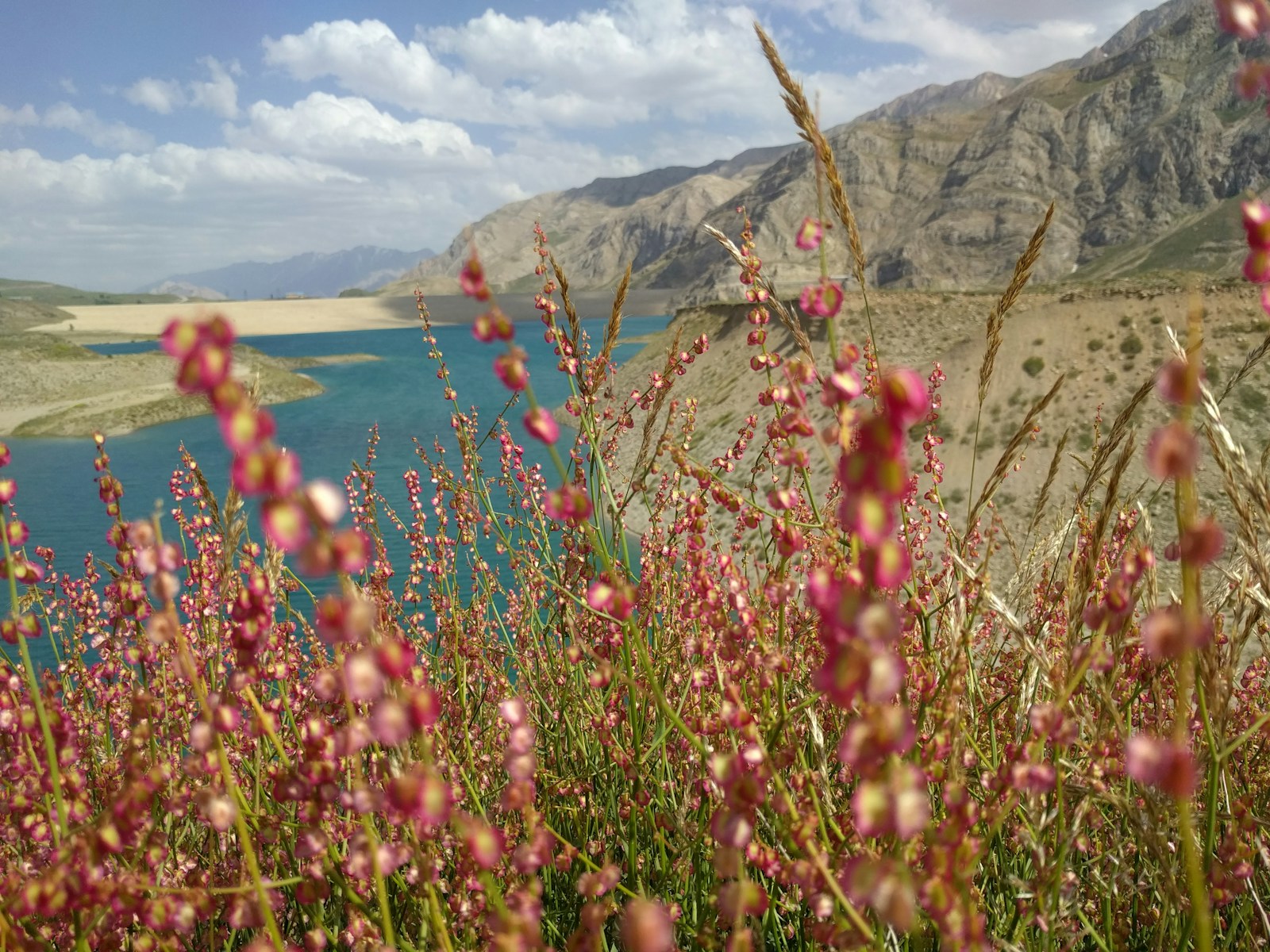
focus photo of red petaled flowers near body of water under cloudy sky during daytime

Exploring Britain’s Most Dramatic Coastal Walks

If there’s one thing the British Isles are renowned for, it’s their breathtaking coastal landscapes. From rugged cliffs to serene beaches, the coastline offers some of the most dramatic views and thrilling walks you could imagine. And what better way to make the most of these scenic adventures than to combine them with a quintessentially British pastime—stopping for tea! So lace up your boots, grab your walking stick, and let’s embark on a journey through some of the most awe-inspiring coastal walks in Britain, complete with the perfect spots to pause for a cuppa.

The Pembrokeshire Coast Path, Wales

A Walk Through Nature’s Masterpiece

Stretching for 186 miles, the Pembrokeshire Coast Path is a true gem in Wales. This walk offers a variety of landscapes, from sandy beaches to rugged cliffs and charming villages. As you traverse this path, prepare to be awed by the dramatic scenery, abundant wildlife, and historic sites. Along the way, don’t miss the opportunity to spot seals, dolphins, and a plethora of bird species.

Tea Break: The Café at St. David’s

After a rewarding walk, stop by The Café at St. David’s. Nestled in the smallest city in the UK, this café serves delightful homemade cakes, fresh sandwiches, and, of course, a steaming pot of tea. The warm atmosphere and friendly staff make it the perfect place to unwind while enjoying views of this historic city.

The South West Coast Path, England

A Journey Through Diversity

The South West Coast Path is a colossal 630 miles of pure coastal bliss, offering one of the longest continuous walking paths in the UK. This trail winds its way through the striking landscapes of Devon and Cornwall, showcasing everything from sandy stretches to dramatic cliffs. Each section boasts its own unique charm, with highlights including the breathtaking cliffs of Cornwall and the serene beaches of Devon.

Tea Break: The Hidden Hut

Located near Portscatho, The Hidden Hut is an absolute must-visit. This beachside café serves up delicious local dishes made from fresh, seasonal ingredients. Whether you’re in the mood for a hearty soup or a light snack, you’ll find it here. And let’s not forget their famous cream teas, perfect for replenishing your energy after a long walk!

The Isle of Skye, Scotland

The Land of Mist and Magic

For those seeking a coastal walk that feels almost otherworldly, the Isle of Skye is the place to be. Famous for its rugged beauty and enchanting landscapes, the island offers numerous trails, including the renowned Quiraing Circuit. The dramatic cliffs and sweeping vistas are sure to leave you speechless. As you walk, keep your eyes peeled for the unique rock formations that make this island so captivating.

Tea Break: The Pie Shop

After a day of exploring, stop by The Pie Shop in the village of Portree. Here, you’ll find an array of mouth-watering pies, from traditional Scottish recipes to modern twists. Pair your pie with a cup of tea, and you’ll have the perfect end to your Skye adventure.

The Jurassic Coast, England

A Walk Through Time

The Jurassic Coast is not only a UNESCO World Heritage Site but also a walk through history. Stretching from Exmouth in East Devon to Studland Bay in Dorset, this coastal path is famous for its ancient fossils and stunning geological formations. As you walk, you can discover 185 million years of geological history, making it a fascinating adventure for all ages.

Tea Break: The Hive Beach Café

Located at the stunning Hive Beach in Burton Bradstock, this café is an absolute delight. With its fantastic views and relaxed atmosphere, you can enjoy freshly caught seafood, homemade cakes, and steaming cups of tea while taking in the beauty of the Jurassic Coast. The café is an ideal stop to rest and reflect on your walk.

The Antrim Coast, Northern Ireland

A Dramatic Coastal Adventure

The Antrim Coast is a breathtaking stretch of coastline that showcases Northern Ireland’s natural beauty. Featuring the iconic Giant’s Causeway, this walk will take you through stunning cliffs, rolling hills, and picturesque villages. The combination of rugged landscapes and seaside charm makes this a must-do for any walking enthusiast.

Tea Break: The Bushmill’s Distillery Bar

What better way to relax after a day’s walk than to visit the Bushmill’s Distillery Bar? Located near the famous distillery, this bar offers a range of local beers, whiskies, and, of course, tea. Settle in and enjoy the cozy atmosphere while treating yourself to some delicious local fare.

The Cinque Ports Walk, England

A Historical Coastal Trail

The Cinque Ports Walk takes you through a series of historic towns and villages along the Kent and Sussex coasts. This path is rich in history, with charming medieval ports and stunning countryside views. As you walk, you’ll encounter quaint towns such as Rye and Hastings, each teeming with history and culture.

Tea Break: The Mermaid Street Café

In the heart of Rye, The Mermaid Street Café offers a delightful menu featuring locally-sourced ingredients. With its rustic charm and cozy seating, it’s the perfect place to enjoy a pot of tea and a slice of homemade cake. Don’t forget to soak in the beautiful views of the surrounding architecture.

The Moray Coastal Trail, Scotland

Nature and Wildlife Galore

The Moray Coastal Trail is a lesser-known treasure that boasts stunning views of the Moray Firth. Spanning 50 miles, this trail offers a mix of natural beauty, wildlife spotting opportunities, and charming coastal villages. Keep your eyes peeled for dolphins, seals, and an array of seabirds as you walk along the picturesque coastline.

Tea Break: The Lossiemouth Café

After a rewarding day of walking, head to The Lossiemouth Café, where you can enjoy a hearty meal or a light snack. With its friendly atmosphere and beautiful views of the beach, it’s the perfect place to unwind. Don’t miss their homemade pastries, which pair perfectly with a hot cup of tea.

Final Thoughts

Exploring Britain’s dramatic coastal walks is not just about the stunning views; it’s also about the experience of the journey. With each step, you’ll discover the rich history, unique wildlife, and charming villages that make these trails so special. And, of course, the opportunity to pause for tea adds a delightful touch to your adventure. So grab your walking shoes and set out to explore the mesmerizing coastlines of Britain—there’s a world of beauty waiting for you!

Posted on Leave a comment

Beyond London: Weekend City Breaks in Britain That Locals Actually Recommend

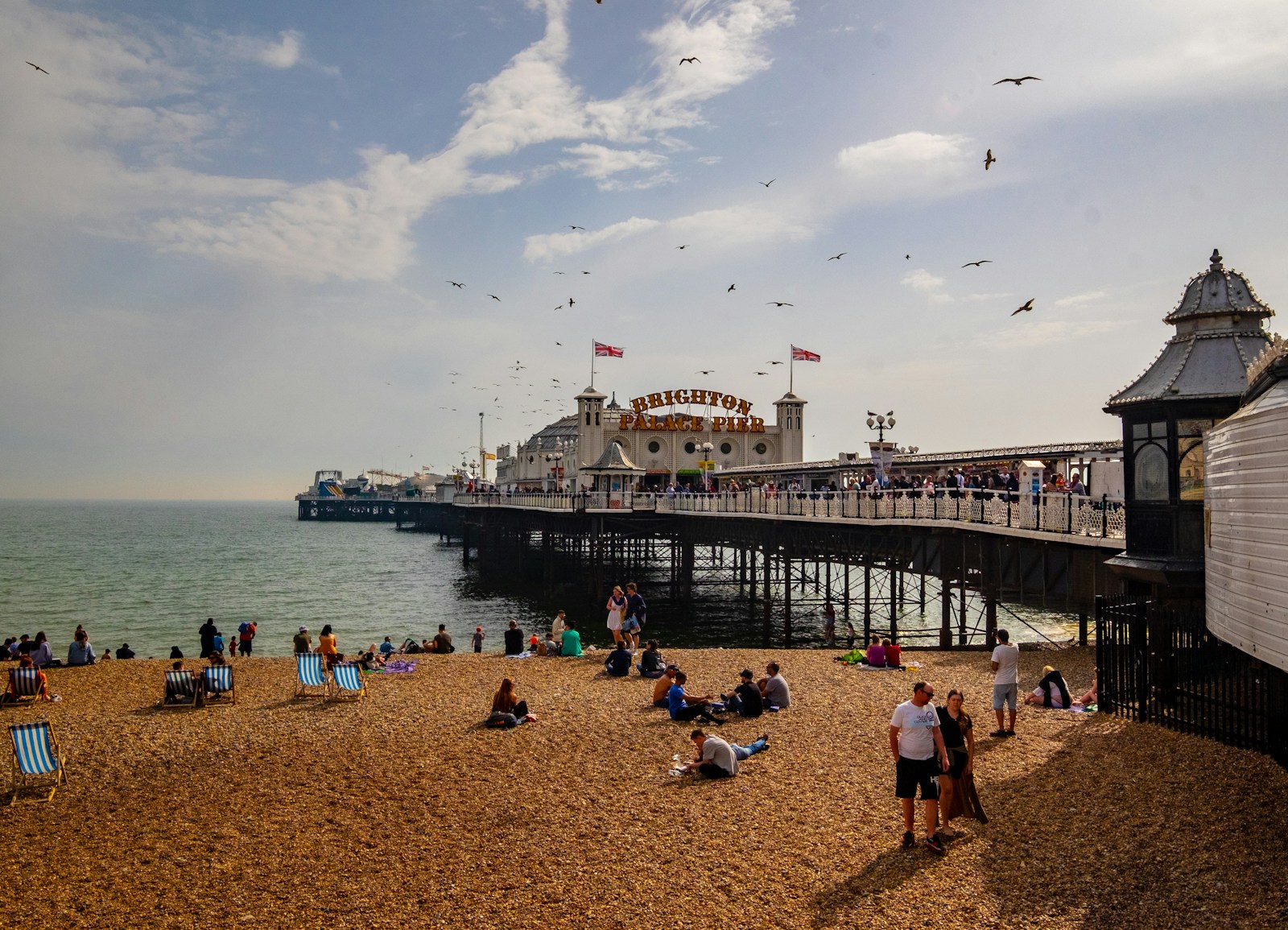
people near seashore viewing sea

Exploring the Hidden Gems of Britain: Weekend City Breaks You’ll Love

When you think of a city break in Britain, London often springs to mind. The iconic sights, the bustling atmosphere, and the endless activities can make it hard to look beyond the capital. However, there’s an entire treasure trove of vibrant cities across the UK that locals rave about. From charming architecture to rich history and mouthwatering cuisine, these destinations offer unique experiences that rival the hustle and bustle of London. Grab your weekend bag and let’s explore some of the best alternatives.

Brighton: The Seaside Escape

Firstly, let’s head south to Brighton, a city that captures the spirit of British seaside culture. Known for its pebbled beach, colorful beach huts, and the iconic Brighton Pier, the city is a haven for those looking to unwind by the sea.

Vibrant Culture and Nightlife

Brighton is famed for its eclectic arts scene. Stroll through the North Laine area, where independent shops, cafes, and galleries await. If you’re in the mood for some nightlife, the city comes alive after dark with its numerous pubs and clubs. The LGBTQ+ scene is particularly welcoming, and there are plenty of events throughout the year, including the famous Brighton Pride.

Foodie Paradise

Food lovers will feel right at home in Brighton. The food scene is diverse, with everything from fish and chips to gourmet vegan options. Don’t miss out on trying the local fish at one of the many seaside restaurants or grabbing a cupcake at a quirky café. The Brighton Food Festival, held annually, showcases the best of local food, so plan your visit accordingly!

Edinburgh: History and Haggis

Next up is Scotland’s capital, Edinburgh, a city that feels like a page out of a storybook. With its historic architecture, stunning landscapes, and rich culture, it’s a must-visit for anyone seeking a weekend adventure.

Historic Sites

The majestic Edinburgh Castle dominates the skyline and is a great starting point for your explorations. From there, wander down the Royal Mile, soaking in the atmosphere and visiting the various shops and attractions. Be sure to check out the Palace of Holyroodhouse, the official residence of the Queen in Scotland, which offers a glimpse into royal life.

Festivals and Events

Edinburgh is famous for its festivals, especially the Edinburgh Festival Fringe, the world’s largest arts festival. If you’re lucky enough to visit in August, you’ll be treated to an explosion of performances, from theatre and comedy to music and dance. Even outside of festival season, there’s always something happening in this vibrant city.

Bristol: The Creative Hub

Bristol, located in the southwest of England, has been gaining popularity in recent years and for good reason. It’s a city bursting with creativity and character, making it an ideal spot for a weekend getaway.

Art and Street Culture

Bristol is known for its thriving street art scene, with Banksy being one of its most famous proponents. Take a walking tour to appreciate the incredible murals that adorn the city’s walls. The Harbourside area is another must-visit, offering a blend of culture and leisure with galleries, restaurants, and museums.

Sustainable Living

What sets Bristol apart is its commitment to sustainability. The city is filled with eco-friendly eateries and shops. Don’t miss out on visiting the food market on St. Nicholas Market, where you can indulge in local delicacies while supporting small businesses.

Manchester: The Northern Powerhouse

Manchester is a city that has undergone a remarkable transformation in recent years. Known as the birthplace of the Industrial Revolution, it now boasts a lively atmosphere and a diverse cultural scene.

Music and Nightlife

The city is famous for its music scene, having produced iconic bands like Oasis and The Smiths. Catch a gig at one of the many live music venues, or explore the Northern Quarter, known for its indie shops and hip bars. Manchester’s nightlife is vibrant, with offerings to suit every taste—from laid-back pubs to high-energy nightclubs.

Sports Fanatics Welcome

If you’re a sports enthusiast, you’ll be pleased to know that Manchester is home to two of the biggest football clubs in the world: Manchester United and Manchester City. Take a tour of Old Trafford or the Etihad Stadium for a behind-the-scenes look at these iconic sports venues.

York: A Journey Through Time

For a different kind of city break, consider York. This historic city is perfect for those who love medieval charm and fascinating history. With its cobbled streets and stunning architecture, York feels like stepping back in time.

Wander the Walls

Start your visit by walking along the ancient city walls, which offer panoramic views of the city. The Shambles, a picturesque street lined with timber-framed buildings, is a highlight and is often regarded as one of the best-preserved medieval streets in Europe.

Cultural Experiences

No visit to York would be complete without exploring its rich history. The Jorvik Viking Centre offers an interactive experience that takes you back to the Viking Age, while the York Minster, one of the largest cathedrals in Northern Europe, is a breathtaking sight.

Cardiff: The Capital of Wales

Cardiff may not be the first city that comes to mind, but this vibrant capital of Wales is full of surprises. It’s a city that blends modernity and tradition seamlessly, making it an exciting destination.

Cultural Richness

Visit the impressive Cardiff Castle, which offers a glimpse into the city’s history. After exploring the castle, head to the National Museum Cardiff to delve deeper into Welsh art and history. The city’s waterfront at Cardiff Bay is also a great area to relax, with plenty of dining options and stunning views.

Sporting Events

If you’re a sports fan, Cardiff is home to the Principality Stadium, where you can catch a rugby match or a concert. The passionate atmosphere during events is something you don’t want to miss!

Conclusion: The Open Road Awaits

These city breaks offer a refreshing alternative to the hustle and bustle of London, showcasing the diverse culture, history, and beauty found throughout Britain. Whether you’re seeking a relaxing seaside escape, a cultural deep dive, or a lively night out, there’s a perfect weekend destination waiting for you. So why not step out of London’s shadow and explore everything these incredible cities have to offer? The open road is calling—your next adventure awaits!

Posted on Leave a comment

Secret Britain: Ancient Sites That Rival Stonehenge Without the Crowds

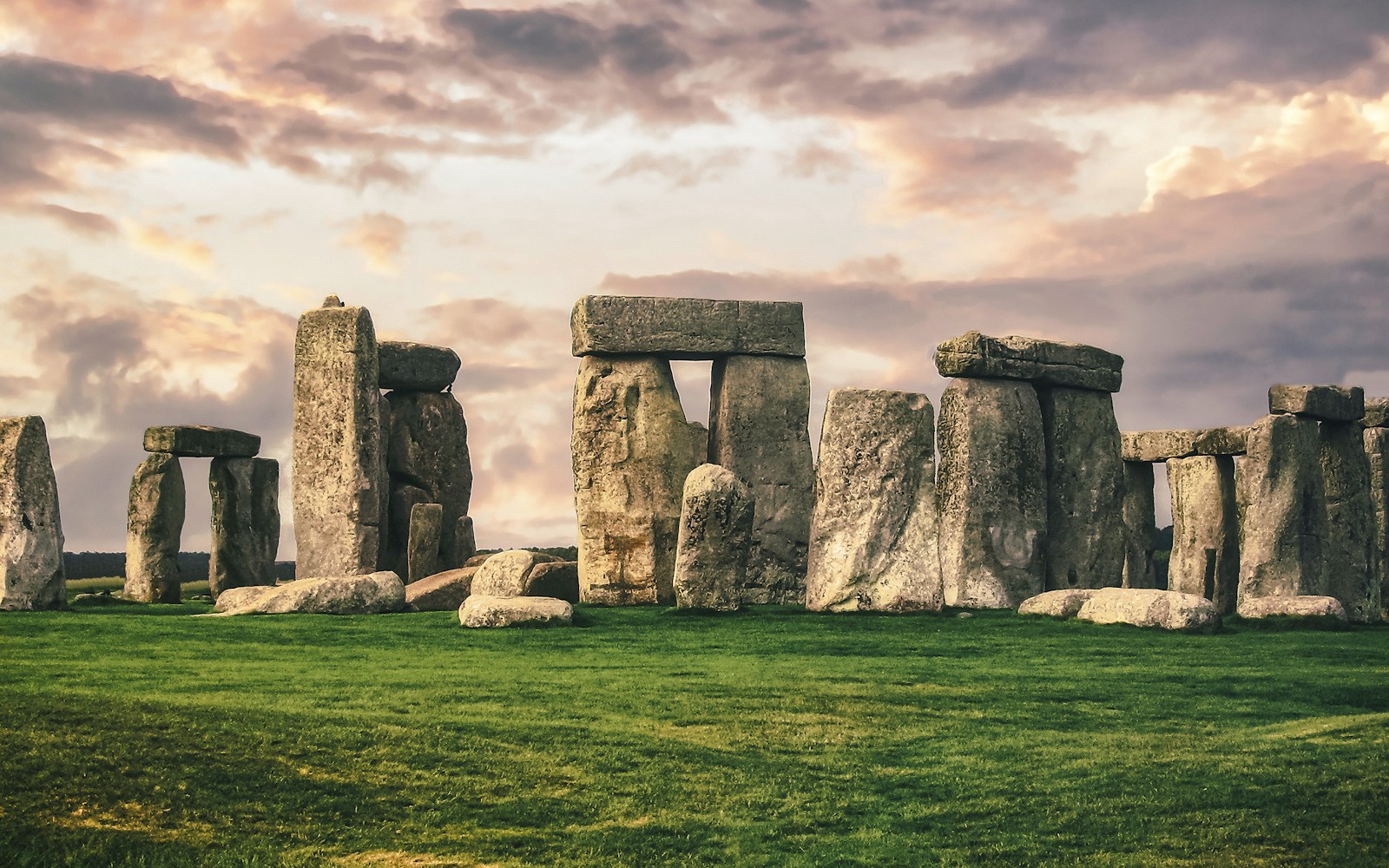
gray rock formation on green grass field under gray cloudy sky

Discovering Hidden Gems: Ancient Sites Beyond Stonehenge

When we think of ancient Britain, the majestic Stonehenge often steals the spotlight. This iconic stone circle draws millions of visitors each year, leaving many to wonder if there are other equally fascinating sites that are less trodden and rich in history. In this journey through time, we’ll explore some of these hidden gems that rival Stonehenge but come with significantly fewer crowds. Let’s lace up our walking shoes and dive into the enchanting world of ancient sites waiting to be discovered!

The Allure of the Ancient

Britain is sprinkled with ancient sites that tell the story of our ancestors, their beliefs, and their way of life. These locations often evoke a sense of wonder and curiosity, transporting us to a time when the landscape was shaped by rituals and traditions. While Stonehenge is undoubtedly impressive, it’s refreshing to seek out the quieter corners of Britain’s history.

Avebury: A Stone Circle Like No Other

A stone’s throw from Stonehenge sits Avebury, a sprawling stone circle that not only rivals its more famous neighbor in size but also offers a unique experience. Established around 2850 BC, this UNESCO World Heritage Site features the largest stone circle in Europe, encompassing the village of Avebury itself.

Why Visit?

  • Fewer Crowds: Unlike Stonehenge, which can feel like a bustling marketplace, Avebury offers a serene atmosphere where you can wander among the stones at your leisure.
  • Interactive History: You can walk right up to the stones, touch them, and even sit in their shadows, creating a tactile connection to the past.
  • Thought-Provoking Lore: The site is steeped in folklore, including tales of giants and ancient rituals that make for captivating storytelling.

Stroll through the village, pop into the Avebury Manor, and explore the small museum dedicated to the site. Every corner of Avebury has a story waiting to be told.

Silbury Hill: The Enigmatic Mound

Just a short distance from Avebury lies Silbury Hill, a massive artificial mound that rises 40 meters high. Believed to have been constructed around 2400 BC, its purpose remains a mystery. Was it a burial site, a ceremonial platform, or something entirely different? The debates continue, adding to its allure.

What to Expect

  • Unique Landscape: Silbury Hill is surrounded by stunning countryside, making it an ideal spot for a peaceful picnic. The hill itself is an impressive sight, especially when viewed from a distance.
  • A Sense of Mystery: The unknown aspects of Silbury Hill invite contemplation. Visitors often leave with more questions than answers, which can be equally thrilling.
  • Great for Photography: The hill’s symmetry combined with the picturesque landscape makes for some fantastic photo opportunities, especially during sunset.

West Kennet Long Barrow: A Portal to the Past

West Kennet Long Barrow is one of the largest burial mounds in Britain, dating back to around 3650 BC. This neolithic tomb offers a peek into the burial practices of ancient communities.

Exploration Highlights

  • Ancient Architecture: The long barrow is a marvel of ancient engineering, constructed with large sarsen stones. As you walk through the passageway, you’ll feel the weight of history enveloping you.
  • Spiritual Atmosphere: Many visitors describe a profound sense of peace and spirituality when inside the tomb. It’s a quiet space that encourages reflection on life and death.
  • Stunning Views: The location provides breathtaking views of the surrounding landscape, blending natural beauty with historical significance.

Maeshowe: Viking Graves in Orkney

Traveling to the Orkney Islands, you’ll encounter Maeshowe, a neolithic chambered cairn built around 2800 BC. This impressive structure is not only remarkable for its architecture but also for the Viking graffiti that adorns its stones.

A Unique Experience

  • Viking Connection: The inscriptions left by Viking visitors in the 12th century add a layer of intrigue and connect different eras of history.
  • Guided Tours: Access to Maeshowe is typically through guided tours, which provide fascinating insights into the construction and purpose of the site.
  • Seasonal Solstice Events: If you’re fortunate enough to visit during the winter solstice, you might witness the sun illuminating the chamber in a beautiful spectacle.

The Rollright Stones: Legends of the King

Nestled on the borders of Oxfordshire and Warwickshire, the Rollright Stones consist of three distinct groups of stones, each with its legend and charm. Dating back to the neolithic and bronze ages, these stones have been a source of intrigue for centuries.

What Makes Rollright Special?

  • Rich Folklore: The tales surrounding the stones include that of a king turned to stone by a witch, making for a delightful narrative to share with friends.
  • A Quaint Setting: The rural location allows for a peaceful visit, where you can enjoy walking the trails and taking in the natural beauty.
  • Accessibility: The site is easily reachable, with no entry fees, making it an affordable option for those looking to explore ancient history.

Thornborough Henges: A Lesser-Known Wonder

Thornborough Henges, located in North Yorkshire, comprises three large henges that are thought to be ceremonial sites dating back to around 3500 BC. This remarkable site is often overlooked, making it a true hidden gem.

Unveiling the Henges

  • Impressive Structure: The henges are impressive in scale, with earthworks that provide a striking landscape. This expansive area invites exploration and appreciation of its magnitude.
  • Cultural Significance: The site has been a focal point for archaeological research, revealing insights into the ceremonial practices of ancient Britons.
  • Quiet Contemplation: With fewer visitors than other sites, Thornborough Henges offers a reflective space to ponder the mysteries of ancient rituals.

Conclusion: Embracing the Hidden History

Exploring ancient sites beyond the confines of Stonehenge opens up a treasure trove of history, mystery, and beauty. Each of these locations offers a unique glimpse into the lives of our ancestors, inviting us to connect with the past in a way that feels personal and profound. So, the next time you consider taking a historical tour, remember that hidden gems like Avebury, Silbury Hill, and the Rollright Stones can provide rich experiences without the hustle and bustle of the more popular attractions. Embrace the allure of secret Britain, and you might just stumble upon stories and landscapes that resonate with you long after your journey has ended.

Posted on Leave a comment

Seasonal Britain: When to Visit Different Regions for Maximum Beauty

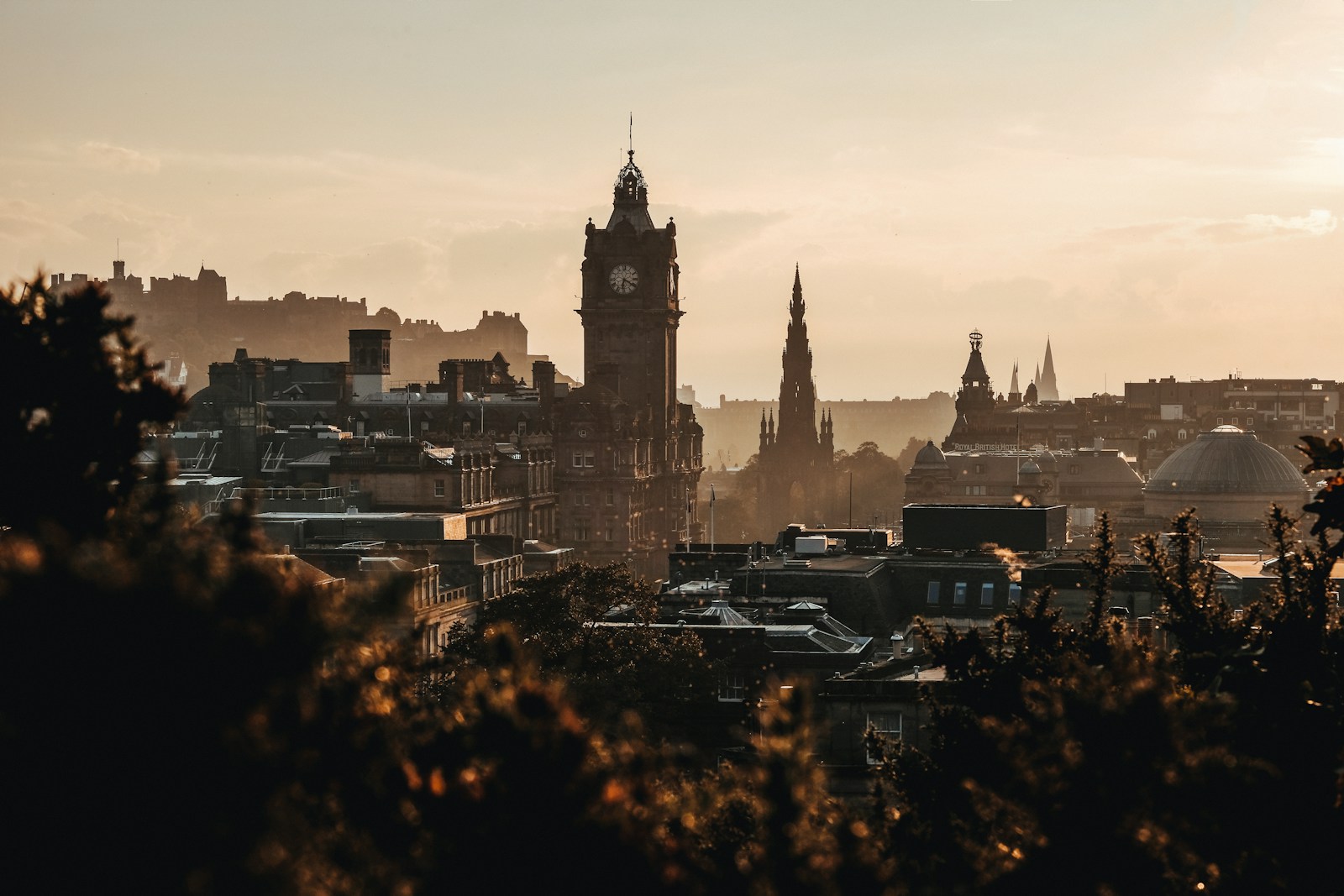
Calton Hill, Edinburgh, United Kingdom

Discovering the Charm of Seasonal Britain

Britain is a land of breathtaking diversity, and each region reveals its unique beauty throughout the seasons. From the rolling hills of the Cotswolds to the rugged coastlines of Cornwall, there’s something to marvel at, no matter the time of year. So, if you’re planning a visit and want to experience the best that each area has to offer, let’s dive into the seasonal highlights of different regions across the UK!

Spring Awakening: A Flourish of Life

As winter loosens its icy grip, Britain springs to life with vibrant colors and fresh scents. Spring is a magical time to explore the countryside, where flowers bloom in abundance, and wildlife emerges from its slumber.

Cotswolds

The Cotswolds are a quintessentially English region, famous for its rolling hills and picturesque villages. In April, the vibrant yellow of rapeseed fields contrasts beautifully with the soft greens of the landscape. Take a stroll through the charming village of Bibury, often described as one of the most beautiful in England, where you can see the iconic Arlington Row cottages.

Lake District

Spring also brings the Lake District to life. The scenery transforms as the daffodils bloom, particularly in April when the Daffodil Festival takes place. The stunning views of mountains and lakes, coupled with the fresh air, make it perfect for hiking. Don’t forget to visit Wordsworth’s beloved Dove Cottage to feel the inspiration that sparked his poetry.

Cornwall

In Cornwall, the coastline begins to awaken too. Spring is a quieter time before the summer rush, and you can enjoy the stunning cliffs and sandy beaches without the crowds. The Eden Project showcases its spring flowers, and you’ll find gardens bursting with color at places like the Lost Gardens of Heligan.

Summer Splendor: The Great Outdoors

Summer is undoubtedly the time for outdoor adventures in Britain. With longer days and an abundance of sunshine, it’s the perfect season for exploring castles, beaches, and festivals.

Scottish Highlands

The Highlands are enchanting in summer, with wildflowers carpeting the hillsides. June is particularly beautiful, as it’s the best time for hiking. The famous West Highland Way offers breathtaking views and the chance to spot wildlife like deer and eagles. Don’t miss the chance to visit Loch Ness – who knows what secrets lie beneath those calm waters?

Isles of Scilly

If you’re searching for a summer getaway, the Isles of Scilly boast pristine beaches that rival the Mediterranean. The islands are warm and sunny, perfect for soaking up the sun or exploring the vibrant marine life while snorkeling. The gardens on Tresco are particularly stunning during this season, with exotic plants blooming magnificently.

London

Summer in London is a feast for the senses. From outdoor theatre productions in Regent’s Park to music festivals like Wireless and Lovebox, the city buzzes with energy. Enjoy a stroll along the South Bank, where pop-up markets and food stalls offer delicious treats, or relax in one of the city’s many parks and enjoy a picnic.

Autumn: A Tapestry of Colors

As the leaves begin to turn, Britain transforms into a canvas of reds, oranges, and golds. Autumn is a particularly whimsical time to explore the countryside and cities alike.

New Forest

The New Forest is one of the best spots to witness the beauty of autumn foliage. With its ancient woodlands and free-roaming ponies, it’s an idyllic location for a serene walk. The colors reach their peak around mid-October, creating a stunning backdrop for photography enthusiasts. Don’t forget to sample some local produce at the farmers’ markets!

Yorkshire Dales

For those who love hiking, the Yorkshire Dales offer breathtaking vistas during autumn. The landscape becomes a patchwork of color, and the crisp air is invigorating. Visit the charming towns like Grassington or Hawes, where you can indulge in hearty meals featuring local fare. The famous Aysgarth Falls is particularly mesmerizing with the autumn rains.

Edinburgh

Edinburgh during autumn is nothing short of magical. The city transforms with the arrival of the Edinburgh International Festival and the Fringe, offering entertainment and culture in abundance. Stroll along the Royal Mile, taking in the historical architecture, and then head up Arthur’s Seat for panoramic views of the city set against a backdrop of autumn leaves.

Winter Wonders: Embrace the Chill

Winter in Britain has its own unique charm. While the weather may be chilly, the festive spirit and stunning landscapes make it a delightful time to visit.

Snowdonia

Snowdonia National Park is a wonderland in winter, with snow-capped mountains creating a picturesque scene. This is the perfect time for winter sports enthusiasts, with opportunities for skiing or snowboarding at places like Llandudno. Take a cozy walk along the shores of one of the many lakes, and if you’re lucky, you might catch a glimpse of frosted trees reflecting in the still water.

Bath

Bath, with its Roman baths and Georgian architecture, is particularly enchanting during the winter months. The Christmas markets come alive in December, offering a magical shopping experience. Indulge in mulled wine and local delicacies while exploring the beautifully lit streets. A soak in the Thermae Bath Spa is the perfect way to escape the chill.

London

London’s winter charm is undeniable, especially during the holiday season. The city is adorned with twinkling lights and festive decorations. Ice skating at Somerset House or the Natural History Museum is a must-do activity, and the iconic Winter Wonderland in Hyde Park provides festive fun for all ages. Don’t forget to warm up with a classic British hot chocolate!

Conclusion: A Year-Round Adventure

No matter when you choose to visit, Britain has something to offer every season. Each region showcases its beauty in unique ways, from the vibrant blooms of spring to the cozy charm of winter. Whether you’re an outdoor enthusiast, a culture lover, or simply seeking scenic views, the UK is filled with adventures waiting to be discovered. So grab your calendar and start planning your seasonal escape – the beauty of Britain awaits!