Posted on Leave a comment

Uncovering the Hidden Meanings Behind British Pub Signs: A Fascinating Journey Through Tradition and History

The Hidden Meanings Behind British Pub Signs

When you stroll through the vibrant streets of Britain, the colourful pubs beckon with their quirky signs swinging gently in the breeze. These establishments are more than just a place to grab a pint; they are steeped in history and often carry hidden meanings that reveal fascinating stories about their origins, the local community, and British culture as a whole. Join us on a delightful journey as we explore the hidden meanings behind British pub signs and discover the rich tapestry that makes these establishments so unique.

The History of Pub Signs

Before we dive into the meanings, it’s essential to understand how pub signs came to be. The tradition of using signs to identify inns and taverns dates back to the Middle Ages. During this time, literacy rates were low, and many patrons were unable to read the names of the establishments. Instead, visual symbols became crucial for identification.

As a result, pubs started adopting signs that were often painted with vibrant images of animals, saints, or historical events. These signs served as a way for people to find their favourite watering holes without needing to read. Over the centuries, pub signs evolved into not just identifiers but also an art form, showcasing the creativity of local artisans and celebrating regional heritage.

Common Themes in Pub Signage

While each pub sign has its unique story, you’ll find that many share common themes. Here are a few prevalent motifs you’ll encounter:

Animals

Animals are among the most common symbols found on British pub signs. They often represent the characteristics associated with the creature, but they also have deeper meanings rooted in local folklore and history.

  • The Red Lion: One of the most iconic pub names, the Red Lion can be found across the UK. Its origins can be traced back to the heraldic symbol associated with the monarchy, representing strength and courage.

  • The Black Bull: This sign usually signifies a link to farming and agricultural prosperity. Bulls were commonly seen in rural areas and often symbolised virility and strength.

Historical Figures and Events

Some pub signs pay homage to famous individuals or significant events in British history. This practice serves not only to educate patrons but also to create a sense of community pride.

  • The King’s Head: This sign typically refers to King Charles I, who was executed during the English Civil War. Pubs named after him commemorate his legacy and the turbulent times of political upheaval.

  • The Crown and Anchor: A symbol of the British Navy, this sign represents Britain’s maritime history. It’s a nod to the importance of naval power in securing British interests overseas.

Mythological and Folkloric References

Britain is rich in folklore, and many pub signs incorporate mythological elements. These signs often serve as a reminder of the culture and traditions of the local area.

  • The Green Man: This ancient figure, often depicted as a face surrounded by leaves, represents nature and the rebirth of life in spring. Pubs bearing this sign celebrate the connection between the land and its people.

  • The Mermaid: A symbol of mystery and allure, mermaids often feature in coastal towns, reminding patrons of the sea’s enchanting yet treacherous nature.

Regional Variations

The meanings behind pub signs can vary significantly from region to region, influenced by local culture and historical context. Let’s take a closer look at a few notable examples:

London

In the capital, you’ll find a plethora of signs that reflect its bustling history and diverse culture.

  • The Dog and Duck: This sign can be traced back to the 18th century when London was notorious for its duck hunting. The establishment’s name suggests a place where this sport was once popular, blending leisure with the culinary delights of roast duck.

The West Country

The West Country is known for its picturesque landscapes and rich folklore, often reflected in pub signage.

  • The Fisherman’s Friend: Many pubs in coastal towns celebrate the fishing industry. The sign often depicts a fisherman at work, reminding locals and visitors alike of the region’s enduring connection to the sea.

The Midlands

The Midlands features a unique blend of industrial history and rural charm.

  • The Black Horse: A common sight, this sign often pays tribute to the agricultural past of the region. Horses were vital for transport and agriculture, and the pub name evokes nostalgia for simpler times.

The Art of Pub Signs

The artistry involved in creating pub signs is often overlooked. Signmakers have historically used wood, metal, and now digital printing to create intricate designs that tell stories.

Craftsmanship and Design

Each sign is a labor of love that reflects the local style and community spirit. From hand-painted wooden boards to modern digital designs, the craftsmanship varies widely. Many signmakers use traditional techniques passed down through generations, ensuring that every sign is a unique work of art.

The Role of Local Artists

Local artists and craftsmen often play a significant role in designing pub signs. By commissioning local talent, pub owners not only support their community but also ensure that the signs resonate with the local culture and history. This creates a bond between the pub and its patrons, who may feel a sense of ownership and connection to the establishment.

Modern Trends and Innovations

As society evolves, so do the meanings and themes behind pub signs. While traditional symbols remain popular, modern pubs are beginning to embrace more contemporary and playful designs.

Playful Puns

With the rise of craft breweries and hipster pubs, many establishments have adopted witty names and clever puns.

  • The Tipsy Cow: This name adds a humorous twist while still evoking the agricultural past of the countryside. It appeals to a younger audience looking for a more relaxed and fun atmosphere.

Inclusivity and Diversity

In recent years, there has been a push for inclusivity in pub naming. Some establishments are opting for signs that celebrate diversity and create a welcoming environment for all.

  • The Rainbow Pub: This signifies a commitment to LGBTQ+ inclusivity, showcasing a shift in modern pub culture towards acceptance and celebration of all identities.

Conclusion

As we’ve uncovered, British pub signs are far more than mere decorations; they are a window into the rich tapestry of history, culture, and community. Each sign tells a story, depicting everything from local folklore to significant historical events, reflecting the values and traditions of the areas they inhabit.

Next time you pass by a pub, take a moment to appreciate the artistry and thought behind the sign. It’s a small but meaningful connection to the past and a celebration of the vibrant culture that continues to thrive in Britain’s beloved public houses. So, whether you’re enjoying a quiet pint or a lively night out, remember that each pub sign carries with it a hidden meaning waiting to be discovered. Cheers!
Posted on Leave a comment

The British High Street Evolution: Discovering What We’ve Lost and Gained Over the Years

The British High Street Evolution: What We’ve Lost and Gained

Introduction

Ah, the British high street! A cherished symbol of community, commerce, and character. Once the beating heart of towns across the United Kingdom, the high street has evolved dramatically over the years. From bustling markets lined with independent shops to the arrival of multinational chains and the rise of online shopping, the high street has seen it all. In this article, we’ll take a stroll down memory lane, exploring the transformations of the British high street, what we’ve lost along the way, and the new opportunities that have arisen in this ever-changing landscape.

The Glory Days of the High Street

Imagine walking down a vibrant high street filled with the aroma of freshly baked bread from the local bakery, the sound of friendly banter from shopkeepers, and the sight of unique storefronts each with its own character. This was the reality for many in the UK just a few decades ago. Independent shops were the mainstay, with corner shops, butchers, bakers, and greengrocers creating a tapestry of local commerce.

Community hubs were established in these shops, where people didn’t just shop; they conversed, exchanged stories, and built relationships. The high street was a place where everyone knew your name—or at least your favorite pastry! This sense of community was what truly set the British high street apart, making it a vital part of daily life.

The Rise of Retail Chains

As the years rolled on, the high street began to change. Enter the retail chains. The ’80s and ’90s saw the emergence of well-known brands that started to dominate the shopping landscape. Marks & Spencer, Boots, and WHSmith became staples, offering a uniform shopping experience that appealed to many. While this provided convenience and consistency, it also began to erode the unique charm of the high street.

These retail giants brought with them significant advantages, such as economies of scale, marketing prowess, and a wider variety of products. However, this shift also meant that many beloved independent shops struggled to compete. The uniqueness that characterized many high streets began to fade as local shops closed their doors. Many towns lost their distinctive character, replaced by a more homogenized experience.

The Impact of Online Shopping

Fast forward to the dawn of the 21st century, and the advent of the internet further transformed the British high street. Online shopping exploded, and with it, consumers had access to an almost endless array of products at the click of a button. Amazon and other online retailers became household names, providing convenience that traditional high street shopping struggled to match.

The convenience of shopping from home, coupled with the often lower prices and wider selection available online, led to a significant shift in consumer behavior. People began to opt for the ease of online shopping rather than making a trip to the high street. As a result, this change presented a new wave of challenges for local businesses, many of which were unable to keep pace with the digital revolution.

What We’ve Lost

With the evolution of the British high street, there are undoubtedly losses that warrant reflection.

The Local Character

One of the most significant casualties has been the unique character of many high streets. The charming, quirky shops that defined towns have been replaced by generic outlets, leading to the loss of individual identity. The high street, once a patchwork of local businesses, has often become a monotonous blend of chain stores.

Community Connections

The sense of community that once thrived on the high street has also diminished. With fewer independent businesses, there are fewer opportunities for locals to connect. The casual chats with the butcher or the friendly nod from the greengrocer have been replaced by sterile interactions in large retail chains. This has contributed to a feeling of isolation in an increasingly busy world.

The Artisan Skills

As independent shops have dwindled, so too have the artisan skills that many of them showcased. The local craftsman, the skilled baker, and the knowledgeable bookseller are less common today. This loss of craftsmanship means that traditions and skills that have been passed down through generations risk being forgotten.

What We’ve Gained

Despite the challenges, the evolution of the British high street hasn’t been solely negative. Among the changes, there are also gains worth celebrating.

Revitalization and Innovation

In response to the changing retail landscape, many towns have embarked on revitalization initiatives aimed at reinvigorating their high streets. Local councils and community groups have come together to breathe new life into these areas, focusing on creating vibrant spaces that encourage foot traffic and foster community spirit.

These initiatives often include encouraging independent businesses to set up shop, launching pop-up markets, and hosting events that draw people in. Innovative concepts, like community co-operatives, have also emerged, allowing locals to band together and support each other in the face of competition from larger retailers.

Online Integration

While online shopping posed a threat to traditional retail, it also presented new opportunities for the high street. Businesses that have embraced e-commerce have found ways to combine online and offline shopping experiences, offering click-and-collect services, personalized shopping experiences, and even virtual consultations.

Local shops that have established a strong online presence can reach a broader audience and maintain relevance in a digital world. This means that even if you can’t find what you’re looking for on the high street, you might still be able to access local goods online.

A New Cultural Hub

In recent years, there has been a growing trend to transform high streets into cultural hubs that go beyond shopping. Cafés, restaurants, art galleries, and community spaces are becoming more common, providing locals and visitors a variety of experiences. These new additions foster a sense of community, as people gather not just for the sake of shopping but to enjoy the social and cultural aspects of their town.

The Future of the British High Street

The future of the British high street remains uncertain, but it’s clear that adaptation is key. There’s a growing recognition that the high street must evolve to meet the needs and desires of modern consumers. Community engagement, sustainability, and unique experiences are becoming focal points in the ongoing dialogue about the high street’s future.

Embracing Sustainability

With increasing awareness about environmental issues, many consumers are seeking sustainable options. Local businesses that focus on eco-friendly practices, such as zero-waste shops and sustainable fashion boutiques, are becoming more popular. This shift not only meets consumer demand but also fosters a sense of community as people come together to support a shared cause.

Leveraging Technology

The integration of technology into the high street experience is likely to be pivotal in its evolution. From augmented reality shopping experiences to mobile apps that enhance customer engagement, technology can bridge the gap between traditional retail and the expectations of today’s consumers.

Conclusion

The British high street has undoubtedly undergone a significant transformation over the years, marked by both loss and gain. While we mourn the closure of beloved independent shops and the fading of community connections, we also celebrate the resilience and innovation that many communities are embracing. The high street is not just a shopping destination; it is a reflection of local culture, identity, and community spirit.

As we look to the future, it’s essential for towns and cities to continue adapting, fostering a sense of belonging, and supporting local businesses. Our high streets may never return to the way they were, but by embracing change, we can ensure that they remain vibrant and relevant for generations to come. So next time you take a stroll down your local high street, take a moment to appreciate its evolution and the new stories that are being written every day.

Posted on Leave a comment

50 Fascinating Origins Behind the Unusual Names of British Pubs

How British Pubs Got Their Unusual Names

When you think of Britain, what pops into your mind? Perhaps it’s the rolling green hills, charming countryside, or historical landmarks. But let’s not forget the quintessential British pub! These cozy watering holes are more than just places to grab a pint; they are steeped in history, culture, and yes, some rather quirky names. Grab a seat at the bar, and let’s dive into the fascinating stories behind how British pubs got their unusual names.

A Brief History of Pubs in Britain

Before we venture into the naming of pubs, it’s essential to understand their historical context. The tradition of pubs in Britain dates back centuries, with roots tracing back to Roman times when travelers would find solace in taverns along their journeys. These establishments served food and drink, providing a much-needed rest stop for weary travelers.

As the years rolled on, pubs evolved from simple inns to social hubs where communities gathered. By the time of the Middle Ages, alehouses and inns were commonplace, and the term “public house” or “pub” started to gain traction. Fast forward to the present day, and you’ll find pubs on almost every corner, each with its unique atmosphere, food, and, of course, name.

The Origins of Pub Names

The names of British pubs can be downright amusing, bizarre, and sometimes downright puzzling. Generally, these names fall into several categories: historical figures, local landmarks, animals, and whimsical phrases. Let’s explore some of the most common sources of inspiration for these unusual names.

Historical Figures

Some pubs are named after notable historical figures or events. These names often reflect a local connection or pay homage to someone who had a significant impact on the area. For example, the “Wellington Arms” references the Duke of Wellington, famed for his role in defeating Napoleon. Similarly, “The Lord Nelson” celebrates the legendary Admiral Nelson, who played a crucial role in the British Navy.

These names can offer a glimpse into local history, often serving as a conversation starter for patrons. After a few pints, you might find yourself engaged in a spirited discussion about the life of the Duke or the exploits of Admiral Nelson.

Local Landmarks

Many pubs are named after local landmarks or geographical features, often giving patrons a sense of place. For instance, “The Red Lion” is one of the most common pub names in the UK, often found near a significant hill or tower. The origins of this name can be traced back to the heraldic symbols of the British royal family.

Other names, like “The Old Mill,” may reference a historical site that once played a vital role in the area’s economy. By choosing to name a pub after a local landmark, owners not only celebrate the community’s heritage but also create a sense of identity for the establishment itself.

Animals and Nature

It’s hard not to chuckle at some of the fantastical names that incorporate animals. The “Swan,” “Fox,” and “Elephant” are just a few examples of animal-themed pub names that can be found across the country. These names often reflect the fauna that inhabit the area or symbolize certain traits associated with the animals.

For example, “The Fox and Hounds” evokes the traditional British pastime of fox hunting, while “The Black Horse” may allude to local farms or simply the connection between horses and rural life. Such names often evoke imagery and nostalgia, adding to the charm of these establishments.

Whimsical Phrases

Some pubs take a more lighthearted approach to naming, opting for whimsical or humorous phrases. Pubs with names like “The Drunken Duck” or “The Tipsy Toad” often draw in curious patrons looking for a good laugh. These names not only catch the eye but also create an inviting atmosphere that encourages social interaction.

The use of playful language can also serve to disarm customers, making them feel more at ease as they settle in for a drink. After all, who wouldn’t want to grab a pint at a place whimsically named “The Laughing Donkey”?

The Role of Signage and Local Culture

One of the delightful aspects of British pubs is their signage. Traditional pub signs are often hand-painted and rich in symbolism. These signs serve as visual representations of the pub’s name and its history. For example, a pub named “The Golden Lion” will likely feature a striking image of a lion in gold, proudly displayed for all to see.

The local culture and traditions also play a significant role in how pubs are named. In some areas, it’s common to name a pub after a local hero or an event that shaped the community. This connection to the locality fosters a sense of belonging, turning the pub into a communal space where stories and memories are shared.

Modern Trends and Changes

As society evolves, so do the names of pubs. In recent years, there has been a notable trend toward more modern, trendy names. The rise of craft beer has led to a wave of new establishments that reflect contemporary culture and style. Names like “The Crafty Pint” or “Brewed Awakening” demonstrate this shift, appealing to a younger demographic eager to explore innovative brews.

However, while some pubs are adopting modern names, many traditional establishments are holding on to their historical roots, opting to retain names that have been passed down through generations. This duality reflects the ongoing dialogue between tradition and progress in British pub culture.

Conclusion: The Charm of British Pub Names

British pubs are more than just places to enjoy a pint; they are a reflection of the rich tapestry of history and culture that makes Britain unique. From humorous animal names to references to historical figures, the stories behind these unusual names captivate both locals and tourists alike.

So the next time you find yourself in a British pub, take a moment to appreciate the name above the door. Each name carries with it a piece of history, a connection to the community, and a sense of belonging. Whether you find yourself sipping a lager at “The Laughing Hound” or enjoying a stout at “The Queen’s Head,” know that you are partaking in a time-honored tradition, steeped in charm and character. Cheers!

Posted on Leave a comment

How to Tell a Scouse from a Geordie: British Accent Identification Guide

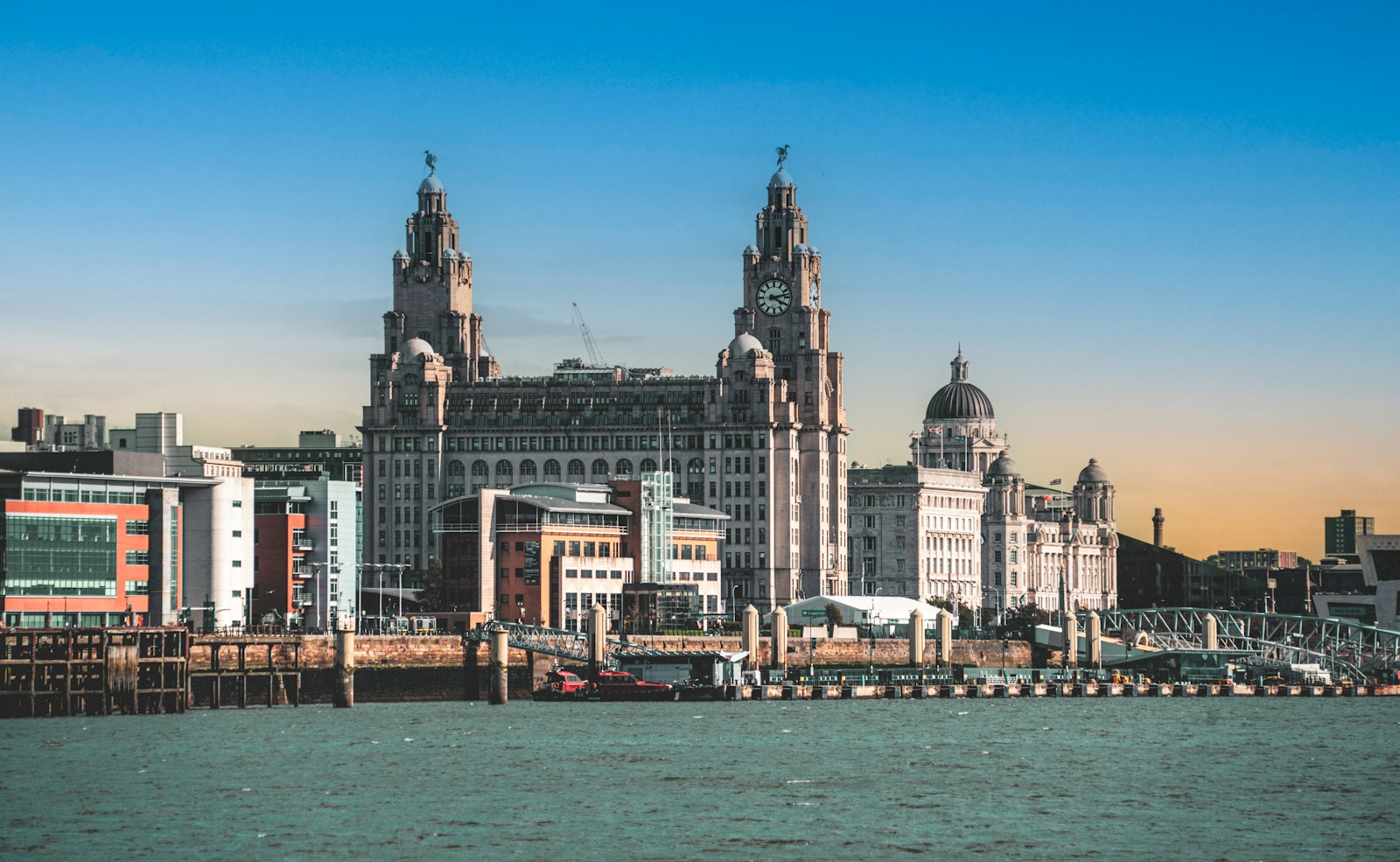
A view of a city from the water

Understanding the Regions: Scousers vs. Geordies

If you’ve ever taken a stroll down the cobbled streets of Liverpool or visited the vibrant city of Newcastle upon Tyne, you might have noticed that the locals have a way of speaking that sets them apart. The unique accents and dialects of these two cities are not just markers of regional identity; they are rich with history and cultural significance. In this guide, we’ll explore the characteristics that make Scouse and Geordie accents distinct, helping you identify which is which, and maybe even impress a few locals along the way!

The Roots of Scouse

Let’s kick things off with the Scouse accent, which hails from Liverpool. The term “Scouse” comes from the word “lobscouse,” a type of stew sailors would eat. Over time, the word became synonymous with the people of Liverpool, and naturally, their accent.

Key Features of a Scouse Accent

  1. Vowel Sounds: One of the most distinctive features of Scouse is the way vowels are pronounced. The short ‘u’ sound often sounds more like ‘oo’. For example, ‘bus’ might be pronounced more like ‘boos’.

  2. Intonation and Rhythm: Scouse has a unique musicality to it. The accent often features a rise and fall in pitch that gives it a sing-song quality. This can make it sound a bit more expressive and lively compared to other accents.

  3. Diphthongs: A diphthong is a sound that begins as one vowel sound and glides into another within the same syllable. In Scouse, you might notice that the diphthongs have a tighter, sharper quality. For example, the word ‘face’ can sound like ‘feess’.

  4. Consonants: Scousers can be quite liberal with their consonants. The ‘t’ sound is often dropped, particularly in the middle of words. So, ‘football’ might sound like ‘fooball’.

  5. Vocabulary: Liverpool has a rich slang vocabulary that reflects its maritime history and multicultural influences. Words like “la” (meaning mate) and “boss” (meaning great) are commonly peppered throughout conversations.

The Essence of Geordie

Now, let’s shift gears and delve into the Geordie accent, which is native to Newcastle and its surrounding areas. The term “Geordie” can be traced back to the 18th century and was originally used to refer to coal miners from the region.

Key Features of a Geordie Accent

  1. Vowel Sounds: Geordies have their own unique twist on vowel sounds as well. The short ‘u’ in words like “bus” tends to sound quite distinct, often pronounced as ‘buhs’ rather than ‘boos’.

  2. Intonation: Geordie accents can also have a sing-song quality, but with a different musical pattern compared to Scouse. The intonation tends to be more even, with fewer dramatic rises and falls.

  3. Consonants: One notable aspect of Geordie is the hard ‘g’ sound at the end of words. For example, ‘going’ is often pronounced as ‘gawn’. The ‘r’ sound is also more pronounced, adding to the rich quality of the accent.

  4. Diphthongs: Geordies tend to diphthongize vowels, especially ‘ai’ and ‘ou’ sounds. So, “house” might sound like “hoose,” and “time” could come out as “tahm.”

  5. Local Vocabulary: Geordie slang is also vibrant and often includes terms that may leave outsiders scratching their heads. Words like “pet” (friend), “canny” (nice), and “bairn” (child) are commonplace.

Notable Differences: Scouse vs. Geordie

Pronunciation

While both accents have their quirks, the way vowels are pronounced is perhaps the most noticeable difference. Scouse features a more varied pronunciation of vowels, while Geordie has a more straightforward approach. The way consonants are articulated also diverges significantly; the dropped ‘t’ in Scouse contrasts sharply with Geordie’s distinct ‘g’ sounds.

Vocabulary Distinctions

The slang and colloquialisms also paint a colorful picture of the local culture. A Scouser might refer to their friends as “la,” while a Geordie would likely use “pet.” The cultural influences of each city can be seen in these words and phrases, reflecting the different histories and social contexts that shaped them.

Intonation Patterns

Differing intonation patterns in the two accents can affect the way emotions are conveyed. Scousers often inflect their tones dramatically, making their speech sound lively and engaging. In contrast, Geordies have a more level intonation, which can give their speech a friendly, straightforward quality.

How to Spot the Differences in Real Life

Now that you’ve got the basics down, how can you put this knowledge to use in real life? Let’s explore some scenarios where you might encounter these accents.

Listening in Conversations

When chatting with someone from Liverpool, pay attention to how they pronounce certain vowels and the rhythmic quality of their speech. If you catch them using words like “boss” and “la,” you’re definitely talking to a Scouser.

On the flip side, if you’re conversing with someone from Newcastle, notice the hard ‘g’ sounds and the use of terms like “canny” or “bairn.” If they refer to their friends as “pet,” you can confidently identify them as a Geordie.

Watching TV and Movies

British television is a treasure trove of regional accents. Shows like “Liverpudlian” series such as “The Royle Family” or “Bread” are fantastic for hearing Scouse in its natural habitat. For Geordie, check out “Geordie Shore,” which offers a lively showcase of the accent and local slang.

Engaging with Locals

If you find yourself in either city, don’t hesitate to strike up a conversation! Asking locals about their favorite hangout spots or their opinions on the local football teams can lead to some enlightening interactions. Just remember that using the correct terms and inflections can go a long way in winning their hearts.

Conclusion: Embracing the Diversity of Accents

Understanding the differences between Scouse and Geordie accents is not just about identifying where someone is from; it’s about appreciating the rich tapestry of culture, history, and community that these accents embody. Each accent tells a story, reflecting the unique experiences of those who call their respective cities home.

So next time you hear a Scouser or a Geordie speaking, take a moment to listen closely. You might just discover a world of meaning embedded in their words, and who knows? You might even find yourself picking up a few phrases along the way! Whether you’re in Liverpool or Newcastle, engaging with locals and immersing yourself in their accents will surely enhance your experience and deepen your connection to this vibrant corner of the UK.