Posted on Leave a comment

The Evolution of British Wedding Traditions: Discover What’s Changed Over the Years

The Evolution of British Wedding Traditions: What’s Changed?

Weddings in the UK have long been a tapestry of customs, stories, and traditions, each woven with a distinct thread from history. Whether it’s a quaint village ceremony or a grand affair at a stately home, British weddings are a reflection of both time-honored practices and modern flourishes. Over the years, these traditions have transformed, often influenced by societal shifts, cultural exchanges, and even global events. So, grab a cuppa, and let’s take a delightful journey through the evolution of British wedding traditions!

A Glance Back in Time

To truly appreciate how far we’ve come, we must first take a look at where it all began. British wedding traditions are deeply rooted in history, often tracing back to ancient pagan customs and early Christian practices. The notion of tying the knot (which we now romantically refer to as getting married) has been around for centuries, but the specifics of how and why have dramatically shifted.

Early Traditions

In medieval England, marriages were largely arranged by families as a means of securing alliances and enhancing social standing. Love, as we understand it today, was rarely a primary factor. Instead, contracts were drawn, and dowries were exchanged. The common practice of wedding feasts was born out of the need to celebrate the union, and guests would often bring gifts to ensure the couple’s future prosperity.

The idea of the bride wearing white is a relatively modern twist. Before Queen Victoria donned a white gown for her wedding to Prince Albert in 1840, brides typically wore their best dresses, irrespective of the color. The symbolism of purity attached to white was a new concept that soon gained popularity and has stuck around ever since.

Modern Marvels: The 20th Century Shift

As we moved into the 20th century, British society underwent significant transformations. The aftermath of the World Wars fostered a spirit of resilience and innovation, and weddings began to reflect these changes. The traditional church wedding remained popular, but civil ceremonies began to emerge, offering couples a more personal alternative.

The Rise of Personalization

Gone were the days when weddings were solely about family alliances. The mid-20th century saw a shift toward individualism, and couples began to infuse personal touches into their ceremonies. This is when we started to see unique themes, personalized vows, and creative receptions.

The popularity of the wedding cake also evolved during this time. Originally a simple loaf of bread, cakes became tall, multi-tiered creations, often adorned with intricate decorations, reflecting the couple’s journey and personality. The iconic practice of the bride and groom cutting the cake together symbolizes their first act as a married couple—a tradition that has persisted through the ages.

The Influence of Technology

The latter half of the 20th century brought a wave of technological advancements that further changed wedding traditions. The introduction of affordable photography allowed couples to capture their special day in ways that were previously unimaginable. The rise of video recording brought weddings to life in a whole new dimension, creating lasting memories that future generations could enjoy.

The 1980s and 1990s saw a rise in destination weddings, as couples began to seek out exotic locales for their nuptials. This shift highlighted a fundamental change in the perception of weddings—they were no longer just a societal obligation but an opportunity for personal expression and adventure.

The 21st Century: A New Era of Weddings

Today, British wedding traditions are often a delightful mix of old and new. Couples continue to honor their heritage while also embracing modern trends that reflect their unique personalities and lifestyles.

Inclusivity and Diversity

One of the most significant changes in recent years has been the growing acceptance and celebration of diverse relationships. Same-sex marriage was legalized in England and Wales in 2013, marking a pivotal moment in British wedding culture. This shift has led to a beautiful expansion of what weddings can look like, with couples expressing their love in ways that resonate with their identities and communities.

Eco-Friendly Weddings

As society becomes increasingly aware of climate change and sustainability, many couples are opting for eco-friendly wedding traditions. From sourcing local flowers to choosing ethically-made attire, there’s a growing trend of “green” weddings. Some couples even incorporate a tree-planting ceremony into their nuptials, symbolizing their commitment to each other and the planet.

Technology and Social Media

In the age of social media, weddings have become a spectacle that extends far beyond the ceremony itself. Instagram-worthy moments, live streaming for distant guests, and elaborate hashtags have become commonplace. Couples are more connected than ever, sharing their journeys online and drawing inspiration from a global pool of ideas.

The Role of Family and Community

While the modern wedding may be more personalized, the involvement of family and friends remains crucial. In many British weddings, traditional roles still hold significance. The father walking the bride down the aisle, the best man’s humorous speech, and the mother’s tears of joy continue to be heartwarming elements that bring emotional depth to the celebration.

However, the roles are evolving. Couples are now often opting for alternative arrangements, such as having both parents escort the bride, or including non-traditional figures in the ceremony, such as close friends or mentors. This reflects a broader understanding of family and community, where love and support come in many forms.

Conclusion: A Tapestry of Love

The evolution of British wedding traditions is a fascinating reflection of societal changes, technological advancements, and personal choices. From medieval alliances to modern expressions of love, weddings have always served as a celebration of commitment and community.

As we look forward to the future, it’s essential to embrace the diversity and inclusivity that characterize today’s weddings. While some traditions will undoubtedly endure, it’s the creativity and personalization that will continue to shape the landscape of British weddings. Whether your perfect day is steeped in tradition or bursting with contemporary flair, what matters most is the love shared between two individuals embarking on a lifelong journey together. After all, at its heart, a wedding is about celebrating love, and that, dear friends, is a tradition that will never go out of style.
Posted on Leave a comment

Explore the Evolution of Britain’s School Uniforms: A Historical Journey Through the Centuries

How Britain’s School Uniforms Have Evolved Through the Centuries

When you think of British school uniforms, images of crisp blazers, polished shoes, and smart ties might pop into your head. But have you ever wondered how these iconic ensembles came to be? The history of school uniforms in Britain is as rich and varied as the country itself, reflecting changes in society, culture, and even fashion trends over centuries. Join me on a journey as we explore the evolution of school uniforms in Britain, from their humble beginnings to the present day.

The Origins of School Uniforms

The concept of a school uniform in Britain can be traced back to the 16th century. The first recorded instance of a uniform was at Christ’s Hospital, a charity school established in 1552 in London. Here, students wore a distinctive blue coat and yellow stockings, a look that set the stage for future school attire. The purpose was twofold: to foster a sense of belonging and to disguise any economic disparities among students. It was less about fashion and more about functionality.

During this period, uniforms were predominantly adopted by charity schools and grammar schools. The wealthy elite often sent their children to private institutions, where the concept of uniformity was less emphasized. Instead, students wore what was deemed fashionable, which varied from one social class to another.

The 19th Century: Formalization Takes Root

As the 19th century rolled in, the Industrial Revolution transformed British society. With urbanization on the rise, more children were attending school than ever before. The need for a standardized school uniform became more pressing, especially as educational institutions began to formalize their structures.

In 1845, the Education Act paved the way for state-funded schools, and by the end of the century, many schools began to adopt uniforms as a way to promote discipline and equality among students. Gone were the days of colorful frocks and everyday clothes; instead, students were seen in dark tones, often navy or black, reflecting the serious nature of education.

This era also saw the rise of “house” systems in schools, where students were organized into groups, often indicated by their uniforms. This not only fostered competition but also created a sense of community among students.

The 20th Century: The Rise of the Iconic Look

The 20th century marked a significant evolution in British school uniforms, influenced by global events and changing societal norms. The early decades saw a continuation of the darker hues, but as the century progressed, schools began to incorporate more distinctive colors and styles. The blazer became a staple, often paired with a waistcoat and tailored trousers or skirts.

The aftermath of World War II brought about another shift. With fabric rationing during the war, schools had to adapt to limited resources, leading to simpler uniforms. However, the 1960s ushered in the era of rebellion, and students began to push back against the traditional uniform. This decade saw the introduction of more relaxed dress codes in some progressive schools, allowing for greater individuality in personal attire.

Ties, once a sign of formality, became a contentious issue. While some schools maintained strict regulations, others opted for a more lenient approach, allowing students to express themselves through different tie styles or even opting out of them altogether. The shift in gender norms also played a vital role, as girls began to demand equal representation in uniform styles and regulations.

The Late 20th Century to Present: A Modern Twist

By the late 20th century, the traditional school uniform was facing a new challenge: the rise of informality in everyday clothing. The advent of casual wear led many schools to reconsider their uniform policies. Some institutions began to relax their standards, allowing for more comfortable choices, like polo shirts and smart-casual trousers.

However, the 1990s also saw a resurgence of interest in traditional uniforms, with many parents advocating for a return to stricter dress codes as a means of discipline. The iconic blazer made a comeback, often adorned with school crests and badges that fostered a sense of pride among students.

Today, British school uniforms are a blend of tradition and modernity. Schools are incorporating technology into their uniform policies, utilizing online platforms for ordering customized attire. Additionally, the push for sustainability has led to many institutions opting for eco-friendly materials in their uniforms.

The Role of Gender in School Uniforms

The evolution of school uniforms in Britain has also reflected changing attitudes towards gender. Traditionally, boys’ and girls’ uniforms differed significantly, with girls often relegated to skirts and blouses while boys donned trousers and ties. However, as society has become increasingly aware of gender fluidity and inclusivity, many schools have begun to rethink these distinctions.

In recent years, some progressive schools have introduced gender-neutral uniforms, allowing students to choose what they feel most comfortable in. This change has been met with both enthusiasm and resistance, as institutions strive to balance tradition with modern values.

The Future of School Uniforms in Britain

As we look ahead, the future of school uniforms in Britain remains an open question. Will we continue to see a blend of tradition and modernity, or will schools lean further into casual attire? The rise of remote learning and technology integration during the COVID-19 pandemic has also sparked discussions about the necessity of uniforms altogether.

One thing is clear: school uniforms will continue to evolve in response to societal changes, economic considerations, and the voices of students and parents alike. As schools adapt to the needs of their communities, the only constant will be change.

Conclusion

The journey of British school uniforms through the centuries is a fascinating reflection of societal shifts, cultural influences, and the enduring quest for equality and identity. From the humble beginnings at charity schools to the present-day discussions surrounding gender inclusivity and sustainability, uniforms have played a pivotal role in shaping the educational landscape.

Whether you love them or loathe them, there’s no denying that school uniforms have made a mark on the British cultural fabric. As we continue to navigate the complexities of education in the modern world, one can only wonder how school uniforms will transform in the years to come. The history of school uniforms may be rooted in tradition, but the future is wide open, offering a canvas for creativity, individuality, and collective identity.

Posted on Leave a comment

The History of the Mug: From Drinking Vessel to Insult

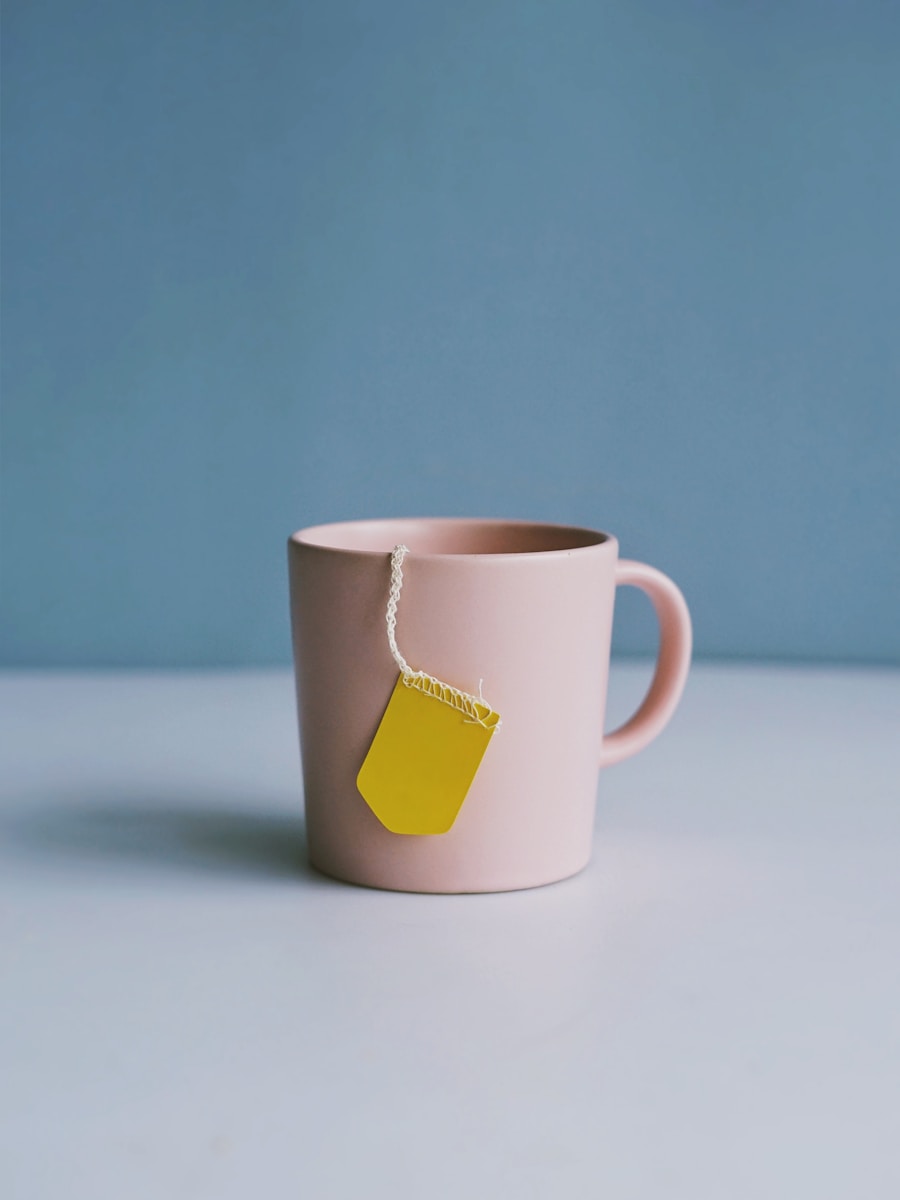
white ceramic mug on white surface

Introduction

The term “mug” has a fascinating journey through history. What began as a simple drinking vessel has morphed into a term used in various contexts, including an amusing and somewhat cheeky insult. This article will take you on a delightful ride through time, exploring the evolution of the word “mug” from its origins to its contemporary usage in both the physical and metaphorical senses.

Origins of the Mug

The word “mug” can be traced back to the 15th century, derived from the Middle English term “mugge” or “mugg,” which referred to a large cup used for drinking. The earliest mugs were typically made from wood, clay, or metal, often featuring a handle for convenience. They served a practical purpose: to hold beverages ranging from water and ale to coffee and tea.

As time marched on, mugs began to evolve in design and materials. By the 16th century, potters were producing earthenware mugs adorned with intricate designs. The invention of porcelain in China and its later introduction to Europe in the 18th century led to a significant transformation. Porcelain mugs became symbols of status and sophistication, often decorated with elaborate artwork that reflected the owner’s taste and wealth.

Mugs Through the Ages

The Renaissance and Beyond

During the Renaissance, the mug continued to be a popular drinking vessel, especially in taverns and homes. It was during this period that the classic tankard design emerged, featuring a hinged lid to keep beverages fresh and safe from contamination. These tankards were often made of pewter, silver, or glass, and were often inscribed with the owner’s name or family crest.

In the 19th century, the Industrial Revolution brought about mass production, leading to an explosion of mug designs and styles. From simple creamware to intricately designed transferware, there was a mug for every taste and occasion. The introduction of coffee and tea into everyday life further solidified the mug’s place in society. Suddenly, everyone wanted a stylish cup to enjoy their afternoon brew!

The Mug as an Insult

Fast forward to the 20th century, and we see an interesting shift in the term “mug.” In British slang, “mug” became a playful yet cutting term for someone who is easily fooled or taken advantage of. This usage likely stems from the notion that a mug, being a simple object that holds liquid, can be seen as a symbol of someone who is passive or gullible.

The transition from drinking vessel to insult is not entirely baffling. The playful nature of language allows for such transformations, and in this case, the mug’s everyday familiarity made it a prime candidate for playful derision. Imagine calling someone a “mug” in a cheeky banter; it adds a certain flair to the conversation while still delivering a sting.

Mugshots and the Criminal Connection

Another fascinating aspect of the word’s evolution is its connection to law enforcement. The term “mugshot” emerged in the late 19th century, referring to photographs taken of criminals upon their arrest. The origin of this term might be linked to the notion of a “mug,” as both a physical face and an object that can be displayed or presented to the public.

Mugshots became an essential part of police records, helping identify repeat offenders and contributing to the growing field of criminology. Today, the term is widely recognized, and mugshot databases have even emerged online, showcasing the faces of numerous unfortunate souls.

The Cultural Impact of Mugs

Mugs have also made their mark in popular culture, appearing in literature, films, and television shows. They often symbolize comfort, relaxation, and conviviality. Think about it: when you see a character curled up with a steaming mug of coffee or tea, it evokes a sense of warmth and familiarity.

In contemporary society, mugs have become a canvas for self-expression. Custom mugs with witty sayings, personalized names, or creative designs flood the market. They make perfect gifts and serve as conversation starters. Whether it’s a funny quip, a motivational quote, or a tribute to a beloved hobby, mugs have become an integral part of our daily lives.

The Mug in Modern Language

As language continues to evolve, so does the usage of “mug.” It can be used in a variety of contexts, from light-hearted banter among friends to serious discussions about being taken advantage of. Some might refer to someone as a “mug” in jest, while others might use it more seriously to indicate a lack of common sense.

Moreover, the term has been embraced by pop culture, especially in music and comedy. Various artists and comedians have used “mug” in their work, giving it a humorous spin that resonates with audiences. The term embodies a certain cheekiness that many find endearing, and it adds a layer of relatability to everyday conversations.

Mugs in Different Cultures

Across the globe, different cultures have their unique takes on the humble mug. In Japan, for instance, traditional tea mugs called “yunomi” are crafted without handles and are designed for sipping tea in a mindful manner. In contrast, in Germany, beer steins—often referred to as mugs—feature intricate designs and are a staple during Oktoberfest celebrations.

These cultural variations highlight the mug’s versatility as both a functional object and a symbol of social connection. Whether in a bustling café in Paris or a local pub in Dublin, mugs bring people together over shared experiences, making them an enduring part of human culture.

Conclusion

The journey of the mug from a practical drinking vessel to a cheeky insult and beyond is a testament to the fluid nature of language and culture. It serves as a reminder that even the simplest objects can have rich histories and fascinating stories. So the next time you lift a mug to your lips—whether it’s filled with coffee, tea, or something stronger—take a moment to appreciate its journey through time and the myriad meanings it has come to embody. After all, it’s more than just a vessel; it’s a piece of history, culture, and even a bit of mischief!