Posted on Leave a comment

Discover 63 Hidden Gems: Britain’s Most Unusual Museums You Never Knew Existed

Britain’s Most Unusual Museums You Never Knew Existed

When you think of museums, your mind might immediately conjure up images of grand art galleries or vast natural history displays. However, the British Isles is home to a treasure trove of quirky and unusual museums that celebrate everything from the hilarious to the downright bizarre. In this article, we’ll take you on a journey through some of the most unusual museums found across the UK, showcasing the rich tapestry of culture, history, and creativity that makes Britain so unique.

The Museum of Bad Art

Located in the delightful town of Somerville, Massachusetts, it’s not just America that has a quirky museum dedicated to the not-so-great. The Museum of Bad Art (MOBA) is a charming collection that celebrates the beauty of the unintentional. While the original MOBA is in the US, Britain has its own version, found in the seaside town of Brighton. This museum focuses on art that goes beyond the bounds of good taste, showcasing works that are hilariously awful and surprisingly entertaining. Visitors can encounter paintings that are almost too bad to be true, encouraging us all to appreciate the creativity behind each stroke, no matter how misguided it may seem.

The British Lawnmower Museum

In Southport, Merseyside, you’ll find a slice of gardening history at the British Lawnmower Museum. This quirky establishment is not only a homage to the humble lawnmower but also a tribute to the garden-loving spirit of Britain. With over 300 exhibits, including rare models and prototypes, the museum explores the evolution of lawn-care machinery from its earliest days to the modern age. Visitors can learn about the history of lawnmowing, engage with interactive displays, and even take a ride on a ride-on mower! If you’ve ever been curious about the unsung heroes of garden maintenance, this museum is a must-visit.

The Dog Collar Museum

For all the dog lovers out there, the Dog Collar Museum at Leeds Castle in Kent is a delightful surprise. This unique museum showcases a collection of over 100 decorative collars that span several centuries. The collars on display illustrate the changing attitudes towards pets, particularly dogs, through the ages. From ornate Victorian designs to whimsical contemporary designs, the museum tells the story of our furry friends and the important roles they have played in our lives. It’s an enchanting visit that’s sure to bring a smile to your face, especially if you’re a proud pupper parent!

The Brontë Parsonage Museum

Located in Haworth, West Yorkshire, the Brontë Parsonage Museum is dedicated to the lives and works of the Brontë sisters – Charlotte, Emily, and Anne. What makes this museum unusual is not just its focus on one of the most famous literary families in British history, but also its immersive experience that draws visitors into the world of the Brontës. The parsonage itself is preserved as it was during their time, allowing visitors to walk in their footsteps. The museum hosts various events, workshops, and exhibitions, celebrating the sisters’ literary contributions and the fascinating lives they led in the Yorkshire moors.

The London Silver Vaults

While not a museum in the traditional sense, the London Silver Vaults in Chancery Lane is a treasure trove of silver artifacts. This underground market is home to dozens of dealers showcasing a remarkable selection of antique and contemporary silver. Visitors can wander through the vaults and admire everything from stunning tableware to intricate jewelry, with some pieces dating back centuries. The atmosphere is unique, and it feels like stepping into a hidden world of splendor and craftsmanship. It’s an unusual experience that invites you to appreciate the artistry of silver in a way that traditional museums don’t.

The Museum of Whales and Whaling

Located in the historic whaling town of Brixham, Devon, the Museum of Whales and Whaling is dedicated to the history of whaling and the conservation of marine life. This unique museum offers an insightful look at the whaling industry, exploring its impact on the environment and the creatures that inhabit our oceans. With exhibits that include real whale bones, artifacts from ships, and engaging displays, visitors can learn about the relationship between humans and whales over the centuries. It’s an eye-opening experience that fosters a greater understanding of marine conservation and the importance of protecting our oceans.

The Pantomime Adventures Museum

If you love a good laugh and enjoy the festive spirit of pantomimes, then the Pantomime Adventures Museum in Tutbury, Staffordshire, will tickle your fancy. This fun and interactive museum is dedicated to the history of pantomime, that uniquely British theatrical tradition filled with slapstick humor, audience participation, and outrageous costumes. The museum features memorabilia from famous pantomimes, as well as fun displays that invite visitors to join in the laughter. It’s an entertaining experience for all ages that showcases the vibrant world of British theatre.

The Leicester Guildhall Museum

Leicester Guildhall is a historic building with a surprising twist. While it serves as a hub for local history, it also houses an assortment of fascinating exhibits that delve into the city’s past. Among its quirky displays are items relating to the history of the local market and a perplexing collection of shrunken heads. Yes, you read that right! This museum provides a mix of the mundane and the bizarre, making it a fun stop for anyone interested in the eclectic history of Leicester and its surrounding areas.

The Museum of Childhood

Located in Edinburgh, the Museum of Childhood is a whimsical place that invites visitors to indulge in nostalgia. It’s the world’s first museum dedicated to childhood, and it features an extensive collection of toys, games, and childhood memorabilia from across the centuries. Visitors can marvel at vintage toys, learn about the evolution of play, and even take a trip down memory lane as they encounter familiar favorites from their own childhoods. The museum also runs workshops and events, making it a fun and interactive experience for families and individuals alike.

Conclusion

Britain is rich in unusual museums that celebrate the quirks and charms of life, art, and history. From the bizarre to the whimsical, these lesser-known gems offer a fresh perspective on the diverse tapestry that makes up British culture. Visiting these unusual museums not only provides a chance to learn something new but also to appreciate the eccentricities that make the UK such a fascinating place to explore. So, the next time you’re planning a day out, consider stepping off the beaten path and into one of these delightfully odd museums – you might just discover a new favorite spot!
Posted on Leave a comment

Discover 52 Hidden Gems: Britain’s Most Beautiful Libraries You’ve Never Heard Of

Britain’s Most Beautiful Libraries You’ve Never Heard Of

When you think of Britain, your mind might conjure up images of grand castles, splendid cathedrals, and the iconic landscapes of the countryside. But lurking in the shadows of these well-known attractions are some hidden gems that deserve just as much attention—our beautiful libraries! These literary sanctuaries are not just repositories of books; they are architectural marvels and tranquil havens for book lovers and curious minds alike. In this article, we’ll explore some of Britain’s most stunning, lesser-known libraries that you absolutely must visit. So grab a cup of tea, settle into your favorite reading nook, and let’s dive into the world of these hidden treasures!

The Bodleian Library, Oxford

While the Bodleian Library is somewhat known, its many enchanting spaces are often overlooked. This architectural masterpiece is one of the oldest libraries in Europe and has been a center of scholarly activity since 1602. The library’s Radcliffe Camera, with its iconic circular dome, is a sight to behold. The stunning interior features oak shelves lined with ancient texts that whisper tales from centuries past. If you’re lucky enough to join a guided tour, you can explore magnificent reading rooms, including the magnificent Duke Humfrey’s Library, which looks like something straight out of a Harry Potter film.

The John Rylands Library, Manchester

A true hidden gem in the heart of Manchester, the John Rylands Library is an awe-inspiring neo-Gothic structure that feels more like a cathedral than a library. Opened in 1900, this architectural wonder houses rare books and manuscripts, some dating back to the 4th century. The stunning reading room, with its high arches and stained glass windows, is perfect for those seeking a moment of quiet contemplation. Whether you’re a history buff or a literature lover, a visit to this library is like stepping into a different era. Don’t forget to check out their exhibitions, showcasing works that span centuries and cultures.

The Library of Birmingham

This modern architectural marvel may be more known than some on our list, but it’s worth mentioning for its unique design and vibrant atmosphere. Opened in 2013, the Library of Birmingham is a stunning example of contemporary architecture with a striking golden filigree that wraps around its exterior. Inside, you’ll discover a wealth of resources, from traditional books to digital media. The rooftop terrace offers a lush garden experience, providing a peaceful retreat amidst the hustle and bustle of the city. With various events and exhibitions, this library is a community hub that encourages learning and creativity.

The Glasgow University Library

Nestled in the heart of one of Scotland’s oldest universities, the Glasgow University Library is a stunning example of gothic architecture. Completed in 1909, the library boasts an impressive collection of over 2 million items. The magnificent main hall, with its high ceilings and wooden galleries, is a sight to behold. The library is not just a place for studying; it’s also steeped in history, with its own unique tales of student life and scholarly pursuits. On a clear day, you can enjoy panoramic views of the university campus and the city beyond from the library’s upper floors.

The National Library of Scotland, Edinburgh

Often overshadowed by Edinburgh’s more famous attractions, the National Library of Scotland is an absolute gem for book lovers. Located on George IV Bridge, this library is home to an extensive collection of books, manuscripts, and maps. The stunning modern extension, designed by architect Eric Parry, complements the historic building beautifully. Visitors can explore the library’s exhibitions, showcasing Scotland’s rich literary heritage, including manuscripts from famous authors like Sir Walter Scott and Robert Burns. The reading rooms, with their high ceilings and elegant furnishings, provide a perfect setting for research or quiet reflection.

The Manchester Central Library

Located in the heart of Manchester, the Central Library is an architectural marvel that deserves more recognition. Its circular design, inspired by the Pantheon in Rome, is striking both inside and out. Opened in 1934, this Grade II-listed building is a treasure trove of knowledge, housing over 2 million books. The main reading room, with its enormous dome, is a stunning space that invites visitors to relax and get lost in a good book. With various events and activities, including author talks and literary workshops, this library is a vibrant part of the Manchester community.

The Philip Larkin Library, Hull

Tucked away in Hull, the Philip Larkin Library is a lesser-known but beautiful space dedicated to the famous poet. Housed within the University of Hull, this library offers a modern, welcoming environment with an impressive collection of literature. The library is named after the poet who spent a significant portion of his life at the university and features a reading room designed for quiet contemplation. With its vibrant atmosphere and modern facilities, it’s the perfect place for students and visitors to immerse themselves in literature.

The Royal Library, Windsor Castle

Step inside the Royal Library at Windsor Castle, and you’ll feel like royalty! While Windsor Castle is a popular tourist destination, its library often flies under the radar. This stunning space is home to over 200,000 volumes, including rare books and manuscripts collected by British monarchs. The library’s elegant design, complete with antique furnishings and intricate carvings, creates an atmosphere of sophistication and grandeur. The library is not open to the public, but special tours do offer a glimpse into this hidden gem.

The Bodleian Library’s Divinity School, Oxford

While we’ve already mentioned the Bodleian Library, its Divinity School deserves a special mention. This stunning room is a masterpiece of perpendicular Gothic architecture, complete with intricate fan-vaulted ceilings and beautiful stained glass windows. Originally built as a place for lecturing, the Divinity School is often used for special events and exhibitions. It’s a breathtaking space that will leave visitors in awe of its beauty and history.

The New Bodleian Library, Oxford

Another stunning part of the Bodleian complex is the New Bodleian Library. Opened in 2016 after extensive renovations, it combines modern amenities with the historical charm of its predecessors. The library features a state-of-the-art reading room, beautiful cafes, and even a rooftop terrace with stunning views of the iconic skyline of Oxford. This library is a must-visit for anyone interested in the evolving role of libraries in the digital age while still honoring their rich history.

Conclusion

Britain is filled with remarkable libraries that often go unnoticed amidst the grandeur of its historical landmarks. From the gothic elegance of the John Rylands Library in Manchester to the modern brilliance of the Library of Birmingham, each of these hidden gems offers something unique for visitors and locals alike. These libraries are not just places to borrow books; they are sanctuaries of knowledge, creativity, and inspiration. So the next time you’re exploring Britain, take a moment to step inside one of these beautiful libraries and discover the stories they hold. You might just find your new favorite spot to read, reflect, and escape the hustle of everyday life.

Posted on Leave a comment

Hidden London: Abandoned Tube Stations You Can Actually Visit

Discovering London’s Hidden Gems: Abandoned Tube Stations You Can Actually Visit

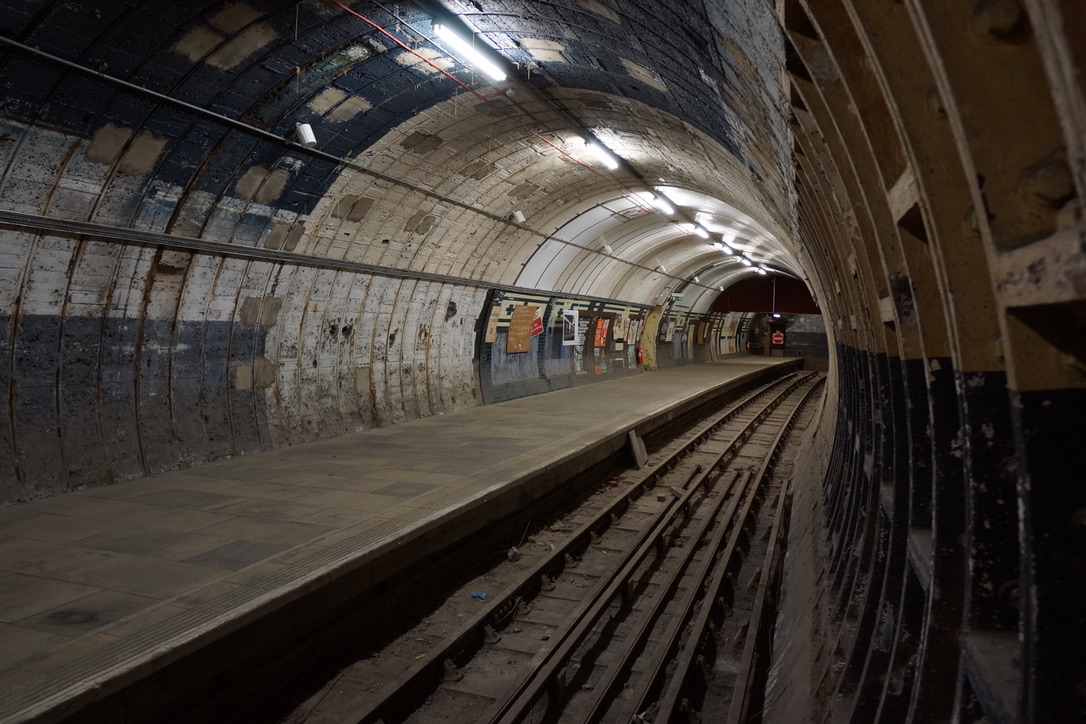
London is a city steeped in history, mystery, and a whole lot of quirky charm. While many flock to the iconic attractions like Buckingham Palace and the Tower of London, there’s an intriguing underbelly to this vibrant city that often goes unnoticed: its abandoned Tube stations. These forgotten platforms and tunnels are not just remnants of the past; they are stories waiting to be told. Some are even accessible to the public! So, grab your explorer’s hat, and let’s delve into the fascinating world of London’s hidden, abandoned Tube stations.

A Brief History of the London Underground

Before we embark on our tour of the abandoned stations, it’s essential to understand the illustrious history of the London Underground. Opened in 1863, it was the world’s first underground railway, initially designed to ease the congestion of horse-drawn carriages on the city’s streets.

Over the decades, the Tube expanded rapidly, with new lines and stations popping up all over the city. However, with the changing times, some stations became less frequented, leading to their eventual closure. Today, many of these abandoned stations sit in a time capsule, preserving the essence of an era gone by.

The Allure of Abandoned Stations

Why do abandoned places hold such a fascination? Perhaps it’s the blend of nostalgia and intrigue. Each shuttered station tells a unique story – a reminder of the bustling life that once filled its walls. From ornate tiles to vintage posters, these sites are like open-air museums that provide a glimpse into London’s past.

The Must-Visit Abandoned Tube Stations

While many abandoned stations are closed off to the public, some offer special tours, making them accessible for curious adventurers. Here’s a round-up of some hidden treasures you can visit.

1. Aldwych Station

Aldwych station, located in the heart of the West End, is one of the most famous abandoned stations, often featured in films and TV shows for its eerie atmosphere. It opened in 1907 and was designed as a terminus for the Strand. The station was closed in 1994, and today, you can visit it as part of special tours hosted by the London Transport Museum.

During the tour, you’ll get to see the well-preserved architecture, including the beautiful original tiles and the charming old ticket office. There’s even a chance to explore the disused platform and learn about the station’s fascinating history, including its use during World War II as a bomb shelter.

2. Charing Cross (Low Level)

Charing Cross Station, a major interchange for London commuters, has an intriguing secret beneath its bustling surface. The low-level platforms were closed in 1999, leaving behind a forgotten world of Victorian elegance. While regular access is not available, guided tours are organized by the London Transport Museum, allowing you to step into a world of vintage charm.

What makes Charing Cross particularly interesting are its stunning architectural features, including beautiful mosaics and grand arches. The station’s past is woven with tales of greatness, from the glamorous events it hosted to the stories of those who passed through its doors.

3. Down Street

Nestled between Green Park and Hyde Park Corner, Down Street is a lesser-known abandoned station that offers a unique glimpse into the Great War era. Closed in 1932, it was briefly used as a secret war headquarters for Winston Churchill during World War II.

A visit to Down Street is like stepping back in time. The station retains many original features, including the vintage signage and tiling. Though access is limited, special tours are occasionally conducted by the London Transport Museum, making it an exciting opportunity to explore an undiscovered piece of history.

4. Earl’s Court (Old Station)

Earl’s Court has a bit of a dual identity. While the station still serves the public, the old station, which was closed in 1994, lies dormant just a stone’s throw away. This station is particularly exciting for railway enthusiasts, as it showcases the evolution of the Tube over the years.

The old Earl’s Court station features original art deco designs and offers a fascinating insight into the architectural styles that defined the early 20th century. Although public access is limited, special events and tours are sometimes held, revealing the rich tapestry of Earl’s Court’s history.

Planning Your Visit

If you’re eager to embark on this underground adventure, here are some tips to consider:

Check Tour Schedules

Many of the abandoned stations require prior bookings for tours. The London Transport Museum, in particular, organizes various events throughout the year. It’s best to check their website regularly for updates and availability.

Dress Appropriately

Exploring these hidden spaces often requires some walking and navigating through less-than-perfect conditions. Wear comfortable shoes and dress appropriately for the underground atmosphere, which can sometimes be chilly.

Be Mindful of Restrictions

Access to these abandoned stations is regulated to preserve their historical significance. Always follow guidelines and instructions provided during tours to ensure a safe and respectful visit.

The Magic of the Underground

Beyond the historical significance and architectural beauty, there’s something truly magical about stepping into these abandoned stations. They serve as reminders of the city’s evolution and the tales of countless lives that intersected at these platforms.

Each visit can spark conversations and ignite imaginations. Imagine the stories they could tell if walls could talk! Whether you’re a history buff, an architecture enthusiast, or simply looking for a unique experience, exploring these hidden gems is a fantastic way to connect with London’s vibrant past.

Conclusion

In a city as bustling and dynamic as London, it’s easy to overlook the quiet whispers of history nestled within its abandoned Tube stations. These forgotten platforms tell tales of yesteryear, inviting us to step back in time and experience the rich heritage that lies just beneath our feet.

So, if you find yourself wandering the streets of London, take a moment to contemplate the hidden stories of the Tube. With special tours available, you can dive deep into the city’s history and uncover the mysteries of the past. Who knows, you might just find your new favorite spot in the vibrant tapestry that is London!

Posted on Leave a comment

The Secret Meanings Behind London Tube Station Names

The Secret Meanings Behind London Tube Station Names

London is a city steeped in history, a place where every corner tells a story, and its transport system is no exception. The London Underground, affectionately known as the Tube, not only connects the vast metropolis but also serves as a treasure trove of fascinating tales hidden in the names of its stations. You might hop on a train at Green Park or get off at Baker Street without ever pondering the rich history and quirky anecdotes behind these names. Buckle up as we dive deep into the interesting world of Tube station names—some may surprise you!

A Brief History of the Underground

Before we delve into the names themselves, let’s take a quick jaunt back in time to understand the context. The London Underground opened in 1863, the world’s first underground railway. It was a groundbreaking achievement, designed to alleviate congestion on the city’s streets. Over the years, the Tube has expanded to cover 402 kilometers (250 miles) of track, with 272 stations. The significance of these names often reflects geographical, historical, and cultural elements that have shaped London over centuries.

The Origins of Station Names

Understanding the origins of Tube station names can reveal a lot about London’s past. Many names are derived from local landmarks, historical figures, and even folk tales. Let’s explore some categories that illustrate the diversity of these names.

Geographical Influences

Many station names are derived from geographical features or locations. For example, Baker Street is named after the baker who lived on the street, reflecting the city’s history as a center for trade and commerce. Similarly, Kings Cross refers to a site that was once marked by a statue of King George IV, a location that has become synonymous with travel and transit.

Hammersmith is another interesting example. It derives its name from a hammer smith, referring to the area’s industrial past and its connection to the River Thames. The river was essential for transporting goods, and the name echoes a time when industry and commerce defined the area.

Historical Figures and Events

Some station names pay homage to significant historical figures or events. St. Pancras, for instance, is named after a young Christian martyr. The church of St. Pancras, which dates back to the 4th century, has been an important landmark in the area. The station itself is a striking piece of Victorian architecture and serves as a reminder of London’s rich ecclesiastical history.

Then, there’s Finsbury Park, named after Finsbury, a name that has roots in the historical Finsbury area. The park itself has served various purposes over the years, making the station a gateway to both leisure and transport.

Quirky and Fun Names

Not all names reflect grand historical narratives; some are just plain quirky! Take Cockfosters, for instance. This name brings a smile, yet it has a rather mundane origin. It’s believed to be derived from an old farmhouse, and the term “foster” indicates the area where livestock were cared for.

Barking is another station name that raises eyebrows. It might make you think of dogs, but it actually comes from the Old English word “beorc,” meaning a birch tree. Over time, the name evolved into the one we know today.

Names with Cultural Significance

London is a melting pot of cultures, and this is reflected in some station names. Tottenham Court Road is more than just a station; it’s a nod to the historic Tottenham area, where the court of King Henry II once convened. Today, it’s a bustling hub filled with shops, restaurants, and bars, but its name serves as a reminder of the royal past.

Likewise, Leicester Square is named after the Leicester family, but it has evolved into a cultural hotspot, known for its cinemas and theaters. The square itself has hosted countless events, making its name synonymous with entertainment and the arts.

The Legends and Folklore

Many station names are steeped in local legends and folklore. The name Mile End refers to the distance of one mile from the city walls of London. However, it also carries tales of the past, including tales of highwaymen and ghost stories that add an eerie charm to the name.

Another interesting one is Wembley Park, which is famous for the iconic Wembley Stadium. However, the name “Wembley” is believed to derive from “Wemba,” an Old English term that meant “the place of the Wempas,” a reference to a family or clan living in the area. The transformation of the name over the centuries tells a story of community and change.

Modern Influences and Changes

As London evolves, so do its stations. Names can change to reflect modern culture or significant developments. Take O2 for example: originally known as North Greenwich, the station was renamed after the O2 arena, a modern venue that has hosted everything from concerts to sporting events. This reflects the way the Underground adapts to the cultural landscape of the city.

Similarly, Nine Elms, once a quiet area, has seen significant development with the rise of new residential and commercial buildings. The name has become increasingly relevant as the area grows in prominence, demonstrating how names can shift with urban transformation.

The Significance of Tube Station Names

The names of Tube stations are not just playful monikers; they encapsulate the spirit of London. They serve as markers of the city’s history, geography, and culture. Each name invites passengers to delve deeper into the stories that shaped the city, encouraging a sense of connectedness to the past.

The Role of Art and Literature

London’s literary ties also permeate its transport system. Willesden Junction resonates with cultural significance, being close to the area where famed author Charles Dickens once lived. Similarly, Shakespeare’s Globe station serves as a reminder of London’s rich theatrical history, as it’s near the site of the original Globe Theatre.

A Journey Through Time

Riding the Tube is more than just a means of transport; it’s a journey through time. Every time you step onto a train, you’re hopping onto a mobile history lesson. The station names invite curiosity, giving you a chance to explore London’s hidden gems, from historic landmarks to vibrant neighborhoods.

Conclusion

The next time you find yourself navigating the winding tunnels of the London Underground, take a moment to appreciate the uniqueness of each station’s name. Each one carries a wealth of history, culture, and character that defines this vibrant city. Whether you’re a local or a tourist, understanding the stories behind these names enriches your experience of London. So, put on your explorer hat, hop on the Tube, and let the names guide you on a delightful adventure through the heart of the capital!