Posted on Leave a comment

The Great British Picnic Debate: Mastering the Definitive Rules for a Perfect Outdoor Feast

The Great British Picnic Debate: The Definitive Rules

The sun is shining, birds are chirping, and there’s a gentle breeze in the air—perfect picnic weather! As soon as the warmer months roll in, the British public dusts off their picnic baskets and heads outdoors to enjoy a delightful feast surrounded by nature. But hold your cucumber sandwiches! The British picnic scene is not just about spreading a blanket on the grass; it comes with its own set of unwritten rules and traditions that are fiercely debated among picnic aficionados.

In this article, we’ll take a lighthearted yet thorough look at the great British picnic debate. From the choice of food to the proper way to set up your picnic, this is the ultimate guide to ensuring that your outdoor gathering is as enjoyable as possible.

The Location, Location, Location

First things first, where should you set up your picnic? Choosing the perfect location can set the tone for your entire outing. The quintessential British picnic often takes place in public parks, by a tranquil lake, or in the countryside surrounded by rolling hills. However, there are some key considerations to keep in mind:

Accessibility

Make sure your chosen spot is easily accessible. You don’t want to haul a heavy basket across a muddy field or climb a steep hill only to find your picnic area is overrun with ants! Look for a flat, grassy area with a good balance of sun and shade.

Amenities

Consider the amenities nearby. Is there a toilet within a reasonable distance? Are there bins for your rubbish? While us Brits love to embrace nature, let’s not forget about the practicalities!

The Picnic Basket Essentials

What’s a picnic without the right food? This is where the great British picnic debate really heats up. Different regions of the UK have their own traditional picnic foods, but there are certain staples that every picnic basket should contain:

Sandwiches

No British picnic is complete without sandwiches—preferably cut into triangles. Choices can vary from the classic cucumber and cream cheese to ham and mustard or even a fully-loaded ploughman’s sandwich. The key here is to ensure that they are made fresh and, if you’re feeling fancy, wrapped in greaseproof paper for that authentic touch.

Scones and Cream

How could we forget the quintessential cream tea? While it may not be the most portable item, bringing a few scones topped with clotted cream and strawberry jam can elevate your picnic to new heights. Just be careful about the jam vs. cream debate—Cornish or Devonshire style? This is a serious matter in the South West!

Salads and Sides

For those looking for something lighter, a selection of salads can be a refreshing addition. Potato salad, coleslaw, or a classic pasta salad can provide a nice contrast to your heavier sandwich options.

Sweet Treats

To finish off your meal, you can’t go wrong with a few sweet treats. Mini cupcakes, flapjacks, or biscuits can satisfy your sweet tooth, while also being easy to pack and transport. Just don’t forget the all-important napkins!

Drinks: To Bring or Not to Bring?

The beverage debate is another hot topic among picnic enthusiasts. Should you stick with soft drinks and water, or is it acceptable to bring a bottle of wine? Here’s the lowdown:

Non-Alcoholic Options

For family-friendly picnics, it’s wise to keep beverages non-alcoholic. Sparkling water, homemade lemonade, or iced tea can keep everyone refreshed without the risk of a tipsy outing. Plus, there’s something so refreshing about sipping on a cold drink while enjoying the outdoors.

The Wine Dilemma

If you’re picnicking with a group of adults, bringing a bottle of rosé or a cheeky can of Pimm’s can be a lovely way to relax. However, moderation is key, and remember to bring a corkscrew and glasses if needed!

The Blanket: More Important Than You Think

Choosing the right picnic blanket can be the difference between an enjoyable afternoon and a soggy, uncomfortable sit-down. Here are a few guidelines:

Size Matters

A giant blanket is great for spreading out and enjoying a feast, but it can be cumbersome to carry. A medium-sized, lightweight picnic blanket is often the sweet spot, allowing enough space for everyone without being too unwieldy.

Waterproof Features

If there’s even a slight chance of dampness from the ground, opt for a waterproof or water-resistant blanket. You’ll thank yourself later when the grass is still wet from the morning dew!

Setting Up the Picnic

Now that you’ve gathered your food, drinks, and blanket, it’s time to set up! The way you arrange your picnic can enhance the overall experience.

Spread Out

Make sure to spread out your food rather than piling everything in one spot. This will create an inviting atmosphere and allow guests to help themselves easily. Plus, it gives you more space to enjoy your food without feeling cramped.

Create Zones

Consider creating a “food zone” and a “relaxation zone.” Keeping your eating area separate from the lounging area can help maintain cleanliness and make it easier to relax after the meal.

The Picnic Games

What’s a picnic without a bit of fun? Engaging in games can make your outing even more memorable. Here are a few traditional British picnic games to consider:

Classic Sports

Bring along a frisbee, a football, or even a rounders bat and ball. These classic games are perfect for getting everyone involved and adding some friendly competition to your outing.

Card Games

If you’re more in the mood for a relaxed time, pack a deck of cards or a board game. It’s a delightful way to engage with friends and family while enjoying the lovely weather.

Leaving No Trace

As responsible picnickers, we all have an obligation to respect nature and leave the area as we found it. Here are a few tips for ensuring you leave no trace:

Pack It In, Pack It Out

Always take your rubbish home with you, or use designated bins if available. It’s important to keep our parks and beaches clean for the next visitors.

Recycle When Possible

If you’ve brought plastic or recyclable materials, ensure they go into the corresponding recycling bins. Every little bit helps!

Conclusion

The great British picnic is not just a lovely day out; it’s a cherished tradition steeped in rules and friendly debates. From the choice of food to the right location and the activities that follow, every detail contributes to the overall experience.

Embrace the spirit of the picnic by gathering your loved ones, packing your favourite treats, and heading outdoors. Whether you prefer a traditional feast of sandwiches and scones or a modern twist with gourmet nibbles, remember that the ultimate goal is to relax, enjoy, and create lasting memories. After all, isn’t that what summer is all about? So grab your blanket, and let the great British picnic debate continue!
Posted on Leave a comment

18 Reasons Why British Chocolate Tastes Different from American: The Science Behind the Flavor

Why British Chocolate Tastes Different Than American: The Science Explained

When it comes to chocolate, the world is divided into two camps: those who swear by British chocolate and those who can’t get enough of American chocolate. But have you ever stopped to wonder why these two seemingly similar delights taste so different? As a nation of tea lovers and biscuit dunkers, the British take their chocolate seriously, while the Americans have their own distinct preferences and practices. In this article, we’ll unwrap the science, history, and cultural factors that contribute to the delightful disparity between British and American chocolate.

The Basics of Chocolate

Before diving into the specifics, let’s briefly cover what chocolate is made of. Chocolate is primarily made from cocoa solids, cocoa butter, sugar, and milk (for milk chocolate). The proportions of these ingredients vary significantly between different countries, leading to distinct flavors and textures.

Cocoa Content

One of the major differentiators between British and American chocolate is the cocoa content. Generally speaking, British chocolate tends to have a higher cocoa percentage compared to its American counterpart. For instance, many British brands like Cadbury’s Dairy Milk typically have around 20% cocoa solids, while American chocolate like Hershey’s often hovers around 10-12%.

This difference in cocoa content means that British chocolate is usually richer and has a more intense chocolate flavor. The higher cocoa content also affects the mouthfeel, giving British chocolate that signature smoothness that enthusiasts rave about.

Sugar Levels

Another pivotal aspect is the sweetness of the chocolate. American chocolate often leans towards the sweeter side, thanks to the higher sugar content. The average American chocolate bar can contain up to 30% sugar, which can overshadow the chocolate flavor itself.

In contrast, British chocolate usually contains less sugar, allowing the rich cocoa flavor to shine through. This is especially true for dark chocolates, which are a staple in British confectionery. Chocolate lovers often find that British options have a more balanced flavor profile, where sweetness complements rather than dominates.

Milk Variety

The type of milk used in chocolate also plays a key role in how it tastes. British chocolate often utilizes whole milk powder, while American chocolate uses a combination of milk solids and non-fat dry milk. This difference can create a creamier and more satisfying mouthfeel in British chocolate.

Moreover, the dairy industry in the UK is known for its high standards, which can affect the quality of the milk used in production. The rich, creamy texture of British chocolate can often be attributed to this quality milk, setting it apart in the world of confectionery.

Emulsifiers and Additives

When you bite into a chocolate bar, what keeps it silky smooth? The answer lies in emulsifiers, which help blend cocoa solids, cocoa butter, and sugar. British chocolate often employs different emulsifiers than American chocolate, with many British brands using lecithin derived from soy, while American brands might use other emulsifiers like PGPR (polyglycerol polyricinoleate).

The choice of emulsifier influences the texture and mouthfeel of the chocolate. For instance, British chocolate tends to have a creamier consistency, while American chocolate can feel more waxy or artificial due to the emulsifiers used.

Flavoring Differences

Let’s not forget about flavoring agents. The way chocolate is flavored can vary widely between cultures. British chocolate is often flavored with natural ingredients, while American chocolate sometimes makes use of artificial flavors.

British brands tend to focus on classic flavors, such as caramel, mint, and fruit, using real ingredients to enhance the chocolate experience. On the other hand, American chocolate brands might lean toward more processed flavors, which can change the overall taste profile.

Cultural Preferences

Cultural preferences play a significant role in the way chocolate is produced and consumed. In Britain, chocolate is often associated with traditional tea time and is enjoyed in a more leisurely manner. British consumers may prefer their chocolate to have a richer and more complex flavor, which makes sense given the country’s penchant for quality ingredients.

In contrast, American chocolate often appeals to a fast-paced lifestyle. Grab-and-go chocolate bars and fun-sized options dominate the market, leading to a preference for sweeter, more accessible flavors. This cultural difference further exacerbates the disparity in taste between the two nations.

The Influence of History

The history of chocolate in both countries also informs its current production methods and flavor profiles. Chocolate first became popular in the UK in the 19th century, thanks in part to the introduction of solid chocolate bars. British producers focused on creating smooth, creamy chocolate, which became a staple of the nation’s confectionery industry.

In America, chocolate was initially imported and subsequently adapted to local tastes. The introduction of milk chocolate by brands like Hershey’s in the early 20th century made chocolate more widely available, but it also led to a distinctly sweeter flavor that became the American standard.

Brand Loyalty

Brand loyalty undoubtedly plays a role in how we perceive chocolate. Many people have strong preferences shaped by their childhood memories or regional availability. From munching on a Cadbury Flake during a seaside holiday in Britain to enjoying a Reese’s Peanut Butter Cup at a summer barbecue in the States, these experiences shape our taste buds and opinions.

For many, the debate over which chocolate reigns supreme often comes down to personal preference. While some might gravitate toward the rich, intense flavors of British chocolate, others may favor the sweet comfort of American chocolate.

Conclusion

So, why does British chocolate taste different from American chocolate? The answer lies in a combination of factors: cocoa content, sugar levels, milk variety, emulsifiers, flavoring choices, cultural preferences, historical influences, and brand loyalty all play significant roles in shaping the chocolate experience.

Whether you prefer the rich and creamy texture of British chocolate or the sweet, nostalgic flavors of American chocolate, there’s no denying the wonderful world of chocolate has something to satisfy every palate. Next time you indulge in a chocolate bar, take a moment to appreciate the intricate science and culture behind each delightful bite. Happy snacking!

Posted on Leave a comment

Beyond London: Weekend City Breaks in Britain That Locals Actually Recommend

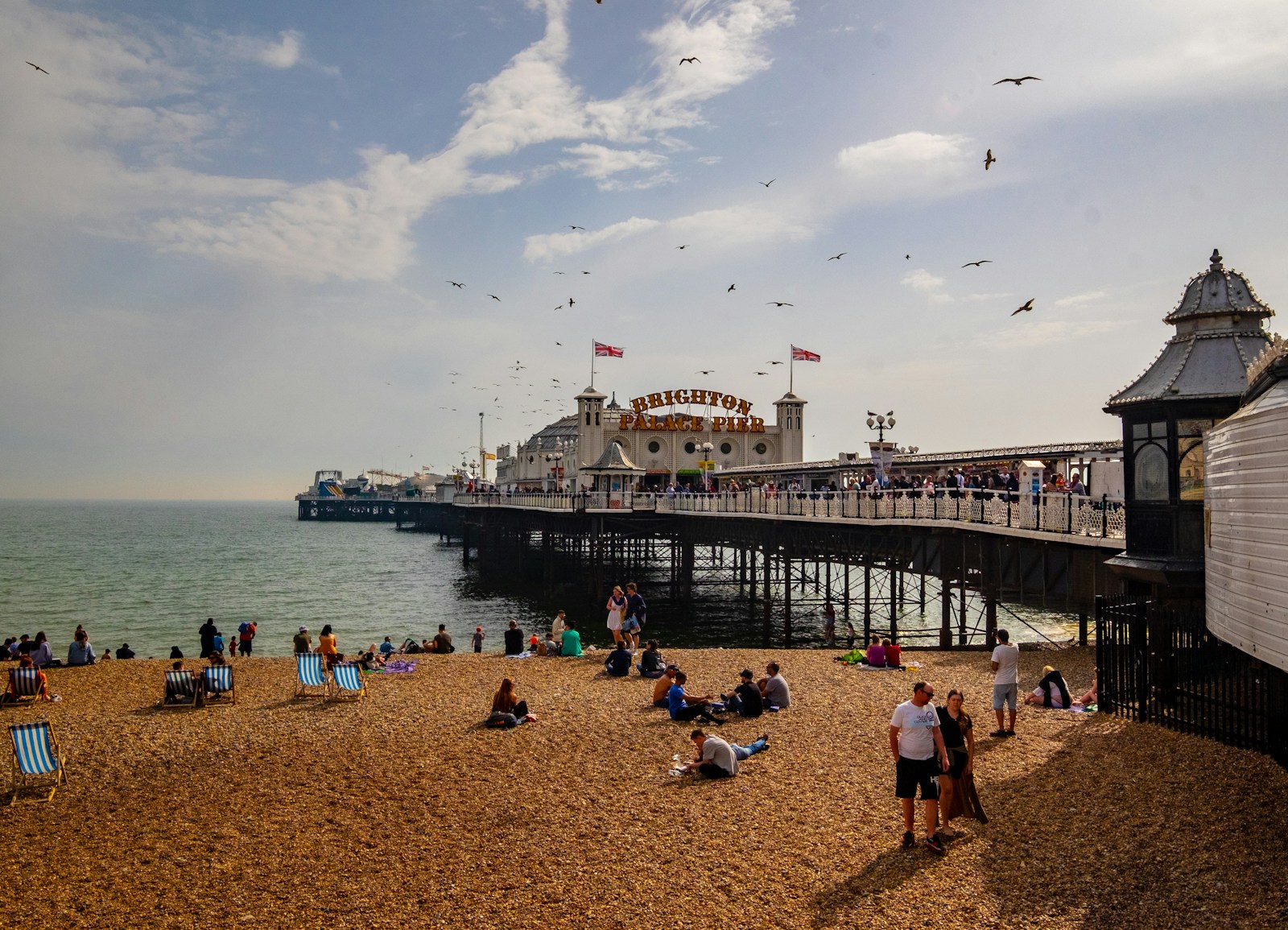
people near seashore viewing sea

Exploring the Hidden Gems of Britain: Weekend City Breaks You’ll Love

When you think of a city break in Britain, London often springs to mind. The iconic sights, the bustling atmosphere, and the endless activities can make it hard to look beyond the capital. However, there’s an entire treasure trove of vibrant cities across the UK that locals rave about. From charming architecture to rich history and mouthwatering cuisine, these destinations offer unique experiences that rival the hustle and bustle of London. Grab your weekend bag and let’s explore some of the best alternatives.

Brighton: The Seaside Escape

Firstly, let’s head south to Brighton, a city that captures the spirit of British seaside culture. Known for its pebbled beach, colorful beach huts, and the iconic Brighton Pier, the city is a haven for those looking to unwind by the sea.

Vibrant Culture and Nightlife

Brighton is famed for its eclectic arts scene. Stroll through the North Laine area, where independent shops, cafes, and galleries await. If you’re in the mood for some nightlife, the city comes alive after dark with its numerous pubs and clubs. The LGBTQ+ scene is particularly welcoming, and there are plenty of events throughout the year, including the famous Brighton Pride.

Foodie Paradise

Food lovers will feel right at home in Brighton. The food scene is diverse, with everything from fish and chips to gourmet vegan options. Don’t miss out on trying the local fish at one of the many seaside restaurants or grabbing a cupcake at a quirky café. The Brighton Food Festival, held annually, showcases the best of local food, so plan your visit accordingly!

Edinburgh: History and Haggis

Next up is Scotland’s capital, Edinburgh, a city that feels like a page out of a storybook. With its historic architecture, stunning landscapes, and rich culture, it’s a must-visit for anyone seeking a weekend adventure.

Historic Sites

The majestic Edinburgh Castle dominates the skyline and is a great starting point for your explorations. From there, wander down the Royal Mile, soaking in the atmosphere and visiting the various shops and attractions. Be sure to check out the Palace of Holyroodhouse, the official residence of the Queen in Scotland, which offers a glimpse into royal life.

Festivals and Events

Edinburgh is famous for its festivals, especially the Edinburgh Festival Fringe, the world’s largest arts festival. If you’re lucky enough to visit in August, you’ll be treated to an explosion of performances, from theatre and comedy to music and dance. Even outside of festival season, there’s always something happening in this vibrant city.

Bristol: The Creative Hub

Bristol, located in the southwest of England, has been gaining popularity in recent years and for good reason. It’s a city bursting with creativity and character, making it an ideal spot for a weekend getaway.

Art and Street Culture

Bristol is known for its thriving street art scene, with Banksy being one of its most famous proponents. Take a walking tour to appreciate the incredible murals that adorn the city’s walls. The Harbourside area is another must-visit, offering a blend of culture and leisure with galleries, restaurants, and museums.

Sustainable Living

What sets Bristol apart is its commitment to sustainability. The city is filled with eco-friendly eateries and shops. Don’t miss out on visiting the food market on St. Nicholas Market, where you can indulge in local delicacies while supporting small businesses.

Manchester: The Northern Powerhouse

Manchester is a city that has undergone a remarkable transformation in recent years. Known as the birthplace of the Industrial Revolution, it now boasts a lively atmosphere and a diverse cultural scene.

Music and Nightlife

The city is famous for its music scene, having produced iconic bands like Oasis and The Smiths. Catch a gig at one of the many live music venues, or explore the Northern Quarter, known for its indie shops and hip bars. Manchester’s nightlife is vibrant, with offerings to suit every taste—from laid-back pubs to high-energy nightclubs.

Sports Fanatics Welcome

If you’re a sports enthusiast, you’ll be pleased to know that Manchester is home to two of the biggest football clubs in the world: Manchester United and Manchester City. Take a tour of Old Trafford or the Etihad Stadium for a behind-the-scenes look at these iconic sports venues.

York: A Journey Through Time

For a different kind of city break, consider York. This historic city is perfect for those who love medieval charm and fascinating history. With its cobbled streets and stunning architecture, York feels like stepping back in time.

Wander the Walls

Start your visit by walking along the ancient city walls, which offer panoramic views of the city. The Shambles, a picturesque street lined with timber-framed buildings, is a highlight and is often regarded as one of the best-preserved medieval streets in Europe.

Cultural Experiences

No visit to York would be complete without exploring its rich history. The Jorvik Viking Centre offers an interactive experience that takes you back to the Viking Age, while the York Minster, one of the largest cathedrals in Northern Europe, is a breathtaking sight.

Cardiff: The Capital of Wales

Cardiff may not be the first city that comes to mind, but this vibrant capital of Wales is full of surprises. It’s a city that blends modernity and tradition seamlessly, making it an exciting destination.

Cultural Richness

Visit the impressive Cardiff Castle, which offers a glimpse into the city’s history. After exploring the castle, head to the National Museum Cardiff to delve deeper into Welsh art and history. The city’s waterfront at Cardiff Bay is also a great area to relax, with plenty of dining options and stunning views.

Sporting Events

If you’re a sports fan, Cardiff is home to the Principality Stadium, where you can catch a rugby match or a concert. The passionate atmosphere during events is something you don’t want to miss!

Conclusion: The Open Road Awaits

These city breaks offer a refreshing alternative to the hustle and bustle of London, showcasing the diverse culture, history, and beauty found throughout Britain. Whether you’re seeking a relaxing seaside escape, a cultural deep dive, or a lively night out, there’s a perfect weekend destination waiting for you. So why not step out of London’s shadow and explore everything these incredible cities have to offer? The open road is calling—your next adventure awaits!