Posted on Leave a comment

Exploring 79 British Towns Inspired by Mythical Creatures: Legends and Locations

The British Towns Named After Mythical Creatures

When you think of Britain, you might conjure up images of rolling green hills, historic castles, and of course, a good cup of tea. But there’s another layer to this enchanting landscape, a layer steeped in folklore and fantasy. Across the UK, there are charming towns and villages that owe their names to mythical creatures—beasts of legend that have captivated imaginations for centuries. Let’s embark on a whimsical journey through some of these towns, exploring their stories, their creature namesakes, and the magic that lingers in the air.

A Dive into Mythical Creatures

Before we set off on our adventure through these towns, let’s take a moment to understand what we mean by mythical creatures. These are beings that are part of folklore and mythology—often depicted as extraordinary or supernatural. From dragons and fairies to unicorns and mermaids, these creatures have shaped the cultural landscape and storytelling traditions of Britain. Their names have left indelible marks on the map, giving rise to towns where legends live on.

The Enchanted Village of Merrow

Our first stop is the quaint village of Merrow, located just outside of Guildford in Surrey. The name “Merrow” is derived from the legendary mermaids of local folklore, specifically the merrow men and women who were said to dwell in the waters surrounding the area. These mermaids were not just your average fairy-tale characters; they were believed to possess the ability to charm sailors with their enchanting songs.

In Merrow, the echoes of these tales can still be felt. The village itself is picturesque, with charming cottages and lush greenery. The local community often celebrates its mythical heritage through festivals and events, drawing upon the enchanting allure of its namesake. On a sunny day, locals and visitors alike can stroll by the River Wey, imagining the mermaids of old weaving through the waters.

The Dragon’s Lair in Tewkesbury

Next on our mythical tour is Tewkesbury, a town steeped in history and legend, located in Gloucestershire. Tewkesbury is famous for its medieval architecture and the stunning Tewkesbury Abbey. However, what many don’t know is that it is also linked to the legend of the dragon.

According to local lore, a fearsome dragon once roamed the area, terrorizing the villagers until a brave knight came to their rescue. This story has evolved into a symbol of bravery and protection within the community. Though the dragon itself may not be lurking around today, Tewkesbury hosts various events that celebrate its rich historical and mythical heritage.

One such event is the annual Tewkesbury Medieval Festival. It is a lively gathering where locals and visitors dress in period costumes, bringing the past—and its legendary creatures—back to life. The town’s connection to the dragon is a proud part of its identity, and it’s a fantastic place to explore the blend of history and myth.

The Fabled Faeries of Fairy Hill

Just a short trip away from Tewkesbury lies Fairy Hill, a delightful little nook that epitomizes the whimsical nature of British folklore. Dotted with enchanting woodlands and shimmering streams, it’s said to be a gathering place for faeries. Although it may not be an official town per se, the area is rich with folklore about playful faeries who would dance around the hill under the moonlight.

Visitors to Fairy Hill often report a sense of magic in the air, and many come to leave offerings for the faeries, hoping for a sprinkle of their good fortune. Local lore insists that if you listen closely, you can hear the laughter of the faeries as they flit about. While it may not have the bustling life of a larger town, Fairy Hill is an excellent reminder of the enchanting stories that reside in the quieter corners of the UK.

The Unicorn of Unicom

Now, let’s venture to the small village of Unicom in Wales. This lovely village claims its name from the legendary unicorn, a symbol of purity and grace in many cultures, including British folklore. The unicorn has deep-rooted significance, often associated with protection and the gathering of wisdom.

Unicom is a serene village, where pastoral beauty meets the enchanting notion of its namesake. While it may not be widely known, it attracts those who seek a peaceful retreat, far from the hustle and bustle of city life. As visitors wander through the village, they can indulge in the local art scene, where many artists draw inspiration from nature and legends.

The Mystery of the Chimeras in Chimera

Moving along our mythical map, we arrive in Chimera, a name reminiscent of one of the most iconic creatures in mythology—the chimera. A blend of a lion, serpent, and goat, the chimera was said to breathe fire and represent the dangers of chaos. In the picturesque surroundings of Chimera, one can imagine the mythical creature weaving through the lush landscapes.

Chimera is nestled in the heart of the English countryside, surrounded by scenic views and peaceful walks. While the area boasts its share of history, it is also a place that encourages exploration of the natural world and its wonders. The town often hosts storytelling sessions and theatrical performances that celebrate its mythological namesake, inviting locals and tourists to immerse themselves in the magic of the chimera.

The Elusive Wyvern of Wyverstone

Last but certainly not least, we travel to Wyverstone, a village in Suffolk that has its name linked to the wyvern—a dragon-like creature known for its two legs and a barbed tail. The wyvern represents strength and protection, often depicted in heraldry and coats of arms throughout Britain.

Wyverstone is a small but charming village that often pays homage to its namesake through local events, including fairs and seasonal celebrations. The village community comes together to celebrate not only their rich history but also the myths that have shaped their identity. As you walk the cobblestone streets, you might just catch a glimpse of the wyvern’s spirit in the air, reminding you that legends are never far behind.

Conclusion: The Magic of Myths in Modern Britain

As our whimsical journey comes to an end, it’s clear that British towns named after mythical creatures offer more than just charming names; they provide a glimpse into a world where folklore and reality intertwine. These towns not only celebrate their rich histories but also encourage a sense of community, creativity, and imagination.

Through festivals, artistic expressions, and storytelling, the legacy of these mythical creatures lives on, enriching the cultural tapestry of the UK. Whether you’re wandering through Merrow, Tewkesbury, Fairy Hill, Unicom, Chimera, or Wyverstone, you’re bound to feel the palpable magic in the air, a reminder that while the age of dragons and faeries may be long past, their spirit continues to inspire the hearts and minds of those who dwell in their shadows. So, the next time you find yourself in one of these enchanting towns, take a moment to listen closely—you might just hear the whispers of the mythical creatures that once roamed their streets.
Posted on Leave a comment

Uncovering the Secret History of London’s Hidden Rivers: A Journey Through Time

The Secret History of London’s Hidden Rivers

London, a city teeming with life, history, and a bit of mystery, is often associated with its iconic landmarks like the Tower Bridge, the Shard, and Buckingham Palace. However, beneath the bustling streets and modern architecture lies a fascinating secret: hidden rivers that once flowed freely through the heart of the city. As we dive into the secret history of London’s hidden rivers, we’ll explore their significance, their stories, and where you can still find remnants of these waterways today.

A River Runs Through It: The Importance of Waterways in London

Before the modern infrastructure took shape, rivers played a pivotal role in the development of London. The River Thames, of course, is the most famous, serving as a critical trade route and a source of sustenance. However, it wasn’t the only waterway shaping the city’s landscape. Smaller rivers and streams crisscrossed the area, providing vital resources for transport, industry, and even recreation.

During the medieval period, London’s rivers were bustling with activity. They supported fisheries, allowed for the transportation of goods, and provided water for various trades. As the city expanded, the need for infrastructure grew, leading to the gradual burying or neglect of several smaller rivers. Many of these once-bustling waterways now lie hidden beneath the city streets, their stories waiting to be uncovered.

The Lost Rivers of London

London is home to several hidden rivers, each with its own unique history and character. Here are some of the most notable ones:

The Fleet River

The Fleet River is perhaps the most famous of London’s hidden waterways. Rising in the hills of Hampstead, the river meanders its way through the city before eventually flowing into the Thames. In the 18th century, the Fleet was known for its clear waters and beautiful banks. However, as the city grew, the river became a dumping ground for waste, leading to its eventual burial in a culvert.

Today, sections of the Fleet can be found in places like Farringdon and Holborn, where you can spot markers indicating where the river once flowed. The Fleet River’s story is a testament to how urbanization has transformed natural landscapes, and it serves as a reminder of the importance of maintaining our waterways.

The Tyburn River

The Tyburn River is another hidden gem in London’s watery history. Flowing from the hills of Hampstead down through Marylebone, the Tyburn was once a picturesque stream lined with trees and wildlife. However, by the 19th century, it was completely covered over and replaced by a series of sewers.

Today, although the river is hidden from view, it is still possible to trace its route through the city. The Tyburn runs beneath some well-known areas, like Marble Arch, and there are even walking trails that allow you to follow its route. The Tyburn’s history highlights the city’s evolution and the sacrifices made in the name of progress.

The Westbourne River

The Westbourne River, which flows through the heart of London, is another interesting story. Originating in the area now known as Kilburn, the Westbourne wound its way through the city before emptying into the Thames at Chelsea. Much like the Fleet and Tyburn, the Westbourne was also subjected to development pressures and was ultimately buried.

Today, sections of the Westbourne can still be discovered, notably in the picturesque area of Little Venice. Known for its beautiful canals, this area is a reminder of London’s watery past. The Westbourne River’s journey from a free-flowing stream to a concealed waterway embodies the city’s complex relationship with its natural environment.

Reviving the Rivers: Modern Efforts

In recent years, there has been a resurgence of interest in London’s hidden rivers. Local communities, environmental groups, and historians are working together to raise awareness and advocate for the restoration of these waterways. The Thames Water’s “River Restoration Strategy” is one such initiative, aiming to improve the health of London’s rivers and reconnect communities with their waterways.

Walking Tours and Educational Programs

One of the most exciting ways to engage with London’s hidden rivers is through walking tours. Several organizations offer guided tours that take you along the routes of these lost rivers, providing fascinating insights into their history and significance. Exploring these paths not only encourages a deeper understanding of the city’s past but also promotes a greater appreciation for the importance of preserving our natural water systems.

Community Involvement

Community involvement plays a crucial role in the revival of London’s rivers. Grassroots movements have emerged to clean up neglected watercourses, plant trees, and engage residents in their local environments. For instance, the Westbourne River Restoration Project has brought together volunteers to clean up the riverbanks and promote biodiversity in the area.

The Future of London’s Hidden Rivers

The future of London’s hidden rivers is not just about uncovering their past; it’s also about embracing their potential for the future. As cities around the world grapple with issues like climate change and urban flooding, rivers can offer solutions. By allowing these waterways to flow freely and maintaining their natural landscapes, cities can enhance biodiversity, improve air quality, and create beautiful green spaces for residents.

Green Infrastructure

Integrating green infrastructure into urban planning is essential for the future of London’s hidden rivers. Sustainable drainage systems, green roofs, and rain gardens can all help manage stormwater and reduce flooding. By reimagining how we interact with our waterways, London can become a model for other cities looking to embrace their natural heritage.

Building Awareness

Raising awareness about the significance of these hidden rivers is vital. Educational programs in schools, community workshops, and public events can help foster a sense of stewardship towards these waterways. When people understand the history and importance of their local rivers, they are more likely to take steps to protect and preserve them.

Conclusion: A City of Waterways

London’s hidden rivers tell a story of transformation, resilience, and hope. They serve as a reminder of the natural beauty that once flowed through the city and the importance of preserving our water systems for future generations. As interest in these waterways continues to grow, there is a unique opportunity to reconnect with London’s past while shaping a more sustainable future. So next time you stroll along the streets of London, remember that beneath your feet, the echoes of hidden rivers still linger, waiting for the chance to flow freely once again.

Posted on Leave a comment

Explore 31 of the UK’s Strangest Street Names and Their Fascinating Stories

The UK’s Strangest Street Names and the Stories Behind Them

When wandering through the streets of the UK, one might stumble upon some truly unusual street names that not only raise eyebrows but also spark curiosity. From whimsical monikers to odd historical references, these street names often come with delightful stories that reveal a slice of British history and culture. Pack your curiosity and join me on a tour of the UK’s strangest street names and the intriguing tales that lie behind them.

A Delve into the Quirky

Street names can sometimes reflect societal changes, historical events, or simply a dash of humor that captures the spirit of a community. In the UK, a nation known for its rich history and charming eccentricities, the streets are no different. Let’s explore some of the most peculiar names, where they are located, and the stories that have turned them into local legends.

1. Pigeon Lane, Oxfordshire

Imagine a serene stroll down Pigeon Lane, surrounded by lush greenery, when suddenly you’re confronted by a name that sounds like it’s straight out of a children’s storybook. The quaint village of Warminster boasts this peculiar name, which has raised questions about its origin. Some locals believe it references the abundance of pigeons that once roamed the area, while others speculate it could have been a gathering spot for pigeon enthusiasts in the past. Regardless of its origins, Pigeon Lane continues to be a delightful reminder of the charm that small villages in the UK offer.

2. Gropecunt Lane, London

Now, this is a name that certainly raises eyebrows. Located in the heart of London, Gropecunt Lane was once a bustling street in medieval times known for its connection to the city’s sex trade. The term “grope” was commonly used to refer to sexual activity, while the second half of the name quite explicitly alludes to the anatomy involved. Over time, the name fell out of use, presumably due to its graphic nature, and it was eventually renamed to something more discreet. Still, it’s a noteworthy reminder of the more risqué aspects of London’s history.

3. Deadman’s Lane, Yorkshire

Yorkshire is known for its rugged landscapes and rich history, but it also hosts the ominous Deadman’s Lane. Located in the picturesque village of Hutton-le-Hole, this street is said to have been the route taken by pallbearers carrying the deceased to their final resting place. The name evokes images of a long-lost tradition that was once commonplace in rural communities. Its eerie title serves as a poignant reminder of life and death, showcasing how street names can reflect our cultural narratives.

4. Butts Lane, Herefordshire

Butts Lane certainly has a cheeky connotation, and it’s not hard to guess why! The name is derived from the old English term ‘butt,’ which means a target or a place where archers would practice their skills. So, in essence, Butts Lane could have been where the local archers honed their aim. Today, it provides a humorous juxtaposition against the backdrop of serene country life, proving that even the most mundane streets can have a fascinating backstory.

5. Cock Lane, London

Just a stone’s throw from the infamous Gropecunt Lane is Cock Lane, another name that raises a few giggles. It may sound like a punchline to a juvenile joke, but Cock Lane has a historical significance deeply rooted in folklore. The street gained notoriety in the 18th century due to the ‘Cock Lane Ghost’ – a tale of a supposedly haunted house where a young woman was said to be communicating from beyond the grave. The ghostly happenings attracted attention from the public and even the renowned Samuel Johnson, making Cock Lane a notable spot in the annals of London’s ghost stories.

6. Beggars Bush, Dublin

Although technically not in the UK but in Dublin, the name Beggars Bush is too good to overlook. This intriguing name is thought to stem from a legend involving a group of beggars who once gathered around a bush in the area, where they would find refuge and companionship. Over the years, Beggars Bush has developed its own character, transforming into a lively neighborhood with a rich history, yet the name remains a reminder of the community’s past.

The Cultural Significance of Street Names

Street names are often more than just identifiers; they reflect cultural attitudes, local lore, and historical events. They can capture the essence of a community, providing insight into what was significant to its residents at various points in time. The quirkiest names often come with legends that reveal how the past was interpreted through the lens of those who lived it.

7. Whip-Ma-Whop-Ma-Gate, York

One of the most entertaining street names in the UK has to be Whip-Ma-Whop-Ma-Gate in York. With a name that sounds like a tongue-twister, it’s actually derived from an old phrase that means “to whip to a standstill.” This street has been a topic of fascination for both locals and tourists alike. Its odd name adds an air of whimsy to the vibrant city of York and showcases the playful side of historic nomenclature.

8. Boozer’s Avenue, Wales

Many of us enjoy a pint or two, but Boozer’s Avenue takes this love for the local pub to another level. Located in Cardiff, this street name is a straightforward reference to drinking establishments. Its cheeky name implies a sense of camaraderie and fun, drawing attention to the lively social culture of the region. Boozer’s Avenue is a testament to the importance of pubs in British life, where friends gather, stories are shared, and memories are made.

9. Muff Lane, Oxfordshire

In the small town of Bampton, Muff Lane certainly stands out. Although the name may elicit giggles, it has a history that dates back to the Old English word “muff,” meaning a soft hand warmer. Over time, however, the name has taken on a more humorous connotation, leading to its status as a local joke. Muff Lane is a perfect example of how street names can evolve over time, reflecting shifts in language and culture.

10. Frogmore, Windsor

Frogmore is not just a street name; it’s also associated with the royal family! Located near Windsor, Frogmore holds a special place in British history as the home of Prince Harry and Meghan Markle, as well as being the burial site of notable royals. The origin of the name is a bit unclear, but it is thought to stem from the abundance of frogs in the area. Frogmore serves as a reminder that even the most royal of places can have a name that is both quirky and whimsical.

Conclusion: The Stories Behind the Names

As we’ve explored the strangest street names across the UK, it’s become clear that they’re more than just quirky identifiers; they hold stories that weave through the fabric of society, capturing moments from both the past and present. These names invite us to ponder the lives of those who walked these streets before us, and they encourage a sense of curiosity and wonder about our surroundings.

Next time you find yourself in a new neighborhood, take a moment to look around and appreciate the uniqueness of the street names. Who knows what delightful stories or historical anecdotes lie behind them? From the cheeky to the mysterious, the streets of the UK have a lot to say!

Posted on Leave a comment

Discover the Most Outrageous British Place Names and Their Surprising Origins

The Most Outrageous British Place Names and Their Surprising Origins

When you think of Britain, you might picture rolling hills, quaint villages, and bustling cities, all steeped in history and tradition. But there’s another layer to the British landscape that often gets overlooked: its utterly outrageous place names. From the charmingly bizarre to the downright hilarious, the names of certain towns, villages, and even fields can provoke a chuckle or a raised eyebrow. Let’s embark on a whimsical journey through some of the most amusing and outrageous place names in Britain, exploring their surprising origins along the way.

A Trip Down the Outrageous Lane

Imagine you’re driving through the British countryside, the windows down, and the sun shining. You glance at a road sign and see a name that makes you do a double-take. It’s moments like these that make exploring Britain an adventure. With over a million place names to choose from, some are bound to catch your attention.

1. Barton-under-Needwood: A Suburb with a Twist

Nestled in Staffordshire, Barton-under-Needwood sounds like a character from a Victorian novel. But there’s more to this name than meets the eye. The “under” in its name refers to its location beneath the Needwood Forest, while “Barton” is derived from the Old English ‘beretun,’ meaning “barley farm.” It’s as if the name is inviting you to a rustic retreat, complete with barley fields swaying in the wind.

2. Pity Me: A Name That Tugs at the Heartstrings

Located in County Durham, Pity Me is one of those names that might cause you to pause and feel a bit sorry for it. But fear not! The name actually comes from the Old English term ‘pitty,’ which means ‘a place where pit coal is dug.’ So while it might sound like a place of sorrow, it’s actually a nod to the area’s coal mining heritage. It’s proof that not everything is as it seems!

3. Sandy Balls: The Playground of Laughter

Now, let’s take a trip to the New Forest in Hampshire, where you’ll find Sandy Balls. This cheeky name belongs to a holiday park that has delighted visitors for decades. The name comes from the nearby Sandy Balls River, which apparently had a few sandy pebbles that resembled, well, you know. This name is undoubtedly one of the most giggle-inducing and has become a cultural icon in its own right, often featured in humorous lists and travel blogs.

4. Witless Bay: A Lesson in Humor

Crossing over to the other side of the pond, we find Witless Bay, although it’s actually located in Newfoundland, Canada. You might be wondering why we’re mentioning a Canadian place in a British context. Well, the name originates from the British settlers who, upon seeing the bay, thought it looked so stunning it was “witless” for them to leave without exploring its beauty. So next time you hear Witless Bay, remember it’s a place that celebrates the beauty of nature rather than an insult to intelligence!

The History Behind the Names

The origins of these unusual place names often tell a story, one rooted in the geography, history, or cultural nuances of the area. Let’s delve into a few more examples that showcase how the quirky names came to be.

5. Monkey’s Eyebrow: A Curious Curiosity

Step aside, serious-sounding place names; Monkey’s Eyebrow in Derbyshire takes the crown for the most whimsical. It’s not entirely clear how this cheeky name came to exist, but local lore suggests it relates to the shape of the land—perhaps resembling a monkey’s eyebrow? With such a name, you can bet it attracts curious visitors eager to snap a picture by the sign.

6. Cocks Moors: A Cheeky Affair

Cocks Moors in Birmingham might raise an eyebrow or two, but it’s not as scandalous as it sounds! This name refers to the area’s old English heritage, where “Cock” relates to a male bird, particularly a rooster. The “Moors” refers to the marshy land around the area. While it might get a chuckle from passersby, the name is more about nature than anything else.

7. Boring: The Name That Defies Its Meaning

Boring, a small village in Somerset, is often the subject of jokes when it comes to naming towns. One might assume that the village is dull, but on the contrary, it has a fascinating history dating back to the Roman times. The name Boring is derived from the Old English word “bōr,” meaning a “boundary.” So while it may sound like a snooze-fest, this village has a rich heritage that’s far from boring!

Quirky Names That Shape Identity

What’s captivating about these outrageous place names is how they can shape a community’s identity and create a unique sense of place. Residents often take pride in their town’s peculiar names, making for great conversation starters and fostering a sense of belonging.

8. Lickfold: A Playful Twist

Lickfold in West Sussex is another delightful name that raises smiles. The origins are believed to come from the old English term ‘lyc,’ which means “to lick,” possibly referring to the way livestock would lick the ground for minerals. Today, it’s a vibrant community that embraces its quirky name, and locals often joke about it when newcomers arrive.

9. Titty Ho: A Name That’s Sure to Amuse

And just when you thought we couldn’t get any cheekier, here comes Titty Ho in Northamptonshire. This playful name leads many to spit out their tea in laughter upon hearing it. Historians believe it refers to ‘Titty,’ which was an outdated term of endearment, and ‘Ho,’ a reference to a nearby hill. Regardless of its origins, this name gives everyone a good chuckle and exemplifies the humor inherent in British culture.

10. Clapham: A Name with Unexpected Roots

Clapham, located in South London, is a name that has international recognition. But did you know that its name originally derives from the Old English “claep,” meaning “clump of trees”? Far from the bustling urban area we know today, it once referred to a peaceful, wooded landscape. As the area evolved, so did its name, but the roots of its identity remain firmly planted in nature.

Conclusion: A Celebration of British Quirkiness

Exploring the most outrageous place names in Britain is not just an exercise in humor; it’s a journey through the rich tapestry of history, culture, and geography. Each name tells a story, revealing how language evolves and how communities cultivate their unique identity. So the next time you find yourself in the UK, keep your eyes peeled for those amusing signs and embrace the laughter they bring. After all, a name is more than just a label; it’s a celebration of life’s quirks and the colorful character of the land we inhabit.

Posted on Leave a comment

The Secret Meanings Behind London Tube Station Names

The Secret Meanings Behind London Tube Station Names

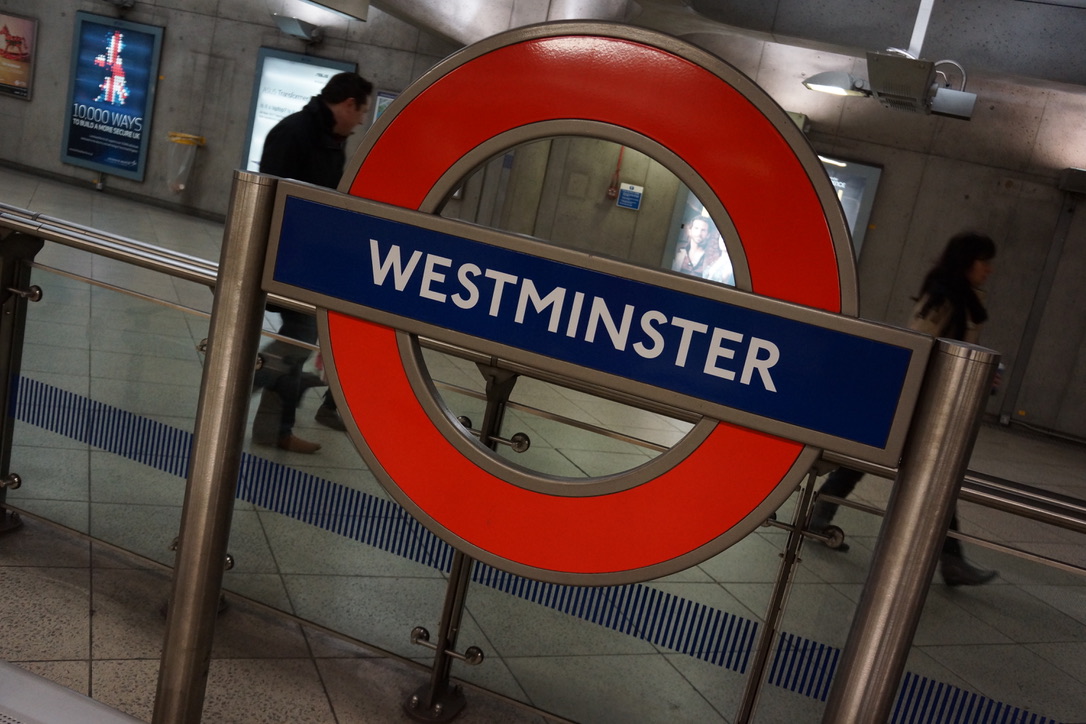
London is a city steeped in history, a place where every corner tells a story, and its transport system is no exception. The London Underground, affectionately known as the Tube, not only connects the vast metropolis but also serves as a treasure trove of fascinating tales hidden in the names of its stations. You might hop on a train at Green Park or get off at Baker Street without ever pondering the rich history and quirky anecdotes behind these names. Buckle up as we dive deep into the interesting world of Tube station names—some may surprise you!

A Brief History of the Underground

Before we delve into the names themselves, let’s take a quick jaunt back in time to understand the context. The London Underground opened in 1863, the world’s first underground railway. It was a groundbreaking achievement, designed to alleviate congestion on the city’s streets. Over the years, the Tube has expanded to cover 402 kilometers (250 miles) of track, with 272 stations. The significance of these names often reflects geographical, historical, and cultural elements that have shaped London over centuries.

The Origins of Station Names

Understanding the origins of Tube station names can reveal a lot about London’s past. Many names are derived from local landmarks, historical figures, and even folk tales. Let’s explore some categories that illustrate the diversity of these names.

Geographical Influences

Many station names are derived from geographical features or locations. For example, Baker Street is named after the baker who lived on the street, reflecting the city’s history as a center for trade and commerce. Similarly, Kings Cross refers to a site that was once marked by a statue of King George IV, a location that has become synonymous with travel and transit.

Hammersmith is another interesting example. It derives its name from a hammer smith, referring to the area’s industrial past and its connection to the River Thames. The river was essential for transporting goods, and the name echoes a time when industry and commerce defined the area.

Historical Figures and Events

Some station names pay homage to significant historical figures or events. St. Pancras, for instance, is named after a young Christian martyr. The church of St. Pancras, which dates back to the 4th century, has been an important landmark in the area. The station itself is a striking piece of Victorian architecture and serves as a reminder of London’s rich ecclesiastical history.

Then, there’s Finsbury Park, named after Finsbury, a name that has roots in the historical Finsbury area. The park itself has served various purposes over the years, making the station a gateway to both leisure and transport.

Quirky and Fun Names

Not all names reflect grand historical narratives; some are just plain quirky! Take Cockfosters, for instance. This name brings a smile, yet it has a rather mundane origin. It’s believed to be derived from an old farmhouse, and the term “foster” indicates the area where livestock were cared for.

Barking is another station name that raises eyebrows. It might make you think of dogs, but it actually comes from the Old English word “beorc,” meaning a birch tree. Over time, the name evolved into the one we know today.

Names with Cultural Significance

London is a melting pot of cultures, and this is reflected in some station names. Tottenham Court Road is more than just a station; it’s a nod to the historic Tottenham area, where the court of King Henry II once convened. Today, it’s a bustling hub filled with shops, restaurants, and bars, but its name serves as a reminder of the royal past.

Likewise, Leicester Square is named after the Leicester family, but it has evolved into a cultural hotspot, known for its cinemas and theaters. The square itself has hosted countless events, making its name synonymous with entertainment and the arts.

The Legends and Folklore

Many station names are steeped in local legends and folklore. The name Mile End refers to the distance of one mile from the city walls of London. However, it also carries tales of the past, including tales of highwaymen and ghost stories that add an eerie charm to the name.

Another interesting one is Wembley Park, which is famous for the iconic Wembley Stadium. However, the name “Wembley” is believed to derive from “Wemba,” an Old English term that meant “the place of the Wempas,” a reference to a family or clan living in the area. The transformation of the name over the centuries tells a story of community and change.

Modern Influences and Changes

As London evolves, so do its stations. Names can change to reflect modern culture or significant developments. Take O2 for example: originally known as North Greenwich, the station was renamed after the O2 arena, a modern venue that has hosted everything from concerts to sporting events. This reflects the way the Underground adapts to the cultural landscape of the city.

Similarly, Nine Elms, once a quiet area, has seen significant development with the rise of new residential and commercial buildings. The name has become increasingly relevant as the area grows in prominence, demonstrating how names can shift with urban transformation.

The Significance of Tube Station Names

The names of Tube stations are not just playful monikers; they encapsulate the spirit of London. They serve as markers of the city’s history, geography, and culture. Each name invites passengers to delve deeper into the stories that shaped the city, encouraging a sense of connectedness to the past.

The Role of Art and Literature

London’s literary ties also permeate its transport system. Willesden Junction resonates with cultural significance, being close to the area where famed author Charles Dickens once lived. Similarly, Shakespeare’s Globe station serves as a reminder of London’s rich theatrical history, as it’s near the site of the original Globe Theatre.

A Journey Through Time

Riding the Tube is more than just a means of transport; it’s a journey through time. Every time you step onto a train, you’re hopping onto a mobile history lesson. The station names invite curiosity, giving you a chance to explore London’s hidden gems, from historic landmarks to vibrant neighborhoods.

Conclusion

The next time you find yourself navigating the winding tunnels of the London Underground, take a moment to appreciate the uniqueness of each station’s name. Each one carries a wealth of history, culture, and character that defines this vibrant city. Whether you’re a local or a tourist, understanding the stories behind these names enriches your experience of London. So, put on your explorer hat, hop on the Tube, and let the names guide you on a delightful adventure through the heart of the capital!