Posted on Leave a comment

35 Surprising Stories Behind Britain’s Most Iconic Brand Logos: Unveiling Hidden Meanings and History

The Surprising Stories Behind Britain’s Most Famous Brand Logos

When you think of Britain, what comes to mind? Perhaps it’s the iconic red telephone boxes, the majestic Big Ben, or the bustling streets of London. But alongside these landmarks, Britain is home to some of the most recognizable brand logos in the world. These logos are not just mere symbols; they carry stories, history, and sometimes even a dash of controversy. In this article, we’ll dive deep into the surprising tales behind some of Britain’s most famous brand logos. Buckle up – it’s going to be a fun ride!

The Union Jack: A National Symbol

Let’s kick off with one of the most instantly recognizable symbols not just in Britain, but across the globe: the Union Jack. Officially known as the Union Flag, it represents the union of England, Scotland, and Northern Ireland. The design itself is a mash-up of elements from the crosses of St George (England), St Andrew (Scotland), and St Patrick (Ireland).

A Bit of History

While the flag was officially adopted in 1801, its origins date back to the late 16th century. The incorporation of the crosses reflects the complex political history of the UK, including various unions and treaties. Over the years, the Union Jack has become a symbol of national pride, often seen on everything from tea towels to sports jerseys.

Beyond Borders

Interestingly, the Union Jack has also inspired various brands. For instance, it has been used in the logos of popular British brands like British Airways and even the fashion label, Paul Smith. Each use of the Union Jack carries with it an air of Britishness, reinforcing a connection to heritage and tradition.

The BBC: The Eye and the Globe

The British Broadcasting Corporation, or BBC as we affectionately call it, is known for its distinctive logo featuring the letters “B”, “B”, and “C” in a bold, simple font. The logo may seem straightforward, but it holds a significant place in British culture.

Evolution of the Logo

The BBC was founded in 1922, and its first logo was quite different from what we see today. Over the years, the logo has gone through various transformations. The current design was introduced in 1997 and encapsulates the corporation’s aim for clarity and modernity.

Cultural Impact

The BBC logo is more than just a branding tool; it represents the network’s commitment to delivering impartial news and entertainment to millions. It’s a symbol of trust in journalism and has become synonymous with British broadcasting.

Tesco: The Heart of British Shopping

When it comes to grocery shopping in the UK, Tesco is a name that resonates with almost everyone. The logo, a simple yet bold representation of the brand’s name, has a fascinating backstory dating back to the company’s founding in 1919.

The Origin of the Name

The name “Tesco” was created by combining the initials of tea supplier T.E. Stockwell with the first two letters of the last name of company founder Jack Cohen. The early logo featured a more intricate design, but as the brand grew, simplicity became key.

Community Connection

The Tesco logo is not just about retail; it’s become a community staple. The brand has engaged in numerous community initiatives, making the logo a symbol of local support. Tesco’s logo and the brand itself are often associated with convenience and affordability, making it a household name in Britain.

Cadbury: The Purple Reign

Cadbury is a chocolate lover’s dream, and its logo featuring the iconic purple color instantly brings joy to many. The brand’s history dates back to 1824 when John Cadbury set up shop in Birmingham.

The Power of Purple

The use of purple in Cadbury’s branding is particularly interesting. The shade was officially trademarked by the brand in 1995, and it’s often associated with quality and luxury. The logo also features a stylized letter ‘C’, which is designed to convey a sense of fun and indulgence.

A Bit of Controversy

Interestingly, Cadbury’s logo has faced its share of controversies. In recent years, the brand faced legal battles to protect its trademark on the color purple. This situation highlights how much the logo and its color have become intertwined with the brand’s identity.

The London Underground: The Roundel

The London Underground, affectionately known as the Tube, boasts one of the most iconic logos in the world: the roundel. This simple yet effective design, featuring a blue bar across a red circle, is more than just a logo; it’s a symbol of London itself.

Design History

The roundel was introduced in 1908, designed by Edward Johnston, who aimed to create a logo that was easily recognizable and would signify the transport system’s reliability. The design has remained mostly unchanged, which speaks to its effectiveness.

Cultural Significance

The Tube roundel has transcended its original purpose and become a cultural icon. It’s often used in various forms of art, fashion, and merchandise, symbolizing not just the underground network, but London’s spirit and vibrancy.

The Royal Mail: A Postage Tradition

Royal Mail is synonymous with postal services in the UK, and its logo featuring the iconic red background and crown is instantly recognizable. The history of the Royal Mail logo dates back to 1840 when the world’s first adhesive postage stamp, the Penny Black, was issued.

The Crown’s Significance

The crown in the logo signifies the postal service’s connection to the monarchy and its status as a public service. The logo has evolved over the years, but its essence remains the same: reliability and trust.

Modern Adaptations

In recent years, Royal Mail has embraced modern branding techniques while retaining its iconic logo. The brand has launched campaigns that resonate with younger audiences, connecting tradition with contemporary consumer values.

Conclusion: More Than Just Logos

The stories behind Britain’s most famous logos reveal a rich tapestry of history, culture, and innovation. Each logo carries with it a narrative that reflects not just the brand, but also the society and values of its time. From the bold simplicity of the BBC logo to the royal heritage of Royal Mail, these symbols have become woven into the fabric of British life.

As we navigate an increasingly visual world, these logos do more than simply represent brands; they evoke memories, foster connections, and tell the stories of a nation. So, the next time you see a logo, take a moment to appreciate the history and meaning behind it. After all, they are more than just designs – they are part of our collective identity.

Posted on Leave a comment

Discover 40 Timeless British Villages Where History Comes Alive

The British Villages Where Time Stands Still

When you think of Britain, images of bustling cities like London, Manchester, or Edinburgh might come to mind, but tucked away in the rolling hills and verdant countryside are picturesque villages that seem to be frozen in time. These charming locales offer a glimpse into a slower pace of life, filled with history, tradition, and breathtaking landscapes. Let’s embark on a journey to explore some of Britain’s most enchanting villages where time feels like it has stood still.

A Walk Through History

Many of these villages date back hundreds, if not thousands, of years. Their cobbled streets, ancient churches, and quaint cottages have borne witness to the ebb and flow of history. One such village is Lavenham in Suffolk, known for its stunning medieval architecture. With its crooked timber-framed houses and the magnificent St. Mary’s Church, Lavenham feels like a scene straight out of a Shakespearean play. As you stroll through its narrow lanes, you can almost hear the whispers of merchants and artisans who once called this village home.

Another historical gem is Chipping Campden in the Cotswolds, famous for its role in the Arts and Crafts movement. The village boasts beautifully preserved 17th-century buildings, with the Market Hall standing out as a testament to its rich past. The blend of history and culture creates an atmosphere that feels timeless, inviting visitors to pause and appreciate the craftsmanship of yesteryears.

Picture-Perfect Scenery

One of the most delightful aspects of these villages is their stunning scenery. The landscapes that frame these quaint settlements are nothing short of breathtaking. Bibury, often described as the most beautiful village in England, showcases idyllic views with its historic Arlington Row—a series of weavers’ cottages dating back to the 17th century. The crystal-clear River Coln flowing beside the cottages adds to the charm, making it a perfect spot for a leisurely afternoon stroll or a picnic.

Similarly, Castle Combe, nestled in the Cotswolds, is renowned for its striking beauty. With its stone houses, babbling brook, and surrounding countryside, the village has been dubbed the “prettiest village in England.” The absence of modern development helps Castle Combe retain its authentic character, allowing visitors to escape into a world where nature and history intertwine harmoniously.

Traditions That Endure

In these timeless villages, traditions run deep. Many communities still celebrate age-old customs that have been passed down through generations. For instance, Bourton-on-the-Water holds an annual ‘Bourton-on-the-Water Festival,’ showcasing local arts, crafts, and culinary delights. The village’s charming bridges that span the River Windrush become a focal point for festivities, bringing together residents and visitors alike to revel in the spirit of community.

Another village, Haworth, famous for its association with the Brontë sisters, celebrates its literary heritage with events and festivals that honor their work. The Brontë Parsonage Museum tells the story of these remarkable women, and the surrounding moors provide a dramatic backdrop, transporting visitors back to the 19th century. With its cobbled streets and quaint tea rooms, Haworth feels like an open-air museum, where the past is woven seamlessly into the fabric of daily life.

Culinary Delights

No exploration of these villages would be complete without indulging in their culinary offerings. Traditional pubs and tea rooms serve up hearty fare that reflects the local culture. For example, Glastonbury, known for its mystical history and the iconic Tor, features quaint tea rooms that offer delicious scones, clotted cream, and locally sourced produce. The village is also a hub for vegetarian and vegan cuisine, demonstrating a blend of tradition and modernity.

In Stow-on-the-Wold, you’ll find cozy pubs that serve classic dishes like fish and chips or a traditional Sunday roast. These establishments often boast a warm and inviting atmosphere, where locals gather to share stories over a pint of ale. The culinary scene in these villages is deeply rooted in tradition, yet infused with creativity, making every meal an experience to remember.

The Joy of Shopping Local

Supporting local businesses is a cornerstone of village life in Britain. Many of these villages feature artisan shops, galleries, and markets that showcase the talents of local craftspeople. In Bampton, you can find charming boutiques selling handmade goods, from pottery to textiles, all crafted with love. The emphasis on local craftsmanship not only enriches the shopping experience but also connects visitors with the community.

Tetbury, a market town in Gloucestershire, is another haven for shoppers. Known for its Antiques Quarter, you’ll discover shops brimming with unique treasures, offering a different kind of retail therapy. The village’s commitment to preserving its heritage is evident in its architecture, as well as in the quality of the goods sold, making it a delightful destination for those seeking something special.

Embracing Nature

The natural beauty surrounding these villages is a significant draw for visitors. Cotswold Water Park, located near Cirencester, is a sprawling area filled with lakes and nature reserves. This stunning backdrop complements the villages nearby, inviting outdoor enthusiasts to explore the hiking and biking trails that weave through the countryside. The tranquil waters, vibrant wildlife, and picturesque views remind us of the importance of preserving nature in our fast-paced world.

Further north, Kettlewell in the Yorkshire Dales is a paradise for walkers and outdoor adventurers. Surrounded by the dramatic limestone scenery of the Dales, this traditional village serves as a gateway to countless walking routes, including the famous Dales Way. The annual Kettlewell Scarecrow Festival adds a whimsical touch, drawing visitors from afar to see the creative displays that pop up throughout the village.

The Village Spirit

Perhaps the most beautiful aspect of these timeless villages is their sense of community. People genuinely care for one another, and there’s a palpable warmth that envelops you upon arrival. Village events, from fairs to markets, foster connections among residents, creating a welcoming environment for visitors. This spirit is evident in places like Fowey, where the annual Fowey Festival celebrates literature and the arts, inviting participation from both locals and tourists.

Moreover, many of these villages have active community organizations that work to preserve their heritage and maintain their unique charm. Initiatives to promote sustainability, local arts, and heritage conservation ensure that the essence of these villages continues to thrive for future generations to enjoy.

Conclusion

The British villages where time stands still offer a refreshing escape from the hustle and bustle of modern life. From their rich history and stunning scenery to their enduring traditions and vibrant communities, these charming locales allow us to reconnect with what truly matters. Whether you’re savoring a traditional meal, exploring ancient streets, or simply soaking in the beauty of the countryside, each visit is a reminder that in these hidden gems, the essence of simplicity and authenticity reigns supreme. So why not plan a trip to one of these enchanting villages? You might just find yourself falling in love with the serenity and charm that time forgot.

Posted on Leave a comment

Unveiling the Secrets: The Mysterious History of Britain’s Ancient Standing Stones

The Mysterious History of Britain’s Ancient Standing Stones

When you think of ancient history, what comes to mind? Perhaps the pyramids of Egypt, the Acropolis in Athens, or the Great Wall of China? But nestled within the rolling hills and verdant landscapes of Britain lies an equally enchanting and enigmatic feature of our collective past: the ancient standing stones. These towering monoliths, with their weathered surfaces and silent histories, have captured the imaginations of countless generations. From Stonehenge to Avebury, they are more than mere rocks; they are storytellers of a time long gone. So, let’s embark on a journey to uncover the mysteries behind Britain’s ancient standing stones!

A Brief Overview of Standing Stones

Standing stones, or menhirs, are large stones that have been erected vertically in the ground. They often vary in size, shape, and material, but what unites them is their historical significance. Dating back to the Neolithic and Bronze Ages, these stones are usually associated with ancient rituals, burial practices, and astronomical alignments.

While they can be found in many parts of the world, Britain boasts an impressive concentration of these ancient structures. There are thousands of standing stones scattered across the landscape, each with its own unique story. But what inspired our ancestors to erect such monumental stones? And what do they signify?

The Purpose of the Standing Stones

To understand the purpose of these stones, we need to dive into the mindset of our ancient forebears. The Neolithic people were deeply connected to the earth, the skies, and the cycles of nature. It is believed that standing stones served various purposes:

1. Ritual and Ceremony

Many archaeologists theorize that standing stones were central to ancient rituals and ceremonies. They may have been used as altars, places of worship, or gathering points for communal events. The act of raising a stone could have been a way to connect with the divine or to honor ancestors.

2. Burial Practices

Some standing stones are found within burial mounds or nearby ancient burial sites, suggesting they played a significant role in funerary practices. It is thought that the stones acted as markers for graves or were part of elaborate burial rituals intended to honor the dead.

3. Astronomical Alignments

Several standing stones are aligned with celestial events, such as solstices and equinoxes. This suggests that ancient peoples had a keen understanding of astronomy and used these stones to track the passage of time, agricultural cycles, and significant events in their lives.

Famous Sites of Standing Stones

As we traverse the scenic countryside of Britain, we encounter several significant sites of standing stones, each steeped in its own rich history.

Stonehenge

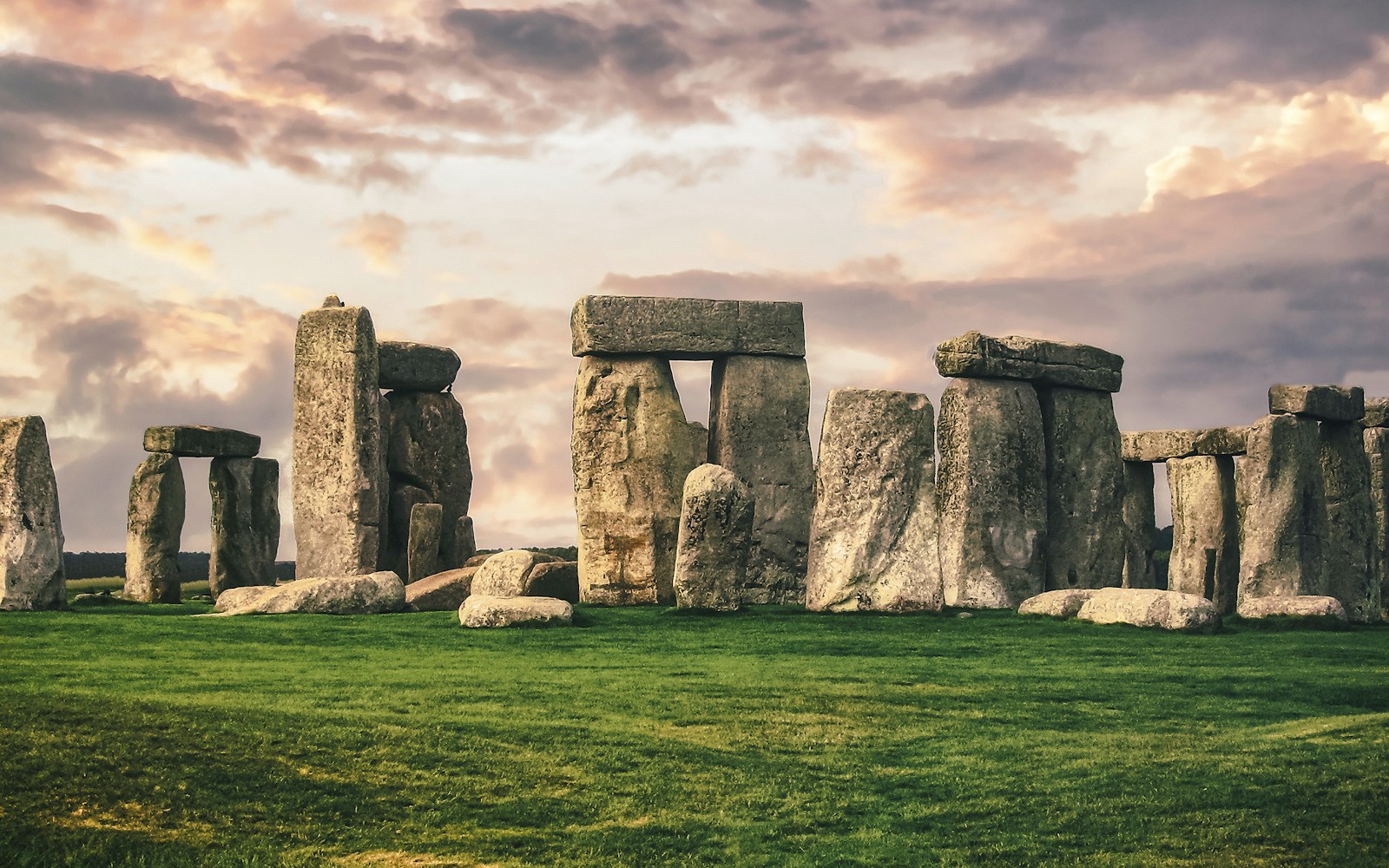
No discussion of standing stones would be complete without mentioning Stonehenge. This world-famous site, located on the Salisbury Plain in Wiltshire, is perhaps the most iconic example of prehistoric architecture in Britain. Dating back to around 3000 BC, it features a circular arrangement of massive stones, with the largest standing at 13 feet high and weighing up to 25 tons.

The precise purpose of Stonehenge remains a mystery, with theories ranging from an ancient observatory to a site of healing. What we do know is that over the millennia, this remarkable monument has drawn countless visitors, inspiring awe and curiosity.

Avebury

A lesser-known but equally impressive site is Avebury, located just 20 miles from Stonehenge. Unlike Stonehenge, which is a horseshoe-shaped circle of stones, Avebury encompasses a massive circular earthwork with a complex of stones arranged inside. What sets Avebury apart is its sheer scale; it is the largest stone circle in Europe.

Avebury’s history dates back to around 2600 BC, and it is believed to have been a significant ceremonial site. The village of Avebury itself is nestled within this ancient monument, and you can often find visitors exploring the stones and marveling at their grandeur.

Callanish Stones

On the Isle of Lewis in Scotland, the Callanish Stones stand in stark contrast to the landscapes that surround them. Dating back to 3000 BC, this site features a central stone circle, with a remarkable alignment towards the rising sun on the summer solstice. The arrangement suggests that the stones were used for astronomical observations, connecting the ancient peoples to the cycles of nature.

The Callanish Stones evoke a sense of mystery and magic, as if they guard the secrets of the past. Visitors often describe a striking energy emanating from the site, making it a popular destination for those seeking a connection to ancient spirituality.

Legends and Myths Surrounding the Stones

Many standing stones are steeped in folklore and legends, adding a layer of intrigue to their already mysterious nature. The stories often involve giants, gods, or magical beings. For instance, one popular legend surrounding the stones of Stonehenge tells of a giant who transported the stones from Ireland, placing them in their current location to create a monument of great power.

Similarly, the menhirs of Brittany in France are said to have been once transformed into stone by a druid’s curse. These tales reflect the human need to explain the unexplainable, giving life to the stones through the rich tapestry of mythology.

The Modern Connection

Today, the ancient standing stones continue to inspire and fascinate. They serve as a reminder of our shared heritage, connecting us to those who walked the land thousands of years ago. Modern pagans and spiritual seekers often visit these sites for rituals or ceremonies, seeking to tap into the ancient energies that linger there.

Moreover, standing stones have also become popular tourist destinations, drawing visitors from around the globe. Their significance is recognized not just for their aesthetic beauty but also for their role in understanding the human past.

Preservation and Protection

As interest in these ancient monuments grows, so does the need for their preservation. Many standing stones are at risk from natural erosion, vandalism, and the encroachment of modern development. Organizations and communities are working tirelessly to protect these sites, ensuring that future generations can witness their majesty and mystery.

Efforts range from archaeological studies to educational programs aimed at raising awareness about the importance of these sites. In recent years, there has been a push for sustainable tourism that encourages respect for the environment and cultural heritage.

Conclusion

The ancient standing stones of Britain are more than mere relics of the past; they are a window into the lives and beliefs of our ancestors. As we stand before these imposing structures, we are reminded of the deep connections humans have always had with the earth, the cosmos, and each other.

From the solemnity of Stonehenge to the enchantment of the Callanish Stones, these monuments invite us to ponder the mysteries of time, space, and existence. They remind us that while we may have moved on to a more modern way of life, the echoes of the past still resonate within our hearts. As we seek to understand our history, the standing stones will continue to stand tall, guardians of the stories yet to be told.

Posted on Leave a comment

17 Hidden Royal Family Traditions That Will Surprise You

The Secret Royal Family Traditions You Never Knew Existed

The British royal family has always been a source of fascination, intrigue, and plenty of gossip. While the world watches their public appearances, there’s a whole realm of traditions that remains behind closed doors. From quirky customs to age-old rituals, these secretive practices reveal the rich tapestry of royal life that most of us can only dream of experiencing. Let’s dive into some of the lesser-known traditions that make the British royal family so unique!

1. The Royal Family’s Annual Christmas Pudding

Every year, the royal family gathers for Christmas, and one of the highlights of the festive season is the preparation of the Christmas pudding. But this isn’t just any pudding; it’s a tradition steeped in symbolism. Each member of the royal family takes turns stirring the pudding mix and making a wish. The pudding is traditionally made on “Stir-Up Sunday,” which is the last Sunday before Advent. It’s a sweet tradition, quite literally, that keeps the family spirit alive, and each year, the royal family enjoys the fruits of their labor with a delicious dessert.

2. The Queen’s Birthday Gun Salute

While we all know the royal family celebrates birthdays with fanfare, Queen Elizabeth II’s birthday is marked by a spectacular gun salute. This tradition dates back to the 18th century and involves firing cannons at various locations, including the Tower of London and Green Park. The number of shots fired corresponds to the age of the monarch. The public can witness this grand spectacle, which has become a highlight of the royal calendar.

3. The Wedding Cake Tradition

You may be familiar with the grandeur of royal weddings, but did you know that the wedding cake is a tradition that takes on a life of its own? The royal wedding cake is often a multi-tiered, intricately designed masterpiece that symbolizes prosperity and happiness. A slice of the cake is kept for the couple’s first child, with the hope that it will bring good luck. This sweet tradition ensures that the family has a taste of their special day long after the wedding bells have stopped ringing.

4. The Royal Family’s Love for Tea

Tea is a quintessential part of British culture, but for the royal family, it’s a cherished ritual. The Queen reportedly enjoys a cup of Earl Grey with a splash of milk each afternoon. This daily practice isn’t just about the beverage; it’s a time for relaxation and connection. The royal family often gathers for tea, sharing stories and laughter, which keeps the bonds tight amid their busy schedules.

5. The Royal Children’s Education

Education within the royal family is quite unique. While most children attend regular schools, royal children often receive a different approach to learning. They are educated by private tutors at home, allowing for a tailored educational experience. However, this tradition also includes visits to local schools, where they engage with other students, ensuring they remain grounded and connected to the people they serve.

6. The Royal Ascot’s Fashion Rules

Royal Ascot is not just a horse racing event; it’s a showcase of fashion, tradition, and class. One of the quirky traditions is the strict dress code for those attending. Women are required to wear formal dresses with a hat, often leading to some extravagant and colorful headpieces. Meanwhile, men must wear morning suits with a top hat. This dress code is strictly enforced, making Ascot an event where the elegance of fashion is as important as the sport itself.

7. The Family Christmas Card

Each year, the royal family releases a Christmas card featuring a photograph of themselves. While many families opt for a casual snapshot, the royal family takes this tradition to the next level. The photos are often taken during their summer holiday, showcasing a more personal side. These cards are sent out to friends, dignitaries, and supporters, allowing a glimpse into their family life.

8. The Changing of the Guard Ceremony

The Changing of the Guard is a grand tradition that takes place at Buckingham Palace, and it’s more than just a photo opportunity for tourists. This ceremony is deeply rooted in military tradition, showcasing the meticulous coordination and discipline of the royal guards. The guards perform a series of complex maneuvers, all while dressed in their iconic bearskin hats and red tunics. It’s a spectacle that represents the royal family’s longstanding connection to the British military.

9. The Royal Family’s Garden Parties

Every summer, the Queen hosts a series of garden parties at Buckingham Palace. These events are more than just casual gatherings; they’re a way for the royal family to connect with everyday people. The guest list includes a mix of community heroes, charity workers, and local dignitaries. Attendees are treated to refreshments, live music, and, of course, the chance to meet members of the royal family in a relaxed setting.

10. The Royal Family’s Love for Animals

The royal family has a long-standing love affair with animals, particularly corgis. Queen Elizabeth II has had over 30 corgis during her reign, and each one has become a beloved member of the family. This tradition extends beyond corgis; the royals also have a fondness for horses, which is evident in their participation in events like the annual Trooping the Colour parade. Animals hold a special place in the royal household, serving as companions and symbols of loyalty.

11. The Royal Family’s Charitable Work

While it may not be a traditional “ritual,” the royal family’s commitment to charity is a hallmark of their public persona. Each family member actively supports various causes, from mental health to environmental issues. This devotion is not merely for show; it’s a deeply ingrained tradition that reflects their responsibility and connection to the British people. Their charitable work inspires many, encouraging others to contribute to their communities.

12. The Queen’s Speech

Every Christmas, the Queen delivers a televised speech that has become a staple of holiday tradition in the UK. This speech is a moment for reflection, gratitude, and connection with the nation. The content varies from year to year, but it always emphasizes themes of unity and hope. It’s a tradition that many families gather to watch, making it a shared experience across the country.

13. The Royal Coat of Arms

Every member of the royal family has their own coat of arms, a tradition that dates back centuries. This emblem symbolizes their lineage, achievements, and personal attributes. The design is unique to each royal, featuring significant symbols and colors that represent their story. The coat of arms serves as a point of pride and connection to their heritage.

14. The State Banquets

State banquets are grand, formal affairs held in honor of visiting dignitaries. These events are steeped in tradition, from the stunning table settings to the carefully curated menu. The Queen often plays host, and the guest list can include heads of state, ambassadors, and other notable figures. Each banquet follows a strict protocol, showcasing not just royal etiquette but also the rich history of British diplomacy.

15. The Royal Family’s Use of Social Media

In recent years, the royal family has embraced social media, a departure from traditional practices. The official accounts share updates on their engagements, charitable work, and personal stories, allowing fans a peek into their lives. This modern twist on communication has helped demystify the royal family, making them more relatable to a younger audience while still preserving the dignity of their roles.

16. The Trooping the Colour Ceremony

Trooping the Colour is an annual event that celebrates the Queen’s official birthday. This vibrant military parade features a display of soldiers, horses, and, of course, the royal family. The event is steeped in history, dating back to the 17th century, and showcases the precision and grandeur of the British military. The Queen’s appearance on the balcony of Buckingham Palace, alongside her family, is a highlight for many and marks the start of summer festivities.

17. The Royal Family’s Influence on Fashion

The royal family has long been a trendsetter in the world of fashion. Designers clamor to create outfits for royal events, knowing that a single appearance can send a piece flying off the shelves. This unique influence has spurred a tradition of royal fashion that is closely scrutinized and celebrated. The family members often wear outfits that carry sentimental value, making each appearance a blend of personal style and royal significance.

Conclusion

The British royal family is a fascinating institution steeped in tradition, history, and a dash of modern flair. These lesser-known customs reveal the depth and richness of their lives behind the scenes. From Christmas puddings to state banquets, the traditions that bind the royal family are as intriguing as their public personas. As we continue to marvel at their lives, one thing is clear: the royal family’s unique traditions continue to shape their legacy in the hearts of the British people and beyond. Whether you’re a royal enthusiast or just curious about their world, these secrets add to the allure and charm of the monarchy.

Posted on Leave a comment

Hidden London: Abandoned Tube Stations You Can Actually Visit

Discovering London’s Hidden Gems: Abandoned Tube Stations You Can Actually Visit

London is a city steeped in history, mystery, and a whole lot of quirky charm. While many flock to the iconic attractions like Buckingham Palace and the Tower of London, there’s an intriguing underbelly to this vibrant city that often goes unnoticed: its abandoned Tube stations. These forgotten platforms and tunnels are not just remnants of the past; they are stories waiting to be told. Some are even accessible to the public! So, grab your explorer’s hat, and let’s delve into the fascinating world of London’s hidden, abandoned Tube stations.

A Brief History of the London Underground

Before we embark on our tour of the abandoned stations, it’s essential to understand the illustrious history of the London Underground. Opened in 1863, it was the world’s first underground railway, initially designed to ease the congestion of horse-drawn carriages on the city’s streets.

Over the decades, the Tube expanded rapidly, with new lines and stations popping up all over the city. However, with the changing times, some stations became less frequented, leading to their eventual closure. Today, many of these abandoned stations sit in a time capsule, preserving the essence of an era gone by.

The Allure of Abandoned Stations

Why do abandoned places hold such a fascination? Perhaps it’s the blend of nostalgia and intrigue. Each shuttered station tells a unique story – a reminder of the bustling life that once filled its walls. From ornate tiles to vintage posters, these sites are like open-air museums that provide a glimpse into London’s past.

The Must-Visit Abandoned Tube Stations

While many abandoned stations are closed off to the public, some offer special tours, making them accessible for curious adventurers. Here’s a round-up of some hidden treasures you can visit.

1. Aldwych Station

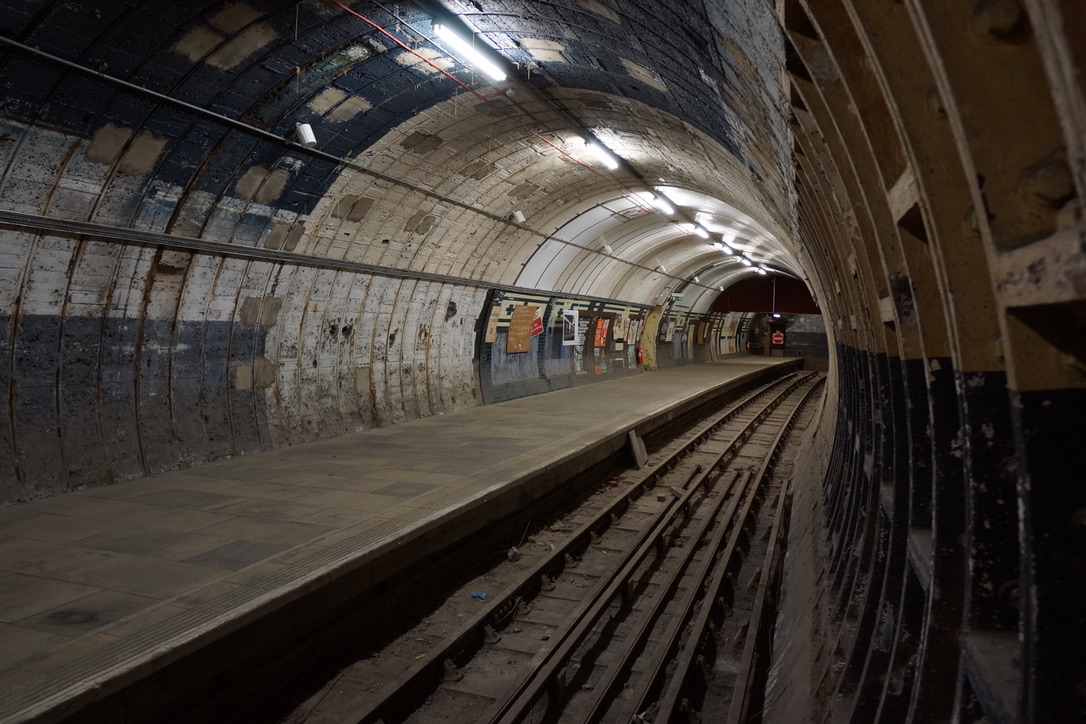
Aldwych station, located in the heart of the West End, is one of the most famous abandoned stations, often featured in films and TV shows for its eerie atmosphere. It opened in 1907 and was designed as a terminus for the Strand. The station was closed in 1994, and today, you can visit it as part of special tours hosted by the London Transport Museum.

During the tour, you’ll get to see the well-preserved architecture, including the beautiful original tiles and the charming old ticket office. There’s even a chance to explore the disused platform and learn about the station’s fascinating history, including its use during World War II as a bomb shelter.

2. Charing Cross (Low Level)

Charing Cross Station, a major interchange for London commuters, has an intriguing secret beneath its bustling surface. The low-level platforms were closed in 1999, leaving behind a forgotten world of Victorian elegance. While regular access is not available, guided tours are organized by the London Transport Museum, allowing you to step into a world of vintage charm.

What makes Charing Cross particularly interesting are its stunning architectural features, including beautiful mosaics and grand arches. The station’s past is woven with tales of greatness, from the glamorous events it hosted to the stories of those who passed through its doors.

3. Down Street

Nestled between Green Park and Hyde Park Corner, Down Street is a lesser-known abandoned station that offers a unique glimpse into the Great War era. Closed in 1932, it was briefly used as a secret war headquarters for Winston Churchill during World War II.

A visit to Down Street is like stepping back in time. The station retains many original features, including the vintage signage and tiling. Though access is limited, special tours are occasionally conducted by the London Transport Museum, making it an exciting opportunity to explore an undiscovered piece of history.

4. Earl’s Court (Old Station)

Earl’s Court has a bit of a dual identity. While the station still serves the public, the old station, which was closed in 1994, lies dormant just a stone’s throw away. This station is particularly exciting for railway enthusiasts, as it showcases the evolution of the Tube over the years.

The old Earl’s Court station features original art deco designs and offers a fascinating insight into the architectural styles that defined the early 20th century. Although public access is limited, special events and tours are sometimes held, revealing the rich tapestry of Earl’s Court’s history.

Planning Your Visit

If you’re eager to embark on this underground adventure, here are some tips to consider:

Check Tour Schedules

Many of the abandoned stations require prior bookings for tours. The London Transport Museum, in particular, organizes various events throughout the year. It’s best to check their website regularly for updates and availability.

Dress Appropriately

Exploring these hidden spaces often requires some walking and navigating through less-than-perfect conditions. Wear comfortable shoes and dress appropriately for the underground atmosphere, which can sometimes be chilly.

Be Mindful of Restrictions

Access to these abandoned stations is regulated to preserve their historical significance. Always follow guidelines and instructions provided during tours to ensure a safe and respectful visit.

The Magic of the Underground

Beyond the historical significance and architectural beauty, there’s something truly magical about stepping into these abandoned stations. They serve as reminders of the city’s evolution and the tales of countless lives that intersected at these platforms.

Each visit can spark conversations and ignite imaginations. Imagine the stories they could tell if walls could talk! Whether you’re a history buff, an architecture enthusiast, or simply looking for a unique experience, exploring these hidden gems is a fantastic way to connect with London’s vibrant past.

Conclusion

In a city as bustling and dynamic as London, it’s easy to overlook the quiet whispers of history nestled within its abandoned Tube stations. These forgotten platforms tell tales of yesteryear, inviting us to step back in time and experience the rich heritage that lies just beneath our feet.

So, if you find yourself wandering the streets of London, take a moment to contemplate the hidden stories of the Tube. With special tours available, you can dive deep into the city’s history and uncover the mysteries of the past. Who knows, you might just find your new favorite spot in the vibrant tapestry that is London!

Posted on Leave a comment

Beyond London: Weekend City Breaks in Britain That Locals Actually Recommend

people near seashore viewing sea

Exploring the Hidden Gems of Britain: Weekend City Breaks You’ll Love

When you think of a city break in Britain, London often springs to mind. The iconic sights, the bustling atmosphere, and the endless activities can make it hard to look beyond the capital. However, there’s an entire treasure trove of vibrant cities across the UK that locals rave about. From charming architecture to rich history and mouthwatering cuisine, these destinations offer unique experiences that rival the hustle and bustle of London. Grab your weekend bag and let’s explore some of the best alternatives.

Brighton: The Seaside Escape

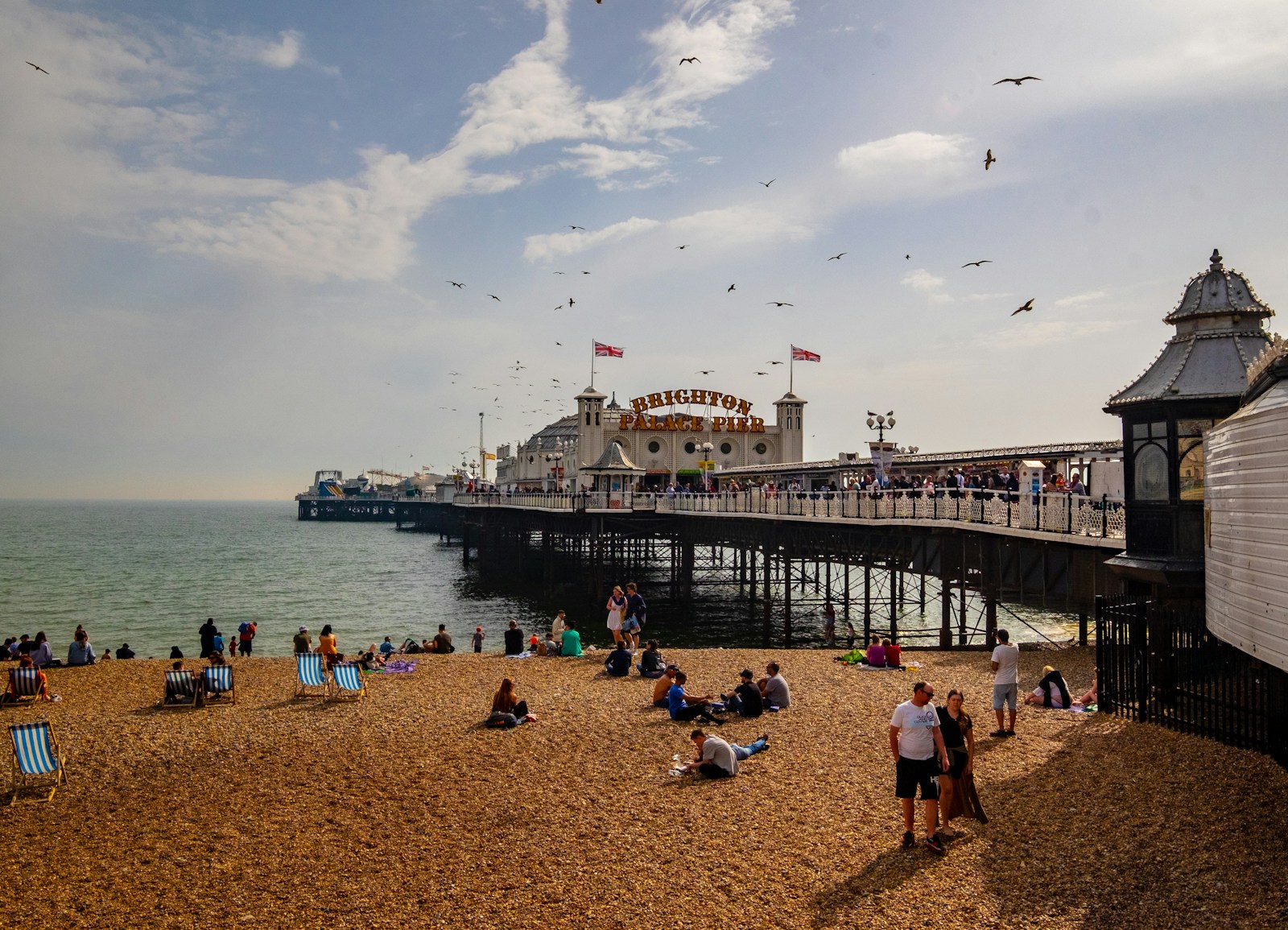
Firstly, let’s head south to Brighton, a city that captures the spirit of British seaside culture. Known for its pebbled beach, colorful beach huts, and the iconic Brighton Pier, the city is a haven for those looking to unwind by the sea.

Vibrant Culture and Nightlife

Brighton is famed for its eclectic arts scene. Stroll through the North Laine area, where independent shops, cafes, and galleries await. If you’re in the mood for some nightlife, the city comes alive after dark with its numerous pubs and clubs. The LGBTQ+ scene is particularly welcoming, and there are plenty of events throughout the year, including the famous Brighton Pride.

Foodie Paradise

Food lovers will feel right at home in Brighton. The food scene is diverse, with everything from fish and chips to gourmet vegan options. Don’t miss out on trying the local fish at one of the many seaside restaurants or grabbing a cupcake at a quirky café. The Brighton Food Festival, held annually, showcases the best of local food, so plan your visit accordingly!

Edinburgh: History and Haggis

Next up is Scotland’s capital, Edinburgh, a city that feels like a page out of a storybook. With its historic architecture, stunning landscapes, and rich culture, it’s a must-visit for anyone seeking a weekend adventure.

Historic Sites

The majestic Edinburgh Castle dominates the skyline and is a great starting point for your explorations. From there, wander down the Royal Mile, soaking in the atmosphere and visiting the various shops and attractions. Be sure to check out the Palace of Holyroodhouse, the official residence of the Queen in Scotland, which offers a glimpse into royal life.

Festivals and Events

Edinburgh is famous for its festivals, especially the Edinburgh Festival Fringe, the world’s largest arts festival. If you’re lucky enough to visit in August, you’ll be treated to an explosion of performances, from theatre and comedy to music and dance. Even outside of festival season, there’s always something happening in this vibrant city.

Bristol: The Creative Hub

Bristol, located in the southwest of England, has been gaining popularity in recent years and for good reason. It’s a city bursting with creativity and character, making it an ideal spot for a weekend getaway.

Art and Street Culture

Bristol is known for its thriving street art scene, with Banksy being one of its most famous proponents. Take a walking tour to appreciate the incredible murals that adorn the city’s walls. The Harbourside area is another must-visit, offering a blend of culture and leisure with galleries, restaurants, and museums.

Sustainable Living

What sets Bristol apart is its commitment to sustainability. The city is filled with eco-friendly eateries and shops. Don’t miss out on visiting the food market on St. Nicholas Market, where you can indulge in local delicacies while supporting small businesses.

Manchester: The Northern Powerhouse

Manchester is a city that has undergone a remarkable transformation in recent years. Known as the birthplace of the Industrial Revolution, it now boasts a lively atmosphere and a diverse cultural scene.

Music and Nightlife

The city is famous for its music scene, having produced iconic bands like Oasis and The Smiths. Catch a gig at one of the many live music venues, or explore the Northern Quarter, known for its indie shops and hip bars. Manchester’s nightlife is vibrant, with offerings to suit every taste—from laid-back pubs to high-energy nightclubs.

Sports Fanatics Welcome

If you’re a sports enthusiast, you’ll be pleased to know that Manchester is home to two of the biggest football clubs in the world: Manchester United and Manchester City. Take a tour of Old Trafford or the Etihad Stadium for a behind-the-scenes look at these iconic sports venues.

York: A Journey Through Time

For a different kind of city break, consider York. This historic city is perfect for those who love medieval charm and fascinating history. With its cobbled streets and stunning architecture, York feels like stepping back in time.

Wander the Walls

Start your visit by walking along the ancient city walls, which offer panoramic views of the city. The Shambles, a picturesque street lined with timber-framed buildings, is a highlight and is often regarded as one of the best-preserved medieval streets in Europe.

Cultural Experiences

No visit to York would be complete without exploring its rich history. The Jorvik Viking Centre offers an interactive experience that takes you back to the Viking Age, while the York Minster, one of the largest cathedrals in Northern Europe, is a breathtaking sight.

Cardiff: The Capital of Wales

Cardiff may not be the first city that comes to mind, but this vibrant capital of Wales is full of surprises. It’s a city that blends modernity and tradition seamlessly, making it an exciting destination.

Cultural Richness

Visit the impressive Cardiff Castle, which offers a glimpse into the city’s history. After exploring the castle, head to the National Museum Cardiff to delve deeper into Welsh art and history. The city’s waterfront at Cardiff Bay is also a great area to relax, with plenty of dining options and stunning views.

Sporting Events

If you’re a sports fan, Cardiff is home to the Principality Stadium, where you can catch a rugby match or a concert. The passionate atmosphere during events is something you don’t want to miss!

Conclusion: The Open Road Awaits

These city breaks offer a refreshing alternative to the hustle and bustle of London, showcasing the diverse culture, history, and beauty found throughout Britain. Whether you’re seeking a relaxing seaside escape, a cultural deep dive, or a lively night out, there’s a perfect weekend destination waiting for you. So why not step out of London’s shadow and explore everything these incredible cities have to offer? The open road is calling—your next adventure awaits!

Posted on Leave a comment

Secret Britain: Ancient Sites That Rival Stonehenge Without the Crowds

gray rock formation on green grass field under gray cloudy sky

Discovering Hidden Gems: Ancient Sites Beyond Stonehenge

When we think of ancient Britain, the majestic Stonehenge often steals the spotlight. This iconic stone circle draws millions of visitors each year, leaving many to wonder if there are other equally fascinating sites that are less trodden and rich in history. In this journey through time, we’ll explore some of these hidden gems that rival Stonehenge but come with significantly fewer crowds. Let’s lace up our walking shoes and dive into the enchanting world of ancient sites waiting to be discovered!

The Allure of the Ancient

Britain is sprinkled with ancient sites that tell the story of our ancestors, their beliefs, and their way of life. These locations often evoke a sense of wonder and curiosity, transporting us to a time when the landscape was shaped by rituals and traditions. While Stonehenge is undoubtedly impressive, it’s refreshing to seek out the quieter corners of Britain’s history.

Avebury: A Stone Circle Like No Other

A stone’s throw from Stonehenge sits Avebury, a sprawling stone circle that not only rivals its more famous neighbor in size but also offers a unique experience. Established around 2850 BC, this UNESCO World Heritage Site features the largest stone circle in Europe, encompassing the village of Avebury itself.

Why Visit?

  • Fewer Crowds: Unlike Stonehenge, which can feel like a bustling marketplace, Avebury offers a serene atmosphere where you can wander among the stones at your leisure.
  • Interactive History: You can walk right up to the stones, touch them, and even sit in their shadows, creating a tactile connection to the past.
  • Thought-Provoking Lore: The site is steeped in folklore, including tales of giants and ancient rituals that make for captivating storytelling.

Stroll through the village, pop into the Avebury Manor, and explore the small museum dedicated to the site. Every corner of Avebury has a story waiting to be told.

Silbury Hill: The Enigmatic Mound

Just a short distance from Avebury lies Silbury Hill, a massive artificial mound that rises 40 meters high. Believed to have been constructed around 2400 BC, its purpose remains a mystery. Was it a burial site, a ceremonial platform, or something entirely different? The debates continue, adding to its allure.

What to Expect

  • Unique Landscape: Silbury Hill is surrounded by stunning countryside, making it an ideal spot for a peaceful picnic. The hill itself is an impressive sight, especially when viewed from a distance.
  • A Sense of Mystery: The unknown aspects of Silbury Hill invite contemplation. Visitors often leave with more questions than answers, which can be equally thrilling.
  • Great for Photography: The hill’s symmetry combined with the picturesque landscape makes for some fantastic photo opportunities, especially during sunset.

West Kennet Long Barrow: A Portal to the Past

West Kennet Long Barrow is one of the largest burial mounds in Britain, dating back to around 3650 BC. This neolithic tomb offers a peek into the burial practices of ancient communities.

Exploration Highlights

  • Ancient Architecture: The long barrow is a marvel of ancient engineering, constructed with large sarsen stones. As you walk through the passageway, you’ll feel the weight of history enveloping you.
  • Spiritual Atmosphere: Many visitors describe a profound sense of peace and spirituality when inside the tomb. It’s a quiet space that encourages reflection on life and death.
  • Stunning Views: The location provides breathtaking views of the surrounding landscape, blending natural beauty with historical significance.

Maeshowe: Viking Graves in Orkney

Traveling to the Orkney Islands, you’ll encounter Maeshowe, a neolithic chambered cairn built around 2800 BC. This impressive structure is not only remarkable for its architecture but also for the Viking graffiti that adorns its stones.

A Unique Experience

  • Viking Connection: The inscriptions left by Viking visitors in the 12th century add a layer of intrigue and connect different eras of history.
  • Guided Tours: Access to Maeshowe is typically through guided tours, which provide fascinating insights into the construction and purpose of the site.
  • Seasonal Solstice Events: If you’re fortunate enough to visit during the winter solstice, you might witness the sun illuminating the chamber in a beautiful spectacle.

The Rollright Stones: Legends of the King

Nestled on the borders of Oxfordshire and Warwickshire, the Rollright Stones consist of three distinct groups of stones, each with its legend and charm. Dating back to the neolithic and bronze ages, these stones have been a source of intrigue for centuries.

What Makes Rollright Special?

  • Rich Folklore: The tales surrounding the stones include that of a king turned to stone by a witch, making for a delightful narrative to share with friends.
  • A Quaint Setting: The rural location allows for a peaceful visit, where you can enjoy walking the trails and taking in the natural beauty.
  • Accessibility: The site is easily reachable, with no entry fees, making it an affordable option for those looking to explore ancient history.

Thornborough Henges: A Lesser-Known Wonder

Thornborough Henges, located in North Yorkshire, comprises three large henges that are thought to be ceremonial sites dating back to around 3500 BC. This remarkable site is often overlooked, making it a true hidden gem.

Unveiling the Henges

  • Impressive Structure: The henges are impressive in scale, with earthworks that provide a striking landscape. This expansive area invites exploration and appreciation of its magnitude.
  • Cultural Significance: The site has been a focal point for archaeological research, revealing insights into the ceremonial practices of ancient Britons.
  • Quiet Contemplation: With fewer visitors than other sites, Thornborough Henges offers a reflective space to ponder the mysteries of ancient rituals.

Conclusion: Embracing the Hidden History

Exploring ancient sites beyond the confines of Stonehenge opens up a treasure trove of history, mystery, and beauty. Each of these locations offers a unique glimpse into the lives of our ancestors, inviting us to connect with the past in a way that feels personal and profound. So, the next time you consider taking a historical tour, remember that hidden gems like Avebury, Silbury Hill, and the Rollright Stones can provide rich experiences without the hustle and bustle of the more popular attractions. Embrace the allure of secret Britain, and you might just stumble upon stories and landscapes that resonate with you long after your journey has ended.

Posted on Leave a comment

The Great British Road Trip: Following the Path of Ancient Roman Roads

landscape photography of grey bricked wall near mountain

Introduction

Picture this: the warm sun on your back, the windows rolled down, and classic rock playing in the background as you cruise down a historic route flanked by rolling hills and ancient stone walls. You are on the road, exploring one of the most captivating and culturally rich countries in the world—Great Britain. This journey will take you down the ancient paths of the Romans, whose impressive roads still influence modern travel. Buckle up as we embark on an adventure through time, exploring the marvels of Roman engineering and the stunning landscapes of Britain!

A Brief History of Roman Roads

To understand the significance of the journey, let’s rewind to 43 AD, when the Romans invaded Britain. Their primary objective? To consolidate their empire and expand their influence. One of their most enduring legacies is the extensive network of roads they built across the country, designed for military efficiency and trade.

The Romans constructed over 10,000 miles of roads, connecting cities, forts, and settlements. These roads were ingeniously engineered, often straight, and made to withstand heavy usage. They were built with layers of sand, gravel, and large stones—a testament to Roman ingenuity that can still be seen today. As you travel along these ancient routes, you’ll not only be following in the footsteps of soldiers and traders but also immersing yourself in a living history that has shaped modern Britain.

Preparing for the Adventure

Before setting off, it’s essential to prepare for your journey. Here are a few tips to help you maximize your road trip experience:

Choose Your Route Wisely

While the Romans built numerous roads across Britain, certain routes stand out for their historical significance and scenic beauty. Consider the following famous Roman roads as key stops on your journey:

  • Watling Street: This ancient highway runs from Dover to Wroxeter and has been a significant route since Roman times. You’ll find charming villages, historical landmarks, and stunning views along the way.

  • Fosse Way: Connecting Exeter to Lincoln, this picturesque route will take you through the heart of the Cotswolds and past numerous Roman ruins.

  • Ermine Street: This road runs from London to York and is famous for its well-preserved sections. The journey offers a blend of bustling cities and tranquil countryside.

Plan Your Stops

British history is packed with fascinating sites, and your adventure should include plenty of stops along the way. Make sure to visit Roman ruins, castles, and museums that can deepen your understanding of this rich heritage. A few must-see locations include:

  • Bath: Known for its Roman baths and stunning Georgian architecture, Bath is a perfect blend of ancient and modern.

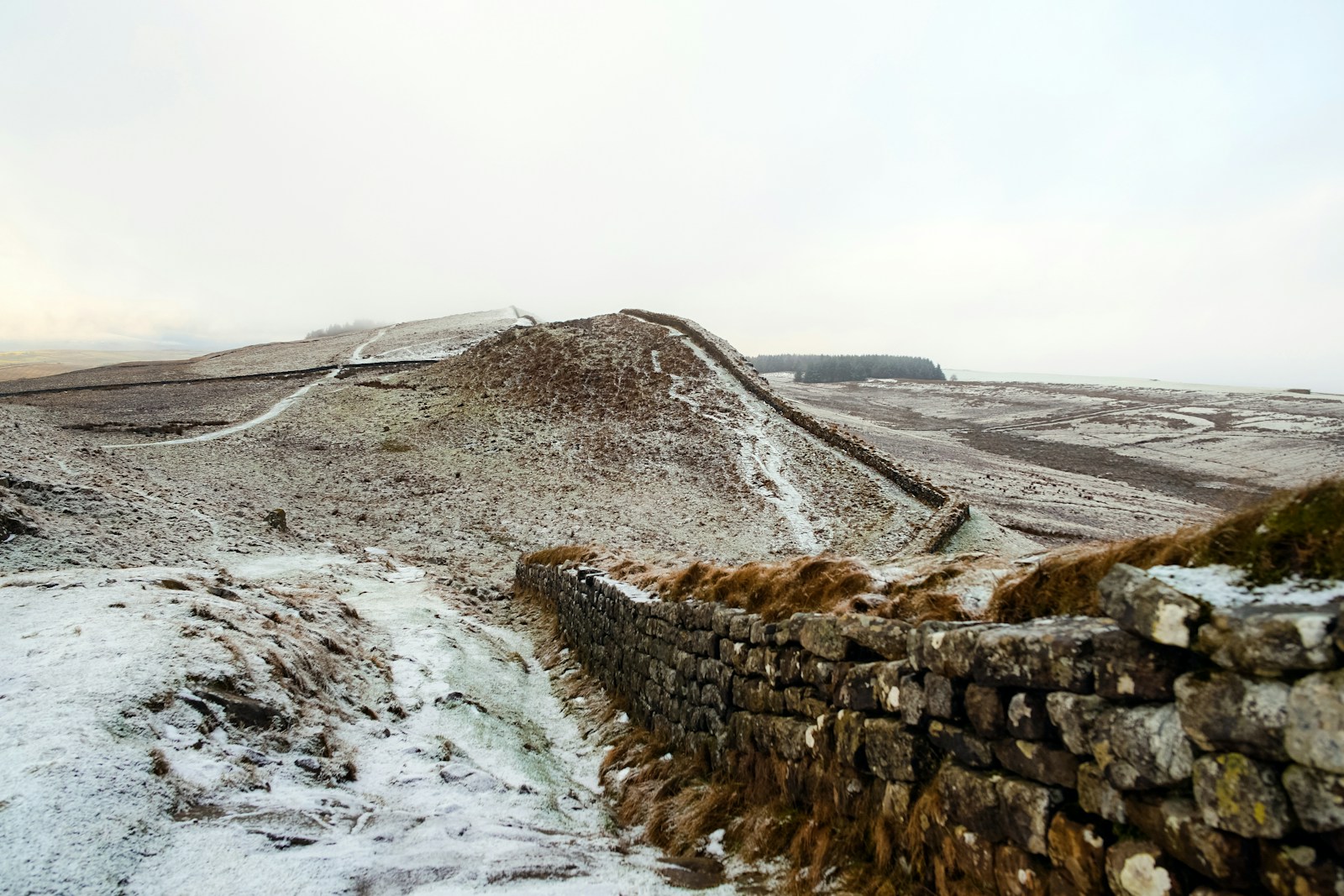
  • Hadrian’s Wall: This UNESCO World Heritage site stretches across northern England and offers breathtaking views, ancient forts, and an opportunity to hike along the wall.

  • Verulamium: This archaeological site in St Albans offers a glimpse into Roman life, complete with well-preserved mosaics and the remnants of a theater.

Pack Smart

When packing for your adventure, keep in mind that the British weather is famously unpredictable. Layer your clothing, and bring comfortable shoes for walking, as well as a waterproof jacket. Don’t forget your camera! You’ll want to capture the breathtaking landscapes and historical sites along the way.

The Journey Begins: Watling Street

As you set off on your road trip, let’s begin with Watling Street, one of the most famous Roman roads. Starting from the coastal town of Dover, this route takes you through the lush countryside of Kent. Make a pit stop in Canterbury, home to the impressive Canterbury Cathedral, a UNESCO World Heritage site. It’s the perfect blend of history and spirituality, where you can soak up the atmosphere of one of England’s most important religious sites.

Continue along Watling Street into the picturesque market town of Faversham. Here, you can explore charming cobblestone streets and enjoy a local meal at one of the many pubs. Don’t miss the opportunity to sample some traditional fish and chips!

After a delightful lunch, you’ll continue your journey towards London, where you can explore Roman ruins like the London Wall and the remains of the amphitheater in the heart of the city. It’s fascinating to think about the ancient Romans thriving in this bustling metropolis, which still serves as a global hub today.

Discovering Fosse Way

Next on our journey is the idyllic Fosse Way, renowned for its beautiful landscapes and rich history. As you leave the frenetic energy of London, you’ll find yourself surrounded by the gentle hills and quaint villages of the Cotswolds. This is where you can truly appreciate the beauty of Britain.

Stop in Cirencester, known as the “Capital of the Cotswolds.” The Corinium Museum here is a treasure trove of Roman artifacts, illustrating the town’s significance during Roman Britain. You can even explore the remains of the Roman amphitheater nearby.

As you continue along the Fosse Way, the charming village of Broadway is well worth a visit. It’s a quintessential Cotswold village with honey-colored stone buildings and beautiful gardens. Take a stroll down the High Street and enjoy a cup of tea at a local café.

Exploring Ermine Street

Transitioning to Ermine Street, you’ll head north toward York. Along the way, stop in Lincoln, where you can marvel at the impressive Lincoln Cathedral and the historic Lincoln Castle. The castle’s walls were built atop Roman ruins, so it’s a perfect stop to connect the dots between past and present.

As you continue your travels, you’ll reach York, where the remnants of Roman history are abundant. Visit the York Minster, one of the largest cathedrals in Europe, and the Roman walls that still encircle the city. Take a leisurely stroll through the Shambles, a historic street known for its medieval architecture and delightful shops.

Unique Experiences Along the Way

Let’s not forget to sprinkle some unique experiences into your road trip! Here are a few suggestions that will add depth to your journey:

Roman Reenactments

Check local listings for any Roman reenactment events along your route. These events can provide a lively look at Roman military life, complete with authentic costumes, weapons, and demonstrations. It’s a fantastic way to engage with history!

Guided Tours

Consider taking a guided tour at historical sites. Local historians can provide insight that you might miss when exploring on your own. It’s like having your own personal time machine, transporting you back to the days of Roman Britain.

Culinary Delights

Don’t overlook the local cuisine! Each region you pass through has its own specialties. Try the local cheeses in the Cotswolds, sample fresh seafood in coastal towns, or indulge in a hearty Yorkshire pudding.

Conclusion

As your adventure through the ancient Roman roads of Great Britain comes to an end, take a moment to reflect on the rich tapestry of history you’ve encountered. The remnants of Roman engineering and the beauty of the British landscape are perfectly intertwined, creating an unforgettable journey. Whether you’re wandering through ancient ruins, savoring local cuisine, or simply enjoying the open road, this road trip will leave you with memories that last a lifetime.

So what are you waiting for? Grab your map, rally your friends or family, and hit the road! The ancient Roman paths are calling, and an adventure of a lifetime awaits.

Posted on Leave a comment

The Most Beautiful Underground Stations in London You Shouldnt Skip

Discovering London’s Hidden Gems: The Most Beautiful Underground Stations

London, a city known for its rich history and vibrant culture, is also home to one of the most extensive and fascinating transportation networks in the world: the London Underground. While most travelers use the Tube as a means to get from point A to point B, many are unaware that beneath the bustling streets lie some architectural masterpieces that are worth a visit in their own right. In this guide, we will explore some of the most beautiful underground stations in London, ensuring that your next trip to the capital includes these hidden gems.

A Glimpse into History

Before we dive deep into our list, let’s take a moment to appreciate the history behind the underground system. The London Underground, affectionately known as “the Tube,” opened in 1863, making it the first underground railway in the world. Over the years, many stations have undergone renovations, while others have been preserved as historical landmarks. This mixture of old charm and modern design creates a unique atmosphere that can transport you back in time while still reminding you of the city’s contemporary spirit.

1. St. Pancras International

St. Pancras International is more than just a Tube station; it’s a masterpiece of Victorian Gothic architecture. The stunning red-brick building features soaring arches, intricate details, and the iconic clock tower. The station is also home to the Eurostar service, connecting London to mainland Europe. Even if you’re not catching a train, the station’s grand interior, complete with shops and restaurants, makes it a perfect spot for a leisurely stroll. Don’t forget to take a moment to admire the famous statue of the “Meeting Place” couple, which adds a romantic touch to the bustling environment.

2. Baker Street

Baker Street, home to the world-renowned fictional detective Sherlock Holmes, is another station that captures the essence of London’s charm. The station is adorned with beautiful tiled murals and features an exhibition dedicated to Holmes and his creator, Sir Arthur Conan Doyle. The distinctive red and white tiling on the walls, alongside the grand central hall, gives the station a unique character. Plus, you can enjoy a bit of London’s literary history while you’re there, making it an essential stop on your underground adventure.

3. South Kensington

If you’re a fan of museums, South Kensington will be a delight. This station serves as the gateway to some of the city’s most famous attractions, including the Natural History Museum and the Victoria and Albert Museum. The station itself boasts beautiful tile work and an elegant, spacious layout. The unique combination of art and education makes it an enriching experience for any visitor. Take a moment to look around and appreciate the intricate designs that adorn the walls while you’re on your way to explore the cultural treasures nearby.

4. Notting Hill Gate

Famous for its colorful row houses and vibrant market, Notting Hill Gate station is a visual treat. The station features bright, cheerful tiles that reflect the lively atmosphere of the surrounding neighborhood. The standout feature here is the stunning mosaics that depict various aspects of the Notting Hill area, including the famous Portobello Road Market. As you descend into the station, you’ll be greeted by a vibrant and welcoming ambiance that sets the tone for your exploration of this iconic London district.

5. Green Park

Nestled right in the heart of the city, Green Park station is an oasis of tranquility amid the hustle and bustle. The station’s understated elegance is characterized by its simple yet stylish design, featuring a beautiful white-tiled archway that leads to the platform. The absence of advertising and the serene atmosphere make it a refreshing stop. Moreover, its proximity to Buckingham Palace and the lush Green Park itself offers travelers the chance to enjoy a peaceful stroll after their underground journey.

6. Covent Garden

Covent Garden station is a feast for the eyes and ears. The station is known for its elegant Victorian architecture and vibrant atmosphere, reflecting the lively market that lies above. The distinctive tiled walls and intricate designs around the platforms create a charming aesthetic. Additionally, Covent Garden is famous for its street performers, shops, and cafes, making it a perfect stop for those looking to soak in the local culture. Be sure to take a moment to enjoy the performers before heading back underground.

7. Liverpool Street

Liverpool Street station is a striking blend of old and new. Housed in a beautifully restored Victorian building, the station features glass and steel structures that complement its historical elements. The grand concourse area is filled with light and bustling with commuters, but it’s the intricate mosaics and attention to detail that truly captivate. The station serves as a major hub for London’s business district, but it’s also a gateway to the trendy areas of Shoreditch and Spitalfields, making it a perfect starting point for your urban adventure.

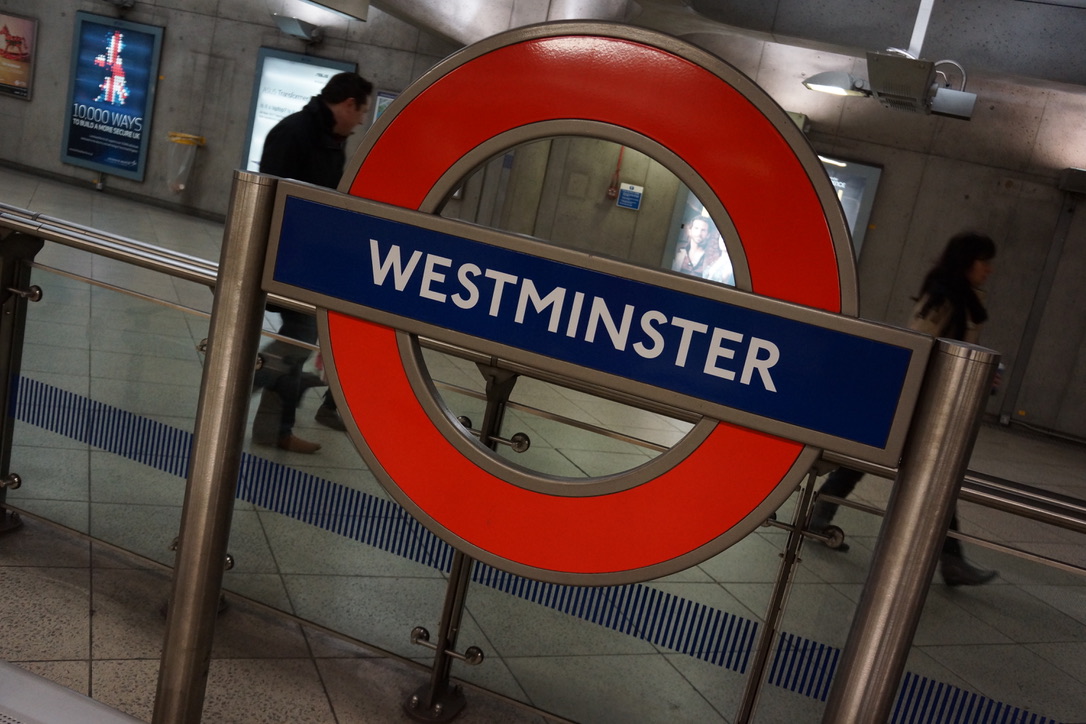
8. Westminster

No trip to London would be complete without a visit to Westminster station. With its stunning Art Deco design, this station is an architectural gem that often gets overlooked. The original 1990s tiling remains intact, and the yellow and black color scheme gives it a distinctive look. The station’s proximity to several iconic landmarks, including the Houses of Parliament and Big Ben, means that it’s not just a beautiful station but also a convenient one. Take some time to linger and appreciate the design before heading out to explore the nearby attractions.

9. Bank

Bank station is one of the most complex and historic stations in the London Underground network. The station serves as a gateway to the City of London, but it’s also known for its stunning architecture. The ornate details throughout the station, combined with its impressive underground tunnels, create a sense of grandeur. The beautiful mosaics and classical elements reflect the station’s rich history, making it an interesting place to explore. Plus, you can find yourself amidst the financial heart of the city, surrounded by some of London’s most iconic buildings.

10. Leicester Square

Last but certainly not least, Leicester Square station is a vibrant hub of activity, reflecting the energy of the West End theater district. The station’s art deco style features brightly colored tiles and a lively atmosphere that welcomes visitors. It’s also an excellent starting point for those looking to catch a show or enjoy a night out in the area. The vibrant nightlife, combined with the station’s aesthetic charm, makes it a must-see stop on your underground journey.

Conclusion: Journey Beyond the Surface

While the London Underground is often seen merely as a mode of transport, it is also a testament to the city’s rich architectural heritage. Each of these stations tells a story and contributes to the cultural fabric of London. So, the next time you find yourself navigating the Tube, take a moment to step away from the hustle and bustle of your travels. Explore, appreciate, and enjoy the beauty of these underground gems that lie beneath the surface of one of the world’s most captivating cities. Happy travels!

Posted on Leave a comment

The Surprising Origins of the Cockney Accent

Introduction

Cockney, a term that often conjures images of bustling markets, the rhythmic sounds of the East End of London, and a distinctive, often playful way of speaking. But how did this colorful accent come to be? The origins of the Cockney accent are as rich and layered as the culture of London itself. This article will take you on a journey through time, exploring the development of Cockney from its early roots, its defining features, and its place in modern society.

A Brief History of London’s East End

To understand the Cockney accent, we must first explore the geographical and social context of London’s East End. Historically, this area was known as a working-class neighborhood. It became a melting pot of cultures and dialects, particularly during the 19th century when the Industrial Revolution brought an influx of people seeking work in factories, docks, and markets. The East End was characterized by its diverse population, which included Irish immigrants, Jewish communities, and others. Each group contributed to the linguistic tapestry that would eventually influence the Cockney accent.

The Birth of Cockney

The term “Cockney” itself has uncertain origins, but it is often believed to derive from the Middle English word “cokeney,” which referred to a “spoiled child” or someone who was born within the sound of Bow Bells. Legend has it that to be considered a true Cockney, one must be born within earshot of these bells, located in the St. Mary-le-Bow church in Cheapside.

As the East End developed, so too did its dialect. The Cockney accent began to emerge as a unique form of speech, distinct from the Received Pronunciation (RP) associated with the British upper class. The accent evolved in part due to social class differences. The working-class ethos of the East End was often marked by a sense of pride and identity, leading to the development of a dialect that reflected daily life, humor, and camaraderie.

Distinctive Features of Cockney

Cockney is characterized by several distinctive phonetic features. Here are some of the most notable:

1. Dropping the H

One of the most recognizable traits of the Cockney accent is the dropping of the ‘h’ sound at the beginning of words. For instance, “house” becomes “ouse,” while “have” turns into “av.” This phonetic shift contributes to a laid-back, informal sound that is synonymous with Cockney speech.

2. Glottal Stops

A glottal stop is another hallmark of Cockney. This occurs when the ‘t’ sound in words is replaced with a brief pause or catch in the throat. For example, “bottle” may be pronounced more like “bo’le.” This feature adds a rhythmic quality to the accent and is a key marker of working-class London speech.

3. Rhyming Slang

Perhaps the most playful aspect of Cockney is its use of rhyming slang. This inventive form of expression creates phrases where a word is replaced by a rhyming couplet, often omitting the second word for added confusion. For example, “apples and pears” means “stairs,” and “trouble and strife” refers to “wife.” This clever linguistic twist not only showcases the wit of Cockney speakers but also serves as a form of in-group communication.

4. Vowel Shift

Cockney speakers often exhibit a distinct vowel shift, where certain vowel sounds are pronounced differently than in standard English. For example, the vowel in “face” may be pronounced more like “fice,” and “goat” could sound like “gurt.” These shifts give the accent its unique musicality and flair.

Social and Cultural Influences

The evolution of the Cockney accent is closely tied to the cultural landscape of London. In the late 19th and early 20th centuries, Cockney speech became associated with the working class, often portrayed in popular media as a symbol of humor, resilience, and camaraderie. Music hall performances, films, and literature often featured Cockney characters, helping to popularize the accent and its distinctive vocabulary.

During the mid-20th century, Cockney found its way into popular music, particularly with the rise of skiffle and rock bands in Britain. Artists like The Beatles and The Kinks sang in Cockney, bringing the accent to the forefront of British pop culture. The working-class ethos of these musicians resonated with audiences, further cementing Cockney as a significant part of London’s identity.

Cockney in Modern Times

In recent decades, the Cockney accent has faced challenges as London has experienced gentrification and demographic shifts. Newer generations of Londoners, influenced by globalization and diverse cultures, have begun to adopt different linguistic styles. As a result, traditional Cockney may be fading in some areas, yet it remains a vital part of London’s heritage.

Interestingly, the accent has seen a resurgence in popularity through television and film. Shows like “EastEnders” have kept the Cockney accent alive, showcasing its charm and wit. Additionally, reality television and social media have given young speakers a platform to embrace their Cockney roots, ensuring that it continues to evolve while retaining its unique character.

Cockney Today: A Blend of Past and Present

While some aspects of the Cockney accent may be diminishing, its influence is still felt in various forms of London vernacular. Many young people in London today blend elements of Cockney with other accents and dialects, creating a dynamic and ever-evolving linguistic landscape. This phenomenon, often referred to as Multicultural London English (MLE), reflects the city’s diverse population and its rich cultural exchanges.

Moreover, the resurgence of interest in local dialects and accents has led to a renewed appreciation for Cockney, particularly among linguists and cultural enthusiasts. Cockney’s unique features are studied for their historical significance and their role in shaping modern English.

Conclusion

The Cockney accent is more than just a way of speaking; it embodies the spirit of London’s East End and reflects the city’s rich history and cultural diversity. From its humble beginnings among working-class communities to its prominent place in popular media and modern vernacular, Cockney continues to captivate and inspire. As we look to the future, it’s clear that this lively and colorful accent will remain a cherished part of London’s linguistic heritage, evolving while still honoring its roots. Whether you’re a lifelong Londoner or a curious visitor, understanding the origins and nuances of Cockney adds yet another layer to the vibrant tapestry that is London. So, next time you hear someone drop their “h’s” or spin a clever bit of rhyming slang, you’ll know a little bit more about the fascinating history behind it.