Posted on Leave a comment

The Surprising Origins of the Cockney Accent

Introduction

Cockney, a term that often conjures images of bustling markets, the rhythmic sounds of the East End of London, and a distinctive, often playful way of speaking. But how did this colorful accent come to be? The origins of the Cockney accent are as rich and layered as the culture of London itself. This article will take you on a journey through time, exploring the development of Cockney from its early roots, its defining features, and its place in modern society.

A Brief History of London’s East End

To understand the Cockney accent, we must first explore the geographical and social context of London’s East End. Historically, this area was known as a working-class neighborhood. It became a melting pot of cultures and dialects, particularly during the 19th century when the Industrial Revolution brought an influx of people seeking work in factories, docks, and markets. The East End was characterized by its diverse population, which included Irish immigrants, Jewish communities, and others. Each group contributed to the linguistic tapestry that would eventually influence the Cockney accent.

The Birth of Cockney

The term “Cockney” itself has uncertain origins, but it is often believed to derive from the Middle English word “cokeney,” which referred to a “spoiled child” or someone who was born within the sound of Bow Bells. Legend has it that to be considered a true Cockney, one must be born within earshot of these bells, located in the St. Mary-le-Bow church in Cheapside.

As the East End developed, so too did its dialect. The Cockney accent began to emerge as a unique form of speech, distinct from the Received Pronunciation (RP) associated with the British upper class. The accent evolved in part due to social class differences. The working-class ethos of the East End was often marked by a sense of pride and identity, leading to the development of a dialect that reflected daily life, humor, and camaraderie.

Distinctive Features of Cockney

Cockney is characterized by several distinctive phonetic features. Here are some of the most notable:

1. Dropping the H

One of the most recognizable traits of the Cockney accent is the dropping of the ‘h’ sound at the beginning of words. For instance, “house” becomes “ouse,” while “have” turns into “av.” This phonetic shift contributes to a laid-back, informal sound that is synonymous with Cockney speech.

2. Glottal Stops

A glottal stop is another hallmark of Cockney. This occurs when the ‘t’ sound in words is replaced with a brief pause or catch in the throat. For example, “bottle” may be pronounced more like “bo’le.” This feature adds a rhythmic quality to the accent and is a key marker of working-class London speech.

3. Rhyming Slang

Perhaps the most playful aspect of Cockney is its use of rhyming slang. This inventive form of expression creates phrases where a word is replaced by a rhyming couplet, often omitting the second word for added confusion. For example, “apples and pears” means “stairs,” and “trouble and strife” refers to “wife.” This clever linguistic twist not only showcases the wit of Cockney speakers but also serves as a form of in-group communication.

4. Vowel Shift

Cockney speakers often exhibit a distinct vowel shift, where certain vowel sounds are pronounced differently than in standard English. For example, the vowel in “face” may be pronounced more like “fice,” and “goat” could sound like “gurt.” These shifts give the accent its unique musicality and flair.

Social and Cultural Influences

The evolution of the Cockney accent is closely tied to the cultural landscape of London. In the late 19th and early 20th centuries, Cockney speech became associated with the working class, often portrayed in popular media as a symbol of humor, resilience, and camaraderie. Music hall performances, films, and literature often featured Cockney characters, helping to popularize the accent and its distinctive vocabulary.

During the mid-20th century, Cockney found its way into popular music, particularly with the rise of skiffle and rock bands in Britain. Artists like The Beatles and The Kinks sang in Cockney, bringing the accent to the forefront of British pop culture. The working-class ethos of these musicians resonated with audiences, further cementing Cockney as a significant part of London’s identity.

Cockney in Modern Times

In recent decades, the Cockney accent has faced challenges as London has experienced gentrification and demographic shifts. Newer generations of Londoners, influenced by globalization and diverse cultures, have begun to adopt different linguistic styles. As a result, traditional Cockney may be fading in some areas, yet it remains a vital part of London’s heritage.

Interestingly, the accent has seen a resurgence in popularity through television and film. Shows like “EastEnders” have kept the Cockney accent alive, showcasing its charm and wit. Additionally, reality television and social media have given young speakers a platform to embrace their Cockney roots, ensuring that it continues to evolve while retaining its unique character.

Cockney Today: A Blend of Past and Present

While some aspects of the Cockney accent may be diminishing, its influence is still felt in various forms of London vernacular. Many young people in London today blend elements of Cockney with other accents and dialects, creating a dynamic and ever-evolving linguistic landscape. This phenomenon, often referred to as Multicultural London English (MLE), reflects the city’s diverse population and its rich cultural exchanges.

Moreover, the resurgence of interest in local dialects and accents has led to a renewed appreciation for Cockney, particularly among linguists and cultural enthusiasts. Cockney’s unique features are studied for their historical significance and their role in shaping modern English.

Conclusion

The Cockney accent is more than just a way of speaking; it embodies the spirit of London’s East End and reflects the city’s rich history and cultural diversity. From its humble beginnings among working-class communities to its prominent place in popular media and modern vernacular, Cockney continues to captivate and inspire. As we look to the future, it’s clear that this lively and colorful accent will remain a cherished part of London’s linguistic heritage, evolving while still honoring its roots. Whether you’re a lifelong Londoner or a curious visitor, understanding the origins and nuances of Cockney adds yet another layer to the vibrant tapestry that is London. So, next time you hear someone drop their “h’s” or spin a clever bit of rhyming slang, you’ll know a little bit more about the fascinating history behind it.

Posted on Leave a comment

The Secret Meanings Behind London Tube Station Names

The Secret Meanings Behind London Tube Station Names

London is a city steeped in history, a place where every corner tells a story, and its transport system is no exception. The London Underground, affectionately known as the Tube, not only connects the vast metropolis but also serves as a treasure trove of fascinating tales hidden in the names of its stations. You might hop on a train at Green Park or get off at Baker Street without ever pondering the rich history and quirky anecdotes behind these names. Buckle up as we dive deep into the interesting world of Tube station names—some may surprise you!

A Brief History of the Underground

Before we delve into the names themselves, let’s take a quick jaunt back in time to understand the context. The London Underground opened in 1863, the world’s first underground railway. It was a groundbreaking achievement, designed to alleviate congestion on the city’s streets. Over the years, the Tube has expanded to cover 402 kilometers (250 miles) of track, with 272 stations. The significance of these names often reflects geographical, historical, and cultural elements that have shaped London over centuries.

The Origins of Station Names

Understanding the origins of Tube station names can reveal a lot about London’s past. Many names are derived from local landmarks, historical figures, and even folk tales. Let’s explore some categories that illustrate the diversity of these names.

Geographical Influences

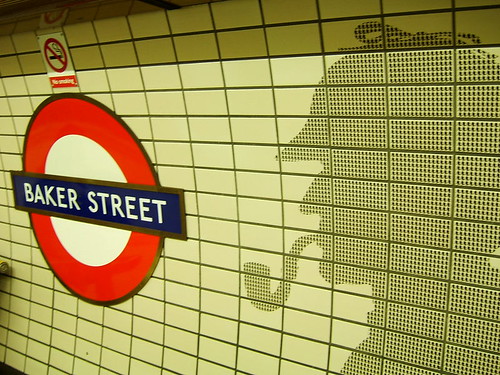
Many station names are derived from geographical features or locations. For example, Baker Street is named after the baker who lived on the street, reflecting the city’s history as a center for trade and commerce. Similarly, Kings Cross refers to a site that was once marked by a statue of King George IV, a location that has become synonymous with travel and transit.

Hammersmith is another interesting example. It derives its name from a hammer smith, referring to the area’s industrial past and its connection to the River Thames. The river was essential for transporting goods, and the name echoes a time when industry and commerce defined the area.

Historical Figures and Events

Some station names pay homage to significant historical figures or events. St. Pancras, for instance, is named after a young Christian martyr. The church of St. Pancras, which dates back to the 4th century, has been an important landmark in the area. The station itself is a striking piece of Victorian architecture and serves as a reminder of London’s rich ecclesiastical history.

Then, there’s Finsbury Park, named after Finsbury, a name that has roots in the historical Finsbury area. The park itself has served various purposes over the years, making the station a gateway to both leisure and transport.

Quirky and Fun Names

Not all names reflect grand historical narratives; some are just plain quirky! Take Cockfosters, for instance. This name brings a smile, yet it has a rather mundane origin. It’s believed to be derived from an old farmhouse, and the term “foster” indicates the area where livestock were cared for.

Barking is another station name that raises eyebrows. It might make you think of dogs, but it actually comes from the Old English word “beorc,” meaning a birch tree. Over time, the name evolved into the one we know today.

Names with Cultural Significance

London is a melting pot of cultures, and this is reflected in some station names. Tottenham Court Road is more than just a station; it’s a nod to the historic Tottenham area, where the court of King Henry II once convened. Today, it’s a bustling hub filled with shops, restaurants, and bars, but its name serves as a reminder of the royal past.

Likewise, Leicester Square is named after the Leicester family, but it has evolved into a cultural hotspot, known for its cinemas and theaters. The square itself has hosted countless events, making its name synonymous with entertainment and the arts.

The Legends and Folklore

Many station names are steeped in local legends and folklore. The name Mile End refers to the distance of one mile from the city walls of London. However, it also carries tales of the past, including tales of highwaymen and ghost stories that add an eerie charm to the name.

Another interesting one is Wembley Park, which is famous for the iconic Wembley Stadium. However, the name “Wembley” is believed to derive from “Wemba,” an Old English term that meant “the place of the Wempas,” a reference to a family or clan living in the area. The transformation of the name over the centuries tells a story of community and change.

Modern Influences and Changes

As London evolves, so do its stations. Names can change to reflect modern culture or significant developments. Take O2 for example: originally known as North Greenwich, the station was renamed after the O2 arena, a modern venue that has hosted everything from concerts to sporting events. This reflects the way the Underground adapts to the cultural landscape of the city.

Similarly, Nine Elms, once a quiet area, has seen significant development with the rise of new residential and commercial buildings. The name has become increasingly relevant as the area grows in prominence, demonstrating how names can shift with urban transformation.

The Significance of Tube Station Names

The names of Tube stations are not just playful monikers; they encapsulate the spirit of London. They serve as markers of the city’s history, geography, and culture. Each name invites passengers to delve deeper into the stories that shaped the city, encouraging a sense of connectedness to the past.

The Role of Art and Literature

London’s literary ties also permeate its transport system. Willesden Junction resonates with cultural significance, being close to the area where famed author Charles Dickens once lived. Similarly, Shakespeare’s Globe station serves as a reminder of London’s rich theatrical history, as it’s near the site of the original Globe Theatre.

A Journey Through Time

Riding the Tube is more than just a means of transport; it’s a journey through time. Every time you step onto a train, you’re hopping onto a mobile history lesson. The station names invite curiosity, giving you a chance to explore London’s hidden gems, from historic landmarks to vibrant neighborhoods.

Conclusion

The next time you find yourself navigating the winding tunnels of the London Underground, take a moment to appreciate the uniqueness of each station’s name. Each one carries a wealth of history, culture, and character that defines this vibrant city. Whether you’re a local or a tourist, understanding the stories behind these names enriches your experience of London. So, put on your explorer hat, hop on the Tube, and let the names guide you on a delightful adventure through the heart of the capital!

Posted on Leave a comment

The Ultimate Shakespeare Slang Dictionary for Modern Anglophiles

Introduction to Shakespearean Slang

Shakespeare’s language is a treasure trove of creativity and wit, and it’s a fascinating field for modern Anglophiles. The Bard didn’t just write plays and sonnets that have stood the test of time; he also coined a myriad of words and phrases that have found their way into everyday English. This article serves as your ultimate guide to navigating the delightful world of Shakespearean slang, allowing you to impress your friends and enhance your appreciation for the Bard’s genius.

A Brief History of Shakespeare’s Language

To fully appreciate the colorful phrases of Shakespeare’s time, it’s essential to understand the context in which they were created. The late 16th and early 17th centuries were a time of linguistic innovation. The English language was evolving, and Shakespeare was at the forefront of this transformation. He didn’t just use the language of his day; he played with it, inventing new words and phrases as he went along. Shakespeare is credited with introducing around 1,700 words into the English language, many of which are still in use today.

Why Shakespearean Slang Matters

Exploring Shakespearean slang is more than just a linguistic exercise; it offers a glimpse into the social dynamics, humor, and culture of Elizabethan England. The phrases he used often contained layers of meaning, allowing for wit and wordplay that still captivates audiences today. By understanding this slang, modern Anglophiles can better appreciate the subtext and nuance in Shakespeare’s works, making the experience of reading or watching his plays all the richer.

Common Shakespearean Slang Terms

To make your journey into Shakespearean slang as enjoyable as possible, here’s a compilation of some of the most interesting and colorful terms that you can incorporate into your vernacular:

1. Zounds!

Originally a contraction of “God’s wounds,” this exclamation was used to express surprise or indignation. Imagine saying “Zounds!” during a particularly shocking moment in a conversation.

2. Prithee

Short for “I pray thee,” this phrase is a polite way of asking someone for something. You could easily incorporate it into your everyday speech, saying, “Prithee, could you pass the salt?”

3. Beguile

To beguile someone means to charm or enchant them, often in a deceptive way. Think of it as a way to describe how someone might sweet-talk their way out of trouble.

4. Fain

This term means gladly or willingly. You might say, “I would fain go to the party,” giving your statement a classic touch.

5. Hark!

A lovely way to command attention, “hark” means to listen closely. It adds a sense of urgency and importance to what you’re about to say.

6. Dost thou

This phrase means “do you,” and is a great way to give your questions a Shakespearean flair. Instead of asking, “Do you like coffee?” try, “Dost thou like coffee?”

7. Forsooth

A term meaning “in truth,” it can be used to emphasize a truth or fact. Picture yourself saying, “Forsooth, that was a brilliant performance!”

8. Thou art

This means “you are,” and can add a touch of elegance to your compliments. Instead of saying, “You are wonderful,” try saying, “Thou art wonderful.”

Fun Ways to Incorporate Shakespearean Slang

1. Social Media Magic

Sprinkling Shakespearean slang into your social media posts can make them stand out. Instead of a simple “I’m excited for the weekend!” you could say, “Forsooth, the weekend doth approach with great haste!”

2. Themed Gatherings

Host a Shakespeare-themed dinner party where guests must use Shakespearean slang throughout the evening. Serve dishes inspired by the Bard’s works and challenge everyone to communicate in the lingo of the time.

3. Everyday Conversations

Spice up your daily chats with friends or family. Drop in phrases like “Prithee, what hast thou done today?” or “Hark! The news is upon us!” Watch their reactions as they try to process the sudden shift in your vernacular.

Shakespeare’s Influence on Modern English

Not only did Shakespeare create new words and phrases, but he also influenced the way we communicate today. Many common English expressions can be traced back to his works. Here are a few that might surprise you:

1. Break the ice

This phrase originates from Shakespeare’s play “The Taming of the Shrew,” referring to the act of easing into a conversation. Nowadays, we use it to mean starting a conversation in a social context.

2. Heart of gold

Found in “Henry V,” this expression describes someone who is extraordinarily kind and generous. It’s become a staple in describing good-hearted individuals.

3. Wild-goose chase

Initially coined in “Romeo and Juliet,” it refers to a futile pursuit. We still use it today to describe a pointless or fruitless endeavor.

The Art of Shakespearean Insults

One of the more delightful aspects of Shakespearean language is the art of insults. The Bard had a fantastic way of crafting insults that were both clever and humorous. Here are a few examples you can use when you’re feeling particularly cheeky:

1. Thou art a knave!

Calling someone a knave suggests they are dishonest or deceitful. It’s a classic insult that still carries weight today.

2. Thou lumpish villain!

This phrase combines two powerful descriptors: “lumpish” implies a lazy, dull person, while “villain” adds an extra sting.

3. Thou art as fat as butter!

A lighthearted yet cutting way to comment on someone’s girth. Use it with caution and only among friends who can appreciate the humor!

Modern-Day Applications of Shakespearean Slang

1. Education and Literature

Teachers and educators can utilize Shakespearean slang in classrooms to engage students more effectively. Incorporating these terms into discussions about his works not only makes the material more relatable but also fun.

2. Theater Performances

Actors and directors can experiment with Shakespearean slang in modern adaptations of his plays. This adds a layer of originality and can attract new audiences who might appreciate the blend of contemporary and classic language.

3. Creative Writing

Writers looking to add flair to their prose can borrow from Shakespearean slang. Using these terms can provide richness and a unique voice to your characters or narrative.

Conclusion: Embracing the Bard’s Legacy

Embracing Shakespearean slang is a delightful way to connect with the Bard’s legacy and enrich your language. Whether through casual conversation, themed gatherings, or creative writing, these terms breathe life into everyday interactions. So go ahead, sprinkle some Shakespearean flair into your life and enjoy the timeless beauty of the language that has captivated audiences for centuries. The Bard would certainly approve!

Posted on Leave a comment

The History of the Mug: From Drinking Vessel to Insult

white ceramic mug on white surface

Introduction

The term “mug” has a fascinating journey through history. What began as a simple drinking vessel has morphed into a term used in various contexts, including an amusing and somewhat cheeky insult. This article will take you on a delightful ride through time, exploring the evolution of the word “mug” from its origins to its contemporary usage in both the physical and metaphorical senses.

Origins of the Mug

The word “mug” can be traced back to the 15th century, derived from the Middle English term “mugge” or “mugg,” which referred to a large cup used for drinking. The earliest mugs were typically made from wood, clay, or metal, often featuring a handle for convenience. They served a practical purpose: to hold beverages ranging from water and ale to coffee and tea.

As time marched on, mugs began to evolve in design and materials. By the 16th century, potters were producing earthenware mugs adorned with intricate designs. The invention of porcelain in China and its later introduction to Europe in the 18th century led to a significant transformation. Porcelain mugs became symbols of status and sophistication, often decorated with elaborate artwork that reflected the owner’s taste and wealth.

Mugs Through the Ages

The Renaissance and Beyond

During the Renaissance, the mug continued to be a popular drinking vessel, especially in taverns and homes. It was during this period that the classic tankard design emerged, featuring a hinged lid to keep beverages fresh and safe from contamination. These tankards were often made of pewter, silver, or glass, and were often inscribed with the owner’s name or family crest.

In the 19th century, the Industrial Revolution brought about mass production, leading to an explosion of mug designs and styles. From simple creamware to intricately designed transferware, there was a mug for every taste and occasion. The introduction of coffee and tea into everyday life further solidified the mug’s place in society. Suddenly, everyone wanted a stylish cup to enjoy their afternoon brew!

The Mug as an Insult

Fast forward to the 20th century, and we see an interesting shift in the term “mug.” In British slang, “mug” became a playful yet cutting term for someone who is easily fooled or taken advantage of. This usage likely stems from the notion that a mug, being a simple object that holds liquid, can be seen as a symbol of someone who is passive or gullible.

The transition from drinking vessel to insult is not entirely baffling. The playful nature of language allows for such transformations, and in this case, the mug’s everyday familiarity made it a prime candidate for playful derision. Imagine calling someone a “mug” in a cheeky banter; it adds a certain flair to the conversation while still delivering a sting.

Mugshots and the Criminal Connection

Another fascinating aspect of the word’s evolution is its connection to law enforcement. The term “mugshot” emerged in the late 19th century, referring to photographs taken of criminals upon their arrest. The origin of this term might be linked to the notion of a “mug,” as both a physical face and an object that can be displayed or presented to the public.

Mugshots became an essential part of police records, helping identify repeat offenders and contributing to the growing field of criminology. Today, the term is widely recognized, and mugshot databases have even emerged online, showcasing the faces of numerous unfortunate souls.

The Cultural Impact of Mugs

Mugs have also made their mark in popular culture, appearing in literature, films, and television shows. They often symbolize comfort, relaxation, and conviviality. Think about it: when you see a character curled up with a steaming mug of coffee or tea, it evokes a sense of warmth and familiarity.

In contemporary society, mugs have become a canvas for self-expression. Custom mugs with witty sayings, personalized names, or creative designs flood the market. They make perfect gifts and serve as conversation starters. Whether it’s a funny quip, a motivational quote, or a tribute to a beloved hobby, mugs have become an integral part of our daily lives.

The Mug in Modern Language

As language continues to evolve, so does the usage of “mug.” It can be used in a variety of contexts, from light-hearted banter among friends to serious discussions about being taken advantage of. Some might refer to someone as a “mug” in jest, while others might use it more seriously to indicate a lack of common sense.

Moreover, the term has been embraced by pop culture, especially in music and comedy. Various artists and comedians have used “mug” in their work, giving it a humorous spin that resonates with audiences. The term embodies a certain cheekiness that many find endearing, and it adds a layer of relatability to everyday conversations.

Mugs in Different Cultures

Across the globe, different cultures have their unique takes on the humble mug. In Japan, for instance, traditional tea mugs called “yunomi” are crafted without handles and are designed for sipping tea in a mindful manner. In contrast, in Germany, beer steins—often referred to as mugs—feature intricate designs and are a staple during Oktoberfest celebrations.

These cultural variations highlight the mug’s versatility as both a functional object and a symbol of social connection. Whether in a bustling café in Paris or a local pub in Dublin, mugs bring people together over shared experiences, making them an enduring part of human culture.

Conclusion

The journey of the mug from a practical drinking vessel to a cheeky insult and beyond is a testament to the fluid nature of language and culture. It serves as a reminder that even the simplest objects can have rich histories and fascinating stories. So the next time you lift a mug to your lips—whether it’s filled with coffee, tea, or something stronger—take a moment to appreciate its journey through time and the myriad meanings it has come to embody. After all, it’s more than just a vessel; it’s a piece of history, culture, and even a bit of mischief!