Posted on Leave a comment

Exploring 99 of Britain’s Most Unusual Family Businesses: Unique Stories and Insights

Inside Britain’s Most Unusual Family Businesses

When you think of family businesses in Britain, you might picture quaint little shops, bustling bakeries, or perhaps a traditional pub serving hearty meals and a fine pint. While these establishments certainly represent the backbone of the British economy, there’s a whole other world of family businesses that are as unusual as they are fascinating. From quirky museums to creative artisans, the UK boasts a diverse array of family-run enterprises that are just waiting to be discovered. Buckle up as we delve into the extraordinary stories behind some of Britain’s most unusual family businesses.

A Family of Cheese Makers: The Smelly Cheese Company

Nestled in the picturesque countryside of Somerset, the Smelly Cheese Company is a family-run business that takes cheese-making to new heights—or should we say, new smells? Established by the quirky Johnson family, this business specializes in everything from tangy blue cheese to rich, creamy brie. What sets them apart is not just the quality of their products, but their approach to cheese-making.

The Johnsons have turned cheese into an art form, offering workshops where participants can roll up their sleeves and create their own cheese. Imagine spending a day in a cheese workshop, learning the secrets of curd and whey, all while laughing with family and friends. The experience is deliciously rewarding and leaves participants with a newfound appreciation for the magic of cheese.

But it’s not just about the cheese itself; the Johnsons are also passionate about sustainability. They source milk from local farms and ensure that their cheese-making practices have minimal impact on the environment. So, while you’re indulging in your next cheese platter, you can feel good knowing you’re supporting a family business that cares about its community.

A Kaleidoscope of Creativity: The Glassblowing Workshop

In the heart of Edinburgh, a family business is heating things up—literally! The Glassblowing Workshop is a vibrant hub of creativity where the art of glassblowing comes to life. Run by the McKenzie family, this workshop offers visitors an opportunity to watch skilled artisans transform molten glass into stunning works of art.

What’s truly unique about the Glassblowing Workshop is the interactive experience it offers. Visitors can try their hand at glassblowing under the guidance of the McKenzie family, creating their own glass masterpieces. Whether it’s a delicate vase or a shimmering ornament, participants leave with a tangible reminder of their creative adventure.

The McKenzies are also committed to keeping the ancient craft of glassblowing alive, sharing their knowledge and passion with the next generation. With classes available for all ages, it’s a fantastic way for families to bond while learning a skill that has been passed down through generations.

The Oddest Museum: The Museum of Bad Art

Ever thought about visiting a museum dedicated to bad art? Well, in the quaint town of Stow-on-the-Wold, you can do just that! The Museum of Bad Art, or MOBA, is a family-run establishment that celebrates the beauty of the imperfect. Founded by the quirky McGregor family, this museum showcases a collection of paintings that are, well, less than stellar.

With pieces like “Horses in a Storm” and “The Man with the Giant Head,” each artwork tells a story that’s sure to make you chuckle. The McGregor family believes that art doesn’t always have to be serious and that sometimes, it’s the humor and creativity behind a piece that makes it truly special.

MOBA also encourages local artists to submit their own “bad” artwork, creating a community of laughter and creativity. Visitors can share a laugh and appreciate the artistry that comes from the heart—even if it doesn’t always translate to the canvas.

A Touch of Whimsy: The Enchanted Garden

In the charming village of Bourton-on-the-Water, the Enchanted Garden is a whimsical family business that transports visitors into a world of magic and fantasy. Run by the Taylor family, this enchanting garden is a colorful wonderland filled with fairy houses, unusual sculptures, and interactive installations.

The Taylors have transformed their garden into a place where children and adults alike can let their imaginations run wild. With themed events throughout the year, such as fairy tale weekends and seasonal festivals, there’s always something exciting happening at the Enchanted Garden. It’s a perfect spot for families to explore, play, and create memories that will last a lifetime.

But the magic doesn’t stop at just the visuals. The Taylors also offer workshops on gardening and crafting, encouraging visitors to channel their creativity and take a piece of the enchantment home. The Enchanted Garden is a celebration of imagination, reminding us all of the importance of play in our busy lives.

A Sweet Treat: The Chocolate Factory

The name “The Chocolate Factory” might sound familiar, but this family business in the heart of Yorkshire is anything but ordinary. Run by the delightful Smith family, they’ve taken chocolate-making to a new level with their artisanal approach and quirky flavors.

At The Chocolate Factory, visitors can indulge in hands-on chocolate-making workshops, where they can create their own unique chocolate bars. From raspberry chili to lavender-infused chocolate, the Smiths encourage creativity and experimentation. Imagine crafting a chocolate bar that reflects your personality—talk about a sweet souvenir!

The Smith family is also dedicated to sustainability, sourcing organic and fair-trade ingredients. They aim to create not just delicious chocolate, but also a positive impact on the environment and local communities. A visit to The Chocolate Factory isn’t just a treat for the taste buds; it’s an experience that delights the heart.

Conclusion: Celebrating Uniqueness

Britain’s family businesses are a tapestry of creativity, humor, and tradition. From cheese makers and glassblowers to museums and whimsical gardens, each enterprise tells a story of dedication, passion, and a sprinkle of quirk. These businesses not only provide unique products and experiences but also contribute to the character and charm of their communities.

As we celebrate these unusual family businesses, we’re reminded of the importance of creativity and connection. Each visit to these establishments is an opportunity to support local families and immerse ourselves in the rich and diverse culture of Britain.

So next time you’re looking to explore something different, consider visiting one of these extraordinary family-run businesses. Who knows, you might just find a new favorite spot that leaves you with lasting memories and a smile on your face.
Posted on Leave a comment

London Tube Map Evolution: How It Became a Design Icon

A Journey Through the Tube: The Evolution of an Iconic Design

When you think of London, a few things might spring to mind: the iconic Big Ben, the picturesque Thames River, and, of course, the London Underground. But have you ever paused to admire the artistry of the Tube map? This seemingly simple diagram has become a global design icon, one that transcends its original purpose and offers a fascinating glimpse into the evolution of urban design and public transport. Buckle up as we take you on a journey through the history and development of one of London’s most recognized symbols!

The Birth of the Underground

The London Underground first opened to the public in 1863, making it the world’s first underground railway system. However, the initial experience was far from user-friendly. The early maps were complicated and hard to navigate, making it difficult for riders to know where they were going. Imagine trying to decipher a sprawling, chaotic maze of lines and stations without any clear guidance. It was clear that something had to change.

The Map That Changed Everything

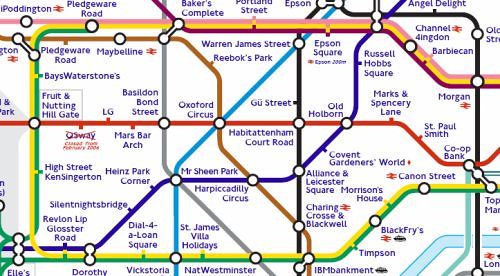
Fast forward to 1931, when Harry Beck, an engineering draftsman, created a revolutionary new map. Beck’s design was unlike anything that had come before it. Instead of adhering to the physical geography of London, he opted for an abstract, simplified layout. The Tube map was transformed into a network of straight lines and clear connections, with stations represented as uniformly spaced dots. This radical departure from realism allowed passengers to easily see the relationships between different lines and stations, making navigation a breeze.

The Impact of Beck’s Design

Harry Beck’s Tube map was a game-changer. It made the Underground accessible to the broader public, opening up London in ways that had never been imagined. Suddenly, navigating the sprawling city felt less daunting, and passengers could confidently hop on and off trains. The map not only facilitated travel but also ignited a love for urban exploration. People began to see London as an interconnected web of neighborhoods, each with its unique charm and attractions.

The Art of Color Coding

One of Beck’s genius innovations was the use of color coding for different lines. Each line was assigned a distinct hue, making it easy for travelers to quickly identify their route. This vibrant palette became synonymous with the Underground, allowing the map to be recognizable at a glance. Over the years, the colors have been refined, but the core concept remains the same. The visual impact of the colored lines made the map not just functional, but also aesthetically pleasing.

Keeping Up with Change

As London grew and the Underground expanded, adjustments to Beck’s design were necessary. New stations were added, lines were extended, and the network underwent significant changes. The map evolved alongside the city, adapting to the needs of its users. Each update was meticulously considered, balancing the need for clarity with the complexity of an ever-expanding network.

Design Philosophy: Simplicity Over Reality

What Beck introduced was more than just a map; it was a philosophy of design. The principle of simplicity over reality became foundational for many graphic designers. His approach demonstrated that clarity and ease of use should take precedence over accuracy. This idea is now embedded in many public transport systems worldwide, evidenced by the clean, minimalist designs that we see today.

Iconic Updates and Variations

Over the decades, the Tube map has undergone several notable updates. Designers have added elements, such as the iconic “tube” logo and the recognizable roundel symbol. They also experimented with new formats and designs, such as the “Bakerloo” and “Central” lines, which introduced fun typography and graphic elements. With each update, the design team aimed to preserve the essence of Beck’s original vision while ensuring the map remained useful and contemporary.

The Tube Map in Popular Culture

The Tube map’s influence extends far beyond the underground stations of London. It has infiltrated popular culture and has been referenced and parodied in various forms of media. From art installations to fashion, the distinctive style of the map has inspired countless creative projects. Artists like Eduardo Paolozzi and Ben Eine have reinterpreted the map in their work, showcasing its versatility as a design element.

The Tube Map Goes Digital

As technology advanced, so did the way we interact with the Tube map. The introduction of mobile apps revolutionized how commuters accessed the map. No longer constrained by a physical piece of paper, riders could now receive real-time updates and live journey planning at their fingertips. This digital transformation maintained the essence of Beck’s design while embracing the future of transportation.

Sustainability and Accessibility

In recent years, the focus on sustainability and accessibility has also influenced the design of the Tube map. The introduction of features like step-free access and the promotion of bike routes illustrate a shift toward an integrated transport system that accommodates all users. The map continues to evolve, reflecting changing societal values and the need for inclusivity in urban design.

The Tube Map: A Design Icon

Today, the Tube map is considered a masterpiece of graphic design, celebrated for its innovation and impact on urban navigation. It has been featured in exhibitions, received numerous awards, and is studied in design schools around the world. Beck’s original vision, which emphasized clarity and simplicity, has become a template for transport maps globally.

Conclusion: More than Just a Map

So, the next time you find yourself navigating the London Underground, take a moment to appreciate the artistry behind the Tube map. What was once a chaotic representation of a complex transport system has transformed into a design icon that is both functional and beautiful. Harry Beck’s genius lies not only in his groundbreaking design but also in his foresight to recognize that a map could be so much more than a tool for navigation. It could be a visual representation of a city’s spirit, an invitation to explore, and a source of pride for Londoners and visitors alike.

In the ever-evolving landscape of urban life, the Tube map stands as a testament to the power of thoughtful design. It has become an enduring symbol of London and continues to inspire generations of designers and city planners worldwide. Next time you glance at that familiar map, remember: you’re looking at history, innovation, and a piece of art that has shaped the way we think about urban transit. So grab your Oyster card, hop on the Tube, and get ready to explore the vibrant tapestry of London that lies just beyond the next station!