Posted on Leave a comment

Discover the Most Outrageous British Place Names and Their Surprising Origins

The Most Outrageous British Place Names and Their Surprising Origins

When you think of Britain, you might picture rolling hills, quaint villages, and bustling cities, all steeped in history and tradition. But there’s another layer to the British landscape that often gets overlooked: its utterly outrageous place names. From the charmingly bizarre to the downright hilarious, the names of certain towns, villages, and even fields can provoke a chuckle or a raised eyebrow. Let’s embark on a whimsical journey through some of the most amusing and outrageous place names in Britain, exploring their surprising origins along the way.

A Trip Down the Outrageous Lane

Imagine you’re driving through the British countryside, the windows down, and the sun shining. You glance at a road sign and see a name that makes you do a double-take. It’s moments like these that make exploring Britain an adventure. With over a million place names to choose from, some are bound to catch your attention.

1. Barton-under-Needwood: A Suburb with a Twist

Nestled in Staffordshire, Barton-under-Needwood sounds like a character from a Victorian novel. But there’s more to this name than meets the eye. The “under” in its name refers to its location beneath the Needwood Forest, while “Barton” is derived from the Old English ‘beretun,’ meaning “barley farm.” It’s as if the name is inviting you to a rustic retreat, complete with barley fields swaying in the wind.

2. Pity Me: A Name That Tugs at the Heartstrings

Located in County Durham, Pity Me is one of those names that might cause you to pause and feel a bit sorry for it. But fear not! The name actually comes from the Old English term ‘pitty,’ which means ‘a place where pit coal is dug.’ So while it might sound like a place of sorrow, it’s actually a nod to the area’s coal mining heritage. It’s proof that not everything is as it seems!

3. Sandy Balls: The Playground of Laughter

Now, let’s take a trip to the New Forest in Hampshire, where you’ll find Sandy Balls. This cheeky name belongs to a holiday park that has delighted visitors for decades. The name comes from the nearby Sandy Balls River, which apparently had a few sandy pebbles that resembled, well, you know. This name is undoubtedly one of the most giggle-inducing and has become a cultural icon in its own right, often featured in humorous lists and travel blogs.

4. Witless Bay: A Lesson in Humor

Crossing over to the other side of the pond, we find Witless Bay, although it’s actually located in Newfoundland, Canada. You might be wondering why we’re mentioning a Canadian place in a British context. Well, the name originates from the British settlers who, upon seeing the bay, thought it looked so stunning it was “witless” for them to leave without exploring its beauty. So next time you hear Witless Bay, remember it’s a place that celebrates the beauty of nature rather than an insult to intelligence!

The History Behind the Names

The origins of these unusual place names often tell a story, one rooted in the geography, history, or cultural nuances of the area. Let’s delve into a few more examples that showcase how the quirky names came to be.

5. Monkey’s Eyebrow: A Curious Curiosity

Step aside, serious-sounding place names; Monkey’s Eyebrow in Derbyshire takes the crown for the most whimsical. It’s not entirely clear how this cheeky name came to exist, but local lore suggests it relates to the shape of the land—perhaps resembling a monkey’s eyebrow? With such a name, you can bet it attracts curious visitors eager to snap a picture by the sign.

6. Cocks Moors: A Cheeky Affair

Cocks Moors in Birmingham might raise an eyebrow or two, but it’s not as scandalous as it sounds! This name refers to the area’s old English heritage, where “Cock” relates to a male bird, particularly a rooster. The “Moors” refers to the marshy land around the area. While it might get a chuckle from passersby, the name is more about nature than anything else.

7. Boring: The Name That Defies Its Meaning

Boring, a small village in Somerset, is often the subject of jokes when it comes to naming towns. One might assume that the village is dull, but on the contrary, it has a fascinating history dating back to the Roman times. The name Boring is derived from the Old English word “bōr,” meaning a “boundary.” So while it may sound like a snooze-fest, this village has a rich heritage that’s far from boring!

Quirky Names That Shape Identity

What’s captivating about these outrageous place names is how they can shape a community’s identity and create a unique sense of place. Residents often take pride in their town’s peculiar names, making for great conversation starters and fostering a sense of belonging.

8. Lickfold: A Playful Twist

Lickfold in West Sussex is another delightful name that raises smiles. The origins are believed to come from the old English term ‘lyc,’ which means “to lick,” possibly referring to the way livestock would lick the ground for minerals. Today, it’s a vibrant community that embraces its quirky name, and locals often joke about it when newcomers arrive.

9. Titty Ho: A Name That’s Sure to Amuse

And just when you thought we couldn’t get any cheekier, here comes Titty Ho in Northamptonshire. This playful name leads many to spit out their tea in laughter upon hearing it. Historians believe it refers to ‘Titty,’ which was an outdated term of endearment, and ‘Ho,’ a reference to a nearby hill. Regardless of its origins, this name gives everyone a good chuckle and exemplifies the humor inherent in British culture.

10. Clapham: A Name with Unexpected Roots

Clapham, located in South London, is a name that has international recognition. But did you know that its name originally derives from the Old English “claep,” meaning “clump of trees”? Far from the bustling urban area we know today, it once referred to a peaceful, wooded landscape. As the area evolved, so did its name, but the roots of its identity remain firmly planted in nature.

Conclusion: A Celebration of British Quirkiness

Exploring the most outrageous place names in Britain is not just an exercise in humor; it’s a journey through the rich tapestry of history, culture, and geography. Each name tells a story, revealing how language evolves and how communities cultivate their unique identity. So the next time you find yourself in the UK, keep your eyes peeled for those amusing signs and embrace the laughter they bring. After all, a name is more than just a label; it’s a celebration of life’s quirks and the colorful character of the land we inhabit.
Posted on Leave a comment

How to Tell a Scouse from a Geordie: British Accent Identification Guide

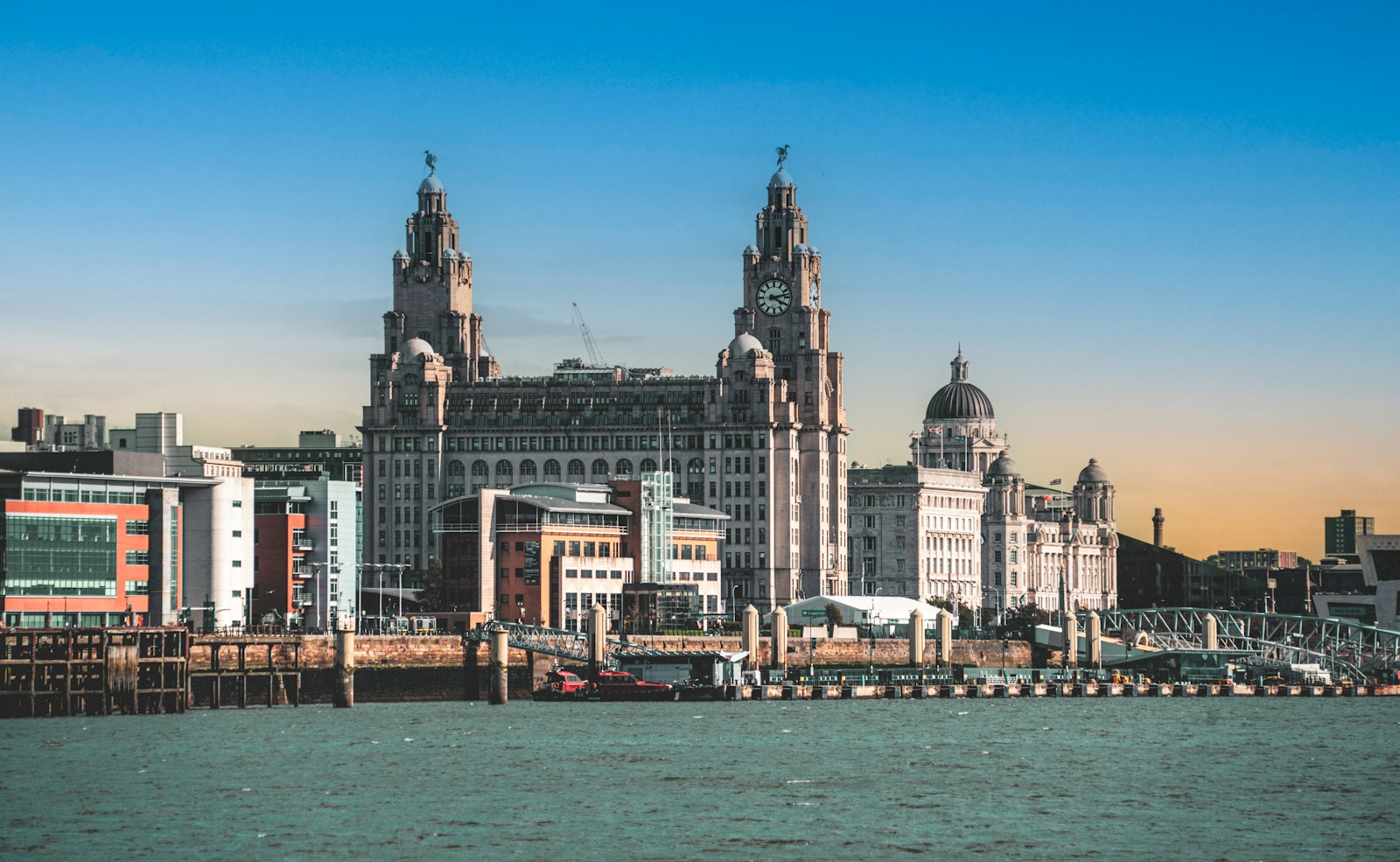
A view of a city from the water

Understanding the Regions: Scousers vs. Geordies

If you’ve ever taken a stroll down the cobbled streets of Liverpool or visited the vibrant city of Newcastle upon Tyne, you might have noticed that the locals have a way of speaking that sets them apart. The unique accents and dialects of these two cities are not just markers of regional identity; they are rich with history and cultural significance. In this guide, we’ll explore the characteristics that make Scouse and Geordie accents distinct, helping you identify which is which, and maybe even impress a few locals along the way!

The Roots of Scouse

Let’s kick things off with the Scouse accent, which hails from Liverpool. The term “Scouse” comes from the word “lobscouse,” a type of stew sailors would eat. Over time, the word became synonymous with the people of Liverpool, and naturally, their accent.

Key Features of a Scouse Accent

  1. Vowel Sounds: One of the most distinctive features of Scouse is the way vowels are pronounced. The short ‘u’ sound often sounds more like ‘oo’. For example, ‘bus’ might be pronounced more like ‘boos’.

  2. Intonation and Rhythm: Scouse has a unique musicality to it. The accent often features a rise and fall in pitch that gives it a sing-song quality. This can make it sound a bit more expressive and lively compared to other accents.

  3. Diphthongs: A diphthong is a sound that begins as one vowel sound and glides into another within the same syllable. In Scouse, you might notice that the diphthongs have a tighter, sharper quality. For example, the word ‘face’ can sound like ‘feess’.

  4. Consonants: Scousers can be quite liberal with their consonants. The ‘t’ sound is often dropped, particularly in the middle of words. So, ‘football’ might sound like ‘fooball’.

  5. Vocabulary: Liverpool has a rich slang vocabulary that reflects its maritime history and multicultural influences. Words like “la” (meaning mate) and “boss” (meaning great) are commonly peppered throughout conversations.

The Essence of Geordie

Now, let’s shift gears and delve into the Geordie accent, which is native to Newcastle and its surrounding areas. The term “Geordie” can be traced back to the 18th century and was originally used to refer to coal miners from the region.

Key Features of a Geordie Accent

  1. Vowel Sounds: Geordies have their own unique twist on vowel sounds as well. The short ‘u’ in words like “bus” tends to sound quite distinct, often pronounced as ‘buhs’ rather than ‘boos’.

  2. Intonation: Geordie accents can also have a sing-song quality, but with a different musical pattern compared to Scouse. The intonation tends to be more even, with fewer dramatic rises and falls.

  3. Consonants: One notable aspect of Geordie is the hard ‘g’ sound at the end of words. For example, ‘going’ is often pronounced as ‘gawn’. The ‘r’ sound is also more pronounced, adding to the rich quality of the accent.

  4. Diphthongs: Geordies tend to diphthongize vowels, especially ‘ai’ and ‘ou’ sounds. So, “house” might sound like “hoose,” and “time” could come out as “tahm.”

  5. Local Vocabulary: Geordie slang is also vibrant and often includes terms that may leave outsiders scratching their heads. Words like “pet” (friend), “canny” (nice), and “bairn” (child) are commonplace.

Notable Differences: Scouse vs. Geordie

Pronunciation

While both accents have their quirks, the way vowels are pronounced is perhaps the most noticeable difference. Scouse features a more varied pronunciation of vowels, while Geordie has a more straightforward approach. The way consonants are articulated also diverges significantly; the dropped ‘t’ in Scouse contrasts sharply with Geordie’s distinct ‘g’ sounds.

Vocabulary Distinctions

The slang and colloquialisms also paint a colorful picture of the local culture. A Scouser might refer to their friends as “la,” while a Geordie would likely use “pet.” The cultural influences of each city can be seen in these words and phrases, reflecting the different histories and social contexts that shaped them.

Intonation Patterns

Differing intonation patterns in the two accents can affect the way emotions are conveyed. Scousers often inflect their tones dramatically, making their speech sound lively and engaging. In contrast, Geordies have a more level intonation, which can give their speech a friendly, straightforward quality.

How to Spot the Differences in Real Life

Now that you’ve got the basics down, how can you put this knowledge to use in real life? Let’s explore some scenarios where you might encounter these accents.

Listening in Conversations

When chatting with someone from Liverpool, pay attention to how they pronounce certain vowels and the rhythmic quality of their speech. If you catch them using words like “boss” and “la,” you’re definitely talking to a Scouser.

On the flip side, if you’re conversing with someone from Newcastle, notice the hard ‘g’ sounds and the use of terms like “canny” or “bairn.” If they refer to their friends as “pet,” you can confidently identify them as a Geordie.

Watching TV and Movies

British television is a treasure trove of regional accents. Shows like “Liverpudlian” series such as “The Royle Family” or “Bread” are fantastic for hearing Scouse in its natural habitat. For Geordie, check out “Geordie Shore,” which offers a lively showcase of the accent and local slang.

Engaging with Locals

If you find yourself in either city, don’t hesitate to strike up a conversation! Asking locals about their favorite hangout spots or their opinions on the local football teams can lead to some enlightening interactions. Just remember that using the correct terms and inflections can go a long way in winning their hearts.

Conclusion: Embracing the Diversity of Accents

Understanding the differences between Scouse and Geordie accents is not just about identifying where someone is from; it’s about appreciating the rich tapestry of culture, history, and community that these accents embody. Each accent tells a story, reflecting the unique experiences of those who call their respective cities home.

So next time you hear a Scouser or a Geordie speaking, take a moment to listen closely. You might just discover a world of meaning embedded in their words, and who knows? You might even find yourself picking up a few phrases along the way! Whether you’re in Liverpool or Newcastle, engaging with locals and immersing yourself in their accents will surely enhance your experience and deepen your connection to this vibrant corner of the UK.