Posted on Leave a comment

Discover 83 Hidden Gems: Britain’s Most Beautiful Train Journeys You’ve Never Experienced

Britain’s Most Beautiful Train Journeys You’ve Never Taken

When you think of train travel in Britain, names like the West Highland Line or the Settle-Carlisle Railway might immediately spring to mind. While these iconic routes are undoubtedly stunning, there are countless hidden gems across the UK that offer breathtaking vistas, charming villages, and an experience unlike any other. If you’re looking to mix up your travel plans and explore some lesser-known but equally beautiful train journeys, buckle up! Here’s an inside look at some of Britain’s most picturesque train rides that might not be on your radar—yet.

The Heart of Wales Line

A Scenic Wonder

Kicking off our journey is the Heart of Wales Line, connecting the quaint towns of Swansea and Shrewsbury. This 121-mile route is a fantastic opportunity to experience the heart of Wales’ stunning landscapes.

As the train rolls from the bustling city of Swansea, you quickly find yourself in the serene countryside, where rolling green hills and lush pastures stretch as far as the eye can see. Keep your eyes peeled for sheep grazing lazily on the hillsides, and don’t be surprised if you spot the occasional castle peeking through the trees.

Vibrant Villages and Natural Beauty

One of the highlights of this journey is the picturesque village of Llandovery, known for its charming pubs and the surrounding Brecon Beacons National Park. Here, you can hop off for a pint or a quick hike before continuing your adventure. The line also passes through the enchanting forests of the Cambrian Mountains, where the scenery is nothing short of breathtaking. As you weave through valleys and over bridges, you’ll feel a deep connection to the natural beauty that is quintessentially Welsh.

The Borders Railway

A Journey Through History

Next up is the Borders Railway, which runs from Edinburgh to Tweedbank, just outside Melrose. This relatively new railway opened in 2015 but has quickly become a favorite amongst locals and tourists alike. The journey not only showcases the stunning Scottish Borders but also offers a taste of the region’s rich history.

As you travel, you’ll pass ancient abbeys, historic battlefields, and lush countryside that inspired writers such as Sir Walter Scott. The train chugs along the River Tweed, where you might even catch a glimpse of eager fishermen hoping to land a salmon or two.

A Stop at Melrose Abbey

Once you arrive at Tweedbank, don’t miss the chance to visit Melrose Abbey. This stunning ruin dates back to the 12th century and is steeped in history. The intricate stone carvings and the picturesque setting make it a must-see. After exploring, take a leisurely stroll through the charming streets of Melrose, where you can enjoy a cozy café or a lively pub with a local ale.

The Isle of Wight Steam Railway

A Step Back in Time

If you’re in the mood for nostalgia, look no further than the Isle of Wight Steam Railway. This heritage railway runs from Smallbrook Junction to Wootton, offering a delightful journey through the island’s stunning countryside.

Step aboard a beautifully restored steam locomotive and let the rhythmic clattering of wheels take you back in time. The journey is only a modest 5 miles long, but the experience is rich in history and charm. You’ll meander through lush woodlands, past adorable cottages, and even catch views of the Solent.

Explore the Island

Once you hop off the train, you can explore the charming village of Wootton or take a short trip to nearby attractions like the Butterfly World or the Isle of Wight Zoo. The steam railway also hosts special events throughout the year, so be sure to check their schedule for themed rides and family activities.

The Kyle Line

A Journey to the Edge of the World

The Kyle Line, often dubbed as one of the most beautiful train journeys in Scotland, connects Inverness and Kyle of Lochalsh. This breathtaking route is a must for anyone looking to experience the natural beauty of the Scottish Highlands.

As the train winds through the landscape, prepare to be captivated by the stunning views of Loch Carron and the majestic mountains surrounding you. The highlight of the journey is undoubtedly the vista of the Skye Bridge as you approach Kyle. It’s a sight that will take your breath away, especially when the sun sets behind the mountains.

A Visit to the Isle of Skye

Once you arrive in Kyle of Lochalsh, you’re just a stone’s throw away from the Isle of Skye. Whether you want to explore its dramatic landscapes, visit the famous Fairy Pools, or sample local whisky, Skye has something for everyone. Make sure to spend a few days soaking in the magic of this enchanting island.

The Benjamin Britten Line

Hidden Gem of Suffolk

Perhaps one of the most underrated journeys is the Benjamin Britten Line, which runs from Ipswich to Lowestoft. Named after the famed composer Benjamin Britten, this route offers a delightful blend of coastal beauty and cultural experiences.

As the train zips along, you’ll enjoy picturesque views of the Suffolk coastline, dotted with charming seaside towns. The vibrant town of Aldeburgh, known for its artsy vibe and fresh seafood, is a highlight along the way.

Cultural Stops

Don’t forget to make a stop at Snape Maltings, where you can explore the stunning concert hall and enjoy the beautiful surrounding gardens. If you’re a music lover, this stop is particularly special as it’s where Britten himself founded the Aldeburgh Festival, celebrating new music and creativity.

Conclusion

From the rolling hills of Wales to the rugged beauty of Scotland and the charming villages of England, Britain is home to countless breathtaking train journeys waiting to be explored. While many famous routes are well-trodden, the lesser-known paths offer equally captivating experiences just off the beaten track. So, next time you’re planning a getaway, consider hopping on one of these beautiful train journeys that you might not have taken yet. You’ll discover stunning landscapes, vibrant history, and perhaps even a new favorite destination along the way—an adventure you won’t soon forget! Happy travels!
Posted on Leave a comment

The Great British Road Trip: Following the Path of Ancient Roman Roads

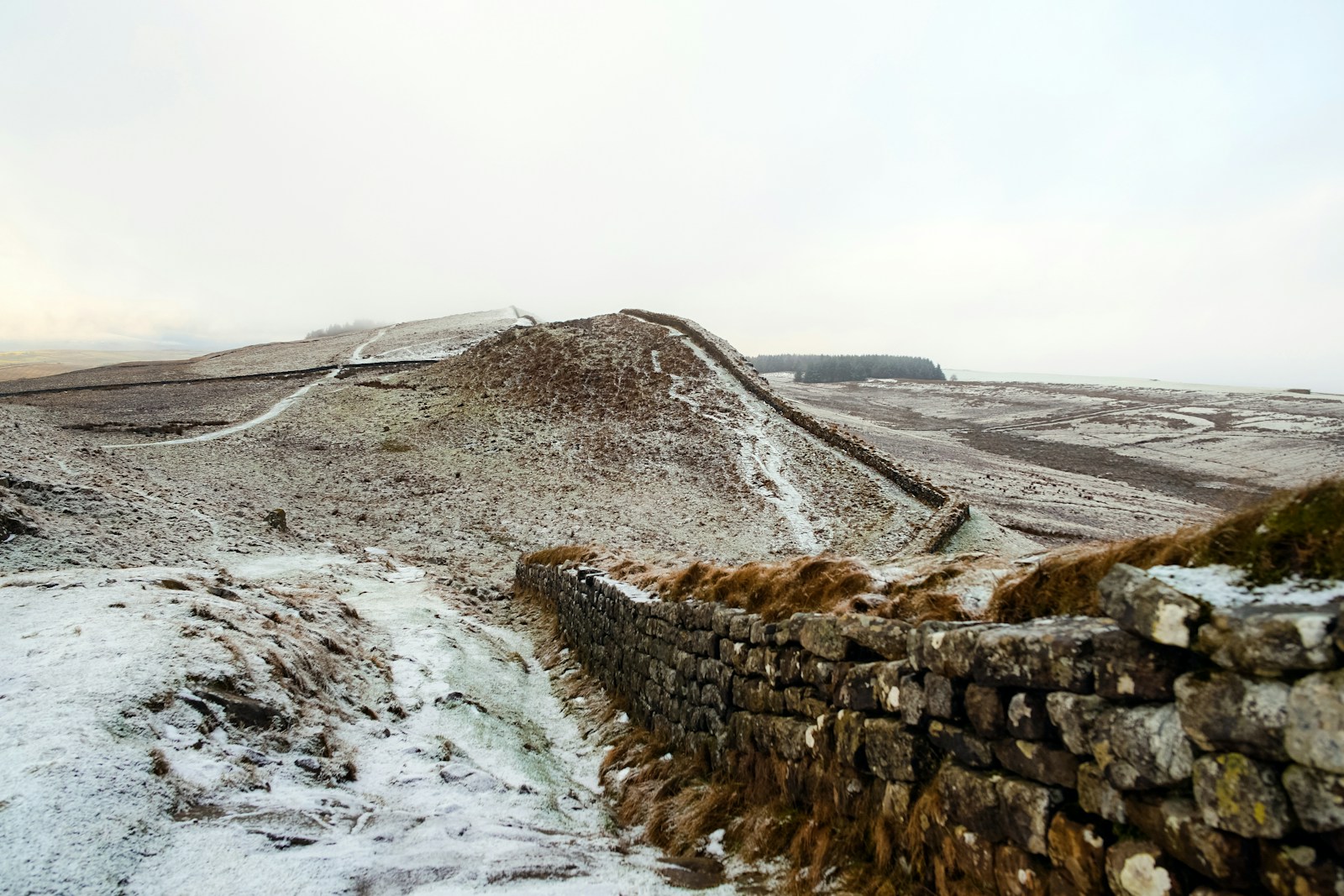
landscape photography of grey bricked wall near mountain

Introduction

Picture this: the warm sun on your back, the windows rolled down, and classic rock playing in the background as you cruise down a historic route flanked by rolling hills and ancient stone walls. You are on the road, exploring one of the most captivating and culturally rich countries in the world—Great Britain. This journey will take you down the ancient paths of the Romans, whose impressive roads still influence modern travel. Buckle up as we embark on an adventure through time, exploring the marvels of Roman engineering and the stunning landscapes of Britain!

A Brief History of Roman Roads

To understand the significance of the journey, let’s rewind to 43 AD, when the Romans invaded Britain. Their primary objective? To consolidate their empire and expand their influence. One of their most enduring legacies is the extensive network of roads they built across the country, designed for military efficiency and trade.

The Romans constructed over 10,000 miles of roads, connecting cities, forts, and settlements. These roads were ingeniously engineered, often straight, and made to withstand heavy usage. They were built with layers of sand, gravel, and large stones—a testament to Roman ingenuity that can still be seen today. As you travel along these ancient routes, you’ll not only be following in the footsteps of soldiers and traders but also immersing yourself in a living history that has shaped modern Britain.

Preparing for the Adventure

Before setting off, it’s essential to prepare for your journey. Here are a few tips to help you maximize your road trip experience:

Choose Your Route Wisely

While the Romans built numerous roads across Britain, certain routes stand out for their historical significance and scenic beauty. Consider the following famous Roman roads as key stops on your journey:

  • Watling Street: This ancient highway runs from Dover to Wroxeter and has been a significant route since Roman times. You’ll find charming villages, historical landmarks, and stunning views along the way.

  • Fosse Way: Connecting Exeter to Lincoln, this picturesque route will take you through the heart of the Cotswolds and past numerous Roman ruins.

  • Ermine Street: This road runs from London to York and is famous for its well-preserved sections. The journey offers a blend of bustling cities and tranquil countryside.

Plan Your Stops

British history is packed with fascinating sites, and your adventure should include plenty of stops along the way. Make sure to visit Roman ruins, castles, and museums that can deepen your understanding of this rich heritage. A few must-see locations include:

  • Bath: Known for its Roman baths and stunning Georgian architecture, Bath is a perfect blend of ancient and modern.

  • Hadrian’s Wall: This UNESCO World Heritage site stretches across northern England and offers breathtaking views, ancient forts, and an opportunity to hike along the wall.

  • Verulamium: This archaeological site in St Albans offers a glimpse into Roman life, complete with well-preserved mosaics and the remnants of a theater.

Pack Smart

When packing for your adventure, keep in mind that the British weather is famously unpredictable. Layer your clothing, and bring comfortable shoes for walking, as well as a waterproof jacket. Don’t forget your camera! You’ll want to capture the breathtaking landscapes and historical sites along the way.

The Journey Begins: Watling Street

As you set off on your road trip, let’s begin with Watling Street, one of the most famous Roman roads. Starting from the coastal town of Dover, this route takes you through the lush countryside of Kent. Make a pit stop in Canterbury, home to the impressive Canterbury Cathedral, a UNESCO World Heritage site. It’s the perfect blend of history and spirituality, where you can soak up the atmosphere of one of England’s most important religious sites.

Continue along Watling Street into the picturesque market town of Faversham. Here, you can explore charming cobblestone streets and enjoy a local meal at one of the many pubs. Don’t miss the opportunity to sample some traditional fish and chips!

After a delightful lunch, you’ll continue your journey towards London, where you can explore Roman ruins like the London Wall and the remains of the amphitheater in the heart of the city. It’s fascinating to think about the ancient Romans thriving in this bustling metropolis, which still serves as a global hub today.

Discovering Fosse Way

Next on our journey is the idyllic Fosse Way, renowned for its beautiful landscapes and rich history. As you leave the frenetic energy of London, you’ll find yourself surrounded by the gentle hills and quaint villages of the Cotswolds. This is where you can truly appreciate the beauty of Britain.

Stop in Cirencester, known as the “Capital of the Cotswolds.” The Corinium Museum here is a treasure trove of Roman artifacts, illustrating the town’s significance during Roman Britain. You can even explore the remains of the Roman amphitheater nearby.

As you continue along the Fosse Way, the charming village of Broadway is well worth a visit. It’s a quintessential Cotswold village with honey-colored stone buildings and beautiful gardens. Take a stroll down the High Street and enjoy a cup of tea at a local café.

Exploring Ermine Street

Transitioning to Ermine Street, you’ll head north toward York. Along the way, stop in Lincoln, where you can marvel at the impressive Lincoln Cathedral and the historic Lincoln Castle. The castle’s walls were built atop Roman ruins, so it’s a perfect stop to connect the dots between past and present.

As you continue your travels, you’ll reach York, where the remnants of Roman history are abundant. Visit the York Minster, one of the largest cathedrals in Europe, and the Roman walls that still encircle the city. Take a leisurely stroll through the Shambles, a historic street known for its medieval architecture and delightful shops.

Unique Experiences Along the Way

Let’s not forget to sprinkle some unique experiences into your road trip! Here are a few suggestions that will add depth to your journey:

Roman Reenactments

Check local listings for any Roman reenactment events along your route. These events can provide a lively look at Roman military life, complete with authentic costumes, weapons, and demonstrations. It’s a fantastic way to engage with history!

Guided Tours

Consider taking a guided tour at historical sites. Local historians can provide insight that you might miss when exploring on your own. It’s like having your own personal time machine, transporting you back to the days of Roman Britain.

Culinary Delights

Don’t overlook the local cuisine! Each region you pass through has its own specialties. Try the local cheeses in the Cotswolds, sample fresh seafood in coastal towns, or indulge in a hearty Yorkshire pudding.

Conclusion

As your adventure through the ancient Roman roads of Great Britain comes to an end, take a moment to reflect on the rich tapestry of history you’ve encountered. The remnants of Roman engineering and the beauty of the British landscape are perfectly intertwined, creating an unforgettable journey. Whether you’re wandering through ancient ruins, savoring local cuisine, or simply enjoying the open road, this road trip will leave you with memories that last a lifetime.

So what are you waiting for? Grab your map, rally your friends or family, and hit the road! The ancient Roman paths are calling, and an adventure of a lifetime awaits.