Posted on Leave a comment

The Evolution of the British Allotment: How Necessity Transformed into a Luxurious Retreat

The Evolution of the British Allotment: From Necessity to Luxury

The green spaces of Britain have long been dotted with allotments, small patches of land that have become more than just places to grow vegetables. What started as a necessity during times of hardship has evolved into a beloved pastime and even a status symbol for many. In this article, we will explore the rich history of British allotments, their significance through the ages, and how they’ve transformed from survival tools into luxurious retreats for the urban dweller.

A Historical Overview

The Birth of Allotments

The concept of allotments can be traced back to the 19th century, a time when Britain was undergoing rapid industrialization. As cities expanded, poor working-class families moved from rural areas to urban centers in search of jobs. Unfortunately, this often meant living in cramped conditions with little access to green spaces. In response, the government and local councils began to allocate parcels of land for working-class families to cultivate their own food. This wasn’t just a generous offer; it was a necessary move to combat food shortages and improve public health.

The Allotment Act of 1908

Things started to formalize with the Allotments Act of 1908, which aimed to provide more land for gardening purposes, especially during wartime. The act ensured that local authorities could create allotments for those wishing to grow their own food. This legislative backing marked a significant step in the evolution of allotments, making them a key part of community life. The interwar years saw the popularity of allotments grow even further, with many people turning to these plots as a way to cope with the economic hardships that followed World War I.

The Allotment Boom of World War II

Growing for Victory

Fast forward to World War II, when the British government launched the “Dig for Victory” campaign. This initiative encouraged citizens to cultivate as much land as possible to support the war effort and alleviate food shortages caused by rationing. Allotments became a symbol of patriotism and resilience, with citizens passionately tending to their plots. From cabbages to carrots, every little bit helped, and the allotment transformed into a lifeline for many families.

Community Spirit

During this time, allotments were not just about food; they became a hub for community spirit. Neighbors would gather to share tips, swap seeds, and exchange freshly harvested produce. The sense of camaraderie that blossomed among allotment holders was palpable. It was a time of unity in adversity, where growing food became not just a personal endeavor but a collective mission.

The Decline of Allotments in the Post-War Era

Changing Times

After WWII, the trend of allotments began to decline. The rise of supermarkets and industrial farming meant that people no longer needed to grow their own food. The convenience of purchasing groceries became the norm, and many allotments fell into disrepair. Some were even sold off for development, much to the dismay of local gardeners.

The Allotment Revival

However, the 1970s saw a resurgence in interest. With the rise of the environmental movement and a growing awareness of the benefits of organic produce, more people began to seek out allotments as a way to reconnect with nature and take control of their food sources. The burgeoning interest in local, sustainable living breathed new life into these plots, and suddenly, allotments were back on the map.

Allotments Today: A Trendy Escape

From Necessity to Luxury

Today, British allotments are experiencing a renaissance. No longer relegated to the status of mere survival tools, they have become trendy escapes for urban dwellers seeking a slice of countryside living. It’s not uncommon to see Instagram feeds filled with lush gardens, homegrown tomatoes, and vibrant flower beds, showcasing the creative potential of these once-humble plots.

The Allotment Experience

Allotments now serve various purposes. For some, they are a source of fresh produce, while others treat them as a sanctuary from the hustle and bustle of city life. The act of nurturing plants has therapeutic benefits, providing an escape from the stresses of modern living. In an age where mental health is increasingly prioritized, spending time in nature has proven to be beneficial for the mind and soul.

The Allotment Lifestyle

Community and Connection

The modern allotment community is thriving, comprising people from all walks of life. Gardening clubs, workshops, and social events foster connections among plot holders. Many groups focus on sharing knowledge, sustainability practices, and even cooking demonstrations, making the allotment a hub of learning and collaboration. It’s a place where friendships blossom as easily as the flowers.

Growing Your Own Food: A Lifestyle Choice

Growing your own food is not just about saving a few pounds at the grocery store; it’s a lifestyle choice. Many people now view allotments as a means of ensuring they consume fresh, chemical-free produce. This aligns with broader trends in health and wellness, where there is a growing emphasis on knowing where one’s food comes from. The satisfaction of plucking a ripe tomato or harvesting a bunch of kale is unparalleled.

The Allotment as a Status Symbol

The Allotment Lottery

Interestingly, in recent years, there has been a shift in how allotments are perceived. In some parts of the UK, having an allotment has become something of a status symbol. The demand for plots has skyrocketed, leading to waiting lists in many areas. Not only do they offer a chance to cultivate your own food, but they also represent a certain lifestyle—a commitment to sustainability, self-sufficiency, and community involvement.

Luxury Allotments

In more affluent areas, the trend has taken on an even more luxurious angle. Some allotments feature elaborate setups with bespoke garden designs, outdoor furniture, and even water features. These lavish plots serve as weekend getaways, equipped with barbecues and picnic areas, transforming the once-simple allotment into a chic retreat. Gardening has gone upscale, and the idea of the “luxury allotment” is increasingly appealing to those seeking a slice of nature without venturing too far from home.

Conclusion

The British allotment has truly come a long way from its origins as a necessity for survival. What began as a means to grow food during hard times has evolved into a multifaceted cultural phenomenon. Today, allotments serve as a testament to community, sustainability, and the joy of nurturing plants. Whether viewed as a sanctuary or a status symbol, they continue to hold a cherished place in the hearts of many. As we move forward, it’s clear that the evolution of allotments reflects broader societal shifts, encouraging us to get our hands dirty, reconnect with nature, and engage with our communities—one carrot at a time.
Posted on Leave a comment

London Tube Map Evolution: How It Became a Design Icon

A Journey Through the Tube: The Evolution of an Iconic Design

When you think of London, a few things might spring to mind: the iconic Big Ben, the picturesque Thames River, and, of course, the London Underground. But have you ever paused to admire the artistry of the Tube map? This seemingly simple diagram has become a global design icon, one that transcends its original purpose and offers a fascinating glimpse into the evolution of urban design and public transport. Buckle up as we take you on a journey through the history and development of one of London’s most recognized symbols!

The Birth of the Underground

The London Underground first opened to the public in 1863, making it the world’s first underground railway system. However, the initial experience was far from user-friendly. The early maps were complicated and hard to navigate, making it difficult for riders to know where they were going. Imagine trying to decipher a sprawling, chaotic maze of lines and stations without any clear guidance. It was clear that something had to change.

The Map That Changed Everything

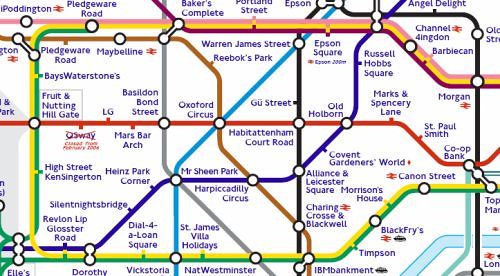
Fast forward to 1931, when Harry Beck, an engineering draftsman, created a revolutionary new map. Beck’s design was unlike anything that had come before it. Instead of adhering to the physical geography of London, he opted for an abstract, simplified layout. The Tube map was transformed into a network of straight lines and clear connections, with stations represented as uniformly spaced dots. This radical departure from realism allowed passengers to easily see the relationships between different lines and stations, making navigation a breeze.

The Impact of Beck’s Design

Harry Beck’s Tube map was a game-changer. It made the Underground accessible to the broader public, opening up London in ways that had never been imagined. Suddenly, navigating the sprawling city felt less daunting, and passengers could confidently hop on and off trains. The map not only facilitated travel but also ignited a love for urban exploration. People began to see London as an interconnected web of neighborhoods, each with its unique charm and attractions.

The Art of Color Coding

One of Beck’s genius innovations was the use of color coding for different lines. Each line was assigned a distinct hue, making it easy for travelers to quickly identify their route. This vibrant palette became synonymous with the Underground, allowing the map to be recognizable at a glance. Over the years, the colors have been refined, but the core concept remains the same. The visual impact of the colored lines made the map not just functional, but also aesthetically pleasing.

Keeping Up with Change

As London grew and the Underground expanded, adjustments to Beck’s design were necessary. New stations were added, lines were extended, and the network underwent significant changes. The map evolved alongside the city, adapting to the needs of its users. Each update was meticulously considered, balancing the need for clarity with the complexity of an ever-expanding network.

Design Philosophy: Simplicity Over Reality

What Beck introduced was more than just a map; it was a philosophy of design. The principle of simplicity over reality became foundational for many graphic designers. His approach demonstrated that clarity and ease of use should take precedence over accuracy. This idea is now embedded in many public transport systems worldwide, evidenced by the clean, minimalist designs that we see today.

Iconic Updates and Variations

Over the decades, the Tube map has undergone several notable updates. Designers have added elements, such as the iconic “tube” logo and the recognizable roundel symbol. They also experimented with new formats and designs, such as the “Bakerloo” and “Central” lines, which introduced fun typography and graphic elements. With each update, the design team aimed to preserve the essence of Beck’s original vision while ensuring the map remained useful and contemporary.

The Tube Map in Popular Culture

The Tube map’s influence extends far beyond the underground stations of London. It has infiltrated popular culture and has been referenced and parodied in various forms of media. From art installations to fashion, the distinctive style of the map has inspired countless creative projects. Artists like Eduardo Paolozzi and Ben Eine have reinterpreted the map in their work, showcasing its versatility as a design element.

The Tube Map Goes Digital

As technology advanced, so did the way we interact with the Tube map. The introduction of mobile apps revolutionized how commuters accessed the map. No longer constrained by a physical piece of paper, riders could now receive real-time updates and live journey planning at their fingertips. This digital transformation maintained the essence of Beck’s design while embracing the future of transportation.

Sustainability and Accessibility

In recent years, the focus on sustainability and accessibility has also influenced the design of the Tube map. The introduction of features like step-free access and the promotion of bike routes illustrate a shift toward an integrated transport system that accommodates all users. The map continues to evolve, reflecting changing societal values and the need for inclusivity in urban design.

The Tube Map: A Design Icon

Today, the Tube map is considered a masterpiece of graphic design, celebrated for its innovation and impact on urban navigation. It has been featured in exhibitions, received numerous awards, and is studied in design schools around the world. Beck’s original vision, which emphasized clarity and simplicity, has become a template for transport maps globally.

Conclusion: More than Just a Map

So, the next time you find yourself navigating the London Underground, take a moment to appreciate the artistry behind the Tube map. What was once a chaotic representation of a complex transport system has transformed into a design icon that is both functional and beautiful. Harry Beck’s genius lies not only in his groundbreaking design but also in his foresight to recognize that a map could be so much more than a tool for navigation. It could be a visual representation of a city’s spirit, an invitation to explore, and a source of pride for Londoners and visitors alike.

In the ever-evolving landscape of urban life, the Tube map stands as a testament to the power of thoughtful design. It has become an enduring symbol of London and continues to inspire generations of designers and city planners worldwide. Next time you glance at that familiar map, remember: you’re looking at history, innovation, and a piece of art that has shaped the way we think about urban transit. So grab your Oyster card, hop on the Tube, and get ready to explore the vibrant tapestry of London that lies just beyond the next station!