Posted on Leave a comment

26 Hidden Gem British Islands You Must Explore Before Everyone Else Does

The British Islands You’ve Never Heard Of But Need to Visit

When you think of travel destinations in the UK, your mind might automatically wander to the bustling streets of London, the stunning landscapes of the Lake District, or the historic charm of Edinburgh. However, the British Isles are home to a plethora of hidden gems waiting to be uncovered. These lesser-known islands offer unique experiences, breathtaking scenery, and a chance to escape the crowds. Grab your passport (or just your suitcase) as we dive into some of the British islands you’ve probably never heard of but absolutely need to visit!

1. The Isles of Scilly

Located just off the southwestern tip of Cornwall, the Isles of Scilly are a beautiful archipelago consisting of five inhabited islands and numerous uninhabited ones. With their subtropical climate, stunning beaches, and unique flora and fauna, these islands feel like a slice of paradise in the middle of the Atlantic Ocean.

What to Do

  1. Island Hopping: With over 140 islands and islets, each with its own charm, island hopping is a must. The largest, St. Mary’s, offers a quaint village atmosphere, while Tresco is famous for its Abbey Garden, home to an impressive collection of exotic plants.

  2. Beaches: Enjoy some of the UK’s most beautiful beaches. From the powdery white sands of Pentle Bay to the rugged beauty of Hell Bay, you’ll be hard-pressed to find a more picturesque location to lay down your towel.

  3. Wildlife Watching: The Isles of Scilly are a sanctuary for wildlife enthusiasts. Birdwatchers flock here to catch a glimpse of rare species, while seal and dolphin spotting tours are available for those craving a bit of marine adventure.

Getting There

Reaching the Isles of Scilly can be an adventure in itself. You can fly from Exeter or Land’s End, or opt for a scenic ferry ride from Penzance. Either way, the journey is sure to set the tone for your getaway.

2. Llanddwyn Island

Nestled off the coast of Anglesey in Wales, Llanddwyn Island is a small yet enchanting destination steeped in folklore and natural beauty. This island is not just a tourist spot; it’s a place where love stories are born and nature thrives.

What to Do

  1. Explore the History: Llanddwyn is named after Saint Dwynwen, the Welsh patron saint of lovers. Visit the old church ruins and learn about the island’s romantic legends.

  2. Stunning Views: The island offers spectacular views of Snowdonia National Park and the Menai Strait. Don’t forget your camera – the sunsets here are simply magical!

  3. Nature Walks: Llanddwyn is a haven for walkers. Trails lead you around the island, where you’ll encounter wildflowers, sandy beaches, and possibly even some local wildlife.

Getting There

Access to Llanddwyn Island is via a causeway from Newborough Beach. Just be sure to check the tide times to avoid getting stranded!

3. Mull

While Mull may ring a bell for some, it’s often overshadowed by its more famous neighbor, Skye. This stunning island in the Inner Hebrides is known for its dramatic landscapes, rich history, and vibrant wildlife.

What to Do

  1. Wildlife Watching: Mull is one of the best places to see wildlife in the UK. From eagles soaring in the sky to otters frolicking in the sea, nature lovers will be in their element. Don’t miss a boat trip to the nearby Staffa Island to see the famous Fingal’s Cave!

  2. Historic Sites: Delve into Mull’s history with a visit to Duart Castle, the ancestral home of the Macleans. The castle offers tours and stunning views over the Sound of Mull.

  3. Whale Watching: If you’re lucky, you might spot minke whales, orcas, and even basking sharks during the summer months.

Getting There

You can reach Mull via ferry from Oban, which takes about 45 minutes and offers stunning views across the water.

4. The Orkney Islands

Just off the northeastern coast of Scotland, the Orkney Islands are a treasure trove of history and natural beauty. This archipelago of around 70 islands boasts ancient monuments, stunning coastal scenery, and a rich Viking heritage.

What to Do

  1. Historical Sites: Orkney is home to some of the best-preserved Neolithic sites in Europe, including the Ring of Brodgar and Skara Brae, a UNESCO World Heritage Site.

  2. Local Produce: Indulge in the local cuisine by trying Orkney’s famous seafood, lamb, and whisky. The islands are known for their high-quality produce, and many restaurants serve dishes made from locally sourced ingredients.

  3. Stunning Coastlines: Explore the dramatic cliffs of Yesnaby and the serene beaches at the Bay of Skaill. Don’t forget your binoculars – the islands are a haven for birdwatchers!

Getting There

Orkney can be accessed by ferry from the mainland or via flights from various cities in Scotland.

5. The Isle of Harris

Part of the Outer Hebrides, the Isle of Harris is known for its stunning landscapes, white sandy beaches, and rich cultural heritage. Despite its beauty, it often flies under the radar of many travelers.

What to Do

  1. Beaches: The beaches here are often compared to those in the Caribbean. Luskentyre Beach, in particular, is breathtaking, with its turquoise waters and white sands.

  2. Hiking: The island offers numerous hiking trails, from gentle strolls to more challenging hikes. The scenery is unrivaled, with rugged mountains and dramatic coastlines.

  3. Local Culture: Experience the vibrant culture by visiting local art galleries, weaving shops, and tasting traditional Harris gin.

Getting There

You can reach Harris by ferry from Uig on Skye or fly directly to Stornoway on the Isle of Lewis.

Conclusion

The British Isles are teeming with hidden treasures waiting to be explored. From the sun-kissed beaches of the Isles of Scilly to the rugged landscapes of Harris, these islands provide a refreshing escape from the more tourist-trodden paths. Whether you’re a history buff, a wildlife enthusiast, or just someone needing a good dose of nature, these lesser-known islands will captivate your heart and leave you with memories to cherish. So, pack your bags and set off on an adventure to discover a side of the UK that’s just waiting to be unveiled!

Posted on Leave a comment

Explore 31 of the UK’s Strangest Street Names and Their Fascinating Stories

The UK’s Strangest Street Names and the Stories Behind Them

When wandering through the streets of the UK, one might stumble upon some truly unusual street names that not only raise eyebrows but also spark curiosity. From whimsical monikers to odd historical references, these street names often come with delightful stories that reveal a slice of British history and culture. Pack your curiosity and join me on a tour of the UK’s strangest street names and the intriguing tales that lie behind them.

A Delve into the Quirky

Street names can sometimes reflect societal changes, historical events, or simply a dash of humor that captures the spirit of a community. In the UK, a nation known for its rich history and charming eccentricities, the streets are no different. Let’s explore some of the most peculiar names, where they are located, and the stories that have turned them into local legends.

1. Pigeon Lane, Oxfordshire

Imagine a serene stroll down Pigeon Lane, surrounded by lush greenery, when suddenly you’re confronted by a name that sounds like it’s straight out of a children’s storybook. The quaint village of Warminster boasts this peculiar name, which has raised questions about its origin. Some locals believe it references the abundance of pigeons that once roamed the area, while others speculate it could have been a gathering spot for pigeon enthusiasts in the past. Regardless of its origins, Pigeon Lane continues to be a delightful reminder of the charm that small villages in the UK offer.

2. Gropecunt Lane, London

Now, this is a name that certainly raises eyebrows. Located in the heart of London, Gropecunt Lane was once a bustling street in medieval times known for its connection to the city’s sex trade. The term “grope” was commonly used to refer to sexual activity, while the second half of the name quite explicitly alludes to the anatomy involved. Over time, the name fell out of use, presumably due to its graphic nature, and it was eventually renamed to something more discreet. Still, it’s a noteworthy reminder of the more risqué aspects of London’s history.

3. Deadman’s Lane, Yorkshire

Yorkshire is known for its rugged landscapes and rich history, but it also hosts the ominous Deadman’s Lane. Located in the picturesque village of Hutton-le-Hole, this street is said to have been the route taken by pallbearers carrying the deceased to their final resting place. The name evokes images of a long-lost tradition that was once commonplace in rural communities. Its eerie title serves as a poignant reminder of life and death, showcasing how street names can reflect our cultural narratives.

4. Butts Lane, Herefordshire

Butts Lane certainly has a cheeky connotation, and it’s not hard to guess why! The name is derived from the old English term ‘butt,’ which means a target or a place where archers would practice their skills. So, in essence, Butts Lane could have been where the local archers honed their aim. Today, it provides a humorous juxtaposition against the backdrop of serene country life, proving that even the most mundane streets can have a fascinating backstory.

5. Cock Lane, London

Just a stone’s throw from the infamous Gropecunt Lane is Cock Lane, another name that raises a few giggles. It may sound like a punchline to a juvenile joke, but Cock Lane has a historical significance deeply rooted in folklore. The street gained notoriety in the 18th century due to the ‘Cock Lane Ghost’ – a tale of a supposedly haunted house where a young woman was said to be communicating from beyond the grave. The ghostly happenings attracted attention from the public and even the renowned Samuel Johnson, making Cock Lane a notable spot in the annals of London’s ghost stories.

6. Beggars Bush, Dublin

Although technically not in the UK but in Dublin, the name Beggars Bush is too good to overlook. This intriguing name is thought to stem from a legend involving a group of beggars who once gathered around a bush in the area, where they would find refuge and companionship. Over the years, Beggars Bush has developed its own character, transforming into a lively neighborhood with a rich history, yet the name remains a reminder of the community’s past.

The Cultural Significance of Street Names

Street names are often more than just identifiers; they reflect cultural attitudes, local lore, and historical events. They can capture the essence of a community, providing insight into what was significant to its residents at various points in time. The quirkiest names often come with legends that reveal how the past was interpreted through the lens of those who lived it.

7. Whip-Ma-Whop-Ma-Gate, York

One of the most entertaining street names in the UK has to be Whip-Ma-Whop-Ma-Gate in York. With a name that sounds like a tongue-twister, it’s actually derived from an old phrase that means “to whip to a standstill.” This street has been a topic of fascination for both locals and tourists alike. Its odd name adds an air of whimsy to the vibrant city of York and showcases the playful side of historic nomenclature.

8. Boozer’s Avenue, Wales

Many of us enjoy a pint or two, but Boozer’s Avenue takes this love for the local pub to another level. Located in Cardiff, this street name is a straightforward reference to drinking establishments. Its cheeky name implies a sense of camaraderie and fun, drawing attention to the lively social culture of the region. Boozer’s Avenue is a testament to the importance of pubs in British life, where friends gather, stories are shared, and memories are made.

9. Muff Lane, Oxfordshire

In the small town of Bampton, Muff Lane certainly stands out. Although the name may elicit giggles, it has a history that dates back to the Old English word “muff,” meaning a soft hand warmer. Over time, however, the name has taken on a more humorous connotation, leading to its status as a local joke. Muff Lane is a perfect example of how street names can evolve over time, reflecting shifts in language and culture.

10. Frogmore, Windsor

Frogmore is not just a street name; it’s also associated with the royal family! Located near Windsor, Frogmore holds a special place in British history as the home of Prince Harry and Meghan Markle, as well as being the burial site of notable royals. The origin of the name is a bit unclear, but it is thought to stem from the abundance of frogs in the area. Frogmore serves as a reminder that even the most royal of places can have a name that is both quirky and whimsical.

Conclusion: The Stories Behind the Names

As we’ve explored the strangest street names across the UK, it’s become clear that they’re more than just quirky identifiers; they hold stories that weave through the fabric of society, capturing moments from both the past and present. These names invite us to ponder the lives of those who walked these streets before us, and they encourage a sense of curiosity and wonder about our surroundings.

Next time you find yourself in a new neighborhood, take a moment to look around and appreciate the uniqueness of the street names. Who knows what delightful stories or historical anecdotes lie behind them? From the cheeky to the mysterious, the streets of the UK have a lot to say!

Posted on Leave a comment

Discover 40 Timeless British Villages Where History Comes Alive

The British Villages Where Time Stands Still

When you think of Britain, images of bustling cities like London, Manchester, or Edinburgh might come to mind, but tucked away in the rolling hills and verdant countryside are picturesque villages that seem to be frozen in time. These charming locales offer a glimpse into a slower pace of life, filled with history, tradition, and breathtaking landscapes. Let’s embark on a journey to explore some of Britain’s most enchanting villages where time feels like it has stood still.

A Walk Through History

Many of these villages date back hundreds, if not thousands, of years. Their cobbled streets, ancient churches, and quaint cottages have borne witness to the ebb and flow of history. One such village is Lavenham in Suffolk, known for its stunning medieval architecture. With its crooked timber-framed houses and the magnificent St. Mary’s Church, Lavenham feels like a scene straight out of a Shakespearean play. As you stroll through its narrow lanes, you can almost hear the whispers of merchants and artisans who once called this village home.

Another historical gem is Chipping Campden in the Cotswolds, famous for its role in the Arts and Crafts movement. The village boasts beautifully preserved 17th-century buildings, with the Market Hall standing out as a testament to its rich past. The blend of history and culture creates an atmosphere that feels timeless, inviting visitors to pause and appreciate the craftsmanship of yesteryears.

Picture-Perfect Scenery

One of the most delightful aspects of these villages is their stunning scenery. The landscapes that frame these quaint settlements are nothing short of breathtaking. Bibury, often described as the most beautiful village in England, showcases idyllic views with its historic Arlington Row—a series of weavers’ cottages dating back to the 17th century. The crystal-clear River Coln flowing beside the cottages adds to the charm, making it a perfect spot for a leisurely afternoon stroll or a picnic.

Similarly, Castle Combe, nestled in the Cotswolds, is renowned for its striking beauty. With its stone houses, babbling brook, and surrounding countryside, the village has been dubbed the “prettiest village in England.” The absence of modern development helps Castle Combe retain its authentic character, allowing visitors to escape into a world where nature and history intertwine harmoniously.

Traditions That Endure

In these timeless villages, traditions run deep. Many communities still celebrate age-old customs that have been passed down through generations. For instance, Bourton-on-the-Water holds an annual ‘Bourton-on-the-Water Festival,’ showcasing local arts, crafts, and culinary delights. The village’s charming bridges that span the River Windrush become a focal point for festivities, bringing together residents and visitors alike to revel in the spirit of community.

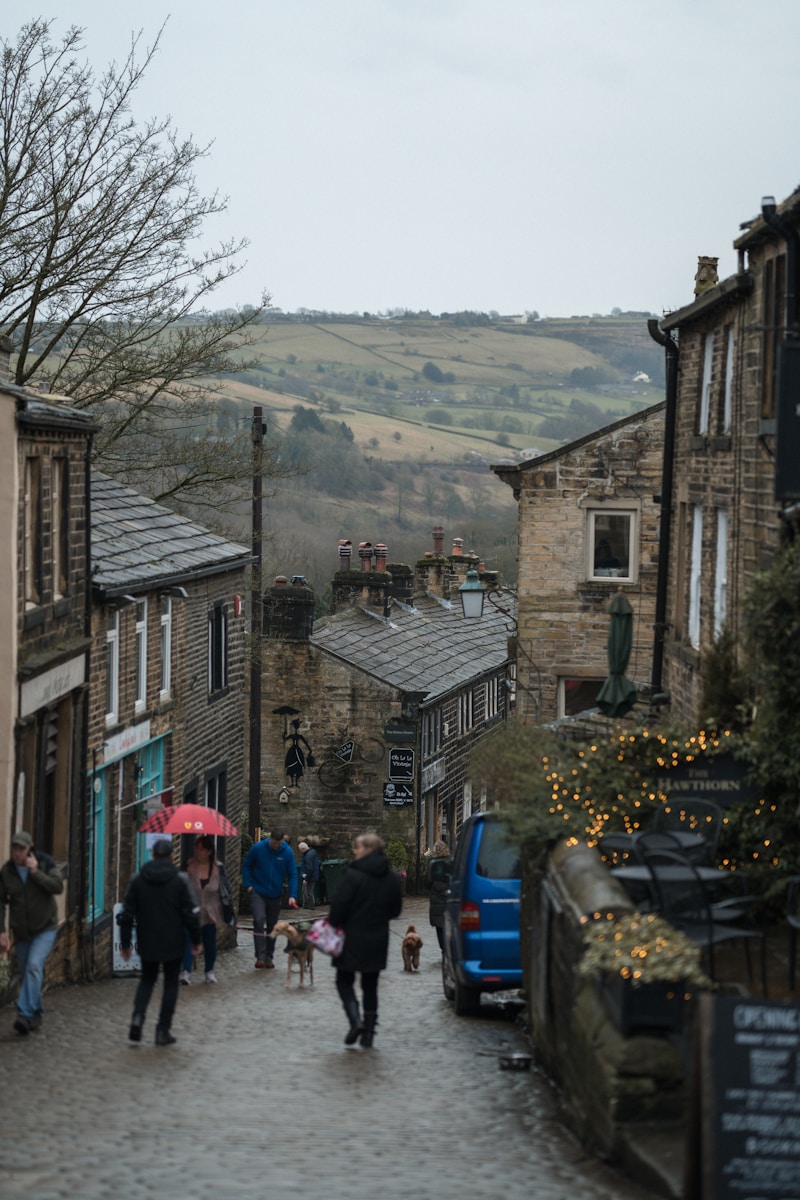
Another village, Haworth, famous for its association with the Brontë sisters, celebrates its literary heritage with events and festivals that honor their work. The Brontë Parsonage Museum tells the story of these remarkable women, and the surrounding moors provide a dramatic backdrop, transporting visitors back to the 19th century. With its cobbled streets and quaint tea rooms, Haworth feels like an open-air museum, where the past is woven seamlessly into the fabric of daily life.

Culinary Delights

No exploration of these villages would be complete without indulging in their culinary offerings. Traditional pubs and tea rooms serve up hearty fare that reflects the local culture. For example, Glastonbury, known for its mystical history and the iconic Tor, features quaint tea rooms that offer delicious scones, clotted cream, and locally sourced produce. The village is also a hub for vegetarian and vegan cuisine, demonstrating a blend of tradition and modernity.

In Stow-on-the-Wold, you’ll find cozy pubs that serve classic dishes like fish and chips or a traditional Sunday roast. These establishments often boast a warm and inviting atmosphere, where locals gather to share stories over a pint of ale. The culinary scene in these villages is deeply rooted in tradition, yet infused with creativity, making every meal an experience to remember.

The Joy of Shopping Local

Supporting local businesses is a cornerstone of village life in Britain. Many of these villages feature artisan shops, galleries, and markets that showcase the talents of local craftspeople. In Bampton, you can find charming boutiques selling handmade goods, from pottery to textiles, all crafted with love. The emphasis on local craftsmanship not only enriches the shopping experience but also connects visitors with the community.

Tetbury, a market town in Gloucestershire, is another haven for shoppers. Known for its Antiques Quarter, you’ll discover shops brimming with unique treasures, offering a different kind of retail therapy. The village’s commitment to preserving its heritage is evident in its architecture, as well as in the quality of the goods sold, making it a delightful destination for those seeking something special.

Embracing Nature

The natural beauty surrounding these villages is a significant draw for visitors. Cotswold Water Park, located near Cirencester, is a sprawling area filled with lakes and nature reserves. This stunning backdrop complements the villages nearby, inviting outdoor enthusiasts to explore the hiking and biking trails that weave through the countryside. The tranquil waters, vibrant wildlife, and picturesque views remind us of the importance of preserving nature in our fast-paced world.

Further north, Kettlewell in the Yorkshire Dales is a paradise for walkers and outdoor adventurers. Surrounded by the dramatic limestone scenery of the Dales, this traditional village serves as a gateway to countless walking routes, including the famous Dales Way. The annual Kettlewell Scarecrow Festival adds a whimsical touch, drawing visitors from afar to see the creative displays that pop up throughout the village.

The Village Spirit

Perhaps the most beautiful aspect of these timeless villages is their sense of community. People genuinely care for one another, and there’s a palpable warmth that envelops you upon arrival. Village events, from fairs to markets, foster connections among residents, creating a welcoming environment for visitors. This spirit is evident in places like Fowey, where the annual Fowey Festival celebrates literature and the arts, inviting participation from both locals and tourists.

Moreover, many of these villages have active community organizations that work to preserve their heritage and maintain their unique charm. Initiatives to promote sustainability, local arts, and heritage conservation ensure that the essence of these villages continues to thrive for future generations to enjoy.

Conclusion

The British villages where time stands still offer a refreshing escape from the hustle and bustle of modern life. From their rich history and stunning scenery to their enduring traditions and vibrant communities, these charming locales allow us to reconnect with what truly matters. Whether you’re savoring a traditional meal, exploring ancient streets, or simply soaking in the beauty of the countryside, each visit is a reminder that in these hidden gems, the essence of simplicity and authenticity reigns supreme. So why not plan a trip to one of these enchanting villages? You might just find yourself falling in love with the serenity and charm that time forgot.
Posted on Leave a comment

Discover Hidden Gems: Secret Beaches in Britain That Locals Keep to Themselves

Hidden Gems: Secret Beaches in Britain That Locals Don’t Want You to Know About

Ah, the British coastline! You might think of it as a tapestry woven with sandy stretches, rocky cliffs, and timeless charm. While many flock to the well-known hotspots like Brighton or Bournemouth, there are countless hidden beaches just waiting to be discovered. These secret spots are often cherished by locals who want to keep them to themselves. So grab your sunblock (or a sturdy raincoat—this is Britain after all) and let’s explore some off-the-beaten-path beaches that you might just fall in love with.

1. Porthcurno Beach, Cornwall

Nestled in the southwestern corner of Britain, Porthcurno Beach is a breathtaking slice of paradise. With soft golden sands and turquoise waters, it’s not hard to see why it’s a local favorite. The beach is flanked by stunning cliffs, providing a dramatic backdrop that feels almost Mediterranean.

But what makes Porthcurno truly special is its history. This beach played a crucial role in World War II, serving as a secret communication station. Today, you can visit the nearby Minack Theatre, an open-air theater carved into the cliffside, which offers stunning performances against the backdrop of the ocean.

Porthcurno is perfect for sunbathing, swimming, and beachcombing. While it can get busy during peak summer months, there are often quiet moments at the fringes of the beach where you can enjoy the sound of the waves in relative solitude.

2. Kynance Cove, Cornwall

Just a short drive from Porthcurno lies another hidden treasure: Kynance Cove. It’s one of those places that seems to have leapt straight from a postcard. The beach is famous for its unique rock formations and stunning array of colors, thanks to its serpentine rock and vivid green waters.

The cove is accessible via a short walk, which adds to the allure. As you trek down, you get a sense of the beauty that awaits you. Once there, you can explore the tidal pools at low tide, perfect for spotting crabs and other marine life.

For those wanting a bite to eat, the beach café serves up delicious cream teas that are best enjoyed while soaking in the views. Just keep an eye on the tide times; the beach can disappear during high tide!

3. Camber Sands, East Sussex

While Camber Sands is known to some, it’s often overshadowed by its more famous neighbors like Hastings and Rye. Located just a short distance from these tourist hotspots, Camber Sands offers a long stretch of sandy beach that feels almost endless, making it a great spot for a day out.

What sets Camber Sands apart is its impressive dunes, which are perfect for kids (and adults!) to explore. You can run, roll, or simply enjoy a leisurely stroll with the sea breeze in your hair. This beach is particularly popular with families, thanks to its shallow waters.

Camber is also a great spot for water sports, whether it’s kite surfing, windsurfing, or simply splashing around in the waves. If you fancy a little adventure, keep your eyes peeled for local surf schools offering lessons, suitable for all ages and skill levels.

4. Sandwood Bay, Scotland

If you’re up for an adventure, make your way to Sandwood Bay in the Scottish Highlands. This remote beach is often described as one of the most beautiful in the UK and has a wild, untouched quality that is hard to find elsewhere.

The journey to Sandwood Bay involves a scenic hike of about four miles across stunning landscapes. Once you arrive, you’ll be greeted by a vast expanse of soft sand framed by dramatic cliffs and the roaring Atlantic. The isolation of Sandwood Bay makes it feel like your own personal paradise, and you’ll likely have it mostly to yourself.

This beach is perfect for those who love nature and solitude. It’s an ideal spot for photography, picnics, and long walks. Just bear in mind, there are no facilities nearby, so come prepared!

5. Holkham Beach, Norfolk

Holkham Beach is a hidden gem that captures the essence of the British seaside. Located in the North Norfolk Coast Area of Outstanding Natural Beauty, this beach boasts vast stretches of golden sand, rolling dunes, and a tranquil atmosphere.

The beach is part of the Holkham Estate, which is home to the stunning Holkham Hall—an 18th-century mansion with beautiful gardens. After exploring the estate, take a leisurely walk to the beach, where you can enjoy the stunning views and the natural beauty surrounding you.

Holkham Beach is dog-friendly, making it a popular spot for pet owners. You can also spot an array of wildlife, including seals, if you venture a little further along the coast. The remote feel of Holkham provides a perfect escape from the hustle and bustle of everyday life.

6. Scarborough Beach, Yorkshire

Scarborough may not seem like a hidden gem to some, given its long-established status as a seaside resort. However, away from the main beach areas, there are lovely nooks and crannies that locals cherish.

The North Bay is quieter compared to its South Bay counterpart, offering a more relaxed vibe. Here, you’ll find a mix of sandy and pebbly areas, with plenty of rock pools to explore. Stop by the charming cafes lining the seafront for a traditional fish and chips experience.

For those keen on a bit of history, visit the nearby Scarborough Castle. Perched on the cliffs, it offers stunning panoramic views of the coastline and a glimpse into the town’s storied past.

7. Portseton Beach, East Lothian

Portseton Beach is a fantastic spot that often goes unnoticed by visitors to Scotland. Located just a stone’s throw from Edinburgh, this beach offers a peaceful retreat from city life. The beach is framed by stunning cliffs and offers beautiful views of the Firth of Forth.

Families love Portseton for its rock pools and the opportunity to spot local wildlife. The beach is a great place for a picnic or a leisurely stroll along the shore, where you can watch the waves crash against the rocks.

If you’re feeling adventurous, the nearby town has several local pubs where you can indulge in a hearty meal after a day exploring the beach.

Conclusion

Britain is brimming with hidden beach gems that offer a slice of tranquility away from the more crowded tourist destinations. Whether you’re looking for a scenic escape, a family-friendly day out, or an adventurous hike to a secluded spot, the diverse British coastline has something for everyone.

So, next time you’re planning a beach trip, consider venturing off the well-trodden path. You might just discover your new favorite spot, complete with stunning views, serene surroundings, and the kind of charm that makes British beaches so special. Remember, these hidden gems are best enjoyed with a sense of adventure and a willingness to explore!

Posted on Leave a comment

Discover the Most Outrageous British Place Names and Their Surprising Origins

The Most Outrageous British Place Names and Their Surprising Origins

When you think of Britain, you might picture rolling hills, quaint villages, and bustling cities, all steeped in history and tradition. But there’s another layer to the British landscape that often gets overlooked: its utterly outrageous place names. From the charmingly bizarre to the downright hilarious, the names of certain towns, villages, and even fields can provoke a chuckle or a raised eyebrow. Let’s embark on a whimsical journey through some of the most amusing and outrageous place names in Britain, exploring their surprising origins along the way.

A Trip Down the Outrageous Lane

Imagine you’re driving through the British countryside, the windows down, and the sun shining. You glance at a road sign and see a name that makes you do a double-take. It’s moments like these that make exploring Britain an adventure. With over a million place names to choose from, some are bound to catch your attention.

1. Barton-under-Needwood: A Suburb with a Twist

Nestled in Staffordshire, Barton-under-Needwood sounds like a character from a Victorian novel. But there’s more to this name than meets the eye. The “under” in its name refers to its location beneath the Needwood Forest, while “Barton” is derived from the Old English ‘beretun,’ meaning “barley farm.” It’s as if the name is inviting you to a rustic retreat, complete with barley fields swaying in the wind.

2. Pity Me: A Name That Tugs at the Heartstrings

Located in County Durham, Pity Me is one of those names that might cause you to pause and feel a bit sorry for it. But fear not! The name actually comes from the Old English term ‘pitty,’ which means ‘a place where pit coal is dug.’ So while it might sound like a place of sorrow, it’s actually a nod to the area’s coal mining heritage. It’s proof that not everything is as it seems!

3. Sandy Balls: The Playground of Laughter

Now, let’s take a trip to the New Forest in Hampshire, where you’ll find Sandy Balls. This cheeky name belongs to a holiday park that has delighted visitors for decades. The name comes from the nearby Sandy Balls River, which apparently had a few sandy pebbles that resembled, well, you know. This name is undoubtedly one of the most giggle-inducing and has become a cultural icon in its own right, often featured in humorous lists and travel blogs.

4. Witless Bay: A Lesson in Humor

Crossing over to the other side of the pond, we find Witless Bay, although it’s actually located in Newfoundland, Canada. You might be wondering why we’re mentioning a Canadian place in a British context. Well, the name originates from the British settlers who, upon seeing the bay, thought it looked so stunning it was “witless” for them to leave without exploring its beauty. So next time you hear Witless Bay, remember it’s a place that celebrates the beauty of nature rather than an insult to intelligence!

The History Behind the Names

The origins of these unusual place names often tell a story, one rooted in the geography, history, or cultural nuances of the area. Let’s delve into a few more examples that showcase how the quirky names came to be.

5. Monkey’s Eyebrow: A Curious Curiosity

Step aside, serious-sounding place names; Monkey’s Eyebrow in Derbyshire takes the crown for the most whimsical. It’s not entirely clear how this cheeky name came to exist, but local lore suggests it relates to the shape of the land—perhaps resembling a monkey’s eyebrow? With such a name, you can bet it attracts curious visitors eager to snap a picture by the sign.

6. Cocks Moors: A Cheeky Affair

Cocks Moors in Birmingham might raise an eyebrow or two, but it’s not as scandalous as it sounds! This name refers to the area’s old English heritage, where “Cock” relates to a male bird, particularly a rooster. The “Moors” refers to the marshy land around the area. While it might get a chuckle from passersby, the name is more about nature than anything else.

7. Boring: The Name That Defies Its Meaning

Boring, a small village in Somerset, is often the subject of jokes when it comes to naming towns. One might assume that the village is dull, but on the contrary, it has a fascinating history dating back to the Roman times. The name Boring is derived from the Old English word “bōr,” meaning a “boundary.” So while it may sound like a snooze-fest, this village has a rich heritage that’s far from boring!

Quirky Names That Shape Identity

What’s captivating about these outrageous place names is how they can shape a community’s identity and create a unique sense of place. Residents often take pride in their town’s peculiar names, making for great conversation starters and fostering a sense of belonging.

8. Lickfold: A Playful Twist

Lickfold in West Sussex is another delightful name that raises smiles. The origins are believed to come from the old English term ‘lyc,’ which means “to lick,” possibly referring to the way livestock would lick the ground for minerals. Today, it’s a vibrant community that embraces its quirky name, and locals often joke about it when newcomers arrive.

9. Titty Ho: A Name That’s Sure to Amuse

And just when you thought we couldn’t get any cheekier, here comes Titty Ho in Northamptonshire. This playful name leads many to spit out their tea in laughter upon hearing it. Historians believe it refers to ‘Titty,’ which was an outdated term of endearment, and ‘Ho,’ a reference to a nearby hill. Regardless of its origins, this name gives everyone a good chuckle and exemplifies the humor inherent in British culture.

10. Clapham: A Name with Unexpected Roots

Clapham, located in South London, is a name that has international recognition. But did you know that its name originally derives from the Old English “claep,” meaning “clump of trees”? Far from the bustling urban area we know today, it once referred to a peaceful, wooded landscape. As the area evolved, so did its name, but the roots of its identity remain firmly planted in nature.

Conclusion: A Celebration of British Quirkiness

Exploring the most outrageous place names in Britain is not just an exercise in humor; it’s a journey through the rich tapestry of history, culture, and geography. Each name tells a story, revealing how language evolves and how communities cultivate their unique identity. So the next time you find yourself in the UK, keep your eyes peeled for those amusing signs and embrace the laughter they bring. After all, a name is more than just a label; it’s a celebration of life’s quirks and the colorful character of the land we inhabit.

Posted on Leave a comment

Discover Britain’s Most Beautiful Village: The Annual Showdown of Charming Communities

Britain’s Most Beautiful Village: The Annual Showdown

When we think of Britain, our minds often drift to the iconic landmarks of London, the rolling hills of the Cotswolds, or perhaps a quaint little pub nestled in a bustling village. Every year, residents and visitors alike engage in a friendly debate: what is the most beautiful village in Britain? With stunning landscapes, charming architecture, and rich history, the competition is fierce. In this article, we’ll take you through the annual showdown that ignites the passion of villagers and tourists across the UK. So grab a cup of tea, settle in, and let’s explore some of the contenders for the title of Britain’s most beautiful village!

The Criteria for Beauty

Before we dive into the villages themselves, it’s essential to establish what makes a village “beautiful.” Is it the architecture? The natural surroundings? The community spirit? Perhaps it’s a combination of all these factors and more! As the annual showdown approaches, a panel of judges, often composed of local residents, historians, and landscape experts, evaluates each contender based on several criteria:

  1. Scenic Location: The village’s backdrop—be it rolling hills, a picturesque river, or stunning coastlines.
  2. Architectural Charm: The uniqueness and preservation of local buildings, be they centuries-old cottages or modern eco-designs that respect the historical context.
  3. Community Involvement: Villages that showcase community spirit through events, festivals, and a welcoming atmosphere often rank higher.
  4. Flora and Fauna: The presence of beautiful gardens, parks, and the natural wildlife that resides in and around the village.
  5. Cultural Heritage: A village rich in history, with traditions and stories passed down through generations, adds depth to its beauty.

Armed with this understanding, let’s explore some of the top contenders vying for the crown!

The Contenders

1. Bibury, Gloucestershire

Often described as the most beautiful village in England, Bibury is a postcard-perfect delight. Nestled in the Cotswolds, this village is famous for its stunning Arlington Row, a picturesque street lined with quaint stone cottages dating back to the 14th century.

Visitors to Bibury can take a stroll along the River Coln, where you might spot swans gliding gracefully across the water. The surrounding countryside, with its rolling hills and lush greenery, makes this a haven for nature lovers. Plus, the local eateries serve up delicious homemade dishes that will leave you wanting more.

2. Clovelly, Devon

Clovelly is a village that seems frozen in time, perched on a steep cliff overlooking the Atlantic Ocean. Its cobbled streets are lined with charming whitewashed cottages adorned with vibrant flowers, creating an enchanting atmosphere that draws visitors from all over.

What makes Clovelly particularly special is its car-free policy—visitors must walk down the steep path to access the village. This adds to its charm, as the only mode of transport is the occasional donkey! The views of the coastline and the surrounding gardens are breathtaking, making Clovelly a top contender for the beautiful village crown.

3. Castle Combe, Wiltshire

Often referred to as the “prettiest village in England,” Castle Combe is a delightful place that offers a visual treat at every turn. With its medieval buildings and stunning backdrop of the Cotswolds, it’s no wonder this village has been a favorite filming location for movies like “War Horse.”

The local church, St. Andrew’s, features a stunning tower adorned with flowers during the summer months, adding to the village’s picturesque qualities. Castle Combe also hosts the annual Castle Combe Flower Show, which showcases the gardening talents of locals and adds a splash of color to this already vibrant community.

4. Portmeirion, Gwynedd, Wales

Unlike the traditional villages that dot the British landscape, Portmeirion is a unique architectural gem designed in the style of an Italian village. Built in the 1920s by architect Clough Williams-Ellis, Portmeirion is a whimsical blend of colorful buildings, lush gardens, and stunning coastal views.

The village is famous for its Mediterranean-style architecture, complete with palm trees and exotic flowers that create an almost surreal atmosphere. With its enchanting charm, Portmeirion attracts visitors seeking a taste of the Mediterranean without leaving the UK. The annual Festival No. 6, a mix of music, literature, and culture, is another highlight that draws crowds.

5. Lavenham, Suffolk

Steeped in history, Lavenham is a village that boasts the finest medieval architecture in England. With its timber-framed houses and narrow streets, Lavenham offers a glimpse into the past. The village’s famous 15th-century guildhall and the stunning St. Peter and St. Paul Church are must-see landmarks.

Lavenham is also known for its vibrant community events, including the annual Lavenham Sheepdog Trials, which celebrate rural traditions and showcase the skills of local farmers and their dogs. The rolling countryside surrounding Lavenham is perfect for leisurely walks and picnics, making it a beautiful destination for nature lovers as well.

The Voting Process

As the showdown approaches, residents and visitors alike participate in the voting process. Each village showcases what makes them unique through social media campaigns, local events, and community gatherings. The excitement builds as judges visit each village, meet locals, and experience their charm firsthand.

Throughout the month leading up to the announcement, there’s a palpable buzz in the air. Residents don their village colors and engage in friendly competitions to rally support. From bake sales to flower shows, each village brings its A-game in hopes of winning the coveted title of Britain’s most beautiful village.

The Benefits of the Showdown

The annual showdown does more than just crown a winner; it brings communities together and boosts local tourism. Villages that participate often see an increase in visitors, which can have a positive impact on local businesses. The competition encourages communities to showcase their heritage and take pride in their surroundings, fostering a sense of camaraderie among residents.

Moreover, the event helps raise awareness about rural heritage conservation. As communities strive to maintain the beauty of their villages, more attention is given to preserving historical buildings, landscapes, and local traditions. This not only benefits the villages themselves but also contributes to the wider appreciation of Britain’s picturesque countryside.

Conclusion

As we wrap up our exploration of Britain’s most beautiful villages, it’s clear that this annual showdown is more than just a contest; it’s a celebration of community, heritage, and the breathtaking beauty that the British countryside has to offer. Whether you find yourself enchanted by the cobbled streets of Clovelly or captivated by the architectural splendor of Portmeirion, each village brings its unique charm to the table.

So, as the next showdown approaches, keep an eye out for your favorite village and get involved! Whether you’re a local or a visitor, embracing the spirit of these communities is what truly makes them beautiful. After all, beauty lies not just in the scenery, but in the warmth and unity of the people who call these villages home.

Posted on Leave a comment

Hidden Villages: The 10 Most Charming British Hamlets Tourists Never Find

a group of people walking down a cobblestone street

Discovering the Hidden Gems of the British Countryside

When we think of the UK’s charming countryside, images of rolling hills, quaint cottages, and picturesque villages often come to mind. While some spots like the Cotswolds and Lake District attract thousands of visitors each year, numerous lesser-known hamlets remain off the beaten path. These hidden treasures offer a unique glimpse into the serene beauty and rich heritage of England, Scotland, Wales, and Northern Ireland. Buckle up as we embark on a journey through the 10 most enchanting hamlets that tourists seldom discover.

1. Haworth, West Yorkshire

Nestled between the heather-clad moors, Haworth is the epitome of a storybook hamlet. Famous as the home of the Brontë sisters, the village exudes literary charm. Stroll down the cobbled streets, and you’ll feel as if you’ve stepped back in time. The Brontë Parsonage Museum offers a peek into the lives of these literary legends, while the surrounding moors provide breathtaking walking trails that inspired their writings. Don’t forget to pop into the local tea rooms for a warm scone and a pot of Yorkshire tea!

2. Clovelly, Devon

Perched dramatically on a cliffside, Clovelly is a car-free village where the only means of transport are donkeys and your own two feet. The steep, cobbled streets lined with charming cottages lead you down to a stunning picturesque harbor. As you wander, you’ll discover unique shops, galleries, and traditional pubs. Clovelly’s quaint atmosphere is perfect for those looking to escape the hustle and bustle of modern life. Be sure to visit in the spring when the vibrant flower displays are simply enchanting.

3. Glastonbury, Somerset

While Glastonbury may be known for its famous music festival, it also boasts a lesser-known, mystical side. The village is steeped in history and myth, with the Tor Hill providing sweeping views and a sense of serenity. Glastonbury Abbey, reputedly the burial site of King Arthur and Queen Guinevere, invites visitors to explore its ancient ruins. Don’t miss the quirky shops selling everything from crystals to handmade crafts. It’s a place that sparks both curiosity and creativity.

4. Portmeirion, Wales

This whimsical village on the coast of North Wales is a true feast for the eyes. Designed in the style of an Italian village, Portmeirion is colorful and surreal, with stunning architecture and lush gardens. It’s a popular filming location, most famously for the TV show “The Prisoner.” Visitors can explore the grounds at leisure, soaking in the vibrant atmosphere and stunning views of the estuary. The village also features delightful shops, cafes, and a hotel, making it perfect for a day trip or weekend getaway.

5. Beddgelert, Snowdonia

Beddgelert is a charming village steeped in legend, located at the heart of Snowdonia National Park. The story of Gelert, the faithful hound, adds a touch of romance to this picturesque hamlet. Walk along the serene river, enjoy the beautiful scenery, and explore the quaint shops and cafes. Outdoor enthusiasts will find ample opportunities for hiking and exploring the surrounding mountains. Be sure to visit the local art galleries, showcasing the work of talented Welsh artists.

6. Castle Combe, Wiltshire

Regarded as one of the prettiest villages in England, Castle Combe feels like a scene straight out of a fairy tale. With its limestone cottages, historic church, and tranquil river, it’s a photographer’s dream. The village is a great base for exploring the surrounding Cotswolds, with numerous walking trails nearby. While there, take a moment to visit the old market cross and the quaint little museum dedicated to the village’s history.

7. Broughton in Furness, Cumbria

Tucked away in the foothills of the Lake District, this hamlet is often overlooked by tourists flocking to more popular destinations. Broughton in Furness is a vibrant community with a charming market square, historic buildings, and welcoming pubs. The surrounding countryside is perfect for hiking and cycling, and the nearby Duddon Valley offers breathtaking views. The village is also known for its local produce, so be sure to check out the farmers’ market if you’re in town.

8. Lavenham, Suffolk

Lavenham is often referred to as the “best-preserved medieval village in England.” Its stunning timber-framed houses, some dating back to the 15th century, transport you back to a bygone era. Explore the local shops featuring handmade goods and enjoy a leisurely stroll around the village green. The Lavenham Guildhall, now a museum, gives insight into the village’s rich history, while the surrounding countryside offers picturesque walking routes that are perfect for a Sunday stroll.

9. Shaftesbury, Dorset

Perched high on a hill, Shaftesbury is famous for Gold Hill, a steep, cobbled street lined with charming, thatched cottages. This iconic view has been captured in countless photographs and art pieces. Explore the village’s historic sites, including the ruins of Shaftesbury Abbey and the beautiful gardens at Castle Hill. The village also hosts local markets and festivals, giving visitors a taste of the community spirit that thrives here.

10. Aldeburgh, Suffolk

Aldeburgh is a coastal gem that attracts visitors with its stunning beaches and charming seafront. Known for its artistic heritage, the village has been a favorite among composers and artists for generations. The famous fish and chips shop along the beach is a must-visit, offering a delicious taste of British seaside tradition. The annual Aldeburgh Festival celebrates the arts with a vibrant program, drawing in visitors from all corners of the globe.

Embracing the Road Less Traveled

Exploring these hidden villages is an adventure filled with delightful surprises. Each hamlet has its own unique charm, history, and culture waiting to be uncovered. Whether you’re a history buff, nature lover, or simply seeking peace and tranquility, these enchanting spots provide an ideal escape from the chaos of everyday life.

Travel Tips for Visiting Hidden Villages

  • Plan Ahead: Many of these villages may have limited public transport options, so it’s wise to plan your itinerary in advance. Renting a car can provide the flexibility you need to explore at your own pace.

  • Embrace Local Culture: Take the time to chat with locals; they often have fascinating stories and can recommend hidden spots not found in guidebooks.

  • Respect the Environment: As you wander through these picturesque hamlets, remember to respect the local environment. Stick to designated paths and leave no trace to preserve the beauty for generations to come.

  • Stay Overnight: To fully immerse yourself in the charm of these villages, consider booking a night or two in a local bed and breakfast or cottage. Waking up in a quaint village is an experience you won’t forget.

  • Capture the Moments: Don’t forget your camera! The stunning landscapes and charming architecture provide ample opportunities for breathtaking photography.

In conclusion, the British countryside is brimming with delightful hamlets waiting to be discovered. By venturing beyond the usual tourist hotspots, you can experience the true heart and soul of these enchanting villages. So pack your bags, hit the road, and get ready to uncover the hidden gems of the UK!

Posted on Leave a comment

Britains Most Dramatic Coastal Walks (And Where to Stop for Tea)

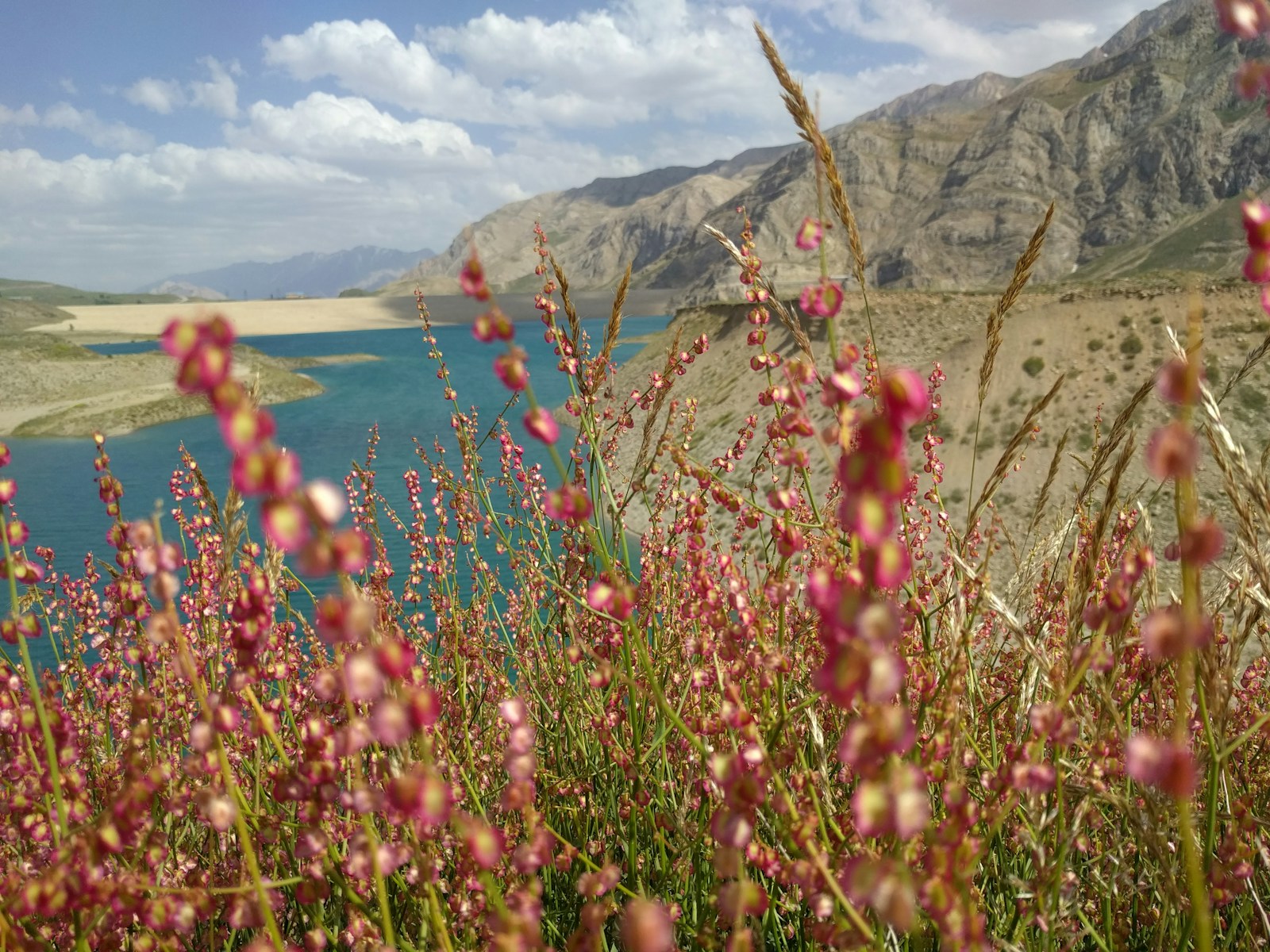
focus photo of red petaled flowers near body of water under cloudy sky during daytime

Exploring Britain’s Most Dramatic Coastal Walks

If there’s one thing the British Isles are renowned for, it’s their breathtaking coastal landscapes. From rugged cliffs to serene beaches, the coastline offers some of the most dramatic views and thrilling walks you could imagine. And what better way to make the most of these scenic adventures than to combine them with a quintessentially British pastime—stopping for tea! So lace up your boots, grab your walking stick, and let’s embark on a journey through some of the most awe-inspiring coastal walks in Britain, complete with the perfect spots to pause for a cuppa.

The Pembrokeshire Coast Path, Wales

A Walk Through Nature’s Masterpiece

Stretching for 186 miles, the Pembrokeshire Coast Path is a true gem in Wales. This walk offers a variety of landscapes, from sandy beaches to rugged cliffs and charming villages. As you traverse this path, prepare to be awed by the dramatic scenery, abundant wildlife, and historic sites. Along the way, don’t miss the opportunity to spot seals, dolphins, and a plethora of bird species.

Tea Break: The Café at St. David’s

After a rewarding walk, stop by The Café at St. David’s. Nestled in the smallest city in the UK, this café serves delightful homemade cakes, fresh sandwiches, and, of course, a steaming pot of tea. The warm atmosphere and friendly staff make it the perfect place to unwind while enjoying views of this historic city.

The South West Coast Path, England

A Journey Through Diversity

The South West Coast Path is a colossal 630 miles of pure coastal bliss, offering one of the longest continuous walking paths in the UK. This trail winds its way through the striking landscapes of Devon and Cornwall, showcasing everything from sandy stretches to dramatic cliffs. Each section boasts its own unique charm, with highlights including the breathtaking cliffs of Cornwall and the serene beaches of Devon.

Tea Break: The Hidden Hut

Located near Portscatho, The Hidden Hut is an absolute must-visit. This beachside café serves up delicious local dishes made from fresh, seasonal ingredients. Whether you’re in the mood for a hearty soup or a light snack, you’ll find it here. And let’s not forget their famous cream teas, perfect for replenishing your energy after a long walk!

The Isle of Skye, Scotland

The Land of Mist and Magic

For those seeking a coastal walk that feels almost otherworldly, the Isle of Skye is the place to be. Famous for its rugged beauty and enchanting landscapes, the island offers numerous trails, including the renowned Quiraing Circuit. The dramatic cliffs and sweeping vistas are sure to leave you speechless. As you walk, keep your eyes peeled for the unique rock formations that make this island so captivating.

Tea Break: The Pie Shop

After a day of exploring, stop by The Pie Shop in the village of Portree. Here, you’ll find an array of mouth-watering pies, from traditional Scottish recipes to modern twists. Pair your pie with a cup of tea, and you’ll have the perfect end to your Skye adventure.

The Jurassic Coast, England

A Walk Through Time

The Jurassic Coast is not only a UNESCO World Heritage Site but also a walk through history. Stretching from Exmouth in East Devon to Studland Bay in Dorset, this coastal path is famous for its ancient fossils and stunning geological formations. As you walk, you can discover 185 million years of geological history, making it a fascinating adventure for all ages.

Tea Break: The Hive Beach Café

Located at the stunning Hive Beach in Burton Bradstock, this café is an absolute delight. With its fantastic views and relaxed atmosphere, you can enjoy freshly caught seafood, homemade cakes, and steaming cups of tea while taking in the beauty of the Jurassic Coast. The café is an ideal stop to rest and reflect on your walk.

The Antrim Coast, Northern Ireland

A Dramatic Coastal Adventure

The Antrim Coast is a breathtaking stretch of coastline that showcases Northern Ireland’s natural beauty. Featuring the iconic Giant’s Causeway, this walk will take you through stunning cliffs, rolling hills, and picturesque villages. The combination of rugged landscapes and seaside charm makes this a must-do for any walking enthusiast.

Tea Break: The Bushmill’s Distillery Bar

What better way to relax after a day’s walk than to visit the Bushmill’s Distillery Bar? Located near the famous distillery, this bar offers a range of local beers, whiskies, and, of course, tea. Settle in and enjoy the cozy atmosphere while treating yourself to some delicious local fare.

The Cinque Ports Walk, England

A Historical Coastal Trail

The Cinque Ports Walk takes you through a series of historic towns and villages along the Kent and Sussex coasts. This path is rich in history, with charming medieval ports and stunning countryside views. As you walk, you’ll encounter quaint towns such as Rye and Hastings, each teeming with history and culture.

Tea Break: The Mermaid Street Café

In the heart of Rye, The Mermaid Street Café offers a delightful menu featuring locally-sourced ingredients. With its rustic charm and cozy seating, it’s the perfect place to enjoy a pot of tea and a slice of homemade cake. Don’t forget to soak in the beautiful views of the surrounding architecture.

The Moray Coastal Trail, Scotland

Nature and Wildlife Galore

The Moray Coastal Trail is a lesser-known treasure that boasts stunning views of the Moray Firth. Spanning 50 miles, this trail offers a mix of natural beauty, wildlife spotting opportunities, and charming coastal villages. Keep your eyes peeled for dolphins, seals, and an array of seabirds as you walk along the picturesque coastline.

Tea Break: The Lossiemouth Café

After a rewarding day of walking, head to The Lossiemouth Café, where you can enjoy a hearty meal or a light snack. With its friendly atmosphere and beautiful views of the beach, it’s the perfect place to unwind. Don’t miss their homemade pastries, which pair perfectly with a hot cup of tea.

Final Thoughts

Exploring Britain’s dramatic coastal walks is not just about the stunning views; it’s also about the experience of the journey. With each step, you’ll discover the rich history, unique wildlife, and charming villages that make these trails so special. And, of course, the opportunity to pause for tea adds a delightful touch to your adventure. So grab your walking shoes and set out to explore the mesmerizing coastlines of Britain—there’s a world of beauty waiting for you!

Posted on Leave a comment

Beyond London: Weekend City Breaks in Britain That Locals Actually Recommend

people near seashore viewing sea

Exploring the Hidden Gems of Britain: Weekend City Breaks You’ll Love

When you think of a city break in Britain, London often springs to mind. The iconic sights, the bustling atmosphere, and the endless activities can make it hard to look beyond the capital. However, there’s an entire treasure trove of vibrant cities across the UK that locals rave about. From charming architecture to rich history and mouthwatering cuisine, these destinations offer unique experiences that rival the hustle and bustle of London. Grab your weekend bag and let’s explore some of the best alternatives.

Brighton: The Seaside Escape

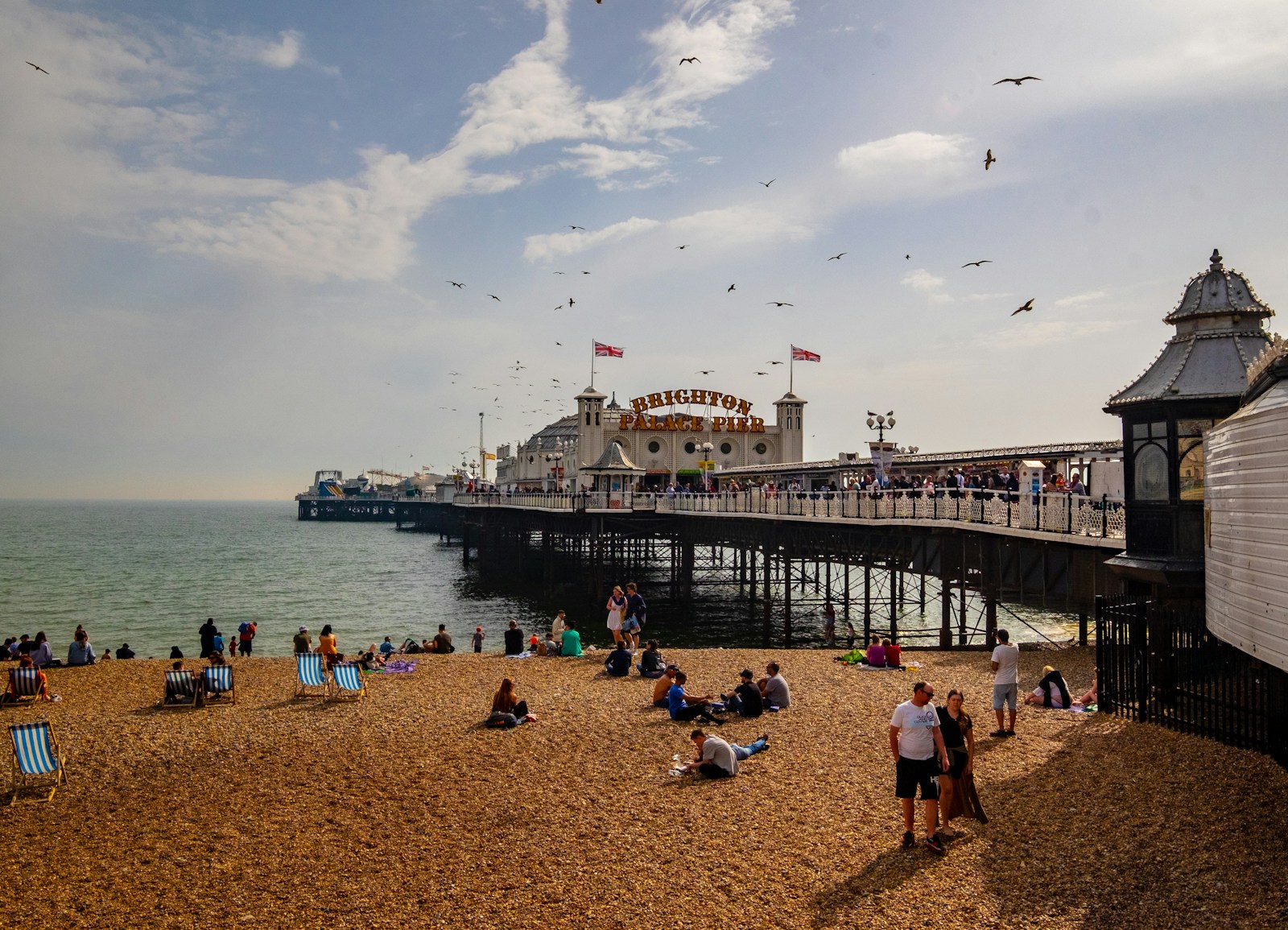
Firstly, let’s head south to Brighton, a city that captures the spirit of British seaside culture. Known for its pebbled beach, colorful beach huts, and the iconic Brighton Pier, the city is a haven for those looking to unwind by the sea.

Vibrant Culture and Nightlife

Brighton is famed for its eclectic arts scene. Stroll through the North Laine area, where independent shops, cafes, and galleries await. If you’re in the mood for some nightlife, the city comes alive after dark with its numerous pubs and clubs. The LGBTQ+ scene is particularly welcoming, and there are plenty of events throughout the year, including the famous Brighton Pride.

Foodie Paradise

Food lovers will feel right at home in Brighton. The food scene is diverse, with everything from fish and chips to gourmet vegan options. Don’t miss out on trying the local fish at one of the many seaside restaurants or grabbing a cupcake at a quirky café. The Brighton Food Festival, held annually, showcases the best of local food, so plan your visit accordingly!

Edinburgh: History and Haggis

Next up is Scotland’s capital, Edinburgh, a city that feels like a page out of a storybook. With its historic architecture, stunning landscapes, and rich culture, it’s a must-visit for anyone seeking a weekend adventure.

Historic Sites

The majestic Edinburgh Castle dominates the skyline and is a great starting point for your explorations. From there, wander down the Royal Mile, soaking in the atmosphere and visiting the various shops and attractions. Be sure to check out the Palace of Holyroodhouse, the official residence of the Queen in Scotland, which offers a glimpse into royal life.

Festivals and Events

Edinburgh is famous for its festivals, especially the Edinburgh Festival Fringe, the world’s largest arts festival. If you’re lucky enough to visit in August, you’ll be treated to an explosion of performances, from theatre and comedy to music and dance. Even outside of festival season, there’s always something happening in this vibrant city.

Bristol: The Creative Hub

Bristol, located in the southwest of England, has been gaining popularity in recent years and for good reason. It’s a city bursting with creativity and character, making it an ideal spot for a weekend getaway.

Art and Street Culture

Bristol is known for its thriving street art scene, with Banksy being one of its most famous proponents. Take a walking tour to appreciate the incredible murals that adorn the city’s walls. The Harbourside area is another must-visit, offering a blend of culture and leisure with galleries, restaurants, and museums.

Sustainable Living

What sets Bristol apart is its commitment to sustainability. The city is filled with eco-friendly eateries and shops. Don’t miss out on visiting the food market on St. Nicholas Market, where you can indulge in local delicacies while supporting small businesses.

Manchester: The Northern Powerhouse

Manchester is a city that has undergone a remarkable transformation in recent years. Known as the birthplace of the Industrial Revolution, it now boasts a lively atmosphere and a diverse cultural scene.

Music and Nightlife

The city is famous for its music scene, having produced iconic bands like Oasis and The Smiths. Catch a gig at one of the many live music venues, or explore the Northern Quarter, known for its indie shops and hip bars. Manchester’s nightlife is vibrant, with offerings to suit every taste—from laid-back pubs to high-energy nightclubs.

Sports Fanatics Welcome

If you’re a sports enthusiast, you’ll be pleased to know that Manchester is home to two of the biggest football clubs in the world: Manchester United and Manchester City. Take a tour of Old Trafford or the Etihad Stadium for a behind-the-scenes look at these iconic sports venues.

York: A Journey Through Time

For a different kind of city break, consider York. This historic city is perfect for those who love medieval charm and fascinating history. With its cobbled streets and stunning architecture, York feels like stepping back in time.

Wander the Walls

Start your visit by walking along the ancient city walls, which offer panoramic views of the city. The Shambles, a picturesque street lined with timber-framed buildings, is a highlight and is often regarded as one of the best-preserved medieval streets in Europe.

Cultural Experiences

No visit to York would be complete without exploring its rich history. The Jorvik Viking Centre offers an interactive experience that takes you back to the Viking Age, while the York Minster, one of the largest cathedrals in Northern Europe, is a breathtaking sight.

Cardiff: The Capital of Wales

Cardiff may not be the first city that comes to mind, but this vibrant capital of Wales is full of surprises. It’s a city that blends modernity and tradition seamlessly, making it an exciting destination.

Cultural Richness

Visit the impressive Cardiff Castle, which offers a glimpse into the city’s history. After exploring the castle, head to the National Museum Cardiff to delve deeper into Welsh art and history. The city’s waterfront at Cardiff Bay is also a great area to relax, with plenty of dining options and stunning views.

Sporting Events

If you’re a sports fan, Cardiff is home to the Principality Stadium, where you can catch a rugby match or a concert. The passionate atmosphere during events is something you don’t want to miss!

Conclusion: The Open Road Awaits

These city breaks offer a refreshing alternative to the hustle and bustle of London, showcasing the diverse culture, history, and beauty found throughout Britain. Whether you’re seeking a relaxing seaside escape, a cultural deep dive, or a lively night out, there’s a perfect weekend destination waiting for you. So why not step out of London’s shadow and explore everything these incredible cities have to offer? The open road is calling—your next adventure awaits!

Posted on Leave a comment

Londoners Unwritten Rules of Tube Etiquette Every Tourist Should Know

timelapse photo of train

The Underground Etiquette You Need to Know

Ah, the London Underground! A marvel of engineering, a bustling artery of the city, and, let’s be honest, a place where the unwritten rules of etiquette can be as complex as navigating the Tube map itself. If you’re a tourist navigating this iconic transit system, understanding these unspoken guidelines can make your journey smoother and more enjoyable. Let’s dive into the essential Tube etiquette that every visitor should know!

Stand on the Right, Walk on the Left

One of the first things you’ll notice when using escalators in the Tube stations is the clear divide: the right side is for standing and the left side is for walking. This simple rule ensures that those in a hurry can zip past those who are content to take their time. So, if you find yourself on an escalator, do your fellow commuters a favor and follow this guideline.

Keep Your Voice Down

Public transport is often a cacophony of sounds, but that doesn’t mean you should contribute to it! Londoners generally prefer a quieter commute, so it’s best to keep your voice down when talking to friends. If you have to make a phone call, consider stepping away to a less crowded area or waiting until you’re out of the station.

Be Mindful of Your Bag

As a tourist, carrying a large backpack or shopping bag may be inevitable. However, it’s crucial to keep your bag close to you and, if possible, on your lap or between your feet while seated. This prevents clumsy collisions and ensures that everyone has enough space on the already cramped carriages. If you’re standing, make sure your bag is out of the way of others trying to navigate past you.

Let Passengers Off Before You Get On

This rule may seem like common sense, but in the hustle and bustle of the city, it can easily be overlooked. When the train arrives at the station, take a step back and allow passengers to exit before you make your way inside. This small act of patience can make the boarding process smoother and help you avoid the awkward pushing and shoving that can occur otherwise.

Don’t Block the Doors

As you step onto the train, be sure to move further in instead of clustering at the door. Blocking the doors can lead to delays and safety issues. If you’re standing near the door, be prepared to step aside for people getting off, and if you’re sitting near the doors, keep a lookout for anyone waiting to exit.

Know Your Stops

While the Tube provides a clear display of stops, it’s still a good idea to familiarize yourself with your route before boarding. This not only helps you remain confident and composed but also avoids the frantic scramble that occurs when someone realizes they’ve missed their stop. A quick glance at the map before you hop on ensures you won’t be that tourist standing bewildered in the aisle.

Eye Contact? Not So Much

In London, making eye contact with strangers on public transport can feel a bit like breaking the unspoken social contract. The Tube is a place where many prefer to keep to themselves, so unless you’re sharing a laugh about a tube delay or asking for directions, it’s best to keep your gaze to yourself.

Use Headphones Wisely

Listening to music or podcasts during your Tube journey is a great way to pass the time, but make sure to keep the volume at a reasonable level. No one wants to hear the latest hit single blasting through your headphones! Additionally, if you’re one to nod your head or tap your feet, try to keep it subtle; this isn’t a concert, after all.

Respect Personal Space

While the Tube can get crowded, it’s important to be mindful of personal space. If you find yourself squished up against a stranger, try to keep your body relaxed and avoid excessive movement. Also, if you’re sitting next to someone, try not to spread out too much. Respecting personal space helps everyone feel more comfortable, even in the most packed carriages.

Offer Your Seat

One of the most cherished aspects of London Tube etiquette is the willingness to help those in need. If you see an elderly person, a pregnant woman, or someone with a disability, it’s polite to offer your seat. This simple act of kindness will not only be appreciated but also sets a positive tone for your journey.

Avoid Eating Smelly Foods

While you might be tempted to munch on a snack during your ride, it’s best to avoid any foods with strong odors. Whether it’s a tuna sandwich or some spicy curry, the Tube is not the place for it. Not only can it disturb your fellow commuters, but it can also attract unwanted attention from seagulls if you’re near an open door!

Be Prepared to Give Directions

If you find yourself in a jam, don’t hesitate to ask a Londoner for help. Most Londoners are accustomed to tourists and are more than happy to offer directions or suggestions for getting around. However, before you ask, make sure you have a general idea of where you’re going.

Keep Your Tube Map Handy

While smartphones are great, having a physical Tube map can be a game-changer. You’ll often find yourself in areas with no signal or where your battery is running low. Grab a map at any station and keep it handy. It allows you to plan your route without the stress of digital failings.

Follow the Signs

The Tube stations are well-signed, so take advantage of this feature! Whether you’re looking for the nearest exit, escalators, or transfer lines, the signs are there to guide you. If you’re unsure, just follow the arrows and you’ll find your way.

Don’t Be a Pusher

When the train arrives, it’s tempting to rush in, but patience is key. Allow passengers to exit first and avoid pushing your way to the front. Not only does this behavior irk locals, but it can also lead to accidents. Take a deep breath and wait your turn!

Conclusion

Navigating the London Underground can be a thrilling adventure, but it comes with its own set of dos and don’ts. By following these unwritten rules of etiquette, you’ll not only enhance your experience but also show respect for the locals who travel this route daily. So grab your Oyster card, strap on those walking shoes, and prepare for a quintessentially London experience that’s as enjoyable as it is efficient! Happy travels!