Posted on Leave a comment

Exploring Britain’s Hidden Roman Ruins: Unearthing Ancient Treasures Beneath Our Streets

Britain’s Hidden Roman Ruins: What Lies Beneath Our Streets

As you stroll through the streets of modern Britain, it’s easy to get lost in the hustle and bustle of everyday life. The sound of traffic, the chatter of pedestrians, and the glimmer of shop windows can all seem quite overwhelming. But beneath the lively surface of our cities lies a treasure trove of history that dates back to the time of the Romans. Yes, hidden beneath our feet are remnants of a once-mighty empire that shaped the landscapes we now inhabit. So, grab your walking shoes and a sense of curiosity as we delve into the fascinating world of Britain’s hidden Roman ruins!

A Brief Overview of Roman Britain

The Romans arrived in Britain in AD 43 under Emperor Claudius. Their conquest was marked by the establishment of towns, roads, and fortifications that transformed the island’s landscape. Over the next few centuries, they laid down the groundwork for what would eventually become modern Britain. Roman Britain was a melting pot of cultures, with local tribes mingling with Roman soldiers, traders, and settlers. The Romans left behind a legacy that includes not only structures and artifacts but also the very fabric of our legal and political systems.

Roman Towns and Cities: Where to Look

When thinking of Roman ruins, you might immediately picture crumbling stone structures or grand amphitheaters. While those are certainly spectacular, many of the most intriguing Roman sites are far less obvious. Let’s take a closer look at some of the locations where you can uncover this hidden history.

Londinium: The Roman Heart of London

London is a bustling metropolis, and while it seems that every corner has been modernized, the spirit of Roman Londinium still lingers. The Roman city was founded around AD 47 and became a significant commercial hub. Today, you can visit the ruins of the Roman amphitheater located near the Museum of London. Unearthed in the 1980s, this impressive site offered a glimpse into the past, showcasing the arena where gladiators once fought for their lives.

Additionally, the remnants of the Roman wall that encircled Londinium can still be seen in several locations throughout the city. Parts of this ancient fortification, constructed around AD 200, have been integrated into later structures, making it a unique part of London’s architectural tapestry. A short walk around the city can reveal these hidden gems tucked between shops and cafes.

Bath: The Roman Spa Town

Bath is famous for its well-preserved Roman baths, a stunning example of ancient engineering and architecture. The site, which dates back to the first century AD, was built around the natural hot springs that the Romans believed to be sacred. The Great Bath, a large rectangular pool surrounded by colossal stone columns, is the centerpiece of the complex and attracts visitors from around the world.

When exploring Bath, be sure to check out the adjacent temple dedicated to Sulis Minerva, a goddess worshipped by both the Romans and local Celtic tribes. The intricate carvings, inscriptions, and artifacts discovered at this site provide insights into the spiritual life of the Romans in Britain. The combination of history, architecture, and the enchanting experience of soaking in the mineral-rich waters makes Bath a must-visit destination.

Chester: The Walls That Tell a Story

Chester is another city where the influence of the Romans is palpable. Founded as a Roman fort called Deva Victrix, Chester has one of the most complete city walls in Britain, built during the Roman period. Visitors can walk along these ancient walls, enjoying views of both the city and the River Dee, all while imagining what life was like in Roman Britain.

Within the city, the Roman amphitheater, which is the largest in Britain, can also be explored. This open-air venue hosted various events, including gladiatorial games. Recent excavations have revealed additional layers of history, providing a fascinating glimpse into the lives of those who would have gathered here for entertainment.

The Secret of Silchester

While many Roman ruins are well-known, some remain hidden gems waiting to be discovered. Silchester, located near Reading, is one of those secret sites. Once a thriving Roman town known as Calleva Atrebatum, it was abandoned in the early medieval period. Today, the site is partially excavated, revealing the remnants of streets, walls, and public buildings.

What makes Silchester particularly captivating is its sense of mystery. Unlike other Roman sites, which have been extensively restored, Silchester offers an authentic glimpse into the past. You can wander through the remains of the town, walk along its streets, and imagine the lives of its inhabitants. The ongoing archaeological work here means that every visit has the potential for new discoveries.

The Role of Archaeology in Uncovering History

The story of Britain’s Roman ruins is one of constant discovery. Thanks to the tireless work of archaeologists, new sites are uncovered and existing ones are reinterpreted. Techniques such as ground-penetrating radar, aerial photography, and meticulous excavation have unveiled numerous Roman artifacts, from pottery and coins to everyday items like tools and jewelry.

Archaeological finds often lead to public exhibitions and educational programs, allowing everyone to appreciate the rich tapestry of history that lies beneath our feet. The collaboration between archaeologists and local communities helps raise awareness about the importance of preserving these sites for future generations.

Preserving Our Roman Heritage

As we uncover these hidden Roman treasures, it’s essential to consider how we preserve them. Urban development, climate change, and neglect pose significant threats to our archaeological heritage. Local authorities, historians, and communities must work together to protect these sites, ensuring that current and future generations can enjoy and learn from them.

Many heritage organizations are actively involved in conservation efforts. Initiatives to promote awareness, funding for archaeological digs, and community involvement in preservation projects are all crucial in safeguarding our Roman ruins. By valuing our past, we ensure that these incredible stories continue to resonate with those who walk the streets above them.

Conclusion: A Journey Through Time

Exploring Britain’s hidden Roman ruins is like embarking on a time-traveling adventure. Each site tells a story, offering insights into the lives of those who came before us. From the bustling streets of Londinium to the serene baths of Bath and the ancient walls of Chester, these remnants of Roman Britain are waiting to be uncovered.

So, the next time you wander through the streets of a British city, pause for a moment and consider what lies beneath. The echoes of history are all around us, inviting us to discover the remarkable tales hidden in the shadows of modernity. With every step, we connect with the past, gaining a deeper appreciation for the layers of history that have shaped our present. Let’s make it a collective mission to seek out, cherish, and preserve these incredible remnants of an empire that continues to influence our lives today.

Posted on Leave a comment

Londoners Unwritten Rules of Tube Etiquette Every Tourist Should Know

timelapse photo of train

The Underground Etiquette You Need to Know

Ah, the London Underground! A marvel of engineering, a bustling artery of the city, and, let’s be honest, a place where the unwritten rules of etiquette can be as complex as navigating the Tube map itself. If you’re a tourist navigating this iconic transit system, understanding these unspoken guidelines can make your journey smoother and more enjoyable. Let’s dive into the essential Tube etiquette that every visitor should know!

Stand on the Right, Walk on the Left

One of the first things you’ll notice when using escalators in the Tube stations is the clear divide: the right side is for standing and the left side is for walking. This simple rule ensures that those in a hurry can zip past those who are content to take their time. So, if you find yourself on an escalator, do your fellow commuters a favor and follow this guideline.

Keep Your Voice Down

Public transport is often a cacophony of sounds, but that doesn’t mean you should contribute to it! Londoners generally prefer a quieter commute, so it’s best to keep your voice down when talking to friends. If you have to make a phone call, consider stepping away to a less crowded area or waiting until you’re out of the station.

Be Mindful of Your Bag

As a tourist, carrying a large backpack or shopping bag may be inevitable. However, it’s crucial to keep your bag close to you and, if possible, on your lap or between your feet while seated. This prevents clumsy collisions and ensures that everyone has enough space on the already cramped carriages. If you’re standing, make sure your bag is out of the way of others trying to navigate past you.

Let Passengers Off Before You Get On

This rule may seem like common sense, but in the hustle and bustle of the city, it can easily be overlooked. When the train arrives at the station, take a step back and allow passengers to exit before you make your way inside. This small act of patience can make the boarding process smoother and help you avoid the awkward pushing and shoving that can occur otherwise.

Don’t Block the Doors

As you step onto the train, be sure to move further in instead of clustering at the door. Blocking the doors can lead to delays and safety issues. If you’re standing near the door, be prepared to step aside for people getting off, and if you’re sitting near the doors, keep a lookout for anyone waiting to exit.

Know Your Stops

While the Tube provides a clear display of stops, it’s still a good idea to familiarize yourself with your route before boarding. This not only helps you remain confident and composed but also avoids the frantic scramble that occurs when someone realizes they’ve missed their stop. A quick glance at the map before you hop on ensures you won’t be that tourist standing bewildered in the aisle.

Eye Contact? Not So Much

In London, making eye contact with strangers on public transport can feel a bit like breaking the unspoken social contract. The Tube is a place where many prefer to keep to themselves, so unless you’re sharing a laugh about a tube delay or asking for directions, it’s best to keep your gaze to yourself.

Use Headphones Wisely

Listening to music or podcasts during your Tube journey is a great way to pass the time, but make sure to keep the volume at a reasonable level. No one wants to hear the latest hit single blasting through your headphones! Additionally, if you’re one to nod your head or tap your feet, try to keep it subtle; this isn’t a concert, after all.

Respect Personal Space

While the Tube can get crowded, it’s important to be mindful of personal space. If you find yourself squished up against a stranger, try to keep your body relaxed and avoid excessive movement. Also, if you’re sitting next to someone, try not to spread out too much. Respecting personal space helps everyone feel more comfortable, even in the most packed carriages.

Offer Your Seat

One of the most cherished aspects of London Tube etiquette is the willingness to help those in need. If you see an elderly person, a pregnant woman, or someone with a disability, it’s polite to offer your seat. This simple act of kindness will not only be appreciated but also sets a positive tone for your journey.

Avoid Eating Smelly Foods

While you might be tempted to munch on a snack during your ride, it’s best to avoid any foods with strong odors. Whether it’s a tuna sandwich or some spicy curry, the Tube is not the place for it. Not only can it disturb your fellow commuters, but it can also attract unwanted attention from seagulls if you’re near an open door!

Be Prepared to Give Directions

If you find yourself in a jam, don’t hesitate to ask a Londoner for help. Most Londoners are accustomed to tourists and are more than happy to offer directions or suggestions for getting around. However, before you ask, make sure you have a general idea of where you’re going.

Keep Your Tube Map Handy

While smartphones are great, having a physical Tube map can be a game-changer. You’ll often find yourself in areas with no signal or where your battery is running low. Grab a map at any station and keep it handy. It allows you to plan your route without the stress of digital failings.

Follow the Signs

The Tube stations are well-signed, so take advantage of this feature! Whether you’re looking for the nearest exit, escalators, or transfer lines, the signs are there to guide you. If you’re unsure, just follow the arrows and you’ll find your way.

Don’t Be a Pusher

When the train arrives, it’s tempting to rush in, but patience is key. Allow passengers to exit first and avoid pushing your way to the front. Not only does this behavior irk locals, but it can also lead to accidents. Take a deep breath and wait your turn!

Conclusion

Navigating the London Underground can be a thrilling adventure, but it comes with its own set of dos and don’ts. By following these unwritten rules of etiquette, you’ll not only enhance your experience but also show respect for the locals who travel this route daily. So grab your Oyster card, strap on those walking shoes, and prepare for a quintessentially London experience that’s as enjoyable as it is efficient! Happy travels!

Posted on Leave a comment

The Most Beautiful Underground Stations in London You Shouldnt Skip

Discovering London’s Hidden Gems: The Most Beautiful Underground Stations

London, a city known for its rich history and vibrant culture, is also home to one of the most extensive and fascinating transportation networks in the world: the London Underground. While most travelers use the Tube as a means to get from point A to point B, many are unaware that beneath the bustling streets lie some architectural masterpieces that are worth a visit in their own right. In this guide, we will explore some of the most beautiful underground stations in London, ensuring that your next trip to the capital includes these hidden gems.

A Glimpse into History

Before we dive deep into our list, let’s take a moment to appreciate the history behind the underground system. The London Underground, affectionately known as “the Tube,” opened in 1863, making it the first underground railway in the world. Over the years, many stations have undergone renovations, while others have been preserved as historical landmarks. This mixture of old charm and modern design creates a unique atmosphere that can transport you back in time while still reminding you of the city’s contemporary spirit.

1. St. Pancras International

St. Pancras International is more than just a Tube station; it’s a masterpiece of Victorian Gothic architecture. The stunning red-brick building features soaring arches, intricate details, and the iconic clock tower. The station is also home to the Eurostar service, connecting London to mainland Europe. Even if you’re not catching a train, the station’s grand interior, complete with shops and restaurants, makes it a perfect spot for a leisurely stroll. Don’t forget to take a moment to admire the famous statue of the “Meeting Place” couple, which adds a romantic touch to the bustling environment.

2. Baker Street

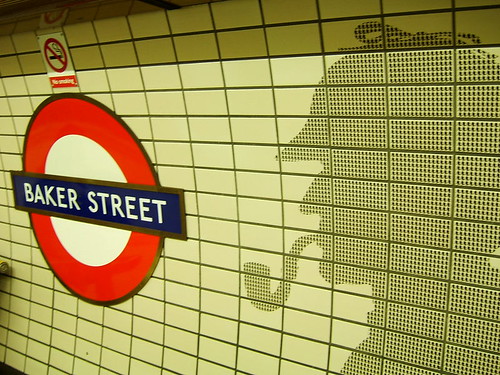
Baker Street, home to the world-renowned fictional detective Sherlock Holmes, is another station that captures the essence of London’s charm. The station is adorned with beautiful tiled murals and features an exhibition dedicated to Holmes and his creator, Sir Arthur Conan Doyle. The distinctive red and white tiling on the walls, alongside the grand central hall, gives the station a unique character. Plus, you can enjoy a bit of London’s literary history while you’re there, making it an essential stop on your underground adventure.

3. South Kensington

If you’re a fan of museums, South Kensington will be a delight. This station serves as the gateway to some of the city’s most famous attractions, including the Natural History Museum and the Victoria and Albert Museum. The station itself boasts beautiful tile work and an elegant, spacious layout. The unique combination of art and education makes it an enriching experience for any visitor. Take a moment to look around and appreciate the intricate designs that adorn the walls while you’re on your way to explore the cultural treasures nearby.

4. Notting Hill Gate

Famous for its colorful row houses and vibrant market, Notting Hill Gate station is a visual treat. The station features bright, cheerful tiles that reflect the lively atmosphere of the surrounding neighborhood. The standout feature here is the stunning mosaics that depict various aspects of the Notting Hill area, including the famous Portobello Road Market. As you descend into the station, you’ll be greeted by a vibrant and welcoming ambiance that sets the tone for your exploration of this iconic London district.

5. Green Park

Nestled right in the heart of the city, Green Park station is an oasis of tranquility amid the hustle and bustle. The station’s understated elegance is characterized by its simple yet stylish design, featuring a beautiful white-tiled archway that leads to the platform. The absence of advertising and the serene atmosphere make it a refreshing stop. Moreover, its proximity to Buckingham Palace and the lush Green Park itself offers travelers the chance to enjoy a peaceful stroll after their underground journey.

6. Covent Garden

Covent Garden station is a feast for the eyes and ears. The station is known for its elegant Victorian architecture and vibrant atmosphere, reflecting the lively market that lies above. The distinctive tiled walls and intricate designs around the platforms create a charming aesthetic. Additionally, Covent Garden is famous for its street performers, shops, and cafes, making it a perfect stop for those looking to soak in the local culture. Be sure to take a moment to enjoy the performers before heading back underground.

7. Liverpool Street

Liverpool Street station is a striking blend of old and new. Housed in a beautifully restored Victorian building, the station features glass and steel structures that complement its historical elements. The grand concourse area is filled with light and bustling with commuters, but it’s the intricate mosaics and attention to detail that truly captivate. The station serves as a major hub for London’s business district, but it’s also a gateway to the trendy areas of Shoreditch and Spitalfields, making it a perfect starting point for your urban adventure.

8. Westminster

No trip to London would be complete without a visit to Westminster station. With its stunning Art Deco design, this station is an architectural gem that often gets overlooked. The original 1990s tiling remains intact, and the yellow and black color scheme gives it a distinctive look. The station’s proximity to several iconic landmarks, including the Houses of Parliament and Big Ben, means that it’s not just a beautiful station but also a convenient one. Take some time to linger and appreciate the design before heading out to explore the nearby attractions.

9. Bank

Bank station is one of the most complex and historic stations in the London Underground network. The station serves as a gateway to the City of London, but it’s also known for its stunning architecture. The ornate details throughout the station, combined with its impressive underground tunnels, create a sense of grandeur. The beautiful mosaics and classical elements reflect the station’s rich history, making it an interesting place to explore. Plus, you can find yourself amidst the financial heart of the city, surrounded by some of London’s most iconic buildings.

10. Leicester Square

Last but certainly not least, Leicester Square station is a vibrant hub of activity, reflecting the energy of the West End theater district. The station’s art deco style features brightly colored tiles and a lively atmosphere that welcomes visitors. It’s also an excellent starting point for those looking to catch a show or enjoy a night out in the area. The vibrant nightlife, combined with the station’s aesthetic charm, makes it a must-see stop on your underground journey.

Conclusion: Journey Beyond the Surface

While the London Underground is often seen merely as a mode of transport, it is also a testament to the city’s rich architectural heritage. Each of these stations tells a story and contributes to the cultural fabric of London. So, the next time you find yourself navigating the Tube, take a moment to step away from the hustle and bustle of your travels. Explore, appreciate, and enjoy the beauty of these underground gems that lie beneath the surface of one of the world’s most captivating cities. Happy travels!