Posted on Leave a comment

Unlocking the Secrets: Hidden Meanings of British Street Furniture You Never Knew

Hidden in Plain Sight: The Secret Meanings Behind British Street Furniture

When you stroll through the quaint streets of Britain, surrounded by historic buildings and a myriad of shops, it’s easy to overlook the unique structures that line our pavements. These everyday items—street furniture—play an important role in our public spaces, but they often harbor secrets and meanings that go unnoticed. Let’s embark on a journey to uncover the hidden gems of British street furniture, revealing their histories, purposes, and cultural significance.

What is Street Furniture?

Before we dive into the specifics, it’s worthwhile to define what we mean by street furniture. This term encompasses a variety of objects placed along public thoroughfares to enhance the aesthetic value, functionality, and safety of urban environments. Think benches, lamp posts, bus shelters, litter bins, and even the iconic red telephone boxes. Each piece serves a practical purpose, but they also create a distinctive atmosphere and identity in our towns and cities.

The Iconic Red Telephone Box

One of the most recognizable symbols of British culture is undoubtedly the red telephone box. Designed by Sir Giles Gilbert Scott in the 1920s, the K2 telephone box was intended to be a national treasure. Its vivid red color was chosen not only for visibility but also to symbolize the British spirit.

While the advent of mobile phones has led to a decline in their use, these boxes have not been forgotten. Many have been repurposed into mini-libraries, art installations, or even defibrillator stations. They serve as a reminder of a bygone era while still contributing to the charm of British streets.

Cultural Significance

The red telephone box doesn’t just hold historical significance; it has also been a subject of artistic expression. It has appeared in countless films, TV shows, and advertisements, symbolizing everything from nostalgia to modernity. The telephone box is more than just a communication device; it’s a piece of heritage that sparks conversations and memories among locals and tourists alike.

Benches: More Than Just a Place to Sit

Benches may seem like mundane street furniture, but they tell a story about community and social interaction. Found in parks, along promenades, and in town squares, they serve as gathering points where people can pause, rest, and connect.

Types of Benches

British benches come in various shapes and sizes, from traditional wooden slats to modern metal designs. Each type of bench reflects the character of its environment. For instance, a rustic wooden bench in a village green might evoke a sense of nostalgia, while a sleek metal bench in an urban setting can represent contemporary design.

The Social Aspect

Beyond their physical presence, benches serve a psychological function—they invite people to pause and share a moment. They create spaces for conversation, contemplation, and sometimes even conflict. Some areas have even adopted the idea of “community benches,” where locals can contribute to the design or maintenance, fostering a sense of ownership and pride.

Litter Bins: The Unsung Heroes of Cleanliness

Litter bins are often overlooked, but they play a crucial role in maintaining the cleanliness and aesthetics of our streets. In Britain, these bins come in various designs, from the traditional black and green bins to ornate Victorian-style receptacles.

Environmental Impact

The presence of litter bins encourages responsible waste disposal. Cities with well-placed bins tend to have cleaner streets. With the rise of environmental consciousness, many local councils have started to implement recycling bins alongside general waste bins, promoting sustainability.

Artwork in Disguise

Interestingly enough, some litter bins have transformed into pieces of art themselves. Local artists sometimes adorn these bins with colorful designs, turning them into eye-catching installations that remind passersby of the importance of keeping our streets tidy.

The Evolution of Bus Shelters

Bus shelters are not just functional; they have evolved into a canvas for marketing and art. Once simple structures providing a roof over our heads while waiting for the bus, they now incorporate digital screens, seating, and even charging points for devices.

Historical Context

Historically, bus shelters in Britain were often made from wood and glass. Over the years, designs have modernized, and you can now find sleek, glass-fronted structures that blend into urban landscapes. They reflect the changing dynamics of transportation and urban living.

Community Engagement

In some areas, bus shelters have become part of community initiatives, showcasing local art or information about upcoming events. They foster a sense of belonging and pride while providing essential services.

Lamp Posts: Lighting the Way

Lamp posts are more than just sources of light; they also contribute to the ambiance of a street. The designs of lamp posts vary widely, reflecting both historical and modern influences.

Historical Significance

The first gas-lit lampposts appeared in London in the early 19th century, marking a significant turning point in urban lighting. The design of these lampposts often reflects the architectural style of the period, indicating the city’s rich history.

Modern Innovations

Today, lamp posts are evolving with technology. Many are being fitted with LED lights for energy efficiency, while others serve as hubs for Wi-Fi connectivity. This blend of traditional and modern elements creates a fascinating juxtaposition in our streetscapes.

The Role of Signage

Street signage plays an essential role in guiding and informing the public. From road signs to direction markers, they are crucial in helping us navigate our surroundings.

Design and Aesthetics

British signage often reflects local culture and history. For example, in areas with a rich maritime history, you might find signs decorated with nautical themes. This integration of design and purpose gives each street a unique character.

Importance for Accessibility

In recent years, there has been a growing emphasis on making signage accessible to everyone, including those with disabilities. This shift highlights the importance of inclusivity in urban planning.

Conclusion: The Hidden Stories of Our Streets

The next time you take a leisurely stroll through your local streets, take a moment to appreciate the street furniture surrounding you. Each bench, lamp post, litter bin, and bus shelter carries its own story and significance, reflecting the culture, history, and community of the area.

Street furniture might seem mundane, but it plays a pivotal role in shaping our urban landscapes and experiences. By understanding the hidden meanings behind these everyday objects, we can forge a deeper connection with our surroundings. So, go ahead and embrace the charm of British street furniture—after all, what’s hidden in plain sight may just surprise you!
Posted on Leave a comment

London Tube Map Evolution: How It Became a Design Icon

A Journey Through the Tube: The Evolution of an Iconic Design

When you think of London, a few things might spring to mind: the iconic Big Ben, the picturesque Thames River, and, of course, the London Underground. But have you ever paused to admire the artistry of the Tube map? This seemingly simple diagram has become a global design icon, one that transcends its original purpose and offers a fascinating glimpse into the evolution of urban design and public transport. Buckle up as we take you on a journey through the history and development of one of London’s most recognized symbols!

The Birth of the Underground

The London Underground first opened to the public in 1863, making it the world’s first underground railway system. However, the initial experience was far from user-friendly. The early maps were complicated and hard to navigate, making it difficult for riders to know where they were going. Imagine trying to decipher a sprawling, chaotic maze of lines and stations without any clear guidance. It was clear that something had to change.

The Map That Changed Everything

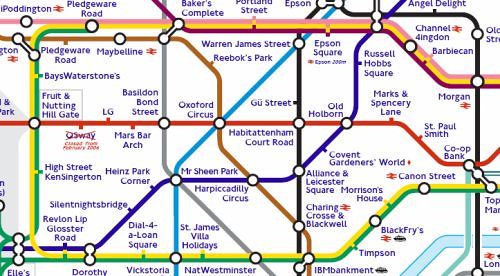
Fast forward to 1931, when Harry Beck, an engineering draftsman, created a revolutionary new map. Beck’s design was unlike anything that had come before it. Instead of adhering to the physical geography of London, he opted for an abstract, simplified layout. The Tube map was transformed into a network of straight lines and clear connections, with stations represented as uniformly spaced dots. This radical departure from realism allowed passengers to easily see the relationships between different lines and stations, making navigation a breeze.

The Impact of Beck’s Design

Harry Beck’s Tube map was a game-changer. It made the Underground accessible to the broader public, opening up London in ways that had never been imagined. Suddenly, navigating the sprawling city felt less daunting, and passengers could confidently hop on and off trains. The map not only facilitated travel but also ignited a love for urban exploration. People began to see London as an interconnected web of neighborhoods, each with its unique charm and attractions.

The Art of Color Coding

One of Beck’s genius innovations was the use of color coding for different lines. Each line was assigned a distinct hue, making it easy for travelers to quickly identify their route. This vibrant palette became synonymous with the Underground, allowing the map to be recognizable at a glance. Over the years, the colors have been refined, but the core concept remains the same. The visual impact of the colored lines made the map not just functional, but also aesthetically pleasing.

Keeping Up with Change

As London grew and the Underground expanded, adjustments to Beck’s design were necessary. New stations were added, lines were extended, and the network underwent significant changes. The map evolved alongside the city, adapting to the needs of its users. Each update was meticulously considered, balancing the need for clarity with the complexity of an ever-expanding network.

Design Philosophy: Simplicity Over Reality

What Beck introduced was more than just a map; it was a philosophy of design. The principle of simplicity over reality became foundational for many graphic designers. His approach demonstrated that clarity and ease of use should take precedence over accuracy. This idea is now embedded in many public transport systems worldwide, evidenced by the clean, minimalist designs that we see today.

Iconic Updates and Variations

Over the decades, the Tube map has undergone several notable updates. Designers have added elements, such as the iconic “tube” logo and the recognizable roundel symbol. They also experimented with new formats and designs, such as the “Bakerloo” and “Central” lines, which introduced fun typography and graphic elements. With each update, the design team aimed to preserve the essence of Beck’s original vision while ensuring the map remained useful and contemporary.

The Tube Map in Popular Culture

The Tube map’s influence extends far beyond the underground stations of London. It has infiltrated popular culture and has been referenced and parodied in various forms of media. From art installations to fashion, the distinctive style of the map has inspired countless creative projects. Artists like Eduardo Paolozzi and Ben Eine have reinterpreted the map in their work, showcasing its versatility as a design element.

The Tube Map Goes Digital

As technology advanced, so did the way we interact with the Tube map. The introduction of mobile apps revolutionized how commuters accessed the map. No longer constrained by a physical piece of paper, riders could now receive real-time updates and live journey planning at their fingertips. This digital transformation maintained the essence of Beck’s design while embracing the future of transportation.

Sustainability and Accessibility

In recent years, the focus on sustainability and accessibility has also influenced the design of the Tube map. The introduction of features like step-free access and the promotion of bike routes illustrate a shift toward an integrated transport system that accommodates all users. The map continues to evolve, reflecting changing societal values and the need for inclusivity in urban design.

The Tube Map: A Design Icon

Today, the Tube map is considered a masterpiece of graphic design, celebrated for its innovation and impact on urban navigation. It has been featured in exhibitions, received numerous awards, and is studied in design schools around the world. Beck’s original vision, which emphasized clarity and simplicity, has become a template for transport maps globally.

Conclusion: More than Just a Map

So, the next time you find yourself navigating the London Underground, take a moment to appreciate the artistry behind the Tube map. What was once a chaotic representation of a complex transport system has transformed into a design icon that is both functional and beautiful. Harry Beck’s genius lies not only in his groundbreaking design but also in his foresight to recognize that a map could be so much more than a tool for navigation. It could be a visual representation of a city’s spirit, an invitation to explore, and a source of pride for Londoners and visitors alike.

In the ever-evolving landscape of urban life, the Tube map stands as a testament to the power of thoughtful design. It has become an enduring symbol of London and continues to inspire generations of designers and city planners worldwide. Next time you glance at that familiar map, remember: you’re looking at history, innovation, and a piece of art that has shaped the way we think about urban transit. So grab your Oyster card, hop on the Tube, and get ready to explore the vibrant tapestry of London that lies just beyond the next station!