Posted on Leave a comment

Exploring Britain’s Hidden Roman Ruins: Unearthing Ancient Treasures Beneath Our Streets

Britain’s Hidden Roman Ruins: What Lies Beneath Our Streets

As you stroll through the streets of modern Britain, it’s easy to get lost in the hustle and bustle of everyday life. The sound of traffic, the chatter of pedestrians, and the glimmer of shop windows can all seem quite overwhelming. But beneath the lively surface of our cities lies a treasure trove of history that dates back to the time of the Romans. Yes, hidden beneath our feet are remnants of a once-mighty empire that shaped the landscapes we now inhabit. So, grab your walking shoes and a sense of curiosity as we delve into the fascinating world of Britain’s hidden Roman ruins!

A Brief Overview of Roman Britain

The Romans arrived in Britain in AD 43 under Emperor Claudius. Their conquest was marked by the establishment of towns, roads, and fortifications that transformed the island’s landscape. Over the next few centuries, they laid down the groundwork for what would eventually become modern Britain. Roman Britain was a melting pot of cultures, with local tribes mingling with Roman soldiers, traders, and settlers. The Romans left behind a legacy that includes not only structures and artifacts but also the very fabric of our legal and political systems.

Roman Towns and Cities: Where to Look

When thinking of Roman ruins, you might immediately picture crumbling stone structures or grand amphitheaters. While those are certainly spectacular, many of the most intriguing Roman sites are far less obvious. Let’s take a closer look at some of the locations where you can uncover this hidden history.

Londinium: The Roman Heart of London

London is a bustling metropolis, and while it seems that every corner has been modernized, the spirit of Roman Londinium still lingers. The Roman city was founded around AD 47 and became a significant commercial hub. Today, you can visit the ruins of the Roman amphitheater located near the Museum of London. Unearthed in the 1980s, this impressive site offered a glimpse into the past, showcasing the arena where gladiators once fought for their lives.

Additionally, the remnants of the Roman wall that encircled Londinium can still be seen in several locations throughout the city. Parts of this ancient fortification, constructed around AD 200, have been integrated into later structures, making it a unique part of London’s architectural tapestry. A short walk around the city can reveal these hidden gems tucked between shops and cafes.

Bath: The Roman Spa Town

Bath is famous for its well-preserved Roman baths, a stunning example of ancient engineering and architecture. The site, which dates back to the first century AD, was built around the natural hot springs that the Romans believed to be sacred. The Great Bath, a large rectangular pool surrounded by colossal stone columns, is the centerpiece of the complex and attracts visitors from around the world.

When exploring Bath, be sure to check out the adjacent temple dedicated to Sulis Minerva, a goddess worshipped by both the Romans and local Celtic tribes. The intricate carvings, inscriptions, and artifacts discovered at this site provide insights into the spiritual life of the Romans in Britain. The combination of history, architecture, and the enchanting experience of soaking in the mineral-rich waters makes Bath a must-visit destination.

Chester: The Walls That Tell a Story

Chester is another city where the influence of the Romans is palpable. Founded as a Roman fort called Deva Victrix, Chester has one of the most complete city walls in Britain, built during the Roman period. Visitors can walk along these ancient walls, enjoying views of both the city and the River Dee, all while imagining what life was like in Roman Britain.

Within the city, the Roman amphitheater, which is the largest in Britain, can also be explored. This open-air venue hosted various events, including gladiatorial games. Recent excavations have revealed additional layers of history, providing a fascinating glimpse into the lives of those who would have gathered here for entertainment.

The Secret of Silchester

While many Roman ruins are well-known, some remain hidden gems waiting to be discovered. Silchester, located near Reading, is one of those secret sites. Once a thriving Roman town known as Calleva Atrebatum, it was abandoned in the early medieval period. Today, the site is partially excavated, revealing the remnants of streets, walls, and public buildings.

What makes Silchester particularly captivating is its sense of mystery. Unlike other Roman sites, which have been extensively restored, Silchester offers an authentic glimpse into the past. You can wander through the remains of the town, walk along its streets, and imagine the lives of its inhabitants. The ongoing archaeological work here means that every visit has the potential for new discoveries.

The Role of Archaeology in Uncovering History

The story of Britain’s Roman ruins is one of constant discovery. Thanks to the tireless work of archaeologists, new sites are uncovered and existing ones are reinterpreted. Techniques such as ground-penetrating radar, aerial photography, and meticulous excavation have unveiled numerous Roman artifacts, from pottery and coins to everyday items like tools and jewelry.

Archaeological finds often lead to public exhibitions and educational programs, allowing everyone to appreciate the rich tapestry of history that lies beneath our feet. The collaboration between archaeologists and local communities helps raise awareness about the importance of preserving these sites for future generations.

Preserving Our Roman Heritage

As we uncover these hidden Roman treasures, it’s essential to consider how we preserve them. Urban development, climate change, and neglect pose significant threats to our archaeological heritage. Local authorities, historians, and communities must work together to protect these sites, ensuring that current and future generations can enjoy and learn from them.

Many heritage organizations are actively involved in conservation efforts. Initiatives to promote awareness, funding for archaeological digs, and community involvement in preservation projects are all crucial in safeguarding our Roman ruins. By valuing our past, we ensure that these incredible stories continue to resonate with those who walk the streets above them.

Conclusion: A Journey Through Time

Exploring Britain’s hidden Roman ruins is like embarking on a time-traveling adventure. Each site tells a story, offering insights into the lives of those who came before us. From the bustling streets of Londinium to the serene baths of Bath and the ancient walls of Chester, these remnants of Roman Britain are waiting to be uncovered.

So, the next time you wander through the streets of a British city, pause for a moment and consider what lies beneath. The echoes of history are all around us, inviting us to discover the remarkable tales hidden in the shadows of modernity. With every step, we connect with the past, gaining a deeper appreciation for the layers of history that have shaped our present. Let’s make it a collective mission to seek out, cherish, and preserve these incredible remnants of an empire that continues to influence our lives today.
Posted on Leave a comment

Unlocking the Secrets: Hidden Meanings of British Street Furniture You Never Knew

Hidden in Plain Sight: The Secret Meanings Behind British Street Furniture

When you stroll through the quaint streets of Britain, surrounded by historic buildings and a myriad of shops, it’s easy to overlook the unique structures that line our pavements. These everyday items—street furniture—play an important role in our public spaces, but they often harbor secrets and meanings that go unnoticed. Let’s embark on a journey to uncover the hidden gems of British street furniture, revealing their histories, purposes, and cultural significance.

What is Street Furniture?

Before we dive into the specifics, it’s worthwhile to define what we mean by street furniture. This term encompasses a variety of objects placed along public thoroughfares to enhance the aesthetic value, functionality, and safety of urban environments. Think benches, lamp posts, bus shelters, litter bins, and even the iconic red telephone boxes. Each piece serves a practical purpose, but they also create a distinctive atmosphere and identity in our towns and cities.

The Iconic Red Telephone Box

One of the most recognizable symbols of British culture is undoubtedly the red telephone box. Designed by Sir Giles Gilbert Scott in the 1920s, the K2 telephone box was intended to be a national treasure. Its vivid red color was chosen not only for visibility but also to symbolize the British spirit.

While the advent of mobile phones has led to a decline in their use, these boxes have not been forgotten. Many have been repurposed into mini-libraries, art installations, or even defibrillator stations. They serve as a reminder of a bygone era while still contributing to the charm of British streets.

Cultural Significance

The red telephone box doesn’t just hold historical significance; it has also been a subject of artistic expression. It has appeared in countless films, TV shows, and advertisements, symbolizing everything from nostalgia to modernity. The telephone box is more than just a communication device; it’s a piece of heritage that sparks conversations and memories among locals and tourists alike.

Benches: More Than Just a Place to Sit

Benches may seem like mundane street furniture, but they tell a story about community and social interaction. Found in parks, along promenades, and in town squares, they serve as gathering points where people can pause, rest, and connect.

Types of Benches

British benches come in various shapes and sizes, from traditional wooden slats to modern metal designs. Each type of bench reflects the character of its environment. For instance, a rustic wooden bench in a village green might evoke a sense of nostalgia, while a sleek metal bench in an urban setting can represent contemporary design.

The Social Aspect

Beyond their physical presence, benches serve a psychological function—they invite people to pause and share a moment. They create spaces for conversation, contemplation, and sometimes even conflict. Some areas have even adopted the idea of “community benches,” where locals can contribute to the design or maintenance, fostering a sense of ownership and pride.

Litter Bins: The Unsung Heroes of Cleanliness

Litter bins are often overlooked, but they play a crucial role in maintaining the cleanliness and aesthetics of our streets. In Britain, these bins come in various designs, from the traditional black and green bins to ornate Victorian-style receptacles.

Environmental Impact

The presence of litter bins encourages responsible waste disposal. Cities with well-placed bins tend to have cleaner streets. With the rise of environmental consciousness, many local councils have started to implement recycling bins alongside general waste bins, promoting sustainability.

Artwork in Disguise

Interestingly enough, some litter bins have transformed into pieces of art themselves. Local artists sometimes adorn these bins with colorful designs, turning them into eye-catching installations that remind passersby of the importance of keeping our streets tidy.

The Evolution of Bus Shelters

Bus shelters are not just functional; they have evolved into a canvas for marketing and art. Once simple structures providing a roof over our heads while waiting for the bus, they now incorporate digital screens, seating, and even charging points for devices.

Historical Context

Historically, bus shelters in Britain were often made from wood and glass. Over the years, designs have modernized, and you can now find sleek, glass-fronted structures that blend into urban landscapes. They reflect the changing dynamics of transportation and urban living.

Community Engagement

In some areas, bus shelters have become part of community initiatives, showcasing local art or information about upcoming events. They foster a sense of belonging and pride while providing essential services.

Lamp Posts: Lighting the Way

Lamp posts are more than just sources of light; they also contribute to the ambiance of a street. The designs of lamp posts vary widely, reflecting both historical and modern influences.

Historical Significance

The first gas-lit lampposts appeared in London in the early 19th century, marking a significant turning point in urban lighting. The design of these lampposts often reflects the architectural style of the period, indicating the city’s rich history.

Modern Innovations

Today, lamp posts are evolving with technology. Many are being fitted with LED lights for energy efficiency, while others serve as hubs for Wi-Fi connectivity. This blend of traditional and modern elements creates a fascinating juxtaposition in our streetscapes.

The Role of Signage

Street signage plays an essential role in guiding and informing the public. From road signs to direction markers, they are crucial in helping us navigate our surroundings.

Design and Aesthetics

British signage often reflects local culture and history. For example, in areas with a rich maritime history, you might find signs decorated with nautical themes. This integration of design and purpose gives each street a unique character.

Importance for Accessibility

In recent years, there has been a growing emphasis on making signage accessible to everyone, including those with disabilities. This shift highlights the importance of inclusivity in urban planning.

Conclusion: The Hidden Stories of Our Streets

The next time you take a leisurely stroll through your local streets, take a moment to appreciate the street furniture surrounding you. Each bench, lamp post, litter bin, and bus shelter carries its own story and significance, reflecting the culture, history, and community of the area.

Street furniture might seem mundane, but it plays a pivotal role in shaping our urban landscapes and experiences. By understanding the hidden meanings behind these everyday objects, we can forge a deeper connection with our surroundings. So, go ahead and embrace the charm of British street furniture—after all, what’s hidden in plain sight may just surprise you!

Posted on Leave a comment

Uncovering the Secret History of London’s Hidden Rivers: A Journey Through Time

The Secret History of London’s Hidden Rivers

London, a city teeming with life, history, and a bit of mystery, is often associated with its iconic landmarks like the Tower Bridge, the Shard, and Buckingham Palace. However, beneath the bustling streets and modern architecture lies a fascinating secret: hidden rivers that once flowed freely through the heart of the city. As we dive into the secret history of London’s hidden rivers, we’ll explore their significance, their stories, and where you can still find remnants of these waterways today.

A River Runs Through It: The Importance of Waterways in London

Before the modern infrastructure took shape, rivers played a pivotal role in the development of London. The River Thames, of course, is the most famous, serving as a critical trade route and a source of sustenance. However, it wasn’t the only waterway shaping the city’s landscape. Smaller rivers and streams crisscrossed the area, providing vital resources for transport, industry, and even recreation.

During the medieval period, London’s rivers were bustling with activity. They supported fisheries, allowed for the transportation of goods, and provided water for various trades. As the city expanded, the need for infrastructure grew, leading to the gradual burying or neglect of several smaller rivers. Many of these once-bustling waterways now lie hidden beneath the city streets, their stories waiting to be uncovered.

The Lost Rivers of London

London is home to several hidden rivers, each with its own unique history and character. Here are some of the most notable ones:

The Fleet River

The Fleet River is perhaps the most famous of London’s hidden waterways. Rising in the hills of Hampstead, the river meanders its way through the city before eventually flowing into the Thames. In the 18th century, the Fleet was known for its clear waters and beautiful banks. However, as the city grew, the river became a dumping ground for waste, leading to its eventual burial in a culvert.

Today, sections of the Fleet can be found in places like Farringdon and Holborn, where you can spot markers indicating where the river once flowed. The Fleet River’s story is a testament to how urbanization has transformed natural landscapes, and it serves as a reminder of the importance of maintaining our waterways.

The Tyburn River

The Tyburn River is another hidden gem in London’s watery history. Flowing from the hills of Hampstead down through Marylebone, the Tyburn was once a picturesque stream lined with trees and wildlife. However, by the 19th century, it was completely covered over and replaced by a series of sewers.

Today, although the river is hidden from view, it is still possible to trace its route through the city. The Tyburn runs beneath some well-known areas, like Marble Arch, and there are even walking trails that allow you to follow its route. The Tyburn’s history highlights the city’s evolution and the sacrifices made in the name of progress.

The Westbourne River

The Westbourne River, which flows through the heart of London, is another interesting story. Originating in the area now known as Kilburn, the Westbourne wound its way through the city before emptying into the Thames at Chelsea. Much like the Fleet and Tyburn, the Westbourne was also subjected to development pressures and was ultimately buried.

Today, sections of the Westbourne can still be discovered, notably in the picturesque area of Little Venice. Known for its beautiful canals, this area is a reminder of London’s watery past. The Westbourne River’s journey from a free-flowing stream to a concealed waterway embodies the city’s complex relationship with its natural environment.

Reviving the Rivers: Modern Efforts

In recent years, there has been a resurgence of interest in London’s hidden rivers. Local communities, environmental groups, and historians are working together to raise awareness and advocate for the restoration of these waterways. The Thames Water’s “River Restoration Strategy” is one such initiative, aiming to improve the health of London’s rivers and reconnect communities with their waterways.

Walking Tours and Educational Programs

One of the most exciting ways to engage with London’s hidden rivers is through walking tours. Several organizations offer guided tours that take you along the routes of these lost rivers, providing fascinating insights into their history and significance. Exploring these paths not only encourages a deeper understanding of the city’s past but also promotes a greater appreciation for the importance of preserving our natural water systems.

Community Involvement

Community involvement plays a crucial role in the revival of London’s rivers. Grassroots movements have emerged to clean up neglected watercourses, plant trees, and engage residents in their local environments. For instance, the Westbourne River Restoration Project has brought together volunteers to clean up the riverbanks and promote biodiversity in the area.

The Future of London’s Hidden Rivers

The future of London’s hidden rivers is not just about uncovering their past; it’s also about embracing their potential for the future. As cities around the world grapple with issues like climate change and urban flooding, rivers can offer solutions. By allowing these waterways to flow freely and maintaining their natural landscapes, cities can enhance biodiversity, improve air quality, and create beautiful green spaces for residents.

Green Infrastructure

Integrating green infrastructure into urban planning is essential for the future of London’s hidden rivers. Sustainable drainage systems, green roofs, and rain gardens can all help manage stormwater and reduce flooding. By reimagining how we interact with our waterways, London can become a model for other cities looking to embrace their natural heritage.

Building Awareness

Raising awareness about the significance of these hidden rivers is vital. Educational programs in schools, community workshops, and public events can help foster a sense of stewardship towards these waterways. When people understand the history and importance of their local rivers, they are more likely to take steps to protect and preserve them.

Conclusion: A City of Waterways

London’s hidden rivers tell a story of transformation, resilience, and hope. They serve as a reminder of the natural beauty that once flowed through the city and the importance of preserving our water systems for future generations. As interest in these waterways continues to grow, there is a unique opportunity to reconnect with London’s past while shaping a more sustainable future. So next time you stroll along the streets of London, remember that beneath your feet, the echoes of hidden rivers still linger, waiting for the chance to flow freely once again.

Posted on Leave a comment

The Secret Signs and Symbols of British Architecture: Uncovering Hidden Meanings

The Secret Signs and Symbols Hidden in British Architecture

Have you ever walked through the streets of London, or any British town, and felt a sense of wonder at the stunning buildings around you? From the majestic castles to quaint cottages, British architecture is a treasure trove of history, culture, and artistry. But did you know that many of these structures are more than just impressive facades? They are adorned with secret signs and symbols that tell stories of the past, reveal hidden meanings, and reflect the beliefs and values of the time. In this article, we’ll take a delightful journey through some of these hidden gems in British architecture, exploring what they mean and how they connect to the rich tapestry of British history.

The Importance of Symbols

Symbols have played a crucial role throughout history, serving as a form of communication that transcends languages and cultures. In architecture, symbols can convey ideas, beliefs, and emotions, often reflecting the identity of a community or the ideals of a particular period. In Britain, where architectural styles evolved dramatically over the centuries, symbols became an integral part of the design process, providing depth and context to the structures we admire today.

Gothic Architecture: A Language of its Own

One of the most iconic styles in British architecture is the Gothic. Characterized by its pointed arches, ribbed vaults, and flying buttresses, Gothic buildings are often adorned with intricate carvings and sculptures. Many of these details carry significant meanings.

  • The Green Man: A recurring figure in Gothic architecture, the Green Man symbolizes rebirth and the cycle of life. Often depicted as a face surrounded by leaves or foliage, he represents nature’s power and the connection between humans and the natural world. You can find him lurking in the nooks and crannies of cathedrals like York Minster and Westminster Abbey, reminding us of our roots in nature.

  • Dragons and Wyverns: These fearsome creatures are prevalent in Gothic architecture, often seen as guardians. The dragon, a symbol of strength and power, can be found decorating many buildings, including the famous Tower of London. Meanwhile, the wyvern, a dragon-like creature with two legs, symbolizes the importance of Wales in British history, appearing in various Welsh architecture.

The Renaissance Revival: A Return to Classical Ideals

The Renaissance period brought a shift in architectural style, emphasizing symmetry, proportion, and the revival of classical elements. This era also saw the emergence of new symbols that reflected the ideas of humanism and enlightenment.

  • The Acorn and Oak Tree: These symbols represent strength, growth, and endurance. You’ll find them adorning buildings like St. Paul’s Cathedral, where acorns are used in decorative motifs, celebrating the spirit of resilience and the importance of nature in urban life.

  • The Laurel Wreath: A symbol of victory and achievement, the laurel wreath is often featured in Renaissance architecture. It signifies honor and is frequently found in public buildings, serving as a reminder of the aspirations of the society that built them.

The Mystique of Masonic Symbols

Freemasonry has had a profound influence on British culture and architecture, leaving behind a rich tapestry of symbols that can be found in many historic buildings.

  • The Square and Compasses: Perhaps the most recognizable Masonic symbol, the square and compasses represent morality and the importance of living a balanced life. You can spot this emblem in various Masonic lodges and even in some public buildings, subtly hinting at the values upheld by the Freemasons.

  • The All-Seeing Eye: Often associated with enlightenment and knowledge, the all-seeing eye can be found in Masonic architecture, serving as a reminder of the importance of wisdom and vigilance. Look closely, and you might just uncover this symbol in unexpected places!

Victorian Architecture: A World of Whimsy

The Victorian era was a time of great innovation and experimentation in architecture, with styles ranging from Gothic Revival to Arts and Crafts. This period also saw the rise of symbols that reflected the Victorian fascination with nature, folklore, and the supernatural.

  • The Owl: Often seen as a symbol of wisdom, the owl frequently appears in Victorian architecture. You might find it perched in whimsical designs on buildings, representing the Victorian belief in the importance of knowledge and learning.

  • The Rose: A symbol of beauty and love, the rose is a common motif in Victorian architecture. From stained glass windows to intricate carvings, it evokes a sense of romance and nostalgia, reminding us of the emotional connections that buildings can foster.

The Modern Era: A New Language of Symbols

As we moved into the 20th and 21st centuries, British architecture began to embrace modernism, with clean lines and functional designs. However, this era didn’t abandon symbolism altogether.

  • The Union Jack: In modern public buildings, such as the London Eye or the Shard, the Union Jack often serves as a motif symbolizing national pride and identity. It’s a vivid reminder of the United Kingdom’s unity and history.

  • Sustainable Symbols: With the rise of eco-friendly architecture, symbols related to sustainability have emerged. Green roofs, solar panels, and rainwater harvesting systems are not just functional but also serve as modern symbols of responsibility towards the environment.

Discovering Hidden Symbols: A Walk Through Britain

To truly appreciate these hidden signs and symbols, there is no better way than to take a stroll through the streets of Britain. Whether you’re wandering through the medieval alleys of York, the elegant squares of Bath, or the bustling streets of London, keep your eyes peeled for these architectural treasures. Here are a few ways to enhance your exploration:

  • Guided Tours: Many cities offer guided tours focusing on architectural history, where knowledgeable guides share the stories behind the symbols and designs. This can provide you with a deeper understanding of what you’re seeing.

  • Photography: Bring your camera along and capture the intricate details of buildings. By zooming in on carvings and decorations, you might discover symbols you hadn’t noticed before.

  • Research: Before visiting a new area, do a bit of research on the architectural styles and symbols you might encounter. Understanding the context can elevate your experience significantly.

Conclusion: Unveiling the Stories of the Past

British architecture is not just a feast for the eyes; it is a canvas filled with secrets, stories, and symbols waiting to be uncovered. Every stone, every carving, and every arch has a tale to tell, connecting us to the past and enriching our understanding of the present.

So the next time you find yourself wandering through the enchanting streets of Britain, take a moment to look beyond the surface. Delve into the hidden meanings behind the symbols that adorn these remarkable structures. You may just find that there’s a whole world of history and mystery right in front of you, waiting to be discovered!

Posted on Leave a comment

Discover the Secrets Beneath: Exploring Britain’s Hidden Underground Tunnel Network

Hidden Underground: Britain’s Network of Secret Tunnels

When you think of Britain, your mind might wander to lush green landscapes, historic castles, or perhaps a lively pub in the heart of London. But beneath the surface of this picturesque nation lies a hidden world – a network of secret tunnels that winds its way through the fabric of British history. These passageways, some ancient and others more modern, tell stories of intrigue, rebellion, and survival. So grab your hard hat and a flashlight, and let’s embark on a journey to explore the hidden underground of Britain.

A Brief History of Tunnels in Britain

The use of tunnels in Britain dates back thousands of years. One of the earliest examples can be found in the prehistoric site of Silbury Hill, where evidence suggests that ancient cultures used underground chambers and tunnels for ceremonial purposes. Fast forward to the Roman era, and we see the construction of extensive underground systems for drainage and aqueducts, designed to support their mighty empire.

As the centuries rolled on, the needs and purposes of tunnels evolved. During the Middle Ages, towns began to develop complex systems for defense, trade, and transportation. The rise of the Industrial Revolution in the 18th and 19th centuries brought about a significant increase in tunnel construction, as railways and underground water systems became essential for urban development.

The London Underground: A World of Its Own

Perhaps the most famous subterranean network in Britain is the London Underground, fondly known as “the Tube.” Opened in 1863, the Tube is one of the oldest underground railways in the world. It features 11 lines and serves 272 stations, making it an integral part of London’s transportation system. But beyond its primary function of moving commuters, the Tube harbors fascinating secrets.

For instance, the abandoned stations of the Underground are a treasure trove of history. Stations like Aldwych and Somerset House, once bustling with passengers, now sit in eerie silence, preserved in time. Many of these stations were closed during World War II due to their vulnerability to bombings, while others simply fell out of favor as transport needs changed. Today, they offer a glimpse into what life was like in the bustling metropolis of yesteryear.

The Secret Tunnels of London

While the Tube is a well-known underground system, London is riddled with a multitude of secret tunnels that date back to different eras and served various purposes. Some of these tunnels were used for escape and smuggling, while others were constructed for secret meetings during times of political strife.

The Mail Rail

One of the lesser-known subterranean treasures is the Mail Rail, a former underground railway that operated from 1927 to 2003. It was designed to transport mail across the city, bypassing the traffic above ground. The Mail Rail ran for 6.5 miles beneath London, linking several mail sorting offices. Today, parts of the Mail Rail have been restored and are open for public tours, allowing visitors to experience a ride on this forgotten railway.

The Great Escape Tunnels

If you’ve seen the film “The Great Escape,” you know about the infamous tunnels dug by prisoners of war during World War II. While the film is based on a true story, the reality of escape tunnels is just as thrilling. Not far from the famous Stalag Luft III, prisoners painstakingly excavated tunnels named “Tom,” “Dick,” and “Harry” in a bid for freedom. Although most of these tunnels were discovered before they could be fully utilized, they remain a testament to the ingenuity and determination of those who sought to escape.

The Mystique of the Crypts

Beneath some of Britain’s most iconic churches and cathedrals, you’ll find crypts and burial chambers that often feature labyrinthine tunnels. These subterranean spaces were historically used for burials and as places of worship. For instance, the crypt beneath St. Martin-in-the-Fields in London is home to a series of tunnels that once linked the church to nearby hospitals and graveyards, allowing for the swift transportation of the deceased.

These tunnels aren’t just relics of the past; they also serve as a canvas for modern events, such as art exhibitions and classical music performances. The combination of history and contemporary culture makes these crypts a unique point of interest for both tourists and locals alike.

The Scottish Connection: Edinburgh’s Underground Vaults

Venture north to Scotland, and you’ll discover the enigmatic underground vaults of Edinburgh. Built in the 18th century, these vaults were initially used as storage spaces for merchants and craftsmen. However, they quickly became a haven for the city’s poorer residents as life on the streets became increasingly dire.

The underground vaults were notorious for their damp and dark conditions, becoming associated with crime, poverty, and superstition. Ghost tours operate in this area, capitalizing on the vaults’ haunted reputation, and many claim to have felt the presence of spirits while exploring these shadowy spaces.

The Impact of the Tunnels on Modern Culture

Tunnels have not only played an essential role in history but have also left an indelible mark on modern British culture. From literature to film, the underground has been a source of inspiration for countless artists and creators.

For instance, the famous children’s book series “Harry Potter” features a plethora of tunnels and hidden passageways at Hogwarts School of Witchcraft and Wizardry. From the Chamber of Secrets to the Forbidden Forest, J.K. Rowling’s magical world draws heavily on the idea of hidden spaces and secret paths, echoing the real-life underground mysteries of Britain.

Conclusion: The Allure of the Underground

Britain’s network of secret tunnels may be hidden from plain sight, but their stories resonate through the ages. Each tunnel holds a piece of the country’s rich and varied history, offering insights into the lives of those who walked before us. Whether you’re exploring the depths of the London Underground, wandering through Edinburgh’s haunted vaults, or delving into the mystery of ancient burial crypts, the subterranean world of Britain invites you to embark on a journey into the past.

As urban development continues, the importance of these tunnels as cultural and historical relics cannot be overstated. They remind us that beneath the bustling streets and modern facades lies a hidden world brimming with stories waiting to be uncovered. So, the next time you’re walking through a British city, consider what lies beneath your feet – a network of secret tunnels, a rich tapestry of history, and an adventure just waiting to be explored.

Posted on Leave a comment

Explore 31 of the UK’s Strangest Street Names and Their Fascinating Stories

The UK’s Strangest Street Names and the Stories Behind Them

When wandering through the streets of the UK, one might stumble upon some truly unusual street names that not only raise eyebrows but also spark curiosity. From whimsical monikers to odd historical references, these street names often come with delightful stories that reveal a slice of British history and culture. Pack your curiosity and join me on a tour of the UK’s strangest street names and the intriguing tales that lie behind them.

A Delve into the Quirky

Street names can sometimes reflect societal changes, historical events, or simply a dash of humor that captures the spirit of a community. In the UK, a nation known for its rich history and charming eccentricities, the streets are no different. Let’s explore some of the most peculiar names, where they are located, and the stories that have turned them into local legends.

1. Pigeon Lane, Oxfordshire

Imagine a serene stroll down Pigeon Lane, surrounded by lush greenery, when suddenly you’re confronted by a name that sounds like it’s straight out of a children’s storybook. The quaint village of Warminster boasts this peculiar name, which has raised questions about its origin. Some locals believe it references the abundance of pigeons that once roamed the area, while others speculate it could have been a gathering spot for pigeon enthusiasts in the past. Regardless of its origins, Pigeon Lane continues to be a delightful reminder of the charm that small villages in the UK offer.

2. Gropecunt Lane, London

Now, this is a name that certainly raises eyebrows. Located in the heart of London, Gropecunt Lane was once a bustling street in medieval times known for its connection to the city’s sex trade. The term “grope” was commonly used to refer to sexual activity, while the second half of the name quite explicitly alludes to the anatomy involved. Over time, the name fell out of use, presumably due to its graphic nature, and it was eventually renamed to something more discreet. Still, it’s a noteworthy reminder of the more risqué aspects of London’s history.

3. Deadman’s Lane, Yorkshire

Yorkshire is known for its rugged landscapes and rich history, but it also hosts the ominous Deadman’s Lane. Located in the picturesque village of Hutton-le-Hole, this street is said to have been the route taken by pallbearers carrying the deceased to their final resting place. The name evokes images of a long-lost tradition that was once commonplace in rural communities. Its eerie title serves as a poignant reminder of life and death, showcasing how street names can reflect our cultural narratives.

4. Butts Lane, Herefordshire

Butts Lane certainly has a cheeky connotation, and it’s not hard to guess why! The name is derived from the old English term ‘butt,’ which means a target or a place where archers would practice their skills. So, in essence, Butts Lane could have been where the local archers honed their aim. Today, it provides a humorous juxtaposition against the backdrop of serene country life, proving that even the most mundane streets can have a fascinating backstory.

5. Cock Lane, London

Just a stone’s throw from the infamous Gropecunt Lane is Cock Lane, another name that raises a few giggles. It may sound like a punchline to a juvenile joke, but Cock Lane has a historical significance deeply rooted in folklore. The street gained notoriety in the 18th century due to the ‘Cock Lane Ghost’ – a tale of a supposedly haunted house where a young woman was said to be communicating from beyond the grave. The ghostly happenings attracted attention from the public and even the renowned Samuel Johnson, making Cock Lane a notable spot in the annals of London’s ghost stories.

6. Beggars Bush, Dublin

Although technically not in the UK but in Dublin, the name Beggars Bush is too good to overlook. This intriguing name is thought to stem from a legend involving a group of beggars who once gathered around a bush in the area, where they would find refuge and companionship. Over the years, Beggars Bush has developed its own character, transforming into a lively neighborhood with a rich history, yet the name remains a reminder of the community’s past.

The Cultural Significance of Street Names

Street names are often more than just identifiers; they reflect cultural attitudes, local lore, and historical events. They can capture the essence of a community, providing insight into what was significant to its residents at various points in time. The quirkiest names often come with legends that reveal how the past was interpreted through the lens of those who lived it.

7. Whip-Ma-Whop-Ma-Gate, York

One of the most entertaining street names in the UK has to be Whip-Ma-Whop-Ma-Gate in York. With a name that sounds like a tongue-twister, it’s actually derived from an old phrase that means “to whip to a standstill.” This street has been a topic of fascination for both locals and tourists alike. Its odd name adds an air of whimsy to the vibrant city of York and showcases the playful side of historic nomenclature.

8. Boozer’s Avenue, Wales

Many of us enjoy a pint or two, but Boozer’s Avenue takes this love for the local pub to another level. Located in Cardiff, this street name is a straightforward reference to drinking establishments. Its cheeky name implies a sense of camaraderie and fun, drawing attention to the lively social culture of the region. Boozer’s Avenue is a testament to the importance of pubs in British life, where friends gather, stories are shared, and memories are made.

9. Muff Lane, Oxfordshire

In the small town of Bampton, Muff Lane certainly stands out. Although the name may elicit giggles, it has a history that dates back to the Old English word “muff,” meaning a soft hand warmer. Over time, however, the name has taken on a more humorous connotation, leading to its status as a local joke. Muff Lane is a perfect example of how street names can evolve over time, reflecting shifts in language and culture.

10. Frogmore, Windsor

Frogmore is not just a street name; it’s also associated with the royal family! Located near Windsor, Frogmore holds a special place in British history as the home of Prince Harry and Meghan Markle, as well as being the burial site of notable royals. The origin of the name is a bit unclear, but it is thought to stem from the abundance of frogs in the area. Frogmore serves as a reminder that even the most royal of places can have a name that is both quirky and whimsical.

Conclusion: The Stories Behind the Names

As we’ve explored the strangest street names across the UK, it’s become clear that they’re more than just quirky identifiers; they hold stories that weave through the fabric of society, capturing moments from both the past and present. These names invite us to ponder the lives of those who walked these streets before us, and they encourage a sense of curiosity and wonder about our surroundings.

Next time you find yourself in a new neighborhood, take a moment to look around and appreciate the uniqueness of the street names. Who knows what delightful stories or historical anecdotes lie behind them? From the cheeky to the mysterious, the streets of the UK have a lot to say!

Posted on Leave a comment

Hidden London: Abandoned Tube Stations You Can Actually Visit

Discovering London’s Hidden Gems: Abandoned Tube Stations You Can Actually Visit

London is a city steeped in history, mystery, and a whole lot of quirky charm. While many flock to the iconic attractions like Buckingham Palace and the Tower of London, there’s an intriguing underbelly to this vibrant city that often goes unnoticed: its abandoned Tube stations. These forgotten platforms and tunnels are not just remnants of the past; they are stories waiting to be told. Some are even accessible to the public! So, grab your explorer’s hat, and let’s delve into the fascinating world of London’s hidden, abandoned Tube stations.

A Brief History of the London Underground

Before we embark on our tour of the abandoned stations, it’s essential to understand the illustrious history of the London Underground. Opened in 1863, it was the world’s first underground railway, initially designed to ease the congestion of horse-drawn carriages on the city’s streets.

Over the decades, the Tube expanded rapidly, with new lines and stations popping up all over the city. However, with the changing times, some stations became less frequented, leading to their eventual closure. Today, many of these abandoned stations sit in a time capsule, preserving the essence of an era gone by.

The Allure of Abandoned Stations

Why do abandoned places hold such a fascination? Perhaps it’s the blend of nostalgia and intrigue. Each shuttered station tells a unique story – a reminder of the bustling life that once filled its walls. From ornate tiles to vintage posters, these sites are like open-air museums that provide a glimpse into London’s past.

The Must-Visit Abandoned Tube Stations

While many abandoned stations are closed off to the public, some offer special tours, making them accessible for curious adventurers. Here’s a round-up of some hidden treasures you can visit.

1. Aldwych Station

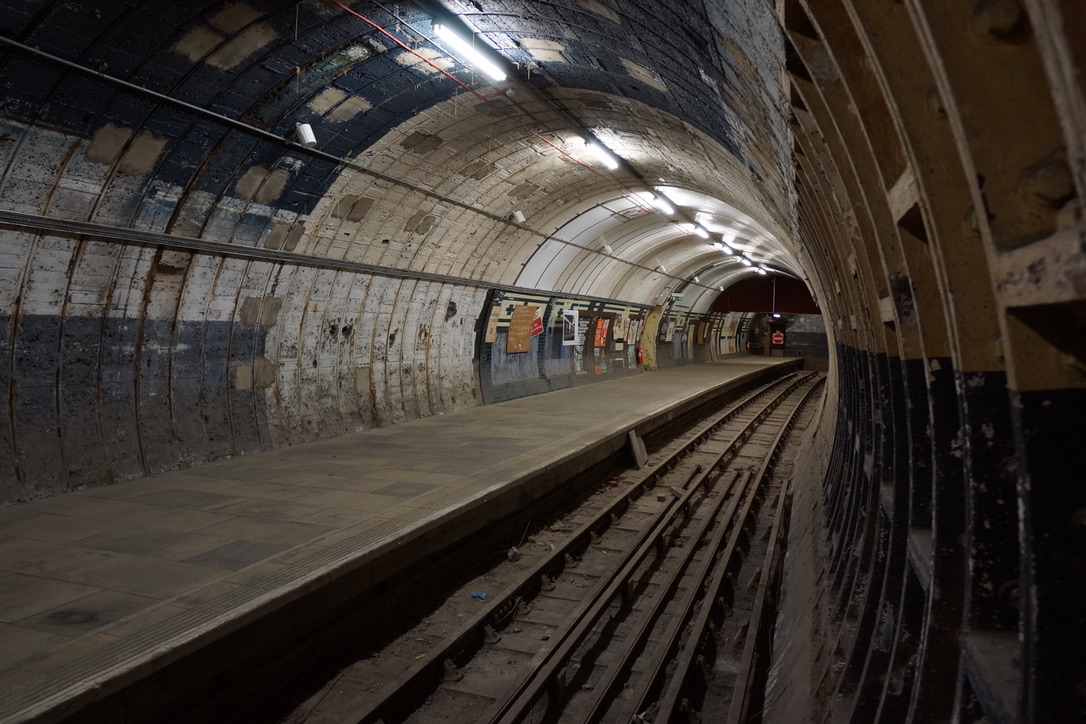
Aldwych station, located in the heart of the West End, is one of the most famous abandoned stations, often featured in films and TV shows for its eerie atmosphere. It opened in 1907 and was designed as a terminus for the Strand. The station was closed in 1994, and today, you can visit it as part of special tours hosted by the London Transport Museum.

During the tour, you’ll get to see the well-preserved architecture, including the beautiful original tiles and the charming old ticket office. There’s even a chance to explore the disused platform and learn about the station’s fascinating history, including its use during World War II as a bomb shelter.

2. Charing Cross (Low Level)

Charing Cross Station, a major interchange for London commuters, has an intriguing secret beneath its bustling surface. The low-level platforms were closed in 1999, leaving behind a forgotten world of Victorian elegance. While regular access is not available, guided tours are organized by the London Transport Museum, allowing you to step into a world of vintage charm.

What makes Charing Cross particularly interesting are its stunning architectural features, including beautiful mosaics and grand arches. The station’s past is woven with tales of greatness, from the glamorous events it hosted to the stories of those who passed through its doors.

3. Down Street

Nestled between Green Park and Hyde Park Corner, Down Street is a lesser-known abandoned station that offers a unique glimpse into the Great War era. Closed in 1932, it was briefly used as a secret war headquarters for Winston Churchill during World War II.

A visit to Down Street is like stepping back in time. The station retains many original features, including the vintage signage and tiling. Though access is limited, special tours are occasionally conducted by the London Transport Museum, making it an exciting opportunity to explore an undiscovered piece of history.

4. Earl’s Court (Old Station)

Earl’s Court has a bit of a dual identity. While the station still serves the public, the old station, which was closed in 1994, lies dormant just a stone’s throw away. This station is particularly exciting for railway enthusiasts, as it showcases the evolution of the Tube over the years.

The old Earl’s Court station features original art deco designs and offers a fascinating insight into the architectural styles that defined the early 20th century. Although public access is limited, special events and tours are sometimes held, revealing the rich tapestry of Earl’s Court’s history.

Planning Your Visit

If you’re eager to embark on this underground adventure, here are some tips to consider:

Check Tour Schedules

Many of the abandoned stations require prior bookings for tours. The London Transport Museum, in particular, organizes various events throughout the year. It’s best to check their website regularly for updates and availability.

Dress Appropriately

Exploring these hidden spaces often requires some walking and navigating through less-than-perfect conditions. Wear comfortable shoes and dress appropriately for the underground atmosphere, which can sometimes be chilly.

Be Mindful of Restrictions

Access to these abandoned stations is regulated to preserve their historical significance. Always follow guidelines and instructions provided during tours to ensure a safe and respectful visit.

The Magic of the Underground

Beyond the historical significance and architectural beauty, there’s something truly magical about stepping into these abandoned stations. They serve as reminders of the city’s evolution and the tales of countless lives that intersected at these platforms.

Each visit can spark conversations and ignite imaginations. Imagine the stories they could tell if walls could talk! Whether you’re a history buff, an architecture enthusiast, or simply looking for a unique experience, exploring these hidden gems is a fantastic way to connect with London’s vibrant past.

Conclusion

In a city as bustling and dynamic as London, it’s easy to overlook the quiet whispers of history nestled within its abandoned Tube stations. These forgotten platforms tell tales of yesteryear, inviting us to step back in time and experience the rich heritage that lies just beneath our feet.

So, if you find yourself wandering the streets of London, take a moment to contemplate the hidden stories of the Tube. With special tours available, you can dive deep into the city’s history and uncover the mysteries of the past. Who knows, you might just find your new favorite spot in the vibrant tapestry that is London!