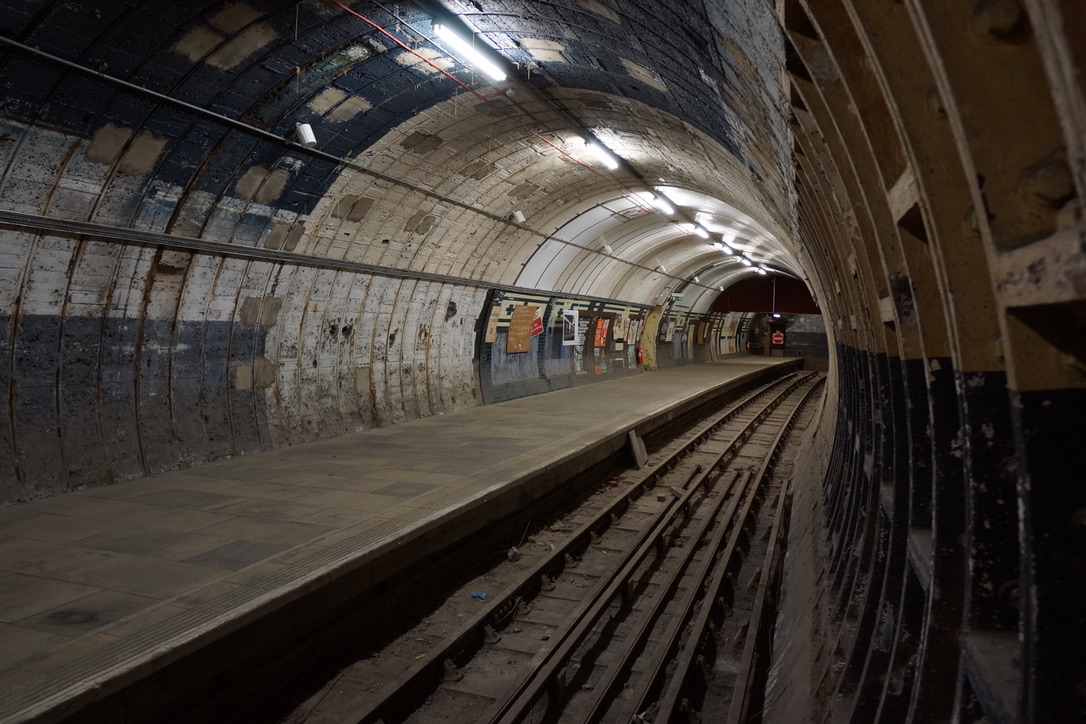
Britain’s Forgotten World War II Bunkers: Where to Find Them
World War II is a pivotal chapter in British history that shaped the nation in unimaginable ways. While we remember the grand battles and heroic figures, there lies an often-overlooked aspect of this era: the extensive network of bunkers and underground structures built to protect civilians and military personnel alike. These bunkers, now mostly forgotten, are scattered across the United Kingdom, each with its own story to tell. Join us on a journey through time as we uncover these hidden gems, explore their fascinating histories, and discover where you can find them today!
The Need for Bunkers
When the British Isles faced the looming threat of Nazi Germany, the government quickly realized that measures had to be taken to safeguard the population. Air raids were common, and cities like London were under constant threat from the Luftwaffe. To combat this, thousands of bunkers were constructed—ranging from the simple community air-raid shelters to elaborate military command centers.
These bunkers served various purposes: some were used for stockpiling supplies, others for medical care, and many were designed as communication hubs. The most famous of these structures, the Cabinet War Rooms in Westminster, hosted Winston Churchill and his cabinet during the war. However, countless others remain hidden in plain sight, waiting to be rediscovered by adventurous souls.
Notable Bunkers Across the UK
1. The Churchill War Rooms, London
Let’s start with a classic. The Churchill War Rooms are not just a bunker; they are a time capsule. Located beneath the bustling streets of Westminster, this underground complex was home to Britain’s war government during World War II. The rooms have been meticulously preserved and now form part of the Imperial War Museum. Here, you can explore the very space where decisions that changed the course of history were made.
Visitors can wander through the map rooms, the Prime Minister’s office, and even see the sleeping quarters where Churchill would catch a few hours of rest. The experience is enhanced with multimedia exhibits that provide context and tales of bravery and strategy.
2. The Secret Nuclear Bunker, Essex
For a taste of the Cold War era, venture into the Secret Nuclear Bunker in Essex. This massive, underground facility was built in the 1950s to protect government officials in the event of a nuclear attack. The bunker extends 125 feet underground and features a complete control room, living quarters, and even a decontamination suite.
The site has been transformed into a museum, offering guided tours that take visitors through its eerie halls. You can stand in the central operations room and imagine the tense atmosphere that would have prevailed during a crisis. The bunker provides a gripping glimpse into the fear and uncertainty of the Cold War years.
3. The Mersey Tunnel Control Room, Liverpool
An unexpected find, the Mersey Tunnel Control Room reveals how infrastructure was intertwined with wartime strategy. Located beneath the River Mersey, this control room was built during WWII to manage traffic in the tunnels and coordinate emergency responses during air raids.
While not a traditional bunker, the control room features stunning Art Deco architecture and has been preserved as a historical site. Visitors can take guided tours that explain its significance during the war and its role in Liverpool’s transportation network.
4. Eastbourne’s Air Raid Shelters
In the charming seaside town of Eastbourne, there’s an impressive network of underground air raid shelters that can be explored. These shelters, dug into the chalk cliffs, were constructed to protect local residents during the bombings of World War II.
Today, guided tours allow visitors to step back in time. You can walk through the dimly lit tunnels, see the original benches where families waited out air raids, and learn how the local community came together in the face of danger. The combination of history, architecture, and local stories makes Eastbourne’s shelters a must-see.
Bunker Hunting: What to Expect
Exploring these bunkers can be an exhilarating experience, but it’s important to have realistic expectations. Here are some tips for your bunker-hunting adventures:
Research and Planning
Before setting out, do your homework. Many bunkers are now museums with specific opening times, while others may be completely off the radar and require a bit of legwork to locate. Websites dedicated to historical sites and local heritage can be invaluable resources.
Dress for Adventure
Many of these sites are underground or in rugged locations, so it’s wise to wear appropriate clothing and sturdy footwear. A flashlight can also come in handy, especially if you’re venturing into less-frequented areas.
Respect the History
While exploring these fascinating sites, remember that they are often steeped in tragedy and loss. A respectful attitude towards the history and the people who lived through those times will enrich your experience and honor their memories.
Engage with Guides and Locals
Many of these sites offer guided tours conducted by passionate historians and volunteers. Engaging with them can provide deeper insights and personal anecdotes that books often miss. Plus, they can point you to lesser-known sites that might not be on your radar.
Off the Beaten Path: Lesser-Known Bunkers
While the highlighted bunkers are popular destinations, there are many lesser-known sites that offer equally intriguing experiences:
1. The Battle of Britain Bunker, Kent
Located in Hawkinge, this bunker played a crucial role in the Battle of Britain. The site features an impressive Visitor Centre and allows you to explore the original operations room from where pilots were dispatched.
2. The Channel Tunnel’s Secret Bunker, Folkestone
This site is an unassuming building near the Channel Tunnel. Built during WWII, it served as a bomb-proof storage facility. The bunker has been largely forgotten but offers a unique narrative about the coast’s defense strategies.
3. The War Museum, Duxford
While primarily an air museum, Duxford also houses underground bunkers used during the war. The site offers both aviation history and a glimpse into the wartime experience, making for a diverse and enriching visit.
Conclusion: A Journey Through History
Britain’s forgotten World War II bunkers stand as silent witnesses to a turbulent past, encapsulating the fears, resilience, and ingenuity of a nation at war. From the well-known sites like the Churchill War Rooms to the hidden gems spread across the countryside, each bunker carries its unique story waiting to be uncovered.
As we explore these underground relics, we gain insight not only into the strategic military decisions of the time but also into the everyday lives of those who sought shelter within their walls. So whether you’re a history buff, a curious traveler, or simply looking for an adventure, take the time to seek out these incredible sites. You might just find that beneath the surface, there’s a rich tapestry of stories eager to be told and remembered.