Posted on Leave a comment

How to Tell a Scouse from a Geordie: British Accent Identification Guide

A view of a city from the water

Understanding the Regions: Scousers vs. Geordies

If you’ve ever taken a stroll down the cobbled streets of Liverpool or visited the vibrant city of Newcastle upon Tyne, you might have noticed that the locals have a way of speaking that sets them apart. The unique accents and dialects of these two cities are not just markers of regional identity; they are rich with history and cultural significance. In this guide, we’ll explore the characteristics that make Scouse and Geordie accents distinct, helping you identify which is which, and maybe even impress a few locals along the way!

The Roots of Scouse

Let’s kick things off with the Scouse accent, which hails from Liverpool. The term “Scouse” comes from the word “lobscouse,” a type of stew sailors would eat. Over time, the word became synonymous with the people of Liverpool, and naturally, their accent.

Key Features of a Scouse Accent

  1. Vowel Sounds: One of the most distinctive features of Scouse is the way vowels are pronounced. The short ‘u’ sound often sounds more like ‘oo’. For example, ‘bus’ might be pronounced more like ‘boos’.

  2. Intonation and Rhythm: Scouse has a unique musicality to it. The accent often features a rise and fall in pitch that gives it a sing-song quality. This can make it sound a bit more expressive and lively compared to other accents.

  3. Diphthongs: A diphthong is a sound that begins as one vowel sound and glides into another within the same syllable. In Scouse, you might notice that the diphthongs have a tighter, sharper quality. For example, the word ‘face’ can sound like ‘feess’.

  4. Consonants: Scousers can be quite liberal with their consonants. The ‘t’ sound is often dropped, particularly in the middle of words. So, ‘football’ might sound like ‘fooball’.

  5. Vocabulary: Liverpool has a rich slang vocabulary that reflects its maritime history and multicultural influences. Words like “la” (meaning mate) and “boss” (meaning great) are commonly peppered throughout conversations.

The Essence of Geordie

Now, let’s shift gears and delve into the Geordie accent, which is native to Newcastle and its surrounding areas. The term “Geordie” can be traced back to the 18th century and was originally used to refer to coal miners from the region.

Key Features of a Geordie Accent

  1. Vowel Sounds: Geordies have their own unique twist on vowel sounds as well. The short ‘u’ in words like “bus” tends to sound quite distinct, often pronounced as ‘buhs’ rather than ‘boos’.

  2. Intonation: Geordie accents can also have a sing-song quality, but with a different musical pattern compared to Scouse. The intonation tends to be more even, with fewer dramatic rises and falls.

  3. Consonants: One notable aspect of Geordie is the hard ‘g’ sound at the end of words. For example, ‘going’ is often pronounced as ‘gawn’. The ‘r’ sound is also more pronounced, adding to the rich quality of the accent.

  4. Diphthongs: Geordies tend to diphthongize vowels, especially ‘ai’ and ‘ou’ sounds. So, “house” might sound like “hoose,” and “time” could come out as “tahm.”

  5. Local Vocabulary: Geordie slang is also vibrant and often includes terms that may leave outsiders scratching their heads. Words like “pet” (friend), “canny” (nice), and “bairn” (child) are commonplace.

Notable Differences: Scouse vs. Geordie

Pronunciation

While both accents have their quirks, the way vowels are pronounced is perhaps the most noticeable difference. Scouse features a more varied pronunciation of vowels, while Geordie has a more straightforward approach. The way consonants are articulated also diverges significantly; the dropped ‘t’ in Scouse contrasts sharply with Geordie’s distinct ‘g’ sounds.

Vocabulary Distinctions

The slang and colloquialisms also paint a colorful picture of the local culture. A Scouser might refer to their friends as “la,” while a Geordie would likely use “pet.” The cultural influences of each city can be seen in these words and phrases, reflecting the different histories and social contexts that shaped them.

Intonation Patterns

Differing intonation patterns in the two accents can affect the way emotions are conveyed. Scousers often inflect their tones dramatically, making their speech sound lively and engaging. In contrast, Geordies have a more level intonation, which can give their speech a friendly, straightforward quality.

How to Spot the Differences in Real Life

Now that you’ve got the basics down, how can you put this knowledge to use in real life? Let’s explore some scenarios where you might encounter these accents.

Listening in Conversations

When chatting with someone from Liverpool, pay attention to how they pronounce certain vowels and the rhythmic quality of their speech. If you catch them using words like “boss” and “la,” you’re definitely talking to a Scouser.

On the flip side, if you’re conversing with someone from Newcastle, notice the hard ‘g’ sounds and the use of terms like “canny” or “bairn.” If they refer to their friends as “pet,” you can confidently identify them as a Geordie.

Watching TV and Movies

British television is a treasure trove of regional accents. Shows like “Liverpudlian” series such as “The Royle Family” or “Bread” are fantastic for hearing Scouse in its natural habitat. For Geordie, check out “Geordie Shore,” which offers a lively showcase of the accent and local slang.

Engaging with Locals

If you find yourself in either city, don’t hesitate to strike up a conversation! Asking locals about their favorite hangout spots or their opinions on the local football teams can lead to some enlightening interactions. Just remember that using the correct terms and inflections can go a long way in winning their hearts.

Conclusion: Embracing the Diversity of Accents

Understanding the differences between Scouse and Geordie accents is not just about identifying where someone is from; it’s about appreciating the rich tapestry of culture, history, and community that these accents embody. Each accent tells a story, reflecting the unique experiences of those who call their respective cities home.

So next time you hear a Scouser or a Geordie speaking, take a moment to listen closely. You might just discover a world of meaning embedded in their words, and who knows? You might even find yourself picking up a few phrases along the way! Whether you’re in Liverpool or Newcastle, engaging with locals and immersing yourself in their accents will surely enhance your experience and deepen your connection to this vibrant corner of the UK.

Posted on Leave a comment

British Accent Evolution: How Theyve Changed in the Last 50 Years

a british flag hanging over a city street

Introduction

Is there anything more quintessentially British than a charming accent? The UK is a patchwork of dialects, each with its own unique flair and history. Over the past 50 years, British accents have not only evolved but also reflected the cultural and social changes that have swept across the nation. In this article, we’ll take a deep dive into how accents have transformed, why they’ve changed, and what this means for the identity of British people today.

The Rich Tapestry of British Accents

Before we embark on the journey of evolution, let’s acknowledge the diversity of British accents. From the crisp tones of Received Pronunciation (RP) to the musical lilt of Scouse, the UK boasts a plethora of accents. Each region has its own nuances, vocabulary, and intonation patterns. In the past, accents were seen largely as markers of class and geography. However, the landscape has shifted, making accents a fascinating subject that encapsulates identity and pride.

The Swinging Sixties: A Cultural Revolution

To understand the evolution of British accents over the past 50 years, we need to start with the iconic 1960s. This era was defined by a cultural revolution that shook societal norms to their core. The Beatles, The Rolling Stones, and the birth of the British Invasion changed not only music but also how accents were perceived. The musical revolution brought Geordie, Cockney, and Scouse accents into the limelight. Suddenly, regional accents were celebrated, and people began to embrace their local dialects.

During the 1960s, Received Pronunciation (RP), which was traditionally associated with the upper class and education, began to lose its grip on societal prestige. The rise of popular music and television meant that accents from working-class backgrounds began to gain popularity and acceptance. This set the stage for a broader acceptance of diverse British accents.

The 1970s and 1980s: Changing Attitudes

The 70s and 80s saw significant shifts in British society, including increased diversity due to immigration. With the arrival of people from the Caribbean, South Asia, and Africa, new accents and dialects began to intermingle with traditional ones. London, in particular, became a melting pot of cultures. The Cockney accent evolved, incorporating elements of multicultural London English, or MLE, which blended phrases and sounds from various immigrant communities.

Television played a significant role during this time. Shows like “Fawlty Towers” and “EastEnders” featured characters with rich regional accents. This representation helped normalize different ways of speaking, allowing viewers to appreciate the beauty of dialects that may have been regarded as less sophisticated in the past.

The 1990s: A New Wave of Influence

As we moved into the 1990s, the impact of globalization and the internet began to shape British accents in unprecedented ways. The influence of American media surged, bringing with it a new kind of linguistic crossover. The popularity of American TV shows and movies made certain American pronunciations and slang attractive, especially to younger generations.

In urban areas, particularly London, accents began to evolve rapidly, leading to the emergence of new speech patterns. The multicultural influence led to a phenomenon dubbed “Jafaican,” which is a blend of Jamaican Patois and other Caribbean influences with traditional London accents. This new way of speaking was often seen as rebellious and a way for young people to define their identities in an ever-changing social landscape.

The 2000s: Reality TV and the Accent Explosion

The early 2000s marked the rise of reality television, where accents from all over Britain were showcased to a national audience. Shows like “Big Brother” and “The X Factor” introduced viewers to contestants from diverse backgrounds, each bringing their unique accent to the forefront. This exposure further normalized different British accents and challenged the perception that only RP was ‘proper.’

Moreover, the popularity of social media platforms allowed for the rapid exchange of linguistic ideas. Young people began to adopt words and phrases from different regions, creating a more blended linguistic landscape. Accents became not just markers of place but also of cultural affiliation.

The Present Day: The Accent Landscape Today

Fast forward to the present, and the British accent landscape is incredibly dynamic. While traditional accents like Cockney and Scouse remain vibrant, new forms of speech are emerging. For instance, the rise of “Estuary English,” a blend of RP and Cockney, reflects the ongoing changes in how people perceive and use accents. This hybrid accent is particularly prevalent in the southeast of England and is often associated with young professionals.

Social media influencers and celebrities are also playing a huge role in accent evolution today. Platforms like TikTok have seen the rise of “vocal fry” and other contemporary speech patterns that are now making their way into everyday conversation. People are more inclined to embrace their regional accents, leading to a greater acceptance of diverse ways of speaking.

The Role of Education and Globalization

Education has played a pivotal role in the evolution of British accents. The rise of universities and the increasing mobility of students meant that young people were exposed to a wider variety of accents and speech styles. This has cultivated a more inclusive environment where accents from different backgrounds are recognized and appreciated.

Globalization has also contributed to this shift. As Britain becomes more interconnected with the world, accents are likely to continue evolving. The influx of international students and professionals means that new linguistic influences are constantly being introduced. This creates an exciting linguistic landscape that reflects the UK’s growing diversity.

The Future of British Accents

What does the future hold for British accents? While it’s difficult to predict with certainty, one thing is clear: the evolution of accents will likely continue to mirror societal changes. As identity becomes more multifaceted, so will the way people communicate. Regional accents may blend further, creating new dialects that reflect a hybrid culture.

Moreover, as society becomes increasingly accepting of diversity, we may witness a renaissance of accents long thought to be fading. Older generations often lament the loss of traditional accents, but the truth is that language evolves, and so do accents. Embracing this change can lead to a richer understanding of the cultural fabric of the nation.

Conclusion

Exploring the evolution of British accents over the last 50 years reveals much about the changes in society, identity, and culture. From the embrace of regional dialects in the wake of the cultural revolution of the 1960s to the blending of accents in our increasingly globalized world, the transformation is a testament to the richness of language. As we continue into the future, let’s celebrate the diversity of British accents and the stories they tell about who we are as a nation. Cheers to that!

Posted on Leave a comment

The Secret Meanings Behind London Tube Station Names

The Secret Meanings Behind London Tube Station Names

London is a city steeped in history, a place where every corner tells a story, and its transport system is no exception. The London Underground, affectionately known as the Tube, not only connects the vast metropolis but also serves as a treasure trove of fascinating tales hidden in the names of its stations. You might hop on a train at Green Park or get off at Baker Street without ever pondering the rich history and quirky anecdotes behind these names. Buckle up as we dive deep into the interesting world of Tube station names—some may surprise you!

A Brief History of the Underground

Before we delve into the names themselves, let’s take a quick jaunt back in time to understand the context. The London Underground opened in 1863, the world’s first underground railway. It was a groundbreaking achievement, designed to alleviate congestion on the city’s streets. Over the years, the Tube has expanded to cover 402 kilometers (250 miles) of track, with 272 stations. The significance of these names often reflects geographical, historical, and cultural elements that have shaped London over centuries.

The Origins of Station Names

Understanding the origins of Tube station names can reveal a lot about London’s past. Many names are derived from local landmarks, historical figures, and even folk tales. Let’s explore some categories that illustrate the diversity of these names.

Geographical Influences

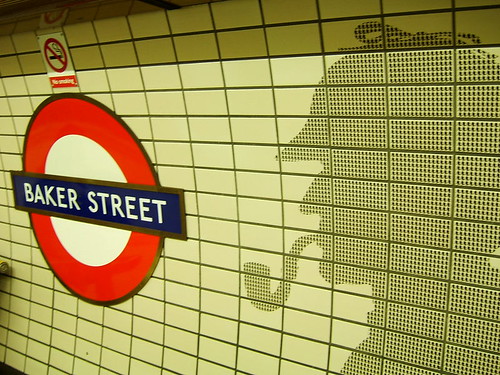
Many station names are derived from geographical features or locations. For example, Baker Street is named after the baker who lived on the street, reflecting the city’s history as a center for trade and commerce. Similarly, Kings Cross refers to a site that was once marked by a statue of King George IV, a location that has become synonymous with travel and transit.

Hammersmith is another interesting example. It derives its name from a hammer smith, referring to the area’s industrial past and its connection to the River Thames. The river was essential for transporting goods, and the name echoes a time when industry and commerce defined the area.

Historical Figures and Events

Some station names pay homage to significant historical figures or events. St. Pancras, for instance, is named after a young Christian martyr. The church of St. Pancras, which dates back to the 4th century, has been an important landmark in the area. The station itself is a striking piece of Victorian architecture and serves as a reminder of London’s rich ecclesiastical history.

Then, there’s Finsbury Park, named after Finsbury, a name that has roots in the historical Finsbury area. The park itself has served various purposes over the years, making the station a gateway to both leisure and transport.

Quirky and Fun Names

Not all names reflect grand historical narratives; some are just plain quirky! Take Cockfosters, for instance. This name brings a smile, yet it has a rather mundane origin. It’s believed to be derived from an old farmhouse, and the term “foster” indicates the area where livestock were cared for.

Barking is another station name that raises eyebrows. It might make you think of dogs, but it actually comes from the Old English word “beorc,” meaning a birch tree. Over time, the name evolved into the one we know today.

Names with Cultural Significance

London is a melting pot of cultures, and this is reflected in some station names. Tottenham Court Road is more than just a station; it’s a nod to the historic Tottenham area, where the court of King Henry II once convened. Today, it’s a bustling hub filled with shops, restaurants, and bars, but its name serves as a reminder of the royal past.

Likewise, Leicester Square is named after the Leicester family, but it has evolved into a cultural hotspot, known for its cinemas and theaters. The square itself has hosted countless events, making its name synonymous with entertainment and the arts.

The Legends and Folklore

Many station names are steeped in local legends and folklore. The name Mile End refers to the distance of one mile from the city walls of London. However, it also carries tales of the past, including tales of highwaymen and ghost stories that add an eerie charm to the name.

Another interesting one is Wembley Park, which is famous for the iconic Wembley Stadium. However, the name “Wembley” is believed to derive from “Wemba,” an Old English term that meant “the place of the Wempas,” a reference to a family or clan living in the area. The transformation of the name over the centuries tells a story of community and change.

Modern Influences and Changes

As London evolves, so do its stations. Names can change to reflect modern culture or significant developments. Take O2 for example: originally known as North Greenwich, the station was renamed after the O2 arena, a modern venue that has hosted everything from concerts to sporting events. This reflects the way the Underground adapts to the cultural landscape of the city.

Similarly, Nine Elms, once a quiet area, has seen significant development with the rise of new residential and commercial buildings. The name has become increasingly relevant as the area grows in prominence, demonstrating how names can shift with urban transformation.

The Significance of Tube Station Names

The names of Tube stations are not just playful monikers; they encapsulate the spirit of London. They serve as markers of the city’s history, geography, and culture. Each name invites passengers to delve deeper into the stories that shaped the city, encouraging a sense of connectedness to the past.

The Role of Art and Literature

London’s literary ties also permeate its transport system. Willesden Junction resonates with cultural significance, being close to the area where famed author Charles Dickens once lived. Similarly, Shakespeare’s Globe station serves as a reminder of London’s rich theatrical history, as it’s near the site of the original Globe Theatre.

A Journey Through Time

Riding the Tube is more than just a means of transport; it’s a journey through time. Every time you step onto a train, you’re hopping onto a mobile history lesson. The station names invite curiosity, giving you a chance to explore London’s hidden gems, from historic landmarks to vibrant neighborhoods.

Conclusion

The next time you find yourself navigating the winding tunnels of the London Underground, take a moment to appreciate the uniqueness of each station’s name. Each one carries a wealth of history, culture, and character that defines this vibrant city. Whether you’re a local or a tourist, understanding the stories behind these names enriches your experience of London. So, put on your explorer hat, hop on the Tube, and let the names guide you on a delightful adventure through the heart of the capital!

Posted on Leave a comment

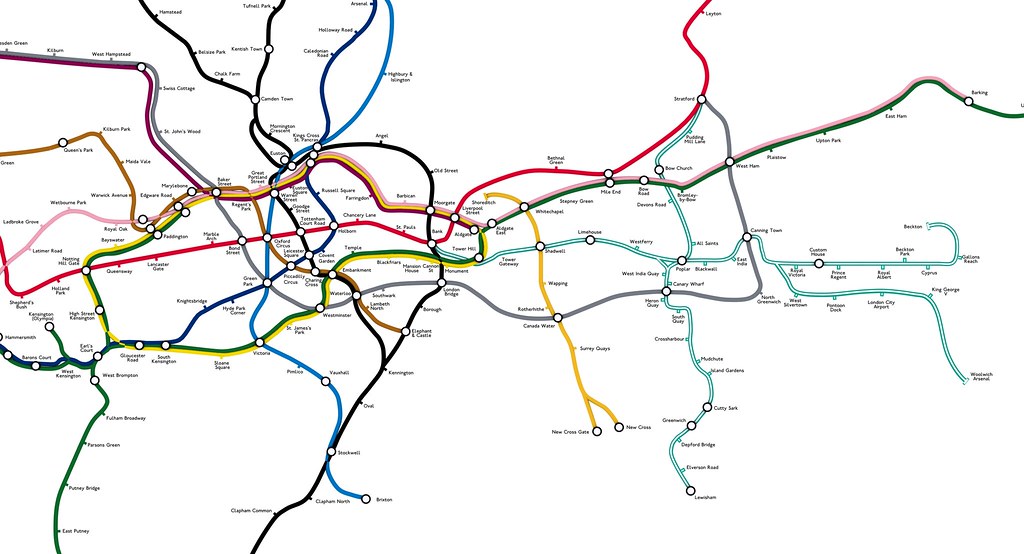
London Tube Map Evolution: How It Became a Design Icon

A Journey Through the Tube: The Evolution of an Iconic Design

When you think of London, a few things might spring to mind: the iconic Big Ben, the picturesque Thames River, and, of course, the London Underground. But have you ever paused to admire the artistry of the Tube map? This seemingly simple diagram has become a global design icon, one that transcends its original purpose and offers a fascinating glimpse into the evolution of urban design and public transport. Buckle up as we take you on a journey through the history and development of one of London’s most recognized symbols!

The Birth of the Underground

The London Underground first opened to the public in 1863, making it the world’s first underground railway system. However, the initial experience was far from user-friendly. The early maps were complicated and hard to navigate, making it difficult for riders to know where they were going. Imagine trying to decipher a sprawling, chaotic maze of lines and stations without any clear guidance. It was clear that something had to change.

The Map That Changed Everything

Fast forward to 1931, when Harry Beck, an engineering draftsman, created a revolutionary new map. Beck’s design was unlike anything that had come before it. Instead of adhering to the physical geography of London, he opted for an abstract, simplified layout. The Tube map was transformed into a network of straight lines and clear connections, with stations represented as uniformly spaced dots. This radical departure from realism allowed passengers to easily see the relationships between different lines and stations, making navigation a breeze.

The Impact of Beck’s Design

Harry Beck’s Tube map was a game-changer. It made the Underground accessible to the broader public, opening up London in ways that had never been imagined. Suddenly, navigating the sprawling city felt less daunting, and passengers could confidently hop on and off trains. The map not only facilitated travel but also ignited a love for urban exploration. People began to see London as an interconnected web of neighborhoods, each with its unique charm and attractions.

The Art of Color Coding

One of Beck’s genius innovations was the use of color coding for different lines. Each line was assigned a distinct hue, making it easy for travelers to quickly identify their route. This vibrant palette became synonymous with the Underground, allowing the map to be recognizable at a glance. Over the years, the colors have been refined, but the core concept remains the same. The visual impact of the colored lines made the map not just functional, but also aesthetically pleasing.

Keeping Up with Change

As London grew and the Underground expanded, adjustments to Beck’s design were necessary. New stations were added, lines were extended, and the network underwent significant changes. The map evolved alongside the city, adapting to the needs of its users. Each update was meticulously considered, balancing the need for clarity with the complexity of an ever-expanding network.

Design Philosophy: Simplicity Over Reality

What Beck introduced was more than just a map; it was a philosophy of design. The principle of simplicity over reality became foundational for many graphic designers. His approach demonstrated that clarity and ease of use should take precedence over accuracy. This idea is now embedded in many public transport systems worldwide, evidenced by the clean, minimalist designs that we see today.

Iconic Updates and Variations

Over the decades, the Tube map has undergone several notable updates. Designers have added elements, such as the iconic “tube” logo and the recognizable roundel symbol. They also experimented with new formats and designs, such as the “Bakerloo” and “Central” lines, which introduced fun typography and graphic elements. With each update, the design team aimed to preserve the essence of Beck’s original vision while ensuring the map remained useful and contemporary.

The Tube Map in Popular Culture

The Tube map’s influence extends far beyond the underground stations of London. It has infiltrated popular culture and has been referenced and parodied in various forms of media. From art installations to fashion, the distinctive style of the map has inspired countless creative projects. Artists like Eduardo Paolozzi and Ben Eine have reinterpreted the map in their work, showcasing its versatility as a design element.

The Tube Map Goes Digital

As technology advanced, so did the way we interact with the Tube map. The introduction of mobile apps revolutionized how commuters accessed the map. No longer constrained by a physical piece of paper, riders could now receive real-time updates and live journey planning at their fingertips. This digital transformation maintained the essence of Beck’s design while embracing the future of transportation.

Sustainability and Accessibility

In recent years, the focus on sustainability and accessibility has also influenced the design of the Tube map. The introduction of features like step-free access and the promotion of bike routes illustrate a shift toward an integrated transport system that accommodates all users. The map continues to evolve, reflecting changing societal values and the need for inclusivity in urban design.

The Tube Map: A Design Icon

Today, the Tube map is considered a masterpiece of graphic design, celebrated for its innovation and impact on urban navigation. It has been featured in exhibitions, received numerous awards, and is studied in design schools around the world. Beck’s original vision, which emphasized clarity and simplicity, has become a template for transport maps globally.

Conclusion: More than Just a Map

So, the next time you find yourself navigating the London Underground, take a moment to appreciate the artistry behind the Tube map. What was once a chaotic representation of a complex transport system has transformed into a design icon that is both functional and beautiful. Harry Beck’s genius lies not only in his groundbreaking design but also in his foresight to recognize that a map could be so much more than a tool for navigation. It could be a visual representation of a city’s spirit, an invitation to explore, and a source of pride for Londoners and visitors alike.

In the ever-evolving landscape of urban life, the Tube map stands as a testament to the power of thoughtful design. It has become an enduring symbol of London and continues to inspire generations of designers and city planners worldwide. Next time you glance at that familiar map, remember: you’re looking at history, innovation, and a piece of art that has shaped the way we think about urban transit. So grab your Oyster card, hop on the Tube, and get ready to explore the vibrant tapestry of London that lies just beyond the next station!

Posted on Leave a comment

The History of the Mug: From Drinking Vessel to Insult

white ceramic mug on white surface

Introduction

The term “mug” has a fascinating journey through history. What began as a simple drinking vessel has morphed into a term used in various contexts, including an amusing and somewhat cheeky insult. This article will take you on a delightful ride through time, exploring the evolution of the word “mug” from its origins to its contemporary usage in both the physical and metaphorical senses.

Origins of the Mug

The word “mug” can be traced back to the 15th century, derived from the Middle English term “mugge” or “mugg,” which referred to a large cup used for drinking. The earliest mugs were typically made from wood, clay, or metal, often featuring a handle for convenience. They served a practical purpose: to hold beverages ranging from water and ale to coffee and tea.

As time marched on, mugs began to evolve in design and materials. By the 16th century, potters were producing earthenware mugs adorned with intricate designs. The invention of porcelain in China and its later introduction to Europe in the 18th century led to a significant transformation. Porcelain mugs became symbols of status and sophistication, often decorated with elaborate artwork that reflected the owner’s taste and wealth.

Mugs Through the Ages

The Renaissance and Beyond

During the Renaissance, the mug continued to be a popular drinking vessel, especially in taverns and homes. It was during this period that the classic tankard design emerged, featuring a hinged lid to keep beverages fresh and safe from contamination. These tankards were often made of pewter, silver, or glass, and were often inscribed with the owner’s name or family crest.

In the 19th century, the Industrial Revolution brought about mass production, leading to an explosion of mug designs and styles. From simple creamware to intricately designed transferware, there was a mug for every taste and occasion. The introduction of coffee and tea into everyday life further solidified the mug’s place in society. Suddenly, everyone wanted a stylish cup to enjoy their afternoon brew!

The Mug as an Insult

Fast forward to the 20th century, and we see an interesting shift in the term “mug.” In British slang, “mug” became a playful yet cutting term for someone who is easily fooled or taken advantage of. This usage likely stems from the notion that a mug, being a simple object that holds liquid, can be seen as a symbol of someone who is passive or gullible.

The transition from drinking vessel to insult is not entirely baffling. The playful nature of language allows for such transformations, and in this case, the mug’s everyday familiarity made it a prime candidate for playful derision. Imagine calling someone a “mug” in a cheeky banter; it adds a certain flair to the conversation while still delivering a sting.

Mugshots and the Criminal Connection

Another fascinating aspect of the word’s evolution is its connection to law enforcement. The term “mugshot” emerged in the late 19th century, referring to photographs taken of criminals upon their arrest. The origin of this term might be linked to the notion of a “mug,” as both a physical face and an object that can be displayed or presented to the public.

Mugshots became an essential part of police records, helping identify repeat offenders and contributing to the growing field of criminology. Today, the term is widely recognized, and mugshot databases have even emerged online, showcasing the faces of numerous unfortunate souls.

The Cultural Impact of Mugs

Mugs have also made their mark in popular culture, appearing in literature, films, and television shows. They often symbolize comfort, relaxation, and conviviality. Think about it: when you see a character curled up with a steaming mug of coffee or tea, it evokes a sense of warmth and familiarity.

In contemporary society, mugs have become a canvas for self-expression. Custom mugs with witty sayings, personalized names, or creative designs flood the market. They make perfect gifts and serve as conversation starters. Whether it’s a funny quip, a motivational quote, or a tribute to a beloved hobby, mugs have become an integral part of our daily lives.

The Mug in Modern Language

As language continues to evolve, so does the usage of “mug.” It can be used in a variety of contexts, from light-hearted banter among friends to serious discussions about being taken advantage of. Some might refer to someone as a “mug” in jest, while others might use it more seriously to indicate a lack of common sense.

Moreover, the term has been embraced by pop culture, especially in music and comedy. Various artists and comedians have used “mug” in their work, giving it a humorous spin that resonates with audiences. The term embodies a certain cheekiness that many find endearing, and it adds a layer of relatability to everyday conversations.

Mugs in Different Cultures

Across the globe, different cultures have their unique takes on the humble mug. In Japan, for instance, traditional tea mugs called “yunomi” are crafted without handles and are designed for sipping tea in a mindful manner. In contrast, in Germany, beer steins—often referred to as mugs—feature intricate designs and are a staple during Oktoberfest celebrations.

These cultural variations highlight the mug’s versatility as both a functional object and a symbol of social connection. Whether in a bustling café in Paris or a local pub in Dublin, mugs bring people together over shared experiences, making them an enduring part of human culture.

Conclusion

The journey of the mug from a practical drinking vessel to a cheeky insult and beyond is a testament to the fluid nature of language and culture. It serves as a reminder that even the simplest objects can have rich histories and fascinating stories. So the next time you lift a mug to your lips—whether it’s filled with coffee, tea, or something stronger—take a moment to appreciate its journey through time and the myriad meanings it has come to embody. After all, it’s more than just a vessel; it’s a piece of history, culture, and even a bit of mischief!

Posted on Leave a comment

British Politicians Most Creative Parliamentary Insults Through History

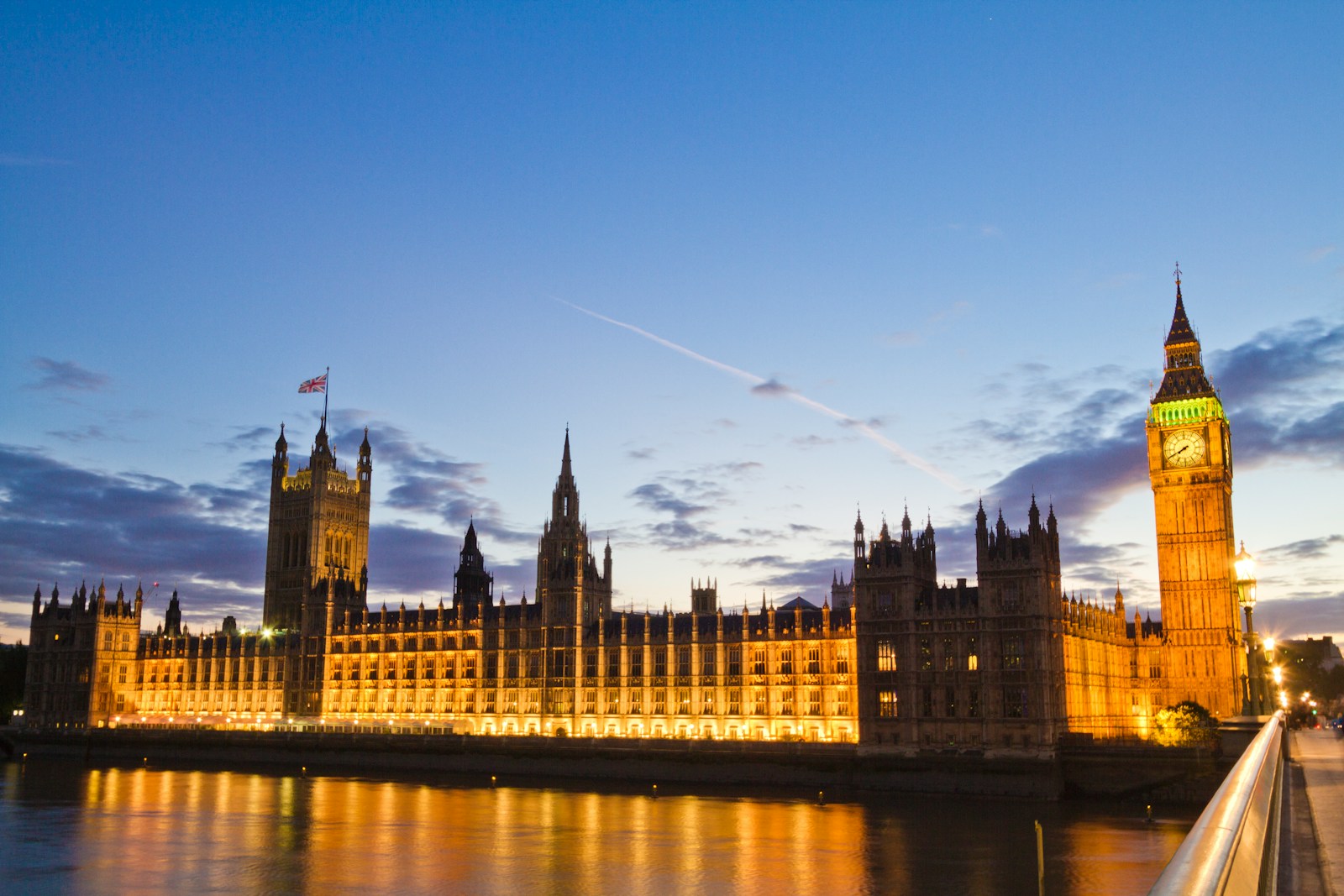
Big ben and the houses of parliament at dusk.

Introduction

Politics can often feel like a game of chess, with high stakes and calculated moves. However, one of the more colorful aspects of this arena is the art of insult. In British politics, where the tradition of vigorous debate and spirited discourse thrives, politicians have often resorted to colorful language to express their disagreement or disdain. From clever quips to scathing barbs, the history of parliamentary insults in Britain is rich and varied. Let’s take a look at some of the most creative insults thrown around in the hallowed halls of Westminster.

The Witty Wordsmiths

British politicians have often displayed a flair for language that can turn even the most mundane exchanges into memorable moments. The ability to wield words like a rapier is a skill that has been mastered by many throughout history.

One of the most famous masters of parliamentary insult was Winston Churchill. Known for his sharp tongue and quick wit, Churchill had a knack for getting under the skin of his opponents. One notable exchange occurred in 1945 when Labour MP Bessie Braddock accused him of being drunk. Churchill famously retorted, “My dear Bessie, you are ugly, but tomorrow I shall be sober and you will still be ugly.” This exchange not only showcased Churchill’s quick thinking but also his ability to turn a potentially damaging comment into a memorable comeback.

The Puns and Play on Words

Puns have played a significant role in British parliamentary insults. The ability to cleverly twist language not only adds humor but also highlights the intelligence of the speaker.

Sir Edward Heath, former Prime Minister, once quipped that his rival, Harold Wilson, was “like a man with a big beard – he thinks he’s wise.” This playful jab not only poked fun at Wilson’s appearance but also subtly questioned his wisdom, revealing how personal jabs can carry deeper meanings.

Another delightful example comes from David Cameron, who once criticized the Labour party by saying, “They are like a pair of old socks – they’ve lost their elasticity.” This not only insulted his opponents but also painted a vivid picture of their perceived stagnation. Cameron’s ability to use everyday items to express political ineptitude shows how insults can resonate with the public.

The Historical Context

To truly appreciate these insults, it’s essential to consider the historical context in which they were made. British politics has a long and tumultuous history, marked by fierce rivalries and intense debates. These factors often led to heightened emotions and the use of insults as a means of expressing political frustrations.

During the Victorian era, parliamentary debates were often theatrical, with members of parliament (MPs) taking on roles akin to actors on a stage. The exchanges were filled with passion and occasionally devolved into personal attacks. For instance, Benjamin Disraeli, the Conservative Prime Minister, was known for his scathing remarks about his political rival William Ewart Gladstone. Disraeli referred to Gladstone as a “half-baked” politician, implying that he was not fully formed in his ideas and beliefs.

The Art of Sarcasm

Sarcasm has long been a favorite weapon in the arsenal of British politicians. It allows for a clever way to insult someone while maintaining a facade of politeness.

One significant example is from Michael Heseltine, who once described his opponent Neil Kinnock as “the man who had the charisma of a damp rag.” This insult effectively conveyed Kinnock’s perceived lack of appeal and energy, all while using a humorous analogy.

Another memorable instance occurred when Tony Blair criticized Conservative policies, noting that they were “stuck in the past like an old record that keeps skipping.” This metaphor not only painted a picture of outdated policies but also implied that the Conservative party was unable to move forward, showcasing how effective metaphors can be in parliamentary discourse.

Insults in the Modern Era

In contemporary politics, the tradition of creative insults continues. The rise of social media has added a new layer to how these exchanges occur, with politicians now able to reach a broader audience in real time.

Former Foreign Secretary Boris Johnson is no stranger to colorful language. He once referred to the then-Labour leader Jeremy Corbyn as a “mutton-headed oaf,” a creative insult that not only ridiculed Corbyn’s intelligence but also evoked imagery of a silly, bumbling character. Johnson’s playful use of language reflects a modern take on the traditional art of political insults.

Gender Dynamics

It’s also important to acknowledge the gender dynamics at play in parliamentary insults. Historically, women in politics have often faced unique challenges, including being targets of gendered insults.

Margaret Thatcher, the first female Prime Minister, was not only known for her policies but also for her ability to dish out insults. She famously described one of her male opponents as “a man who cannot even be trusted to speak for himself,” highlighting the dismissive attitudes women often faced in a male-dominated political landscape. Thatcher’s ability to use insults to assert her authority paved the way for future generations of women in politics.

The Legacy of Parliamentary Insults

The legacy of parliamentary insults extends beyond the immediate context of political debates. They often become part of the cultural fabric, referenced in media, literature, and everyday conversation. Many of these exchanges have been immortalized in popular culture, serving as reminders of the colorful personalities that have shaped British politics.

For example, Churchill’s quips and jabs have inspired countless books and films, ensuring that his words echo through the ages. Similarly, the witty repartee of today’s politicians continues to be scrutinized and analyzed, reflecting the ongoing importance of language in political discourse.

Conclusion

The tradition of creative insults in British politics is as vibrant as the political landscape itself. From the clever puns of past leaders to the sharp sarcasm of contemporary figures, these exchanges offer a glimpse into the personalities that have shaped the nation. While insults may often be born from frustration and rivalry, they also highlight the enduring power of language in capturing the public’s attention and shaping political narratives. As we move forward, it’s clear that the art of the parliamentary insult will continue to evolve, keeping the spirit of spirited debate alive in the halls of Westminster.

Posted on Leave a comment

British Gardens: The Legacy of Capability Brown

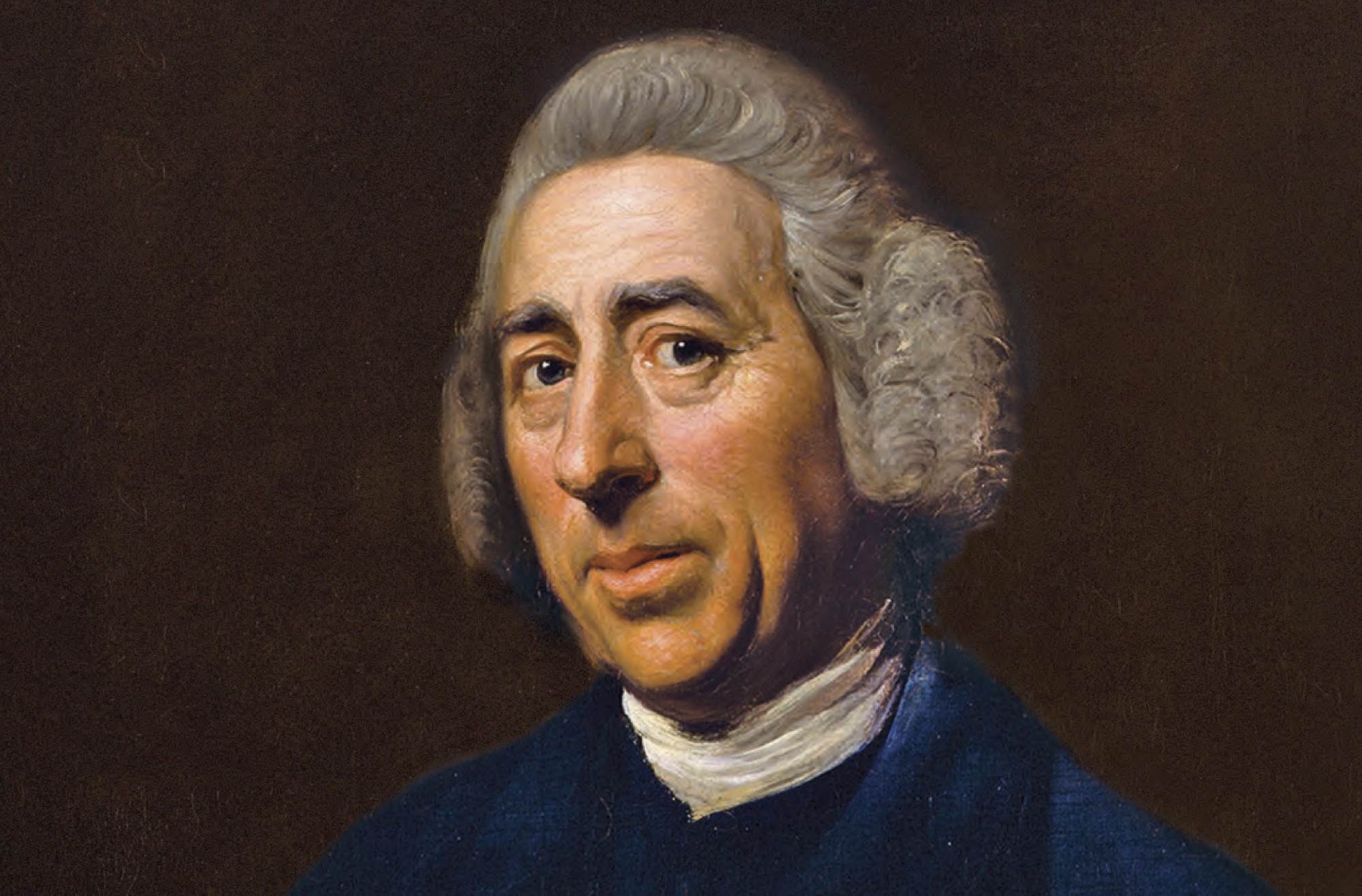
When you think of British culture, one of the first things that may come to mind are the beautiful gardens that adorn the country. From manicured lawns to vibrant flowerbeds, British gardens have long been admired for their elegance and charm. And one man is responsible for shaping the landscape of British gardens as we know them today – Lancelot “Capability” Brown.

Born in 1716, Capability Brown was an English landscape architect who is often referred to as the “Father of Landscape Architecture.” His work revolutionized the way gardens were designed and has had a lasting impact on British culture.

During the 18th century, British gardens were typically formal and symmetrical. They were heavily influenced by French garden design, with their geometric patterns and intricate parterres. However, Capability Brown had a different vision. He believed that gardens should mimic the natural landscape, creating a more relaxed and picturesque environment.

One of Brown’s most significant contributions to British gardens was the creation of “natural” landscapes. He sought to emulate the rolling hills and meandering rivers that were characteristic of the British countryside. Brown would often reshape the terrain, using earthworks to create hills and valleys, and strategically placing trees and shrubs to frame the views.

His approach to garden design was groundbreaking. Instead of rigidly structured spaces, Brown created expansive parklands that seamlessly blended with the surrounding countryside. His gardens were meant to be experienced, with winding paths that encouraged exploration and discovery. Brown also made use of serpentine lakes and strategically placed temples and follies to add interest and drama to his designs.

One of Brown’s most famous creations is Stowe House in Buckinghamshire. The gardens, covering over 250 acres, are a testament to his skill and vision. Brown transformed the once formal gardens into a landscape of sweeping lawns, meandering lakes, and carefully placed trees. The result is a garden that feels both grand and intimate, with surprises around every corner.

Another iconic example of Brown’s work is Blenheim Palace in Oxfordshire. The grounds, which span over 2,000 acres, showcase his talent for creating breathtaking vistas. Brown strategically planted trees and shaped the land to frame views of the palace, creating a sense of grandeur and majesty.

But it wasn’t just the grand estates that benefited from Brown’s genius. He worked on numerous projects throughout England, including smaller gardens and public spaces. One such example is the gardens at Croome Court in Worcestershire. Brown transformed the surrounding parkland into a picturesque landscape, complete with a lake and a Chinese bridge. The gardens at Croome Court are a testament to Brown’s ability to create beauty on any scale.

Today, the legacy of Capability Brown can still be seen and felt in British gardens. His ideas and principles continue to influence garden design, and his landscapes are cherished and preserved. Many of his gardens, such as Stowe and Blenheim, are open to the public and offer visitors a chance to experience the beauty and tranquility that Brown so expertly crafted.

So, the next time you find yourself in the UK, make sure to visit one of Capability Brown’s gardens. Whether you’re strolling through the sweeping lawns of Stowe or admiring the grandeur of Blenheim, you’ll be experiencing a piece of British culture that has stood the test of time. British gardens, thanks to the legacy of Capability Brown, are a true treasure that invites you to explore, relax, and appreciate the beauty of nature.”

Posted on Leave a comment

How Jane Austen’s Novels Reflect British Social Norms

Jane Austen is a name that resonates with readers worldwide, as her works are celebrated for their wit, charm, and social commentary. Austen’s novels are viewed as quintessentially British, and it is not hard to see why. Her stories are a reflection of the social norms and customs that were prevalent in the British society of the late 18th and early 19th centuries. In this article, we will explore how Austen’s novels reflect British social norms and why they continue to be relevant today.

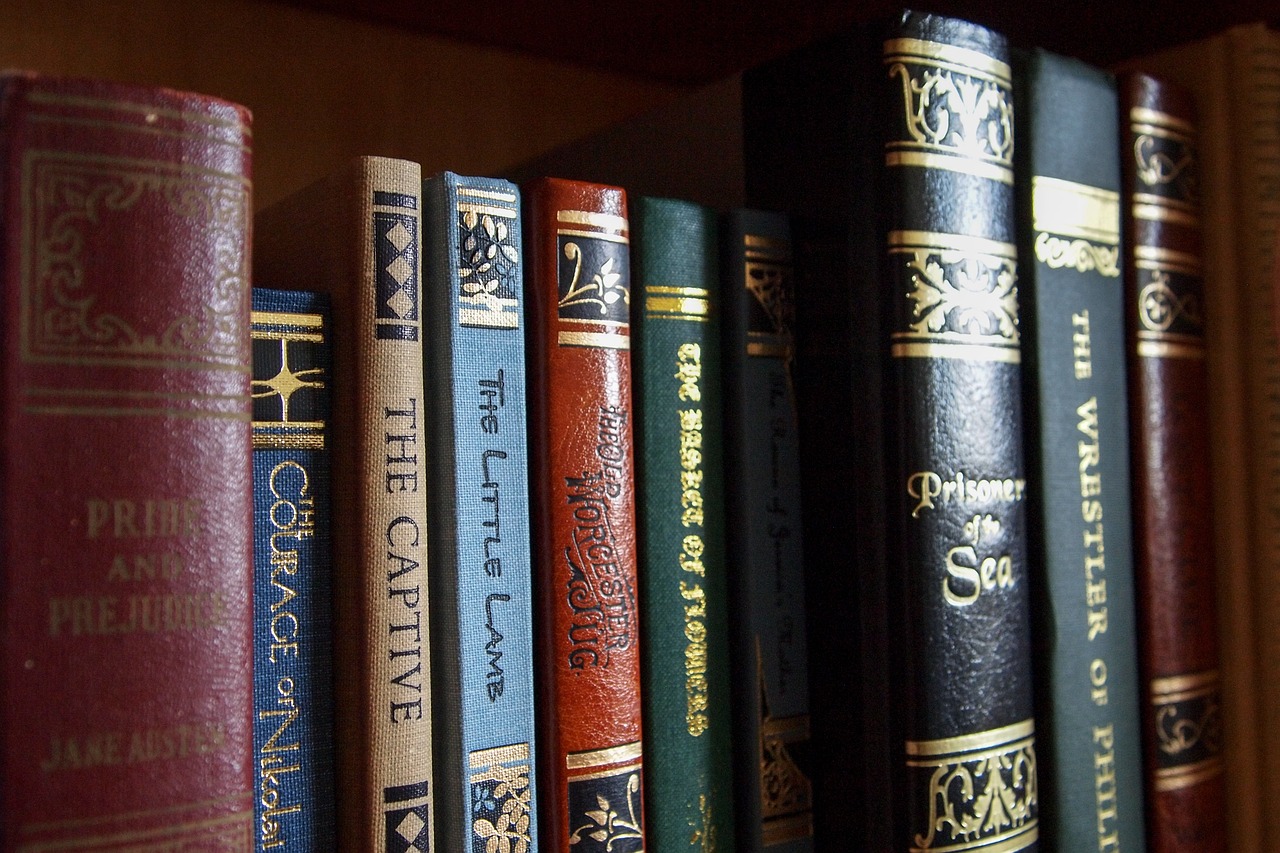
One of the most striking things about Austen’s novels is how they paint a vivid picture of British class structure. The society depicted in her novels is one where social status is all-important, and where one’s standing in the community is determined by birth, wealth, and connections. This class structure is most evident in her novel Pride and Prejudice, where the Bennet family’s social status is a central focus of the story.

In Pride and Prejudice, Austen portrays the struggle of the Bennet sisters to secure their futures by marrying well. Marrying for love is not an option for them, as their family’s financial situation is precarious, and their father has no male heir. The only way for the Bennet sisters to secure their futures is to marry wealthy men who can provide for them. This is a reflection of the reality of British society at the time, where marriage was often seen as a transaction between families, and where women had few options for financial independence.

Another aspect of British social norms that Austen’s novels reflect is the importance of propriety and decorum. In Austen’s world, there are strict rules of behavior that must be adhered to at all times. For example, in Sense and Sensibility, Marianne Dashwood’s impulsive behavior is seen as inappropriate, and she is criticized for not conforming to the standards of decorum expected of a young lady.

This emphasis on propriety and decorum is also evident in Pride and Prejudice, where Elizabeth Bennet’s refusal to conform to societal expectations makes her an object of ridicule. Her refusal to marry Mr. Collins, despite his proposal being her only option for financial security, is seen as scandalous by her family and neighbors.

Austen’s novels also reflect the gender roles that were prevalent in British society at the time. Women were expected to be submissive and deferential to men, and their primary role was to marry well and produce heirs. This is most evident in Austen’s novel Mansfield Park, where the female protagonist, Fanny Price, is constantly reminded of her inferior status and is treated as a second-class citizen by her wealthy relatives.

Despite this emphasis on traditional gender roles, Austen’s novels also contain strong, independent female characters who challenge the status quo. Elizabeth Bennet, for example, is a witty and intelligent woman who refuses to conform to societal expectations. She rejects the proposal of Mr. Collins, a man she does not love, and ultimately marries for love, rather than money or social status.

In conclusion, Jane Austen’s novels are a reflection of British social norms and customs of the late 18th and early 19th centuries. Her stories provide a vivid picture of a society where class structure, propriety, and gender roles were all-important. Despite the strict rules of behavior, Austen’s novels also contain strong, independent female characters who challenge the status quo and ultimately find happiness on their own terms. This is why Austen’s novels continue to be celebrated today, as they provide a timeless commentary on human nature and the complexities of social interaction.

Posted on Leave a comment

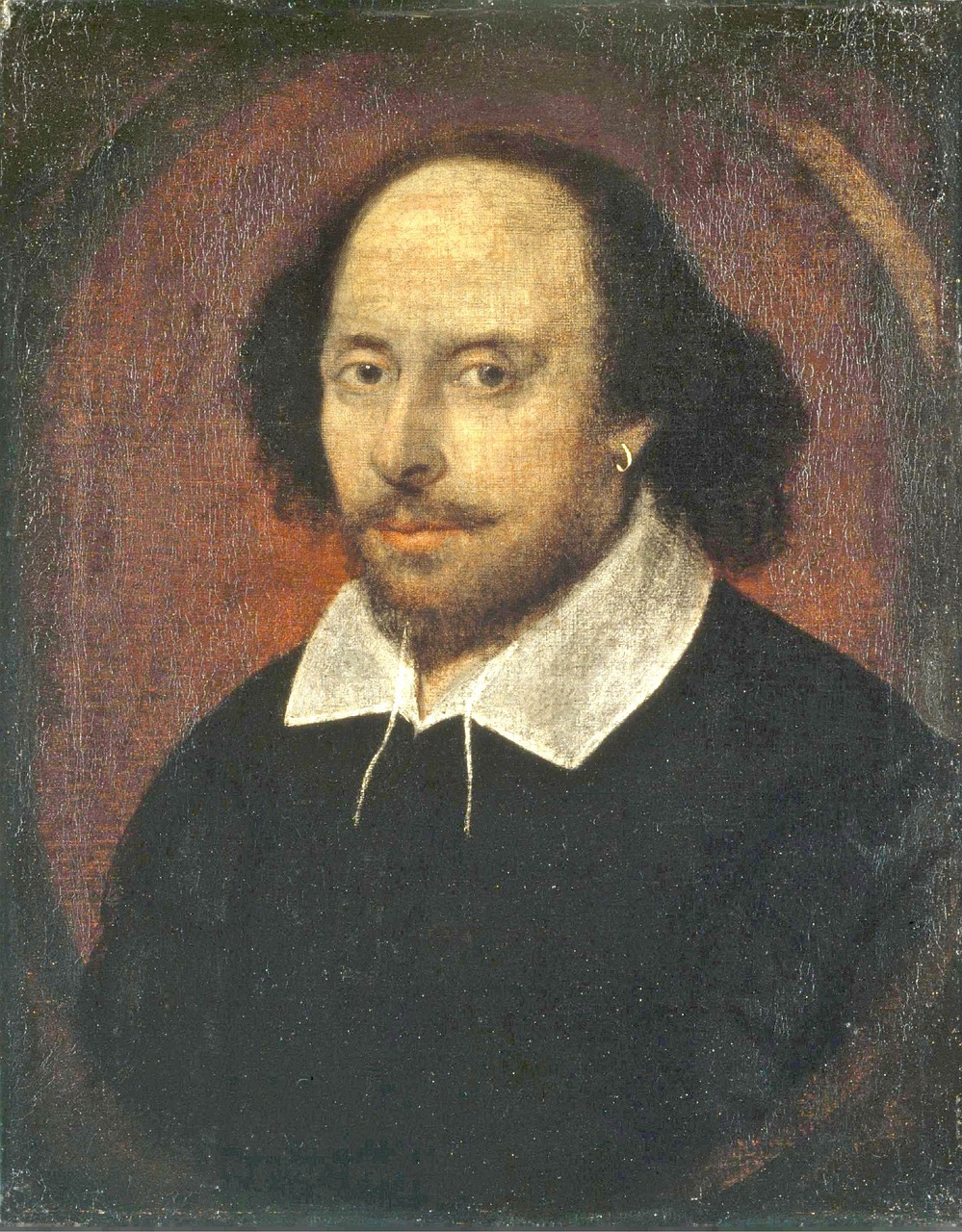
Shakespeare’s Influence on British Identity and Language

William Shakespeare, the renowned playwright and poet, is a name that resonates throughout the history of British culture. His works have left an indelible mark on British identity and language, shaping the way we think, speak, and view the world around us. In this article, we will explore the fascinating influence that Shakespeare has had on British culture and how it continues to captivate audiences around the globe.

Shakespeare’s plays, including timeless classics such as Romeo and Juliet, Macbeth, and Hamlet, have become an integral part of British cultural heritage. These works have not only entertained generations of theatergoers but have also played a significant role in shaping the national identity. Shakespeare’s characters, themes, and language have become a reflection of British values, ideals, and quirks.

One of the most remarkable aspects of Shakespeare’s influence on British culture is the enduring popularity of his works. His plays are still regularly performed across the United Kingdom, from grand theaters in London’s West End to humble village stages. The annual Shakespeare Festival, held in Stratford-upon-Avon, his birthplace, attracts visitors from all corners of the globe who come to celebrate his genius and immerse themselves in the world of his plays.

Shakespeare’s language, too, has permeated British culture in numerous ways. Many words and phrases that Shakespeare coined or popularized are still in common usage today. Expressions like ” wild-goose chase,” “all’s well that ends well,” and “fair play” originate from his works. Even those who have never read a Shakespeare play may be unknowingly using his words in everyday conversations.

Beyond the realm of language, Shakespeare’s influence can be seen in the British sense of humor and love for wordplay. His plays are filled with witty puns, clever wordplay, and humorous situations that have become a hallmark of British comedy. From iconic lines like “” To be or not to be” to the mischievous banter between characters, Shakespeare’s comedic genius continues to inspire countless comedians and entertainers.

Furthermore, Shakespeare’s works have also had a profound impact on the evolution of the English language itself. His plays helped to standardize and codify English grammar and vocabulary, contributing to the development of the language as we know it today. Shakespeare’s influence can be seen in the richness and versatility of the English language, which owes much of its depth and beauty to his poetic mastery.

Not only has Shakespeare shaped British identity and language, but his works have also transcended national borders and become a universal cultural treasure. His plays have been translated into numerous languages and performed in theaters worldwide. Shakespeare’s characters and stories continue to resonate with people from diverse backgrounds, offering insights into the human condition that are timeless and universal.

In conclusion, Shakespeare’s influence on British culture is both profound and enduring. His plays have become an integral part of the national identity, and his language has shaped the way we speak and think. Shakespeare’s genius continues to captivate audiences and inspire artists around the world. So the next time you find yourself using a Shakespearean phrase or enjoying a performance of one of his plays, take a moment to appreciate the lasting legacy of this remarkable playwright and his influence on British culture.

Posted on Leave a comment

Famous British Weddings Through History: Royals and Celebrities

Weddings have always been a grand affair in British culture, with a perfect blend of tradition, glamour, and romance. From royal unions to celebrity nuptials, these weddings have captured the world’s attention and left a lasting impact on popular culture. Let’s take a delightful journey through time and explore some of the most famous British weddings in history.

1. Royal Extravaganza: Prince William and Kate Middleton (2011)

One of the most anticipated weddings of the century, the marriage of Prince William and Kate Middleton mesmerized the world. The ceremony took place at Westminster Abbey, a venue steeped in history and tradition. Kate stunned everyone in her elegant Alexander McQueen gown, while Prince William looked dashing in his military uniform. The lavish affair was a perfect blend of royal heritage and modernity, capturing the hearts of millions around the globe.

2. The People’s Princess: Princess Diana and Prince Charles (1981)

Princess Diana and Prince Charles’ wedding was a fairytale come true. The grand event took place at St. Paul’s Cathedral, with over 750 million people watching the broadcast worldwide. Diana’s iconic bridal gown, designed by David and Elizabeth Emanuel, featured a stunning 25-foot-long train, captivating audiences everywhere. This wedding marked a turning point in royal ceremonies, infusing a sense of glamour and accessibility that resonated with the public.

3. Rock ‘n’ Roll Romance: Sir Mick Jagger and Bianca Perez-Mora Macias (1971)

When it comes to celebrity weddings, few were as iconic as Mick Jagger and Bianca Perez-Mora Macias’ union. Known for their free-spirited lifestyle, the couple tied the knot in a lavish ceremony in Saint-Tropez, France. Bianca wore a flowing white Yves Saint Laurent suit, effortlessly embodying the bohemian chic of the era. This wedding encapsulated the rebellious nature of rock ‘n’ roll and showcased the couple’s unique sense of style.

4. Hollywood Royalty: Prince Rainier III and Grace Kelly (1956)

The enchanting love story between Prince Rainier III of Monaco and Hollywood actress Grace Kelly captured the world’s imagination. Their fairy tale wedding at the Monaco Cathedral was a true spectacle, with Grace Kelly donning a stunning lace and pearl-embroidered gown designed by Helen Rose. This iconic wedding solidified the bond between Hollywood and European royalty, forever making its mark on the pages of history.

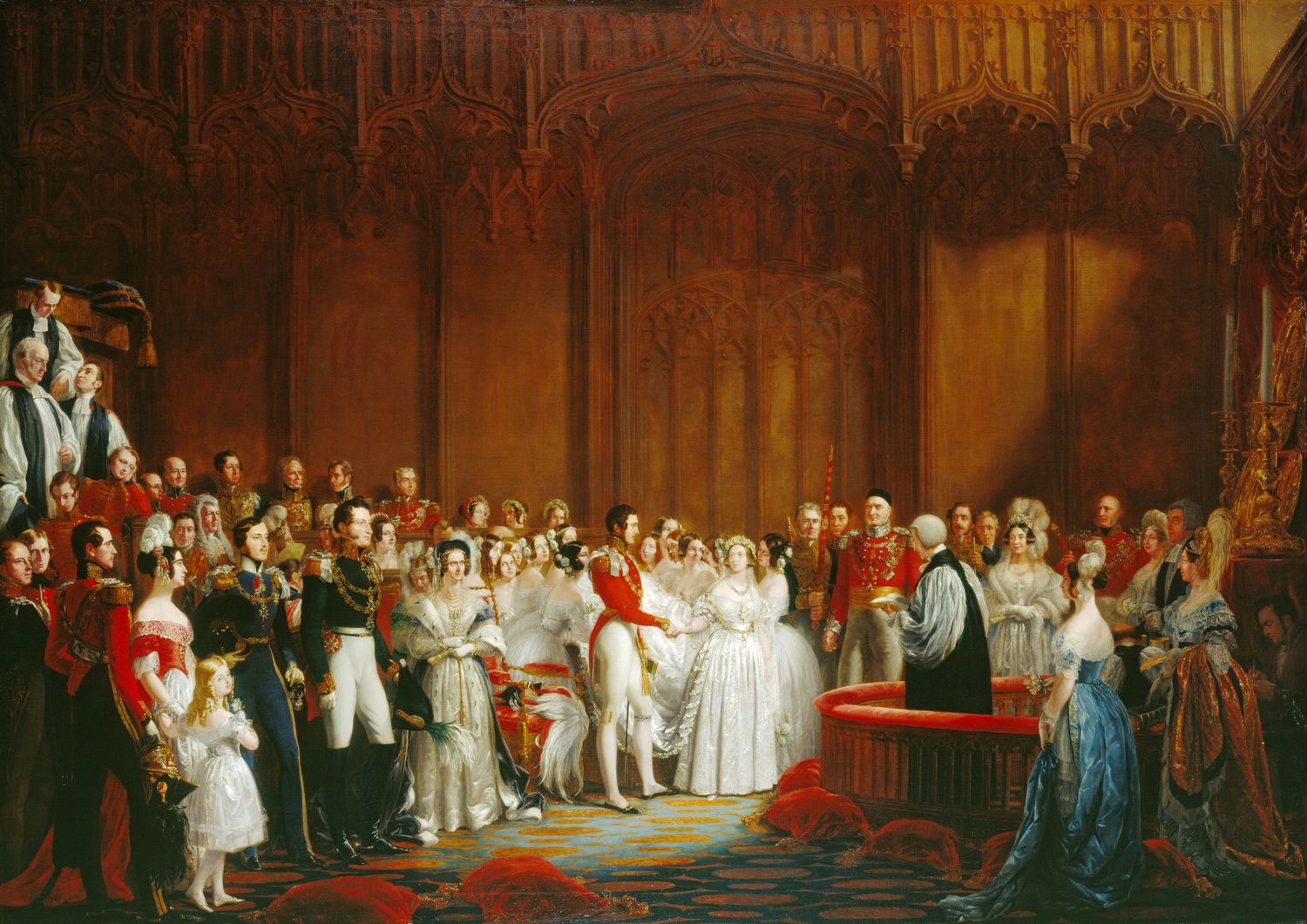
5. A Royal Renaissance: Queen Victoria and Prince Albert (1840)

Queen Victoria and Prince Albert’s wedding set the stage for future royal unions. Held at the Chapel Royal in St. James’s Palace, this wedding was a display of opulence and tradition. Victoria chose a white satin gown, a bold departure from previous royal brides who wore silver. This choice sparked a trend that would eventually become the norm for Western weddings. With their union, Queen Victoria and Prince Albert set the tone for modern royal weddings, emphasizing the importance of love and personal connection.

British weddings have always been a delightful blend of tradition and innovation, showcasing the unique aspects of British culture. Whether it’s the regal splendor of royal unions or the glitz and glamour of celebrity weddings, these celebrations have captivated audiences around the world. From the grandeur of Princess Diana’s wedding to the modern elegance of Prince William and Kate Middleton’s nuptials, each event has left an indelible mark on history.

As we continue to celebrate the love and unity that weddings bring, we are reminded of the enduring charm of British culture. So, the next time you find yourself immersed in the joy of a wedding celebration, take a moment to appreciate the rich tapestry of British traditions and the magical moments they create.”